Most people visit monasteries for an hour, snap a few photos, and leave. But a growing number of travelers are doing something far more interesting: actually sleeping there. Across Europe, centuries-old abbeys, convents, and working religious houses still open their doors to overnight guests, offering everything from basic pilgrim dormitories to surprisingly well-appointed historic hotels. The best part?
You do not need to be on a spiritual quest to enjoy them. Some of these places sit beside famous pilgrimage routes, others perch on dramatic clifftops or amid rolling countryside, and a few are hidden in plain sight within major European cities. What they all share is a genuine sense of place that no chain hotel can replicate. The 13 stays below range from Ireland to southern Italy, covering working monasteries, convent guesthouses, and historic religious complexes that still welcome the public today.
1. Glenstal Abbey, Murroe, County Limerick, Ireland
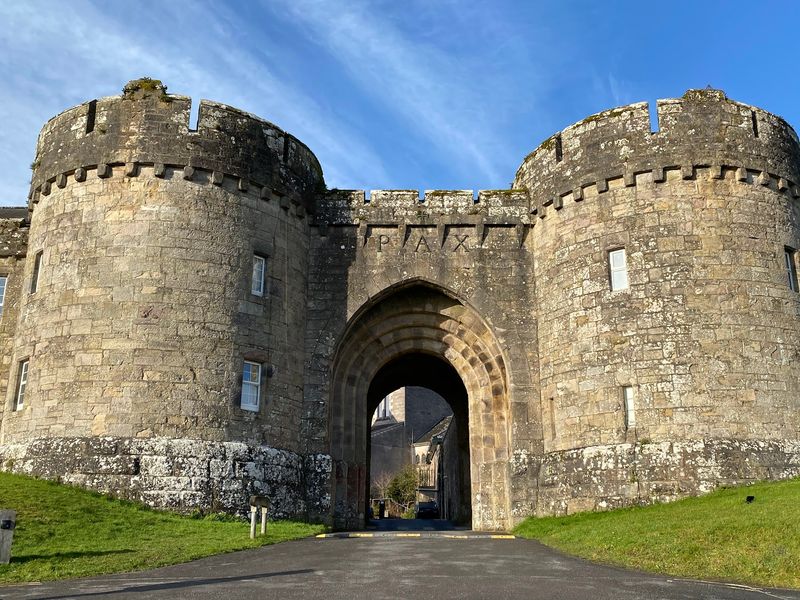
Behind the castle-like walls of a 19th-century Normanesque estate in County Limerick, a working Benedictine community has been quietly welcoming guests for decades. Glenstal Abbey’s dedicated guesthouse offers 12 modest en-suite rooms, purpose-built for quiet stays rather than tourist traffic.
Guests are invited to attend the monks’ prayer services throughout the day and, on most evenings, share a silent supper in the Monastery Refectory, accompanied by readings or music. This level of participation sets Glenstal apart from most monastery stays in Ireland.
The broader estate includes lakes, forests, and a historic walled garden, creating an environment that feels genuinely removed from daily life. A Guestmaster from the monastic community is available to assist guests, upholding the Benedictine Rule of hospitality that has shaped this place for generations.
2. Kloster Arenberg, Koblenz, Rhineland-Palatinate, Germany
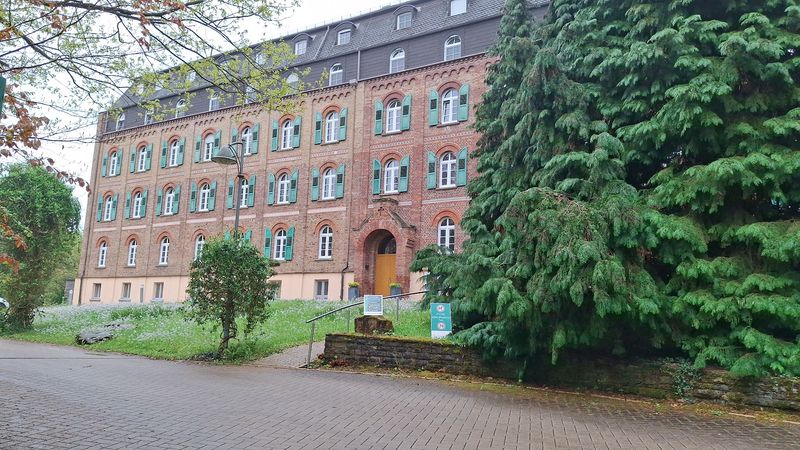
High above Koblenz, the Sisters of St. Catherine of Siena have turned their convent into one of the most unexpectedly comfortable monastery retreats in Germany. Guest rooms and apartments overlook the park, and three daily meals are included, with a focus on fresh, predominantly vegan and vegetarian cuisine featuring herbs from the monastery’s own garden.
The “Vitalzentrum,” built in the early 2000s, adds a swimming pool with a counter-current system, a fitness room, sauna, and infrared cabin, making this far more comprehensive than a standard retreat house. Classes in yoga and water aerobics are also available for those who want structured activity.
Outside, the grounds feature a labyrinth designed for walking meditation, a garden with benches and hammocks, and enough open space to make a full day outdoors entirely reasonable. Kloster Arenberg welcomes guests of all faiths and none.
3. Kloster Fischingen, Fischingen, Thurgau, Switzerland
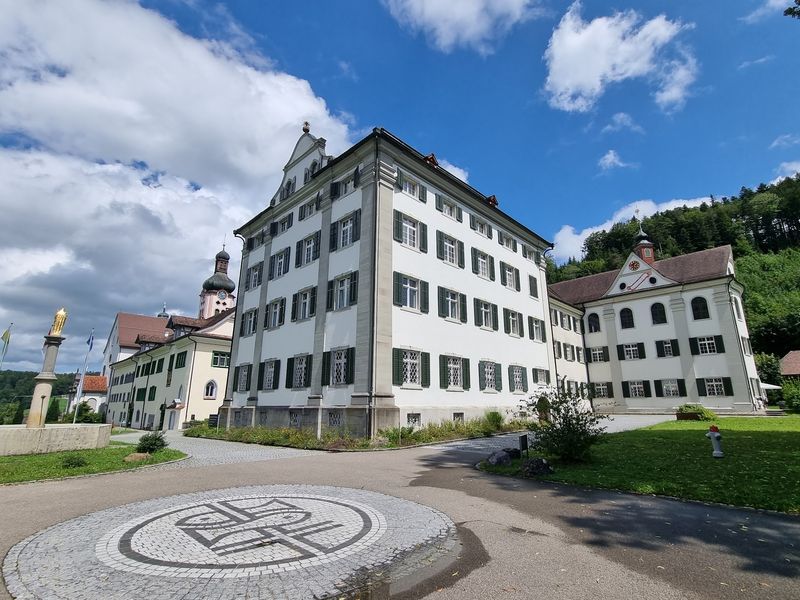
Founded in 1138 as a pilgrimage station on the Way of St. James, Kloster Fischingen has had nearly nine centuries to perfect the art of welcoming travelers. Today the former monks’ cells have been transformed into stylish hotel rooms, many deliberately skipping televisions and radios to encourage genuine quiet rather than the performative kind.
The monastery complex includes a baroque church, a restaurant serving regional and seasonal specialties, and cultural events, particularly classical concerts held within the historic walls, often paired with a three-course dinner option. These events draw visitors who might not otherwise consider a monastery stay.
The PILGRIM brewery, established in 2014, holds the distinction of being Switzerland’s first and only monastery brewery, producing gourmet beers from traditional recipes and local ingredients. Pilgrims walking the Way of St. James receive a complimentary drink, continuing a hospitality tradition that predates the hotel by several hundred years.
4. Kloster Kappel, Kappel am Albis, Canton of Zurich, Switzerland
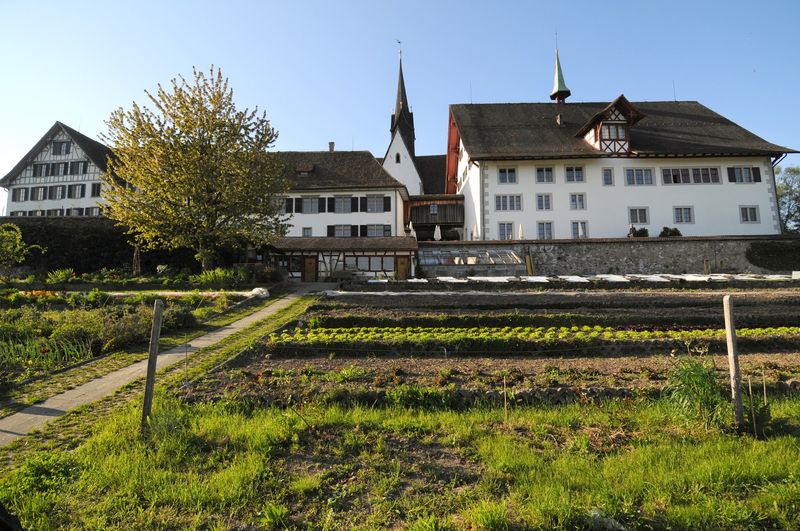
Between Lake Zurich and Lake Zug, in countryside that rolls gently toward the Alps, a former Cistercian abbey founded around 1185 now operates as a seminar hotel under the Evangelical Reformed Church of Zurich. Kloster Kappel’s 76 guest rooms are functional, calm, and deliberately free of televisions and minibars, with views directed instead toward the surrounding forests and meadows.
The grounds include a cloister garden reserved for silence and contemplation, a ProSpecieRara vegetable garden preserving heirloom plant varieties, and a panoramic restaurant terrace where seasonal dishes are prepared using produce from the monastery’s own organic garden. Daily short prayer sittings in the Gothic nave are open to any guest who wants to attend.
A calendar of cultural programming adds depth to longer stays, with concerts, readings, hiking weekends, and courses in Tai Ji and Qi Gong. Free parking and Wi-Fi are available throughout the property.
5. Buckfast Abbey, Buckfastleigh, Devon, England
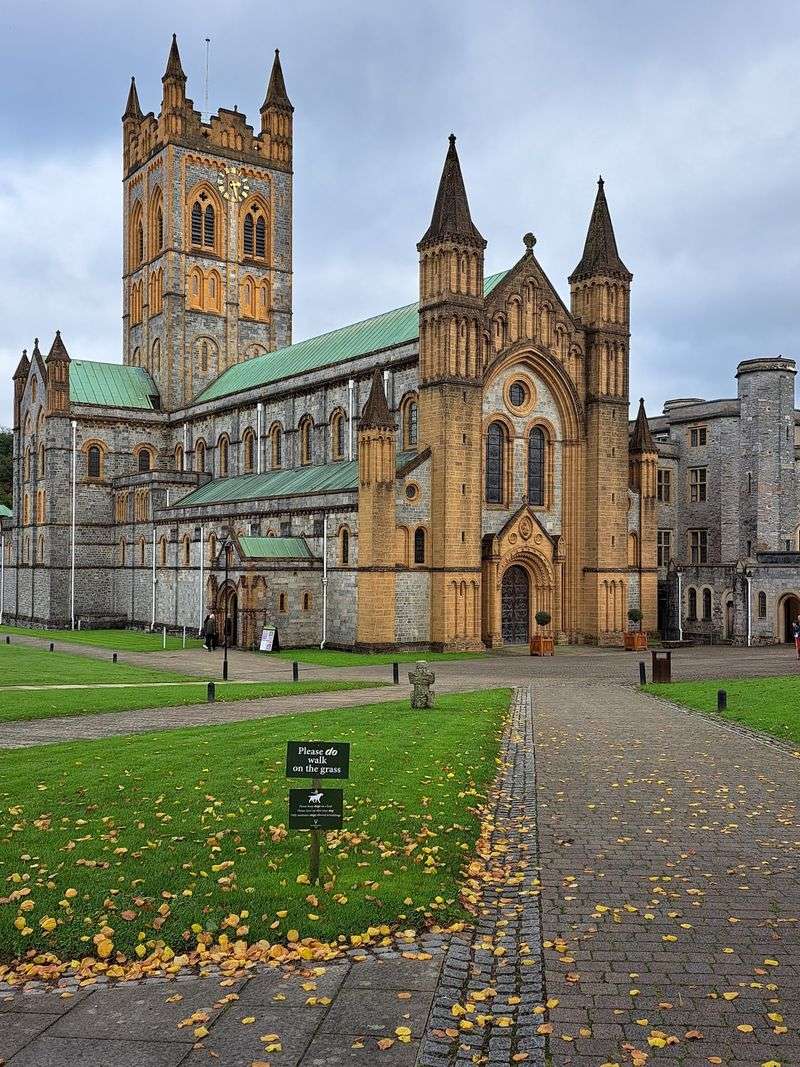
On the southern edge of Dartmoor National Park, Buckfast Abbey is a fully functioning Benedictine monastery that traces its origins to a Saxon community established around 1018. The accommodation options here are more varied than at most monastery stays, catering to very different types of guests under the same historic roof.
Gentlemen seeking a genuine retreat can stay in the Monastery Retreat Quarters, where 17 single rooms allow a maximum seven-day stay, with meals shared alongside the monks and attendance at the Daily Office expected. Women and married couples are directed to St Petroc’s Retreat House nearby, which includes a shared kitchen and lounge. The modern Northgate House Hotel on the grounds provides 32 rooms with standard hotel amenities for those wanting comfort without the retreat structure.
Beyond accommodation, the Abbey runs The Grange Restaurant, an Italian-inspired eatery called San Benedetto’s, a monastery shop, and a beekeeping operation producing honey sold on-site. Entry to the Abbey and grounds is free.
6. Albergue y Hospederia del Monasterio de Samos, Samos, Galicia, Spain
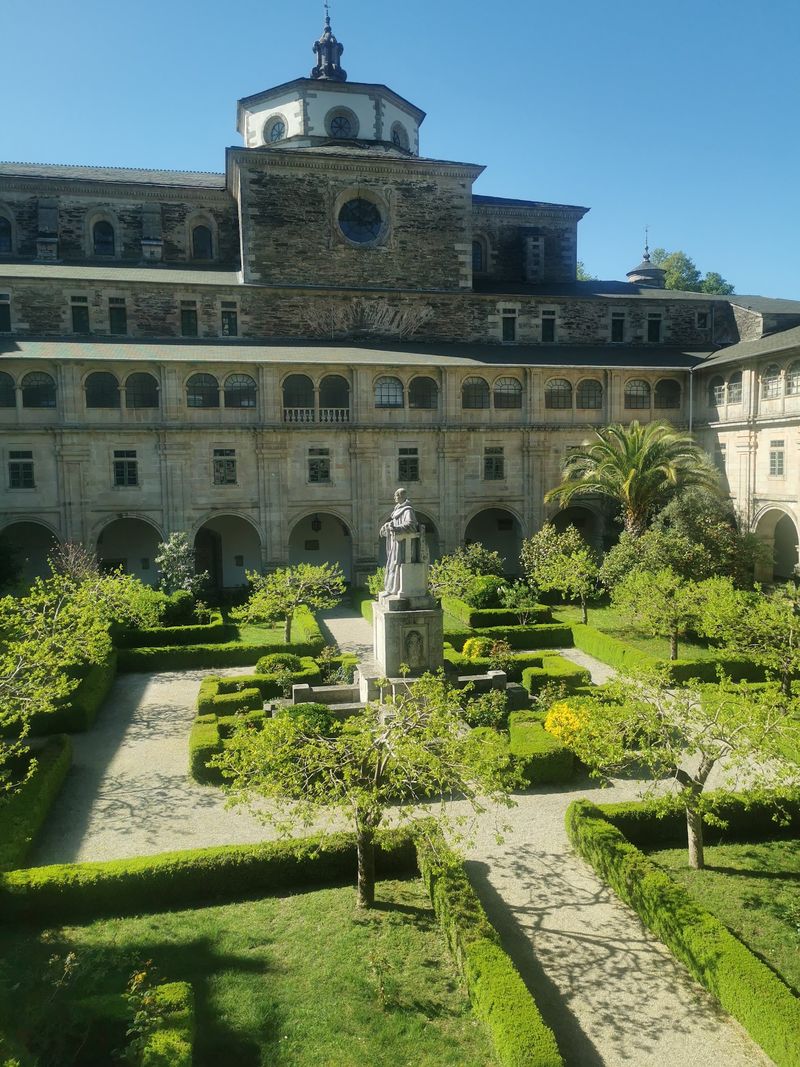
Deep in a forested valley along the Sarria River, the Monastery of San Julian de Samos has been sheltering pilgrims on the Camino de Santiago since the 9th century, making it one of Spain’s oldest continuously inhabited monasteries. The village of Samos is tiny, and the monastery is unmistakably its defining feature.
Two accommodation options exist for modern visitors. The Albergue del Monasterio, located inside the enclosure, offers 32 dormitory beds exclusively to pilgrims holding a credential, on a donation basis, open from March through October with no advance reservations accepted. The Hospederia Externa, just 50 meters from the monastery walls, operates year-round for a fee and provides comfortable family rooms with private bathrooms, air conditioning, and in-room washing machines in some units.
Daily guided tours of the monastery, led by monks or volunteers, cover the baroque church, two historic cloisters, an ancient pharmacy, and the pre-Romanesque Cypress Chapel. The monastery shop sells honey and other items produced by the community.
7. Monastero Sant’Andrea, Assisi, Umbria, Italy
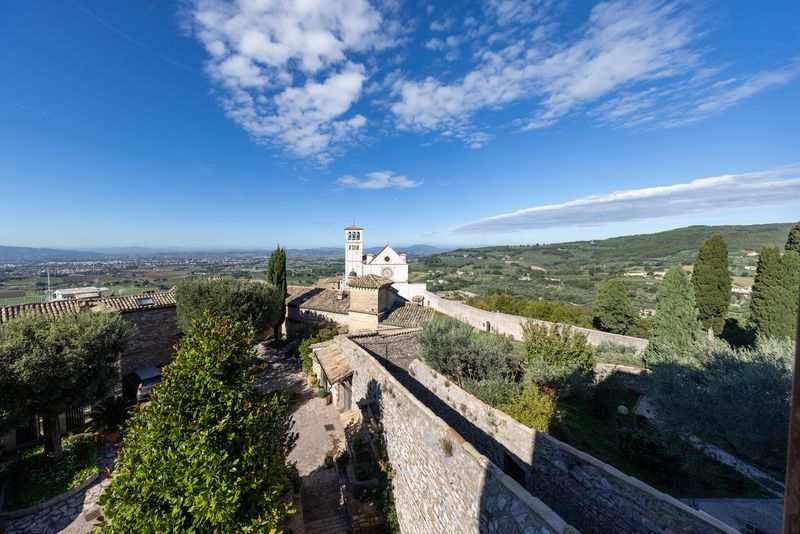
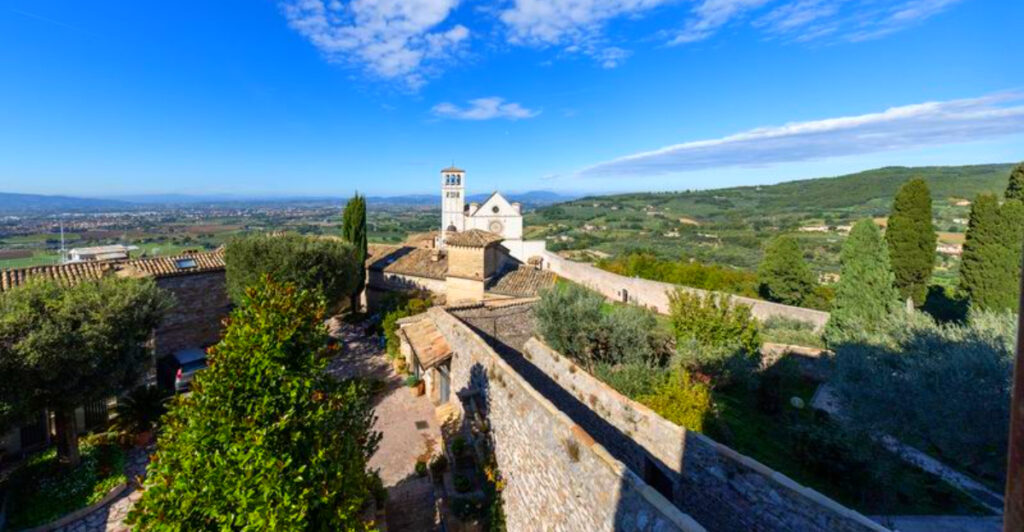
Directly opposite the Basilica of San Francesco, with views across the Umbrian hills that have inspired travelers for centuries, Monastero Sant’Andrea offers one of Assisi’s most quietly rewarding places to stay. Operated by the Franciscan Missionary Sisters of the Child Jesus, this two-star guesthouse was thoroughly renovated in 2004 and now provides 30 comfortable rooms in the main building, plus two self-catering annexes.
Room types include Superior doubles with direct Basilica views, Classic doubles overlooking the courtyard, and family configurations with shared bathrooms. All rooms have private bathrooms, air conditioning, and free Wi-Fi, with paid private parking available on-site. The property also houses a fresco from the school of Giotto in the historic “hall of the 12 apostles.”
Two chapels on the property, one in the main building and one set within an olive grove, provide spaces for private reflection. A fifth-floor panoramic terrace offers a particularly clear view of the Basilica at sunset, making it a favored spot for guests.
8. Istituto Beata Angelina, Assisi, Umbria, Italy
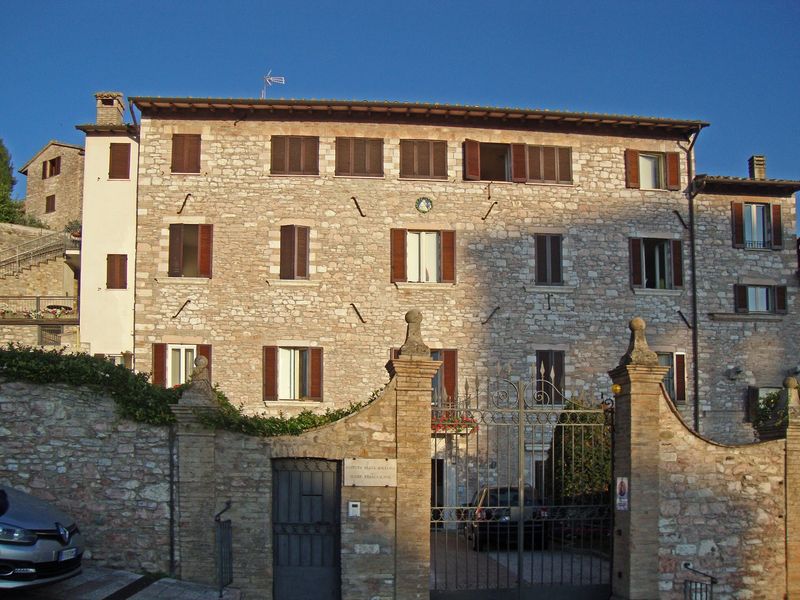
Some guesthouses advertise a view of the Basilica di San Francesco. Istituto Beata Angelina is located directly opposite it, placing one of the most visited religious sites in Italy just across the road from the front door. Managed by the Franciscan Sisters of Beata Angelina, this is a religious institution in the truest sense, not a hotel with a chapel bolted on.
The accommodation is clean, basic, and comfortable, with single, double, and multi-bed rooms available, some offering private bathrooms and others sharing facilities. Guests are asked to make their own beds, reflecting the self-sufficient character of a convent stay. A light breakfast of breads, pastries, yogurt, and coffee is included, and the sisters are consistently noted for their warmth and attentiveness.
The guesthouse reopened in 2002 after full renovation following the 1997 earthquake, and now includes free Wi-Fi, an elevator, and convenient courtyard parking. A 10 PM curfew applies, which suits most pilgrims just fine.
9. Istituto San Giuseppe, Venice, Veneto, Italy
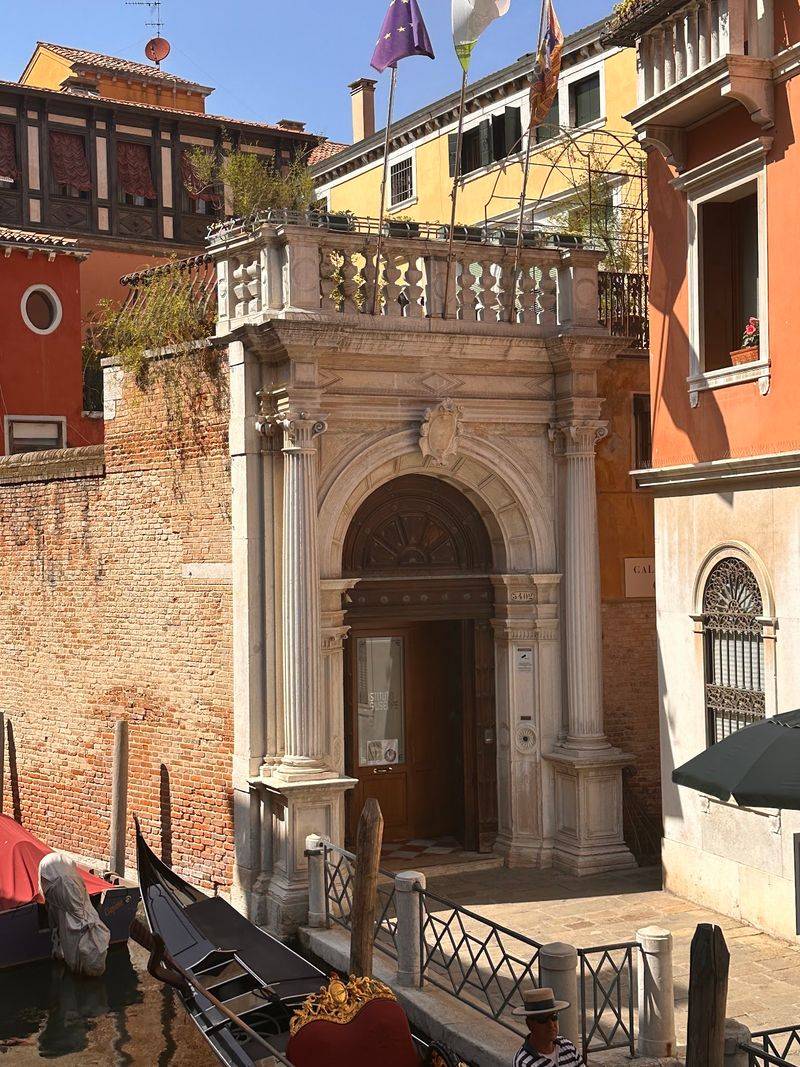
Venice has a well-known problem with crowds, but the Istituto San Giuseppe has a practical solution: it sits on the main island in the Castello sestiere, halfway between Rialto and St. Mark’s Square, putting guests within walking distance of the city’s best corners while the rest of the tourists head back to the mainland each evening.
The building dates to the 1500s and was acquired by the Daughters of St. Joseph of Caburlotto in 1932. The congregation still runs a kindergarten and primary school on the lower floors, which means common areas are limited during school hours but the rest of the day belongs to guests. The 14 simple rooms each have private bathrooms, air conditioning, and heating, with no televisions, keeping the atmosphere appropriately quiet.
A small chapel is open for prayer, a walled courtyard provides outdoor space, and a shared kitchen with a microwave and kettle is available outside school hours. An evening curfew of 10:30 PM in winter and 11 PM in summer applies.
10. Casa Santa Lucia Filippini, Rome, Lazio, Italy
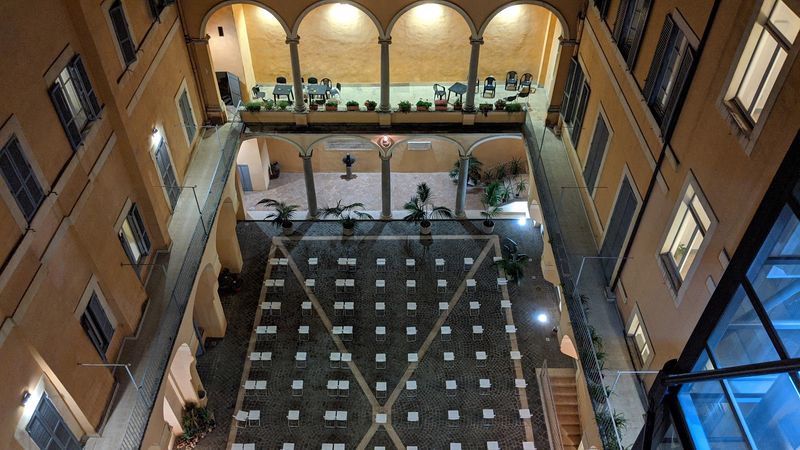
Between Piazza Venezia and the ancient ruins of Torre Argentina, a 17th-century building that once served as the residence of Saint Lucy Filippini herself now operates as one of central Rome’s most centrally located religious guesthouses. The Pantheon is a five-minute walk away, Piazza Navona is eight minutes, and the Trevi Fountain is ten, which makes the location almost unreasonably convenient.
The rooms, available in single, double, and triple configurations, are elegantly furnished with private en-suite bathrooms, air conditioning, a mini-fridge, television, and high-speed Wi-Fi. Breakfast is included and is served in the dining room each morning. A 24-hour front desk with bilingual staff operates around the clock, and a modern elevator serves the building.
The property’s central courtyard and cloisters provide calm outdoor spaces that feel completely disconnected from the traffic just beyond the gate. The Filippini Sisters have operated this guesthouse as an extension of their educational and charitable mission since the institute was founded in 1692.
11. Casa Per Ferie Rosaz, Rome, Lazio, Italy
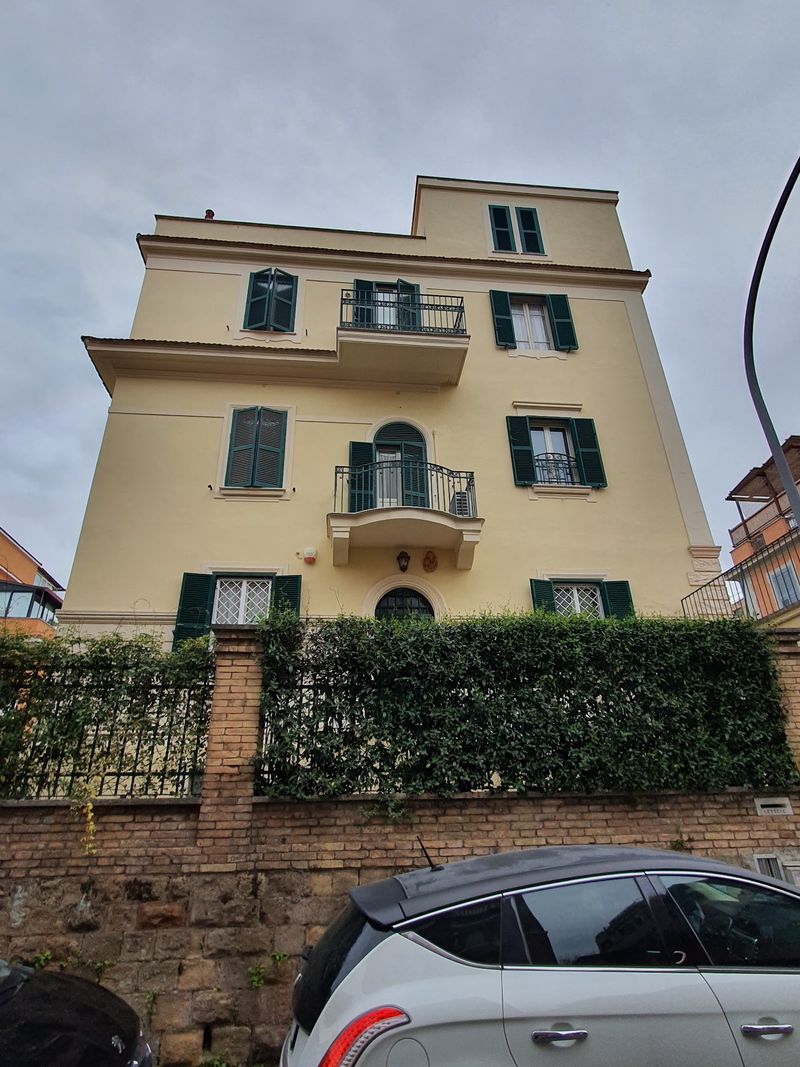
Not every worthwhile Rome base sits within eyeline of the Colosseum. Casa Per Ferie Rosaz, run by the Franciscan Sisters of Susa in the residential Monteverde district, is a short distance from the Trastevere area and offers something the historic center rarely delivers: genuine quiet. The property was renovated in 2019 and the results are immediately visible in its fresh, well-maintained rooms.
Private rooms come in single, twin, and double layouts, each with a walk-in shower, air conditioning, flat-screen TV, mini-bar, and ironing facilities. Some rooms include a private terrace or balcony with garden or city views, which is a notable bonus at this price point. The gardens and rooftop terrace add further outdoor space for anyone wanting to sit without the background noise of central Rome.
Tram 8 connects the property directly to Piazza Venezia, making city access straightforward. Guest reviews consistently highlight the sisters’ hospitality and the exceptional cleanliness of the rooms as standout features of the stay.
12. Casa Per Ferie Madre Serafina, Rome, Lazio, Italy
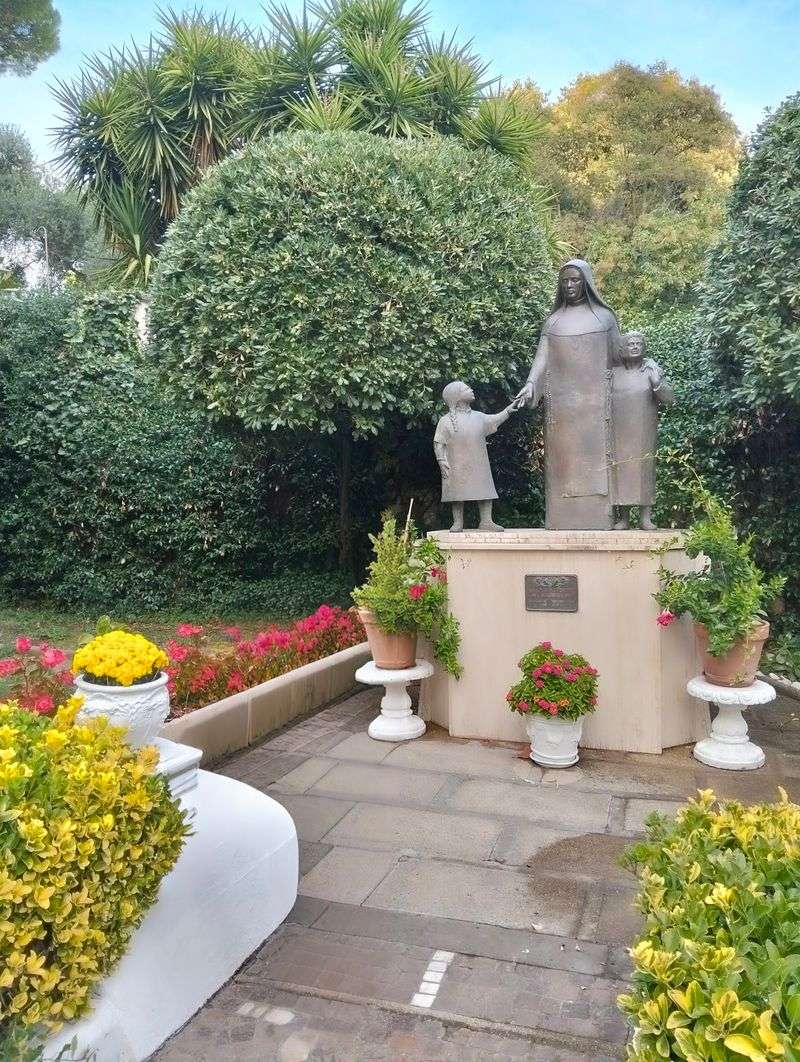
Rome’s northern Montesacro Alto neighborhood is not on most tourist maps, which is precisely what makes Casa Per Ferie Madre Serafina appealing. The Suore degli Angeli, an order founded in 1891 by Sister Maria Serafina Micheli, operate this guesthouse from a building originally constructed in 1954 and fully refurbished in 2000. Villa Ada and Villa Borghese are both nearby.
The property has 29 rooms across four floors, accommodating up to 60 guests in single, double, or multi-bed configurations, including options for guests with mobility needs. Each room includes a private bathroom, air conditioning, heating, satellite television, and telephone. Breakfast is included, and dinner is available in the refectory. Free private parking and an elevator are both on-site.
Two chapels serve different purposes: one hosts organized daily Mass at set times throughout the week, while a smaller chapel remains permanently open for private prayer. An extensive garden with established trees and flowerbeds provides a genuinely peaceful outdoor setting for reflection after a day of sightseeing.
13. Villa Crawford, Sant’Agnello, Campania, Italy
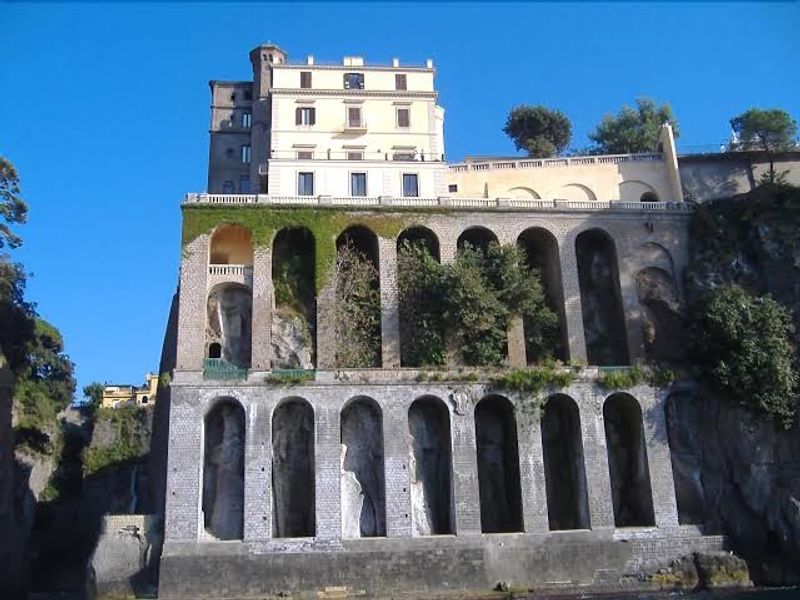
American writer Francis Marion Crawford built his clifftop residence in Sant’Agnello in 1885, hosting cultural gatherings there until his passing in 1909. The Institute of Mary Help of Christians received the property in 1954 and opened it to overnight guests, preserving both its historic character and its extraordinary position above the Bay of Naples.
The villa has 18 rooms with 48 beds across three floors, served by an elevator. Room types include single, twin, double, and quadruple options, all with private bathrooms, air conditioning, flat-screen TVs, and mini-bars. Half the rooms face the sea, with views stretching across to Mount Vesuvius. A continental buffet breakfast is included, and the on-site restaurant serves Italian and Mediterranean cuisine.
The grounds feature centuries-old trees, multiple panoramic terraces, and two chapels. Marinella beach is 100 meters away on foot, and the center of Sorrento is roughly one kilometer from the villa. The Circumvesuviana train station at Sant’Agnello provides easy connections to Pompeii and Naples.
Share this story