The world’s population is growing fast, but not everywhere at the same pace. While some countries are shrinking, others are preparing for a surge so massive it will reshape cities, schools, and economies for decades to come.
Sub-Saharan Africa leads the charge, but South Asia is right behind it. Here are 13 countries where population growth is about to change everything.
India
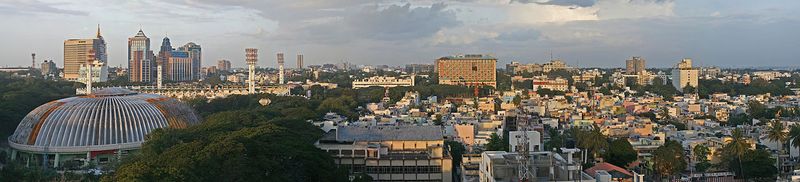
With over 1.44 billion people already calling it home, India still has more growing to do. The United Nations projects the country will add roughly 246 million more residents by 2054, a number larger than the entire current population of Brazil.
That is a staggering amount of growth for a country already bursting at the seams.
What makes India’s story unusual is that this growth is not mainly driven by large families. Fertility rates have dropped significantly over the past few decades.
Instead, the country’s enormous number of young adults means millions of people are entering their childbearing years at the same time, keeping birth totals high even as family sizes shrink.
India’s population is expected to peak around 2062 at approximately 1.70 billion. After that, a gradual decline is projected.
For now, the country faces the enormous task of building enough schools, hospitals, homes, and jobs to serve a population that just keeps getting bigger every single year.
Nigeria
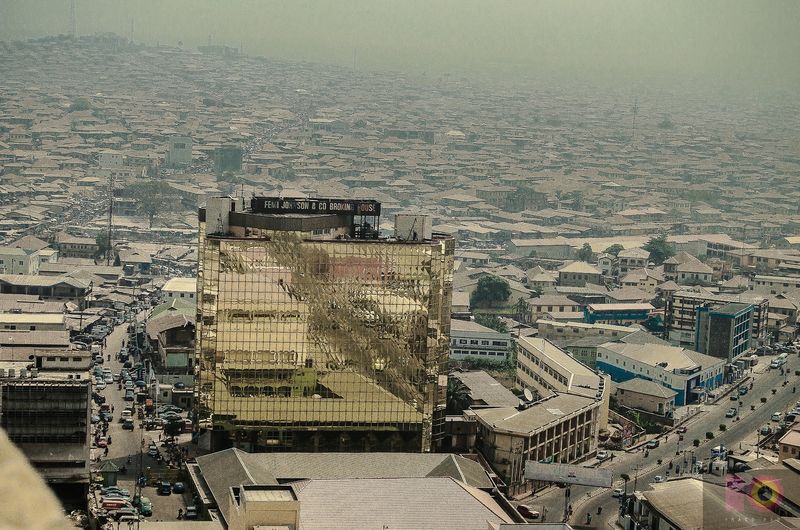
Nigeria does not do things quietly. Africa’s most populous country is projected to add about 144 million people in just 30 years, pushing its population close to 375 million by 2054.
To put that in perspective, that is like adding another Nigeria and a half on top of the one that already exists.
The growth does not stop there. By 2100, the UN’s medium scenario places Nigeria above 477 million people, which would make it one of the most populous countries on the planet.
At some point this century, Nigeria is expected to overtake the United States in total population size.
That kind of demographic expansion brings real opportunities. A large and growing workforce can fuel economic activity, drive innovation, and create a massive consumer market.
But only if the right investments are made. Jobs, schools, hospitals, clean water, reliable electricity, and modern transportation infrastructure all need to expand at the same pace as the population to make the most of this historic moment.
Pakistan
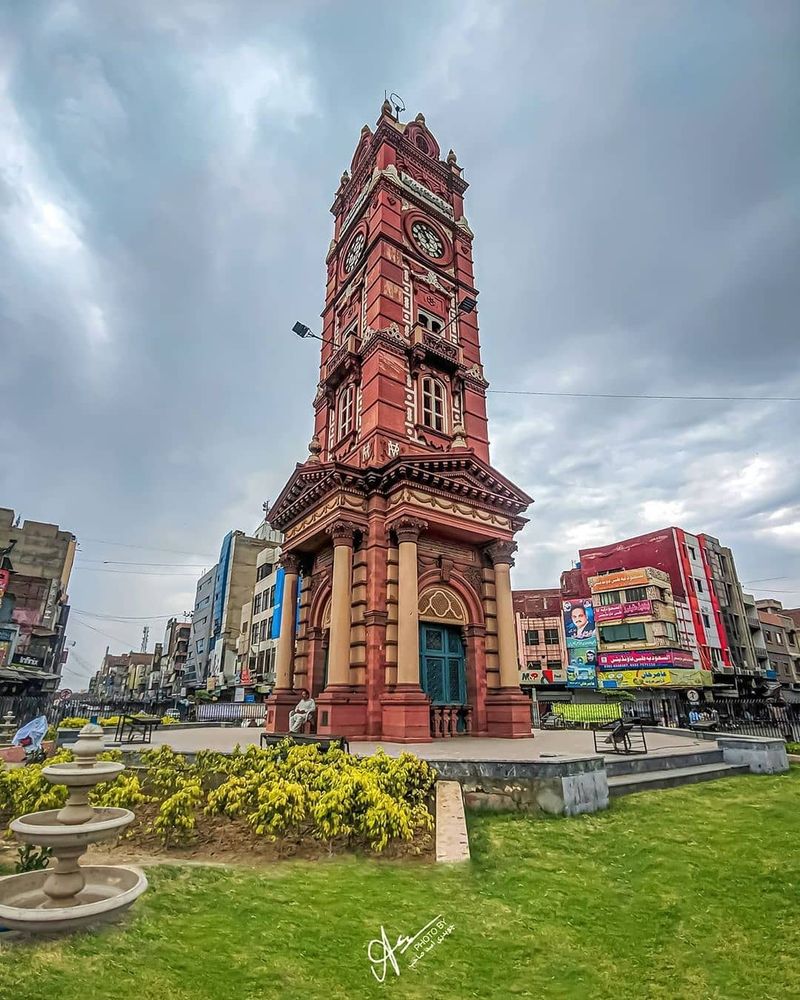
Pakistan is quietly becoming one of the demographic giants of the 21st century. The country is projected to grow from about 249 million people in 2024 to nearly 390 million by 2054, adding around 138 million residents in just three decades.
That level of growth would move Pakistan significantly higher among the world’s most populous nations.
The momentum does not slow down after mid-century either. Under the UN’s medium scenario, Pakistan could surpass 510 million people by 2100, eventually overtaking the United States in population size as global rankings shift in ways few would have predicted a generation ago.
Managing this growth will require enormous effort across every sector of society. Rapidly expanding cities like Karachi and Lahore will need more roads, housing, schools, and sanitation systems.
Access to clean water is already a major concern and will only become more pressing. Employment opportunities will need to multiply fast enough to absorb millions of young people entering the workforce every single year for decades to come.
Democratic Republic of the Congo
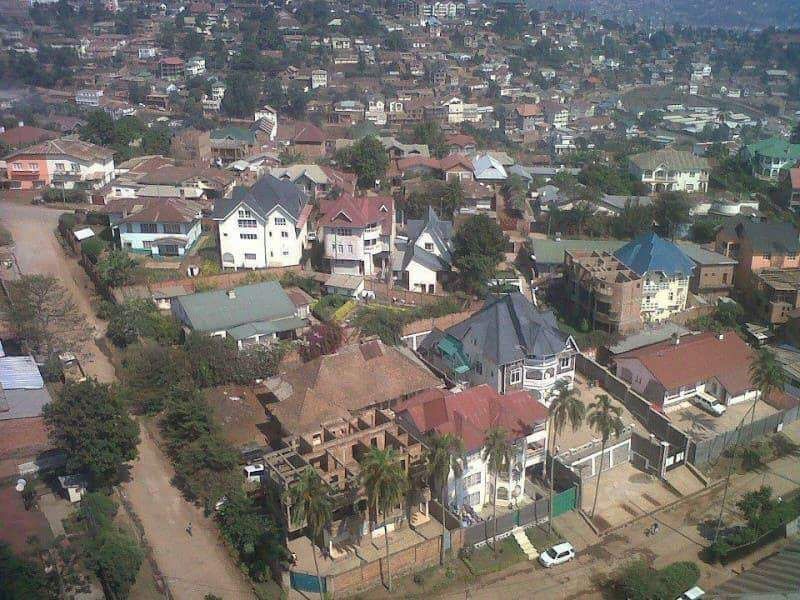
Few countries on Earth are set to transform as dramatically as the Democratic Republic of the Congo. Its population is projected to more than double in just 30 years, jumping from roughly 108 million people in 2024 to over 235 million by 2054.
That is an increase of about 128 million people, which is more than the current population of Japan.
And 2054 might only be the halfway point. The UN projects approximately 429 million people living in the DRC by 2100, a figure that could keep climbing beyond the end of the century.
That trajectory would push the country past the United States in population size and rank it among the largest countries in the world by sheer numbers.
The DRC is rich in natural resources, including minerals that power the global tech economy. Turning a booming young population into a genuine demographic advantage will require investing in education, healthcare, and stable institutions.
The challenge is enormous, but so is the potential waiting to be unlocked across this vast and resource-rich nation.
Ethiopia
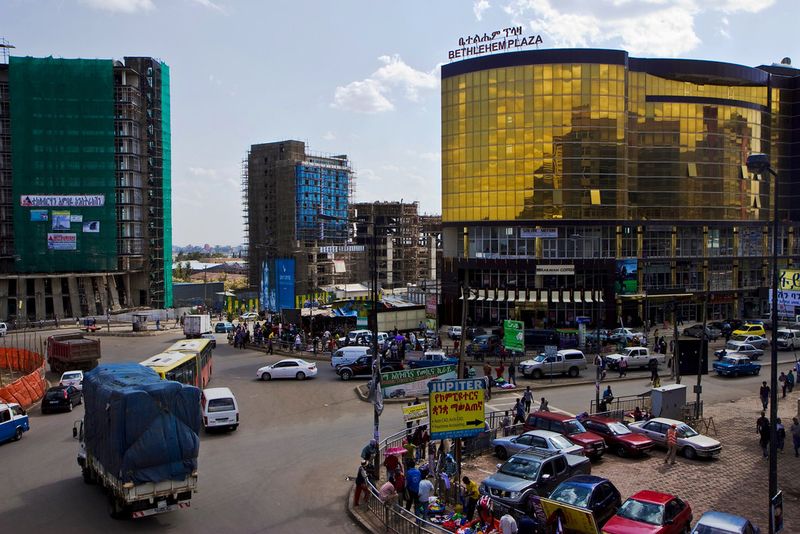
Ethiopia is on track to become one of Africa’s undisputed demographic powerhouses. The country is projected to add more than 107 million residents between 2024 and 2054, nearly doubling its population in just three decades.
By mid-century, Ethiopia could be home to approximately 238 million people, making it a true continental giant.
The growth story continues well past 2054. Under the UN’s medium scenario, Ethiopia could reach around 366 million inhabitants by 2100, cementing its place among the world’s most populous nations.
That kind of sustained expansion will reshape virtually every aspect of Ethiopian society, from its cities to its farmlands.
The scale of change brings both enormous promise and serious pressure. Ethiopia will need to dramatically expand its education system to serve millions of additional students entering school every year.
Employment opportunities must grow fast enough to absorb a surging young workforce. At the same time, managing environmental pressures, food security, and infrastructure development will all become increasingly urgent priorities as the population climbs higher and higher.
Tanzania
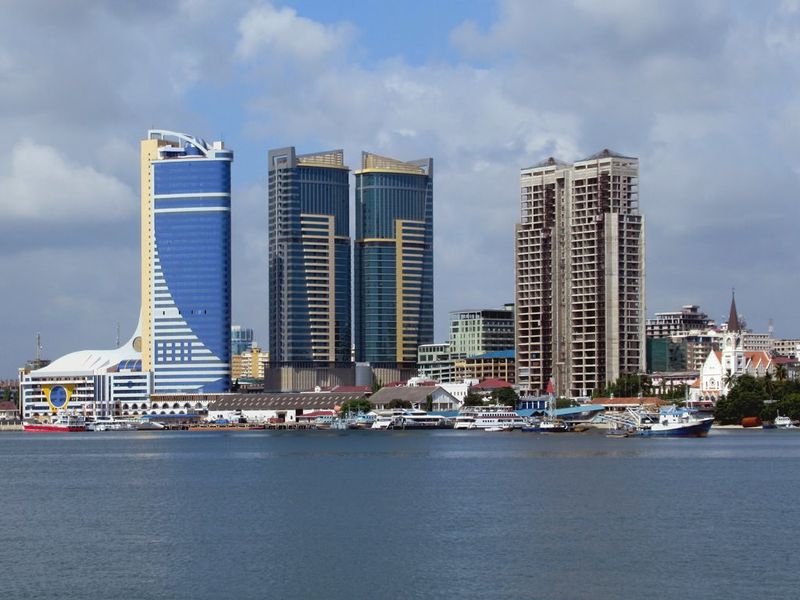
Tanzania is heading toward a remarkable milestone. The UN projects the country will grow from approximately 67.6 million people in 2024 to nearly 139 million by 2054, more than doubling its population in just 30 years.
That is an extraordinary rate of growth for a country that was already among Africa’s larger nations.
By 2100, the population could reach roughly 262 million, which would be almost four times Tanzania’s current size. That kind of expansion would push Tanzania into the ranks of the world’s 10 most populous countries before the century ends, a position almost unimaginable from where the country stands today.
Urban areas, especially Dar es Salaam, are likely to absorb a huge share of this growth. The city is already one of the fastest-growing in Africa and will face mounting pressure on housing, transportation, water supply, and employment.
Tanzania’s coastal geography, wildlife reserves, and agricultural potential give it real economic assets to build on, but scaling up public services fast enough to match the pace of population growth will be the defining challenge for the next generation of leaders.
Egypt
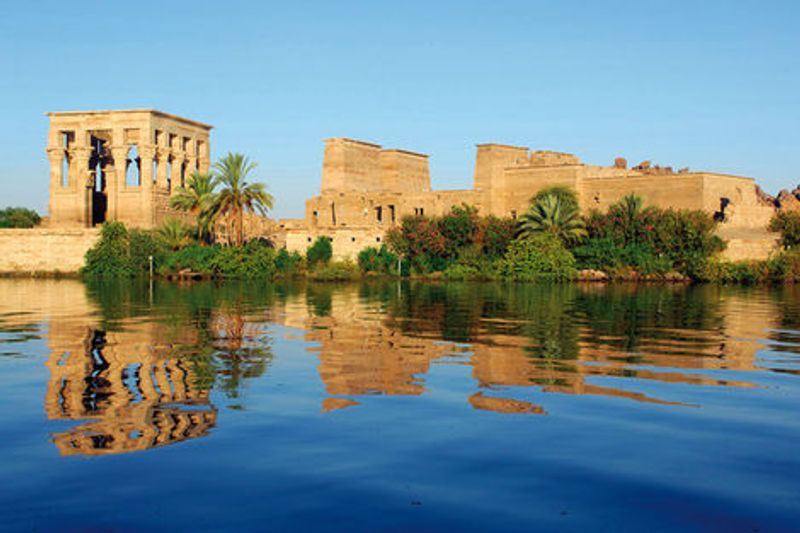
Egypt has a geography problem that makes its population boom especially complicated. Most of the country is desert, so the vast majority of Egyptians live packed into the narrow Nile Valley and Delta region.
Adding 51 million more people by 2054 does not just mean more people in Egypt, it means far more people squeezed into the same limited stretch of habitable land.
The UN medium scenario projects Egypt reaching about 167 million people in 2054 and surpassing 200 million by 2100. Those numbers put enormous pressure on water resources, farmland, and urban infrastructure in a region that already faces serious resource constraints.
Cairo is already one of the most densely populated cities in the world, and the pressure on housing, roads, and public services is only going to intensify. Egypt has been investing in new urban development projects, including a brand new capital city built east of Cairo, partly to relieve that pressure.
Water management along the Nile will become increasingly critical as the population grows and regional water sharing agreements face greater strain from all directions.
Angola
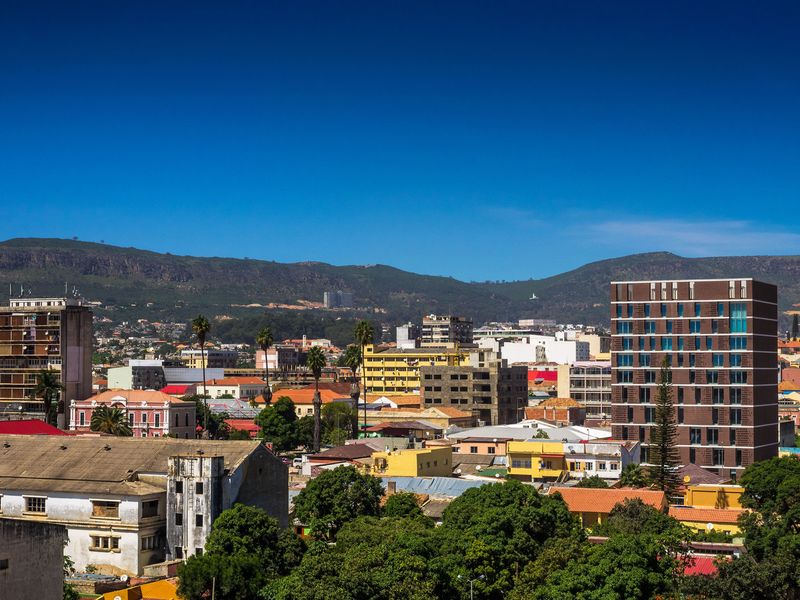
Angola is about to pull off something remarkable in demographic terms. The country is projected to grow from approximately 37 million residents in 2024 to nearly 80 million by 2054, more than doubling in size within just three decades.
Children born in Angola today could see their country’s population triple within their lifetimes.
By the end of the century, Angola’s population could approach 150 million people. That would transform a country that currently has fewer residents than California into one of Africa’s major population centers.
The speed of that change is hard to fully wrap your head around.
Luanda, already one of Africa’s most expensive cities, will face intense pressure as urban migration accelerates alongside natural population growth. Angola’s oil wealth has historically driven its economy, but creating enough jobs and economic opportunities for a population that keeps doubling will require serious diversification.
Agriculture, manufacturing, and services will all need to grow substantially. The country has vast land and natural resources, giving it a foundation to build on if the right policies and investments can be put in place quickly enough.
Uganda
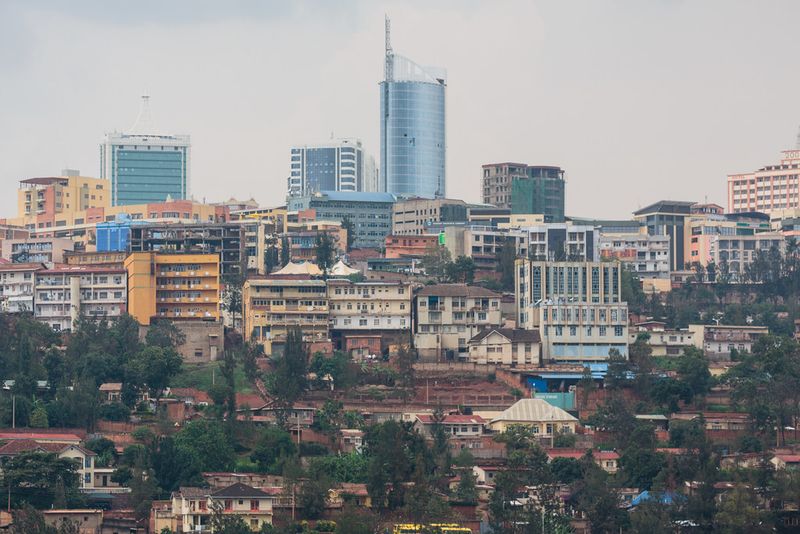
Uganda has one of the youngest populations anywhere on Earth, and that fact alone tells you a lot about where its demographic story is headed. The country is projected to grow from roughly 49 million people in 2024 to almost 90 million by 2054, adding more than 40 million residents in just three decades.
By 2100, the UN projects a population of approximately 121 million. That sustained growth means Uganda will need to create millions of new school places, homes, and jobs over the coming decades just to keep pace with the number of young people entering each stage of life.
The potential upside is real. A large and growing workforce can be a powerful engine for economic development, especially if paired with strong investment in education and healthcare.
Kampala is already a vibrant and fast-growing city, and Uganda’s agricultural sector has significant room to expand. The UN is clear, though, that a demographic dividend is never automatic.
Countries need smart, sustained investment in their people to convert population growth into lasting prosperity rather than simply more mouths to feed.
Afghanistan
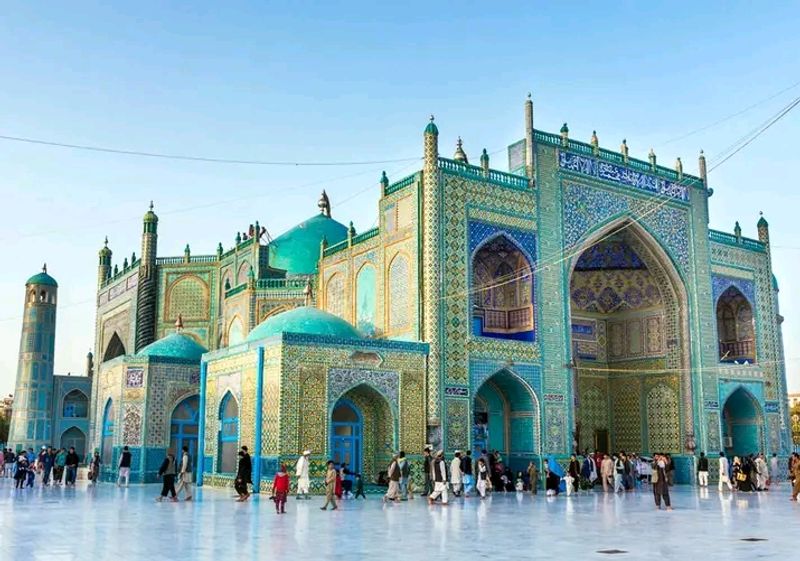
Afghanistan’s population numbers tell a striking story. The UN projects the country will grow from approximately 42 million people in 2024 to about 82 million by 2054, coming very close to doubling in just 30 years.
Growth is expected to continue well beyond mid-century, potentially pushing the total to around 130 million by 2100.
What makes those numbers particularly significant is the context in which they are happening. Afghanistan already faces serious challenges in healthcare, education, food security, and economic development.
A near-doubling of the population means those challenges will need to be addressed at a scale that would be demanding even for a wealthy, well-resourced nation.
Young people make up a huge share of Afghanistan’s current population, which means the workforce of the next two decades is already born. Providing that generation with education, skills, and economic opportunity will be one of the most consequential decisions the country faces.
Infrastructure, clean water access, and agricultural productivity will all need to expand substantially just to maintain current living standards as millions more people join an already stretched system.
Sudan
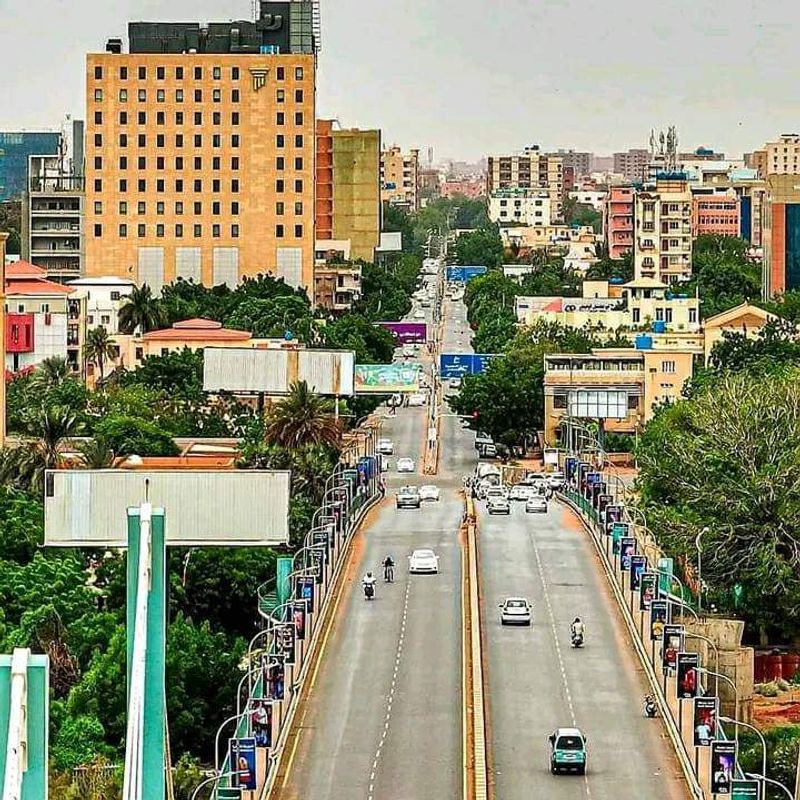
Sudan’s demographic trajectory stands out even against a backdrop of serious conflict and displacement. The UN projects the country’s population will grow from approximately 50 million in 2024 to about 90 million by 2054, and could surpass 136 million by 2100.
That is a significant expansion for a nation navigating some of its most turbulent years in recent history.
Long-range population projections always carry uncertainty, but that uncertainty is especially pronounced when conflict is driving large-scale mortality and migration. The UN’s World Population Prospects framework is upfront about this, presenting projections as modeled scenarios based on assumptions about fertility, mortality, and movement, not guaranteed outcomes.
Even with those caveats, the underlying demographic forces pointing toward growth in Sudan are real. The country has a young population with high birth rates relative to global averages.
When stability eventually returns, the pressure to build schools, hospitals, housing, and economic infrastructure for a significantly larger population will be immediate and intense. Sudan’s location along the Nile and its agricultural land give it resources to draw on, but translating those assets into broad-based development will require sustained peace and strong governance.
Niger
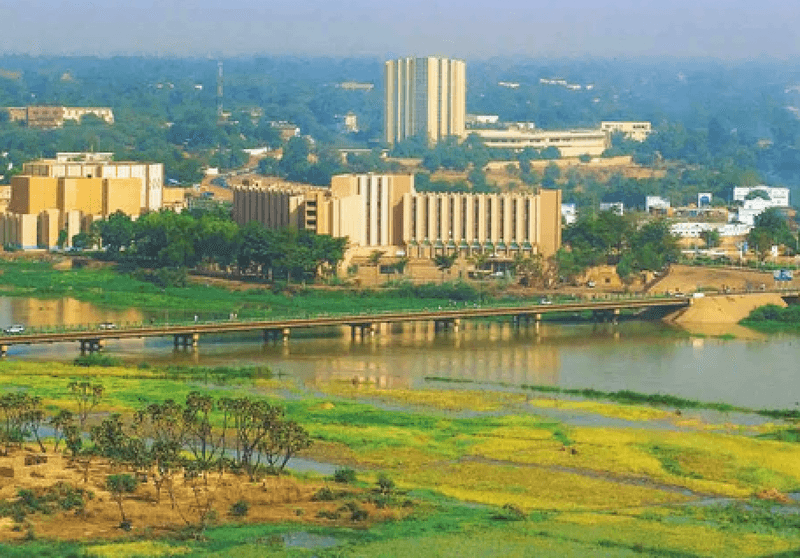
Niger offers one of the most striking examples of just how fast a population can grow. The country is projected to increase from approximately 26.6 million people in 2024 to 56.1 million by 2054, more than doubling in just three decades.
By 2100, the UN medium scenario projects more than 90 million people living in a country that had fewer than 27 million just 76 years earlier.
Niger consistently ranks among the countries with the highest fertility rates in the world. That means each generation is substantially larger than the one before it, creating a compounding effect that keeps population totals climbing fast even when individual circumstances are difficult.
The speed of growth is what makes Niger’s situation so challenging. Governments typically need time to build schools, train teachers, expand clinics, and develop infrastructure.
When the next generation arrives before the current one is fully served, that gap becomes harder and harder to close. Niger is a landlocked country with limited rainfall and fragile agricultural conditions, making the task of feeding, educating, and employing a rapidly multiplying population one of the most pressing development challenges anywhere on the continent today.
Somalia
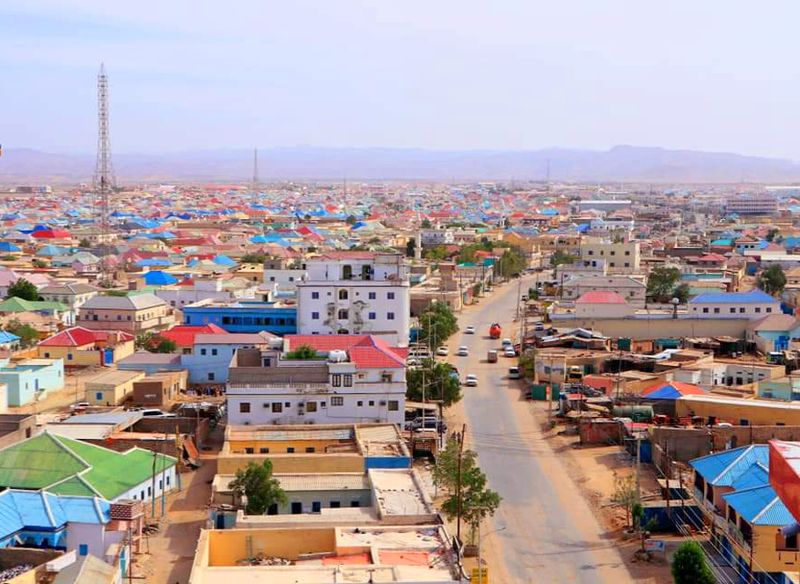
Somalia rounds out this list with another projected doubling, and the numbers are hard to ignore. The UN estimates roughly 18.7 million residents in 2024, rising to almost 39.8 million by 2054.
By 2100, the population could approach 67 million, making Somalia a significantly larger country than it is today by virtually every measure.
Somalia is among the nine populations the UN expects to at least double over the next three decades. That company includes some of the fastest-growing nations in all of sub-Saharan Africa, placing Somalia firmly within the global epicenter of demographic change.
The scale of that expansion carries particular weight given Somalia’s existing circumstances. The country has spent decades managing the effects of conflict, climate-related shocks, food insecurity, and limited infrastructure.
Coastal flooding, drought, and displacement already affect millions of Somalis each year. Doubling the population in that environment will require not just more resources but smarter, more resilient systems for delivering healthcare, food, clean water, and education to communities spread across a challenging and often unpredictable landscape.
The path forward is difficult, but Somalia’s young population also represents genuine long-term potential.
Share this story