History is often written by the winners, but sometimes it gets polished, stretched, or carefully shaped by those with the most to lose. Kings became chosen by gods, conquerors became civilizers, and rulers with complicated records acquired miraculous origin stories. Some of these legends were deliberate propaganda campaigns. Others grew slowly over generations until separating the real person from the reputation became nearly impossible.
What follows is a look at 14 cases where powerful figures, or those around them, built legends that helped protect authority, justify rule, or rewrite a messy past. Some stories involve ancient empires, others involve founding myths of modern nations, and a few involve enemies who found that mocking a rival was more useful than telling the truth. Each entry reveals something worth knowing about how power has always depended not just on force, but on the stories people choose to believe and repeat.
1. Augustus Restored the Roman Republic
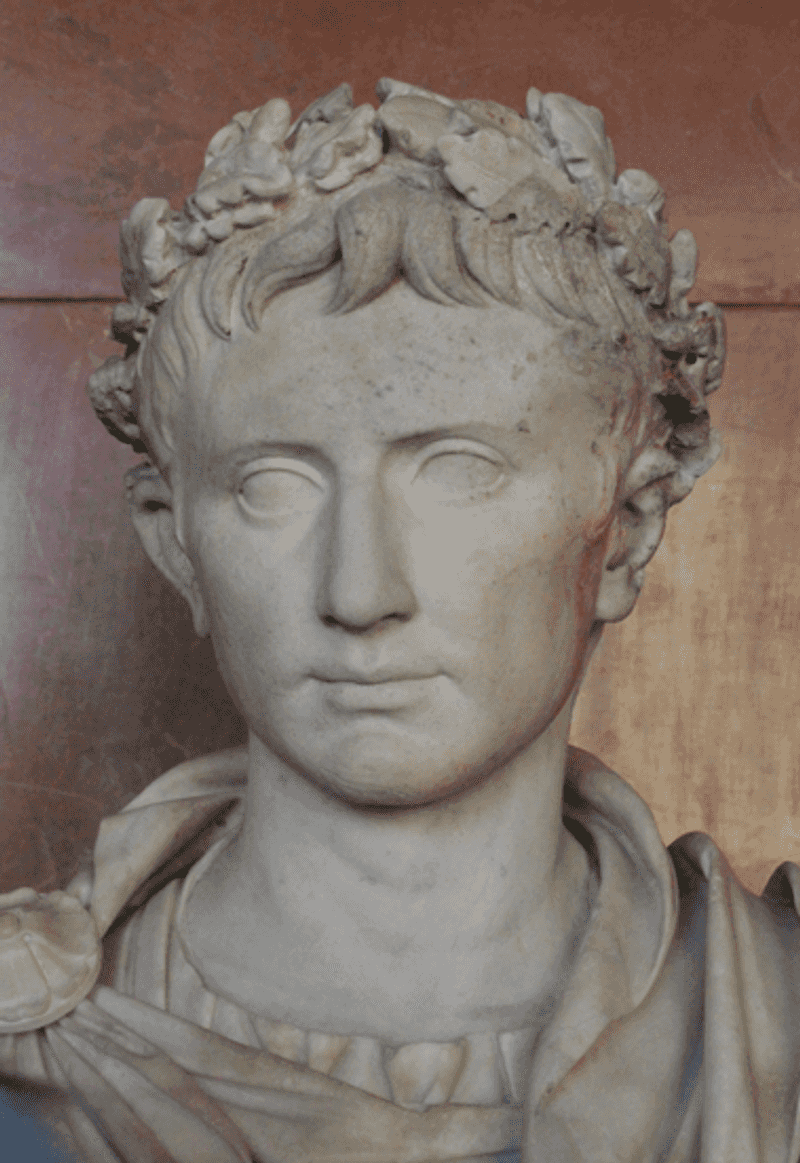
One of history’s most effective political rebranding efforts happened in Rome around 27 B.C., when Octavian renamed himself Augustus and told everyone he had saved the Republic. After decades of civil war, that message landed exactly as intended.
Republican institutions kept functioning on the surface. The Senate met, elections were held, and Augustus carefully avoided the title of king, which Romans despised. Instead he called himself princeps, meaning first citizen, a term that sounded modest while describing someone with sweeping military, legislative, and religious authority.
He also held tribunician power, controlled the armies, and eventually became Pontifex Maximus, Rome’s chief priest. Every major lever of government ran through one man. The legend of a restored Republic gave Roman elites a comfortable story that allowed them to accept one-man rule without feeling like they had surrendered their traditions. The Roman Empire had begun, dressed in republican clothing.
2. Alexander the Great Was the Son of a God
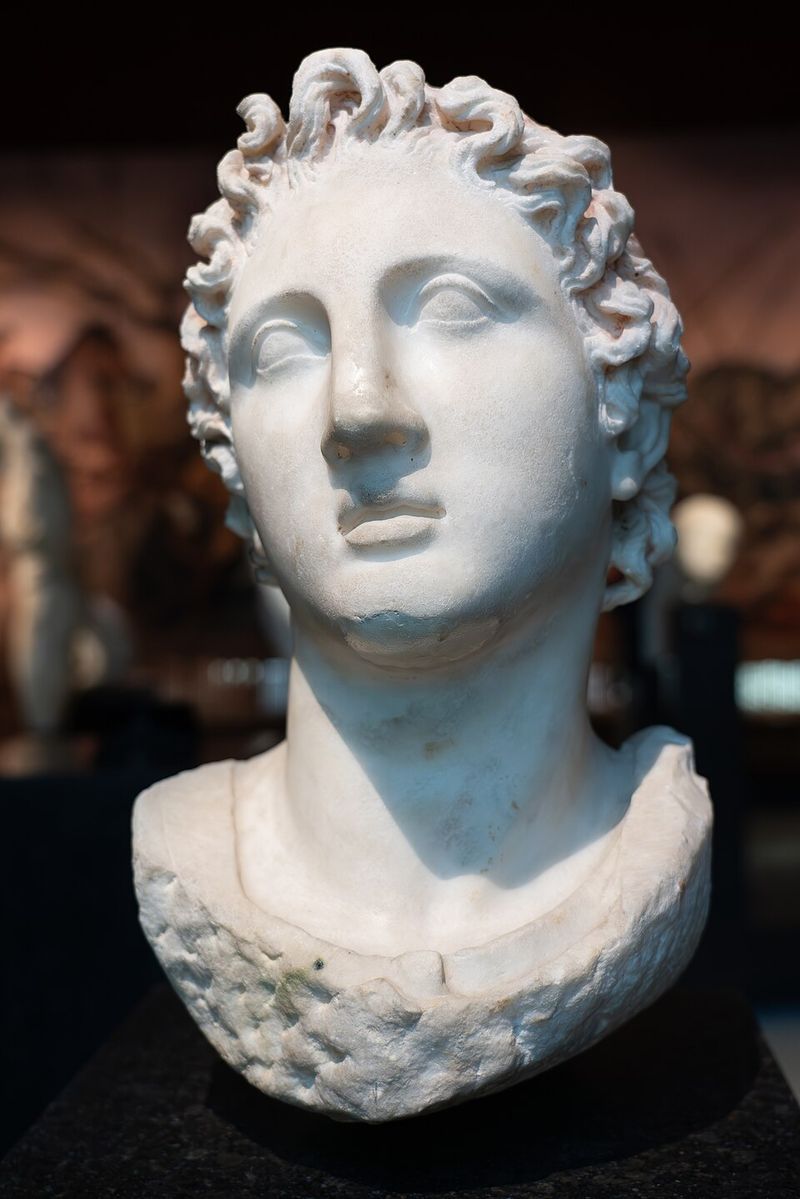
Ruling a vast empire that stretched from Greece to the edges of India required more than military victories. Alexander the Great also needed a story that placed him above ordinary kings, and the divine parentage tradition did exactly that.
The key moment came during his visit to the oracle of Amun at Siwa in Egypt around 331 B.C. Reports from the visit suggested the oracle had recognized him as the son of Amun, the Egyptian god that Greeks associated with Zeus. That association gave Alexander a divine connection that resonated across multiple cultures and religious traditions within his empire.
For conquered peoples with very different backgrounds, a ruler with sacred origins was easier to accept than a foreign military commander. Whether Alexander privately believed the claims is debated by historians. Publicly, however, the divine parentage story served a clear purpose: it elevated his authority beyond the reach of ordinary political challenge or rivalry.
3. Julius Caesar Descended From the Goddess Venus
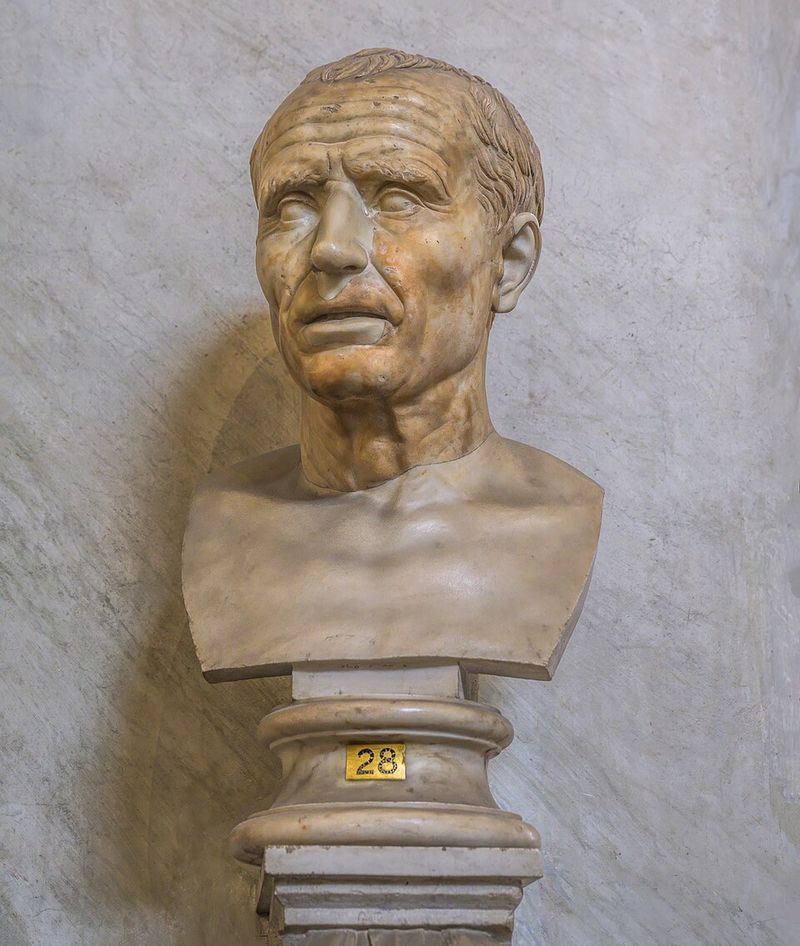
In ancient Rome, your family tree was a political document. The Julii, Caesar’s family, claimed descent from Iulus, identified with Ascanius, the son of the Trojan hero Aeneas. Since Aeneas was traditionally the son of Venus, goddess of love and beauty, that made Caesar’s lineage divine by several generations of connected myth.
Caesar made sure no one forgot the connection. After his victory in the civil war, he dedicated the Temple of Venus Genetrix, Venus the Mother, in Rome, publicly honoring the goddess he claimed as an ancestor. The gesture was calculated. Roman society placed enormous weight on ancestral prestige, and a politician who could claim divine roots had a built-in argument for why his leadership was natural rather than opportunistic.
Rivals could question Caesar’s decisions, but questioning the goddess Venus was considerably harder. The divine ancestry story gave his ambitions a sacred wrapper that ordinary political credentials simply could not match.
4. Pharaohs Ruled Because They Were Divine
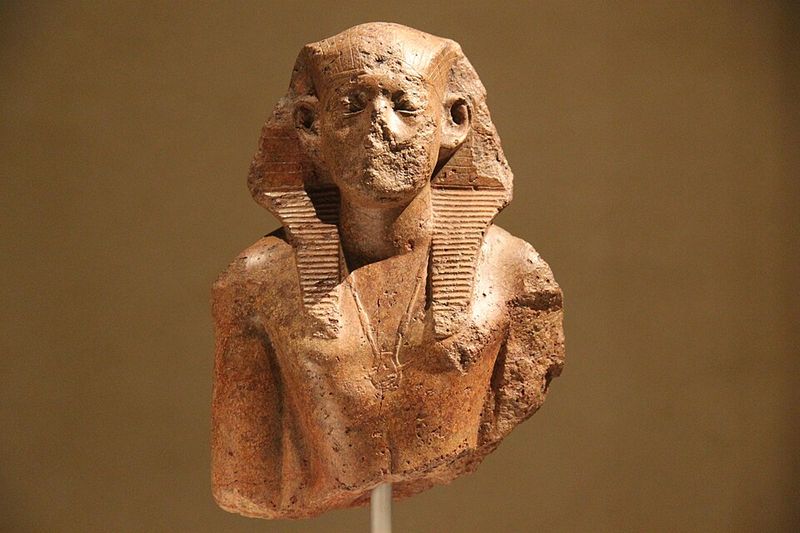
Ancient Egyptian kingship was never presented as a simple political arrangement. The pharaoh held a sacred position woven into the religious fabric of the entire civilization, connected to the concept of maat, which represented cosmic order, justice, and balance across the universe.
Challenging the pharaoh was not just a political act. It risked disrupting the divine order that kept the Nile flooding, crops growing, and the sun rising. Official monuments, temple carvings, and royal inscriptions consistently showed kings as triumphant, beloved by the gods, and maintaining harmony, even during periods when the actual historical record was far messier.
The gap between official image and reality could be enormous. Weak rulers, military setbacks, and internal conflicts appeared in the record, but the religious ideology surrounding kingship provided a protective layer. Obedience to the pharaoh was framed as a cosmic duty, making political resistance feel like a violation of the natural order itself.
5. Richard III Was a Monstrous Hunchback
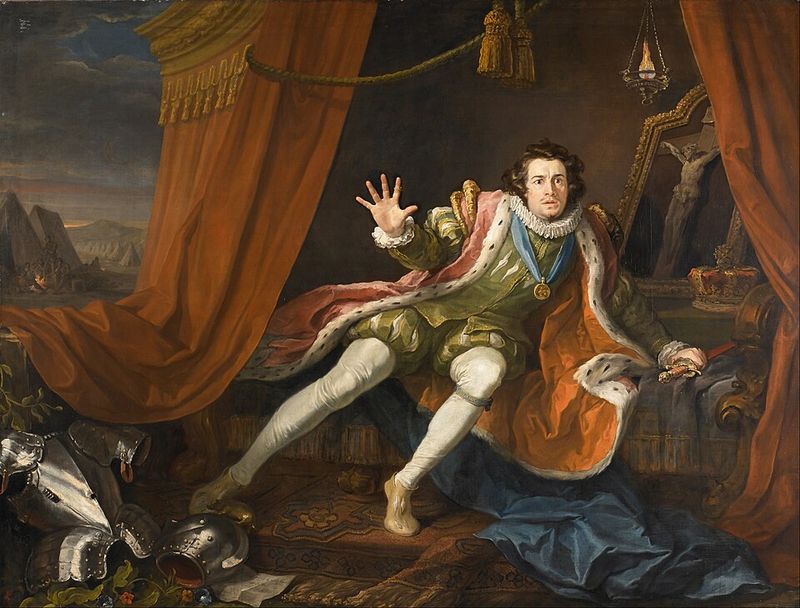
Few reputations in English history took as direct a hit from political storytelling as Richard III’s did after 1485. When Henry VII defeated him at the Battle of Bosworth Field and established the Tudor dynasty, writers with obvious incentives quickly got to work painting the defeated king as a scheming monster.
Shakespeare sealed the image for centuries, giving audiences a bitter, deformed villain who murders his way to the throne. The reality turned out to be more complicated. When Richard’s remains were uncovered beneath a Leicester parking lot in 2012, scientists confirmed he had scoliosis, a spinal curvature, but not the severe grotesque deformity that Tudor propaganda and Shakespeare’s stage directions described.
His physical condition would have been noticeable but not disabling. Historians still debate what Richard actually did or did not do, but the monster version owes far more to Tudor politics than to documented fact.
6. Qin Shi Huang Was an Unstoppable Superhuman Ruler
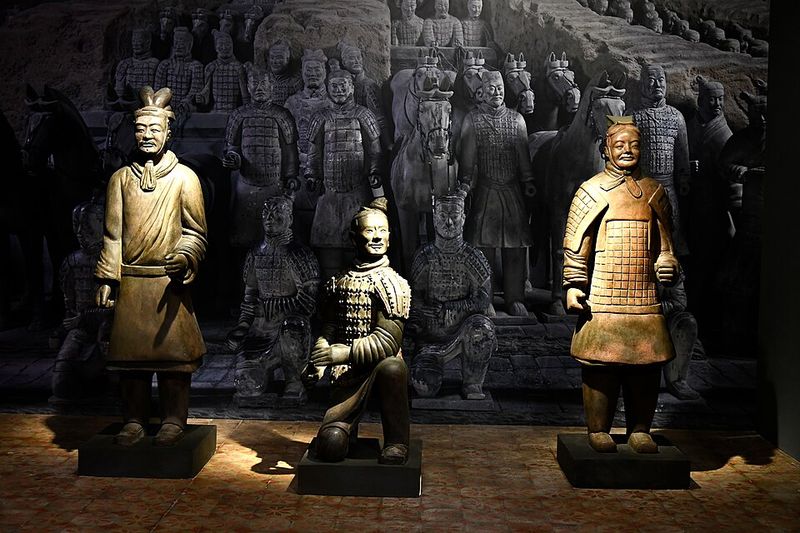
Unifying seven warring states in 221 B.C. was a genuine achievement, and Qin Shi Huang made absolutely sure everyone knew it. Official inscriptions from his reign praised the emperor in terms that left little room for human limitation, describing him as a transformative force who had brought peace and order to a chaotic world.
The standardization projects were real and significant. Weights, measures, currency, and written script were brought into alignment across the new empire, which genuinely helped administration and trade. But the gap between the official image and everyday experience was stark. Heavy taxation, forced labor on massive construction projects, and harsh legal codes created widespread resentment across the population.
The Qin dynasty collapsed within a few years of the emperor’s death, undone by the very conditions his propaganda had glossed over. The image of an unstoppable, almost superhuman ruler outlasted the regime by centuries, which may be the most honest measure of how effective the storytelling actually was.
7. Louis XIV Personally Said I Am the State
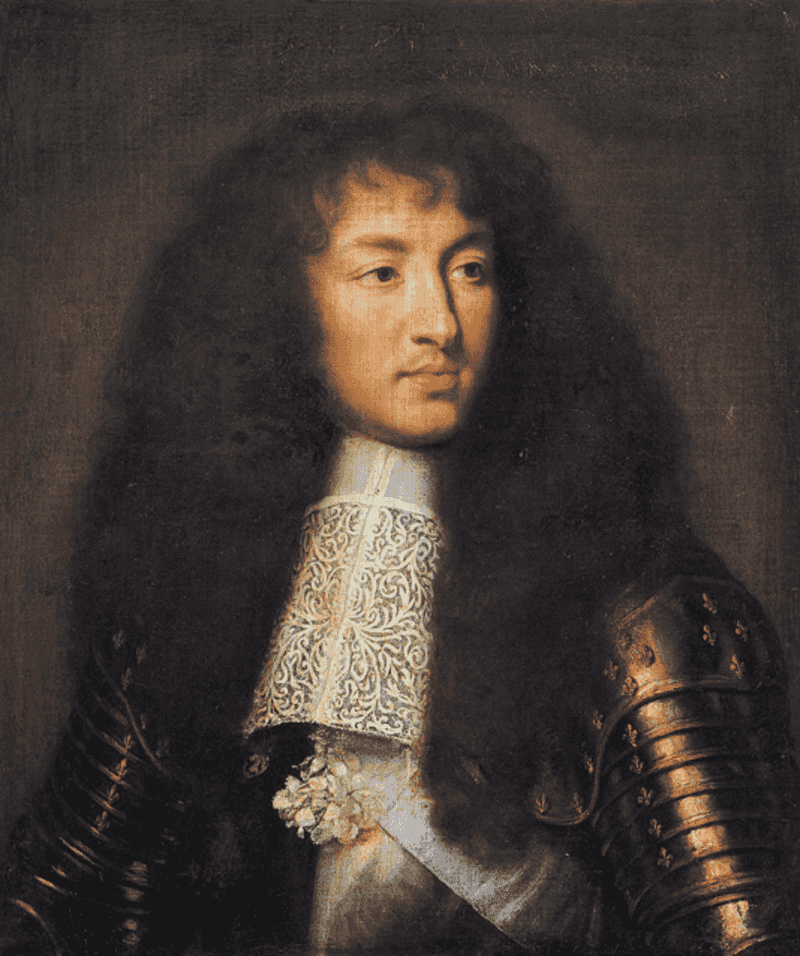
The quotation is almost too perfect. “L’etat, c’est moi,” meaning “I am the state,” captures absolute monarchy in five words and has been attached to Louis XIV for centuries. The problem historians keep running into is that no reliable contemporary source records him actually saying it.
The phrase likely appeared later and gained traction because it so accurately described the king’s public image. Louis XIV built Versailles as a physical statement of royal dominance, required nobles to live at court where he could monitor them, and wrapped every aspect of public life in elaborate ritual that placed the monarch at the center of French civilization.
An invented or at least unverified quotation became credible because the man’s actual behavior supported it so thoroughly. The legend needed no fabrication beyond the missing words, because Louis had already constructed the reality the quote described. Sometimes a powerful person creates the conditions that make a false story feel completely true.
8. George Washington Could Not Tell a Lie
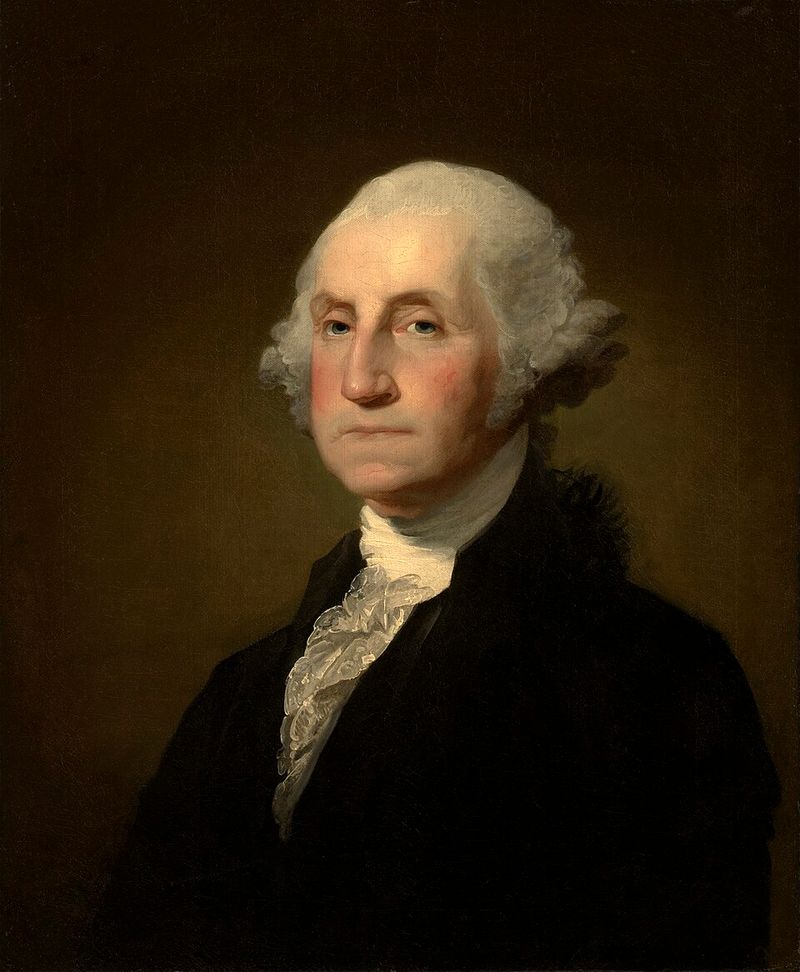
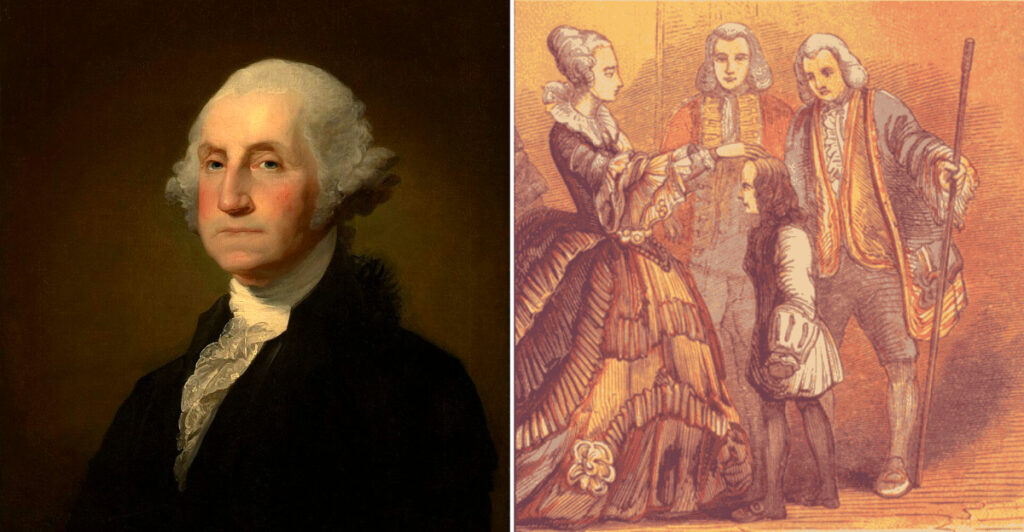
The cherry tree story is one of the most beloved tales in American childhood education, and it was almost certainly invented. Young George Washington supposedly damaged his father’s cherry tree and then bravely confessed, declaring he could not tell a lie. The story first appeared in a biography written by Mason Locke Weems shortly after Washington’s death in 1799.
Weems was not writing strict history. He was writing moral instruction for a new nation that needed heroes with clear virtues. Washington was already celebrated as a military commander and statesman, but Weems wanted to establish his character as something almost beyond human, an embodiment of honesty itself.
No credible historical evidence supports the cherry tree episode. What the legend accomplished, however, was considerable. It transformed a complicated historical figure who made real mistakes into a near-mythic symbol of personal integrity. The story protected not just Washington’s reputation but helped build the moral foundation story that the young United States wanted to tell about itself.
9. Napoleon Was Exceptionally Short
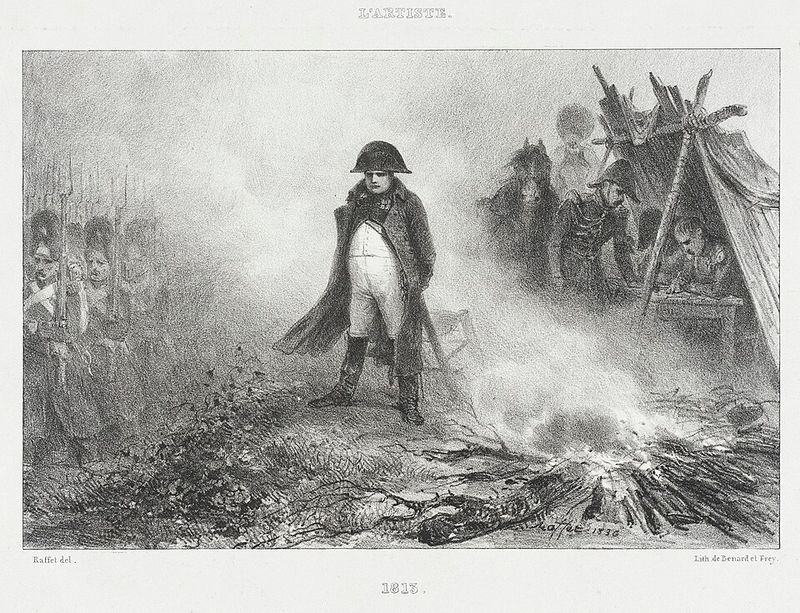
The image of Napoleon as an angry little man stomping around Europe has survived two centuries of historical correction. Calling someone a “Napoleon” still implies someone compensating for small stature with outsized ambition. The actual man behind the stereotype was not particularly short by the standards of his era.
Contemporary measurements converted to modern units put Napoleon at roughly 5 feet 6 or 7 inches tall, which was average or slightly above average for a Frenchman in the early 19th century. The confusion partly came from a difference between French and British units of measurement, where a French inch was slightly longer than an English one. British caricaturists, working during the Napoleonic Wars, deliberately portrayed their formidable enemy as comically tiny.
Making a genuinely threatening military and political leader look ridiculous was useful propaganda. This legend protected Napoleon’s enemies rather than Napoleon himself, turning a figure who had rearranged the map of Europe into a figure of mockery rather than fear.
10. Nero Fiddled While Rome Burned
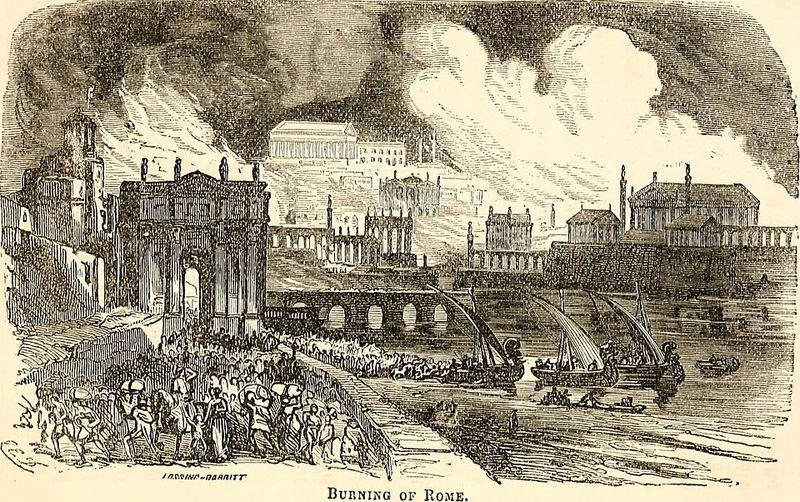
The story has everything a good scandal needs: a callous ruler, a burning city, and a musical performance timed for maximum indifference. The Great Fire of Rome in A.D. 64 destroyed large sections of the city, and Nero’s reputation never recovered from what followed. The “fiddling” version of events, however, contains an obvious historical problem.
The violin did not exist in ancient Rome. If Nero played any instrument during or after the fire, it would have been a lyre or cithara. Ancient sources, several of which were written by writers openly hostile to Nero, do suggest he may have sung or performed poetry about the fall of Troy while the fire spread, but those accounts are inconsistent and politically motivated.
Nero’s reputation among Roman elites had already deteriorated significantly before the fire. The fiddling image compressed that entire negative reputation into one unforgettable scene, turning complex historical judgment into a simple, vivid symbol of a leader who chose entertainment over responsibility.
11. Medieval Kings Could Cure Disease With a Touch
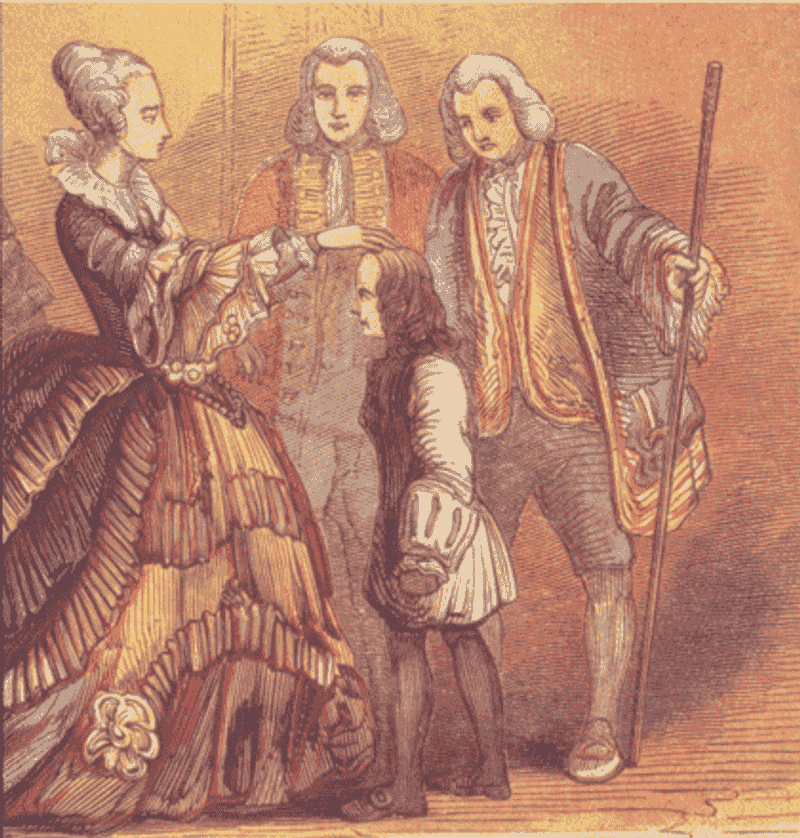
For several centuries, the ability to heal the sick was considered part of the job description for English and French monarchs. The ceremony known as the royal touch involved the king physically touching people suffering from scrofula, a disease affecting the lymph nodes that was sometimes called the King’s Evil. Thousands of people sought out these ceremonies across generations.
Whether any healing actually resulted is a separate matter from the political power the ritual generated. A king who could cure disease was not simply an administrator backed by armies and tax collectors. The sacred quality implied by healing elevated the monarch into a category of being that ordinary people simply could not access or challenge on equal terms.
The royal touch reinforced the doctrine of divine right, the idea that monarchs held their authority because God had specifically appointed them. Obedience to such a ruler carried a religious weight that went well beyond ordinary political loyalty. The ceremony turned the throne into something closer to a sacred office.
12. The Emperor of Japan Descended From the Sun Goddess
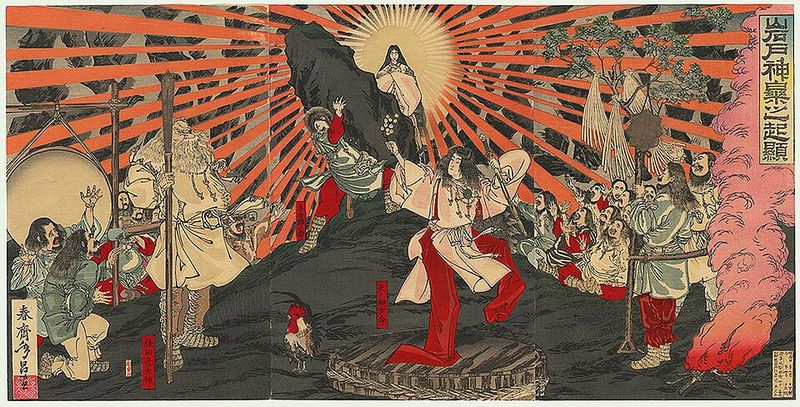
Japanese imperial tradition holds that the ruling family traces its lineage directly back to Amaterasu Omikami, the Shinto sun goddess. That is not a metaphor or a loose cultural reference. The claim placed the imperial line in a category entirely separate from ordinary ruling dynasties, giving it a sacred origin story rooted in mythological time rather than historical circumstance.
The concept of imperial divinity shifted in meaning across different periods of Japanese history but became especially significant during the modern imperial state of the late 19th and early 20th centuries. After Japan’s defeat in World War II, Emperor Hirohito issued a declaration in January 1946 that is commonly associated with rejecting the formal doctrine of imperial divinity.
The declaration changed official policy, but the foundational tradition connecting the imperial family to Amaterasu remains a recognized part of Japan’s cultural and religious heritage. Origin myths tied to divine figures do not simply disappear because political circumstances change around them.
13. The Mandate of Heaven Proved China’s Ruler Deserved Power
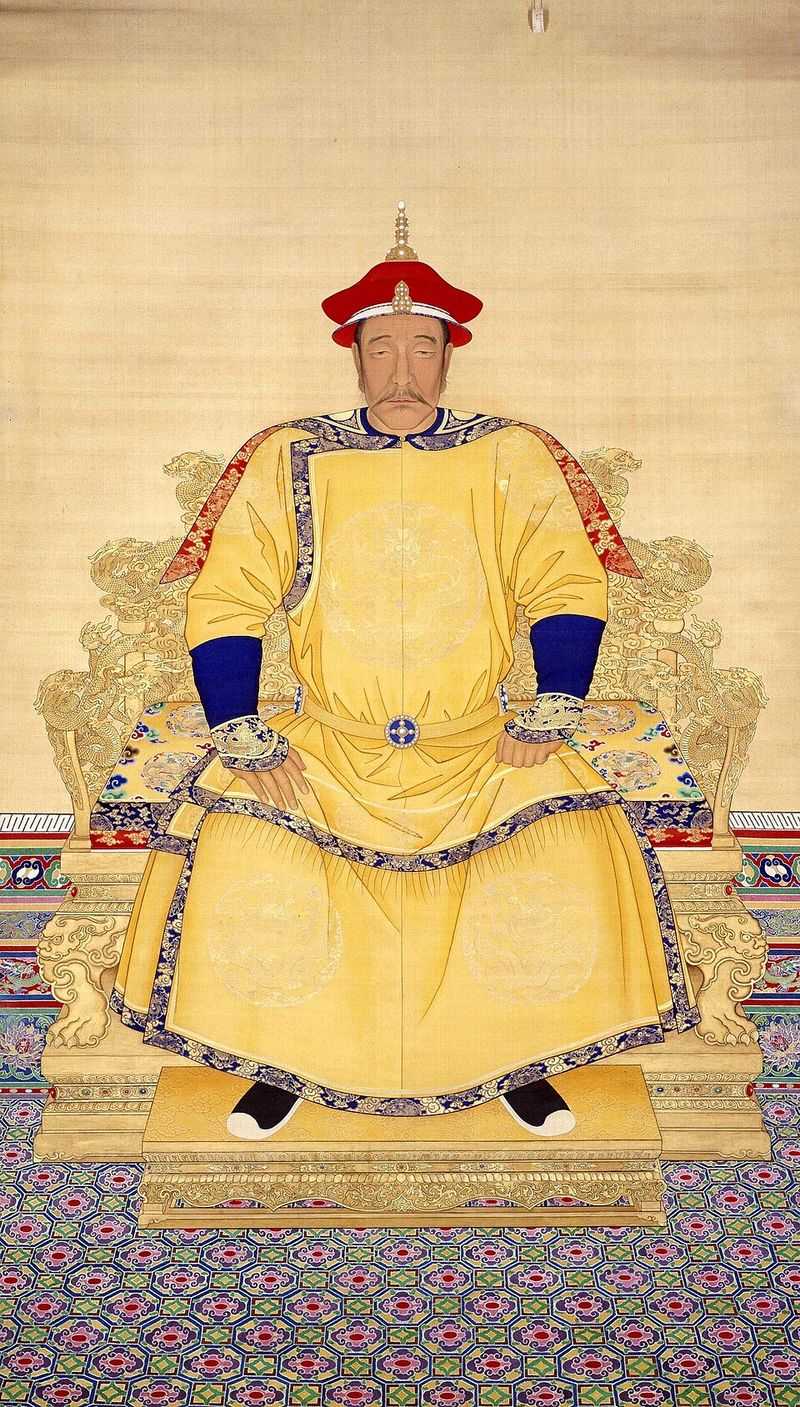
The Mandate of Heaven, known in Chinese as Tianming, was a political and philosophical concept with a built-in self-correcting mechanism that served whoever happened to be winning at any given moment. A virtuous ruler held Heaven’s approval. A corrupt or failing ruler would eventually lose it, which explained why dynasties rose and fell.
The system created a circular logic that worked in both directions at once. An emperor whose reign brought stability and prosperity could point to those outcomes as proof that Heaven supported him. A rebel who successfully overthrew a dynasty could argue the opposite: that the chaos and failure of the previous regime proved Heaven had withdrawn its approval, making the rebellion not just permissible but cosmically justified.
History itself became a kind of divine verdict. Winners were validated by their victory, and losers were retroactively marked as having deserved their fate. The concept gave Chinese political culture a framework for change that always managed to sound like order rather than upheaval.
14. Roman Emperors Always Won Their Wars
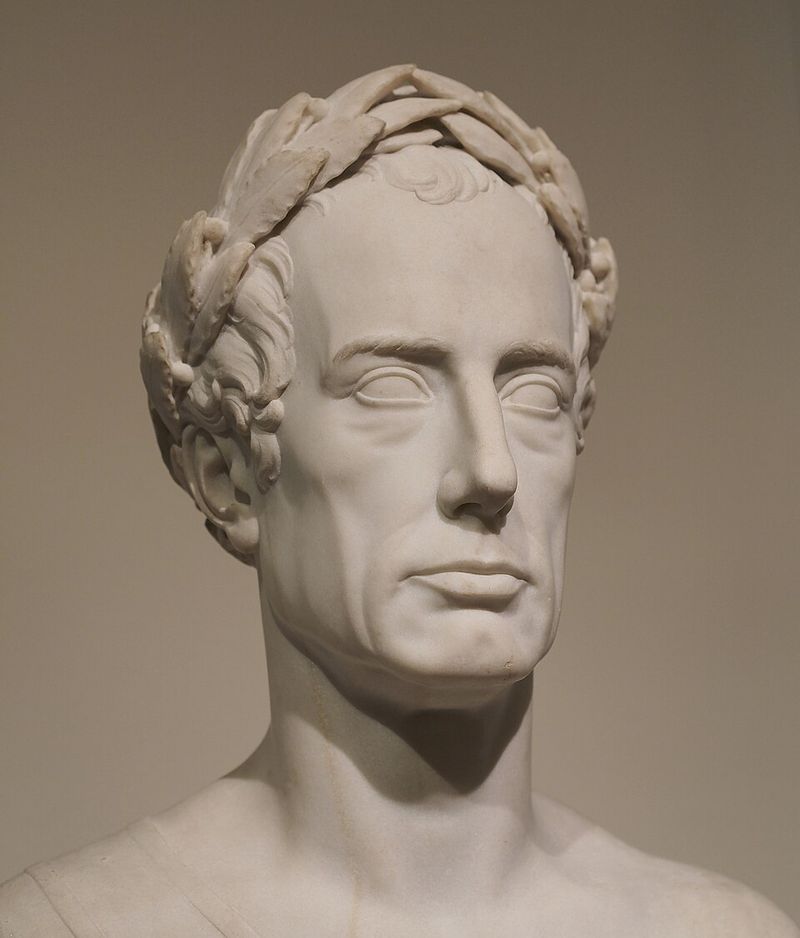
Roman triumphal arches, victory columns, and imperial inscriptions present a remarkably consistent picture: emperors marching from one glorious military success to the next, enemies defeated, borders expanded, and Rome’s greatness confirmed in stone. Public monuments were not designed to include the complicated parts.
Roman emperors experienced failed campaigns, costly stalemates, humiliating treaties, and outright military disasters. The historical record contains all of these, but official commemorations filtered aggressively for favorable outcomes. Emperor Domitian celebrated military achievements that later hostile writers mocked or described as manufactured victories over barely-resistant opponents.
The monuments were political advertising carved into durable materials, built to last longer than any living witness who might contradict them. That gap between monument and reality may be the clearest lesson across all 14 legends covered here. Powerful people rarely needed everyone to believe every detail of their version of events. They simply needed their preferred story to be the one future generations encountered first and remembered longest.
Share this story