Some places in the world have a sneaky way of draining your wallet faster than you ever expected. Whether it is a remote tropical island, a glamorous European city, or a sun-soaked resort, certain destinations come with price tags that can genuinely shock first-time visitors.
The costs stack up quickly once accommodation, meals, activities, and local transport are factored in. If you are planning a trip to any of the following 15 destinations, budgeting carefully ahead of time could save you from a very unpleasant surprise at checkout.
Vanuatu
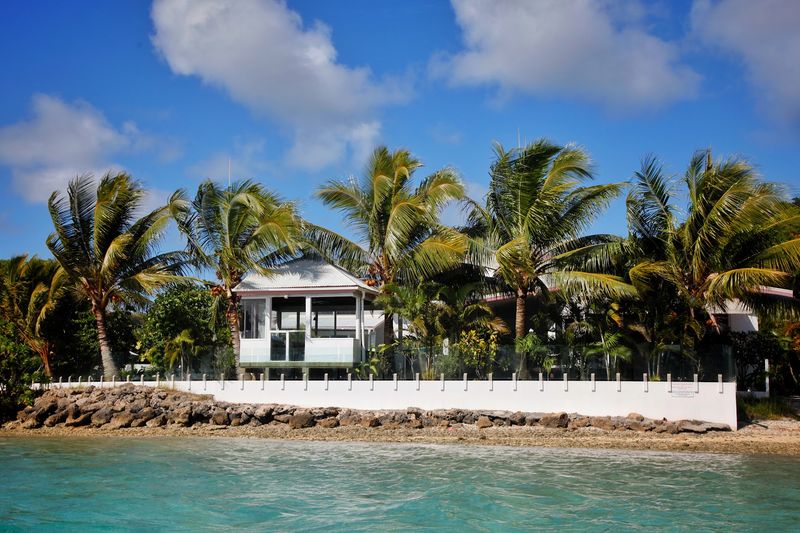
Nobody expects a South Pacific island chain to top the world’s most expensive destinations list, but Vanuatu pulls it off without even trying. Average daily spending runs between $472 and $475 per person, making it the priciest destination in the traveler-spending data used for this list.
A typical one-week trip lands around $3,307 per person before airfare is even considered.
Geographic isolation is the main culprit. Almost everything visitors consume, from food to fuel to resort supplies, must be shipped or flown in from elsewhere.
That transportation cost gets passed along to travelers in the form of higher hotel rates, pricier meals, and costly inter-island transfers.
Organized resort accommodation tends to dominate the options, meaning budget alternatives are limited in many areas. Visitors hoping to explore multiple islands will also face internal flights or boat charters.
Vanuatu is genuinely spectacular, with volcanic adventures, coral reefs, and remote beaches that feel untouched. Just know that the remoteness you are paying to experience is also part of the reason the bill is so high.
Cayman Islands
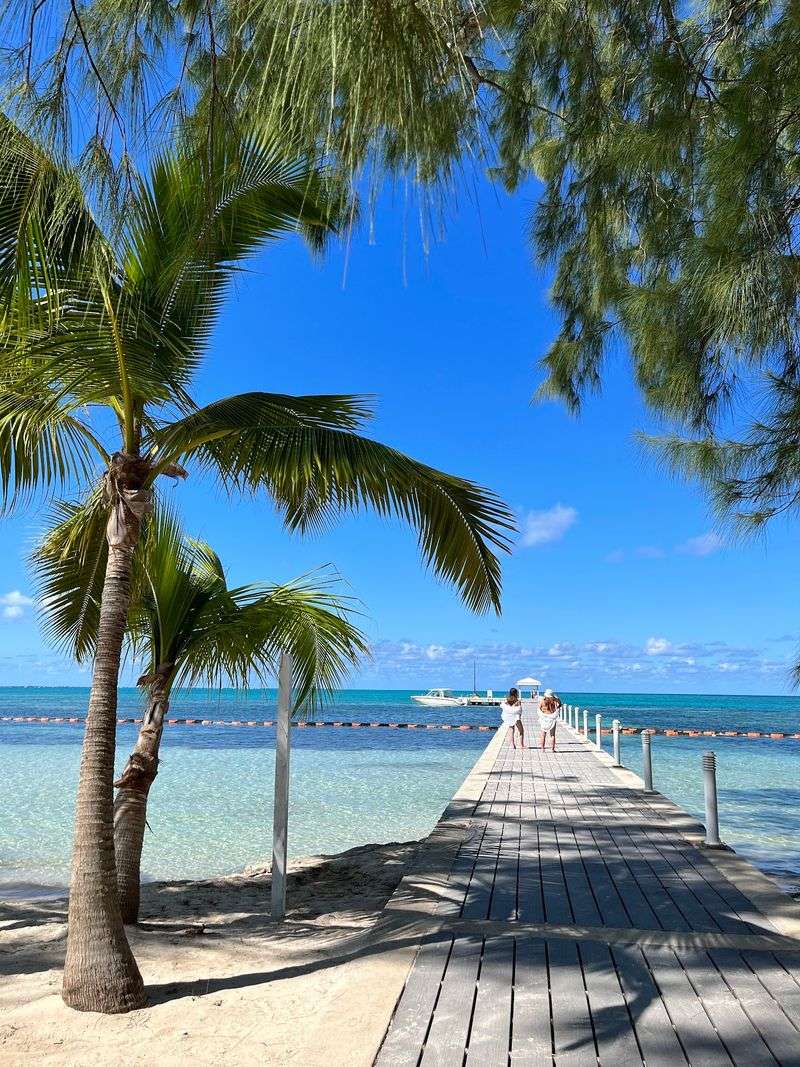
Grand Cayman has spent decades building a reputation as a playground for affluent travelers, and the average daily cost of around $364 per person confirms it has succeeded. Seven Mile Beach is lined with high-end resorts, waterfront restaurants, and dive operators that cater to visitors who expect the best and are prepared to pay for it.
Island economics play a big role here. The Cayman Islands import most of what visitors eat and drink, which pushes grocery store prices and restaurant menus well above what travelers from larger countries might expect.
A casual lunch by the beach can cost more than a full dinner in many European cities.
Scuba diving is one of the island’s biggest draws, and world-class dive sites are genuinely worth visiting. However, guided dives, equipment rental, and boat trips add another layer to an already generous daily spend.
Visitors who stick to free beach time can trim the budget somewhat, but accommodations near the water rarely offer much of a discount. The Cayman Islands reward those who come prepared to spend.
New York City, United States
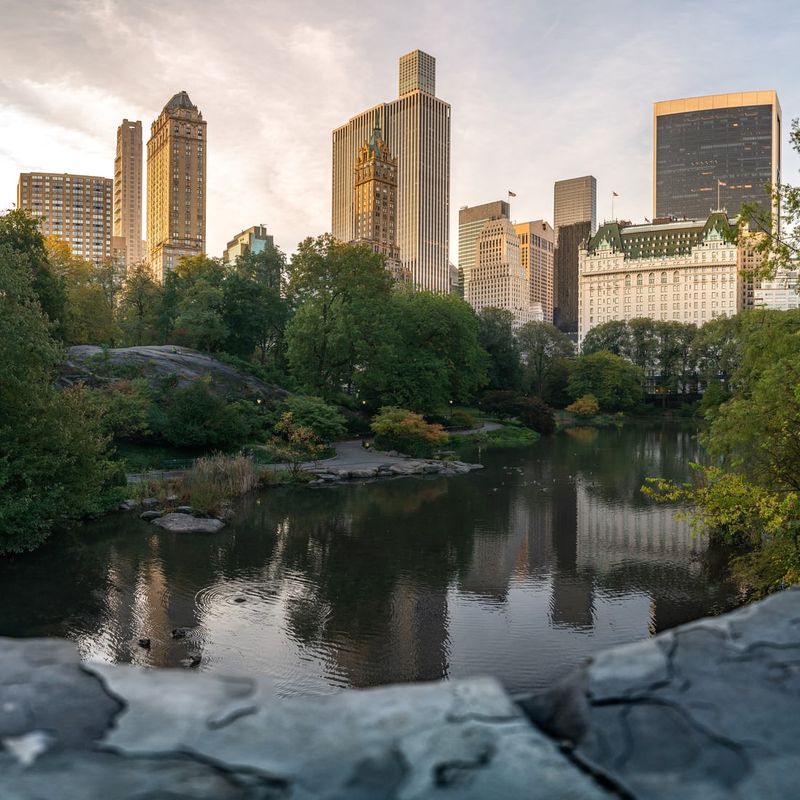
Roughly $363 per person per day is what travelers spend on average in New York City, and that figure can feel modest once you are actually standing in Midtown staring at hotel prices. A week in the city can easily run past $2,500 per person before flights, shopping, or Broadway tickets are included.
Hotels in Manhattan are the single biggest budget item for most visitors. Central locations near Times Square, Central Park, or the High Line command prices that seem to climb every year.
Add airport transfers, subway rides, museum admissions, and a few restaurant dinners, and the spending adds up before you have even seen the Statue of Liberty.
New York does offer a genuine silver lining though. Central Park, the Brooklyn Bridge, the Staten Island Ferry, street food markets, and world-class neighborhood walks cost very little or nothing at all.
Travelers who plan carefully can offset expensive nights with low-cost days. The city rewards smart budgeting but never stops tempting visitors to throw the budget out the window entirely.
Zurich, Switzerland
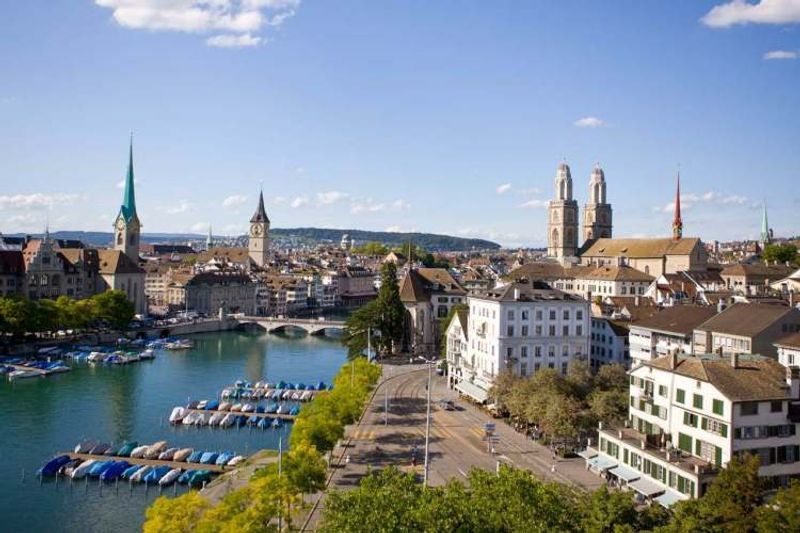
Switzerland holds the title of Europe’s most expensive country for travelers in Budget Your Trip’s regional data, and Zurich is where that reputation is most fully on display. Average daily spending sits at around $354 per person, with food alone accounting for roughly $121 of that total.
Local transportation adds another $40 on top.
Those numbers have real consequences for casual spending decisions. A sit-down lunch, two train rides, a coffee, and a couple of evening drinks can consume a significant chunk of the daily budget before a hotel bill is factored in.
Grocery stores exist and are genuinely useful for keeping meal costs lower, but even supermarket prices in Switzerland tend to surprise visitors from elsewhere in Europe.
The good news is that Zurich itself is a pleasure to explore on foot. The lakefront promenade, the old town’s cobbled streets, and the views from Lindenhügel hill are all free.
Public transportation is efficient and covers the city well. Zurich is not a destination that rewards casual, unplanned spending, but travelers who budget strategically can still enjoy a genuinely memorable visit without financial regret.
Maldives
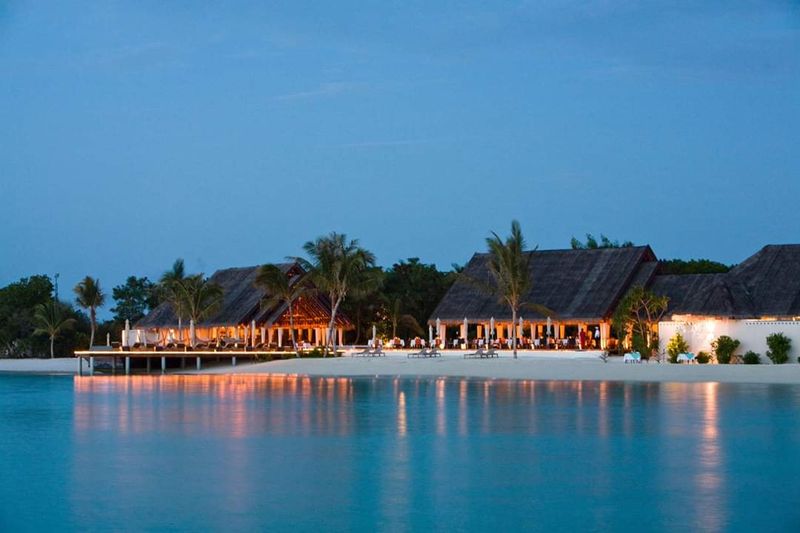
Overwater bungalows perched above turquoise lagoons have become one of the most recognizable images in travel photography, and the Maldives is where that fantasy was practically invented. Average daily traveler spending runs around $350 per person, making it the most expensive destination in Asia according to Budget Your Trip’s 2026 country comparison.
Food alone averages approximately $129 per person each day.
The resort model is central to understanding why costs are so high. Many properties occupy private islands where the hotel controls nearly every aspect of a guest’s stay, from meals to activities to the speedboat or seaplane transfer required just to arrive.
There is no slipping out to a cheaper restaurant down the road when the nearest other island is a boat ride away.
Local-island guesthouses do exist and offer a dramatically more affordable way to experience the country’s extraordinary beaches and reefs. However, the version of the Maldives that fills travel magazine covers, complete with overwater villas, private pools, and sunset dinners on the beach, carries a price tag that puts it firmly in special-occasion territory for most travelers.
Honolulu, Hawaii
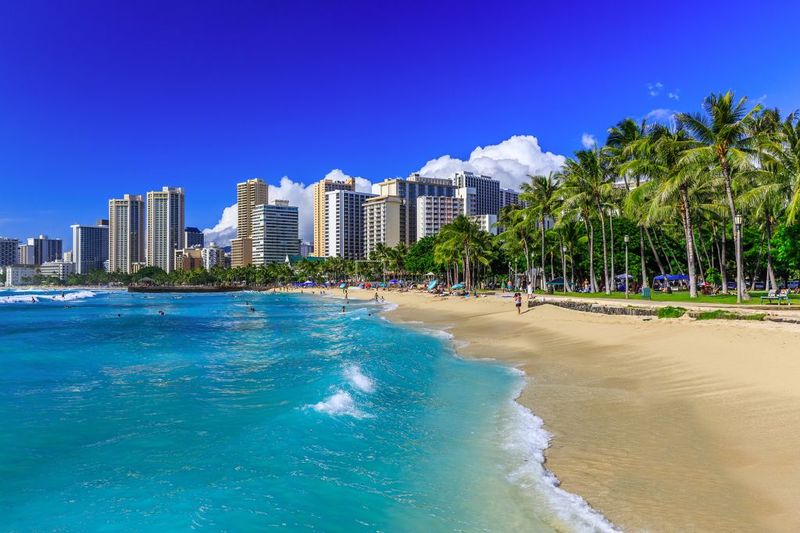
Hawaii’s appeal is genuinely hard to argue with: volcanic landscapes, world-famous surf, warm water, and a culture unlike anywhere else in the United States. The price tag, however, is equally hard to ignore.
Visitors to Honolulu spend approximately $329 per person per day on average, with a one-week stay running around $2,305 per person.
Food accounts for roughly $91 of that daily average. Waikiki hotels add substantially more, and resort fees, which are often charged on top of the quoted room rate, have become a particularly frustrating feature of Hawaiian accommodation.
Rental cars, parking fees, luaus, surfing lessons, snorkeling tours, and helicopter rides over the volcanoes can push spending considerably higher.
Hawaii’s geographic position in the middle of the Pacific means almost everything consumed on the islands has to be shipped across thousands of miles of ocean first. That logistical reality shows up in grocery store prices, restaurant menus, and gas station pumps.
The ocean, the sunsets, and the beaches remain beautifully free, but getting there and staying there costs considerably more than most mainland beach destinations. Plan ahead and budget generously.
Paris, France

Paris has a long-standing reputation as the world’s most romantic city, and it has worked equally hard to become one of its more expensive ones. Average visitor spending is roughly $308 per person per day, with a one-week trip costing around $2,159 per person.
Food alone averages approximately $84 daily based on traveler-reported data.
Hotels in popular central neighborhoods like Saint-Germain, the Marais, and the areas near the Eiffel Tower are the biggest budget variable. Prices spike during peak summer months and around major events.
Once settled in, visitors face the temptation of combining the Louvre, Versailles, Seine river cruises, and day trips to the wine regions, all of which add meaningful costs.
Paris does offer genuine flexibility, though. Boulangeries, food markets, and neighborhood cafes can keep meal costs surprisingly reasonable.
Many of the city’s most beloved experiences, walking along the Seine, exploring Montmartre, watching street performers near the Centre Pompidou, cost nothing at all. Travelers with a clear plan can enjoy Paris at a range of budgets, unlike some island destinations where there is simply no low-cost alternative available.
Reykjavik, Iceland

Iceland’s landscapes read like a checklist of natural wonders: active volcanoes, glaciers, geysers, black sand beaches, and the northern lights. Experiencing them, though, comes with a daily price tag of around $298 per person in Reykjavik, with a one-week visit averaging approximately $2,087 per traveler.
Meals are one of the first surprises for new visitors. Food spending averages around $58 per person per day, which sounds moderate until you realize that a basic restaurant meal for two can easily exceed $80 before drinks.
Grocery shopping helps, but Iceland’s food prices are high by almost any international standard. Cooking in a guesthouse or hostel kitchen is one of the most effective strategies for managing costs.
Beyond the city, expenses multiply quickly. Rental cars are essential for exploring the Ring Road, and fuel is not cheap.
Guided glacier hikes, whale-watching tours, and geothermal spa admissions each carry meaningful price tags. The reward is that many of Iceland’s most jaw-dropping sights, waterfalls, coastal cliffs, mountain passes, and lava fields, are completely free to visit once you have paid to get there.
London, United Kingdom
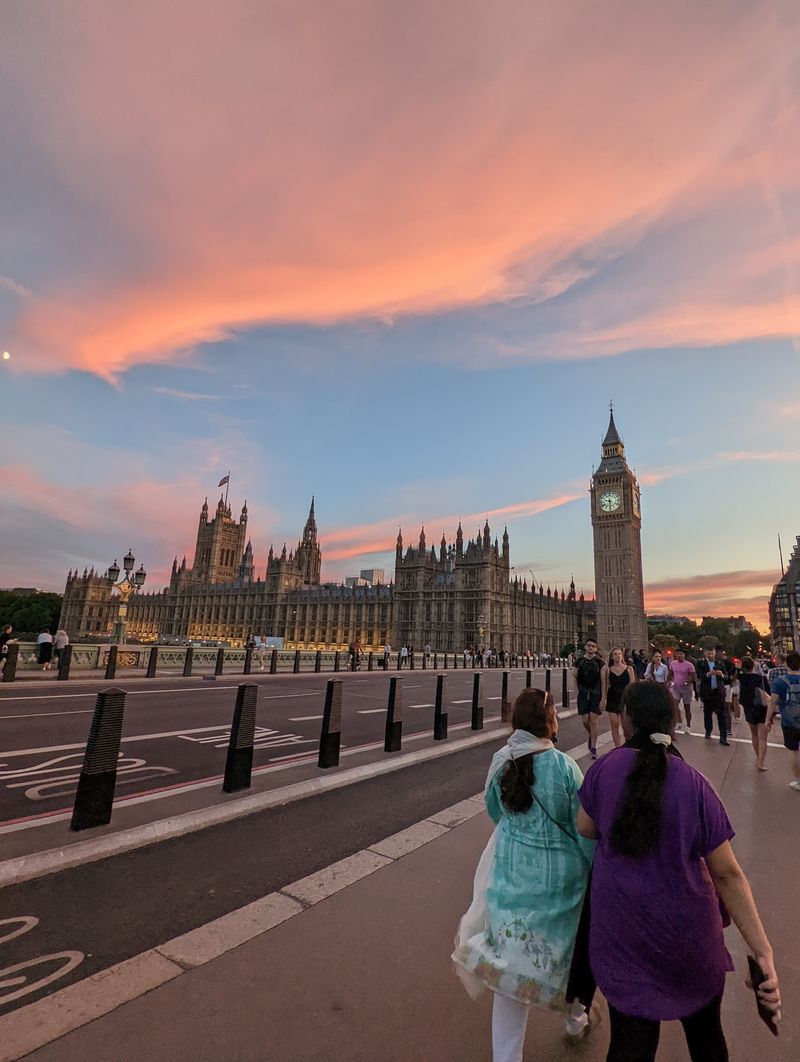
London has a fascinating contradiction at its core. It consistently ranks among Europe’s more expensive capital cities for travelers, yet it also offers one of the world’s most impressive collections of completely free attractions.
Average visitor spending sits at approximately $295 per person per day, with a full week running around $2,068 per person.
Food accounts for roughly $80 of that daily figure. Accommodation is where London really separates itself from budget-friendly destinations.
A centrally located hotel room in neighborhoods like Covent Garden, Kensington, or Mayfair can easily consume half a day’s travel budget on its own. Staying slightly further out and using the Tube saves money without sacrificing much convenience.
The city’s free attractions are genuinely exceptional and worth planning around. The British Museum, the National Gallery, the Tate Modern, the Natural History Museum, and the Victoria and Albert Museum all charge no admission.
Hyde Park, Borough Market, and the South Bank are wonderful without spending a pound. London rewards travelers who research before they go.
Spend less on sightseeing, and redirect that money toward a comfortable hotel or a memorable meal.
Santorini, Greece
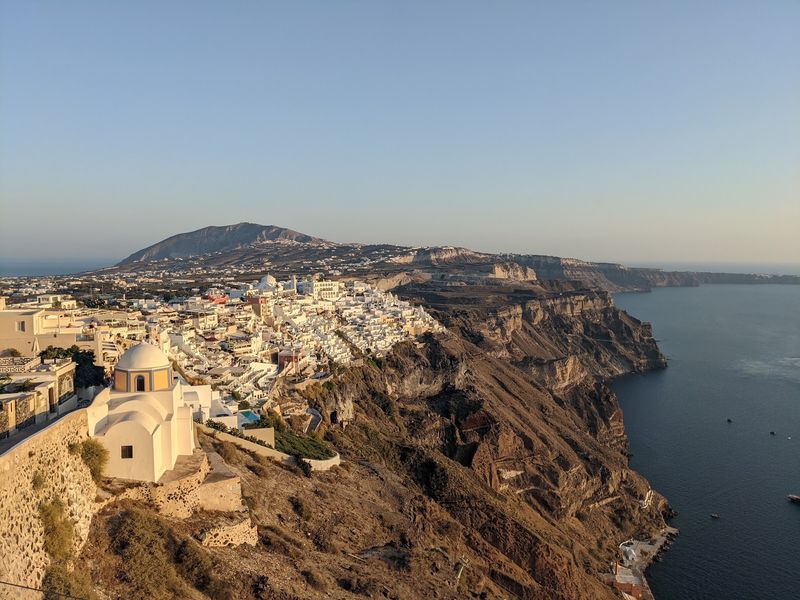
Greek islands once had a reliable reputation as affordable Mediterranean getaways where good food and warm weather came without a punishing price tag. Santorini has quietly moved into a different league.
Average daily spending now runs around $291 per person, with a typical one-week visit costing roughly $2,035 per traveler.
Food is a significant part of that total, with traveler data showing meal spending averaging around $110 per person per day. Restaurant prices in Oia and Fira, particularly at spots with caldera views, are noticeably higher than elsewhere in Greece.
A sunset dinner with a view is a genuinely special experience, but it rarely comes with a gentle bill.
Accommodation is the biggest variable. Hotels clinging to the caldera rim with infinity pools and private terraces command some of the highest prices in the Mediterranean.
Staying in Firostefani or Fira instead of Oia, visiting in shoulder season rather than July or August, and eating at inland tavernas rather than cliff-edge restaurants can all reduce the cost substantially. Santorini is still worth visiting, just approach it with open eyes and a realistic budget.
Dubai, United Arab Emirates
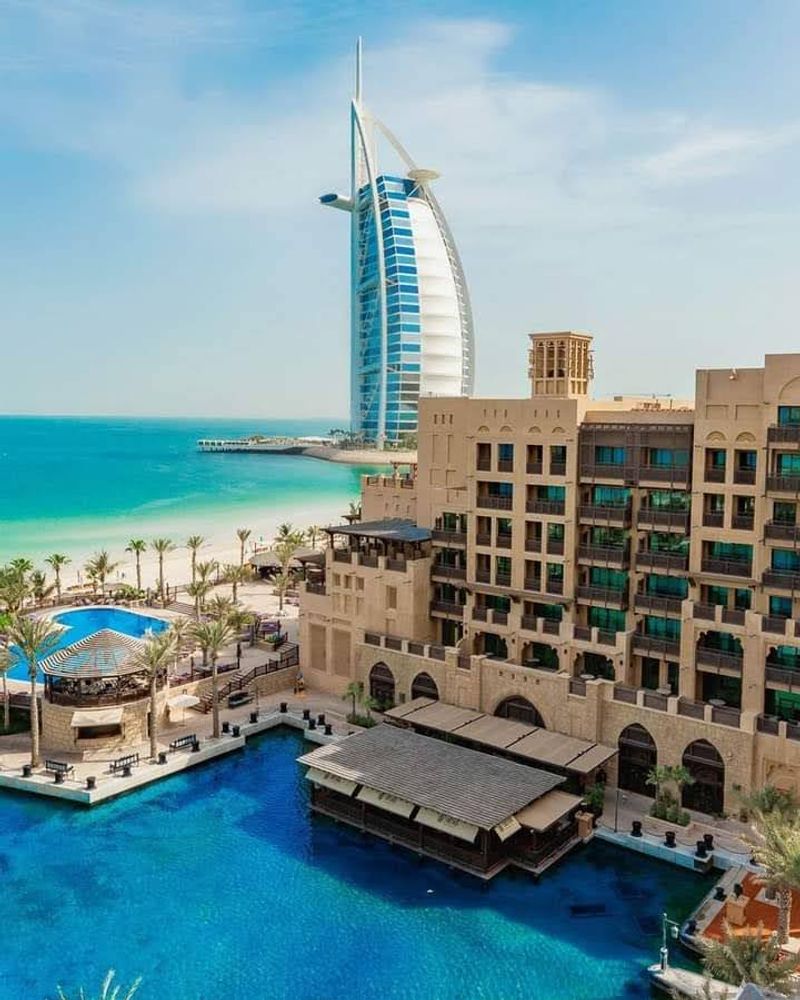
Dubai is one of those destinations where the experience you have depends almost entirely on the choices you make. Average daily spending based on traveler data runs around $289 per person, with a typical week costing approximately $2,021.
Food accounts for roughly $96 of the daily total, which already hints at the premium nature of many visitor options.
The city’s most celebrated attractions are firmly at the luxury end of the spectrum. Five-star beach resorts, rooftop restaurants with Burj Khalifa views, private desert safari experiences, beach clubs with day-pass fees, and yacht charters are all part of the Dubai that fills social media feeds.
Even the city’s famous shopping malls are designed to make spending feel effortless.
Budget-friendly Dubai does exist. Reasonable mid-range hotels are available, the metro system is affordable and efficient, and plenty of casual dining options serve excellent food at modest prices.
The challenge is that Dubai’s entire identity is built around excess and spectacle, and the gap between seeing the city and truly experiencing its signature version is measured in dollars. Visitors who choose the premium version consistently will find the bill climbs fast.
Monaco
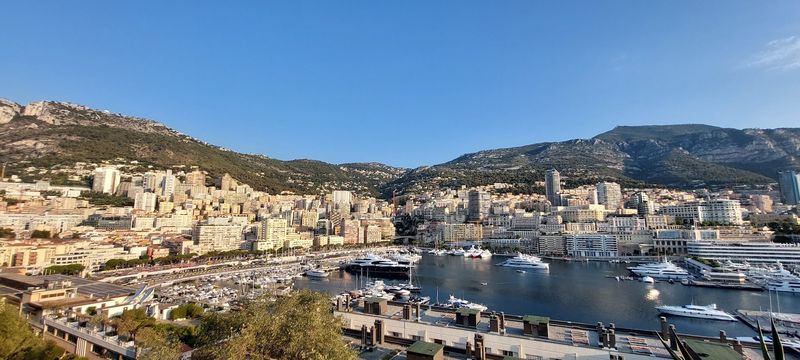
Arriving in Monaco for the first time, even visitors who thought they were prepared tend to do a double-take at the prices. The tiny principality on the French Riviera averages around $289 per person per day for visitors, with a one-week stay costing approximately $2,024.
Dining alone averages around $112 per person daily, which tells you something about the general cost level.
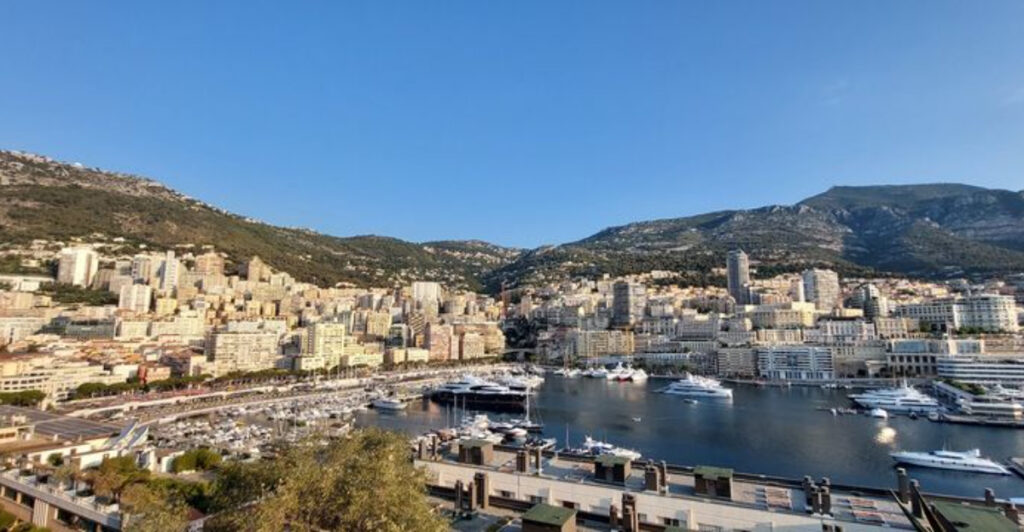
Monaco is genuinely tiny, covering less than two square kilometers, but it packs in a remarkable concentration of wealth. Superyachts fill the harbor, luxury cars fill the streets, and Michelin-starred restaurants fill the evenings of those who can afford them.
The Monte Carlo Casino is as glamorous as its reputation suggests, though even walking through the doors as a tourist requires a certain level of presentability.
Here is the useful detail many visitors miss: Monaco is entirely manageable as a day trip from Nice or Menton, both of which are short train rides away and far more affordable for overnight stays. Seeing Monaco costs very little.
Sleeping, eating, and gambling in Monaco is a completely different financial commitment. The principality offers two very distinct versions of itself depending on how long you stay.
The Bahamas
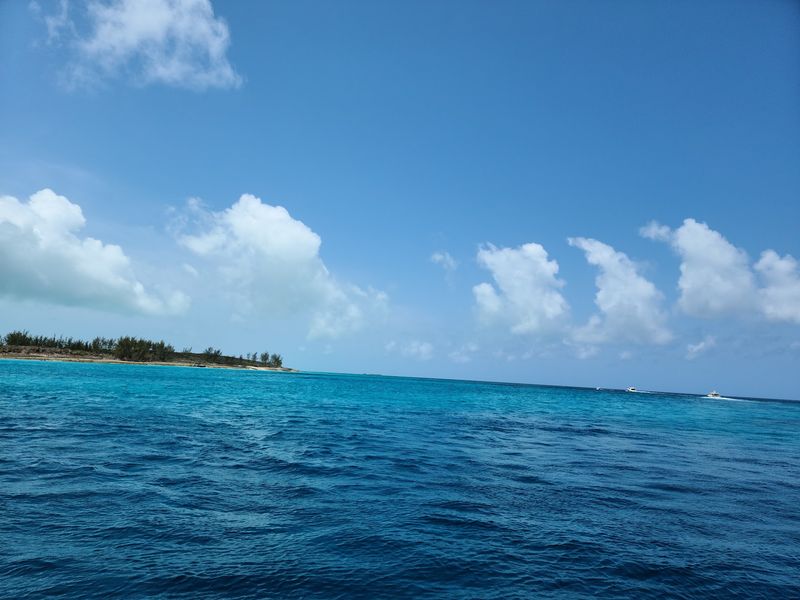
Proximity to North America makes the Bahamas one of the most popular Caribbean destinations for American and Canadian travelers, and the ease of getting there may partly explain why the spending data is so high. Average daily costs run approximately $286 per person, driven by a combination of resort pricing, island economics, and the high-end experiences most visitors come specifically to enjoy.
Nassau and Paradise Island anchor the most visited part of the country. The mega-resort Atlantis has its own water park, casino, beaches, and restaurants, creating an ecosystem where guests can spend days without ever leaving the property or its price structure.
Out Island resorts offer a quieter alternative but often come with equally premium room rates and limited dining competition nearby.
Water activities are the main attraction and a significant extra expense. Snorkeling tours, glass-bottom boat trips, swimming with pigs in the Exumas, and private sailing charters are all popular and all carry meaningful price tags.
The beaches are free and genuinely beautiful. Getting between them, however, involves ferry tickets, inter-island flights, or charter boats that can make a simple island-hopping itinerary surprisingly expensive to execute.
Seychelles
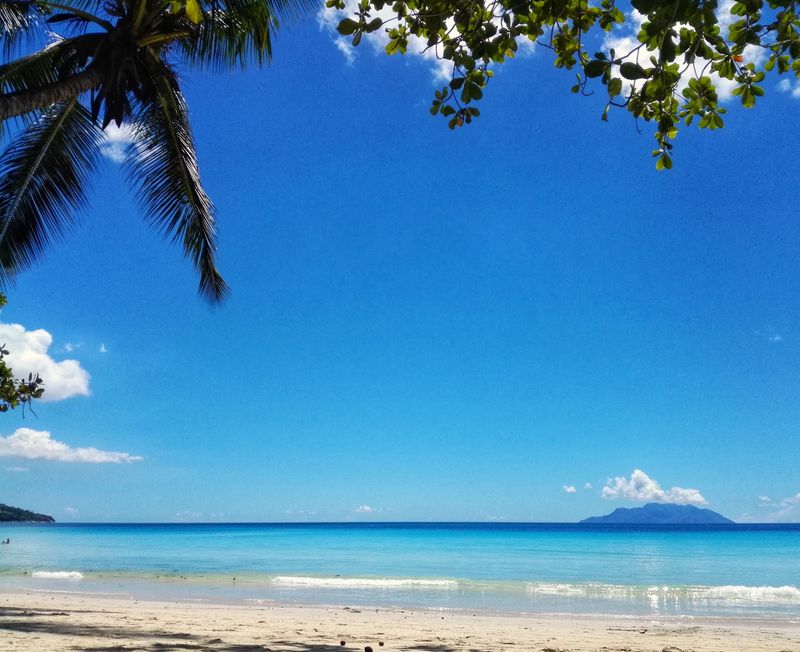
The Seychelles sits in the Indian Ocean with an almost unfair level of natural beauty. Enormous granite boulders frame white sand beaches, tropical forests cover the hillsides, and the water is the kind of blue that makes photographs look edited.
That beauty comes at a price of around $239 per person per day, with a one-week stay averaging approximately $1,673 per person.
Food spending averages around $85 to $86 per person each day, which reflects both the quality of fresh seafood available and the cost of importing nearly everything else. Visitors who combine multiple islands, traveling between Mahe, Praslin, and La Digue, face ferry costs or domestic flight expenses that add up meaningfully over the course of a trip.
The luxury ceiling in the Seychelles is genuinely stratospheric. Organized premium tours average close to $500 per person per day, and private island resorts can cost far more.
Guesthouses and self-catering options bring the cost down considerably and are a smart choice for travelers who want to experience the islands without the resort markup. The Seychelles rewards those who plan accommodation carefully and treat the beaches, not the spa menu, as the main event.
French Polynesia
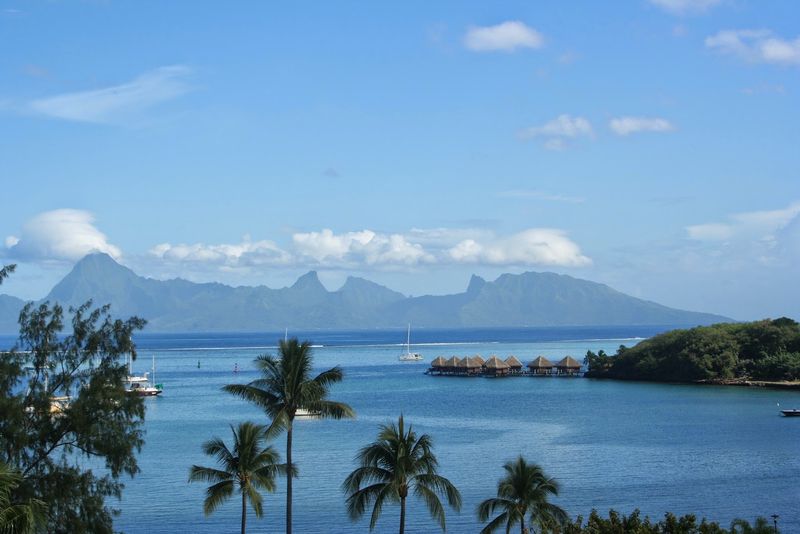
Bora Bora has appeared on so many honeymoon wish lists for so long that it has become almost shorthand for the ultimate splurge vacation. French Polynesia as a whole averages around $212 per person per day based on traveler spending, with a typical week costing approximately $1,481.
That overall average, though, understates what the Bora Bora version of the trip actually costs.
Budget Your Trip’s analysis puts average beach hotel prices in Bora Bora at around $694 per night, with a week’s accommodation averaging roughly $4,859 before taxes and fees. Organized luxury tours across French Polynesia average approximately $699 per person per day.
Those numbers explain why this destination appears so often in conversations about bucket-list trips that require years of saving.
The costs come from multiple directions at once. Overwater bungalows are expensive by design.
Domestic flights between Tahiti, Moorea, and Bora Bora add hundreds of dollars per person. Nearly all food is imported across significant distances.
Private lagoon excursions and resort dining complete the picture. French Polynesia is one of those rare destinations where the experience fully justifies the expense for many travelers.
Just make sure the savings account is ready well before booking day.
Share this story