Late summer in central New Jersey has a funny way of rewarding people who choose a trail over another errand. Around Pennington, one 950-acre retreat turns a simple walk into a chance to learn about water, wildlife, native plants, and butterflies without making the day feel like homework.
Families come for the easy paths and kid-friendly spaces, while nature-minded adults find enough trails, boardwalks, and programs to keep the visit interesting. The best part is that the place feels useful as well as relaxing, because its whole mission is tied to protecting the land and water that New Jersey communities depend on.
A Watershed Story Written In Everyday Terms

Big environmental ideas can sound distant until a place turns them into something families can actually use. The Watershed Institute does that by making water protection, land stewardship, and wildlife education part of a normal local visit rather than a complicated lecture.
Its work is built around the idea that central New Jersey’s streams, wetlands, woods, and communities are connected. A walk here is not presented as a grand expedition, but the setting quietly points toward how much depends on clean water and healthy habitats.
The learning center adds a helpful indoor layer to that mission. Children can find interactive exhibits, puzzles, puppets, and live animals, while adults get a clearer sense of why the organization exists beyond the trails.
That is where the site becomes more than a pretty stop near Princeton. It gives families a way to talk about conservation without turning the afternoon into a school assignment, which is no small trick.
New Jersey has plenty of places where nature is treated as something far away or highly seasonal. Here, the message lands closer to home: the water system under local life deserves attention, and even a casual visit can make that idea easier to understand.
Late-Summer Butterflies In The Spotlight
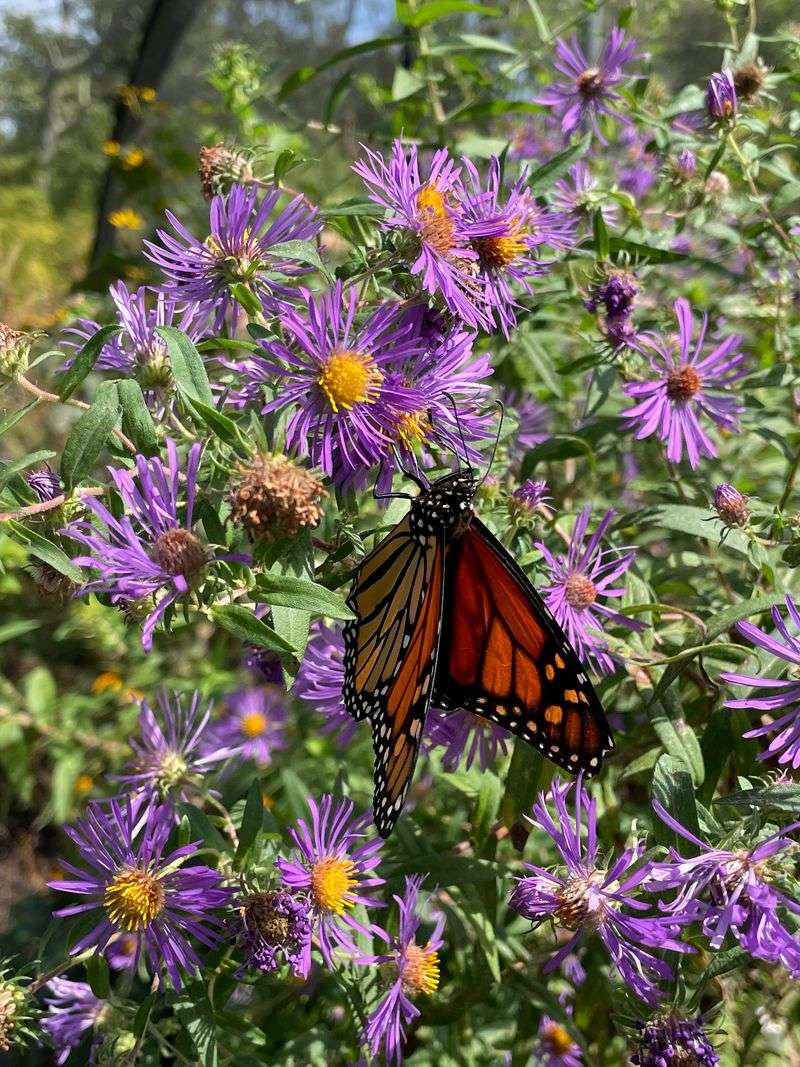
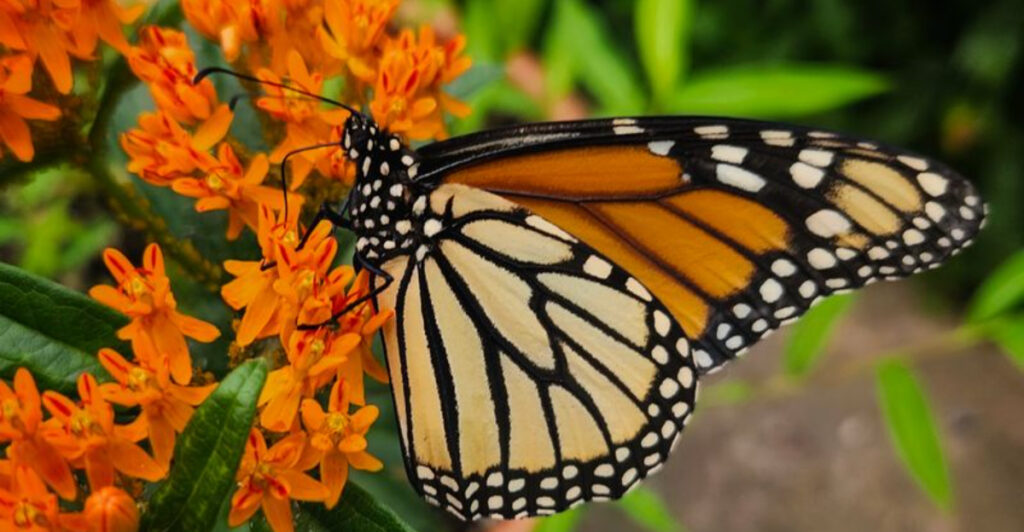
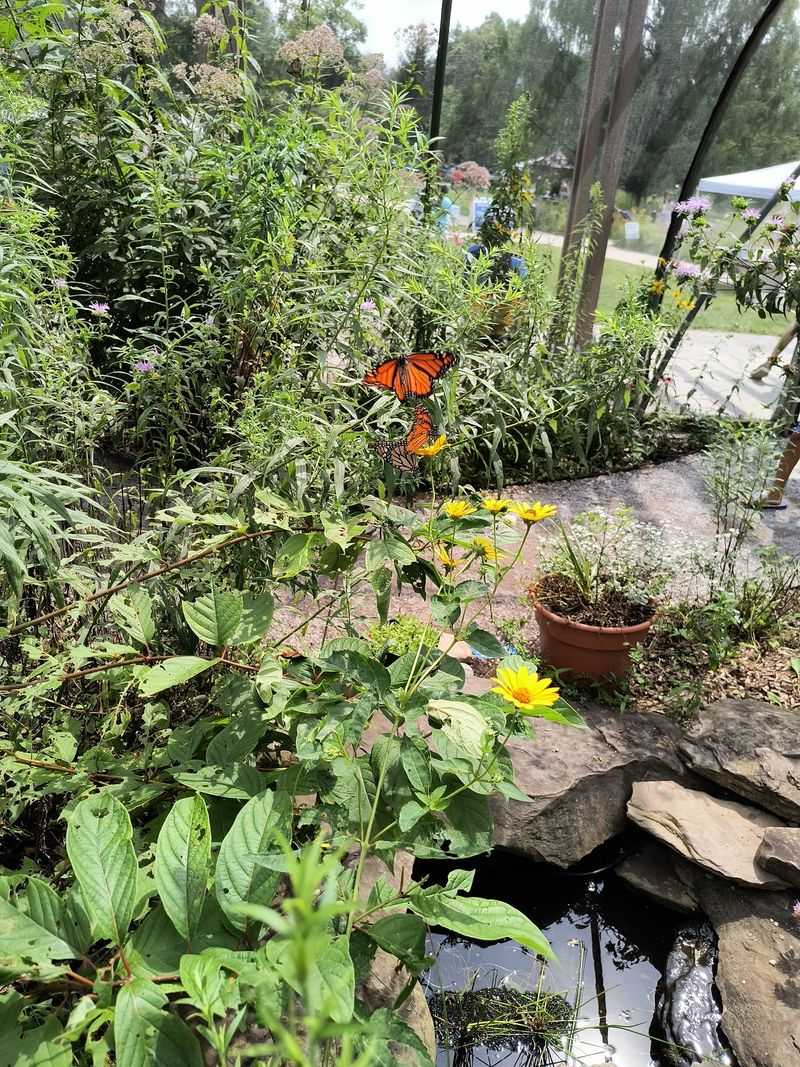
By mid-August, the butterfly appeal becomes one of the main reasons people talk about this place. The butterfly garden and butterfly house give late-summer walkers a focused reason to slow down, especially when flowers are active and the season is still in full swing.
Mentions of lots of butterflies and flowers in mid-August make the timing feel especially useful for people who want a local outing before fall routines take over. The butterfly enclosure has also been singled out as a memorable part of quick family stops and longer visits.
The draw is not only visual, even though butterflies naturally get the attention. The stronger point is educational: the space helps connect native plants, pollinators, and habitat in a way that children and adults can understand without a technical background.
That makes the butterfly area a smart first stop for families with younger kids. It is contained enough to feel manageable, yet interesting enough that adults are not simply waiting for the next activity.
Late summer can make New Jersey day trips feel repetitive, but this feature gives The Watershed Institute a seasonal reason to rise on the list. The butterfly show feels local, timely, and tied to a larger purpose.
Trails Made For Wandering, Not Conquering
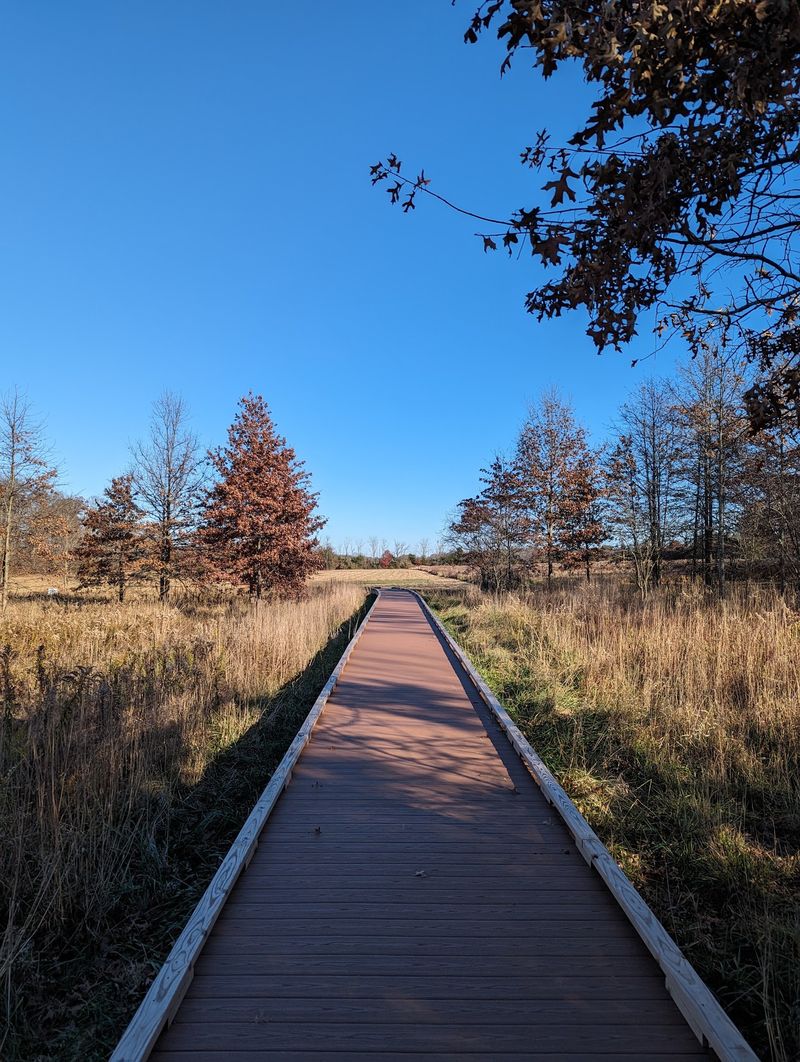
Trail bragging rights are not the point here, and that is part of the charm. The paths at The Watershed Institute are better suited to relaxed walking, family exploring, and low-pressure time outside than to serious elevation hunting.
The trails are often described as well marked, with enough variety to fill a visit without making the outing feel overly ambitious. People come for walks, quiet hikes, and family trail time, not for a rugged challenge that demands specialized planning.
That accessibility widens the audience. Parents with young children can use the trails without treating the day like a logistics puzzle, while adults looking for a calmer nature break can keep the route simple.
A practical note deserves a spot in the trail conversation: muddy sections can happen, depending on conditions. Shoes that can handle soft ground are a smart choice, and bug spray is a common-sense addition for warm-weather walks.
The lack of major elevation change may disappoint hikers seeking a strenuous route, but it helps define the place honestly. The trails work best as a welcoming, repeatable New Jersey escape, the kind of outing that does not need to prove anything.
The Boardwalk That Ties The Campus Together
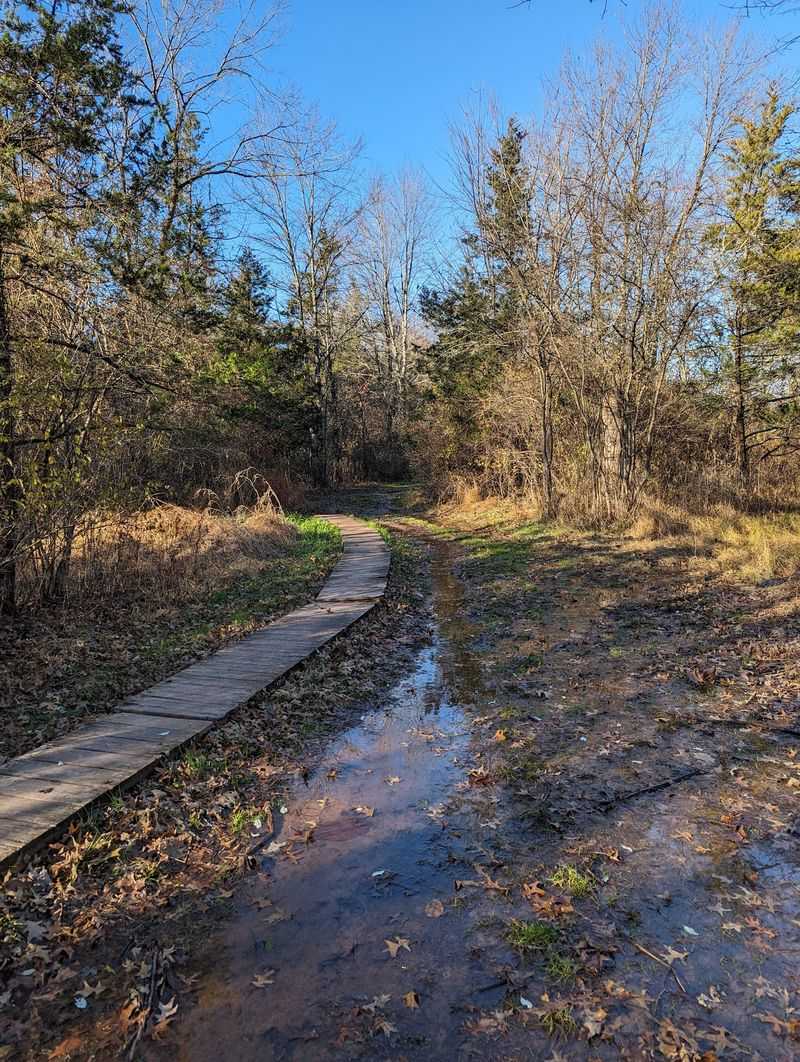
A boardwalk can turn a nature walk into a more guided experience, and this one helps stitch the campus together. Mentions of a short elevated boardwalk and trail connections show how The Watershed Institute gives people an easy way to move between outdoor areas.
The boardwalk is especially useful for families because it creates a clear route through part of the property. It can make the visit feel less like guessing at trail options and more like following a simple path through the grounds.
Its role also fits the organization’s educational purpose. Boardwalks often help people move through sensitive areas with less disruption, and here the feature reinforces the idea that access and care can work together.
The path has appeared in accounts of different types of visits, including family days and organized programs. That flexibility makes it one of the site’s quiet anchors rather than a single-purpose attraction.
New Jersey nature spots sometimes require a surprising amount of planning for a short outing. The boardwalk helps lower that barrier, giving the campus a clear, approachable rhythm for people who want an easy route before deciding how far to continue.
Tree Frog Trail For Small Explorers
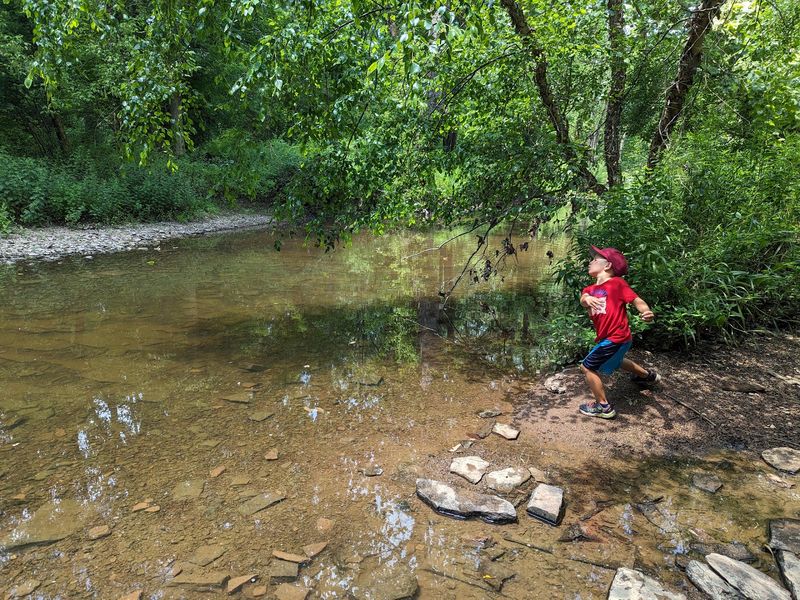
Kid-friendly nature areas can sometimes feel like an afterthought, but Tree Frog Trail gives younger explorers a named place of their own. The children’s play area is one of the features families specifically mention when describing why the site works well with kids.
The appeal is practical as much as playful. A family outing runs better when children have a space that matches their pace, and Tree Frog Trail helps break up the visit between indoor learning and outdoor walking.
For parents, the size and layout matter. The site has been described as spacious enough for toddlers to move around, but not so overwhelming that the experience becomes hard to manage.
That balance is a serious advantage for adults bringing preschoolers, grandparents planning a short outing, or caregivers trying to mix movement with learning. The trail area gives kids a reason to engage without requiring a full-day commitment.
It also keeps the overall campus from feeling too adult or too specialized. The Watershed Institute may carry an environmental mission, but Tree Frog Trail makes the message accessible to people whose attention spans still operate on snack-clock time.
Indoor Exhibits For Rainy-Day Backup Plans

Rain does not automatically cancel the plan here, which is a gift to anyone who has ever promised a child an outing too early in the week. The indoor learning area includes interactive exhibits, puzzles, puppets, nature materials, and live animals.
That setup gives the campus a backup plan when trails are muddy or the weather makes a long walk less appealing. It also gives younger children a way to connect with the place before or after spending time outside.
The building has been described as a comfortable place to cool down during hot summer visits. Families also point to the indoor area as a useful part of the day because it adds structure without making the visit feel rigid.
Reptiles and other nature-focused displays help the center extend the learning beyond butterflies and trails. The result is a space where kids can touch on several environmental themes in one stop.
For New Jersey parents, indoor-outdoor flexibility is a major advantage. The Watershed Institute can work as a fair-weather trail trip, a rainy-day learning stop, or a mixed visit where everyone gets a change of pace before the car ride home.
A LEED Building With A Conservation Message
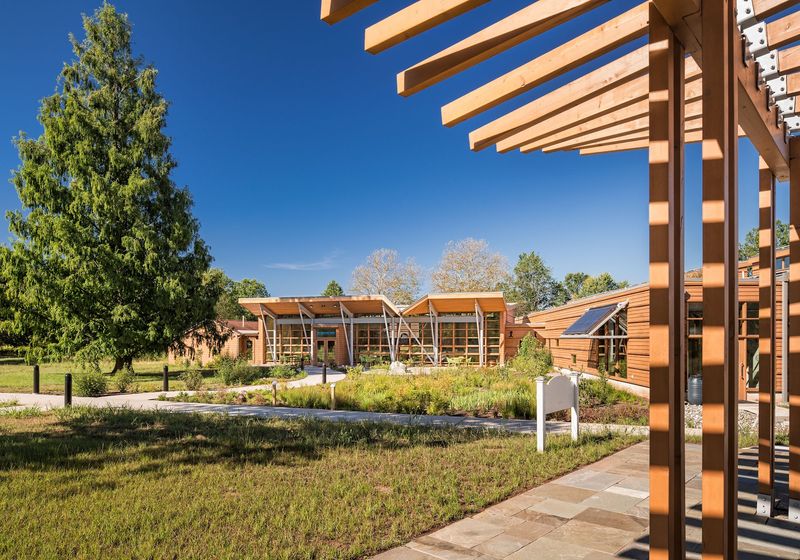
The building itself carries part of the lesson, which is clever in the best low-key way. The Watershed Institute has a LEED building, connecting its conservation message to the design of the place people actually enter.
LEED stands for Leadership in Energy and Environmental Design, and its presence here supports the broader mission of environmental responsibility. Instead of keeping sustainability limited to trail signs and programs, the campus puts the idea into the structure that hosts its learning spaces.
That matters because children often understand examples faster than explanations. A building designed with environmental standards in mind can make concepts like resource use and conservation feel less abstract.
Adults get value from that detail too, especially those interested in how community spaces can reflect the values they teach. It is not simply a building with exhibits inside; it is part of the organization’s public-facing identity.
The design also helps The Watershed Institute stand apart from a typical trailhead. A visit can include a walk, a butterfly stop, a family activity, and a small introduction to sustainable building practices, all without changing locations or turning the outing formal.
Programs That Make Science Feel Close
Some places hand out information, while The Watershed Institute appears to build experiences around it. Programs throughout the year are part of the appeal, adding guided learning to a campus already strong on trails and family spaces.
One memorable type of program has involved learning about migrating owls, including a presentation and a close look at how data can be gathered for broader wildlife study. The point is not spectacle, but a clearer view of how conservation work happens in real time.
Families, couples, and children can all fit into that kind of programming. The subject matter gives adults enough substance, while the format can keep kids connected because the science is tied to actual animals and real research practices.
Other events have focused on water, wildlife, and the way central New Jersey’s watershed works. That range supports the organization’s larger role as more than a set of trails.
Programs are worth checking through the official website before a visit, since schedules can change and special activities may require planning. A regular walk is worthwhile, but a well-timed program can turn the same property into a much richer local learning day.
Butterfly Festival Energy Without Losing The Lesson
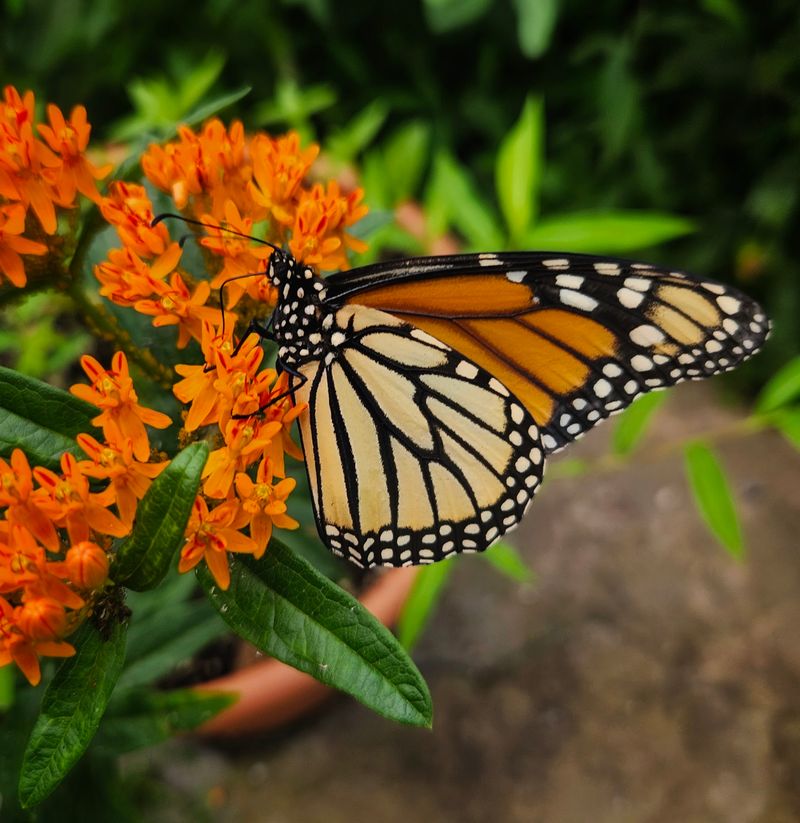
Butterfly Festival adds a livelier chapter to the site’s usual nature-center rhythm. The event has been associated with games, music, activities, and learning about central New Jersey’s watershed and local wildlife.
The festival matters because it shows how the organization can make conservation feel community-centered. Families are not only coming to look at butterflies; they are being pulled toward the larger story of plants, water, wildlife, and land protection.
A festival setting also helps reach people who might not normally plan an environmental education outing. The butterflies provide the hook, while the grounds and programs carry the deeper purpose.
That combination is especially smart for late summer, when families may want one more meaningful local trip before school routines return. A butterfly-themed event gives the season a clear reason to gather.
Anyone interested should confirm current event details directly through The Watershed Institute before making plans. Festival offerings can vary, but the central idea remains strong: a New Jersey nature organization can be educational, family-friendly, and community-minded without making the day feel stiff.
A Family Outing That Does Not Overcomplicate The Day
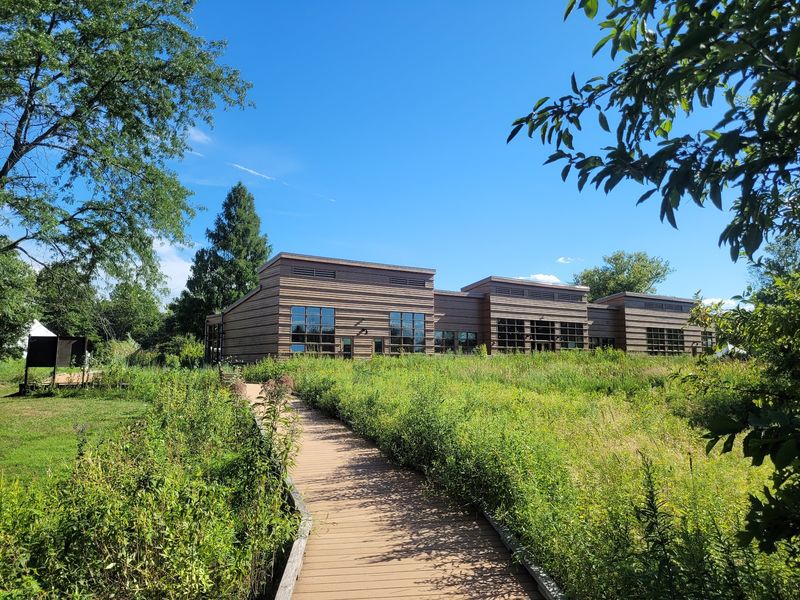
Parents do not need another outing that requires a spreadsheet, a backup spreadsheet, and a snack treaty. The Watershed Institute works because its best features are easy to combine: indoor exhibits, trails, Tree Frog Trail, a butterfly area, and open grounds.
Families with very young children can keep the day short and focused. Older kids can add more trail time, seasonal events, or programs, depending on what is available during the visit.
The grounds have been described as clean and manageable, with different areas for children to explore. That is useful for adults who want variety without turning the visit into a full-scale production.
Summer camp activity has also been part of the site’s family-focused identity, and children’s programs are often connected to conservation learning. The result is a place where play and purpose sit close together.
A gift shop adds another small layer, with proceeds supporting the organization’s cause. It is not the reason to go, but it fits the overall feeling that the campus is designed around education, stewardship, and a family outing that still has a point.
Free Access With Donations Encouraged
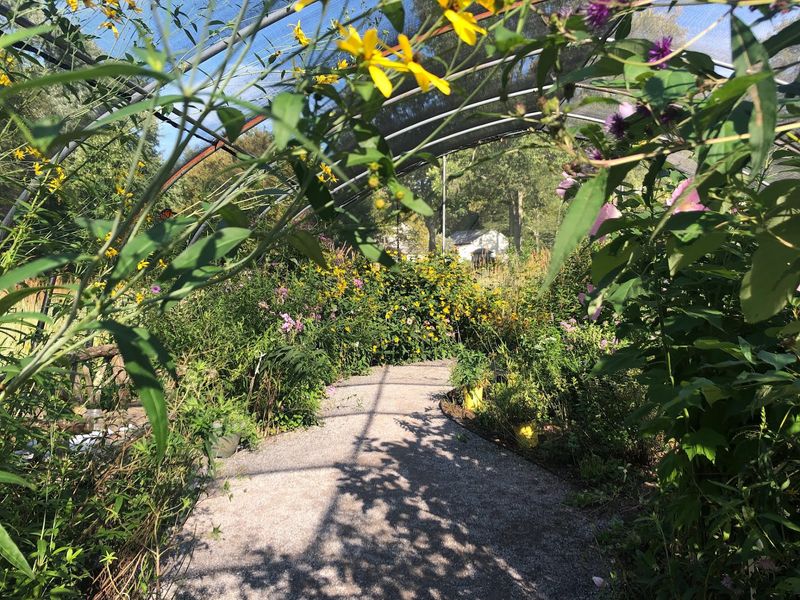
Cost can decide a day trip before anyone even finds the car keys, so the access note here is a welcome one. The Watershed Institute has been described as free to visit, with donations encouraged to support its work.
That detail makes the retreat especially useful for local families and repeat walkers. A donation-supported model lets people enjoy the trails and learning areas while still recognizing that the organization’s conservation mission needs backing.
The current posted hours are Monday through Friday from 9 AM to 5 PM, and Saturday and Sunday from 10 AM to 4 PM. Those hours give both weekday visitors and weekend day-trippers a workable window, though checking the official website before a special trip is wise.
Because the site includes indoor spaces, outdoor trails, programs, and seasonal features, timing can affect what feels most rewarding. Late summer is especially appealing for the butterfly areas, while muddy trail conditions may call for sturdier shoes.
The practical formula is refreshingly simple: bring comfortable walking footwear, consider bug spray during warm months, and leave room for either a short visit or a longer wander. New Jersey rarely makes useful local escapes this easy.
A Soft Verdict For New Jersey Day-Trippers
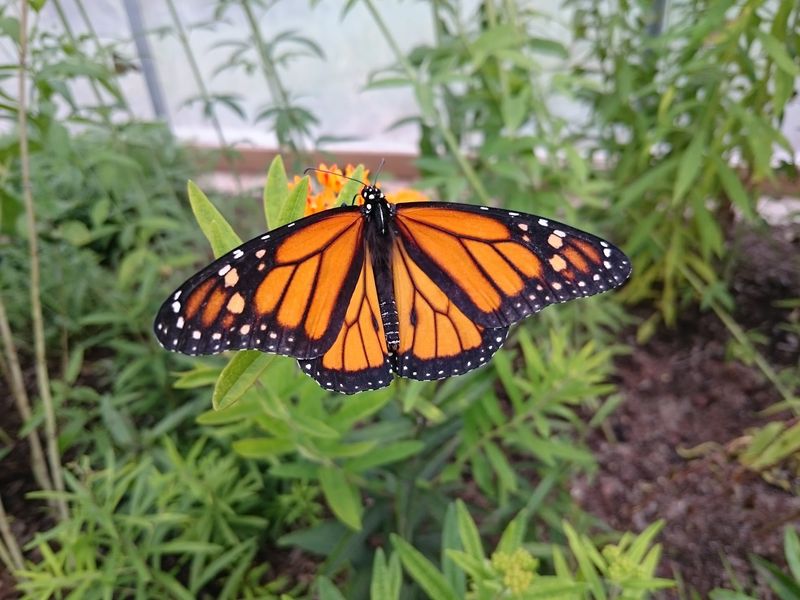
The final case for The Watershed Institute is not built on one dramatic feature. Its strength comes from how many small, useful pieces work together on one Pennington property.
Butterflies give late summer its headline moment, but the trails, boardwalk, Tree Frog Trail, indoor exhibits, LEED building, programs, and family-friendly layout all add weight. The place can serve a toddler outing, a quiet walk, a rainy-day nature stop, or a community event without losing its main identity.
It also feels very New Jersey in the best way: practical, local, and more interesting than outsiders might expect from a small address near familiar towns. Mercer County residents do not have to frame it as a major trip, while short-hop day-trippers can still treat it as a worthwhile destination.
The best visit is probably the one that stays flexible. Start with the butterfly area if the season is right, add a trail or boardwalk stretch, then use the nature center to round out the day.
For anyone building a late-summer list of nearby places that feel wholesome, educational, and actually visitable, this retreat earns its spot. New Jersey gets to keep another quiet bragging right.
A Pennington Retreat With A Purpose
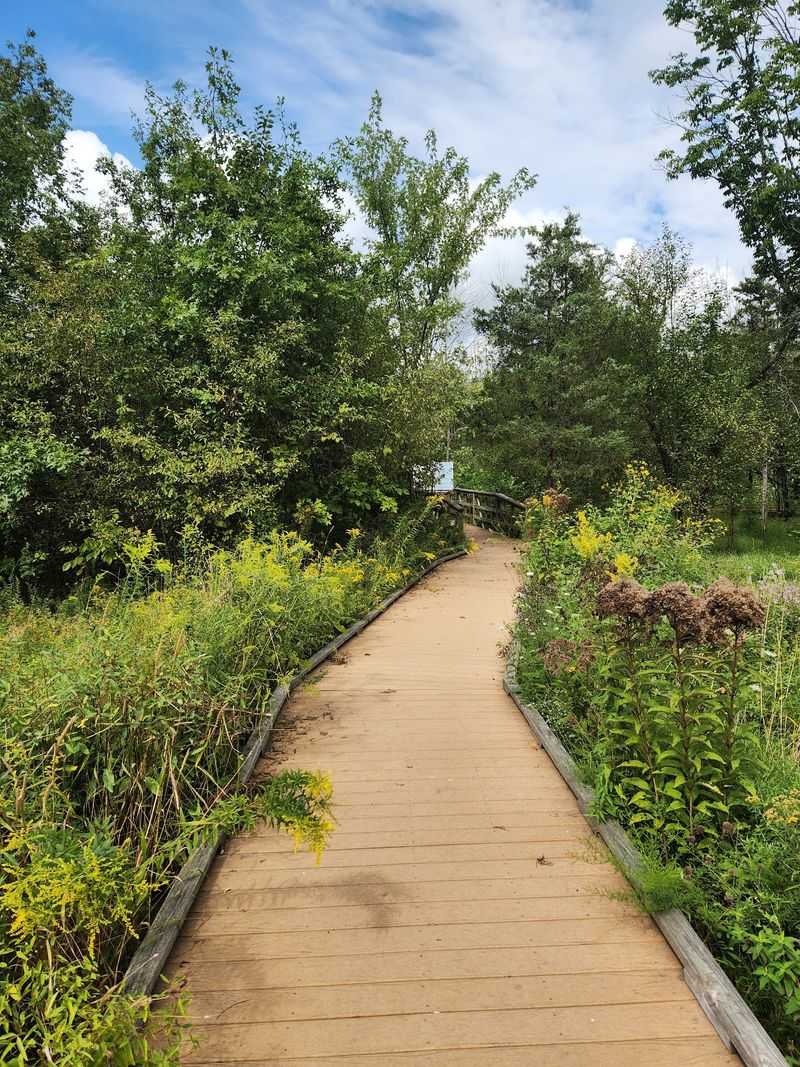
The address finally gives the mystery a name: The Watershed Institute is at 31 Titus Mill Rd, Pennington, NJ 08534, in Mercer County, New Jersey. It is not a state park or a simple picnic stop, but an environmental protection organization with public trails, learning spaces, and a nature-focused campus.
The property is known for trails, a boardwalk, a butterfly garden, a butterfly house, a visitor center, and children’s learning areas. That mix gives the place a rare New Jersey balance, where a short outing can feel organized enough for families but open enough for people who simply want a quiet walk.
Its identity centers on watershed education, which means the land is not just there to be pretty on a weekend calendar. The setting helps explain how local water, wildlife, plants, and human choices connect in practical ways.
For New Jersey residents, that matters because the place offers a local answer to a common complaint. No long drive, no complicated plan, and no need to leave the state to find a destination that makes conservation feel close to home.
Share this story