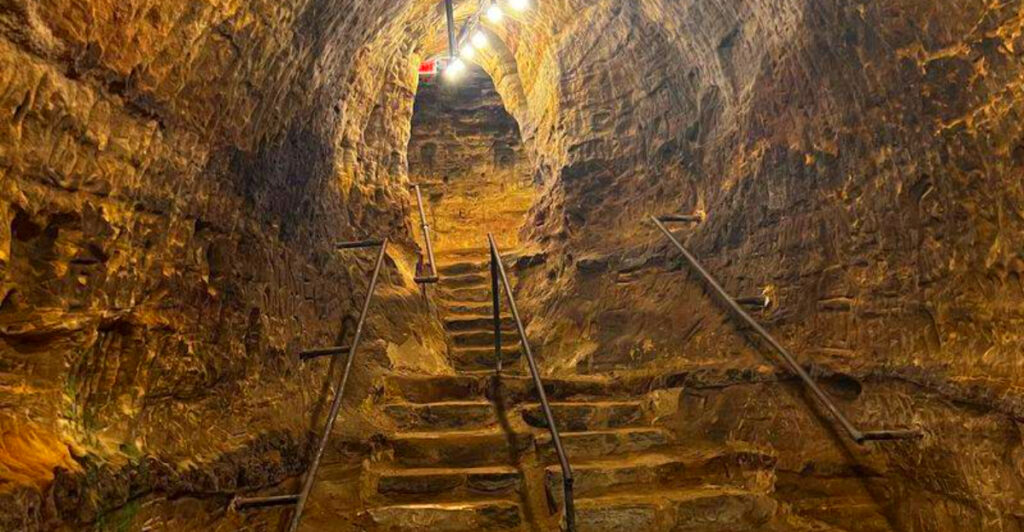
Beneath Lincoln is a 5,600-square-foot network of sandstone tunnels with a history that gets stranger the deeper you dig. Over the years, this underground space has stored beer, hosted dances and college parties, served as a shooting range, and even spent time as a daycare.
Then there are the stories that are harder to explain. Jesse James has been linked to the tunnels, generations of visitors carved messages into the walls, and reports of unexplained voices and other paranormal activity continue to follow the place.
Some of those stories are documented history and others remain legends. Figuring out which is which is part of what makes going underground here so fascinating.
Lincoln’s Only Underground Attraction and Where to Find It
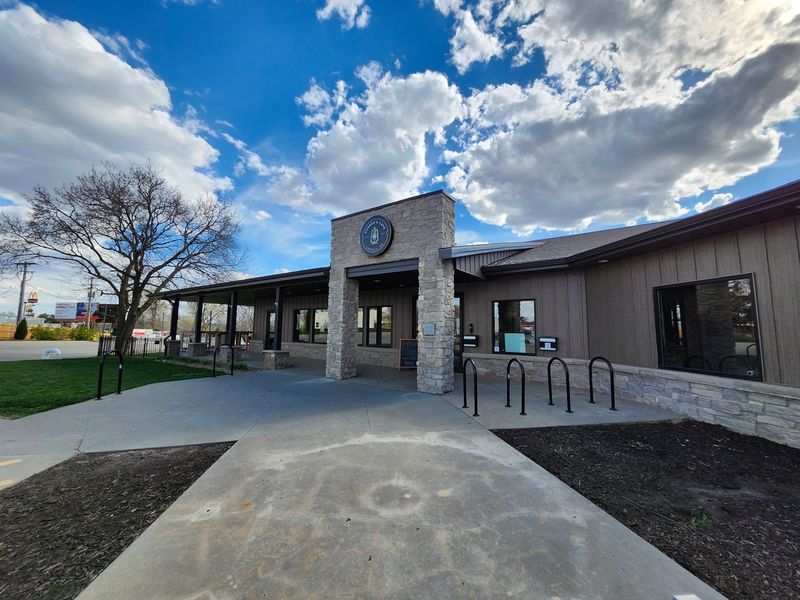
Right in the southern part of Lincoln, Nebraska, sits one of the most quietly remarkable spots in the entire state. Robber’s Cave Tours is located at 925 Robbers Cave Rd, Suite B, Lincoln, NE 68502, just a short drive from downtown, and yet most people who have lived in the city for decades have never been inside.
This is Lincoln’s oldest tourist destination and its only underground attraction, which already makes it a rare find. Added to the National Register of Historic Places in 2020, it also took home the 2022 Nebraska Outstanding Tourism Attraction of the Year award.
The cave sits beneath a building that now serves as an event venue, so the whole property has a polished look that does not quite prepare you for what waits below. You can reach tour guide Joel Green by calling or texting 402-975-0598, or by emailing [email protected] to book your spot in advance.
A Cave That Predates the City Above It
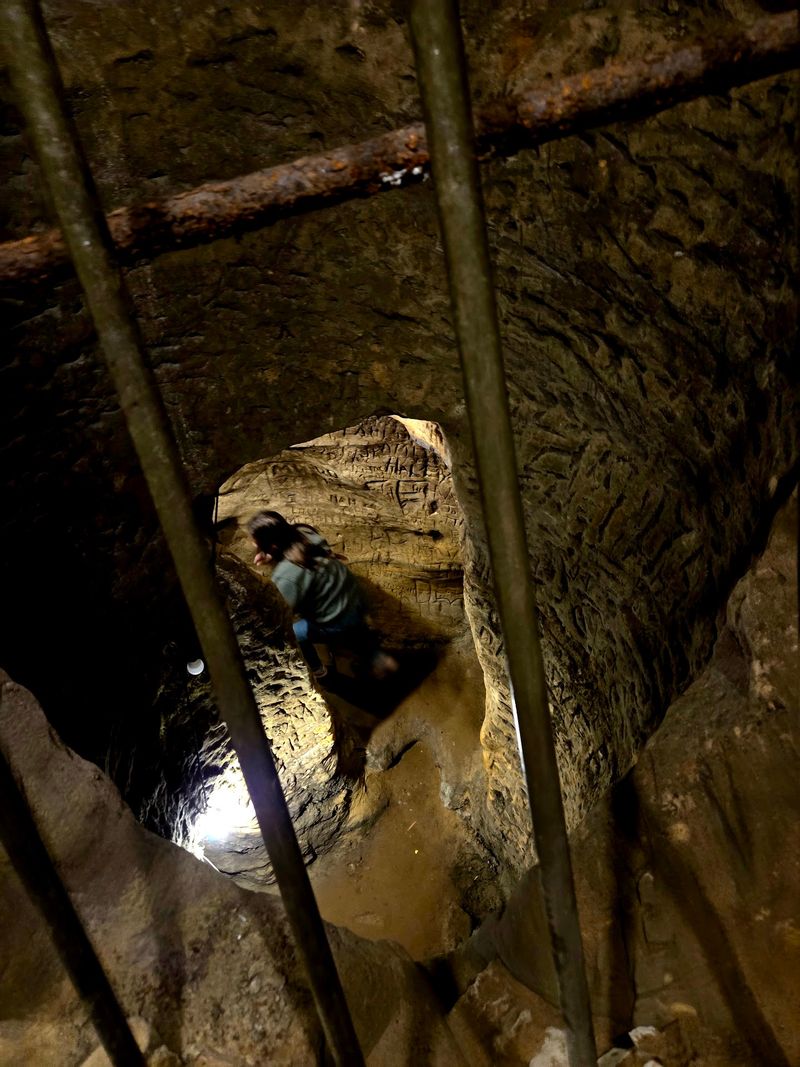
Most tourist attractions are younger than the cities they sit in. This one flips that idea completely on its head. Robber’s Cave is older than Lincoln itself, which means people were crawling around these sandstone chambers before the city even had a name on a map.
The cave began as a naturally occurring formation, shaped by running water from creeks or rivers cutting through soft Dakota sandstone over countless years. Look closely at the walls today and you can still spot ribbons of iron ore running through the rock, a quiet reminder of the geological forces that built this place long before any human set foot inside.
That natural origin story alone would be enough to make the cave interesting. But then history showed up and started adding chapters at a rapid pace, each one stranger and more surprising than the last. The geology is just the opening act for everything that follows underground.
German Immigrants, Beer, and a Pickaxe That Changed Everything
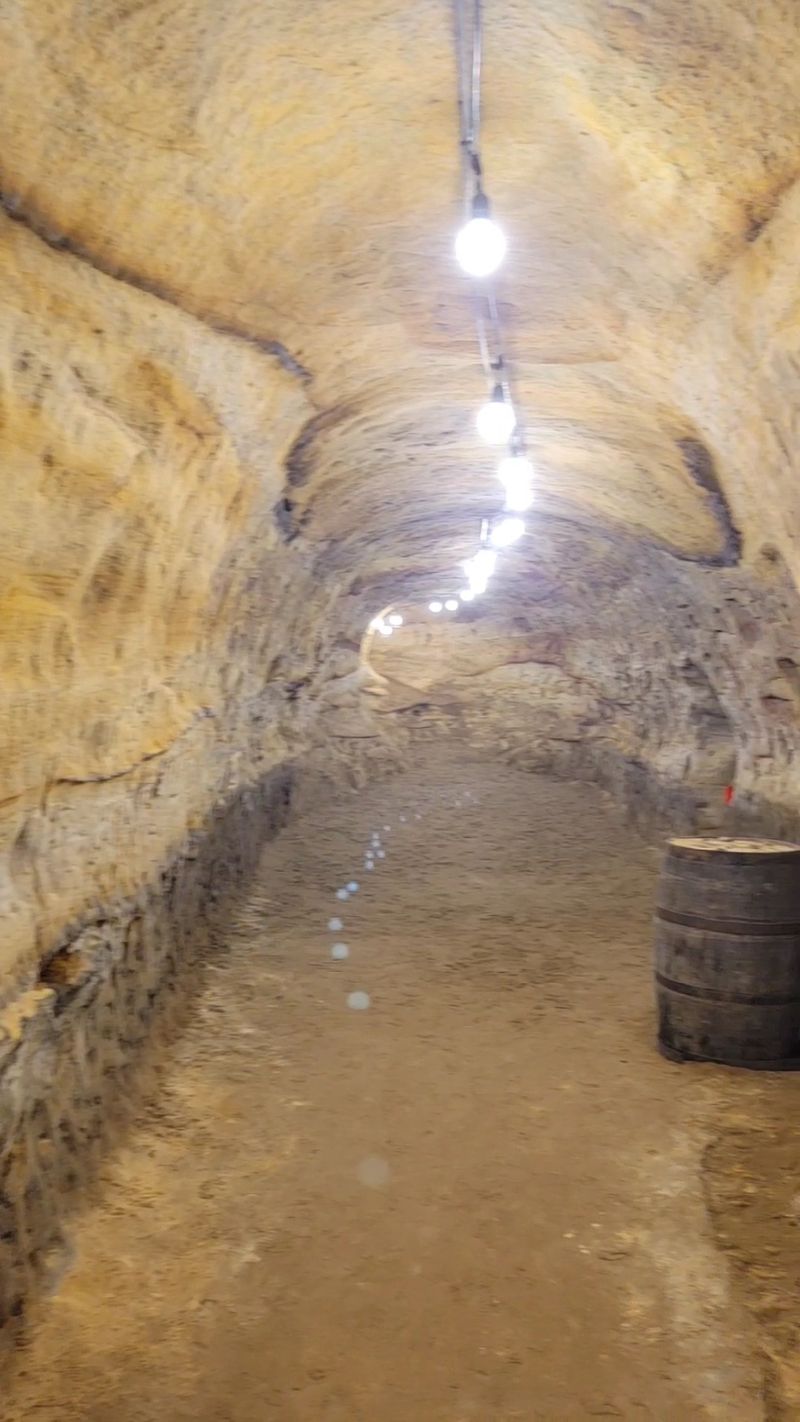
In 1869 and 1870, two German immigrants named Michael Ulmer and Andrew Lindner saw potential in a shallow natural cave just south of the city. They acquired the land and hired a man named Jacob Andra to do something extraordinary: transform that modest cave into a proper underground storage facility using only a pickaxe, a shovel, and a wheelbarrow.
Andra carved out what eventually became 5,600 square feet of tunnels and chambers, all by hand. The goal was to store malt and beer for Lincoln’s first brewery, Pioneer Brewery, which needed the cave’s cool and consistent temperatures to keep its product fresh.
The sandstone Andra excavated did not go to waste either. Some of it was reportedly used in the construction of the Nebraska State Capitol and the nearby Nebraska State Penitentiary. One man, one pickaxe, and a whole lot of determination quietly shaped the foundations of an entire city.
Jesse James, Gamblers, and the Legend That Named the Cave
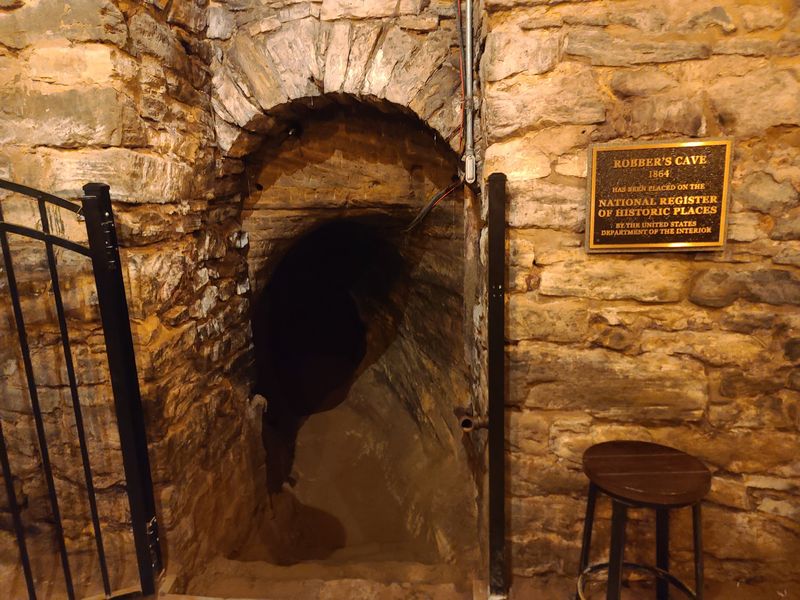
The name Robber’s Cave did not come from a marketing team. It came from a reputation the tunnels earned the hard way. After the Pioneer Brewery closed in 1873, the cave became associated with a rougher crowd, including gamblers, horse thieves, and people who preferred their meetings to happen far from prying eyes.
The most famous legend claims that Jesse James used the cave as a hideout in 1876 following the failed Northfield Raid. Historical records do not confirm this, but the story has stuck to the cave like sandstone dust for nearly 150 years. Whether Jesse James ever actually crouched in these tunnels is debatable, but the fact that people believed it says everything about the cave’s reputation at the time.
The building above the cave was reportedly used for some very questionable purposes before being destroyed in 1885, which only added more fuel to the fire of the cave’s already colorful and controversial identity.
The Underground Railroad and the Stories That Resist Easy Answers
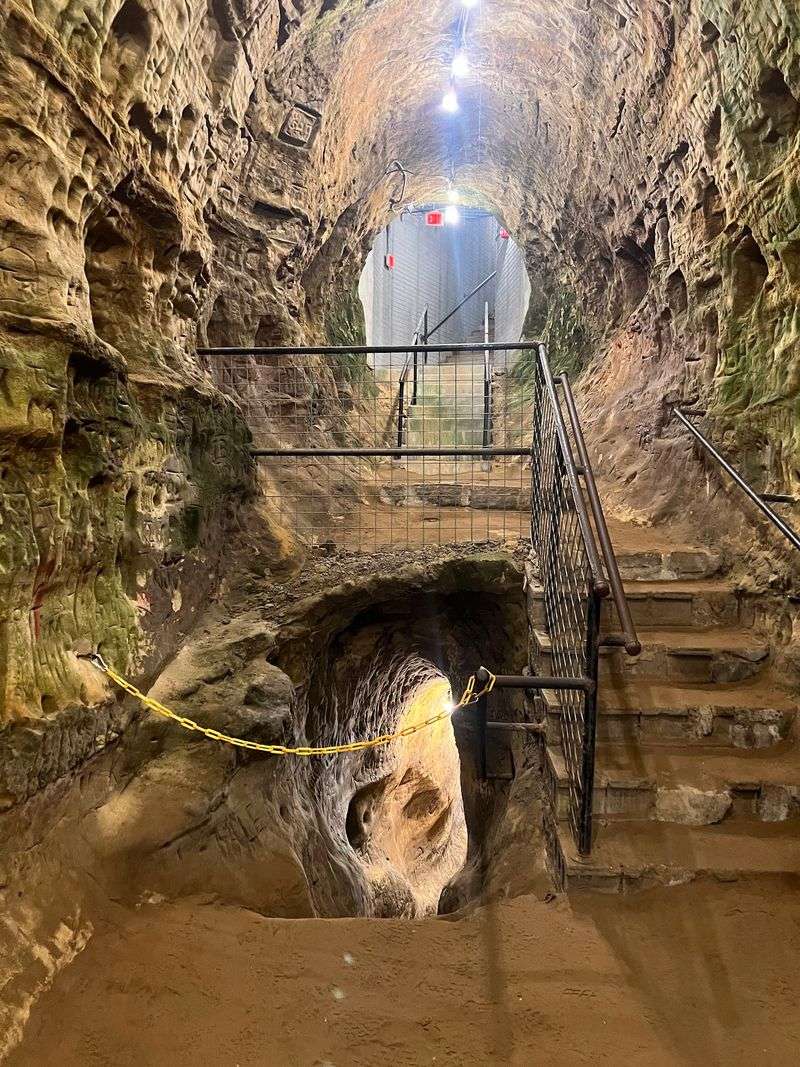
One of the most persistent legends surrounding the cave is its possible connection to the Underground Railroad. The story goes that freedom seekers may have passed through these tunnels on their way north, using the cave’s hidden network of chambers as a safe stopping point.
Like the Jesse James tale, this claim has never been confirmed by definitive historical evidence. Tour guide Joel Green does not shy away from that complexity. He presents the legend honestly, acknowledging both what people believe and what the historical record actually supports, which turns out to be a far more interesting approach than simply repeating a comfortable story.
The cave also has documented ties to the Ku Klux Klan, a fact that Green includes in the tour without softening it. That willingness to sit with uncomfortable truths, rather than skip past them, is part of what makes this tour feel genuinely educational rather than just entertaining.
Pawnee Legends and the Spiritual Significance of Pahuk Bluff
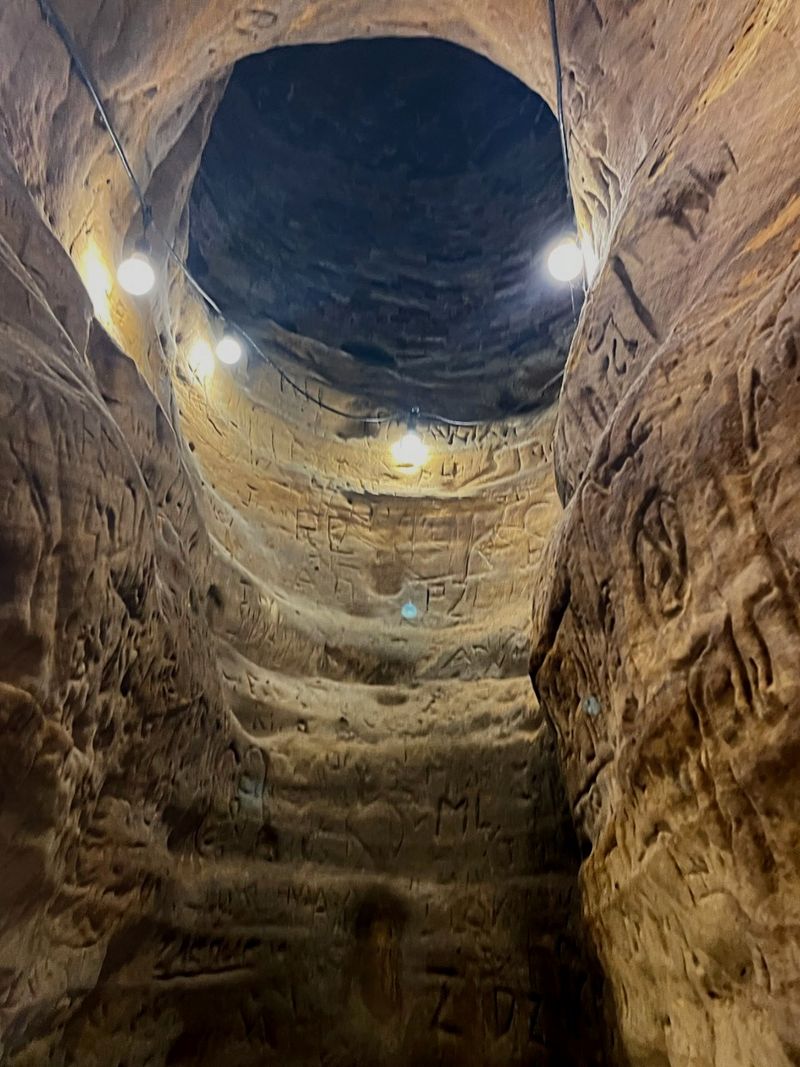
Long before German brewers and outlaw legends, the land around this cave held a different kind of significance. The Pawnee people historically knew the area as Pahuk Bluff, and some oral traditions suggest it was a place used to make contact with Tirawa, their creator god.
Whether the cave itself played a direct role in those spiritual practices is something historians continue to debate, as direct archaeological evidence is limited. But the fact that this land carried sacred meaning for the Pawnee long before European settlers arrived adds a layer of depth to the site that most cave tours simply do not have.
Joel Green weaves this history into the tour with care, treating it as a thread in a much larger and older story rather than a footnote. Standing inside those sandstone walls, knowing that people have found meaning in this space across centuries and cultures, gives the whole experience a weight that is hard to shake off.
Walls That Tell Their Own Stories Through Inscriptions
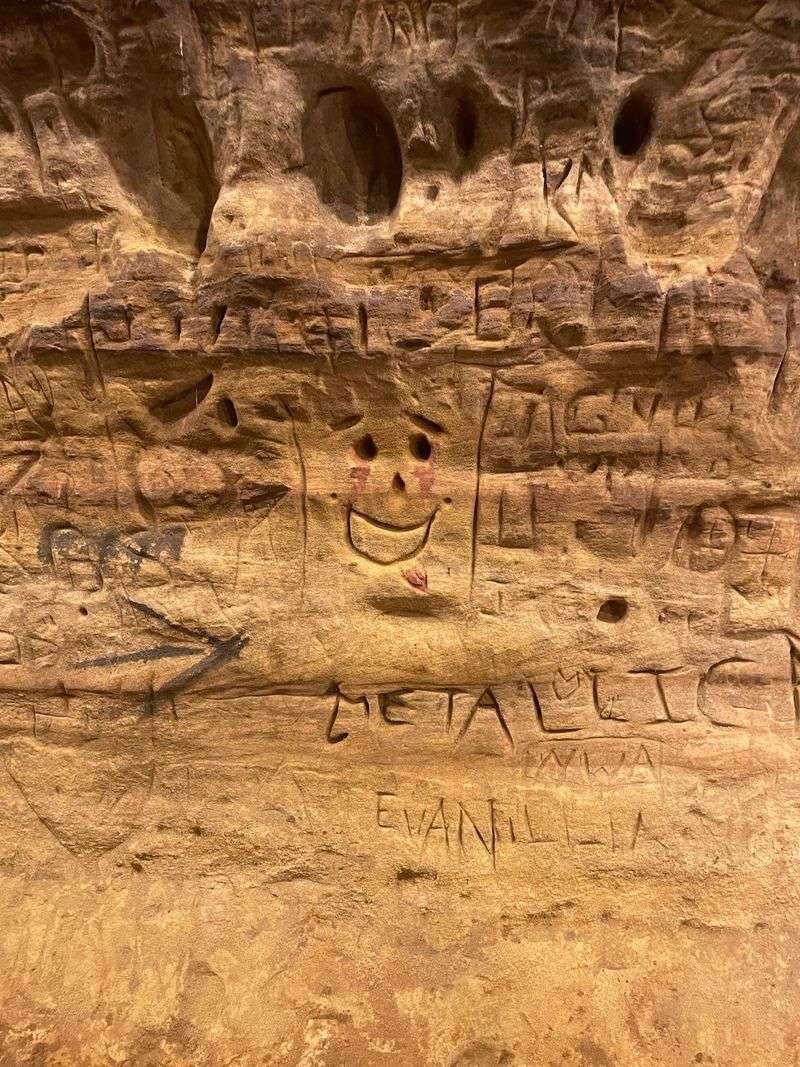
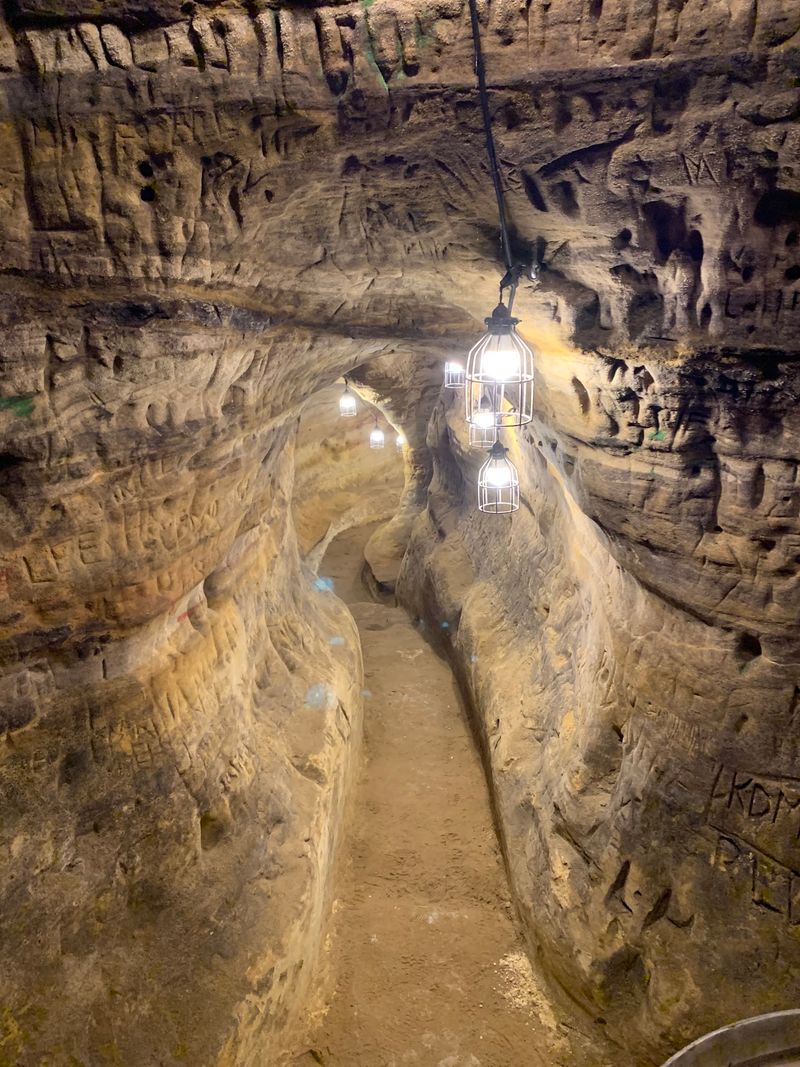
Every surface in the cave has something to say. The soft Dakota sandstone walls are covered with inscriptions left by visitors across more than a century and a half: names, initials, dates, band names, Greek letters, and symbols that range from the mundane to the mysterious.
Some carvings date back to the 1800s. Others were left by University of Nebraska students who used the cave for parties long after its official operations ended. Together they form what historians have called a time capsule, a layered record of everyone who passed through and felt compelled to leave a mark.
Unfortunately, erosion is slowly erasing these engravings, which is why History Nebraska’s State Historic Preservation Office funded a LiDAR scanning project to digitally map the entire cave in high detail. That effort ensures that even if the physical inscriptions fade completely, the record of who was here, and when, will not disappear with them.
From Dance Floors to Daycare: The Cave’s Many Strange Lives
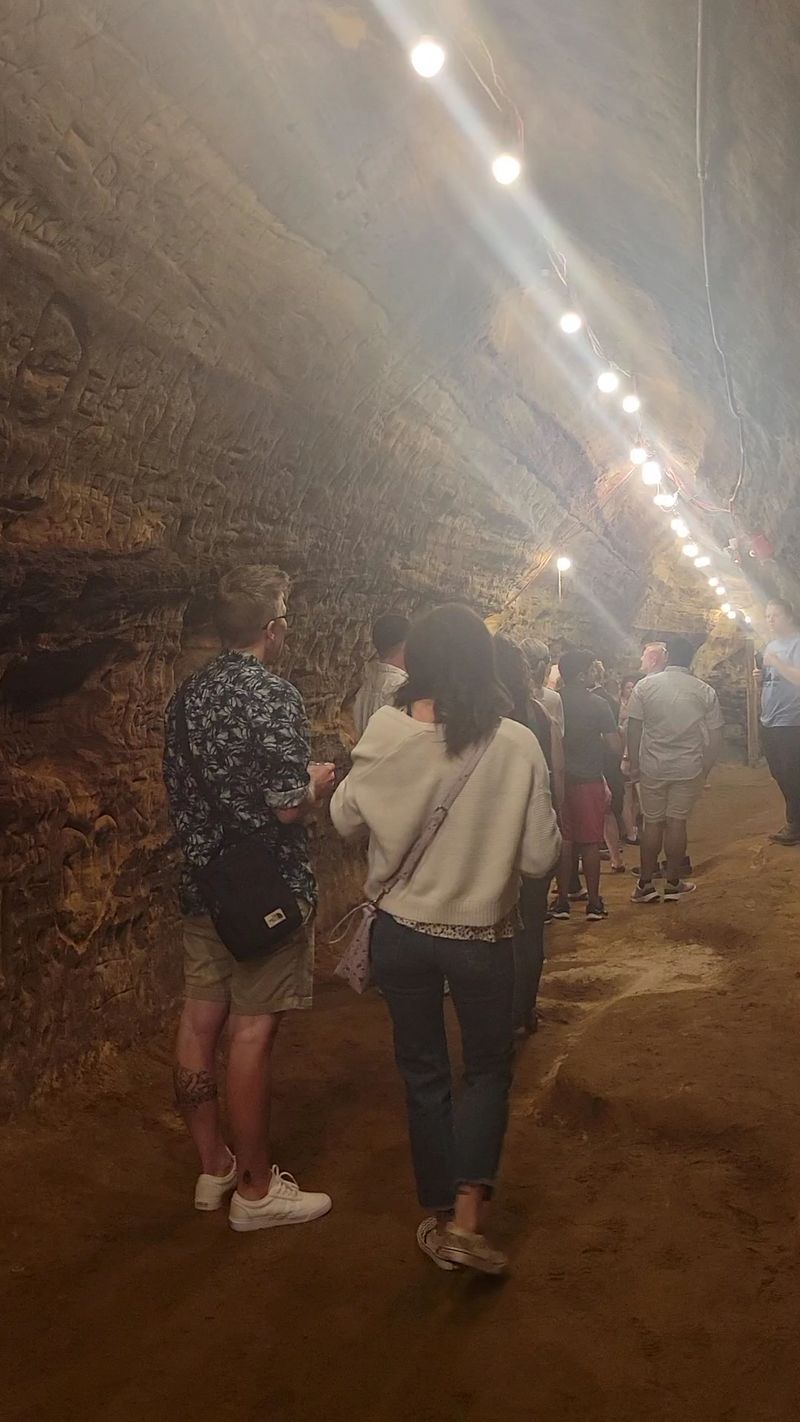
After the Scarborough family purchased the cave in the early 1900s, it went through a transformation that reads more like a fever dream than a property history. A dance floor was installed in 1922, and the tunnels that once stored beer barrels became a social hub for picnics, dances, parties, concerts, and even movie screenings.
At various points the cave also hosted community meetings and served as a gathering place for the kind of events that needed a memorable venue. Then, in more recent decades, it became a shooting range. Then a college party spot for University of Nebraska-Lincoln students. And, perhaps most unexpectedly, a daycare center for a period of time.
The cave was eventually closed to the public in 1973 due to vandalism and destruction, and the entrance was bulldozed in 2000. Trespassers still found ways in, which perhaps says more about the cave’s magnetic pull than any official tour ever could.
The Comeback Story: How the Cave Found Its Voice Again
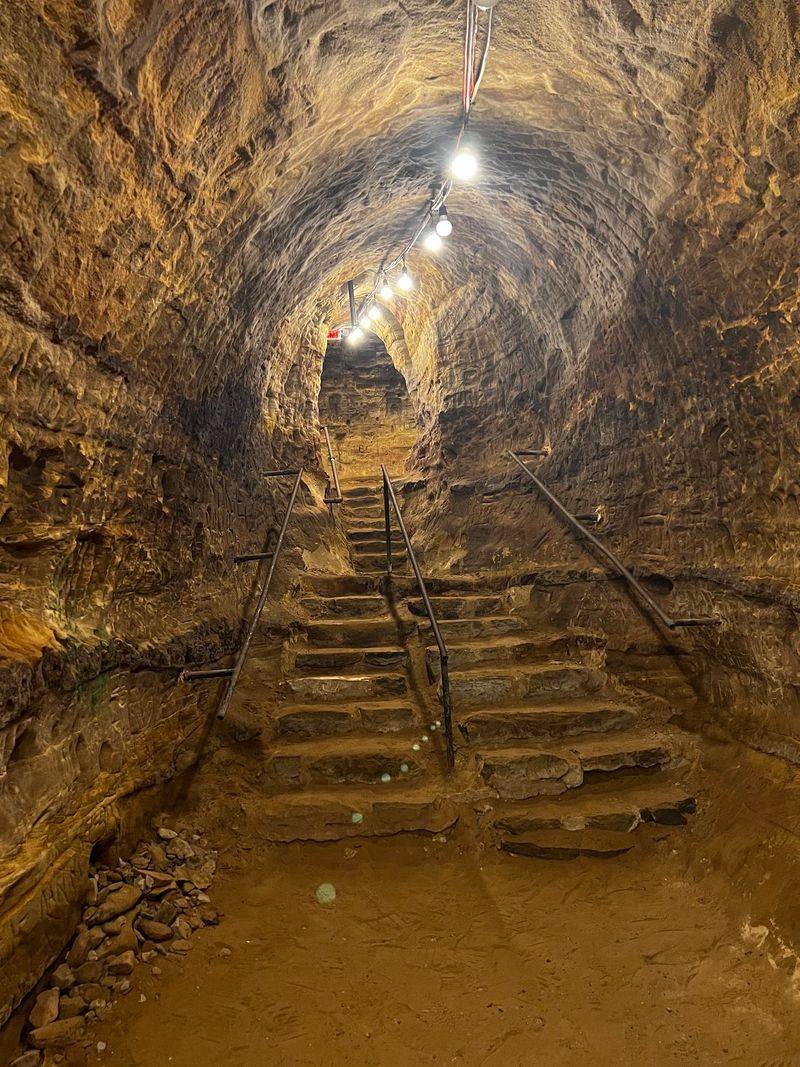
After decades of closure, vandalism, and a sealed entrance, the cave got a second chance in 2016 when the Blue Blood Brewing Company incorporated it into their operations and used it for beer storage and aging. Tours resumed in 2017, and people finally started coming back underground in an official capacity.
When the brewery closed in 2019, the cave could have gone quiet again. Instead, author, teacher, and historian Joel Green stepped in and kept the tours running. Green had already dedicated years to researching the cave’s history, and in 2019 he published “Robber’s Cave: Truths, Legends, Recollections,” which went on to win the Nebraska Book Award that same year.
He also led the effort to get the cave listed on the National Register of Historic Places in 2020, a recognition that felt long overdue for a site this rich with history. The cave’s comeback is, in many ways, Joel Green’s story as much as the cave’s own.
What It Actually Feels Like to Walk Through the Tunnels
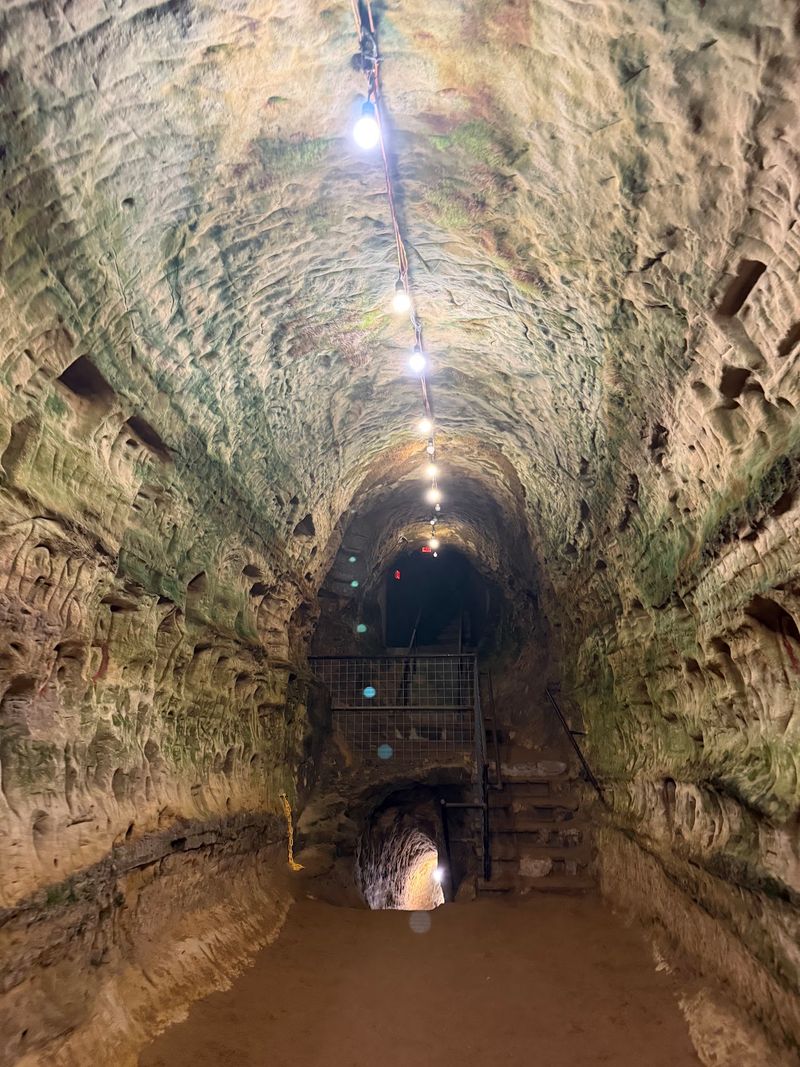
The cave holds a steady temperature of 55 to 60 degrees Fahrenheit year-round, which makes it a cool retreat in summer and a surprisingly comfortable escape in winter. Layers are genuinely recommended, not just as a suggestion, but as practical advice from someone who underestimated the chill the first time around.
The 5,600 square feet of tunnels include three parallel chambers, and the terrain is uneven enough that closed-toe shoes are a must. The space feels intimate without being claustrophobic, and the lighting is warm enough to see the inscriptions on the walls without losing the cave’s natural atmosphere.
Visitors are asked not to touch the walls in most areas, though there is one specific iron ore wall where touching is permitted, and feeling the texture of that ancient rock is a surprisingly grounding moment in the middle of all the historical storytelling. The physical experience of the space matches its emotional weight perfectly.
Joel Green: The Guide Who Makes History Feel Like a Conversation
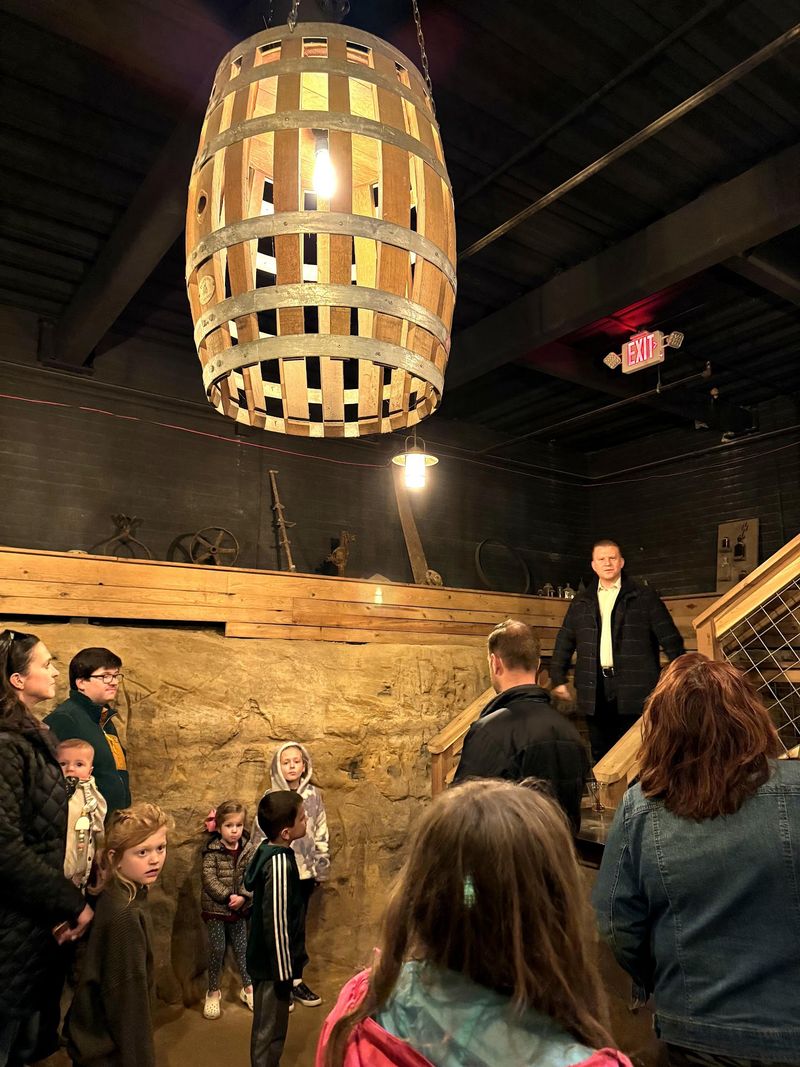
A cave is only as interesting as the person explaining it, and Joel Green sets a very high bar. He is an award-winning teacher, author, and historian who has spent years immersed in every layer of this cave’s complicated past, and that depth of knowledge shows in every minute of the tour.
He uses old photographs, videos, and personal anecdotes to bring the stories to life, shifting naturally between documented history and the legends that have never quite been proven or disproven. His willingness to say “we don’t know for sure” is refreshing in a world where tour guides sometimes smooth over uncertainty with confident fiction.
Tours last approximately 45 to 60 minutes, and the time moves fast. Groups are limited to around 30 people, which keeps the experience personal and gives everyone room to ask questions. After the tour ends, Joel sticks around to answer anything the tunnels left unanswered, and there is always something.
Paranormal Reports, Charlie Starkweather, and the Rumors That Refuse to Rest
Not everyone who has spent time in these tunnels came out with only historical facts on their minds. Reports of paranormal activity have followed the cave for years, including accounts of Native American chants, drums, screams, laughter, and disembodied voices heard in the darkness.
Joel Green himself has shared personal anecdotal encounters during tours, including LED lights that flicker on their own in ways that are hard to explain away. Whether you believe in that kind of thing or not, the atmosphere of the cave makes the stories feel entirely plausible in the moment.
The cave was also searched during the hunt for notorious killer Charlie Starkweather, and rumors persist that a tunnel once connected the cave to the nearby Nebraska State Penitentiary, though that passage is now sealed off. One thing is certain: the cave has drawn the strange and the unexplained toward it for as long as anyone can remember, and it shows no sign of stopping anytime soon.
Share this story