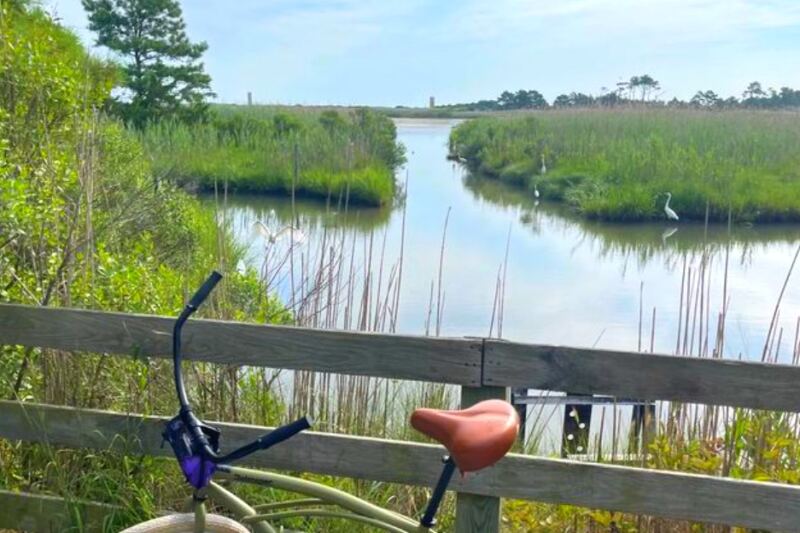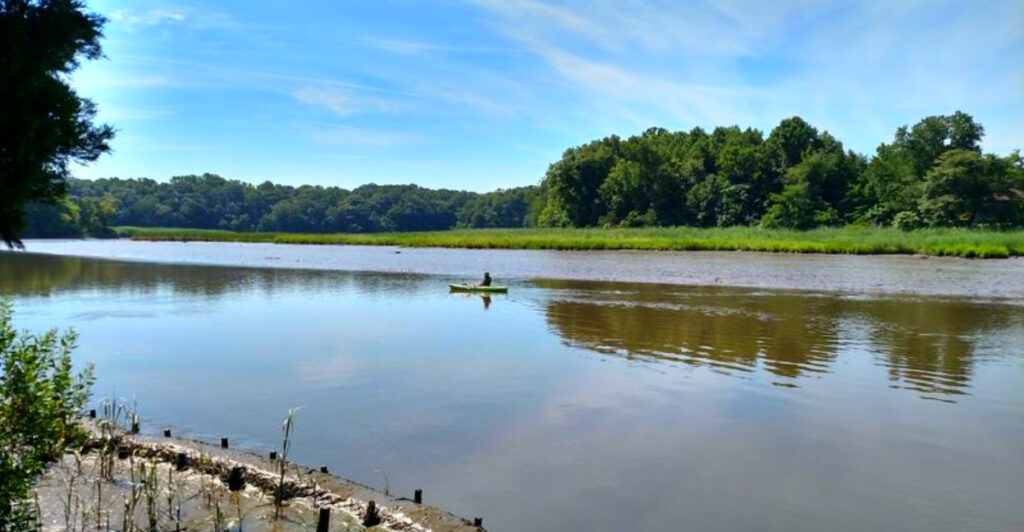
Just off a quiet road in Delaware, more than 1,200 acres of tidal marsh, forest, wetlands, and winding creek create the kind of place where bald eagles, great blue herons, otters, and deer can appear when the trails fall silent.
But peaceful scenery isn’t the whole story. This landscape survived a major development threat decades ago, and local lore claims an infamous pirate once traveled the creek – and perhaps left something behind.
Today, it’s free to explore, surprisingly uncrowded, and hiding considerably more history than you’d expect from such a quiet stretch of marshland.
Where the Creek Meets the Marsh: Location and First Impressions
The address is 802 Blackbird Landing Road, Townsend, Delaware 19734, and the moment you turn onto that road, the landscape shifts in a way that feels almost deliberate.
The reserve sits within New Castle County and forms a key part of the Delaware National Estuarine Research Reserve, a system managed in partnership with NOAA. It also lies along the Delaware Bayshore Byway, a designated National Scenic Byway that prioritizes quiet, nature-forward travel over speed.
The parking lot is modest and well-kept, and a clearly posted trail map greets you right at the entrance. There are no ticket booths, no entry fees, and no long lines. The reserve is open daily from 7:30 AM to 8:30 PM, which gives you plenty of time to explore at your own pace.
That first breath of marsh air, slightly salty and full of earthy warmth, is your official welcome to one of Delaware’s most underappreciated natural spaces.
A Thousand Acres of Living Science: What This Reserve Actually Protects
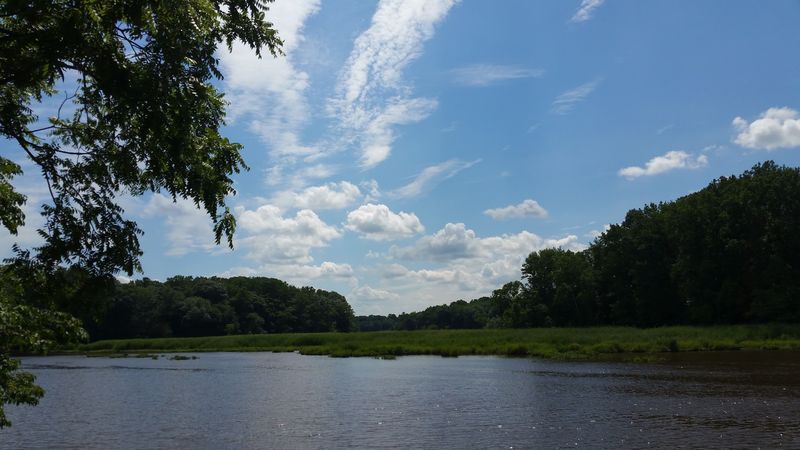
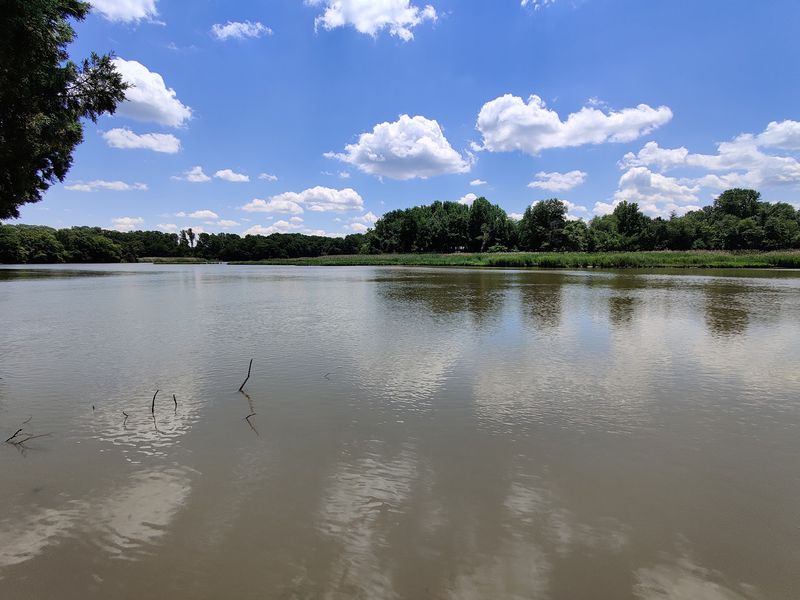
At roughly 1,245 acres, Blackbird Creek Reserve is not a small patch of green on a map. It is a full-scale estuarine ecosystem where freshwater streams from Blackbird Creek blend with brackish water flowing in from the Delaware Bay.
That mixing zone creates a habitat mosaic that includes freshwater wetlands, tidal marshes, agricultural land, and dense upland forest. The reserve is also home to Delmarva Bays, which are rare, undrained depressions with fluctuating water levels that serve as breeding grounds for amphibians and shelter for uncommon plant species.
Near the mouth of the creek, saltmarsh cordgrass and common reed dominate the shoreline, forming the kind of thick, rustling wall of vegetation that muffles the outside world completely. The reserve actively manages over 400 of its acres through ongoing research, ecological monitoring, and habitat restoration projects.
What you are walking through is not just a pretty park. It is a working natural laboratory, and the science happening here directly supports coastal communities across the region.
The Fight That Saved It All: A Conservation Story Worth Knowing
Not every beautiful place exists because someone planned it well. Sometimes a place survives because a group of people refused to let it disappear.
Back in the 1960s, Shell Oil had plans to develop roughly 5,000 acres of marsh and farmland adjoining Blackbird Creek. A decade-long effort led by Delaware Wild Lands, Inc., local farmers, and conservation advocates successfully blocked that development, with the Delaware Clean Water Act playing a pivotal role in the outcome.
That struggle is one of the quieter victories in American conservation history, but its results are anything but quiet. Every heron that glides over the marsh today, every osprey that circles above the creek, every rare plant clinging to a Delmarva Bay depression, exists here because people cared enough to fight for this land.
The reserve was formally designated as part of the DNERR system in 1993, cementing its protected status and opening the door for the research and education programs that now define it. The story behind this place makes every trail feel a little more meaningful.
Trail Life: What It Feels Like to Walk Through the Reserve
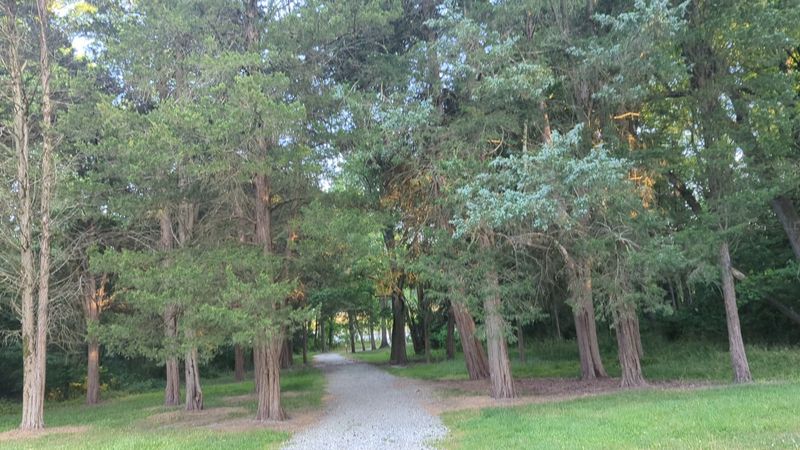
The trails here are wide, mowed, and genuinely easy to walk, which makes the reserve accessible to a broad range of visitors, from casual strollers to more dedicated hikers.
Three color-coded loops wind through the property, each offering a different slice of the landscape. The Blackbird Creek Red Mile Trail is a 1.1-mile loop that stays easy and flat throughout. Longer options stretch up to around five kilometers, and some routes include a gradual uphill stretch that adds just enough variety to keep things interesting.
Along the way, you pass through shaded woodlands, open pollinator fields filled with bird boxes, and creek-side stretches where the water comes into view between the trees. Informational signs and tree identification placards are scattered throughout, so even a solo walk becomes a bit of a self-guided lesson.
The trail maintenance staff deserves real credit here. The paths stay clear of branches and overgrowth, and the mowing is consistent enough that you can focus on the scenery rather than watching your feet.
On the Water: Paddling Blackbird Creek from the Reserve Launch
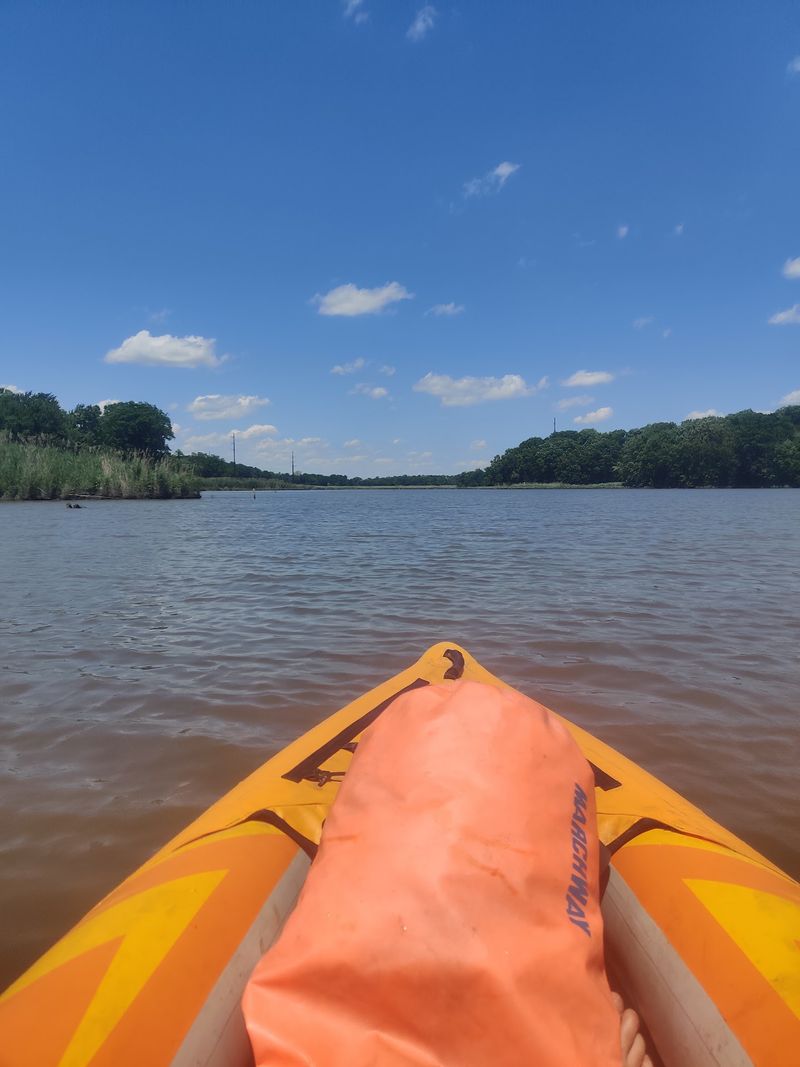
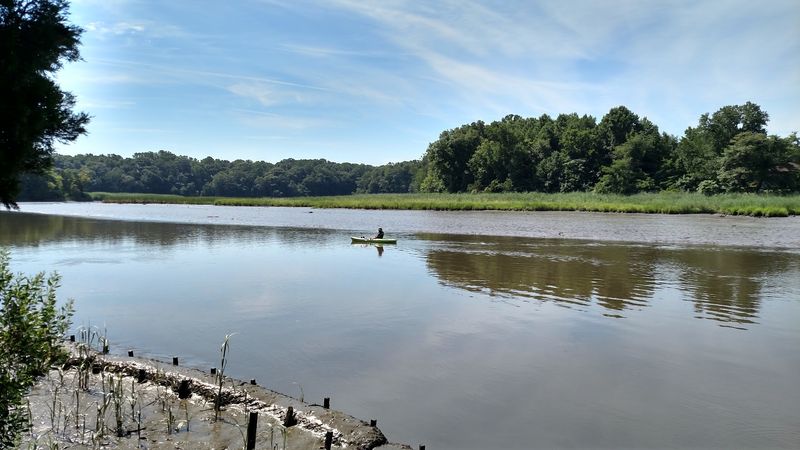
There is something about paddling a slow creek through a tidal marsh that resets your entire nervous system, and Blackbird Creek delivers that experience in full.
The reserve provides a canoe and kayak launch that is open to the public from dawn until dusk, seven days a week. The launch sits about 100 yards from the main parking lot and is only reachable on foot, so plan to carry your gear. The walk is short, but worth factoring into your preparation.
The creek itself is calm and slow-moving, making it a forgiving environment for paddlers of most skill levels. From the water, you get a completely different perspective on the marsh, one where the grasses tower above you and the birdlife feels surprisingly close.
The reserve’s education team occasionally leads guided canoe trips with life jackets provided for all participants. If you go on your own, bring sunscreen, plenty of water, and wear closed-toed shoes. The mud along the banks can be thick, especially after rain, so solid footwear matters more than you might expect.
Wings, Feathers, and a Birdwatcher’s Best Day: Wildlife at the Reserve
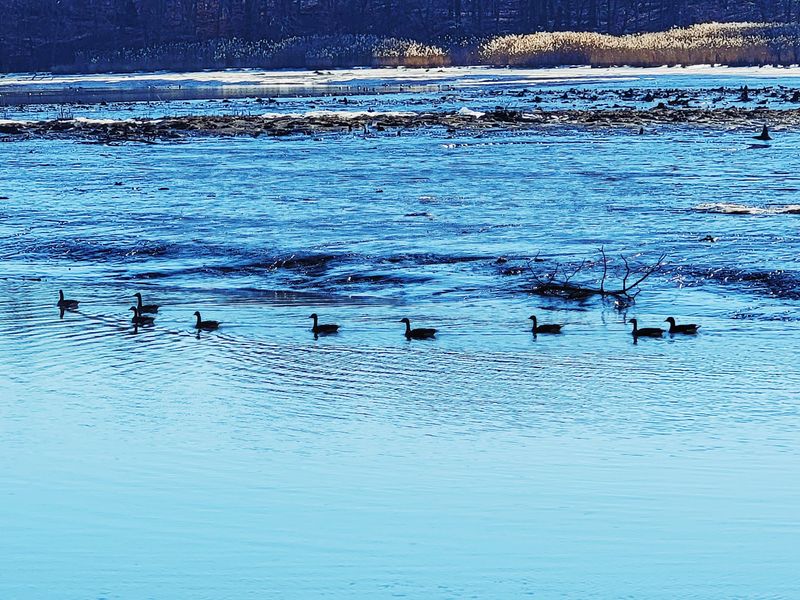
Bald eagles, great blue herons, ospreys, wild turkeys, egrets, and cranes have all been spotted here, and that list barely scratches the surface of what the reserve supports.
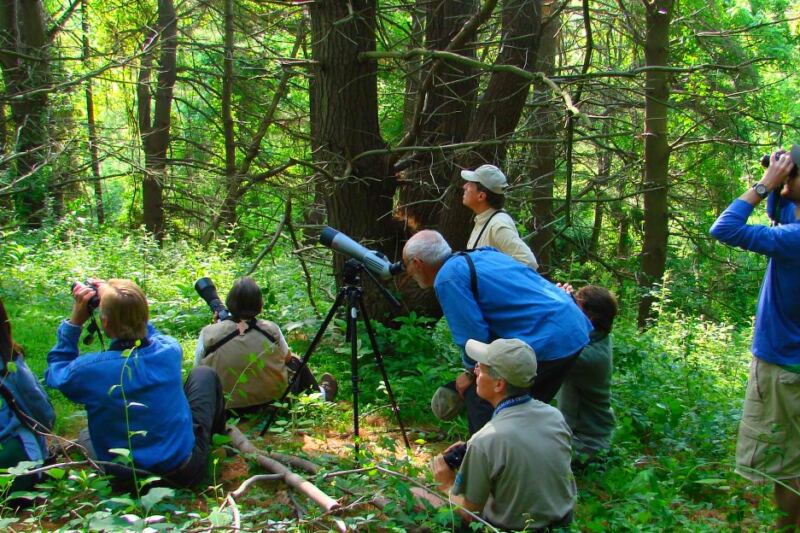
A dedicated birdwatching station near the creek gives enthusiasts a stable, sheltered spot to observe the waterway without disturbing nesting birds. The bird boxes scattered across the pollinator field are actively used for native species restoration, so visitors are reminded not to touch them, as the work happening inside matters.
Beyond birds, the reserve shelters whitetail deer, river otters, foxes, rabbits, and a full cast of mammals that tend to appear when the trails are quiet. In spring, horseshoe crabs use Blackbird Creek as a major spawning ground, and their eggs fuel the migration of countless shorebirds passing through the region.
Winter visits have their own reward. Animal tracks pressed into mud or snow along the trail edges tell stories that the warmer months keep hidden, turning a cold-weather hike into an unexpected lesson in who else uses these paths after dark.
Roots and Restoration: The Reserve’s Native Plant Mission
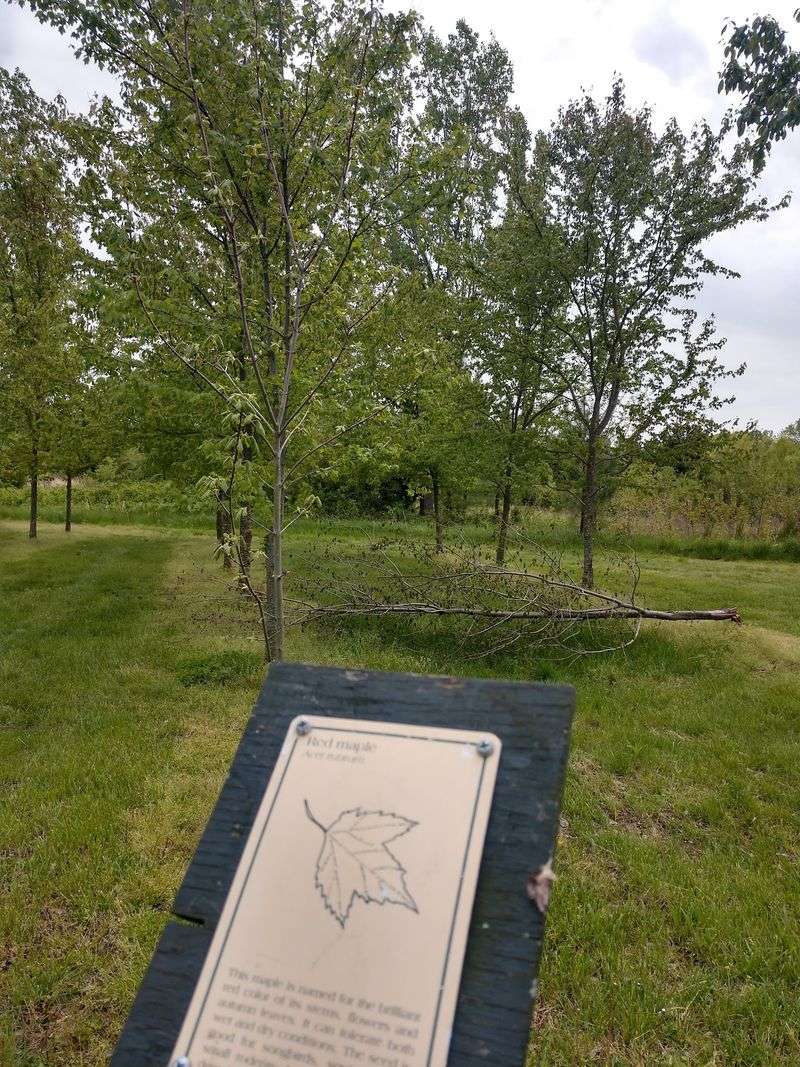
One of the most quietly impressive features of the reserve is the native tree plot, a section of the property where rows of indigenous trees are labeled and growing side by side. Visitors can walk through and read the placards, learning to identify species that are native to this part of Delaware.
The reserve also maintains a working native plant nursery and a pollinator garden designed to attract butterflies, bees, and other beneficial insects. Afforestation projects are underway to restore coastal forest habitat and reconnect fragmented wildlife corridors across the watershed.
Then there are the ghost forests. Rising sea levels have pushed salt water further inland, killing trees that once thrived in freshwater zones and leaving behind pale, standing trunks that look almost surreal against the green marsh backdrop. It is a striking and honest visual reminder of how quickly coastal ecosystems are changing.
The restoration work happening here is not decorative. It is strategic, science-backed, and aimed at keeping this ecosystem functional for generations of wildlife and people alike.
Picnics, Pavilions, and the Simple Pleasures of a Free Day Out
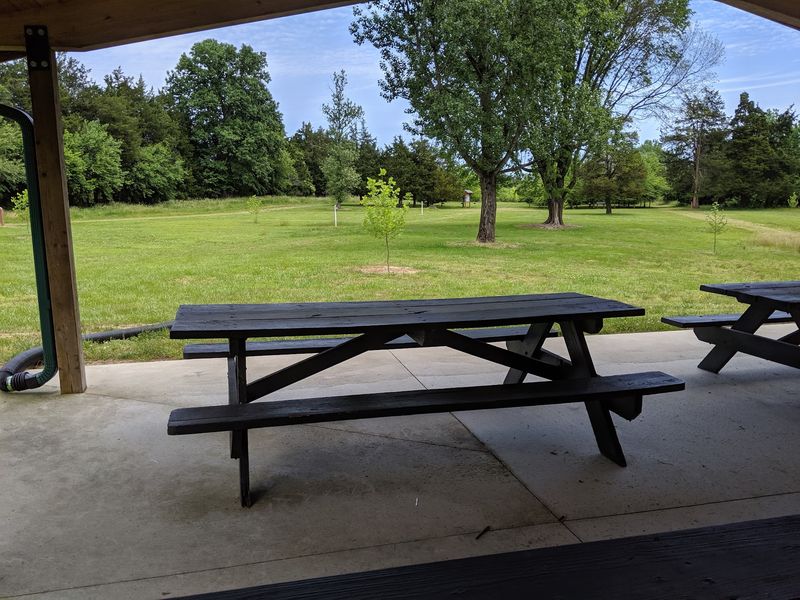
Not every great outdoor destination needs a gift shop or an entrance fee to justify the trip. Blackbird Creek Reserve proves that point every single day it is open.
The reserve offers a picnic pavilion that can be rented for group gatherings, along with several smaller picnic tables equipped with grills scattered across the property. There are no crowds competing for space, and the setting is genuinely peaceful in a way that busy state parks rarely manage.
A portapotty is available on-site and is described by visitors as well-maintained and accessible, including a handicap-accessible option. The trails are carry-in, carry-out, so there are no permanent trash cans in most areas, which means you need to pack out whatever you bring in.
Dog walkers are a regular presence here, and the wide, flat trails make the reserve a comfortable outing for leashed pets. The combination of free admission, solid amenities, and a relaxed atmosphere makes this an easy choice for a spontaneous afternoon outdoors without spending a single dollar.
The Fall Festival That Brings the Community Together
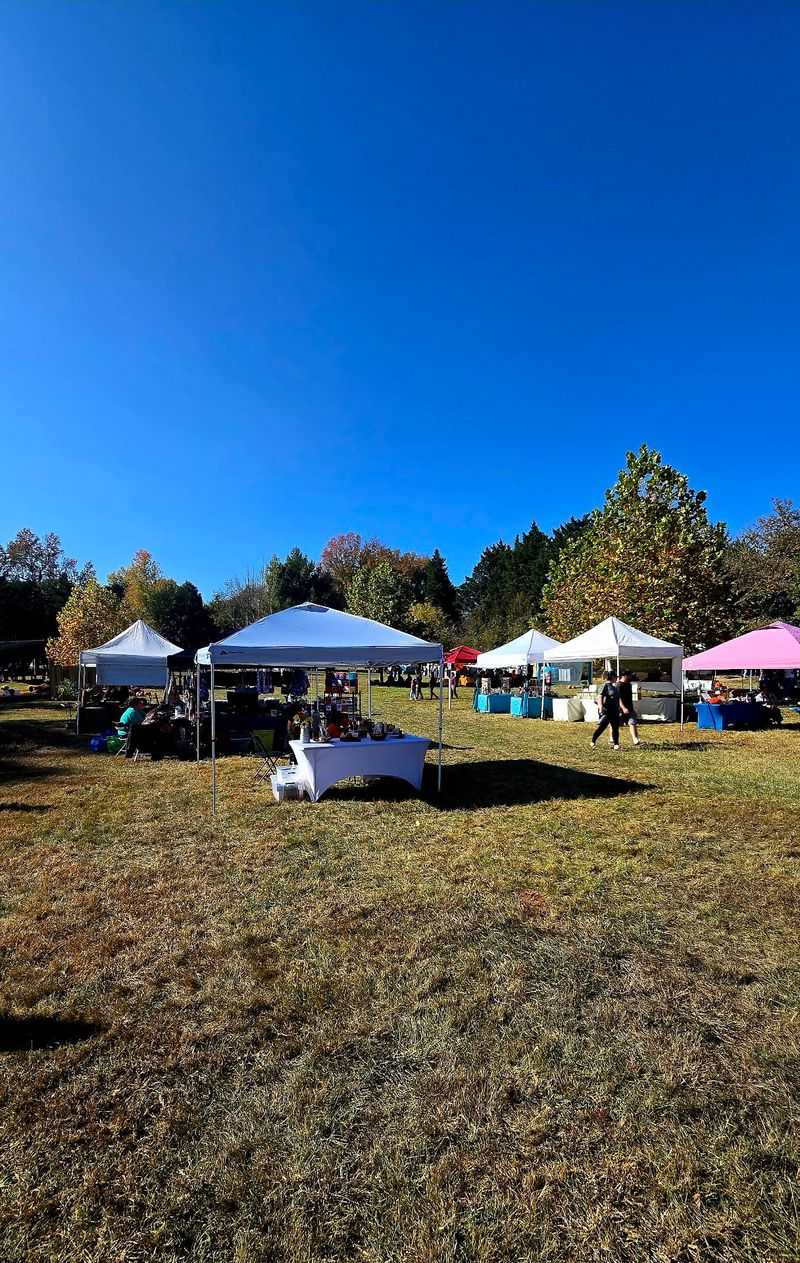
Once a year, the reserve sheds its usual quietness and fills with families, vendors, and environmental organizations gathered for the annual Blackbird Creek Fall Festival.
The event takes place on the third Saturday of October and draws a genuinely enthusiastic crowd. The setting, an open field ringed by trees just beginning to turn their autumn colors, gives the festival a relaxed, unhurried atmosphere that feels very different from the typical fairground experience.
Environmental information groups set up alongside local vendors, making it possible to learn something meaningful while also enjoying the celebration. Reserve staff are present throughout the day to answer questions and point visitors toward the trails and natural features they might otherwise miss.
The reserve also hosts guided hikes throughout the year, including a Fall into the Forest Hike and an Evening Hike, both led by the education team. These programs are designed for families, students, and curious adults who want more than a walk. They want a story to take home with them.
Pirate Legends and Stagecoach Roads: The History Beneath the Marsh
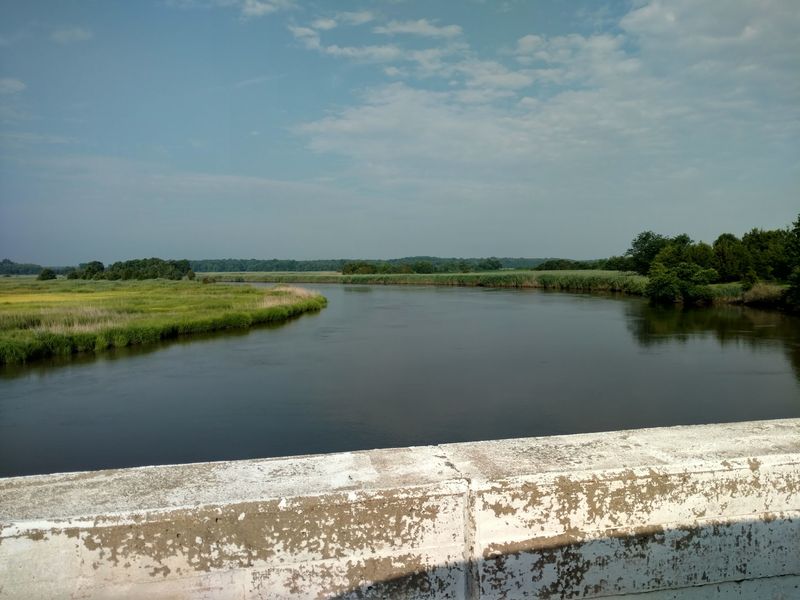
The name Blackbird carries more history than most people expect from a quiet Delaware waterway. Local tradition holds that the infamous pirate Blackbeard once navigated this very creek and may have hidden treasure somewhere along its banks.
Whether or not that legend holds any truth, the wider Blackbird community has a documented history that stretches back centuries. The area once served as a stop along the King’s Highway, the colonial road that connected towns up and down the Eastern Seaboard, and the creek itself was central to early settlement activity in the region.
A mill once stood on Blackbird Creek, drawing people to the waterway for commerce and trade long before anyone thought of it as a nature reserve. The creek’s transformation into a tidal marsh is also historically recorded, tied to a significant hurricane that breached a barrier beach and permanently altered the hydrology of the area.
Walking the trails with that backstory in mind changes the experience. Every bend in the creek becomes a little more interesting when you know what it has witnessed.
Tips for Your Visit: What to Know Before You Go
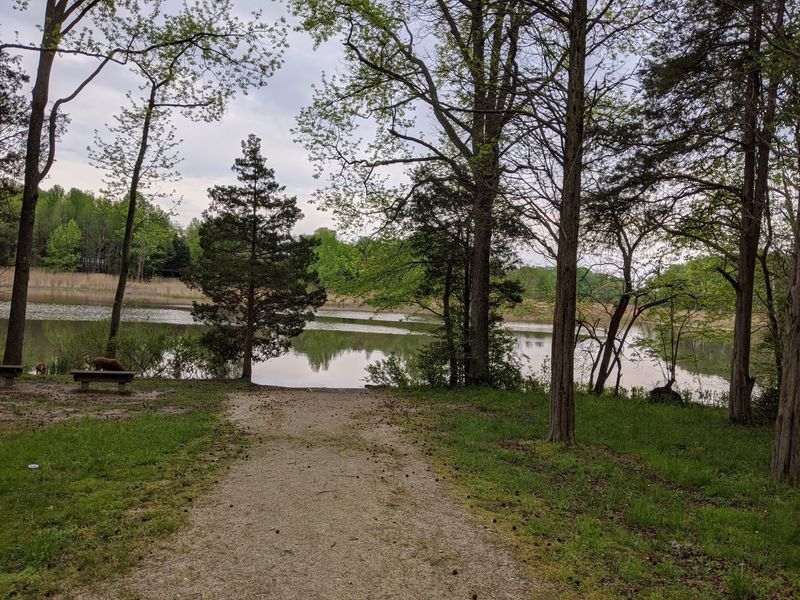
A few practical details can make the difference between a smooth visit and a frustrating one, so here is what I wish someone had told me before my first trip to the reserve.
Ticks are a genuine concern here, especially during warmer months. Wear long pants, tuck them into your socks, apply bug spray before you set foot on any trail, and do a full check when you get back to your car. Several visitors have flagged this as the one thing they underestimated.
The kayak and canoe launch is a short walk from the parking area and involves carrying your gear over uneven ground. After heavy rain, the bank near the launch can be muddy and slippery, so time your paddle trip accordingly and wear shoes you do not mind getting dirty.
Limited hunting is permitted in certain areas of the reserve with the proper permits, and some sections may be temporarily closed during hunting seasons. Trail cameras are not allowed on the reserve tract.
The reserve’s phone number is 302-378-5734 if you need to check conditions before heading out.
Share this story