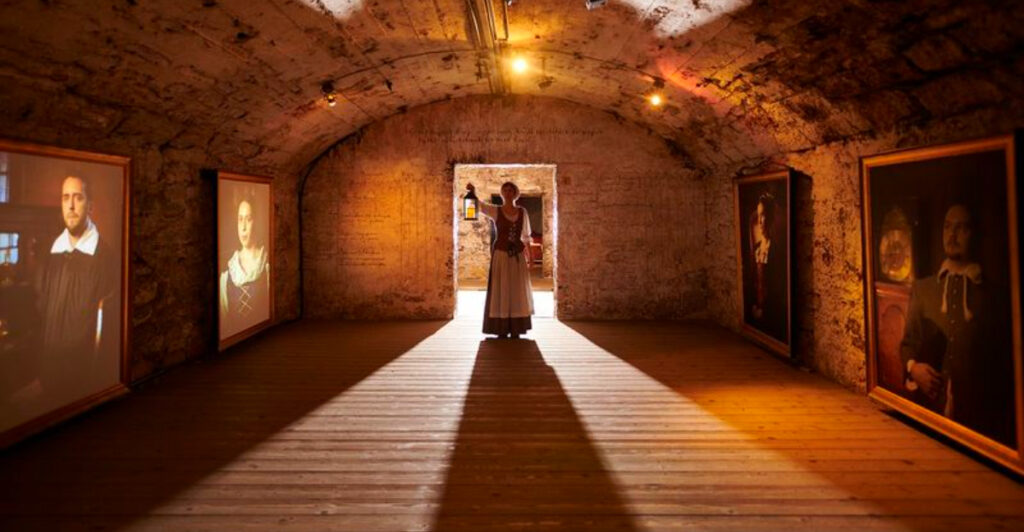
Hidden beneath some of the world’s most famous cities and landscapes are tunnel networks that tell stories no history book fully captures. These underground spaces were dug by hand, carved through rock, or repurposed from ancient quarries, and each one served a purpose that shaped the lives of thousands of people. Some sheltered families from aerial attacks during wartime. Others preserved entire neighborhoods that were simply built over and forgotten.
A few were created by one eccentric businessman whose motivations remain a mystery to this day. What connects all fourteen entries below is the sheer ambition it took to build them and the remarkable histories that unfolded inside. Whether you are planning a future visit or simply curious about what lies beneath the surface, each of these tunnel networks offers a perspective on human ingenuity and survival that is genuinely hard to find anywhere above ground.
1. Beneath the Streets, Seattle, Washington
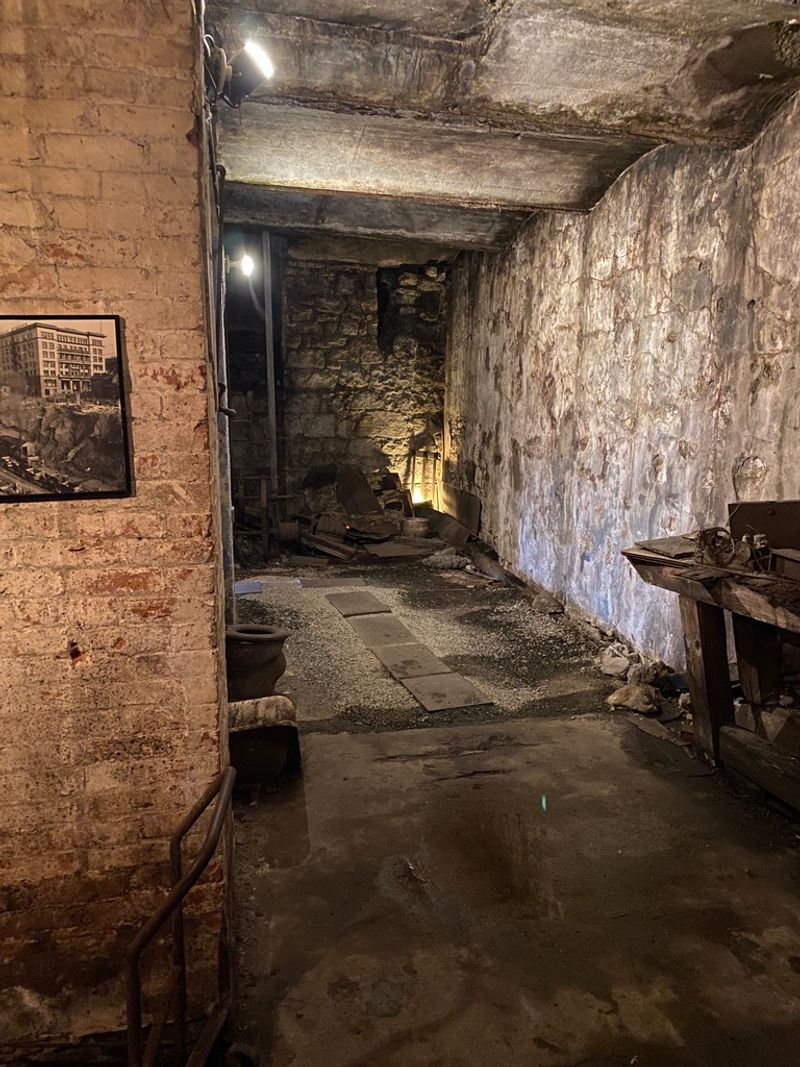
After the Great Seattle Fire of June 6, 1889 burned through most of the central business district, city planners faced a persistent drainage problem on tidelands that flooded regularly. Their solution was to raise the entire street level, sometimes by as much as 30 feet, by filling in the space between new concrete retaining walls.
What remained below were the original ground-floor sidewalks and former shop entrances, now sealed beneath the city. For a period, residents used ladders to move between old and new levels, creating a genuinely strange urban transition period.
Bill Speidel began offering public tours in 1965 after championing the restoration of Pioneer Square. Today, the Beneath the Streets tour covers three to five city blocks and addresses Seattle’s founding history, its Gold Rush connections, and the Coast Salish Peoples who inhabited the region long before the fire.
2. Sacramento History Museum Underground Tours, Sacramento, California
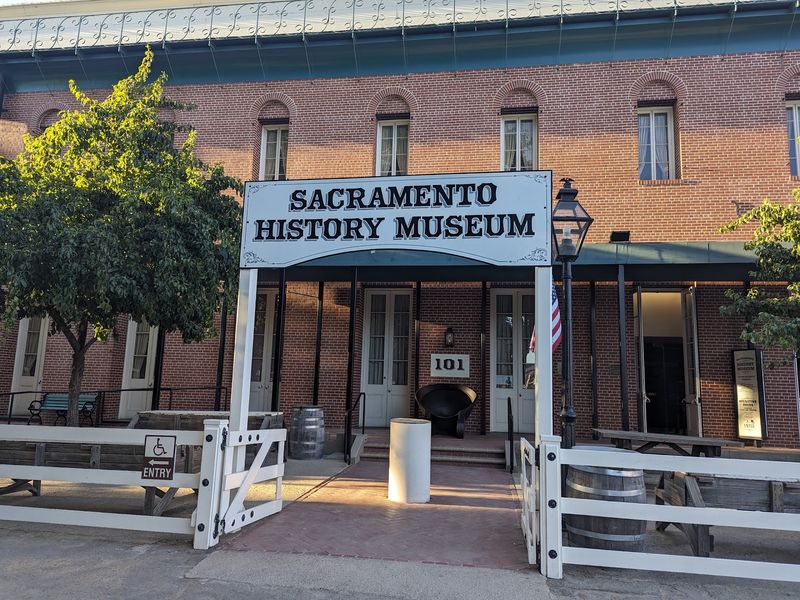
Sacramento flooded so frequently in its early decades that residents eventually decided the only practical fix was to lift the city higher than the water. Major floods in 1850, 1852, and the catastrophic season of 1861 to 1862 forced city engineers to begin raising streets and structures from the mid-1860s onward.
The project elevated street levels by up to 15 feet, transforming original ground floors into basements and creating hollow sidewalk spaces that still exist today. The Sacramento History Museum’s Underground Tours guide visitors through these surviving passages, with costumed guides connecting each space to the Gold Rush era and the city’s origins as California’s state capital.
An after-hours tour option explores the city’s rougher historical chapters, covering gambling, crime, and characters who preferred operating outside the law. Comfortable, closed-toe shoes are the one firm requirement before heading below street level.
3. Williamson Tunnels Heritage Centre, Liverpool, England
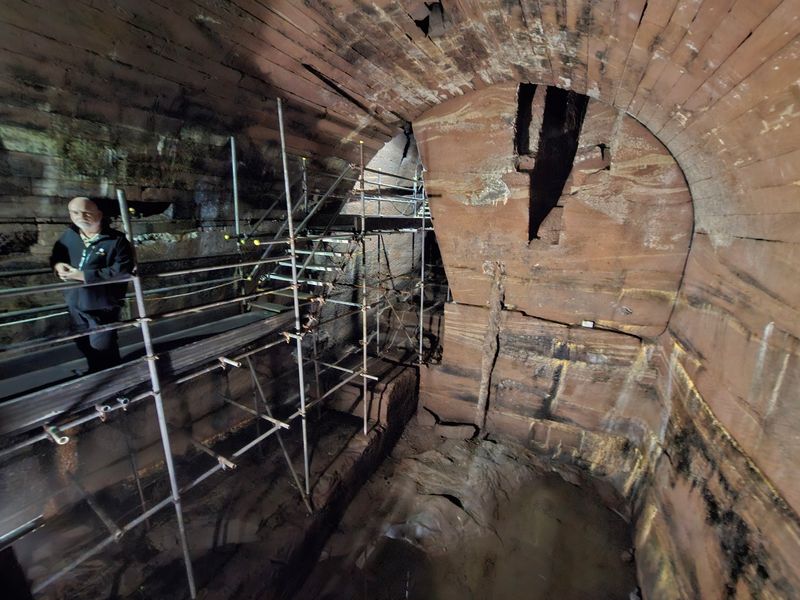
Nobody has ever agreed on why Joseph Williamson ordered the construction of a vast underground labyrinth beneath Edge Hill in Liverpool between 1810 and 1840. Williamson was a wealthy tobacco merchant with the means and the workforce, but his intentions were never recorded clearly, and that mystery has followed the tunnels ever since.
Three competing theories persist: he was providing employment to veterans returning from the Napoleonic Wars, preparing a refuge ahead of an apocalyptic event he believed was coming, or simply quarrying sandstone for commercial purposes and restoring ground levels with vaulted structures. All three might be partly true.
Volunteers began excavating the rubble-filled passages in the 1980s, and the Heritage Centre now offers 45-minute guided tours through the recovered sections. The underground temperature holds steady around 13 to 15 degrees Celsius year-round, so a light jacket is genuinely useful regardless of the season above ground.
4. Ramsgate Tunnels, Ramsgate, England
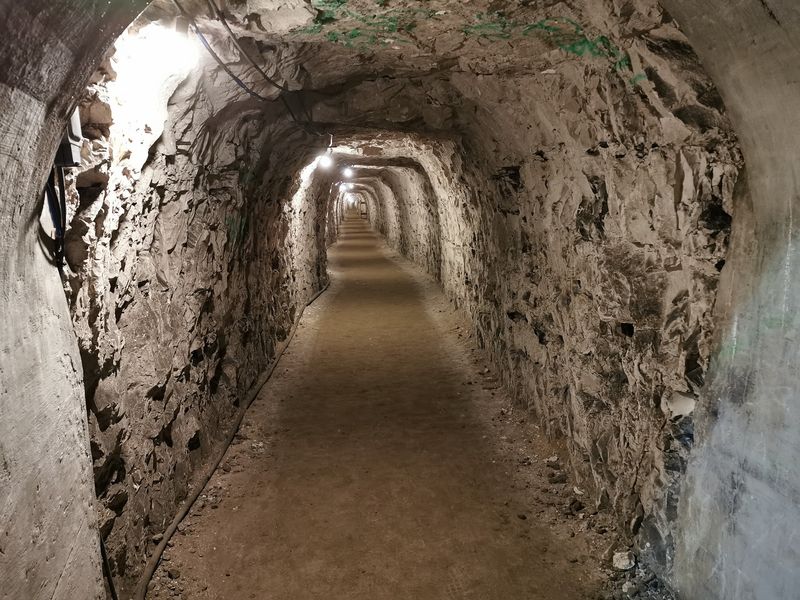
Borough Engineer R. D. Brimmell proposed a deep shelter system for Ramsgate in the 1930s, and Mayor Alderman A. B.
C. Kempe pushed it through despite initial government resistance. Approval came in March 1939, just months before the war began, and the tunnels opened to the public almost immediately after.
Cut primarily through chalk beneath the town, the network grew to between 2.5 and 3.25 miles in total length and incorporated a Victorian railway tunnel dating to 1863. During the August 1940 raid that dropped 500 bombs in five minutes, the tunnels protected an enormous portion of the local population.
Families who lost their homes moved in permanently, creating a functioning underground community complete with improvised cubicles, a barber, canteens, first-aid posts, and regular concerts. Explorer Tours today run approximately 90 minutes and begin inside the original railway tunnel before moving into the ARP shelter sections. Warm clothing and sturdy footwear are strongly recommended.
5. Tunnels of Moose Jaw, Moose Jaw, Saskatchewan, Canada
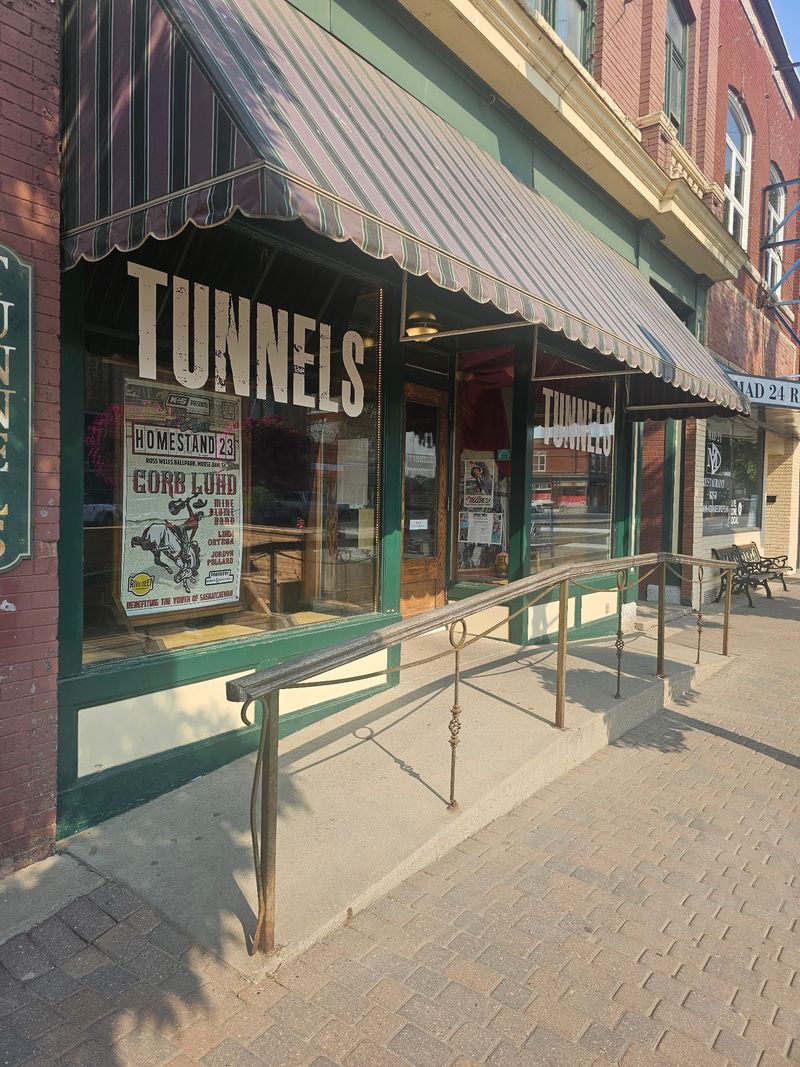
The passages beneath Moose Jaw were originally built in the early 1900s to house the city’s steam heating infrastructure, which is about as unglamorous an origin story as any tunnel network could have. What followed, however, was a layering of folklore so colorful that the city eventually built an entire tourism industry around sorting fact from legend.
One persistent story claims Chinese immigrants, facing severe legal discrimination, were forced to live and work in these underground spaces. Another places Al Capone in the tunnels during Prohibition, using the Soo Line Railroad connection to Chicago for smuggling operations. Historical research has confirmed neither story conclusively, but Moose Jaw was genuinely a hub for bootlegging, earning the nickname Little Chicago.
The attraction runs three theatrical tours using live actors and elaborate period sets. The Chicago Connection covers the Prohibition era, Passage to Fortune addresses early Chinese immigration, and Bunker 24 moves into Cold War territory. Each tour runs approximately 50 minutes.
6. Napoli Sotterranea, Naples, Italy
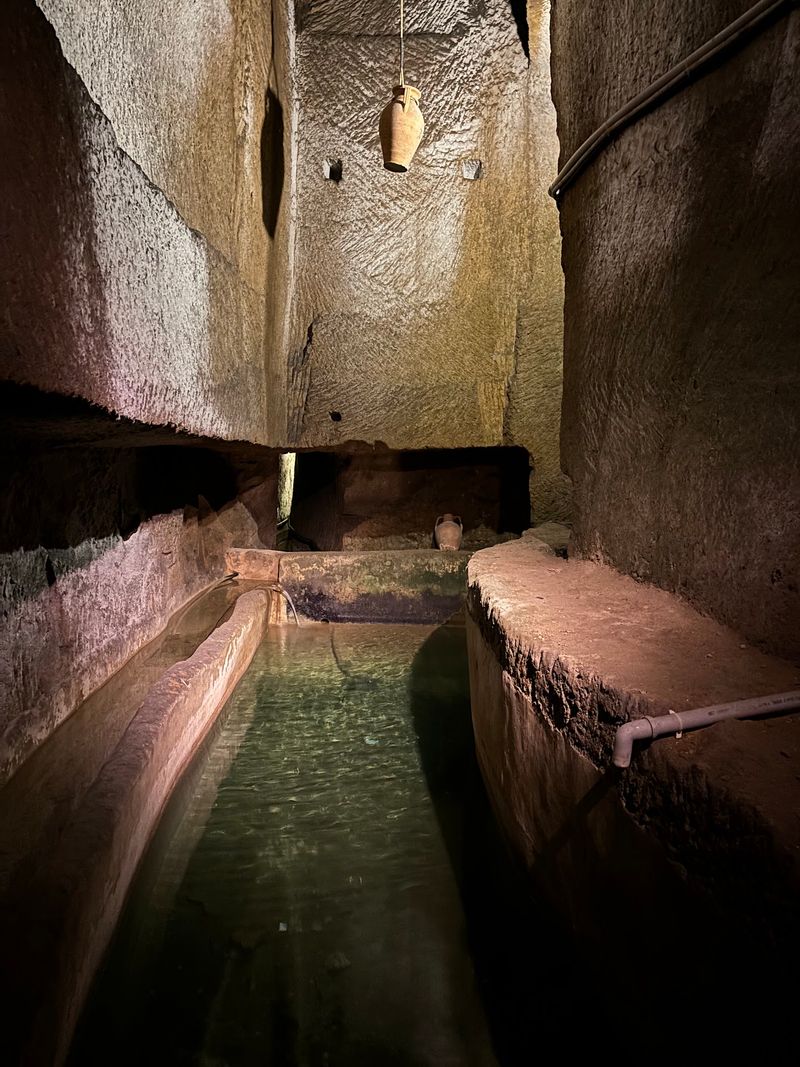
Greek settlers began quarrying the volcanic tuff beneath Naples as far back as the 4th century BCE, creating cavities that were later converted into a Roman aqueduct system stretching over 90 kilometers. That water infrastructure supplied not just Naples but surrounding communities including Pompeii and Herculaneum for centuries.
When World War II brought sustained bombing to the city, those same ancient passages became air-raid shelters for tens of thousands of civilians. Some residents lived underground for months after their homes were destroyed, leaving behind graffiti, personal markings, and improvised domestic arrangements that are still visible today.
Napoli Sotterranea opened formally to visitors in 1985 and offers 90-minute guided tours that descend 40 meters below street level. Highlights include the original Greek-Roman aqueduct channel, preserved WWII shelter sections, and the Hypogeum Gardens, recognized as the world’s first underground botanical garden. An optional narrow aqueduct passage adds a more adventurous element for those who want it.
7. Derinkuyu Underground City, Derinkuyu, Nevşehir, Türkiye
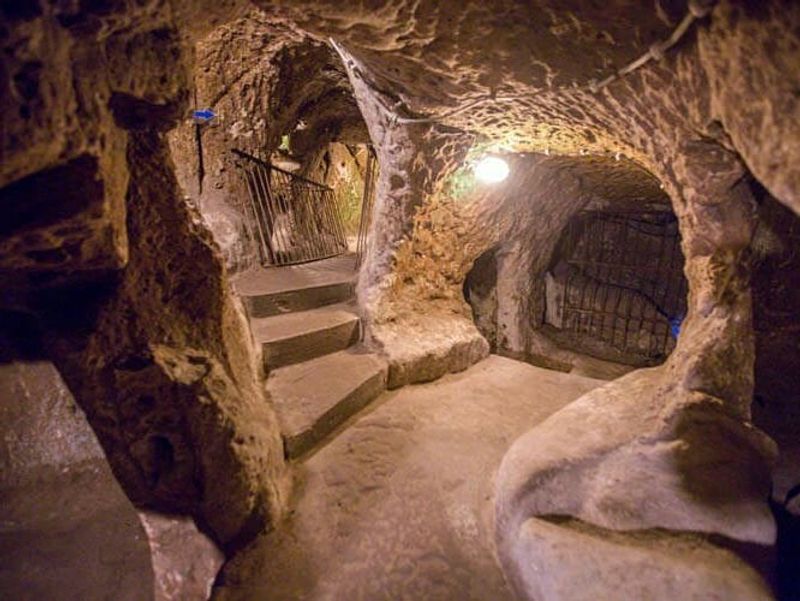
Carved into the volcanic rock of Cappadocia, Derinkuyu reaches approximately 85 meters below the surface and contains between 8 and 18 levels, depending on which section is being counted. The city could shelter an estimated 20,000 to 50,000 people at a time, along with their animals and stored food supplies.
Its origins are attributed to the Phrygians around the 8th to 7th centuries BCE, with significant expansion during early Christian and Byzantine periods when communities needed protection from Arab raids and Mongol incursions. The settlement functioned as a complete society underground, with stables, kitchens, churches, living quarters, and storage rooms all connected by a sophisticated ventilation system using 52 air shafts.
Massive circular stone doors weighing hundreds of kilograms could be rolled into position from the inside to seal each level during an attack. Today, roughly 10 percent of the city is open to visitors. Comfortable shoes and a flashlight improve the experience considerably in the lower sections.
8. Cu Chi Tunnels, Ho Chi Minh City, Vietnam
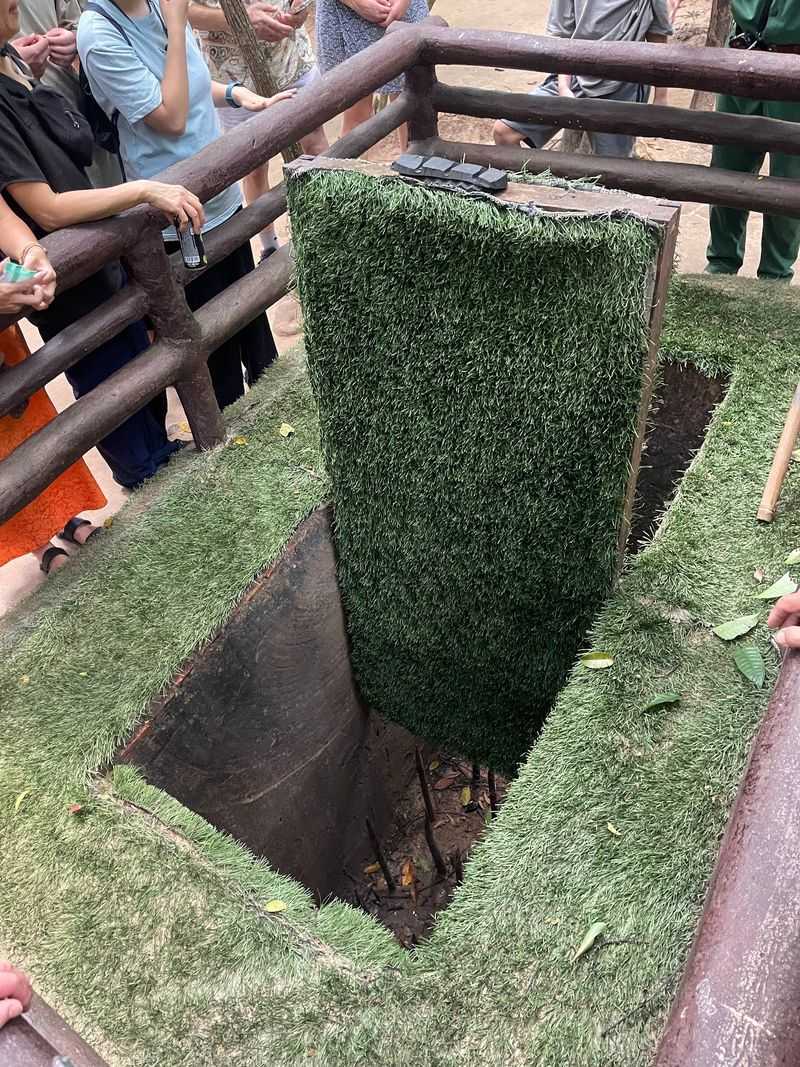
What began as short defensive passages dug for French resistance in 1948 expanded into a 200-kilometer network by the height of the Vietnam War, one of the most ambitious underground military systems ever constructed. The tunnels were dug primarily by hand into clay soils dense enough to withstand artillery fire and the weight of tanks passing overhead.
Three main tunnel levels housed living quarters, command centers, medical facilities, kitchens with dispersed smoke vents, weapon storage, and communications routes. Wartime weddings and births reportedly occurred underground, which says something remarkable about how completely people adapted to life inside the network.
Two main visitor sites operate today: Ben Dinh and Ben Duoc. Both offer guided tours through sections widened for modern visitors, along with demonstrations of camouflaged tunnel entrances and historical weapon displays. Visitors can choose to crawl through original-width passages for a more direct sense of the conditions fighters and civilians actually endured during the conflict.
9. Wieliczka Salt Mine, Wieliczka, Poland
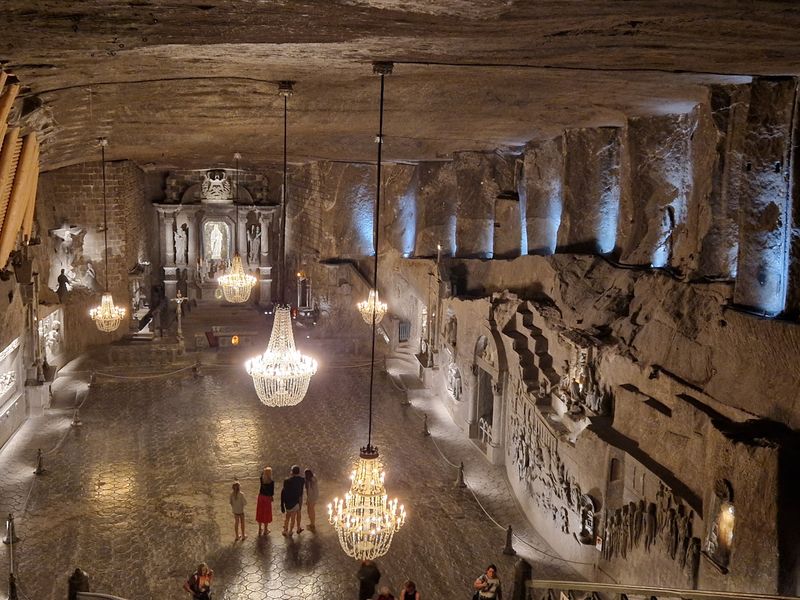
Mining at Wieliczka began in the 13th century and continued without interruption until 1996, making it one of the longest-operating salt mines in recorded history. The site earned UNESCO World Heritage status in 1978 as one of the very first properties inscribed on that list.
Nine levels descend to over 327 meters below the surface, connected by more than 245 kilometers of galleries and roughly 2,500 chambers. What distinguishes Wieliczka from any other mine on Earth is the body of artwork created entirely from salt by generations of miners: chapels, statues, bas-reliefs, and underground lakes that have no equivalent anywhere else.
The Chapel of St. Kinga is the centerpiece, a full-scale underground church where the floor, walls, altarpieces, and chandeliers are all carved or constructed from salt crystals. The standard Tourist Route covers 3.5 kilometers and takes approximately two hours. The underground temperature stays around 17 to 18 degrees Celsius, making a light layer a practical choice.
10. Pilsen Historical Underground, Pilsen, Czech Republic
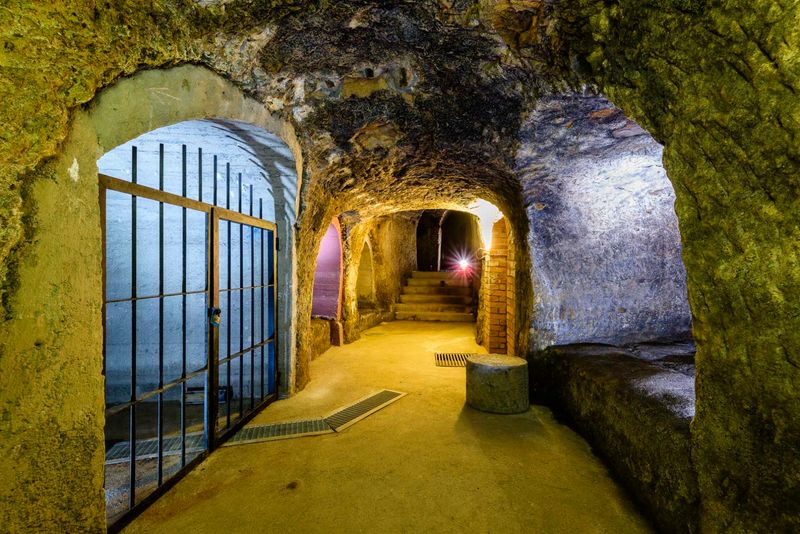
Pilsen’s underground network developed from the late 13th century onward as residents dug cellars two to three stories below their homes and eventually connected them through a series of passages. The resulting labyrinth now stretches nearly 20 kilometers, ranking it among the largest subterranean systems in Central Europe.
The spaces served multiple practical functions across the centuries: cooling and storing food, providing ideal conditions for fermenting and maturing beer, supplying water through hundreds of interconnected wells, and offering refuge during military sieges. During World War II, parts of the network were repurposed again as air-raid shelters.
Guided tours today cover approximately 800 meters of the accessible passages and take around 50 to 60 minutes to complete. A replica of a 25-meter water wheel and displays on medieval crafts add context to the historical layout. Adult visitors receive a voucher for a complimentary locally brewed beer at the end, which feels like an entirely appropriate conclusion given the city’s history.
11. The Real Mary King’s Close, Edinburgh, Scotland
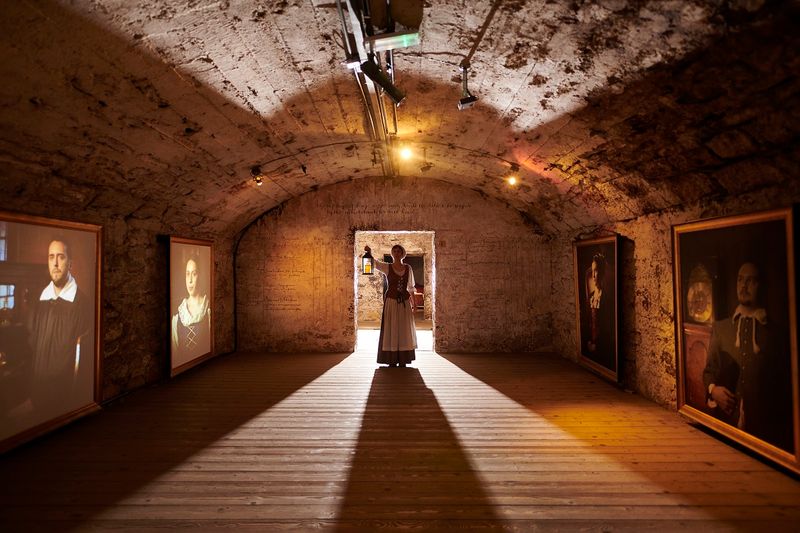
Mary King’s Close was once an open-air street in Edinburgh’s densely packed Old Town, named after a 17th-century merchant burgess who owned property there and held voting rights at a time when that was a genuinely unusual achievement for a woman. The street’s subterranean fate arrived in 1753 when the Royal Exchange was constructed directly over it.
The lower levels were partially demolished and incorporated as foundations, preserving an unusually intact cross-section of Edinburgh’s historic urban fabric beneath what is now the City Chambers. Folklore about plague victims being sealed inside the Close during the 1645 epidemic has circulated for centuries, though historical records indicate residents were cared for and treated rather than abandoned.
One-hour guided tours are led by costumed character guides who cover daily life, the plague period, and the ghost stories that have accumulated around the site. Visitors navigate 58 steps down and 38 steps up through preserved homes and shop spaces. Photography is not permitted inside the attraction.
12. Kaymakli Underground City, Kaymaklı, Nevşehir, Türkiye
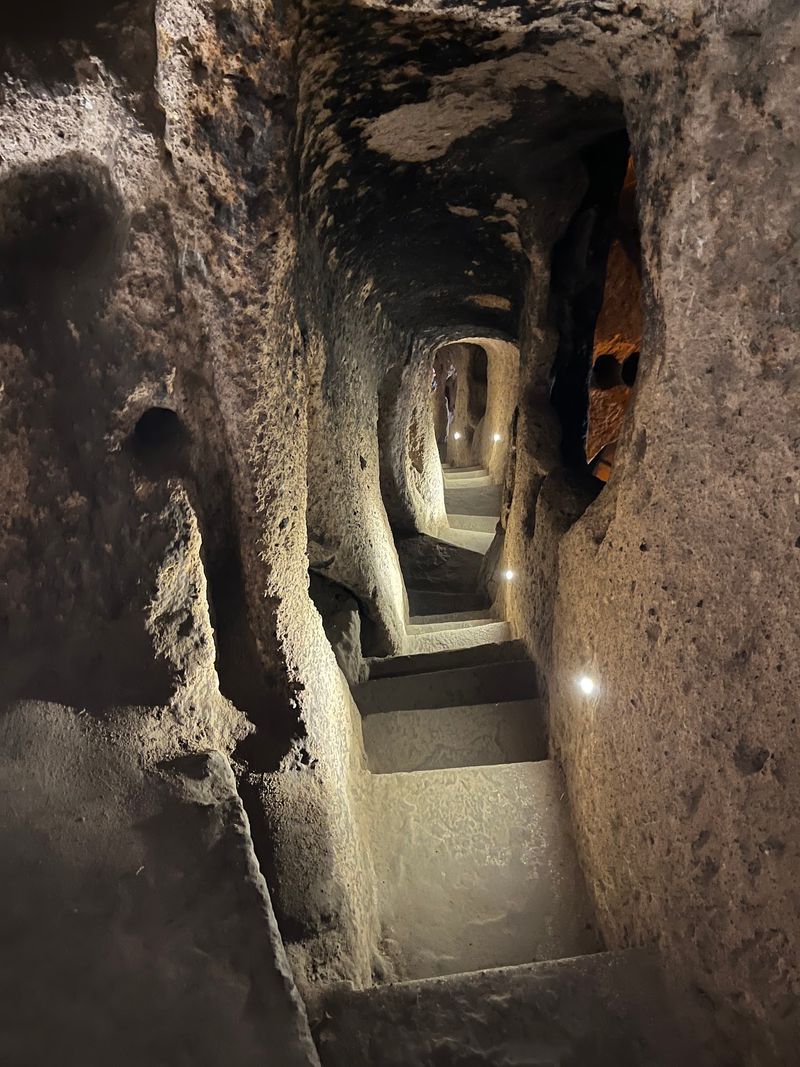
Kaymakli sits eight levels deep into the volcanic tuff of Cappadocia, with four of those levels currently open to visitors. The settlement expanded significantly under early Christian and Byzantine communities who needed a defensible refuge from repeated waves of invaders, from Arab raiders to Mongol forces, and the city remained in use into the early 20th century.
The deliberately narrow, low-ceilinged tunnels were a strategic feature rather than a construction limitation. Attackers forced to crouch and move in single file could be repelled far more easily than if the passages had been wide and open. Rolling stone doors weighing up to 500 kilograms reinforced each level’s defenses from the inside.
The surviving chambers document a surprisingly complete underground community, with stables on the first level, living quarters and a church on the second, and kitchens, wine presses, and storage rooms below that. Kaymakli holds UNESCO World Heritage status. Non-slip footwear and a small flashlight make navigation through the lower sections considerably easier.
13. Dover Castle, Dover, England
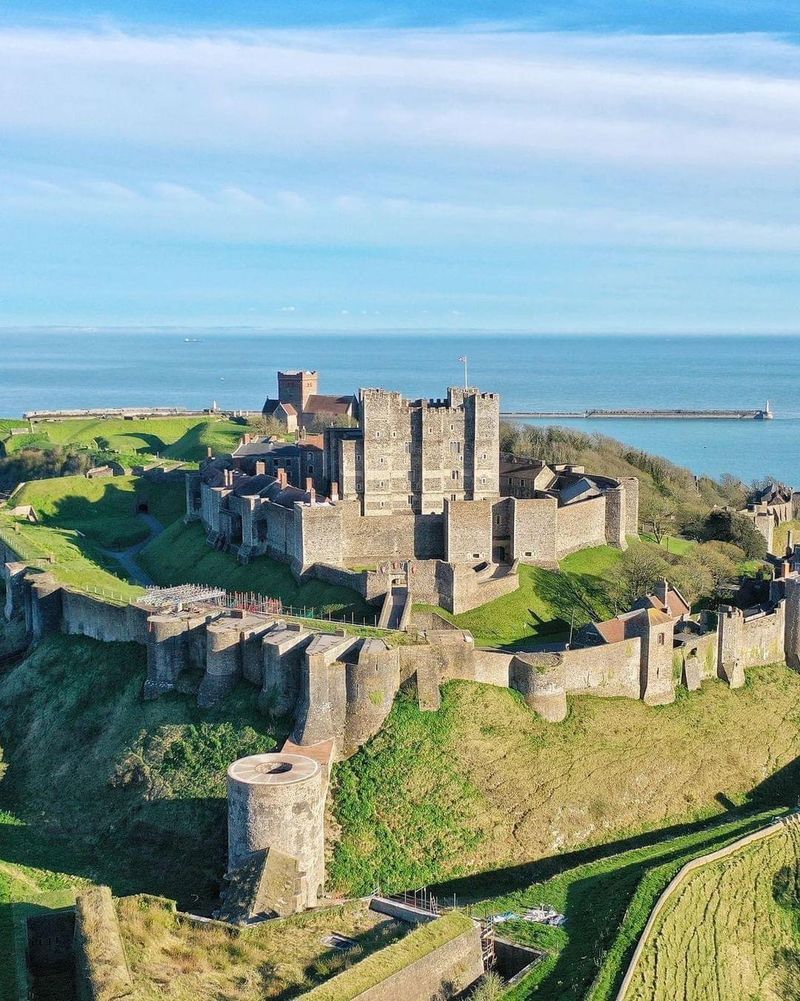
The tunnels beneath Dover Castle began as medieval casemates in the 13th century, used for troop movements and defense of the cliff-top fortress. They were dramatically expanded during the Napoleonic Wars to house up to 2,000 soldiers in underground barracks, providing practical military accommodation as Britain prepared for a possible French invasion.
Their most historically significant chapter came during World War II, when the tunnels became a bomb-proof combined headquarters for the British army, navy, and air force. Vice Admiral Bertram Ramsay directed Operation Dynamo from these rooms in May and June of 1940, coordinating the evacuation of more than 330,000 Allied troops from the beaches at Dunkirk.
A fully functioning underground military hospital with operating theaters and patient wards also operated within the complex. After the war, sections were designated as a potential nuclear government bunker during the Cold War period. Guided tours today cover the wartime command rooms and hospital, though the tunnels include steps and sections with low lighting throughout.
14. Carrière Wellington, Arras, France
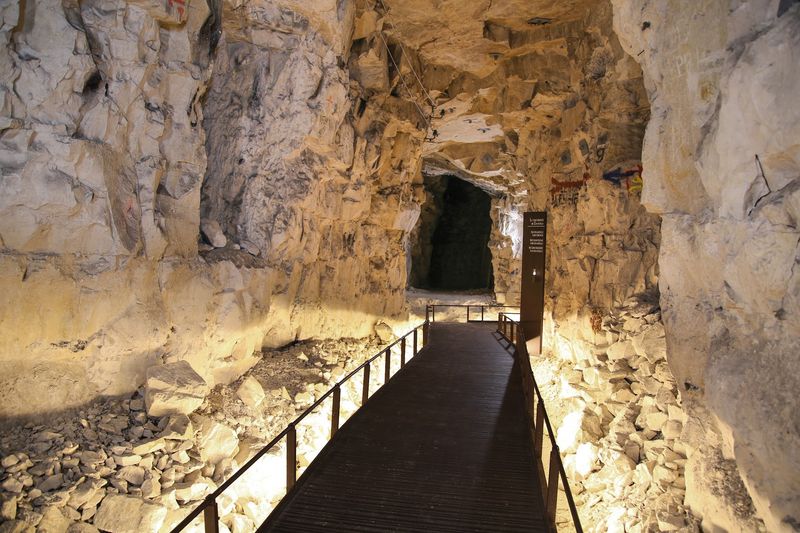
Twenty meters beneath Arras, a network of chalk quarries that supplied building stone to the town from the Middle Ages onward became one of the most strategically important underground spaces of World War I. British commanders identified these dormant quarries in 1916 and assigned the New Zealand Tunnelling Company the task of connecting and expanding them into a vast hidden staging ground.
Over five months, approximately 500 tunnellers, including Maori and Pacific Islander members of the company, created 8 to 20 kilometers of connected passages capable of sheltering between 20,000 and 25,000 Allied soldiers. The underground barracks included running water, electric lighting, kitchens, latrines, a light rail system, and a 700-bed hospital.
On April 9, 1917, thousands of troops emerged from the tunnels to launch a surprise attack that achieved significant early gains during the Battle of Arras. Today, Carriere Wellington operates as a museum and memorial with guided tours that descend by glass lift. Visitors receive helmets and audio guides, and the chalk walls still display original inscriptions left by soldiers who waited below.
Share this story