A welcome center is not usually the place people whisper about like a secret wildlife stop, but Ocean City has a funny way of bending the rules. Near the gateway into town, a simple information stop doubles as a surprisingly active birding perch, where cameras come out before beach bags.
Herons, egrets, ibis, nesting activity, and easy viewing areas make this a shore detour with more personality than its practical name suggests. Keep reading, because the most unexpected nature stop in Ocean City may be the one built to hand out maps.
The Gateway Address With A Rookery Surprise
Maps, restrooms, and shore information sound like the whole assignment until the birds take over the plot. The Ocean City Welcome & Information Center is at 300 W 9th St, Ocean City, NJ 08226, in Ocean City, New Jersey, United States, and its practical job as a tourist information center comes with an unusually strong bonus: a rookery that has become a favorite stop for bird watching.
The building sits near the approach into town, so it works neatly as a first stop or a final pause before leaving. That convenience matters, because not every wildlife spot asks so little from the day.
People can stop for local information, use the facilities during open hours, and then shift straight into bird observation without planning a long hike or remote marsh route.
The big surprise is how accessible the viewing can be. Mentions of egrets, herons, ibis, nesting birds, and bird photography show that this is not just a quick glance at a distant habitat.
The place has earned attention because the rookery activity can be viewed from close range while still keeping the birds’ nesting area respected.
For New Jersey day-trippers, that mix is the hook: a humble welcome center doing double duty as a low-effort birding stop. It is the kind of Ocean City detail that makes locals grin and out-of-towners rethink what a shore arrival can include.
A Shore Stop That Became A Birding Habit
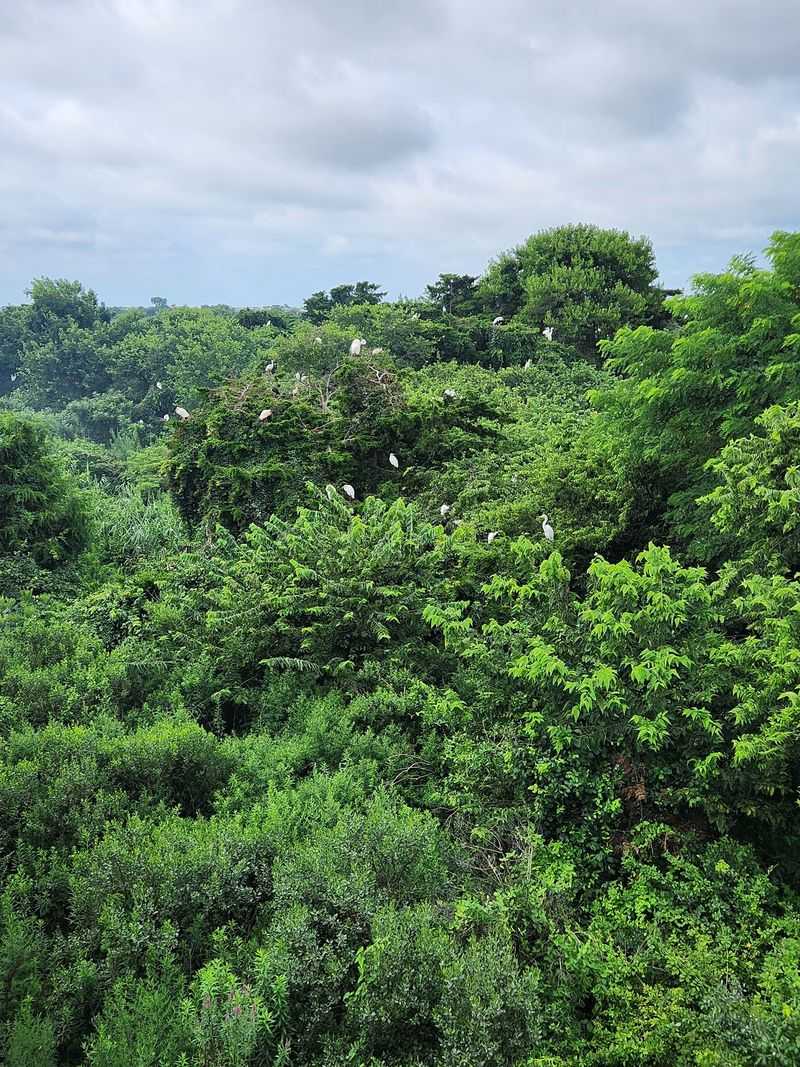
Plenty of people arrive for directions and leave with their camera roll suddenly full of birds. The site’s identity may begin with visitor information, but its repeat appeal comes from the rookery, where bird watching is mentioned far more often than coupon books or beach tags.
The setting has developed a reputation because it makes a complex natural scene unusually approachable. Nesting birds are not hidden behind a long trail, and the experience does not require expert-level gear or a carefully planned expedition.
Families, casual shoregoers, and serious photographers can all understand the draw within a short stop.
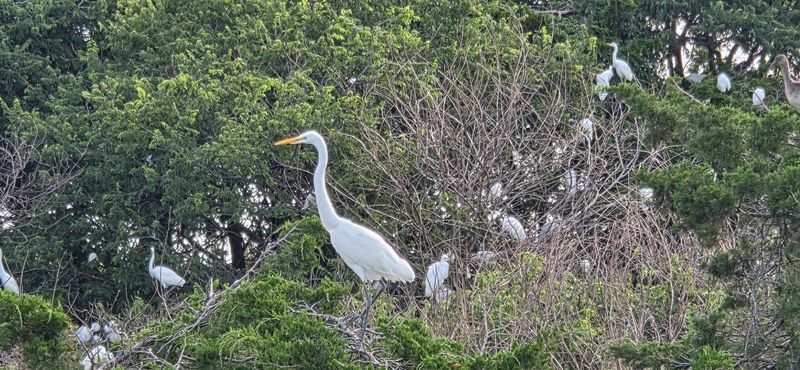
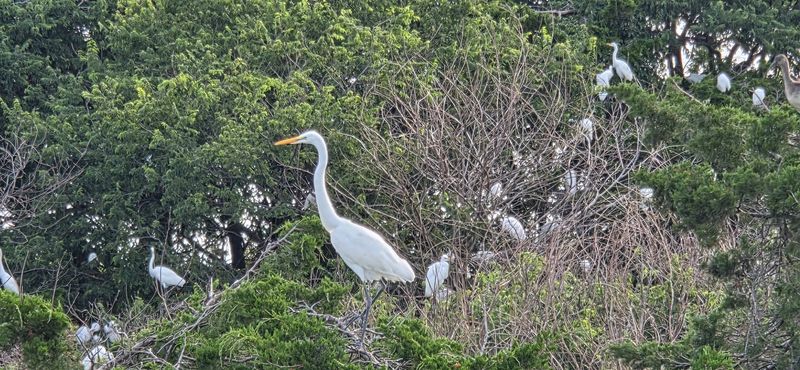
White ibis are a recurring highlight in accounts of the rookery, with egrets and herons also drawing steady attention. Black-crowned night herons, yellow-crowned night herons, little blue herons, great egrets, and snowy egrets have all been specifically noted by people describing the bird life there.
That variety gives the place a layered appeal, especially for anyone trying to learn shorebird differences without flipping through a field guide every ten seconds.
Its story is not wrapped in grand signage or complicated rules in the available information. Instead, the charm comes from the mismatch between name and experience.
A welcome center that quietly functions as a rookery overlook feels very New Jersey: practical on paper, surprisingly rich once given a closer look.
Boardwalk-Style Views For Patient Cameras

Camera straps tend to make sense here before anyone explains why. The walkway and overlook areas near the rookery give bird photographers a practical vantage point, and the railing is part of the experience for people trying to frame nesting activity without stepping into protected space.
Bird photography comes up often enough that it is clearly more than a side note. The rookery has been described as a place for photographing nesting egrets, herons, and ibis, and the ease of access is a major reason.
A person can pause near the welcome center, settle into a viewing spot, and focus on behavior rather than logistics.
One practical detail deserves attention: shorter photographers may find the railing a factor when composing shots. A small step stool has been suggested by people familiar with the setup, which is useful advice as long as it is used carefully and without blocking others.
That little note says a lot about the place. It is accessible, but photography still rewards patience and a bit of preparation.
Binoculars and cameras both fit the scene, and people have mentioned on-site binocular use for a small 25-cent cost. Bring your own if possible, especially during active nesting periods, but do not treat the rookery like a studio.
The best photos here come from respectful distance, steady attention, and a willingness to let the marsh set the schedule.
Herons, Egrets, Ibis, And Nesting Activity

The bird list reads like the rookery is trying to show off without needing a brochure. White ibis, great egrets, snowy egrets, little blue herons, black-crowned night herons, and yellow-crowned night herons have all been associated with the area by people who have watched the trees and nearby water.
Nesting activity is a major part of the draw. Reports describe birds on eggs, young birds in nests, adults feeding hatchlings, and the steady progression from nest building to growth.
That makes timing feel important, especially during the parts of the season when breeding birds are active and easy to observe from the established public areas.
The key phrase here is close access without disruption. People repeatedly describe the birds as viewable from nearby, but the value of the stop depends on keeping that line intact.
The rookery works because the birds can continue their nesting routines while people watch from the proper places.
For newer birders, the site offers a low-pressure way to learn. Egrets and herons are often confused at first, and ibis add another shape and behavior pattern to notice.
Kids can get interested quickly because the birds are not just dots in the distance. Experienced birders, meanwhile, may appreciate the concentration of activity and the chance to compare species in one compact area.
A Small Stop With Big Marsh Drama
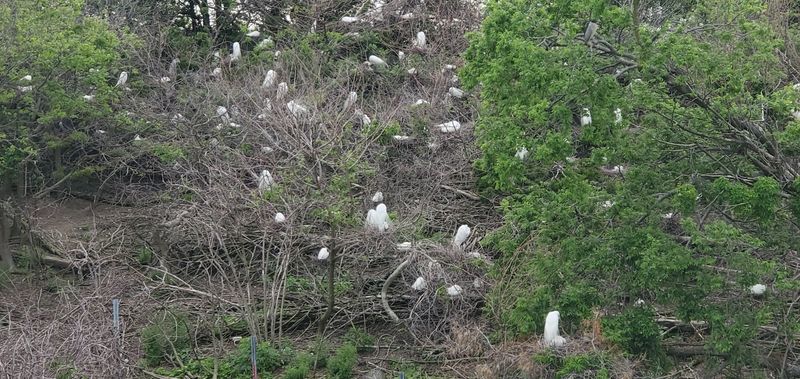
Small places can carry a lot of movement, and this one proves it with feathers instead of fanfare. The rookery area has been called little, yet the number and types of herons and other birds have made it feel much larger in impact.
Part of that drama comes from the way bird activity stacks up in one compact viewing zone. Trees can hold nesting birds, nearby areas can bring egrets and herons into view, and the bridge area adds another angle for people who take a walk around.
Ducks have also been mentioned in the broader area, giving casual observers more to notice between the headline birds.
The phrase bird airport has even been used informally to describe the repeating flight paths seen around the rookery. It is a playful description, but it captures why people linger.
There is often more going on than a single posed bird on a branch. Birds come and go, tend nests, shift positions, and create enough activity to keep even non-birders watching longer than expected.
The nearby bridge does not appear to drive the birds away, based on accounts of the site, which adds to the unusual nature of the stop. Ocean City can be busy, especially around arrival routes, yet this rookery remains a wildlife pocket in a very public place.
That contrast is the reason the marsh drama feels so oddly satisfying.
An Easy Nature Pause For Families And First-Timers

A child does not need to know the word rookery to understand that something interesting is happening in the trees. That is one reason this Ocean City stop works so well for families, beginners, and people who normally would not plan a birding outing.
The setup lowers the barrier. There is easy parking mentioned by people who know the place, a walkway overlooking the rookery, and the welcome center itself provides a familiar public stop rather than a remote-feeling trailhead.
The destination also pairs well with a broader Ocean City day because it does not require choosing between practical errands and a nature moment.
Staff at the information center are another part of the experience. Helpful, informative, friendly, engaged, and well-informed staff are recurring themes in public comments about the place.
The human side matters, because a good map, useful local guidance, or a simple explanation can turn a quick stop into a better Ocean City day.
The building and facilities have also been described as clean and well kept, with restrooms noted as roomy and clean. For families, that is not a glamorous detail, but it is often the difference between a pleasant pause and a rushed exit.
Add birds close enough to hold attention, and the stop becomes an easy win without needing a full nature-center production.
Hours, Access, And Little Planning Notes

Practical details matter here because the building is both a welcome center and a launch point for the rookery view. The Ocean City Welcome & Information Center is open Monday through Saturday from 9 AM to 4 PM, and Sunday from 9 AM to 2 PM, based on the available operating schedule.
The rookery may still draw attention when the center itself is not open, but anyone counting on restrooms, staff help, maps, or indoor information should plan around those hours. One common frustration is simple and useful to know: restrooms closing at 4 PM can be inconvenient on busier arrival days.
That makes an earlier stop the smarter move, especially for families or anyone building the visit into a longer shore day.
Cost is one of the friendliest parts of the experience. The bird viewing itself has been described as free, while on-site binocular use has been noted at 25 cents.
Bring binoculars if you own them, and bring a camera if bird photography is the goal.
A few comfort notes also belong in the plan. Long pants have been suggested for people photographing from lower areas in summer, and a small step stool may help shorter photographers work around the railing.
None of that turns the stop into a major expedition. It simply makes the difference between a quick look and a better-prepared rookery session.
A Soft Verdict On Ocean City’s Unexpected Rookery Stop
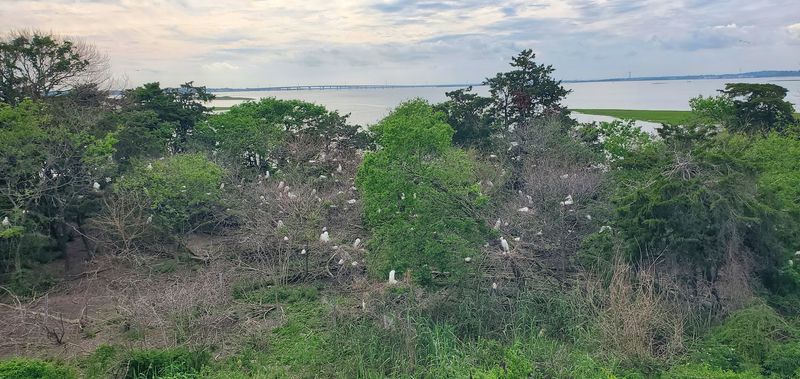
The best reason to stop here is not that it replaces Ocean City’s famous boardwalk, beaches, or family traditions. Its appeal is quieter and stranger in the best local way: a public welcome center that gives people a direct look at a busy rookery before they have even fully settled into town.
For photographers, the value is obvious. Nesting birds, close viewing, a railing overlook, and repeated sightings of egrets, herons, and ibis create a practical setup without the fuss of a remote wildlife trip.
For families, the stop offers an easy nature lesson with clean facilities during open hours and staff who are known for being helpful with Ocean City information.
For New Jersey residents, the place also scratches a familiar itch. It is proof that the state keeps slipping unexpected nature moments into ordinary corners.
A stop designed for maps and questions has become a place where shorebirds steal the assignment, and that feels worth defending in any conversation about what New Jersey has to offer.
The verdict is simple: add the Ocean City Welcome & Information Center to the day if birds, cameras, or low-effort local surprises are even mildly on the agenda. It is not a grand production, and that is exactly why it works.
The rookery gives the stop its personality, while the welcome center keeps the whole thing easy to fold into a shore trip.
Share this story