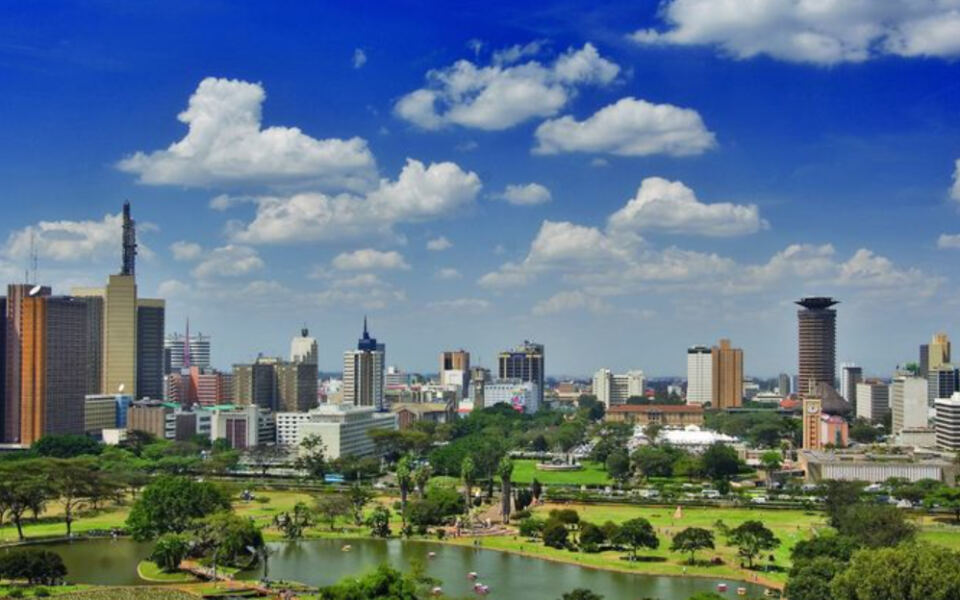
Africa is home to some of the fastest-growing populations on the planet, with over 1.4 billion people spread across 54 countries. From sprawling megacities to vast rural landscapes, the continent’s population tells a fascinating story about culture, history, and growth.
Understanding which countries have the most people helps us see where economic opportunities, challenges, and innovations are taking shape. Here is a look at the 15 most populous countries in Africa today.
1. Nigeria
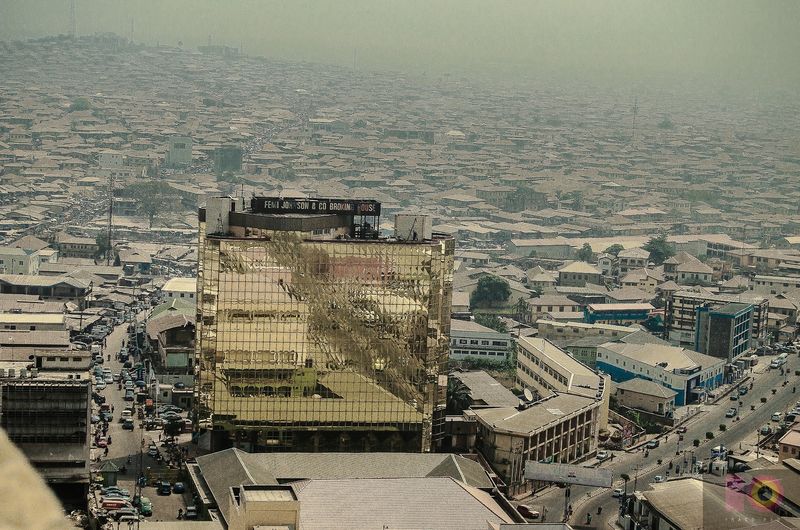
With over 220 million people, Nigeria is not just Africa’s most populous country – it is also one of the most densely populated nations in the entire world. Often called the “Giant of Africa,” Nigeria is home to more than 250 ethnic groups, making it one of the most culturally diverse places on Earth.
Lagos, its largest city, is a buzzing megacity that rivals cities like Cairo and Johannesburg in terms of economic activity. The country produces Nollywood, the world’s second-largest film industry by volume, which reaches audiences across every continent.
Nigeria’s young population, with a median age of around 18 years, means its workforce is growing rapidly. Experts predict that by 2050, Nigeria could become one of the top ten most populated countries globally, making its development path one of the most closely watched in the world.
2. Ethiopia
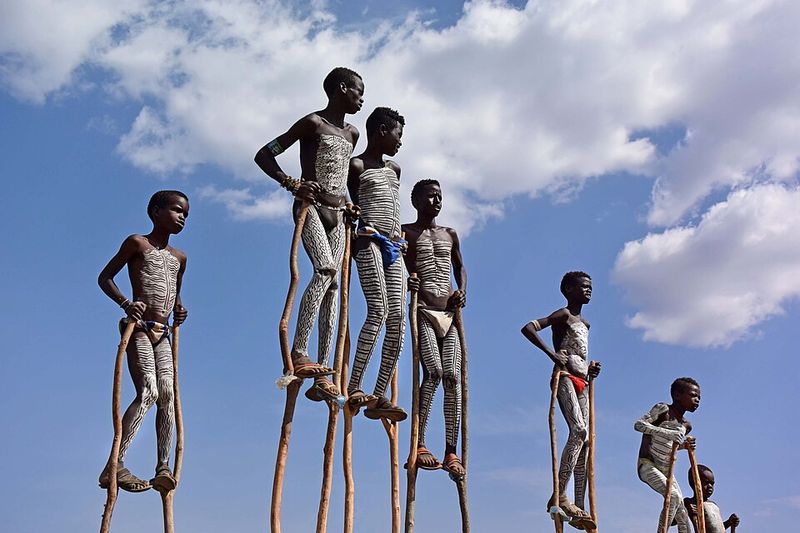
Ethiopia carries a history so ancient that it is often called the cradle of humanity. With a population exceeding 125 million, it ranks as Africa’s second most populous country and continues to grow at a remarkable pace each year.
Addis Ababa, the capital, also serves as the headquarters of the African Union, giving Ethiopia major political influence across the continent. The country is famous for producing world-class long-distance runners who dominate international marathons and Olympic races.
Ethiopia is one of the few African nations that was never colonized, a fact that fills its people with deep national pride. Coffee, which is enjoyed worldwide, actually originated in Ethiopia, specifically in a region called Kaffa.
As its population keeps rising, Ethiopia is investing heavily in infrastructure, education, and renewable energy to support its growing number of citizens.
3. Egypt
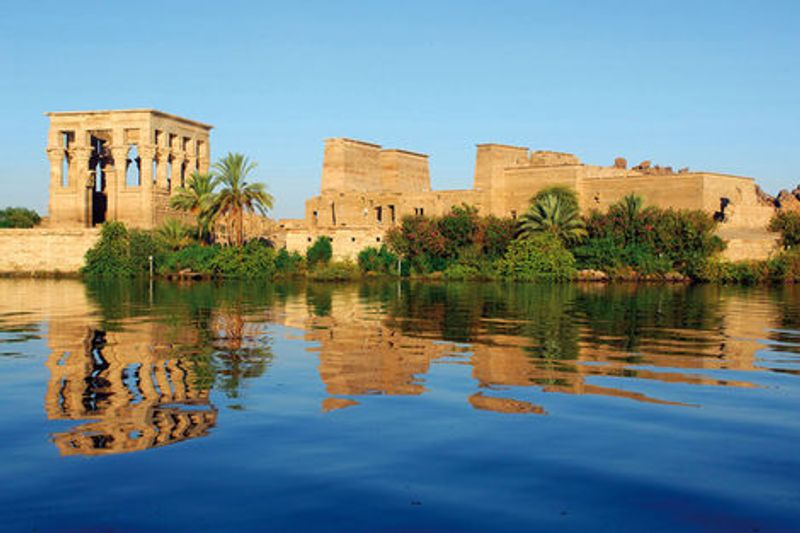
Straddling the border between Africa and the Middle East, Egypt is home to over 104 million people, making it the third most populous country on the African continent. Most Egyptians live along the narrow green strip of the Nile River, since the surrounding desert makes up about 95 percent of the country’s land.
Cairo is not only Egypt’s capital but also Africa’s largest city by population, a place where ancient pyramids sit within sight of modern highways and shopping centers. Egypt’s history stretches back more than 5,000 years, making it one of the oldest civilizations ever recorded.
Today, Egypt is a major regional power with a strong military, a growing tourism industry, and a strategic location at the crossroads of trade routes. Its Suez Canal is one of the world’s busiest shipping lanes, connecting the Mediterranean Sea to the Red Sea.
4. Democratic Republic of the Congo
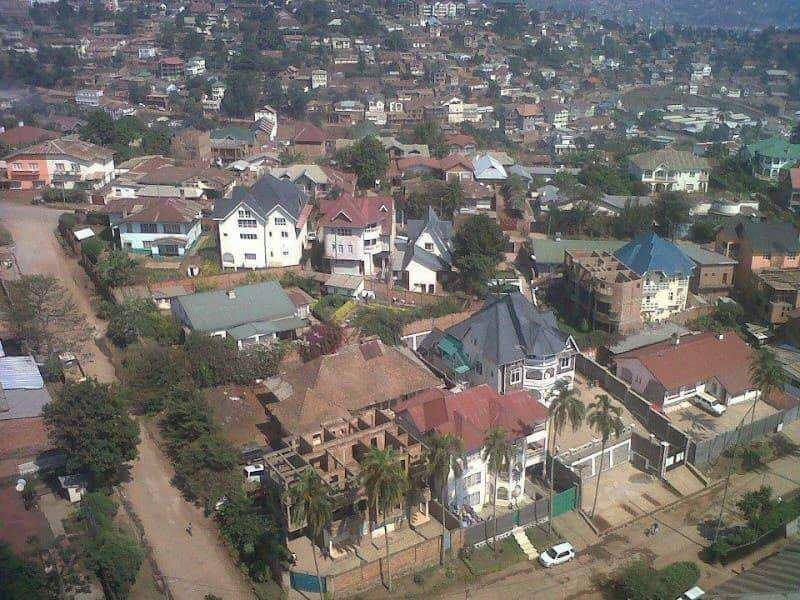
The Democratic Republic of the Congo, often called the DRC, is a country of staggering contrasts. With a population of around 100 million people, it ranks fourth on Africa’s list of most populous nations, yet it contains some of the most untouched rainforests and wildlife habitats on the planet.
The Congo River, the second longest in Africa, flows through the heart of the country and serves as a lifeline for millions of people who depend on it for food, transportation, and trade. Kinshasa, the capital, is one of the fastest-growing cities in the world and is projected to become one of Africa’s largest urban centers within decades.
The DRC holds an enormous share of the world’s cobalt and coltan, minerals that are essential for making smartphones and electric car batteries. Despite its vast natural wealth, the country continues to face significant challenges related to infrastructure and governance.
5. Tanzania
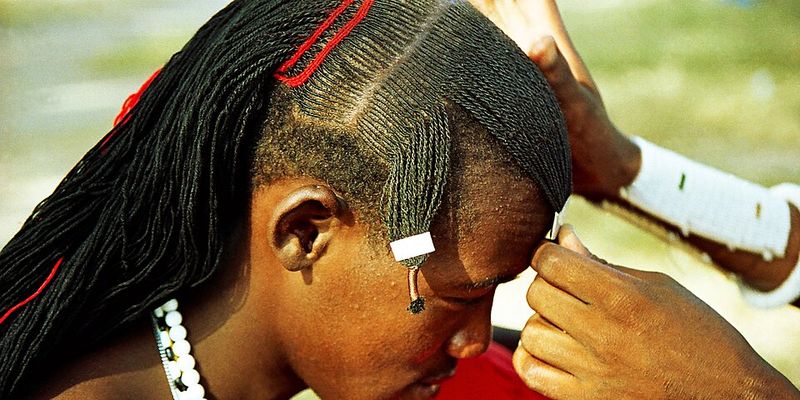
Tanzania is a country that captures the imagination with its extraordinary natural beauty and steadily rising population of around 65 million people. Home to Mount Kilimanjaro, the highest peak in all of Africa, Tanzania draws travelers and adventurers from every corner of the globe.
The Serengeti National Park, located in northern Tanzania, hosts the famous Great Migration, where millions of wildebeest and zebras travel across the plains in one of nature’s most spectacular events. Beyond wildlife, Tanzania has a rich Swahili culture that blends African, Arab, and Indian influences into a unique national identity.
Dar es Salaam, the largest city, is a rapidly growing commercial hub, while Dodoma serves as the official capital. Tanzania’s population is young and expanding quickly, and the government is working to expand access to education and healthcare to keep pace with that growth.
6. South Africa
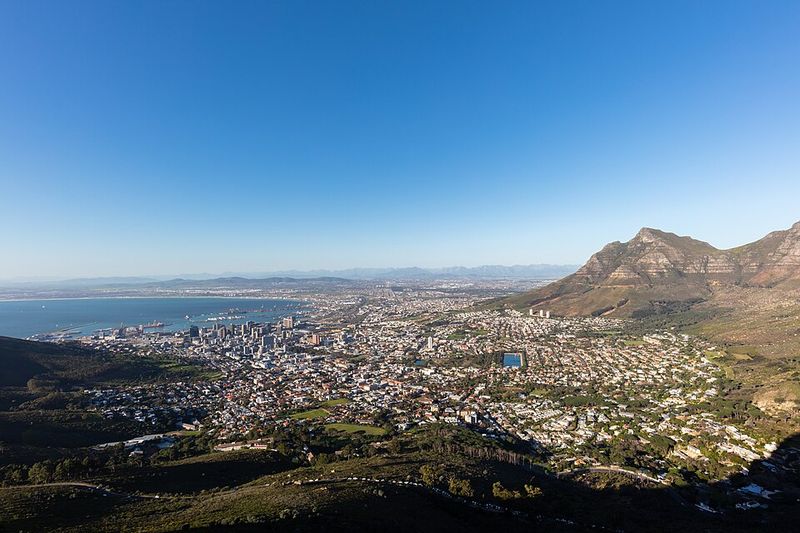
South Africa is one of Africa’s most economically developed nations, with a population of roughly 60 million people spread across a country known for its stunning landscapes and complex history. From the iconic Table Mountain in Cape Town to the vast Kruger National Park, the country offers a remarkable mix of urban sophistication and wild natural beauty.
South Africa has 11 official languages, the most of any country in Africa, reflecting the rich tapestry of its many cultural communities. It also made history in 1994 when Nelson Mandela became its first democratically elected president, ending decades of apartheid.
Johannesburg, known locally as Joburg or Jozi, is the country’s largest city and its economic engine, driving industries in mining, finance, and technology. South Africa remains a regional leader in terms of infrastructure, innovation, and international trade connections across the continent.
7. Kenya
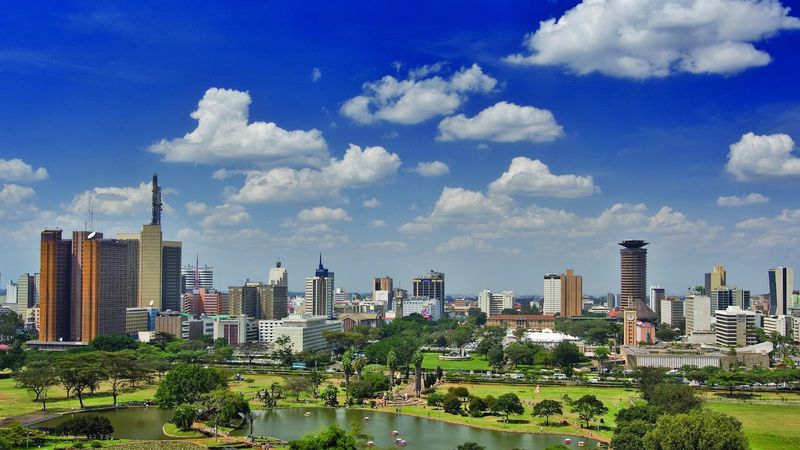
Kenya sits at the heart of East Africa and has a population of around 55 million people, a number that has more than doubled over the past three decades. Known worldwide for its breathtaking wildlife reserves like the Maasai Mara, Kenya is also one of the continent’s most dynamic economies.
Nairobi, the capital, has earned the nickname “Silicon Savannah” because of its booming technology and startup scene. Companies and innovators from across the globe are drawn to Kenya’s growing digital economy, which is powered by a young, ambitious, and increasingly connected population.
Kenya is also famous for its long-distance runners, who have dominated global athletics competitions for decades. The country’s diverse landscapes range from white-sand beaches along the Indian Ocean coast to snow-capped peaks on Mount Kenya.
With continued investment in education and infrastructure, Kenya’s future looks bright and full of potential.
8. Sudan
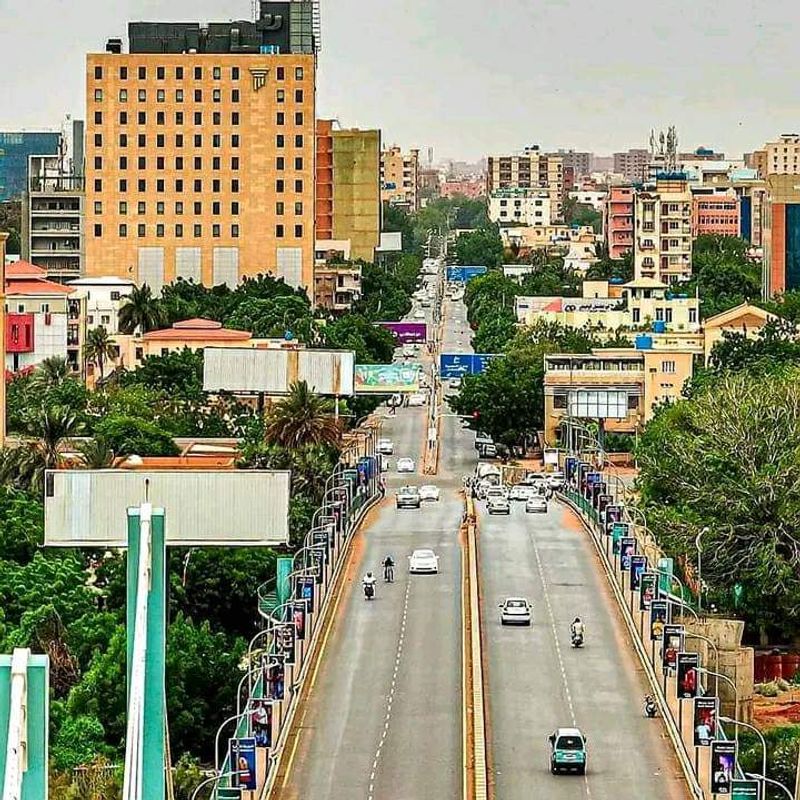
Sudan holds a unique geographic distinction as the place where the Blue Nile and White Nile rivers meet before flowing northward into Egypt. With a population of approximately 47 million people, it is one of the larger nations in northeastern Africa, both in terms of land area and population size.
Khartoum, the capital, sits right at that famous confluence and has long served as a crossroads for trade, culture, and history. Sudan is home to more ancient pyramids than Egypt, a fact that surprises many people who are unfamiliar with the region’s rich Nubian heritage.
The country has faced significant political challenges in recent years, including conflicts that have displaced millions of its citizens. Despite these hardships, Sudan’s people maintain strong cultural traditions and a resilient spirit.
Agriculture along the Nile remains central to the livelihoods of much of its population.
9. Uganda
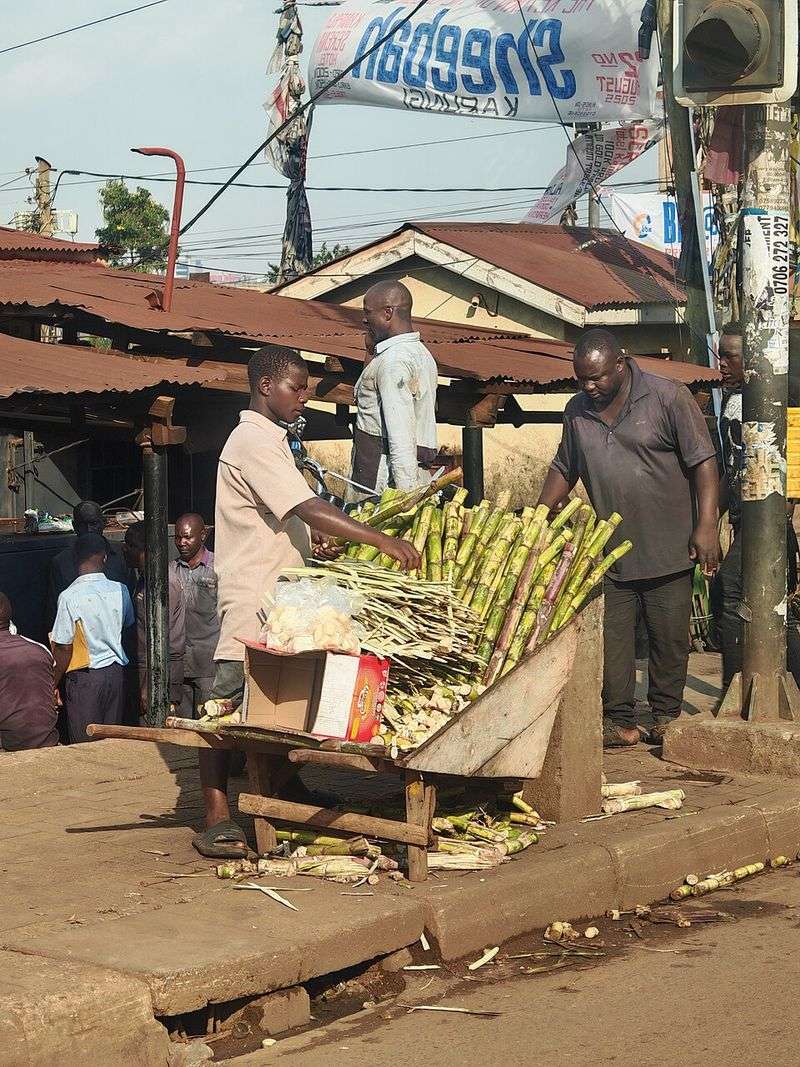
Uganda packs an extraordinary amount of life into a relatively small landlocked country. With a population of around 47 million and one of the highest birth rates in the world, Uganda is growing faster than almost any other nation on the continent, a trend that brings both opportunity and challenge.
Kampala, the capital city, is built across several hills and has a lively, colorful energy that reflects the country’s youthful spirit. Uganda is home to about half of the world’s remaining mountain gorillas, which live in the misty forests of Bwindi Impenetrable National Park.
The source of the Nile River, one of the longest rivers in the world, is located in Uganda at Jinja, a town that also attracts adventure seekers for white-water rafting. Uganda’s median age is just 16 years, making it one of the youngest populations anywhere on Earth.
10. Algeria
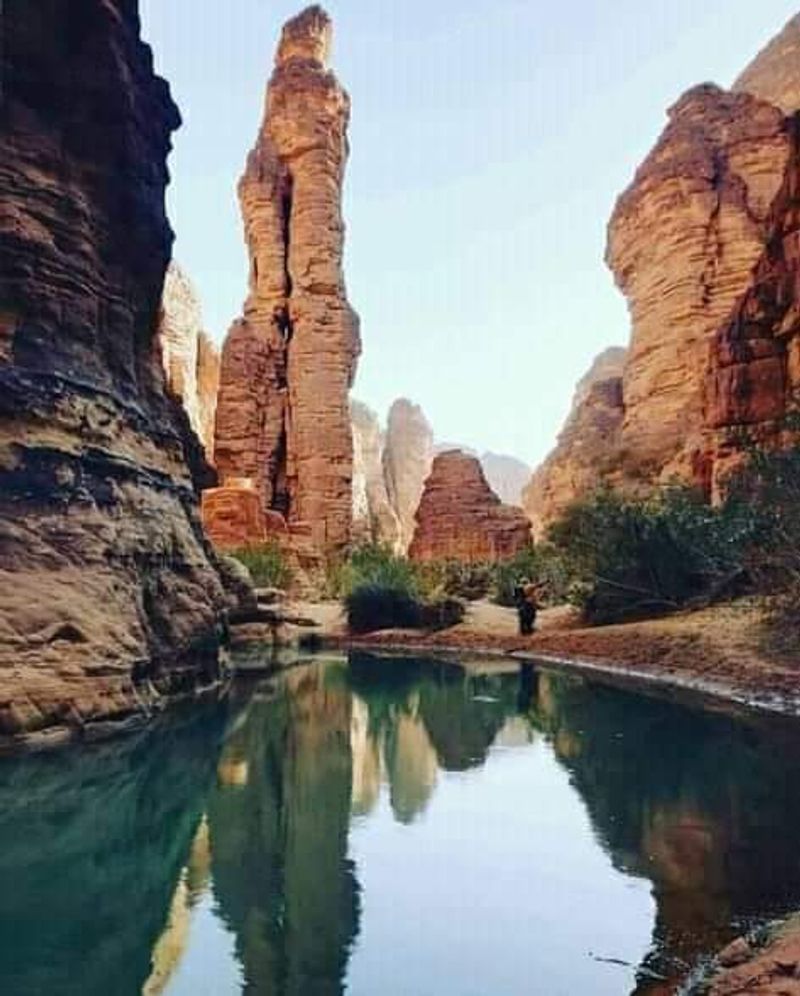
Algeria is Africa’s largest country by land area, and it holds a population of around 45 million people who are spread across a vast territory that includes the Sahara Desert and a fertile Mediterranean coastline. The contrast between its northern cities and its southern desert landscapes is striking and dramatic.
Algiers, the capital, is a city with deep French and Arab influences, a legacy of its colonial past and its ancient Berber roots. Algeria gained independence from France in 1962 after a long and difficult war that left a lasting mark on national identity and culture.
The country is one of Africa’s top producers of natural gas and oil, which gives it considerable economic weight in the region. Algeria’s government has been investing in diversifying the economy beyond fossil fuels, focusing on agriculture, manufacturing, and renewable energy to secure long-term prosperity for its people.
11. Angola
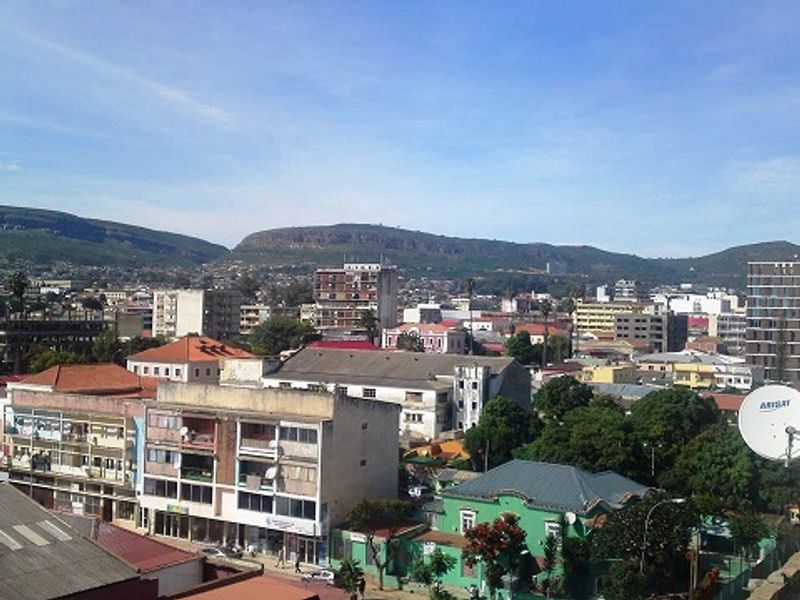
Angola’s story is one of remarkable resilience. After enduring a devastating civil war that lasted nearly three decades and ended in 2002, the country has rebuilt itself into one of sub-Saharan Africa’s more notable economies.
Today, Angola’s population stands at around 35 million people and continues to grow steadily.
Luanda, the capital and largest city, is situated along the Atlantic coast and has transformed into a modern urban center with gleaming skyscrapers and a vibrant cultural scene. Angola is one of Africa’s top oil producers, and petroleum revenues have funded much of the country’s post-war reconstruction and development.
Portuguese is the official language, a legacy of centuries of colonial rule, and it ties Angola culturally to Brazil and other Lusophone nations around the world. Angola’s vast territory also contains stunning national parks, diverse wildlife, and river systems that support millions of people living in rural communities.
12. Morocco
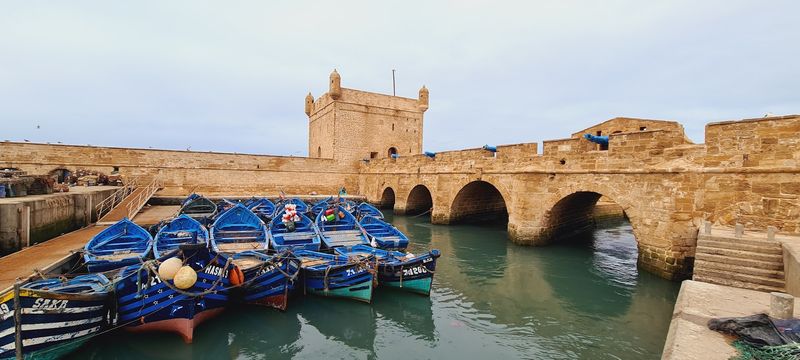
Morocco greets visitors with a sensory richness that is hard to describe. With a population of around 37 million people, this North African kingdom blends ancient Islamic traditions with modern European influences in a way that feels entirely its own.
Its medinas, or old city centers, are UNESCO World Heritage Sites filled with centuries of history.
Rabat is the official capital, but Casablanca is the country’s largest city and its commercial heart, home to major corporations and one of Africa’s busiest ports. Morocco is also the only African country with coastlines on both the Atlantic Ocean and the Mediterranean Sea.
In 2022, Morocco made history by becoming the first African nation to reach the semifinals of a FIFA World Cup, capturing the hearts of people across the continent. Tourism, phosphate mining, and agriculture are the main pillars of Morocco’s growing and increasingly diversified economy.
13. Mozambique
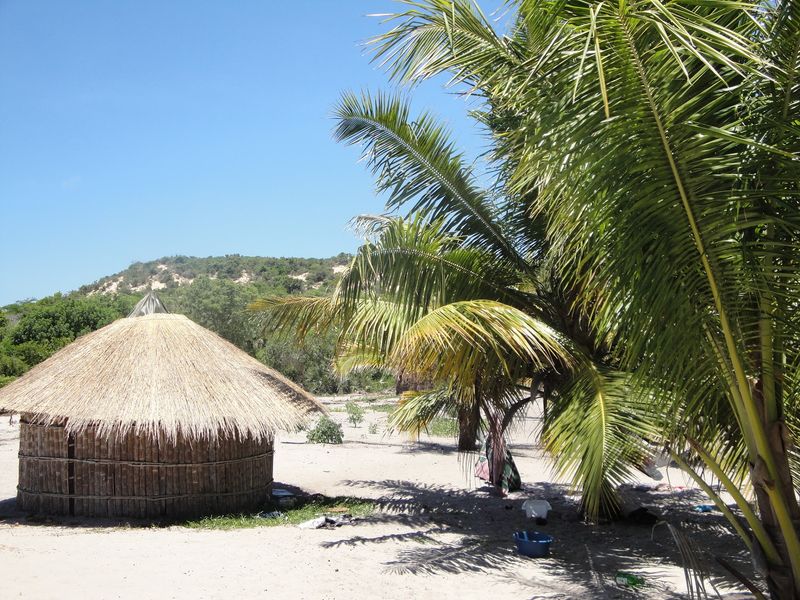
Stretching along the southeastern coast of Africa, Mozambique is a country of long beaches, warm Indian Ocean waters, and a population that has grown to approximately 33 million people. Its coastline, one of the longest in Africa, is dotted with coral reefs and islands that make it a hidden gem for divers and travelers.
Maputo, the capital, is a city with a distinctive Portuguese colonial architectural style mixed with vibrant African street culture. Mozambique gained independence from Portugal in 1975 after years of armed struggle, and the country’s national identity is deeply connected to that hard-fought freedom.
Agriculture employs the majority of Mozambicans, with crops like cashews, sugarcane, and cotton forming the backbone of the rural economy. In recent years, the discovery of significant natural gas reserves in the north has sparked new international investment and raised hopes for long-term economic transformation across the country.
14. Ghana
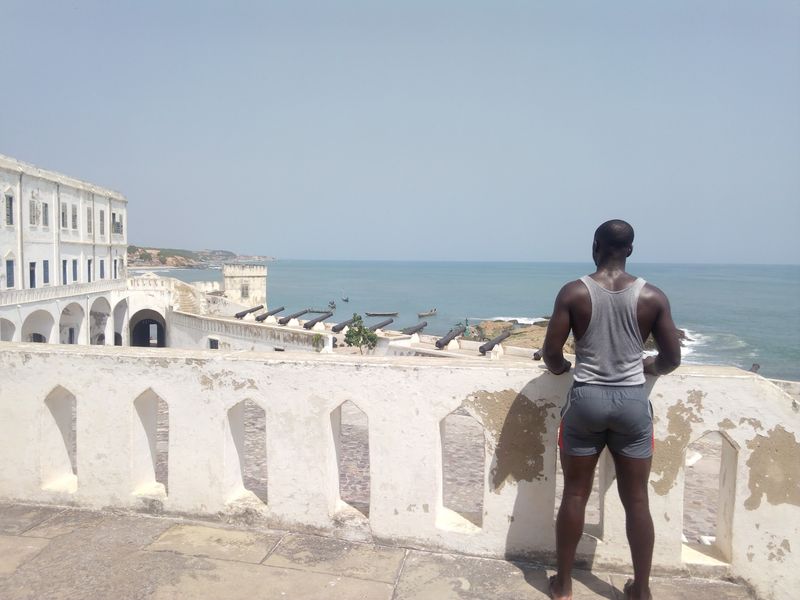
Ghana holds a special place in African history as the first sub-Saharan country to gain independence from colonial rule, doing so in 1957 under the leadership of Kwame Nkrumah. Today, with a population of around 33 million people, Ghana is widely regarded as one of West Africa’s most stable and democratic nations.
Accra, the capital, is a fast-growing city that blends traditional Ghanaian culture with a modern, cosmopolitan energy. The country is famous for its kente cloth, a hand-woven fabric with bold colors and geometric patterns that has become a global symbol of African heritage and pride.
Ghana produces some of the world’s finest cocoa beans, and it is one of the top cocoa exporters globally. In 2019, Ghana launched its “Year of Return” campaign, inviting members of the African diaspora to visit and reconnect with their roots, drawing hundreds of thousands of visitors from around the world.
15. Madagascar
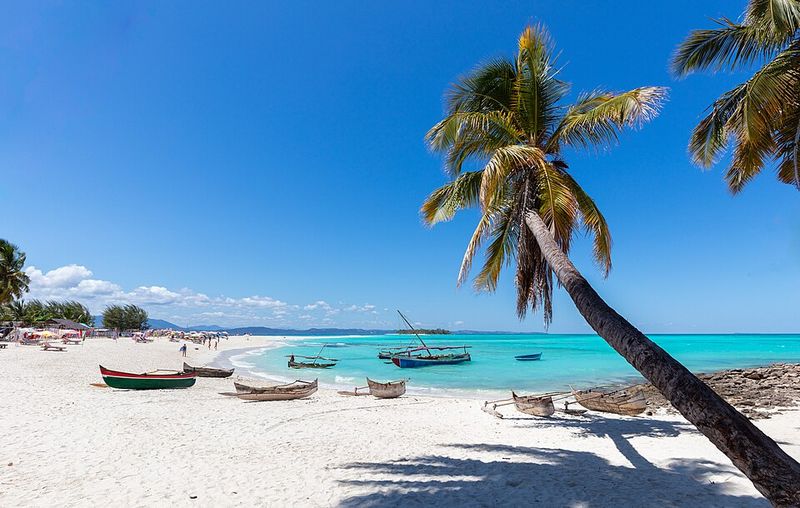
Madagascar is unlike anywhere else on Earth. As the world’s fourth largest island, sitting off the southeastern coast of Africa in the Indian Ocean, it has developed an ecosystem so isolated that around 90 percent of its wildlife exists nowhere else on the planet.
Its population of approximately 28 million people is as unique as the landscape itself.
The Malagasy people trace their ancestry to a remarkable mix of African, Southeast Asian, and Arab origins, which is reflected in the language, food, and traditions found across the island. Antananarivo, known locally as Tana, serves as the capital and is built dramatically across a series of highland ridges.
Madagascar faces real environmental pressures, as deforestation threatens the habitats of famous creatures like lemurs, chameleons, and the fossa. Conservation efforts are ongoing, but balancing the needs of a growing population with protecting the island’s extraordinary biodiversity remains a complex and urgent challenge.
Share this story