Africa has islands that play by their own rules. Scattered across the Atlantic, Indian Ocean, and Mediterranean, these places developed their own languages, building styles, music traditions, and social customs over hundreds of years, often blending influences from multiple continents into something entirely new.
Some are famous, some are barely on the tourist radar, but all of them carry a cultural identity that simply does not exist anywhere else on earth. From a town built on seashells to a volcanic community that makes wine inside a crater, these 15 islands prove that Africa’s most surprising stories are often found offshore.
Read on to discover places that will genuinely make you rethink what you thought you knew about the continent.
1. Lamu, Lamu County, Kenya
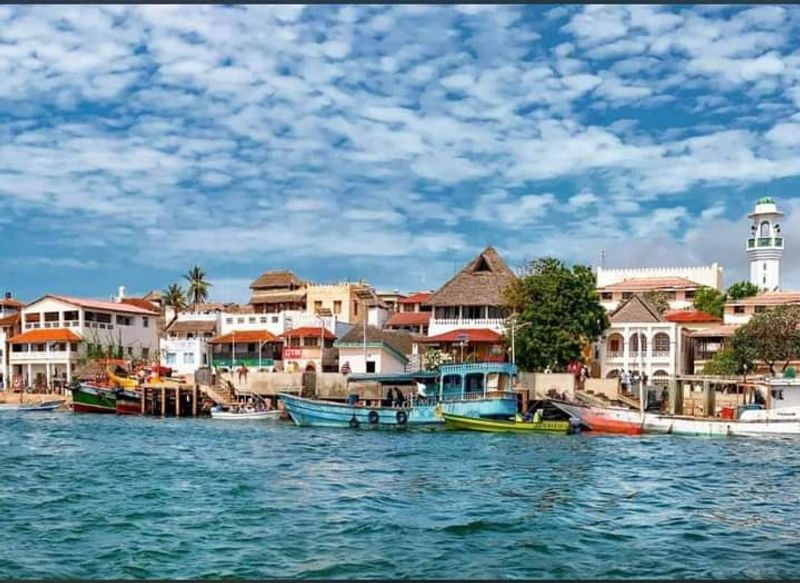
Over 700 years of continuous habitation have shaped Lamu into one of East Africa’s most remarkable cultural achievements, and the town wears that history openly. Coral-stone houses with thick walls, intricate carved wooden doors, and enclosed inner courtyards line streets too narrow for cars, making donkeys the primary mode of transport.
The architecture reflects centuries of Indian Ocean commerce, with Arab, Persian, and Indian influences layered onto a Swahili foundation. Each carved door in Lamu tells a story, with floral patterns signaling Indian influence and Arabic calligraphy marking family status and religious devotion.
Stone benches called barazas sit outside many homes, functioning as shaded social spaces where community life plays out daily. The annual Maulidi Festival draws thousands of pilgrims for dhow races, Swahili poetry competitions, Koranic recitals, and donkey races, a celebration that has been organized by the Riyadha Mosque since 1866.
The island’s cuisine blends African, Arab, and Indian flavors through dishes rich with cloves, cardamom, and coconut. Lamu’s four indigenous communities, the Bajuni, Orma, Sanye, and Aweer, have each maintained distinct traditions despite centuries of outside contact, making the island a living cultural document rather than a preserved relic.
2. Stone Town, Zanzibar, Tanzania
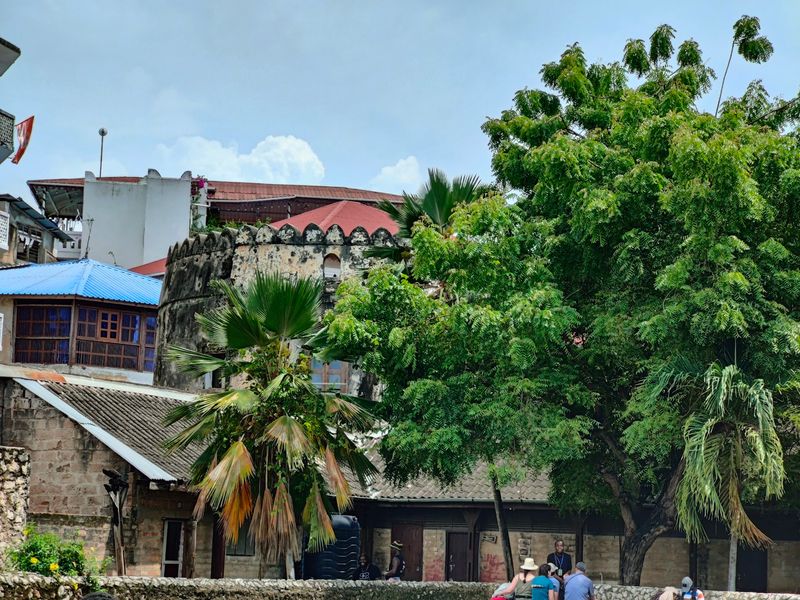
No other city in East Africa packs as many centuries of Indian Ocean history into such a compact urban grid as Stone Town. Designated a UNESCO World Heritage Site in 2000, it served as the capital of the Sultanate of Zanzibar and a major hub for the spice and slave trades throughout the 19th century.
The buildings here are constructed from coral rag limestone, a local material with natural insulating properties that keeps interiors cool without modern technology. Elaborate carved wooden doors, often made of teak or mahogany and decorated with brass studs, are perhaps the most iconic feature, each one communicating the owner’s ethnicity, religion, and social standing through its pattern and craftsmanship.
Daily rhythms follow the five calls to prayer from dozens of mosques, while the Dhow Countries Music Academy keeps the taarab tradition alive, a genre blending Arabic melodies with African rhythms and Swahili poetry. The Forodhani Gardens Night Market draws locals and visitors alike for street food including urojo, a layered mixed-food soup unique to the island.
Stone Town remains a working city, not a museum, with schools, markets, and residential neighborhoods filling its labyrinthine lanes alongside landmarks like the Old Fort and the Anglican Cathedral.
3. Pemba Island, Zanzibar, Tanzania
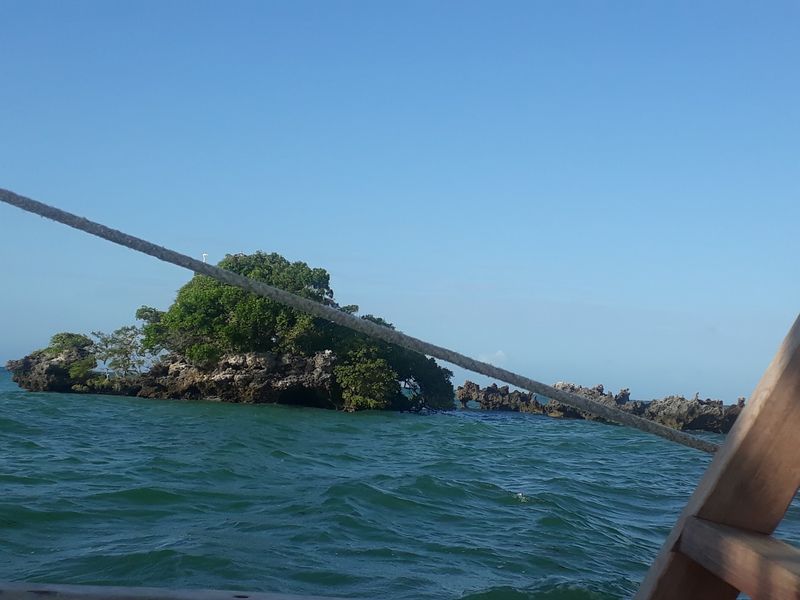
Nicknamed “The Green Island,” Pemba sits north of Unguja with a noticeably quieter personality and a landscape of fertile hills covered in clove trees, fruit groves, and dense forest. Its separation from Zanzibar’s busiest resort zones has preserved a way of life still closely tied to agriculture and the sea.
Cloves define Pemba’s identity in a way few crops define any island. Arab traders introduced clove cultivation in the 19th century, and at its peak, Pemba supplied over 70 percent of the global clove market.
That agricultural heritage shaped the island’s economy, social structures, and even its religious ceremonies, where cloves appear in traditional medicine and community rituals.
Archaeological ruins at Ras Mkumbuu and Qanbalu reveal Swahili and Islamic settlement dating back to the 8th century, centuries before European contact. Traditional fishing continues from ngalawa boats, narrow outrigger vessels whose construction techniques have been handed down through generations without blueprints or formal instruction.
Coastal women have built an important livelihood through seaweed farming in the island’s shallow lagoons, contributing to community development and sustainable resource management. Pemban cuisine centers on spiced rice dishes, grilled fish in coconut sauce, and fresh tropical fruit, reflecting the Arab and Indian Ocean influences that have shaped the island for over a millennium.
4. Ngazidja, Moroni, Comoros
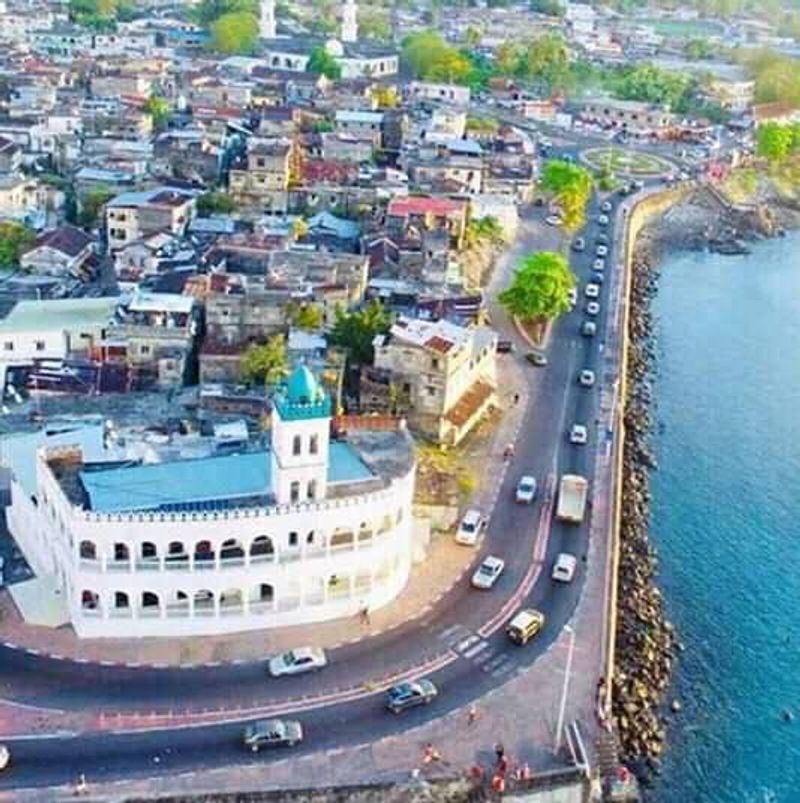
Grande Comore, known locally as Ngazidja, is the largest island in the Comoros and carries an identity shaped by a genuinely unusual combination of East African, Arab, Malagasy, and Indian Ocean influences. That blend has produced social structures and traditions that feel unlike anything on the nearby mainland.
Islam arrived with Arab and Persian traders near the close of the first millennium and has since become central to daily life, governing marriage customs, community interactions, and social expectations. What makes Comorian society particularly distinctive is its matrilineal structure: land passes from mother to daughter, husbands move into their wives’ villages after marriage, and the oldest maternal uncle holds significant authority over children’s upbringing.
Mount Karthala, one of the world’s largest active volcanoes, looms over the island and has earned a place in local folklore as a sacred and powerful presence. Its fertile volcanic soils support vanilla, cloves, and ylang-ylang cultivation, earning the Comoros the designation “Perfume Islands.”
The Grand Wedding ceremony, known as Anda, is the island’s most elaborate social institution. These celebrations involve feasting, Quranic recitations, traditional music, and specific rituals including the ceremonial washing of the groom’s feet by his mother-in-law, a practice that can define a family’s social standing for generations.
5. Mutsamudu, Anjouan, Comoros
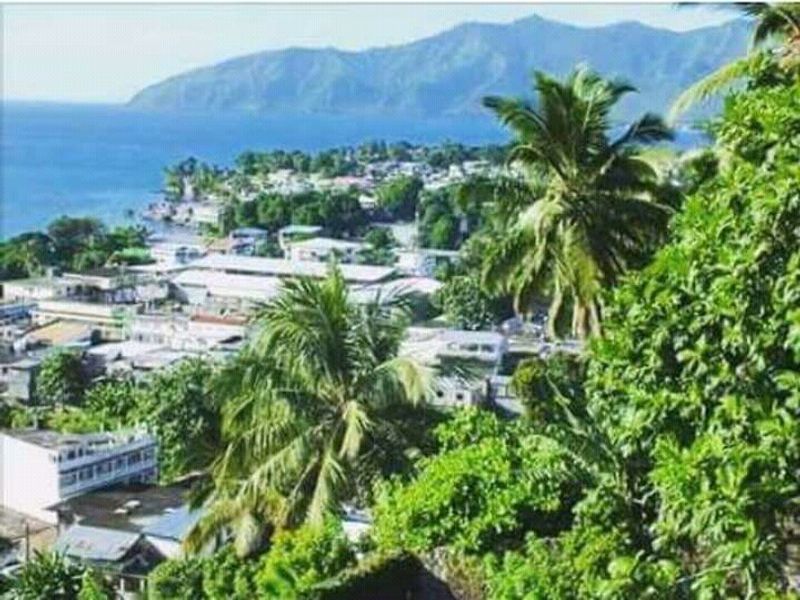
Anjouan rises dramatically from the Mozambique Channel, its steep green mountains earning it the nickname “Pearl of the Comoros.” The island’s principal city, Mutsamudu, holds the second-largest urban population in the archipelago and preserves a historic core that chronicles centuries of Indian Ocean trade in stone and coral.
The name Mutsamudu itself translates roughly as “the place where one comes to settle,” a detail that captures the city’s historic role as a layover point connecting Swahili ports, Mozambique, Madagascar, and the wider Indian Ocean network. Arab, African, Malagasy, and Islamic influences spent centuries developing into a strong local identity here rather than simply passing through.
The old medina features narrow streets lined with 18th-century coral stone buildings, carved wooden shutters, and the Ujumbee Palace, the former sultan’s residence, which remains one of the best-preserved historic structures in the Comoros. The medinas of the archipelago are on the tentative UNESCO World Heritage list, reflecting their architectural and cultural significance.
Anjouan is the world’s primary exporter of ylang-ylang oil, a key ingredient in luxury perfumes globally. This cultivation has become inseparable from Comorian identity, woven into traditional customs and economic life.
Local artisans craft carved wooden doors and embroidered textiles, while twarab music and dance remain central to weddings and community celebrations.
6. Fomboni, Mohéli, Comoros
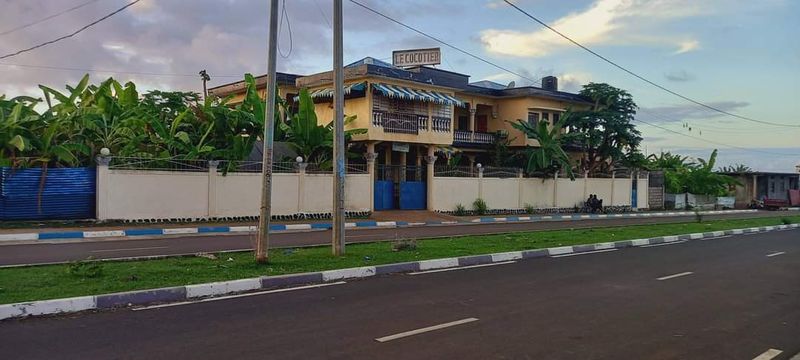
Moheli, or Mwali, is the smallest of the three main Comorian islands, and its size is arguably its greatest cultural asset. With over 80 percent of its population engaged in farming, livestock keeping, and fishing, the island has maintained a rhythm of life that its larger neighbors largely left behind generations ago.
Fomboni serves as the island’s administrative center, but it functions more like an unhurried seaside village than a capital city. The Friday Mosque with its central dome and minarets anchors the old town, while narrow streets lined with homes featuring ornate wooden balconies preserve a distinctly traditional urban character.
In 2001, Moheli established the Comoros’ first marine protected area, later expanded into the Mwali Biosphere Reserve recognized by UNESCO in 2020. The island hosts thousands of green sea turtle nesting visits annually, and local communities actively manage conservation efforts, creating an unusually close relationship between cultural identity and marine stewardship.
Farmers cultivate vanilla, ylang-ylang, cloves, and bananas on the island’s fertile hillsides, contributing to the Comoros’ reputation as the Perfume Islands. Traditional music and dance mark weddings and the Comorian New Year celebration of Mwaka Kogwa, while local cuisine features grilled fish, coconut rice, and moringa leaf stews that reflect the island’s African, Arab, and French-influenced heritage.
7. Djerba, Médenine Governorate, Tunisia
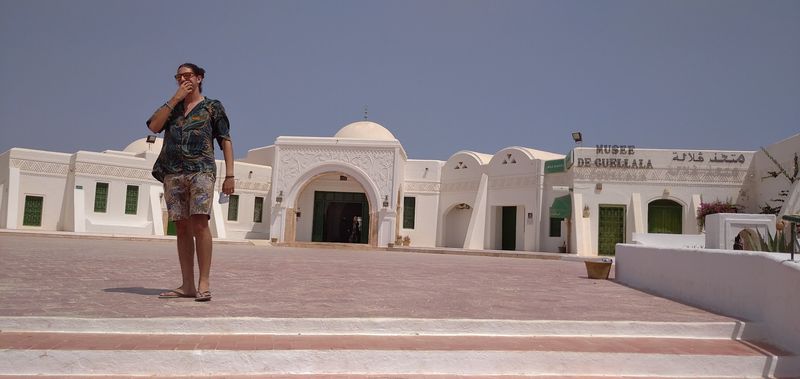
UNESCO added Djerba to its World Heritage List in September 2023, and the inscription covers not a single building but an entire way of organizing human settlement across a water-scarce island. Beginning around the 9th century, communities developed a dispersed network of self-sufficient neighborhoods linked to religious and trading centers, a practical response to an environment that punished dependence on centralized water supplies.
The island’s traditional architecture reflects this philosophy. Menzels, or family farmhouses, feature thick stone and lime walls, small windows, and central courtyards that regulate temperature without any modern assistance.
Over 400 mosques dot the landscape, many belonging to the Ibadite branch of Islam, a minority sect whose architectural principles favor austere fortified structures with squat minarets that sit no taller than surrounding palm trees.
Djerba’s reputation for interfaith coexistence is centuries old and genuinely unusual. Its Jewish community of approximately 1,200 to 2,000 members is one of the oldest in the world, centered around the El Ghriba Synagogue, which has been in continuous use for over 2,000 years.
Muslim, Jewish, and Christian communities have shared the island for generations, earning it the informal title Island of Peace and Tolerance.
The village of Guellala has produced pottery since Phoenician times, with clay hand-kneaded on traditional wheels and decorated with geometric motifs that have remained consistent across generations of local craftspeople.
8. Kerkennah Islands, Sfax Governorate, Tunisia
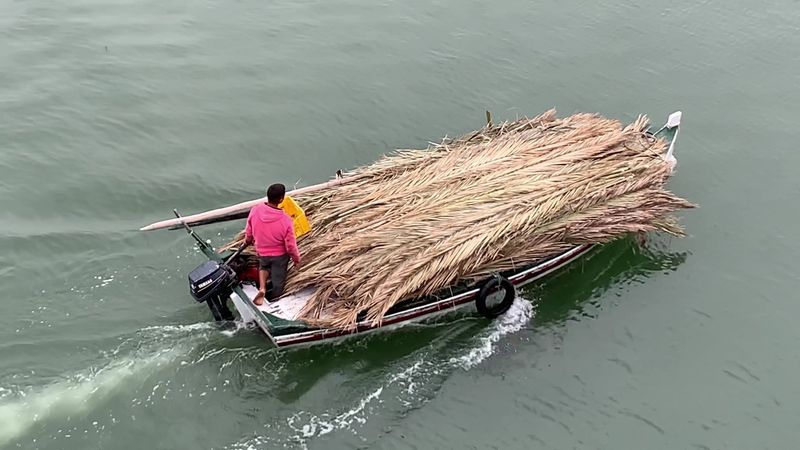
The Kerkennah archipelago barely rises above sea level, but what these low-lying islands lack in elevation they more than compensate for in cultural depth. Fishing is not simply a livelihood here; it is the framework around which social life, community identity, and intergenerational knowledge have been organized for centuries.
The charfiya fishing system, inscribed by UNESCO in 2020 on its Representative List of Intangible Cultural Heritage of Humanity, is the clearest expression of that identity. Fishermen embed palm fronds into the seabed to form triangular barriers that guide fish with the ebbing tide into capture chambers, a passive technique that requires no fuel, no nets dragged across the bottom, and no disruption of the seabed ecosystem.
Knowledge of underwater topography, current patterns, and fish behavior is transmitted orally between generations, with no written manual involved. Rebuilding the charfiya systems each year is accompanied by communal meals and rogatory prayers, reinforcing social bonds across the archipelago in ways that go well beyond the practical task of catching fish.
Legal ownership contracts for specific marine areas related to charfiya are unique to Kerkennah, connecting families to ancestral fishing grounds in a formal and culturally recognized way. The local Kerkennah Museum preserves fishing nets, palm weaving traditions, and wedding songs, while the cuisine features fresh octopus prepared in traditional stews passed down within family kitchens.
9. Mozambique Island, Nampula Province, Mozambique
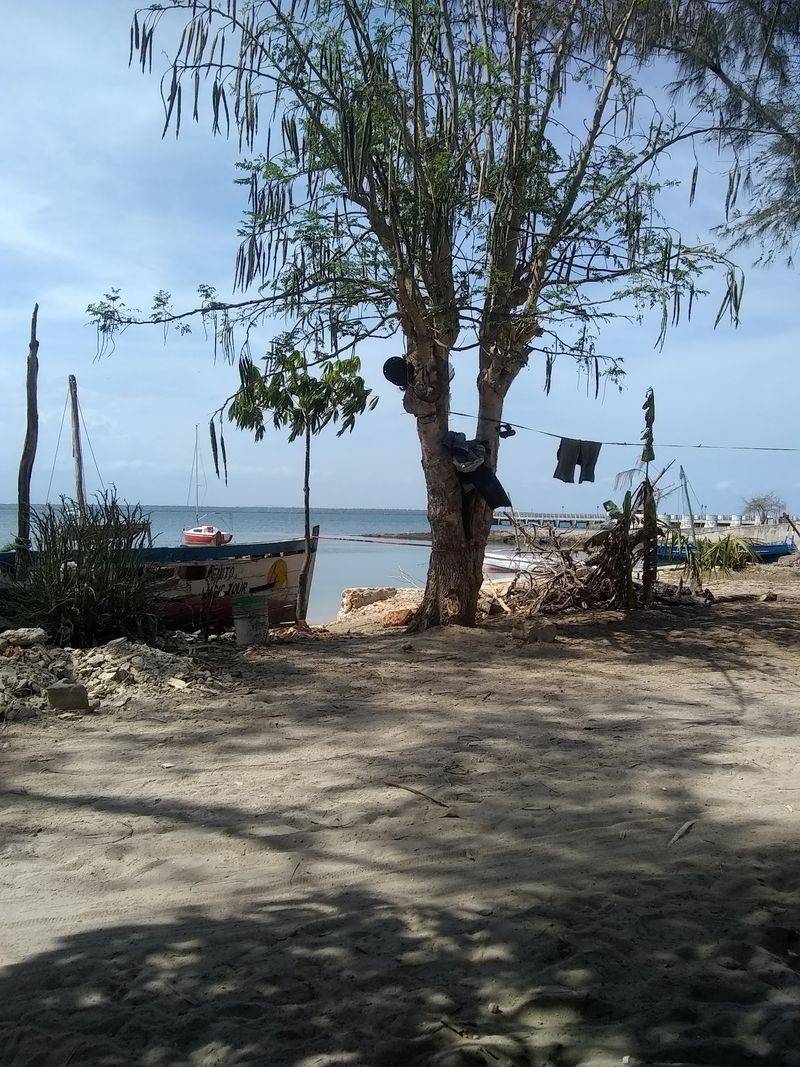
Barely three kilometers long and yet the subject of a UNESCO World Heritage inscription since 1991, Mozambique Island carries centuries of global interaction within a footprint smaller than many city neighborhoods. From the 7th century onward, the island functioned as a pivotal hub linking East Africa with Arabia, Persia, India, and eventually Europe.
Its very name comes from Sultan Ali Musa Mbiki, who governed the area before Vasco da Gama arrived in 1498. For four centuries afterward, the island served as the capital of Portuguese East Africa, accumulating layers of Bantu, Swahili, Arab, Indian, and European influence that remain visible in its architecture and daily culture today.
The northern half of the island, known as the Stone and Lime Town, contains the Fortaleza de Sao Sebastiao, the oldest complete fort in sub-Saharan Africa, alongside the Palacio de Sao Paulo and the Chapel of Nossa Senhora de Baluarte, one of the oldest European structures in the Southern Hemisphere. The southern Macuti Town presents an entirely different visual language, with traditional palm-leaf roofed homes and narrow earthen lanes reflecting the island’s African residential community.
Local cuisine blends African, Indian, and Portuguese flavors through dishes like matapa, a cassava leaf stew cooked with Arabic herbs. The tufo dance and mapiko drum traditions remain central to cultural celebrations among the predominantly Muslim Makua community.
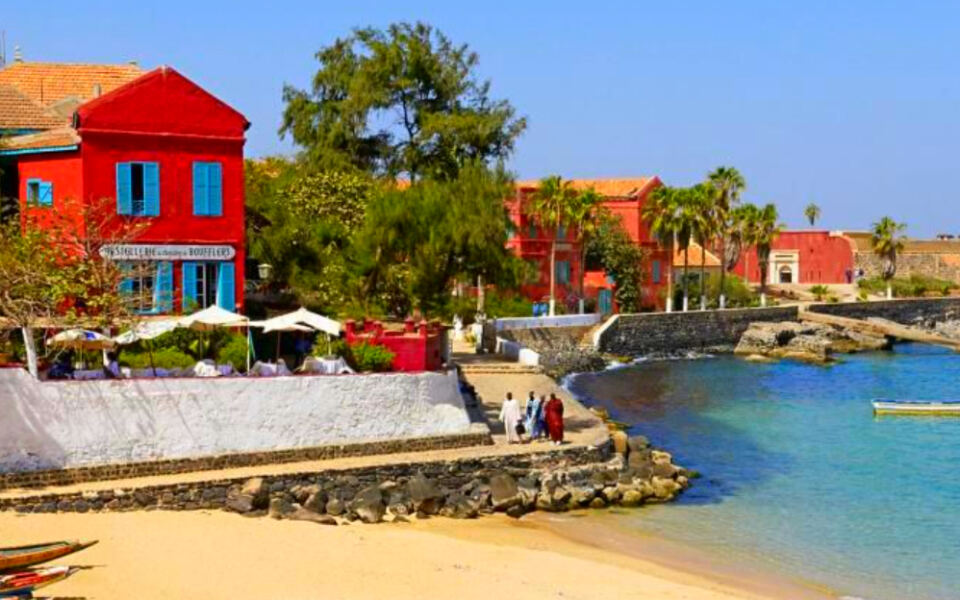
10. Gorée, Dakar, Senegal
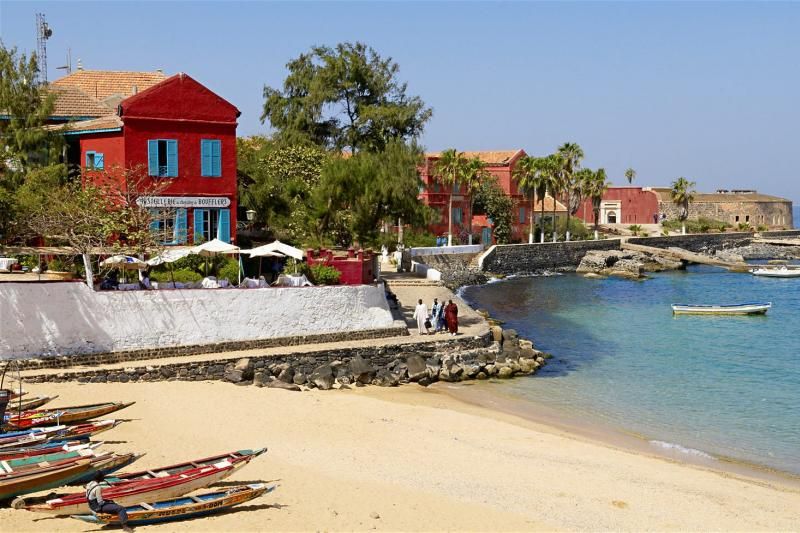
Just a short ferry ride from downtown Dakar, Goree Island holds a weight of historical memory that its small size does nothing to diminish. For over three centuries, the island served as a holding point for enslaved Africans before their forced transport across the Atlantic, and that history has made it a pilgrimage site for the African diaspora from around the world.
The House of Slaves, built around 1776, preserves the cells, iron shackles, and narrow corridors that confined captive people before their departure. Its Door of No Return, a narrow opening facing the open Atlantic, has become one of West Africa’s most recognized historical symbols, drawing heads of state, scholars, and ordinary visitors seeking to understand and acknowledge this chapter of global history.
Goree was successively controlled by Portuguese, Dutch, English, and French powers, each leaving architectural and cultural imprints that are still readable in the island’s pastel-colored facades, ornate colonial residences, and the 1892 basalt stone mosque, the oldest stone mosque in Senegal. Influential Afro-French Creole women known as signares played a significant role in the island’s social and economic life during the colonial period, occupying an unusual position between European traders and African communities.
Today the island is car-free, home to roughly 1,000 to 2,000 residents, and functions as an active artistic community where painters, sand artists, and craftspeople maintain studios alongside historic landmarks.
11. Joal Fadiout, Thiès Region, Senegal
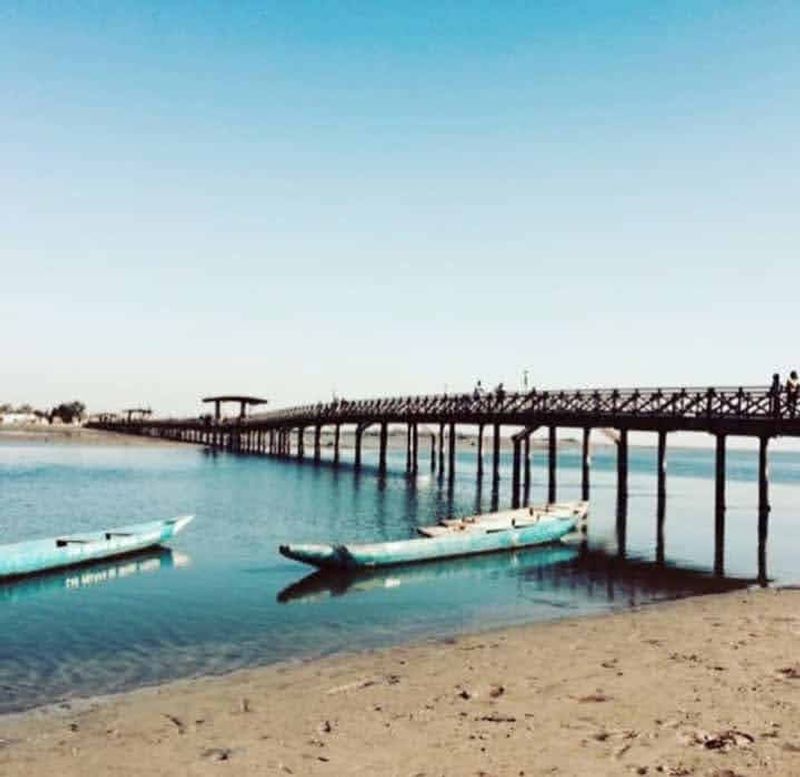
Fadiouth is one of those places that genuinely requires a second look, because the ground itself is made entirely of accumulated seashells. Generations of mollusk harvesting by the predominantly Serer community created paths, building foundations, and public spaces entirely from clam, oyster, and cockle shells, giving the island a landscape unlike anything else in West Africa.
The neighboring cemetery island takes this distinctiveness even further. Buried there side by side are Christians, Muslims, and animists, with white crosses marking Christian graves, iron plaques aligned toward Mecca for Muslim burials, and fish-shaped figurines sometimes placed on the graves of traditional fishermen.
This quiet coexistence in a shared burial ground is not a tourist attraction but an active community practice that reflects generations of interfaith family life.
Fadiouth operates without motorized vehicles, keeping its shell-covered lanes reserved for pedestrians and the occasional horse cart. Women harvest shellfish at low tide using informed seasonal limits and catch restrictions that protect the surrounding mangrove lagoons and their marine ecosystems.
Granaries built on stilts above the water are another of the island’s defining visual features, designed to protect food stores from rodents and humidity. Wooden footbridges connect Fadiouth to the mainland town of Joal and to the cemetery island, making the entire community a network of water, wood, and centuries of accumulated shell.
12. Santiago Island, Praia, Cabo Verde
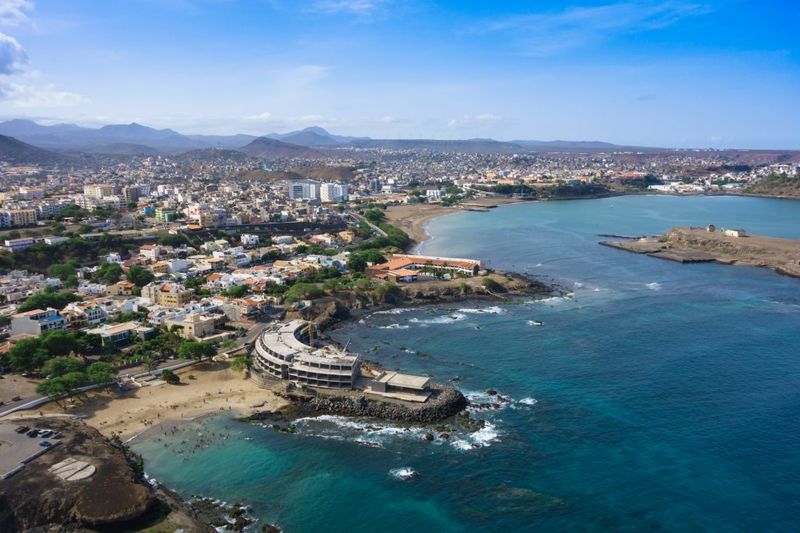
Santiago earned its nickname “cradle island” honestly. The Portuguese founded Cidade Velha here in 1462, making it the first permanent European settlement in the tropics, and what followed was a collision of African and European histories that produced an entirely new Creole culture with its own language, music, food traditions, and social identity.
Cidade Velha, a UNESCO World Heritage Site since 2009, contains the oldest colonial church in the tropics, Nossa Senhora do Rosario from 1495, a 16th-century marble pillory, and the Fort Real de Sao Filipe. These structures stand as physical evidence of the early Atlantic colonial era, including its role in the transatlantic slave trade and the subsequent development of the world’s first Creole society.
The Badiu dialect of Kabuverdianu, spoken primarily on Santiago, mixes archaic Portuguese vocabulary with a West African phonetic structure, making it the most distinctly African-sounding of the Cabo Verdean Creole variants. Batuque, a percussive dance tradition performed by women using rolled cloth as drums, was suppressed during the colonial period as a form of cultural resistance before being reclaimed as a source of national pride.
Funana, driven by accordion and a scraped iron rod called a ferrinho, is another Santiago tradition that faced colonial suppression. The national dish cachupa, a hearty corn and bean stew, is prepared in its most traditional rural form on this island, where mountain settlements and historic towns extend well beyond the busy capital of Praia.
13. Fogo Island, São Filipe, Cabo Verde
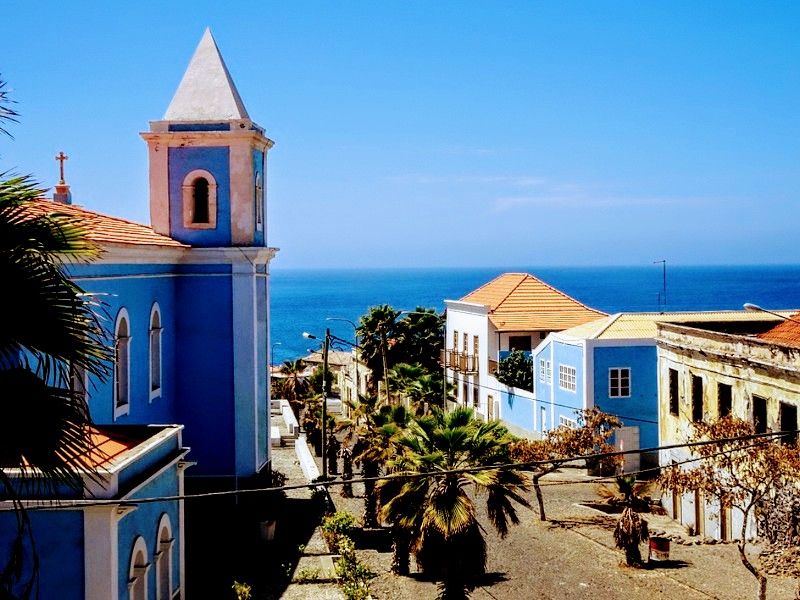
Not many communities in the world choose to build their homes inside a volcano’s caldera, but the residents of Cha das Caldeiras on Fogo Island have done exactly that for generations. At altitudes up to 1,800 meters, roughly 700 people cultivate vineyards in mineral-rich volcanic soil, producing wines introduced to the island in 1870 that are now known internationally as Lava Wines.
Fogo’s active volcanic system has not made life easy. Eruptions in 1995 and again in 2014 and 2015 destroyed homes and agricultural land, yet residents returned each time to rebuild on the same ground, demonstrating an ancestral attachment to the caldera that overrides the practical argument for leaving.
Annual pilgrimages to the summit of Pico do Fogo during the Sao Filipe festival reflect the deep spiritual connection between the community and its volcanic landscape.
Beyond the caldera, Sao Filipe presents a very different face. The capital is considered one of Cabo Verde’s most picturesque towns, known for its 19th-century sobrados, two-story colonial mansions with wooden balconies, inner courtyards, tiled roofs, and vibrant pastel facades built by wealthy landowners who cultivated cotton, coffee, and grapes.
The Nossa Senhora da Conceicao church in Sao Filipe dates to 1655, adding another historical layer to an island where cultural identity and geology have become genuinely inseparable. High-altitude Arabica coffee from Fogo’s volcanic farms rounds out an agricultural profile unlike any other island in the archipelago.
14. São Vicente, Mindelo, Cabo Verde
Mindelo has a reputation across the entire archipelago as the city where Cabo Verde’s soul lives, and that reputation is not accidental. The port city became the birthplace and home of Cesaria Evora, the Barefoot Diva, whose morna performances in the city’s bars eventually earned her a Grammy Award in 2004 and introduced Cabo Verde’s music to audiences worldwide.
Morna, the island’s defining musical tradition, was inscribed by UNESCO in 2019 on its Representative List of Intangible Cultural Heritage of Humanity. Rooted in saudade, a Portuguese concept of wistful longing, the genre carries themes of love, nostalgia, and the particular emotional weight of island life separated from family by long ocean distances.
Live performances happen nightly in Mindelo’s venues, not as staged tourism but as a natural extension of local social life.
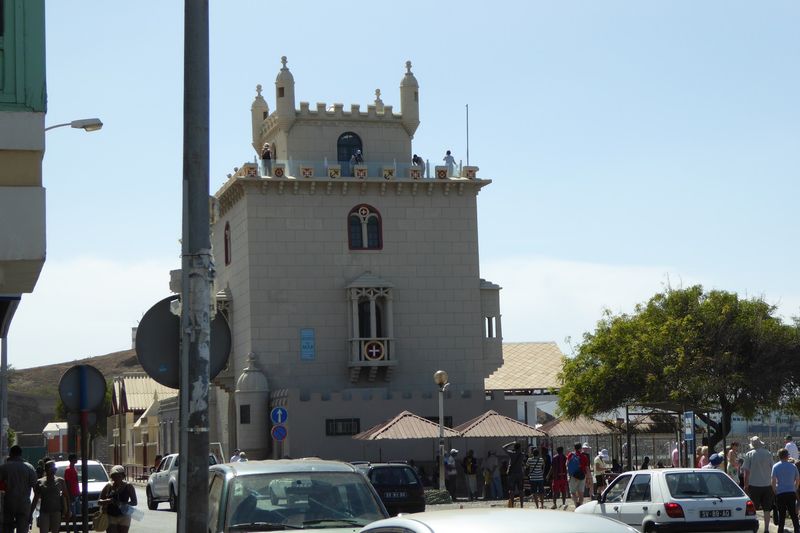
The city’s architecture reflects Portuguese and British colonial influence through colorful cobblestone streets, broad squares, and a scaled-down replica of Lisbon’s Belem Tower positioned beside the harbor. The Mercado Municipal and Palacio do Governador anchor the urban center, while street art and galleries signal Mindelo’s active contemporary arts community.
The Mindelo Carnival, a highly competitive annual event comparable in energy to Brazilian carnivals, and the Baia das Gatas Music Festival, held under the full moon each August, draw audiences from across the archipelago and beyond. The local tradition of morabeza, a cultural value of hospitality and warmth toward visitors, shapes every interaction in the city.
15. Príncipe, Santo António, São Tomé and Príncipe
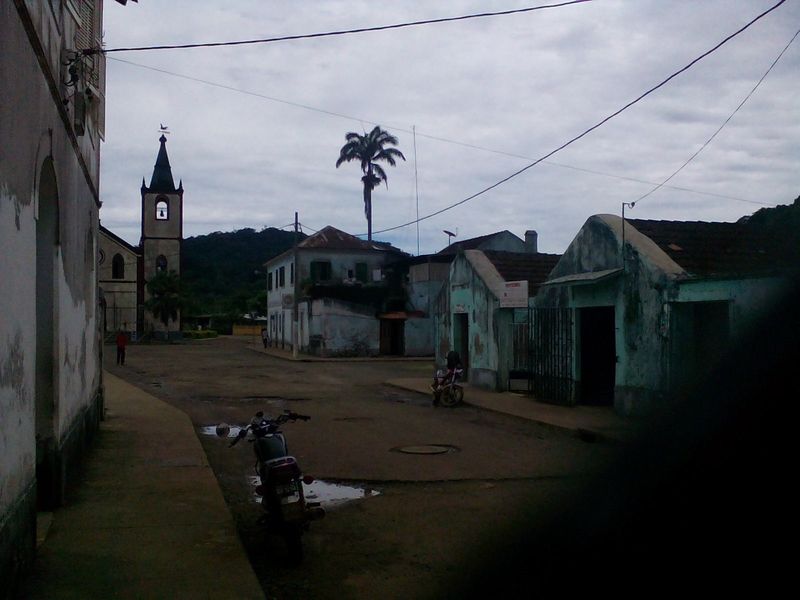
Príncipe earned its UNESCO Biosphere Reserve designation in 2012, and two-thirds of the island is now protected national park, but the most compelling story here is not ecological. It is the story of how centuries of plantation agriculture, colonial rule, and cultural mixing created an island identity so distinct that it differs noticeably even from neighboring Sao Tome just across the water.
Old rocas, the plantation estates that once drove the island’s coffee and cocoa economy, remain part of the cultural landscape. Some stand in various states of disrepair, others function as active community centers, and all of them tell a complex story about how social life, traditions, and community bonds developed among workers brought from Angola, Mozambique, and Cabo Verde under Portuguese colonial rule.
Santo Antonio, the capital, is sometimes called the smallest city in the world, with a population of just over 2,000 people. Its compact colonial architecture and tranquil pace belie the richness of the cultural calendar.
August is Principe’s cultural month, anchored by the Auto de Floripes, a popular theater tradition inspired by medieval European tales of Charlemagne that culminates in performances on August 15 and 31.
Traditional dances including Danca Dexa, Bulawe, and Txabeta are performed at community events, while local artisans create handicrafts from fish scales and coconut shells. The local dish calulu, a hearty fish stew with vegetables, reflects the African, Portuguese, and equatorial influences that define Principe’s foodways and daily community life.
Share this story