Some of the world’s most fascinating towns share an unusual trait: they were built on islands sitting right in the middle of rivers. These places grew up surrounded by water, shaped by currents, bridges, and the natural boundaries that rivers create.
From the Amazon rainforest to the heart of medieval Europe, river island towns have developed their own distinct characters, histories, and cultures. This list brings together 14 real, living communities from six continents, each one occupying land that a river literally wraps around.
Whether you are a history lover, a curious traveler, or someone who just enjoys discovering places that most people have never heard of, this collection is genuinely worth exploring. Each town on this list has its own story, and several of them carry UNESCO recognition for the remarkable urban landscapes that developed right there on the water.
Kostanjevica na Krki, Slovenia
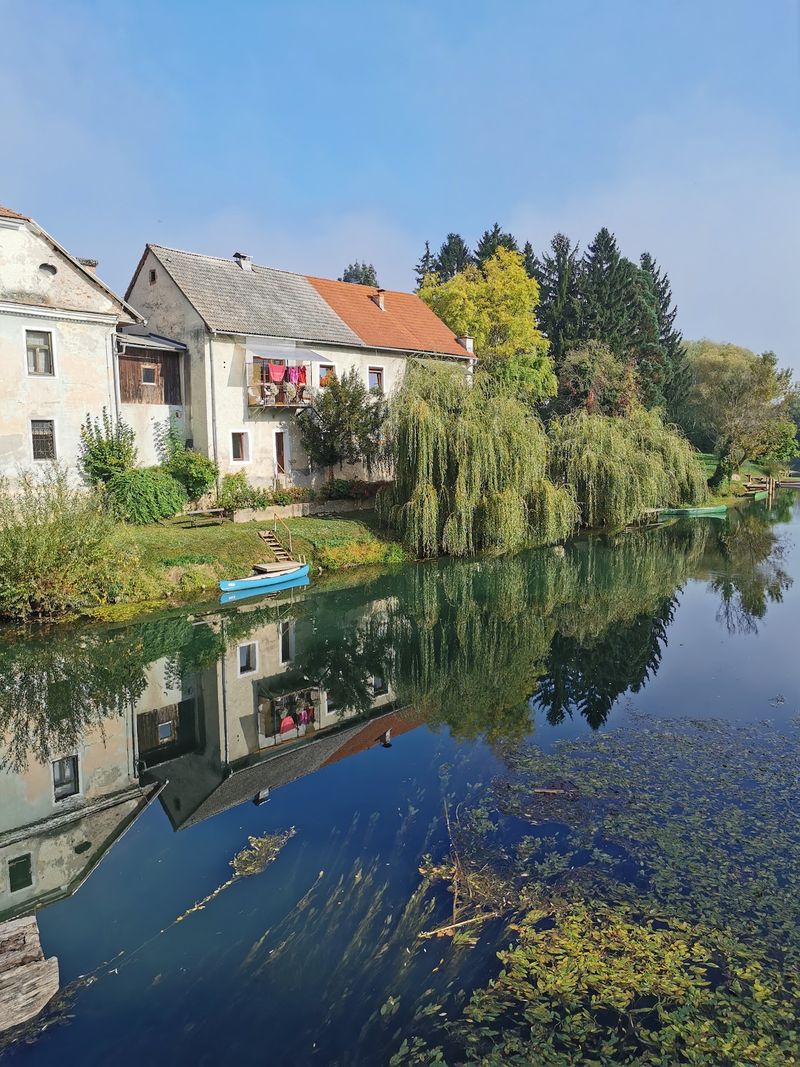
Slovenia is a small country packed with natural beauty, but Kostanjevica na Krki holds a distinction that no other town in the country can claim. It is officially recognized as Slovenia’s only town to have developed entirely on a river island.
The Krka River loops around the compact historic center, forming a natural boundary that has defined this community for centuries.
Despite being the smallest town in Slovenia, Kostanjevica na Krki is far from empty. The old buildings, narrow streets, and historic monastery speak to a long and layered past.
The former Cistercian monastery has been converted into the Božidar Jakac Art Museum, which houses a notable collection of Slovenian art.
Bridges connect the island to the surrounding countryside, making it easy to visit on a day trip from Ljubljana or Novo Mesto. The nearby Kostanjevica Cave and Kraków Forest add outdoor appeal for visitors who want to combine art and nature in one stop.
Srirangapatna, India
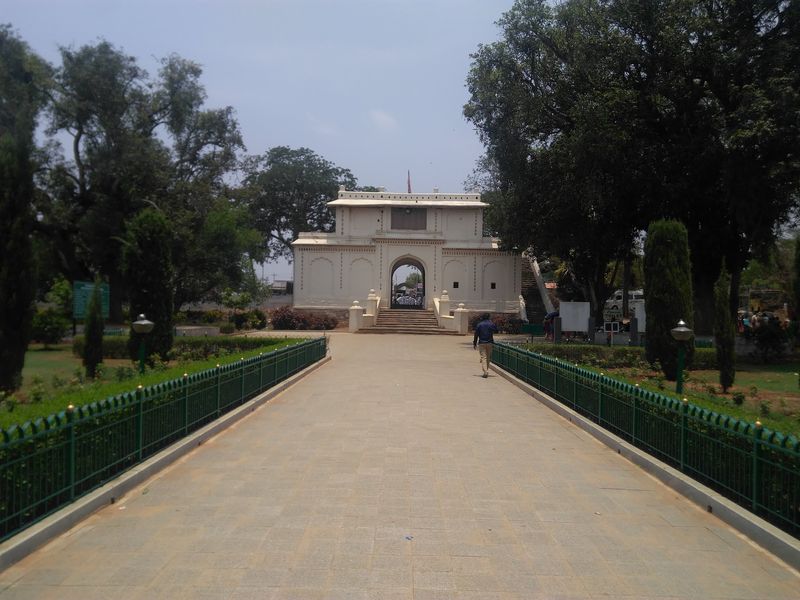
Few river islands in the world carry as much historical weight as Srirangapatna. Located in Karnataka, this island town sits where the Kaveri River splits into two branches, creating a natural fortress that made it one of the most strategically important locations in South Indian history.
The island stretches roughly five kilometers from east to west, giving it enough space to hold an entire functioning community.
Tipu Sultan, the 18th-century ruler of Mysore, made Srirangapatna his capital, and the evidence of that era is visible everywhere. The Srirangapatna Fort, Tipu’s summer palace known as Daria Daulat Bagh, the Ranganathaswamy Temple, and the Gumbaz mausoleum are all within the island’s boundaries.
UNESCO has placed Srirangapatna on its tentative World Heritage list, specifically identifying it as an “Island Town.” Road and rail connections make it easily accessible from Mysuru, which is only about 16 kilometers away. Visiting here feels like stepping into multiple chapters of history at once.
Werder (Havel), Germany
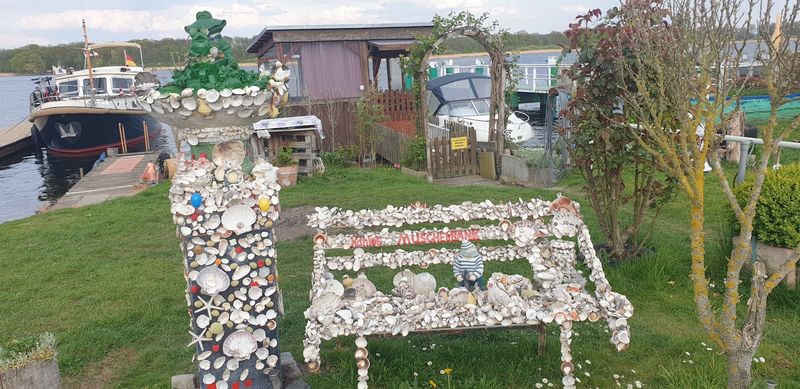
There is something quietly clever about Werder (Havel): the town’s own name is a giveaway about where it sits. “Werder” is an old German word for a river island, so the town is essentially named after the geographic feature it occupies. The original historic core sits on a compact island in the Havel River, southwest of Berlin, and it has been a recognizable settlement since the medieval period.
The island’s old town is filled with historic houses, cobblestone streets, and a windmill that has become one of the area’s most photographed landmarks. The waterfront setting gives the neighborhood a relaxed, almost resort-like character, especially in warmer months when visitors arrive by boat.
Werder is also known throughout the Berlin region for its fruit orchards and a spring blossom festival that draws visitors from across Brandenburg. The combination of island geography, historic architecture, and seasonal events makes this town easy to appreciate even on a short visit from the capital.
Saint-Louis, Senegal
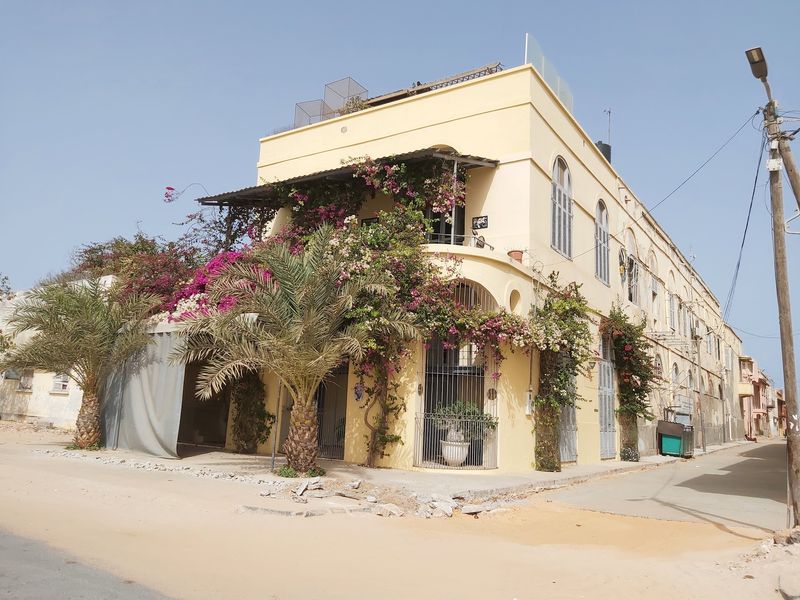
Saint-Louis occupies a narrow island positioned between two arms of the Senegal River near the Atlantic coast. French colonists established a settlement here in the 17th century, and over time it grew into one of the most important cities in West Africa.
At various points in its history, Saint-Louis served as the capital of both Senegal and French West Africa.
The island’s layout reflects its colonial origins clearly. A regular street grid, quays along the riverbanks, and rows of two-story buildings with shuttered windows and iron balconies give Saint-Louis a character unlike almost anywhere else on the continent.
The Faidherbe Bridge, a 19th-century iron structure, connects the island to the mainland and remains one of the city’s most recognized landmarks.
UNESCO awarded World Heritage status to the Island of Saint-Louis in 2000, citing its urban architecture and historical significance. The city remains active today, with a fishing community, markets, hotels, and a growing cultural scene that makes it one of Senegal’s most compelling travel destinations.
Strasbourg, France
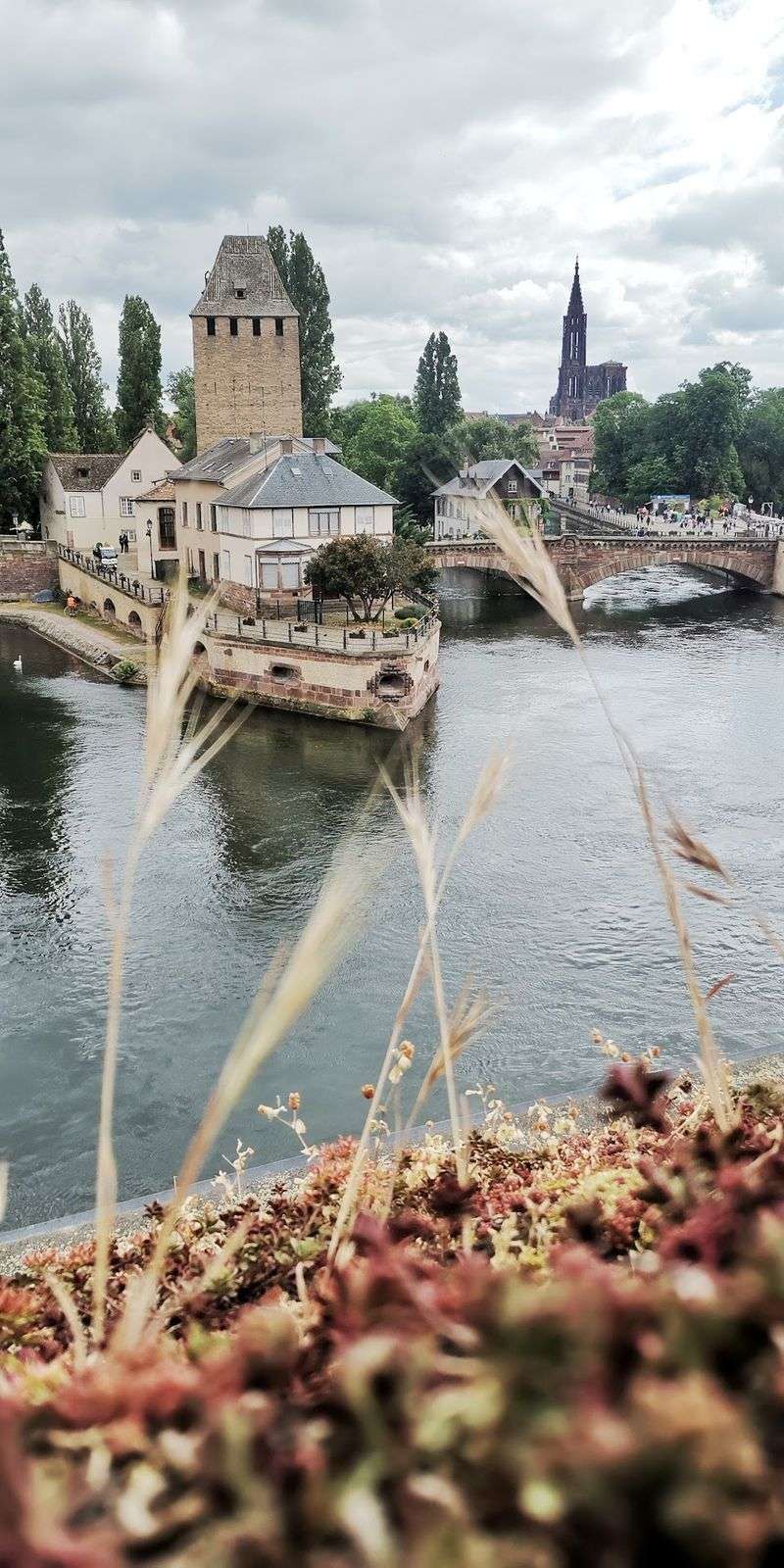
Strasbourg’s historic core, known as the Grande Ile, sits on an island formed by the Ill River and the Canal du Faux-Rempart. This island became the foundation of one of Europe’s great medieval cities, and its skyline is still anchored by the Strasbourg Cathedral, whose single completed tower was the tallest structure in the world for over two centuries.
UNESCO recognized the Grande Ile as a World Heritage Site in 1988, making Strasbourg one of the earliest French cities to receive that designation for its urban center. The district contains not just the cathedral but also Place Kléber, the Petite France quarter with its timber-framed houses and canals, historic churches, museums, and a lively mix of shops and restaurants.
As both a French city and the seat of several major European institutions, Strasbourg carries a dual identity that adds an extra layer of interest for visitors. The island is walkable and well-served by public transit, making it one of the most accessible UNESCO sites in France.
Lübeck, Germany
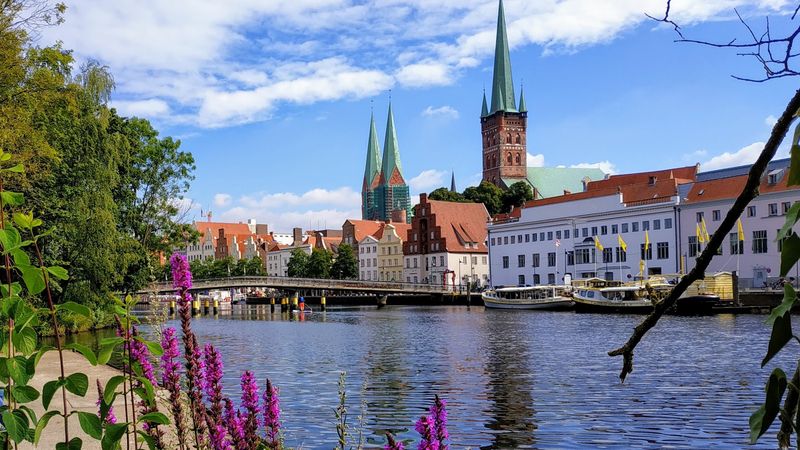
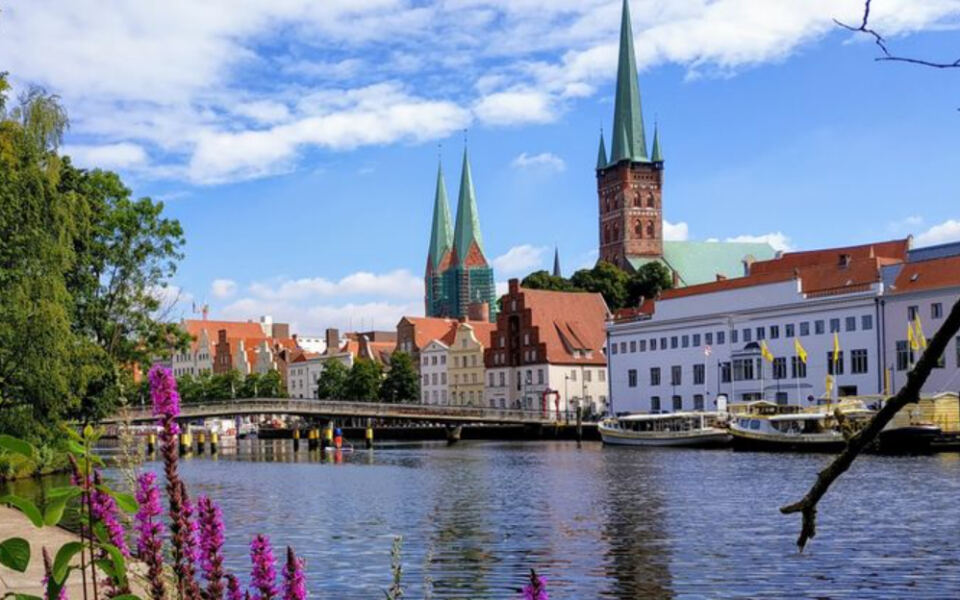
Lübeck’s Old Town sits on an oval island ringed by the Trave River and a connected waterway system. During the medieval period, this geographic arrangement helped make the city one of the most powerful trading hubs in northern Europe.
Lübeck was the founding city of the Hanseatic League, a commercial alliance that shaped trade across the Baltic region for centuries.
UNESCO recognized Lübeck’s Old Town island in 1987, specifically noting the city’s street plan and its collection of brick Gothic architecture. The seven towers of Lübeck’s churches are visible from a distance and have long served as a navigational landmark for sailors approaching from the water.
The Holstentor, a massive city gate built in the 15th century, is one of Germany’s most iconic historic structures.
Today the island district is genuinely alive with residents, restaurants, independent shops, and cultural institutions. Lübeck is also known as the birthplace of Thomas Mann and as a center for marzipan production, giving visitors both literary and culinary reasons to stop.
Bamberg, Germany
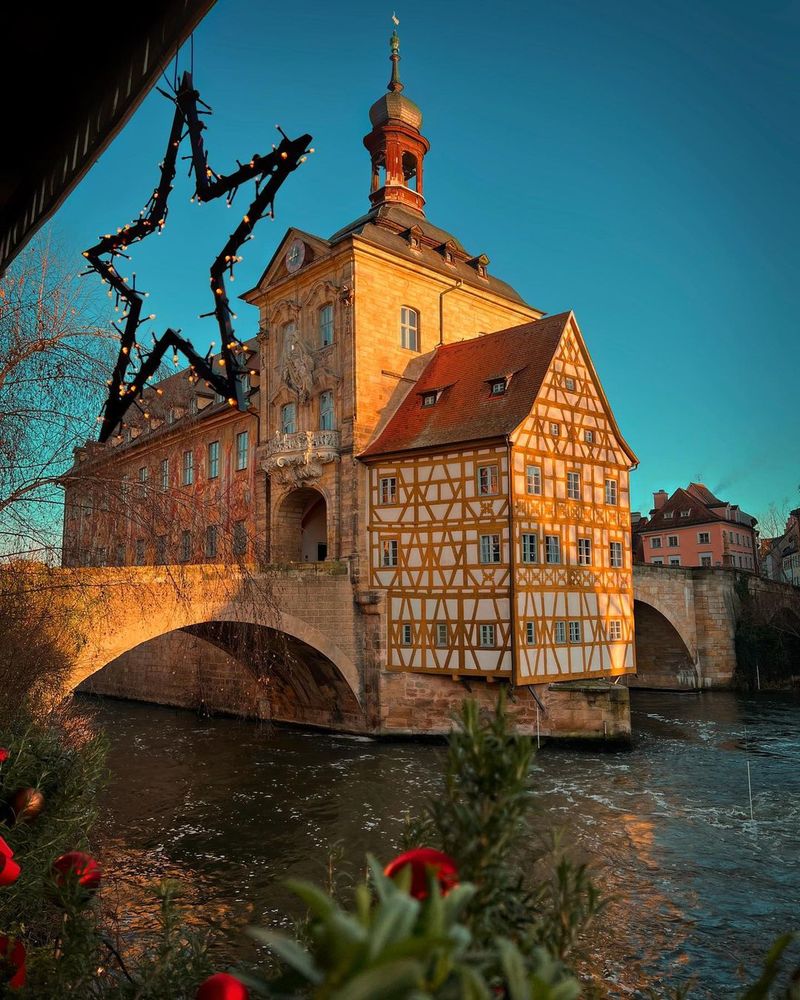
Bamberg is divided into several historic districts, and the one that makes this list is the Inselstadt, which translates directly to Island City. This central section of town occupies land between two branches of the Regnitz River, and it has been the commercial and civic heart of Bamberg for most of the city’s history.
Shops, university buildings, restaurants, and residences fill the streets today.
The most visually striking feature of Bamberg’s river relationship is the Altes Rathaus, or Old Town Hall, which sits on a small artificial island built directly in the Regnitz. The building appears to float between two bridges, and its facades are decorated with elaborate frescoes.
It is one of the most unusual town hall locations in all of Europe.
Bamberg’s entire Old Town received UNESCO World Heritage status in 1993, recognized for its well-preserved medieval and Baroque urban landscape. The city also has a long brewing tradition, with a regional smoked beer style called Rauchbier that has been produced here for centuries and remains a point of local pride.
Paris, France
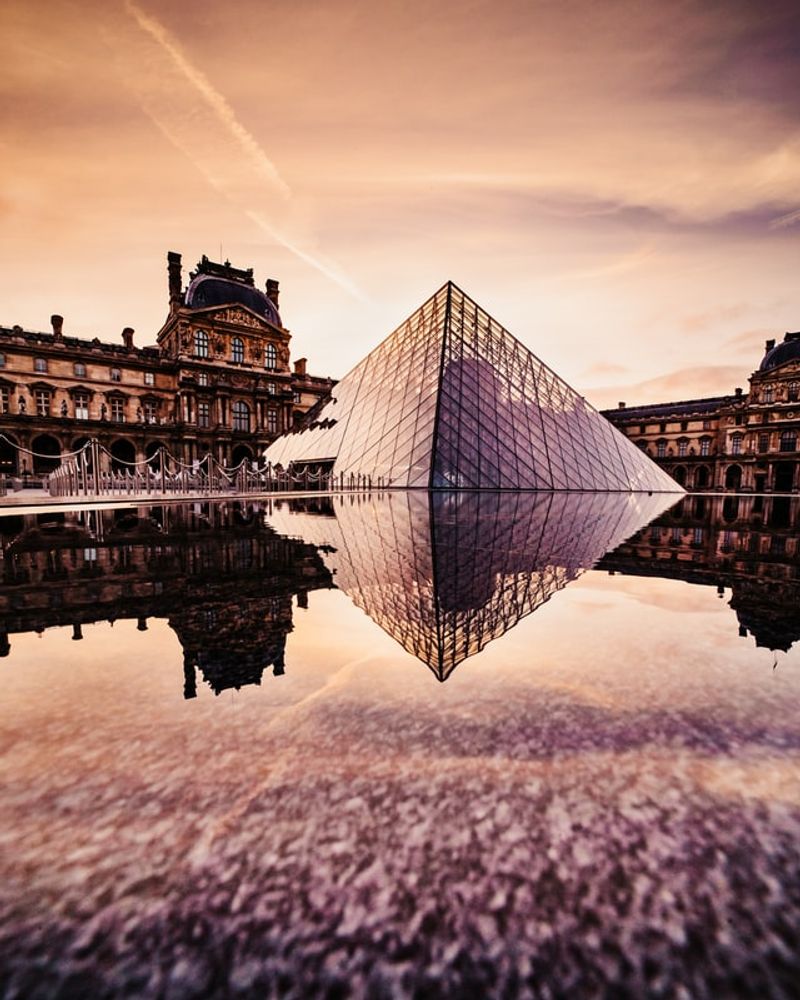
Long before Paris became one of the world’s great capital cities, a small settlement took hold on a river island in the Seine. The Ile de la Cite is widely recognized as the original core of Paris, the place from which the city expanded outward over many centuries.
Paris’s official tourism organization describes it as the oldest part of the city, and the island’s role in French history is nearly impossible to overstate.
Notre-Dame Cathedral, currently undergoing restoration after a 2019 fire, stands at the heart of the island. Sainte-Chapelle, built in the 13th century to house royal relics, is located nearby and is celebrated for its extraordinary stained glass windows.
The Conciergerie, once a royal palace and later a prison, occupies the island’s western end.
The Ile de la Cite remains a functioning neighborhood today, with residences, a flower market, public spaces, and the Palais de Justice. A second island, the Ile Saint-Louis, sits adjacent and is known for its residential character and independent shops.
Cork, Ireland
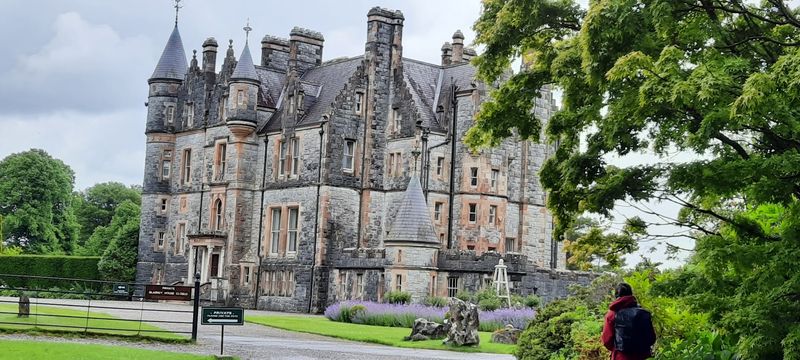
Cork has a geographic foundation that many visitors never fully realize. The city center sits on an island created where the River Lee splits into two separate channels before rejoining farther downstream.
This island setting shaped Cork’s development from its earliest days, and the north and south channels of the Lee remain defining features of the city’s physical layout.
Historical accounts describe the original settlement as having grown on marshy islands within the river, and the modern central business district still occupies that same elevated island ground between the two channels. Bridges connect the island core to surrounding neighborhoods, and the river is visible from many of the city’s main streets.
Cork is Ireland’s second-largest city and carries a confident local identity, with a strong food culture, an important arts scene, and a reputation for independent thinking. The English Market, a covered food market that has operated since 1788, sits within the island city center and remains one of the most visited spots in Cork.
Stadtamhof, Regensburg, Germany
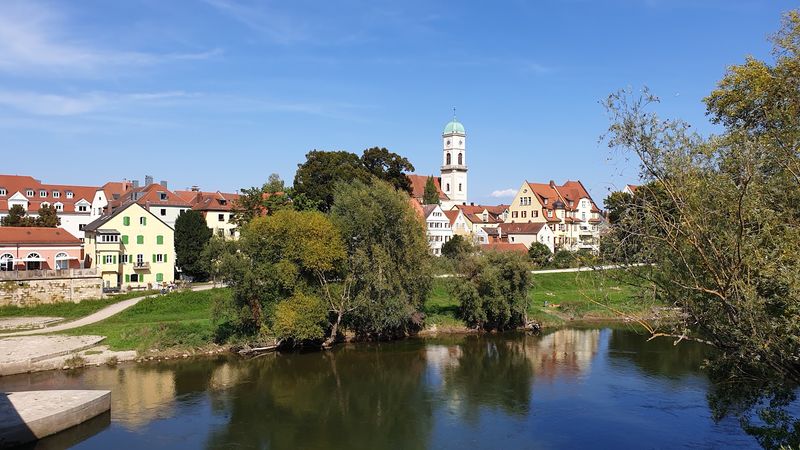
Stadtamhof has a history that runs parallel to Regensburg’s own story, though for most of that history the two were separate communities. The district sits on an island-like stretch of land between branches of the Danube River, directly across the medieval Stone Bridge from Regensburg’s Old Town.
That bridge, built in the 12th century, was the only crossing over the Danube in the region for many years and made Stadtamhof a critical stopping point for travelers and traders.
The town remained an independent Bavarian community until 1924, when it was formally incorporated into Regensburg. Today it functions as a lively residential and commercial neighborhood, with historic buildings, small restaurants, and a distinct character that feels slightly separate from the main city even now.
Regensburg’s Old Town, including Stadtamhof, was designated a UNESCO World Heritage Site in 2006. Visiting Stadtamhof means crossing that ancient stone bridge on foot, which is an experience worth taking slowly.
The views from the bridge looking east and west along the Danube are some of the best in the entire region.
Parintins, Brazil
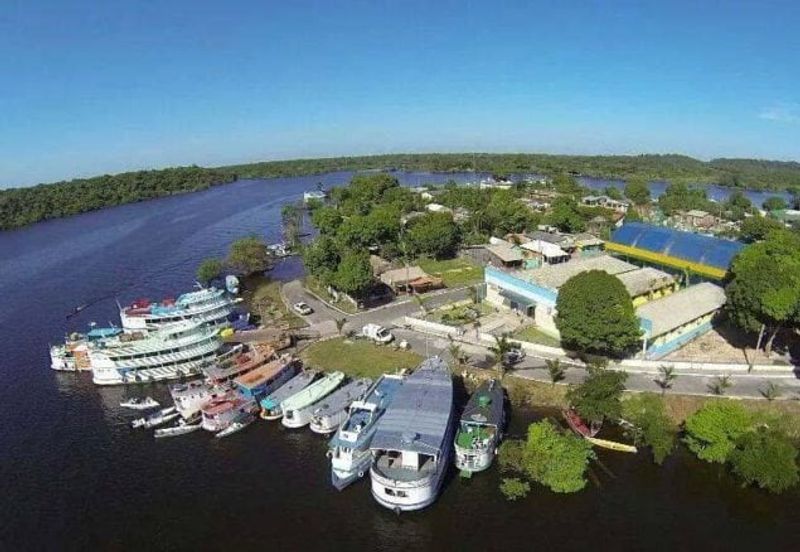
Getting to Parintins already feels like an adventure. This Amazonian city sits on Tupinambarana, a large river island surrounded by channels of the Amazon system in the state of Amazonas.
With a population of over 100,000 people, it is one of the most significant urban centers in a part of Brazil where rivers serve as the primary highways.
Parintins is best known internationally for the Parintins Folklore Festival, held annually in late June. The festival centers on a theatrical competition between two groups, the Garantido and the Caprichoso, each representing a stylized ox called a boi.
The event draws tens of thousands of visitors and is considered one of the largest folk festivals in Brazil.
The city is accessible by riverboat from Manaus, a journey that takes around 18 to 20 hours depending on the vessel, or by a short flight. Amazonas state tourism authorities actively promote Parintins as a destination, and the festival alone has earned the city a place on Brazil’s cultural map that extends well beyond the Amazon region.
Kamalabari, Majuli, India
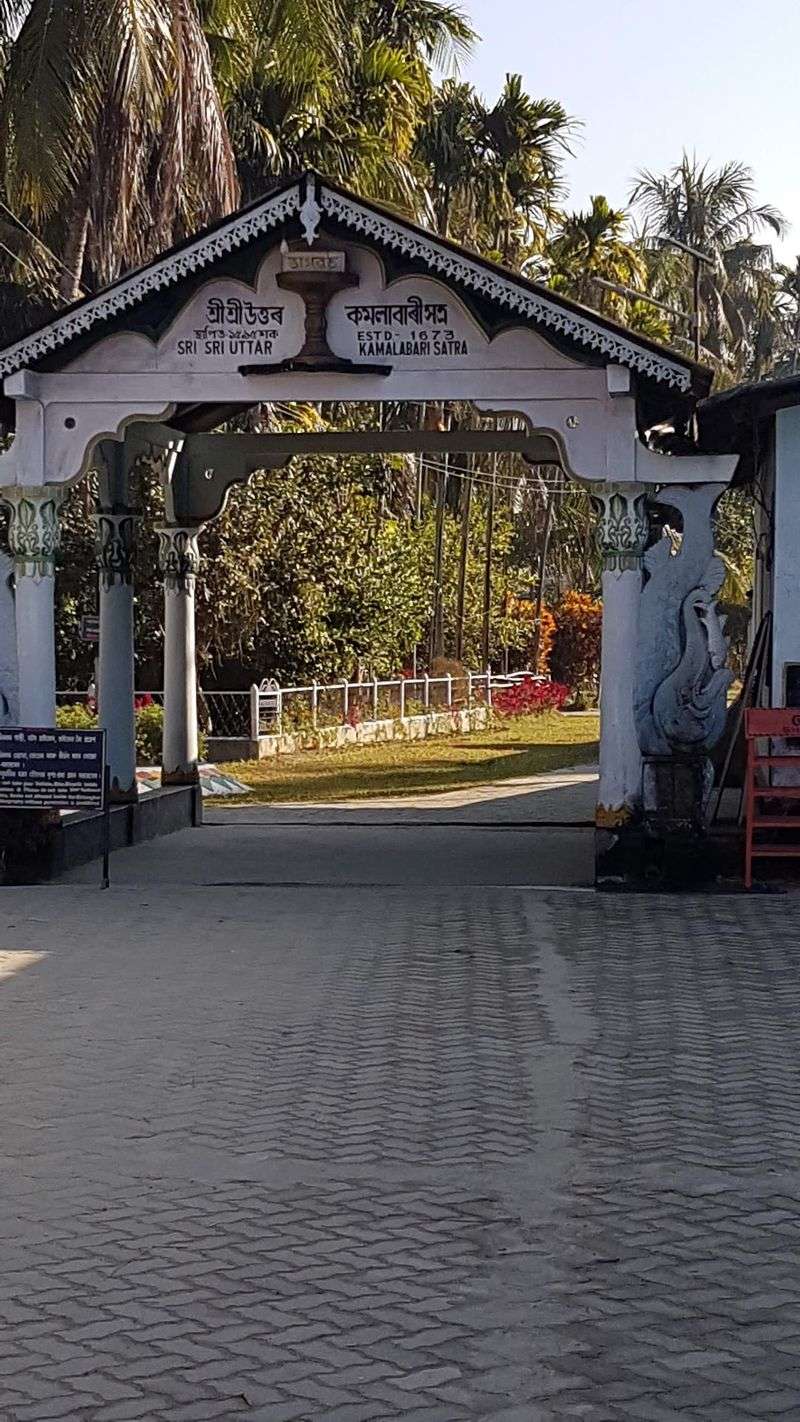
Majuli is one of the largest inhabited river islands in the world, sitting in the Brahmaputra River in Assam, northeastern India. Kamalabari is one of the island’s main semi-urban centers, identified in UNESCO documentation alongside nearby Garamur as a principal settlement on Majuli.
The island is accessible by regular ferry services from Jorhat on the mainland.
Majuli is closely associated with the Vaishnavite satras, which are monastery-like institutions that have been central to Assamese culture and religious life for centuries. Kamalabari Satra is one of the most prominent of these, known for its classical music, dance forms including Sattriya, mask-making traditions, and manuscript collections.
The island’s floodplain landscape changes with the seasons, and the Brahmaputra’s annual floods have gradually reduced Majuli’s landmass over the decades, making visits feel both timely and meaningful. Homestays, cultural performances, and cycling routes across the flat island terrain offer visitors a genuinely immersive experience in one of India’s most distinctive communities.
Garamur, Majuli, India
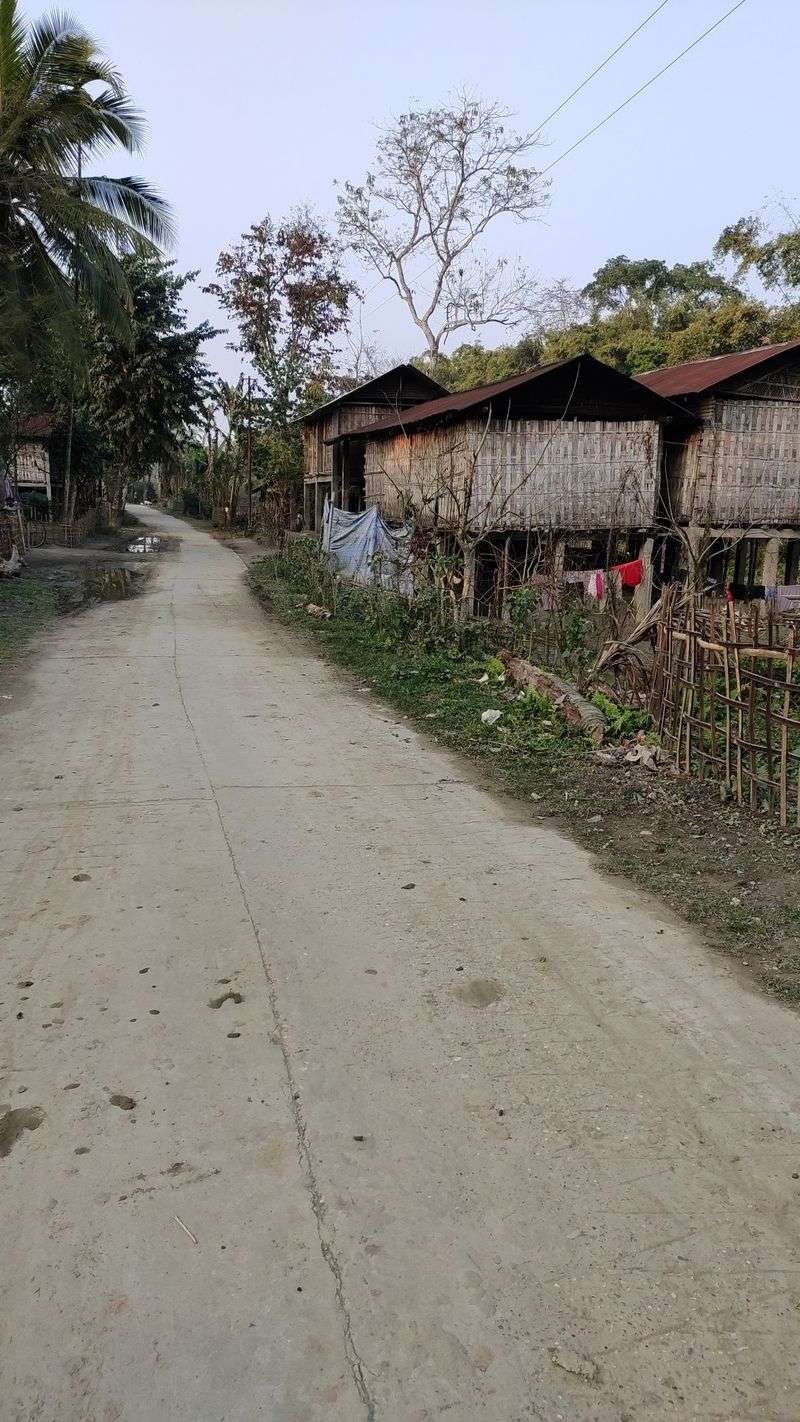
Also on Majuli, Garamur serves a different function from Kamalabari within the island’s community structure. It is one of Majuli’s principal administrative and commercial centers, and it is home to the Garamur Satra, one of the historic Vaishnavite monasteries that give the island its cultural identity.
Assam’s government tourism information continues to include Garamur as a key point of interest for visitors coming to Majuli.
The Garamur Satra has a long tradition of preserving classical Assamese performing arts, including the Sattriya dance form, which UNESCO recognized as an Intangible Cultural Heritage. The monastery’s mask-making tradition, using materials like bamboo and cloth, produces ceremonial masks used in religious performances that visitors can observe during festivals.
Garamur sits within the same broad floodplain landscape as the rest of Majuli, surrounded by wetlands, paddy fields, and channels that shift with the river’s seasonal changes. The two settlements of Kamalabari and Garamur together give visitors a fuller picture of how community life on a large river island actually functions day to day.
Don Det, Laos
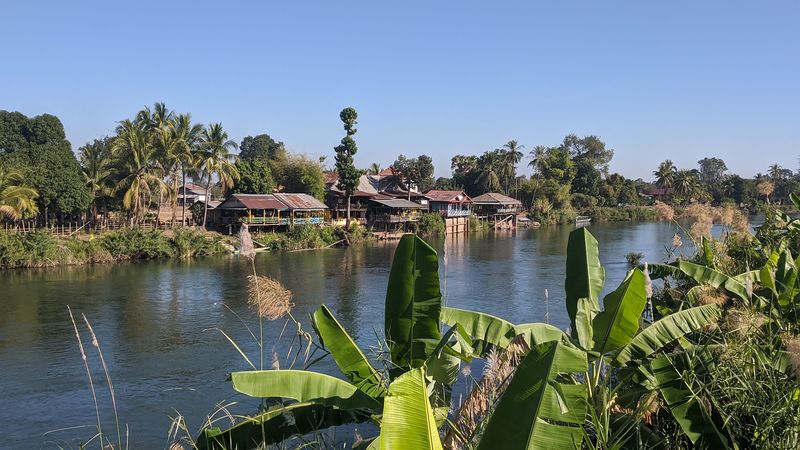
Don Det sits in one of the most visually dramatic stretches of the Mekong River. Located in the Si Phan Don region of southern Laos, an area whose name translates to “Four Thousand Islands,” Don Det is a populated island with homes, guesthouses, farms, and small restaurants spread across its flat terrain.
The Mekong here is extraordinarily wide, broken into countless channels by a web of islands and sandbars.
What gives Don Det an unexpectedly layered history is a narrow-gauge railway that once connected it to the neighboring island of Don Khon. Built during the French colonial period to move goods around the Khone Phapheng waterfalls, the railway was eventually abandoned, and remnants of the old infrastructure, including a locomotive, still sit on Don Khon today.
The island attracts travelers who want a slow pace and direct river access. Cycling between villages, watching the Mekong at sunrise, and spotting the rare Irrawaddy dolphins in nearby channels are among the most commonly noted experiences.
Don Det is a small island with a genuinely unusual story behind it.
Share this story