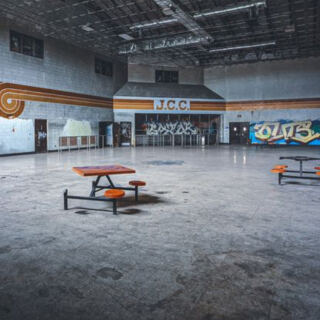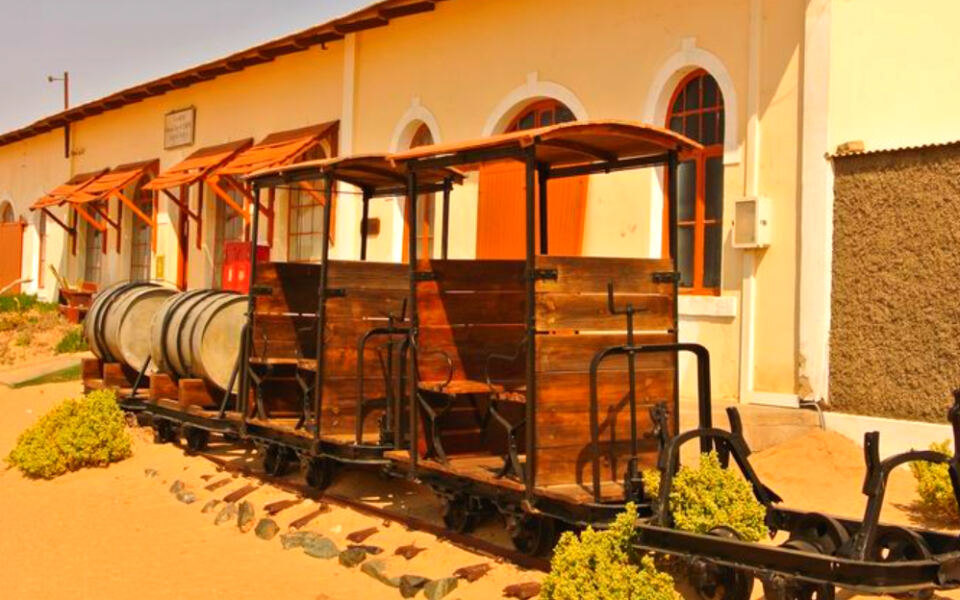
Some places refuse to be forgotten, even after the last resident has packed up and left. Around the world, entire villages sit empty, their streets intact, their buildings slowly returning to nature or standing defiantly against time.
A few were cleared out by war, others by economic collapse, natural disasters, or political decisions made by people far away. What makes these places so fascinating is not just the mystery of their emptiness, but the very human stories they carry inside crumbling walls and roofless churches.
Explorers, historians, photographers, and curious travelers keep making the journey to these places, drawn in by a question that never quite gets answered: what really happened here? The 13 villages ahead each have a story worth knowing, and more than a few of them have details that will genuinely surprise you.
1. Kayaköy, Fethiye, Muğla, Türkiye
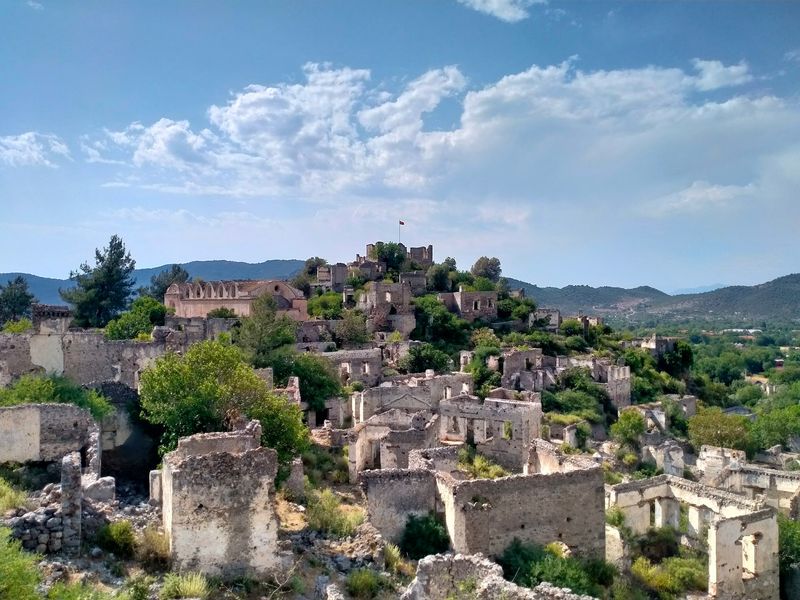
At its peak, Kayaköy was home to as many as 20,000 people, making its current silence all the more striking. Known in ancient times as Karmylessos and later as Leivissi, this was a thriving Greek Orthodox community that had existed on these hillsides for centuries.
The 1923 Treaty of Lausanne changed everything. A compulsory population exchange between Greece and Turkey forced all Orthodox Christians in Turkey to relocate, and the families who had built these terraced stone houses were among those compelled to leave.
Turkish Muslim settlers who arrived afterward found the remote location and the unfamiliar building style difficult to adapt to, and they eventually departed as well. A damaging earthquake in 1957 sealed the village’s fate as a permanent ruin.
Today, roughly 350 to 500 roofless stone houses, two large Greek Orthodox churches, and several smaller chapels remain open to visitors year-round as a protected open-air museum.
2. Houtouwan, Shengshan Island, Zhejiang, China
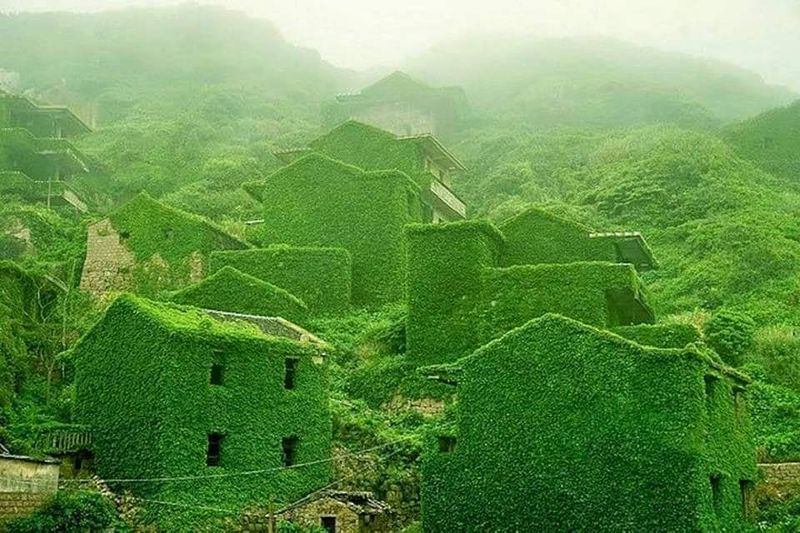
Nobody planned for Houtouwan to become one of China’s most photographed places. The village simply emptied out as fishing families relocated in search of better schools, easier transportation links, and broader economic opportunities during the 1990s and early 2000s.
With the residents gone, subtropical vegetation took over with remarkable efficiency. Vines now blanket entire building facades, creep through window openings, and spread across rooftops so thoroughly that some structures are barely visible beneath the green coverage.
The result is a settlement that looks less like an abandoned town and more like an architectural experiment in coexistence between concrete and nature. Aerial photographs of Houtouwan regularly circulate online, drawing visitors to Shengshan Island who make the ferry journey specifically to see it.
A small number of elderly residents chose to remain, and a handful of basic visitor facilities have developed near the site to accommodate the growing tourist interest.
3. Pueblo Viejo de Belchite, Belchite, Zaragoza, Spain
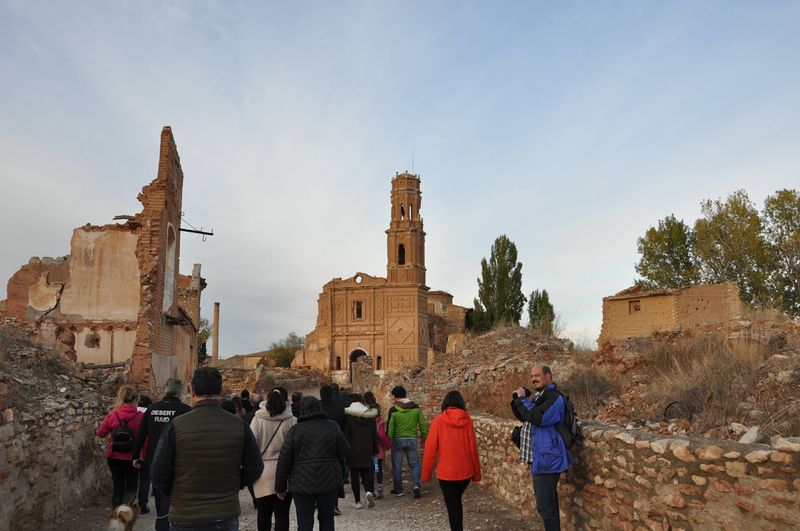
Old Belchite was not simply abandoned. It was deliberately preserved as a ruin, left standing beside its modern replacement town as a permanent record of what happened during the Spanish Civil War.
The Battle of Belchite in 1937 was one of the conflict’s most destructive engagements. Republican and Nationalist forces fought street by street through the town, and the damage left behind was so extensive that rebuilding the original settlement was never seriously pursued.
General Franco ordered a new town constructed nearby, and the ruined streets of the old village were kept largely untouched. Church towers with collapsed walls, roofless homes, a damaged convent, and crumbling stone archways remain visible along the old streets today.
Guided tours operate during both daytime and evening hours, with nighttime visits drawing travelers interested in the history and the atmosphere of walking through a settlement that has not been cleared or restored since the 1930s.
4. Humberstone, Pozo Almonte, Tarapacá, Chile
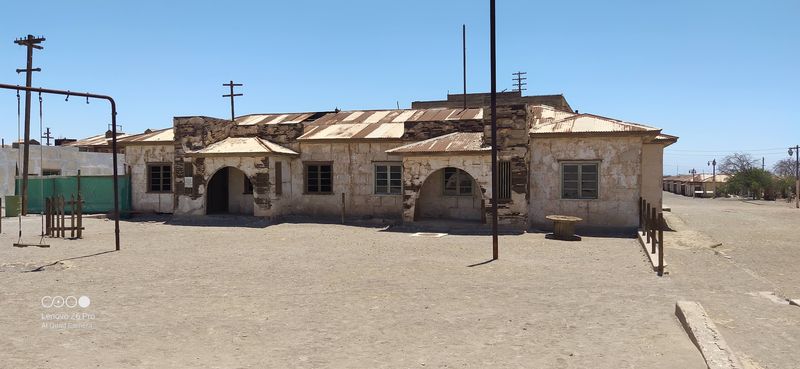
Humberstone sits in one of the driest places on earth, the Atacama Desert, where almost nothing decays quickly. That extreme aridity is a big reason why this former nitrate-processing town has survived in such good condition since it was abandoned in 1960.
During the late 19th and early 20th centuries, saltpeter mined from the Atacama region was a globally traded commodity used in fertilizers and explosives. Humberstone and dozens of similar company towns, called oficinas, housed thousands of workers and their families in an isolated but surprisingly self-sufficient world.
The site includes a theater, a swimming pool constructed from a ship hull, worker housing, a company store, and industrial processing equipment. Together with neighboring Santa Laura, Humberstone was designated a UNESCO World Heritage Site in 2005.
Visiting today means walking through a place where the physical environment has preserved an entire social and industrial system that would otherwise exist only in photographs and records.
5. Bodie, Mono County, California
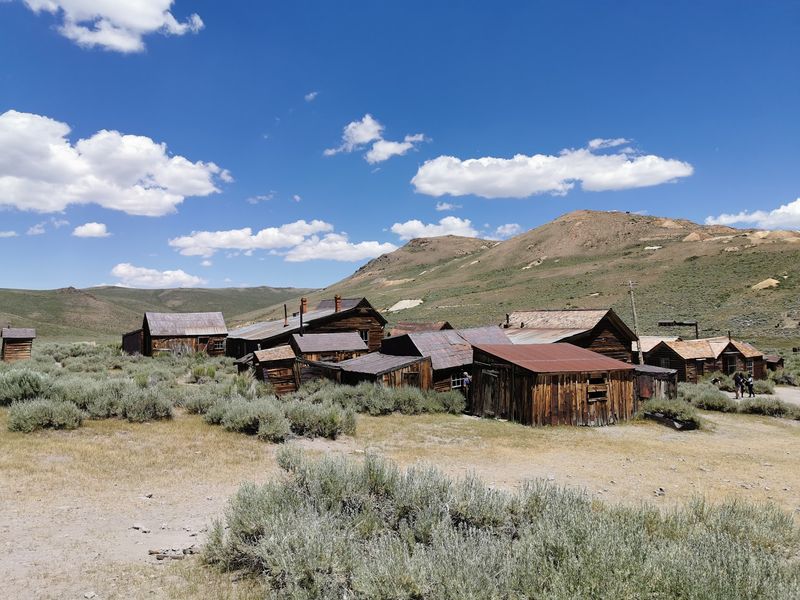
Gold was discovered near Bodie in 1859, but the real boom came later. By 1879 the town had swelled to around 10,000 residents, complete with dozens of saloons, a red-light district, a Chinatown, and a reputation as one of the roughest communities in the American West.
The mines eventually ran out of profitable ore, and by the early 20th century Bodie’s population had collapsed. A fire in 1932 destroyed much of what remained, but more than 100 buildings survived and were later protected under California State Parks management.
The preservation philosophy here is deliberate and specific. Rather than restoring the buildings to a polished historical condition, the park maintains them in a state of “arrested decay,” meaning they are stabilized to prevent further deterioration but not renovated to look new.
The result is one of the most authentic ghost town experiences in the United States, open to visitors year-round, with winter access sometimes requiring snowshoes.
6. Kennecott, Wrangell-St. Elias National Park and Preserve, Alaska
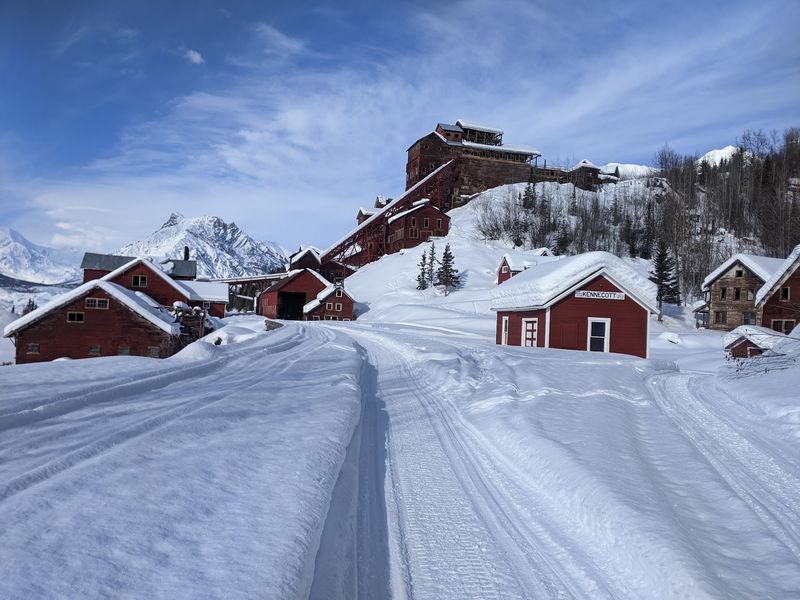
The red buildings of Kennecott are hard to miss, even in a landscape as vast as Wrangell-St. Elias. Towering wooden structures painted in a distinctive barn red rise from the rocky terrain, making the former copper-mining complex look almost theatrical against the surrounding glaciers and peaks.
Kennecott was not a modest operation. Between 1903 and 1938, the mines here produced more than 4.6 million tons of copper ore, making this one of the most profitable mining operations in American history.
A private railroad connected the remote site to the port of Cordova, a logistical achievement that was remarkable for its time.
When copper prices fell and the richest ore deposits were exhausted, the company closed the operation and workers departed within days in November 1938. The buildings were largely left as they stood.
The National Park Service now manages the site, and guided tours of the mill building are available during the summer season for visitors who make the long drive in on the unpaved McCarthy Road.
7. Pyramiden, Spitsbergen, Svalbard, Norway
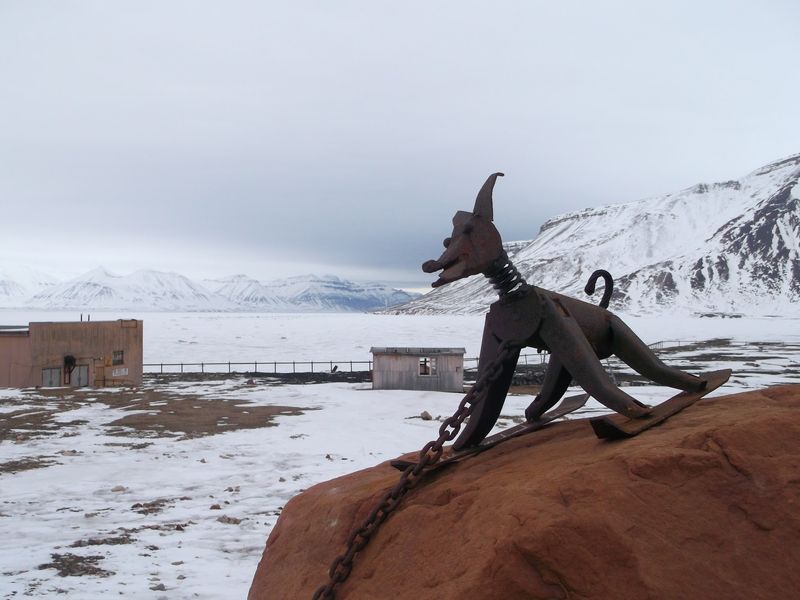
There are not many places in the world where you can find a bust of Lenin standing in the high Arctic, but Pyramiden is one of them. This former Soviet coal-mining settlement on Spitsbergen island was established by Sweden and sold to the Soviet Union in 1927, operating as a functioning community for decades.
At its 1980s peak, more than 1,000 people lived here, supported by a cultural center, a sports hall, a heated greenhouse, and apartment blocks designed to maintain a reasonable quality of life at 78 degrees north latitude.
Mining operations ended in 1998, and the settlement was evacuated with remarkable speed. Much of what was left behind, including furniture, books, and equipment, remained in place due to the cost and logistical difficulty of removal.
Svalbard’s cold climate slowed deterioration significantly. Today, guided boat tours from Longyearbyen bring visitors to explore the buildings and take in the extraordinary Arctic backdrop.
8. Garnet Ghost Town, Drummond, Montana
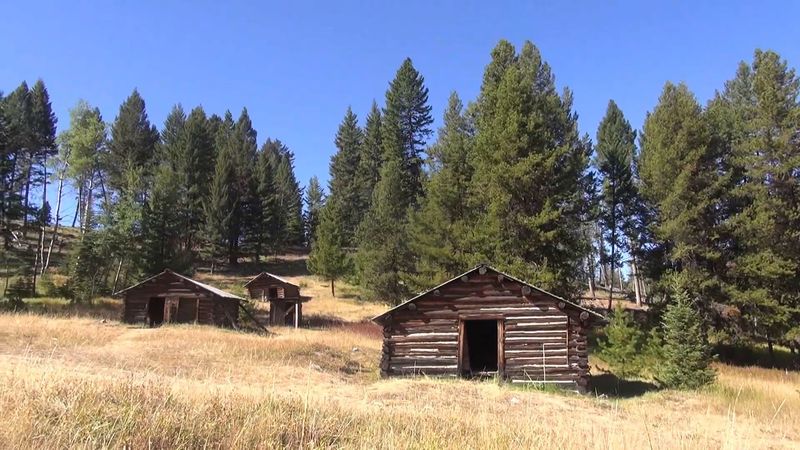
Tucked into the Garnet Mountain range east of Missoula, this former gold-mining settlement went through multiple boom-and-bust cycles before finally going quiet. The first significant activity came in the 1860s, with a later revival in the 1930s when gold prices rose during the Great Depression bringing a brief second chapter of activity.
At its busiest, Garnet had around 1,000 residents, a hotel, saloons, a school, and enough commercial activity to support daily life in a remote mountain location. When the gold ran out for the last time, people left quickly and the forest began moving back in.
Around 30 historic structures survive today, including cabins, a hotel shell, a blacksmith shop, and various commercial buildings. The Bureau of Land Management oversees the site and keeps it accessible to visitors during summer months.
Winter access via snowmobile is also possible, giving Garnet a distinctly different character depending on the season in which you choose to visit.
9. Craco, Matera, Basilicata, Italy
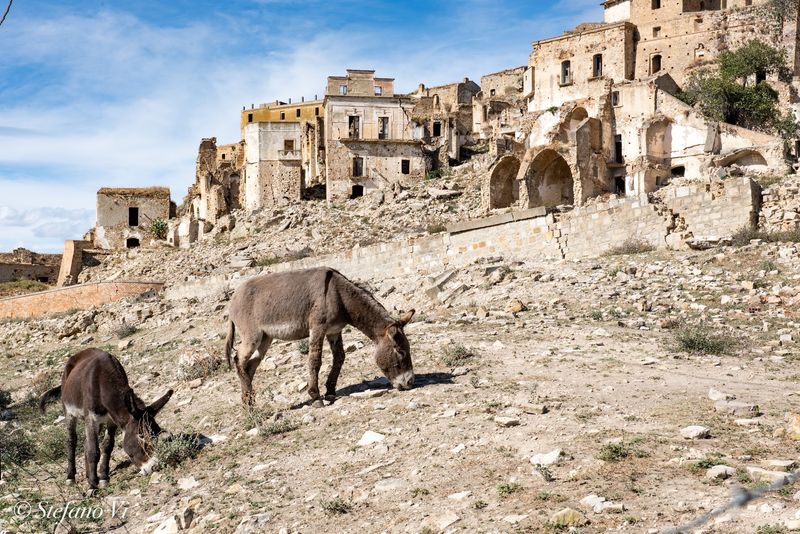
Craco did not collapse overnight. Its departure was a slow, reluctant one, driven by a major landslide in 1963 that made the historic center too unstable for continued habitation, pushing residents down the hill to a new settlement built on safer ground.
What they left behind was a medieval time capsule. Crumbling palaces, a prominent church tower, stone houses stacked tightly together, and narrow lanes that still follow the same paths they did centuries ago all remain largely intact.
Filmmakers noticed quickly. Craco has appeared in several international productions, including scenes from the James Bond film “Quantum of Solace,” which brought its dramatic silhouette to global audiences.
Visitors can explore the old town under organized guided conditions, since the structural instability means independent wandering is not permitted. That controlled access has actually helped preserve the ruins rather than accelerate their deterioration.
10. Oradour-sur-Glane, Haute-Vienne, France
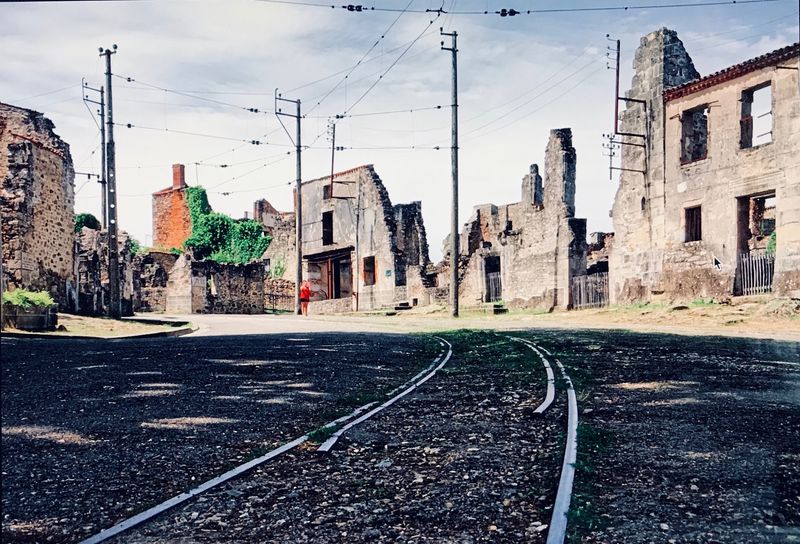
Oradour-sur-Glane is the only village on this list where the reason for its abandonment was a deliberate act of violence against civilians. On June 10, 1944, four days after D-Day, a Waffen-SS unit surrounded the village, gathered the population, and carried out a massacre that ended with 642 people losing their lives and the village burning.
The French government made a deliberate decision after the war to preserve the ruins exactly as they were, as a permanent memorial and a place of national remembrance. A new Oradour was built nearby, but the old village was never cleared or rebuilt.
Visitors today walk through streets where rusted car frames still sit in front of roofless stone houses, and the damaged church where many of the village’s women and children were gathered still stands at the center of the ruins.
A visitor center and underground memorial museum opened in 1999, providing historical context before visitors enter the preserved ruins through a formal entrance.
11. Kolmanskop, Lüderitz, ǁKaras Region, Namibia
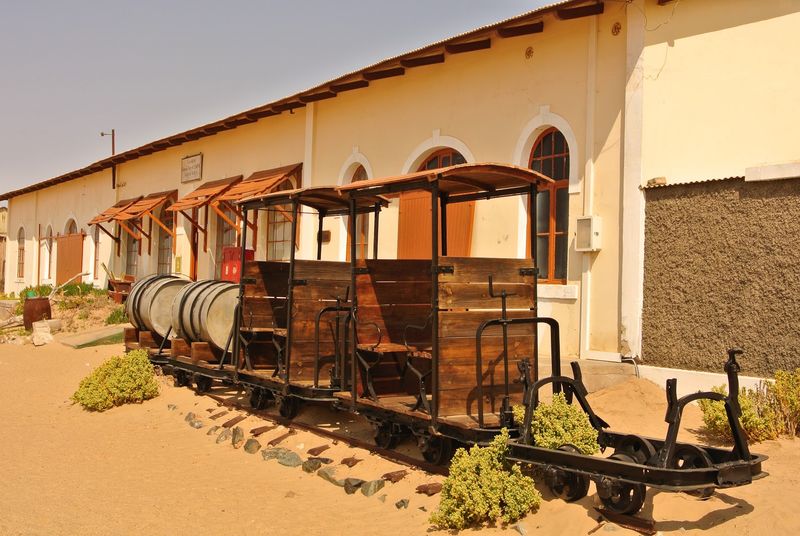
Kolmanskop has one of the more dramatic origin stories among the world’s ghost towns. A railway worker named Zacharias Lewala reportedly found a diamond in the sand in 1908, setting off a rush that rapidly transformed this Namib Desert location into a prosperous mining settlement.
At its peak, the town had a hospital, a ballroom, a power station, a school, and European-style homes complete with furnished interiors. The wealth generated here was extraordinary by the standards of colonial-era southern Africa.
When richer diamond deposits were discovered further south near Oranjemund in the 1920s, the population began drifting away. By 1956, Kolmanskop was officially abandoned, and the Namib Desert began its patient reclamation of the buildings.
Sand has now filled many of the former homes to window height, creating a surreal contrast between faded domestic interiors and the encroaching dunes. Organized morning tours operate from Lüderitz with entry permits required.
12. Pentedattilo, Melito di Porto Salvo, Calabria, Italy
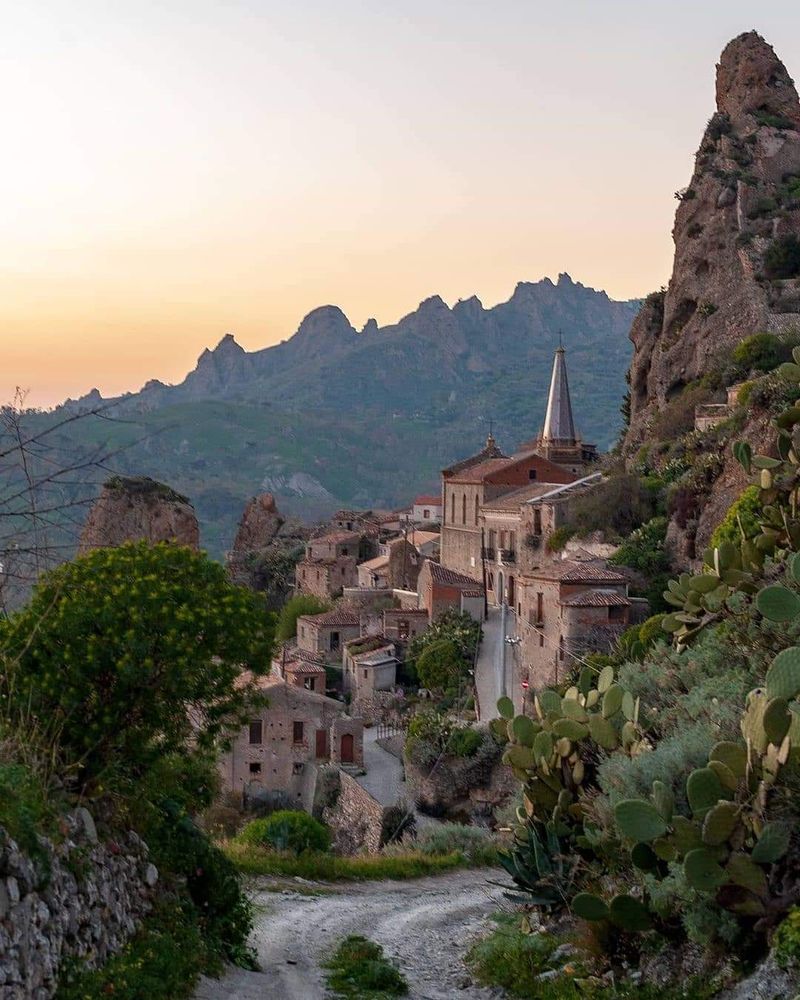
The rock formation above Pentedattilo is so distinctive that the village was named after it. The five jagged peaks rising from the Calabrian landscape inspired the name, which comes from the Greek words for “five fingers,” and the settlement built beneath them has been drawing curious visitors for decades.
A combination of earthquakes, economic hardship, and the general migration away from remote mountain communities left Pentedattilo largely empty through much of the 20th century. By the 1960s and 1970s, it had earned a reputation as one of Calabria’s most picturesque ghost villages.
The story has developed an interesting second chapter, however. Artists, volunteers, and cultural organizations began arriving to restore buildings and organize events, gradually bringing a new kind of life to the old stone streets.
A summer arts festival now draws visitors annually.
Today, Pentedattilo sits in an unusual middle ground between abandoned village and active community, making it one of the more complicated and hopeful entries on this list.
13. Hashima Island, Nagasaki, Japan
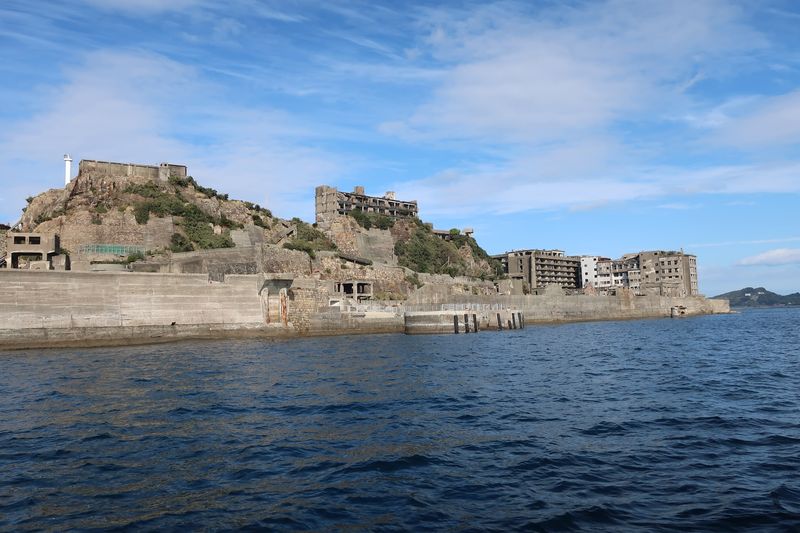
Seen from a passing boat, Hashima Island looks less like a residential community and more like a fortress built at the edge of the sea. The island’s dense cluster of concrete apartment buildings, surrounded on all sides by high seawalls, earned it the nickname Gunkanjima, or Battleship Island, because the overall shape resembles a warship.
Coal mining began here in 1890, and the Mitsubishi company eventually developed the island into one of the most densely populated places on earth. At its peak in 1959, around 5,259 people lived on an island measuring just 480 meters long and 160 meters wide.
When petroleum replaced coal as Japan’s primary energy source, the mine became economically unviable. It closed in January 1974, and the entire population departed within three months.
The island remained off-limits to the public for decades before guided boat tours were permitted starting in 2009. The Hashima Coal Mine is now part of the UNESCO-listed Sites of Japan’s Meiji Industrial Revolution, recognized in 2015.
Share this story