Most people assume that living well costs a fortune, but the truth is that your zip code matters more than your budget. A comfortable apartment, great restaurants, spa days, and rooftop drinks are genuinely within reach in the right city.
The destinations below prove that an upscale lifestyle is less about spending big and more about spending smart. Pack your bags and prepare to be surprised by how far your money can actually go.
Kuala Lumpur, Malaysia
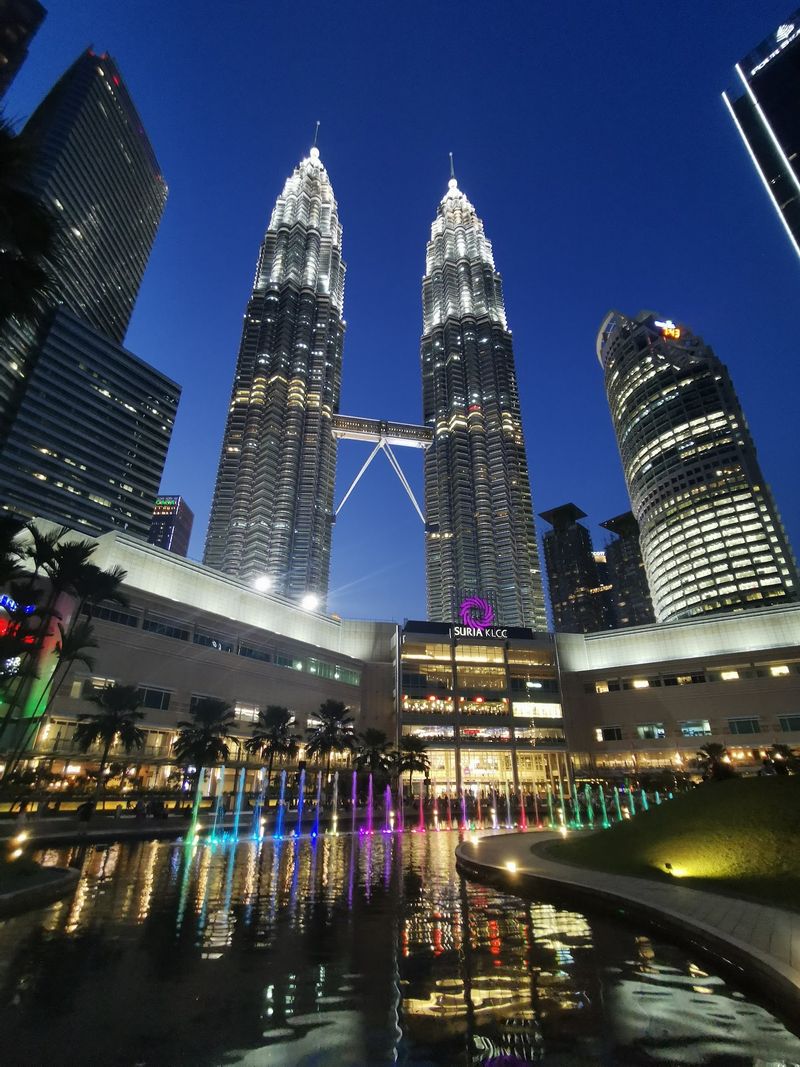
Kuala Lumpur is the kind of city that makes your travel budget feel like a magic trick. Modern high-rise hotels come loaded with rooftop pools, skyline views, and polished lobbies that look like they belong in a much pricier destination.
The Bukit Bintang and KLCC neighborhoods put luxury shopping, rooftop bars, and world-class restaurants right at your doorstep.
Typical daily traveler spending sits around $86 per person, while a higher-end lifestyle averages roughly $264 per day. Compare that with equivalent luxury in London or New York, and the gap is almost comical.
You genuinely get more for less here.
The city rewards selective spenders beautifully. Grab nasi lemak or a bowl of noodles for next to nothing at lunch, then redirect those savings toward cocktails above one of Asia’s most dramatic skylines.
Spa treatments, private taxis, and upscale dinners all stay surprisingly affordable. Kuala Lumpur does not ask you to choose between comfort and budget.
It simply lets you have both, without much negotiation.
Chiang Mai, Thailand

Chiang Mai has quietly built a reputation as one of the most livable cities in Southeast Asia, and the numbers back that up completely. Typical traveler spending hovers around $59 per day, and a higher-end travel style still comes in at roughly $173 per person per day.
In many expensive cities, $173 barely covers one night in an average hotel room.
Here, that same amount can fund a polished boutique hotel, restaurant meals, private transportation, a spa treatment, and a day trip into the surrounding mountains. The old city delivers temples, atmospheric cafes, and traditional markets within easy walking distance.
The hills beyond the city add resorts, waterfalls, and scenic viewpoints that feel genuinely remote.
Northern Thai food makes the whole equation even better. Khao soi, larb, and sai ua sausage from a street market cost almost nothing and taste extraordinary.
Eating locally feels less like a budget compromise and more like a genuine culinary adventure. Add a two-hour traditional massage for a few dollars and you have an afternoon that rivals any five-star wellness experience, at a fraction of the price.
Da Nang, Vietnam
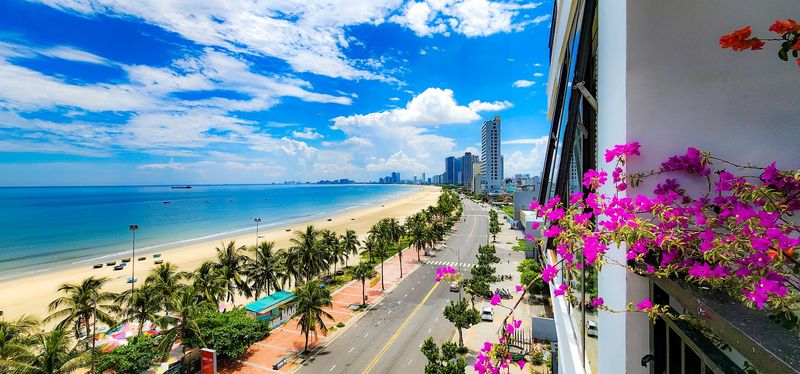
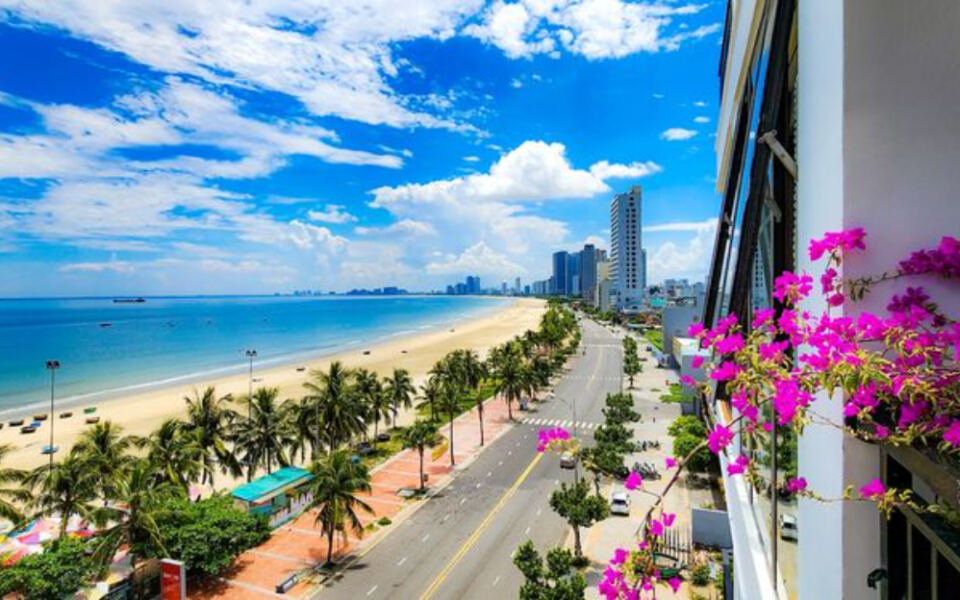
Waking up to the South China Sea outside your window should cost a lot more than it does in Da Nang. This Vietnamese coastal city combines a long sandy beach, modern resort towers, seafood restaurants, and rooftop pools, all at prices that make most beach destinations look overpriced by comparison.
Average daily traveler spending sits at roughly $56 per person.
Typical double rooms average around $37, and even the luxury hotel category in Da Nang often tops out between $91 and $170 per night. That is the kind of number that makes beachfront living feel genuinely accessible rather than aspirational.
Travelers who usually default to basic city hotels can often step up to a proper resort without blowing the whole trip budget.
Da Nang is particularly satisfying for anyone who wants a vacation that looks expensive on camera. Swim before breakfast.
Order fresh seafood for lunch. Book an afternoon spa session.
Watch the Han River bridge light up at night from a rooftop bar. The visual experience reads as premium throughout, while the receipts tell a much friendlier story.
That combination is rare and worth traveling far to find.
Tbilisi, Georgia
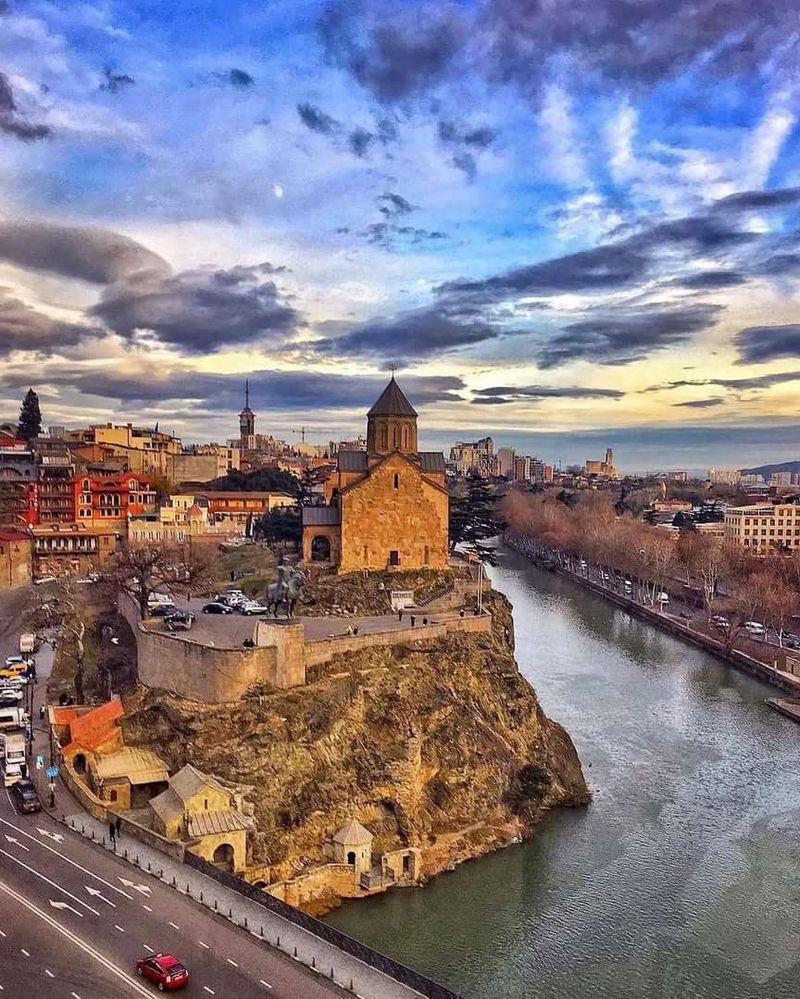
Tbilisi is the kind of city that stops travelers mid-sentence. Old neighborhoods climb hills above the Mtkvari River, carved wooden balconies hang over narrow cobblestone streets, and the famous Abanotubani sulfur bath district offers one of the most atmospheric spa experiences anywhere in the world.
Average daily traveler spending is just $36 per person, which is genuinely remarkable for a European capital.
Even a calculated luxury travel budget for Tbilisi sits around $103 per person per day. That is the price of a modest hotel room in Paris, repackaged as a full upscale day including wine, hearty Georgian food, private bath bookings, and comfortable accommodation.
The math is hard to argue with.
Georgian hospitality culture makes every experience feel generous. Restaurant portions are enormous.
Wine is treated as a staple rather than a splurge, and Georgia has one of the oldest winemaking traditions on the planet. Views from Narikala Fortress or the Mtatsminda cable car are free.
Khinkali dumplings and khachapuri bread cost almost nothing. Tbilisi consistently delivers the feeling of having spent lavishly without the credit card anxiety that usually follows.
Buenos Aires, Argentina

Buenos Aires was built to impress. Grand European-influenced avenues, ornate architecture, leafy plazas, and neighborhoods like Recoleta, Palermo, and San Telmo give the city a cultural weight that most destinations simply cannot match.
The surprising part is how affordable all of it can be for visitors paying in stronger foreign currencies.
Typical daily spending runs around $57 to $59 per person, and the calculated luxury travel budget sits near $113 per day. For a city with this much to offer, that number is striking.
A full vacation here can include prime cuts of Argentine beef, Malbec by the bottle, tango shows, historic cafes, and stylish accommodation, often for less than a basic hotel room costs in major U.S. cities.
One important note: Argentina’s currency has a history of volatility, and prices can shift significantly between booking and travel. Always check current exchange rates and hotel costs close to your departure date rather than relying on older estimates.
When the numbers work in your favor, Buenos Aires rewards you with one of the richest cultural experiences in South America. When they do not, adjust accordingly.
The city is worth the extra research.
Sofia, Bulgaria
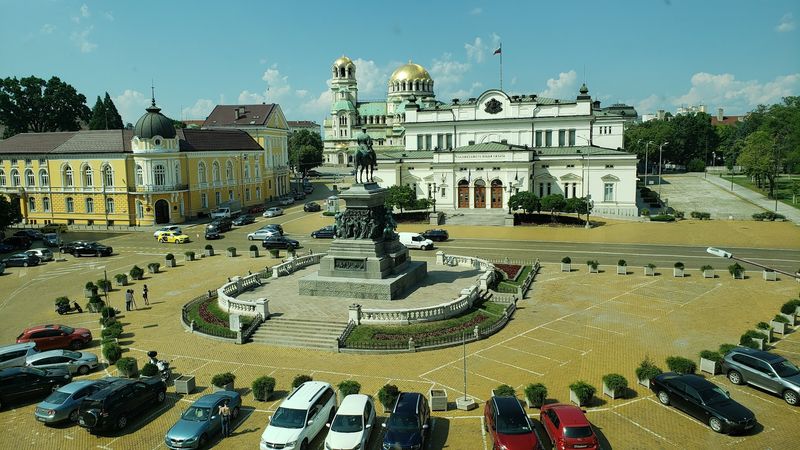
Sofia rarely appears on glossy luxury travel lists, and that is exactly what makes it so good for travelers who care more about experience than status. The Bulgarian capital packs Orthodox cathedrals, Roman ruins, lively parks, a strong cafe culture, and a mountain within city limits into one surprisingly affordable package.
Average daily traveler spending sits around $84 per person.
Off-season hotel rates average roughly $45 per night, and even the luxury hotel tier in Sofia starts around $69. That is the kind of pricing that allows travelers to stay somewhere genuinely comfortable, eat well, and still have a meaningful budget left for mountain day trips or nicer dinners.
The metro and tram network make getting around simple and cheap.
Sofia will not hand you Vienna’s imperial grandeur or Prague’s fairy-tale density. What it offers instead is a full European capital lifestyle, complete with museums, nightlife, markets, and mountain air, at a fraction of what those more famous cities charge.
For travelers who measure value by how well they actually live rather than by the name recognition of the destination, Sofia consistently punches well above its weight class.
Sarajevo, Bosnia and Herzegovina
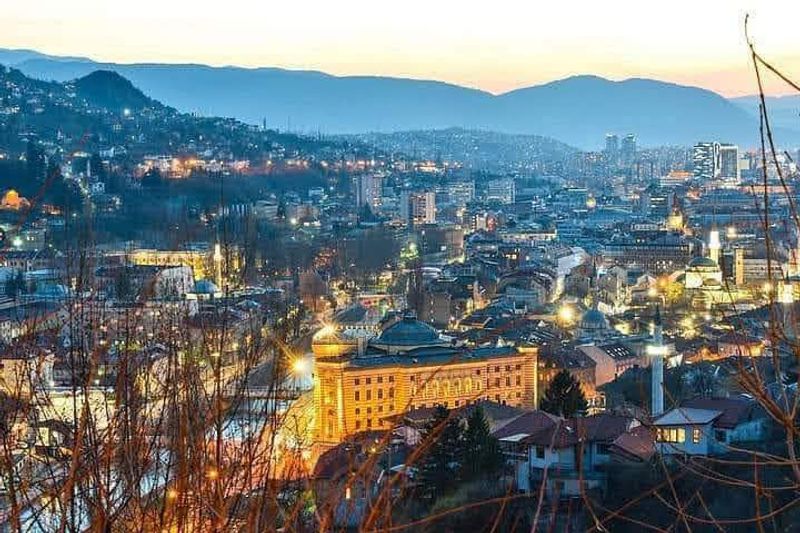
Sarajevo is one of those cities that rewards curiosity. Ottoman-era Bascarsija flows almost seamlessly into Austro-Hungarian streets, creating an atmosphere unlike anywhere else in Europe.
Mountains rise around the city basin on every side, and the combination of historical layers, coffeehouses, and fresh mountain air makes the place feel larger than its size suggests.
Recent traveler data places average spending around $100 per day, with typical double rooms averaging roughly $59. Off-season hotel averages can drop to around $46, which leaves considerable room to upgrade accommodation or spend more freely on food and experiences.
Local transportation costs average under $8 per day, keeping daily logistics genuinely inexpensive.
Some of Sarajevo’s best moments cost very little at all. Walking Bascarsija at dusk, climbing toward the Yellow Fortress for panoramic city views, or sitting with a cup of slow-brewed Bosnian coffee while the call to prayer echoes through the old town are experiences that no price tag could improve.
Sarajevo proves that upscale living is not always about thread counts and tasting menus. Sometimes it simply means having enough budget remaining to stop counting every expense and start actually enjoying the trip.
Marrakech, Morocco
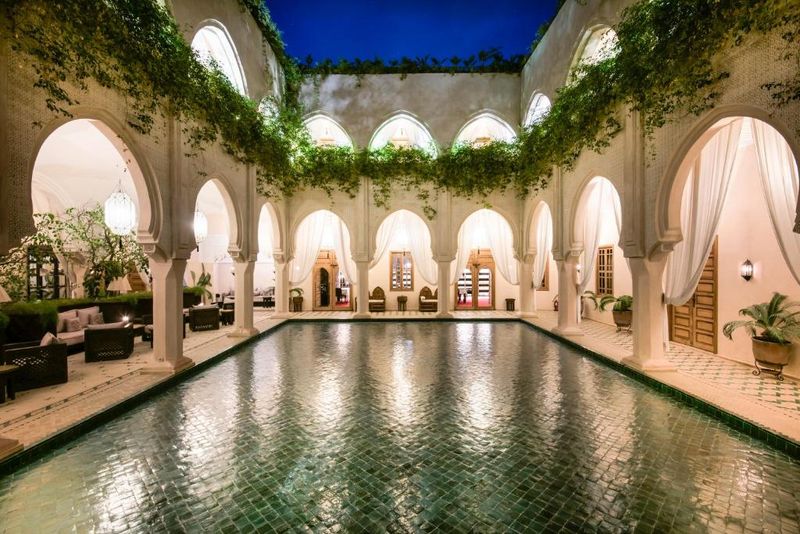
Behind every plain medina wall in Marrakech, there is a very good chance something extraordinary is hiding. Traditional riads open from unassuming doorways into tiled courtyards filled with carved plasterwork, mosaic fountains, rooftop terraces, and sometimes a small private pool.
The visual effect is striking, and it often costs far less than travelers expect.
Average traveler spending runs around $101 per day, with typical double rooms near $115. Off-season hotel averages drop to around $68, making that period a smart window for travelers who want the riad experience without the peak-season premium.
Hammam treatments, rooftop dinners, and guided medina walks add to the atmosphere without necessarily adding much to the bill.
The most effective approach in Marrakech is strategic mixing. Splurge on one beautifully restored riad.
Book a traditional hammam. Have dinner on a terrace overlooking the medina.
Then balance those indulgences with inexpensive street food around Jemaa el-Fna square, where the evening spectacle of musicians, storytellers, and food stalls is completely free to wander through. The city has ultra-luxury resorts that charge accordingly, but travelers who skip those can still access intricate architecture, spas, and genuinely impressive hospitality at a much friendlier price point.
Bangkok, Thailand
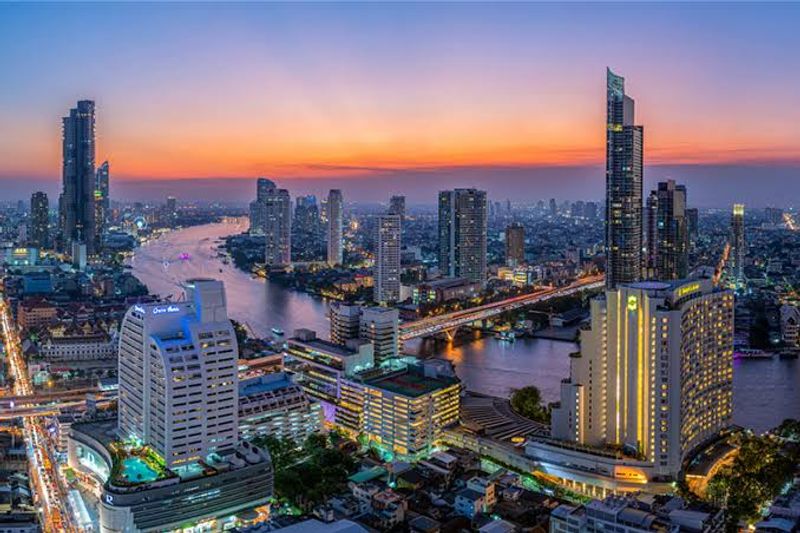
Bangkok has a rare talent for making every budget feel slightly more powerful than it actually is. The city operates across an enormous range, from cheap noodle shops and river ferries to rooftop restaurants, internationally recognized five-star hotels, elaborate spa menus, and some of the best food markets in the world.
The interesting part is how naturally travelers can move between those two worlds in a single day.
Typical visitor spending runs around $99 per day. Average daily food costs are about $34, and local transportation averages just over $6.
The calculated luxury budget is roughly $280 per person per day, which is substantial but still well below what equivalent five-star hospitality costs in cities like Singapore or Tokyo.
Bangkok rewards anyone willing to mix price points thoughtfully. Stay somewhere polished with a good pool.
Use the BTS Skytrain and river boats to get around cheaply. Book a two-hour Thai massage for a few dollars.
Then balance those savings against a proper rooftop dinner with views of the illuminated skyline. The city understands that excellent service and memorable experiences do not always require the most expensive address.
Sometimes the best meal arrives in a bowl from a sidewalk kitchen.
Budapest, Hungary
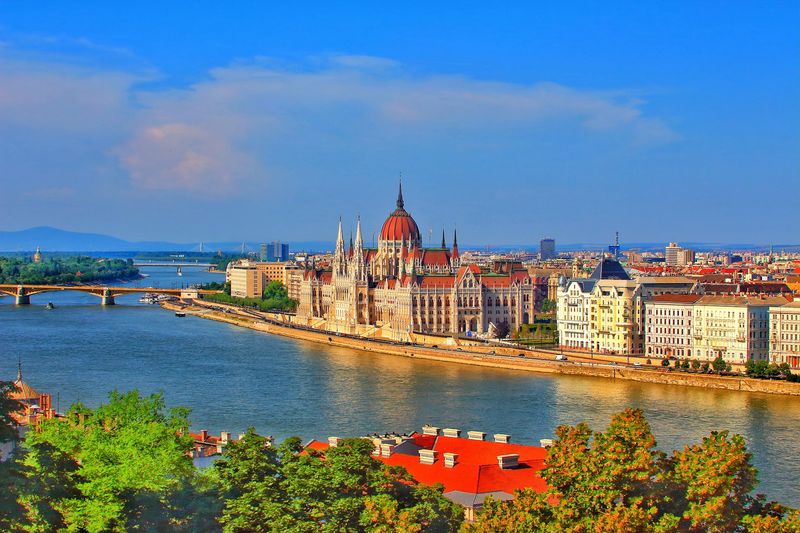
Budapest has a gift for drama. The Danube splits the city between monumental Buda and lively Pest, Parliament glows golden on the riverbank at night, and grand 19th-century architecture fills the streets between thermal baths, ruin bars, and ornate coffee houses.
The city looks like it should cost considerably more than it does, which is one of its most appealing qualities.
Current traveler spending averages around $128 per day, with typical double rooms near $123. Off-season hotel averages fall to roughly $91, compared with around $170 during peak periods.
That gap makes timing one of the most powerful tools a visitor has. Visit outside the busiest summer months and the same budget buys a noticeably better room in a better location.
Redirect those savings toward a long afternoon at Szechenyi or Gellert thermal baths, a dinner cruise on the Danube, or a restaurant with Parliament views. Budapest has grown more expensive than its old bargain reputation suggests, but it remains a long way from London or Paris pricing.
The combination of genuine architectural beauty, thermal culture, excellent food, and manageable costs keeps it firmly on the list of Europe’s most rewarding cities to visit well.
Valencia, Spain
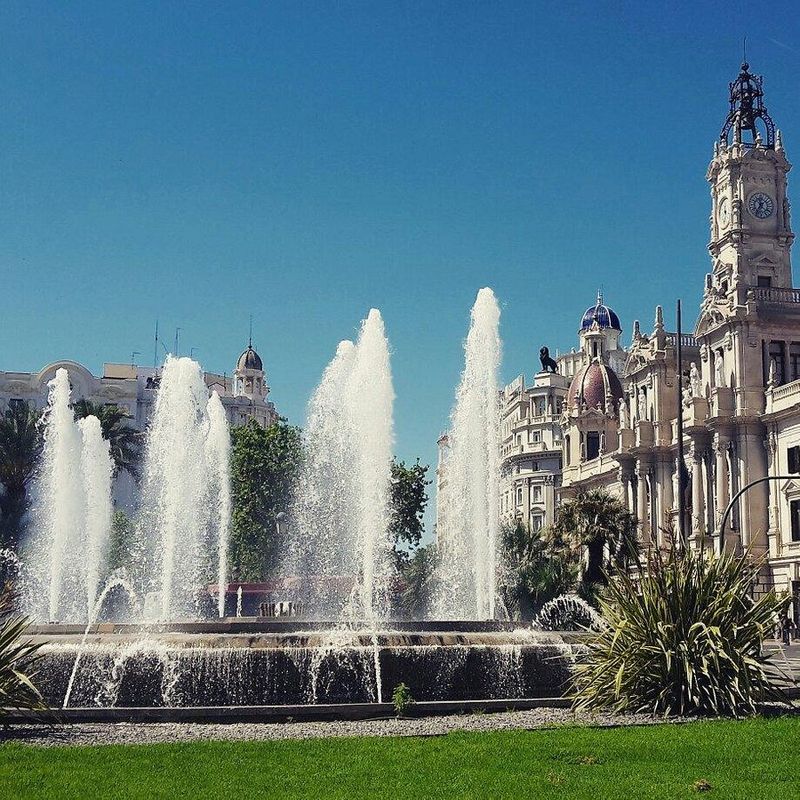
Valencia earns its spot here through lifestyle rather than price tags alone. InterNations ranked the city first overall in its 2024 Expat City Ranking, including top scores for Quality of Life and Personal Finance.
Seventy-seven percent of expats surveyed reported satisfaction with the general cost of living, and 96 percent rated public transportation affordability positively. Those are not small numbers.
Travel prices have risen, particularly during summer. Current visitor spending averages around $177 per day, and peak-season hotel rates reflect the city’s growing popularity.
The better value tends to appear during shoulder seasons, when the weather is still excellent and the crowds have thinned considerably. That timing window is worth planning around.
Valencia delivers beaches, the sprawling Turia Garden, cycling infrastructure, a vibrant food scene anchored by the Central Market, and the futuristic City of Arts and Sciences, all within one walkable, well-connected city. Compared with destinations offering a comparable Mediterranean lifestyle in California, southern France, or coastal Italy, the overall package remains surprisingly attainable.
This version of affordable luxury has nothing to do with marble bathrooms. It is about sunshine, fresh seafood, parks, and enough financial breathing room to actually enjoy all of it without constant mental arithmetic.
Mexico City, Mexico
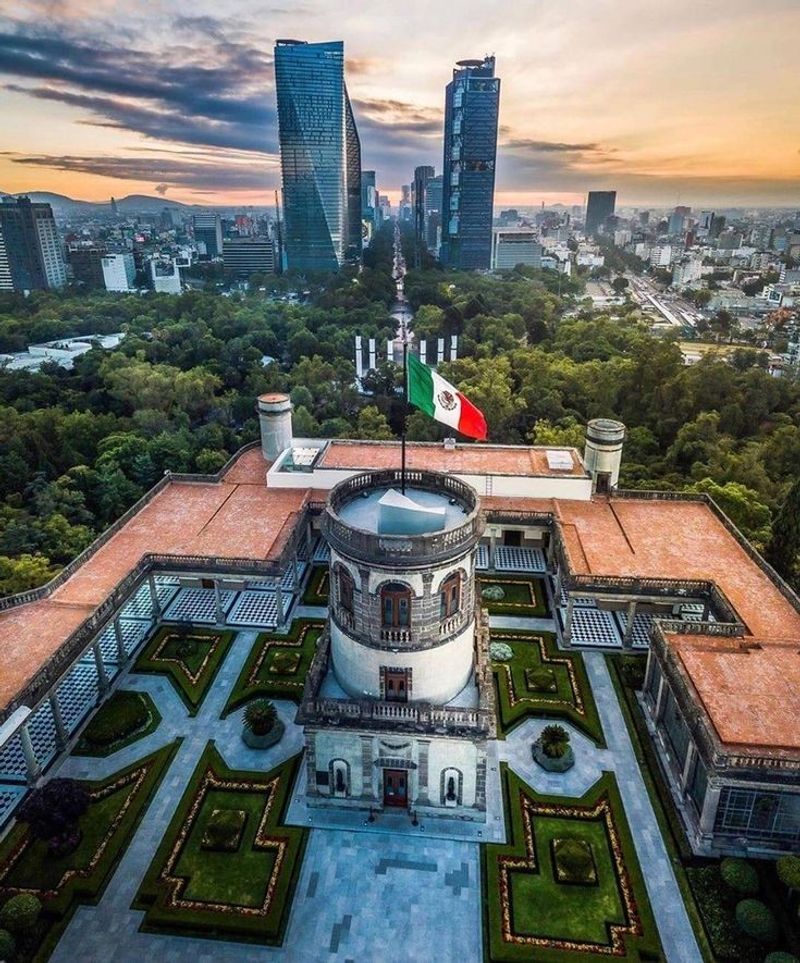
Mexico City has an identity crisis in the best possible way. It can be a budget destination, a foodie pilgrimage, a design lover’s playground, and a world-class cultural capital all at once, depending entirely on how you choose to spend your time there.
The city’s neighborhoods alone, from bohemian Roma to leafy Condesa to polished Polanco, offer wildly different atmospheres within easy distance of each other.
Typical double rooms average around $83, and low-season hotel averages hover near $99. The overall daily spending figure runs higher, around $224 to $231, partly because the city offers so many excellent paid experiences.
Average food spending sits near $47 per day and local transportation around $13, leaving real room to control costs strategically.
The smartest approach here is deliberate contrast. Eat tacos al pastor from a street taco stand for lunch and spend almost nothing.
Visit one of the city’s world-class museums, many of which charge very little. Then use the savings for the tasting-menu dinner or the boutique hotel in Roma Norte that would be painfully expensive in comparable cities elsewhere.
Mexico City is not uniformly cheap, but it is exceptionally good at rewarding travelers who pay attention to where their money actually goes.
Cape Town, South Africa
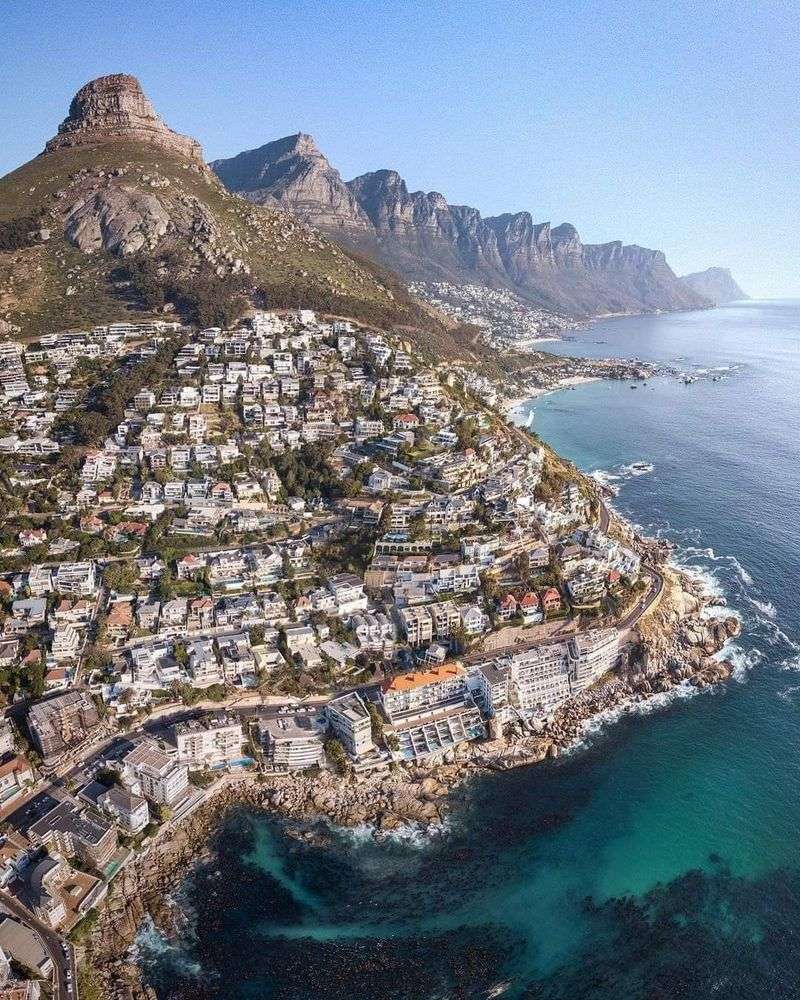
Few cities on earth come with scenery this cinematic built right into the address. Table Mountain rises behind the city center, the Atlantic coastline stretches south toward the Cape Peninsula, and the Cape Winelands sit within comfortable day-trip range.
Cape Town looks like a destination that should command premium prices everywhere, and in some ways it does. Typical traveler spending is around $190 per day, with double rooms averaging near $181.
The value case is strongest for visitors arriving from high-cost cities like London, New York, or Sydney. The exchange rate can make tasting menus, boutique accommodation, private wine-country tours, and coastal drives feel significantly more accessible than they would at home.
Outside the peak Southern Hemisphere summer season, hotel rates drop noticeably and the city feels less crowded.
One practical consideration deserves mention: transportation planning matters more here than at most destinations on this list. Many travelers rely on taxis, ride-share apps, or organized tours rather than public transit, which adds some cost.
Factor that into the budget from the start. Even with that extra layer of spending, Cape Town consistently delivers a quality of scenery, dining, and experience that justifies the investment for travelers who prioritize visual drama and excellent wine alongside their comfort.
Hoi An, Vietnam
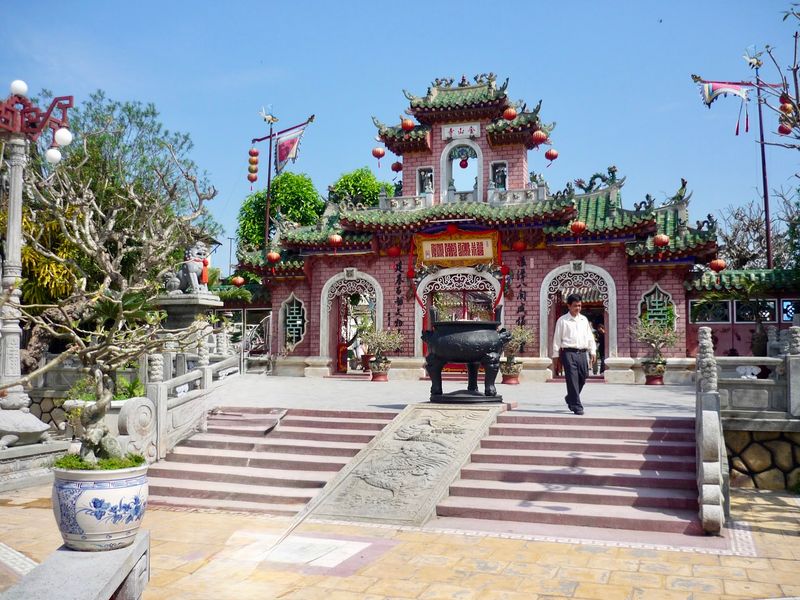
Hoi An smells like incense, river water, and fresh herbs, and that sensory combination alone is worth the plane ticket. The UNESCO-listed historic center is compact enough to explore entirely on foot or bicycle, with lantern-lit streets, restored merchant houses, riverside cafes, and tailors who can produce custom clothing in 24 hours.
The atmosphere is genuinely unlike anywhere else.
What makes Hoi An financially compelling is the gap between how things look and what they actually cost. Boutique hotels here regularly feature tropical gardens, courtyard pools, handcrafted furniture, and attentive service that would command dramatically higher rates in Europe or North America.
That visual generosity leaves real money available for experiences: cooking classes, spa appointments, private transfers to nearby beaches, and leisurely dinners along the Thu Bon River.
The broader Vietnamese cost base reinforces the value. Nearby Da Nang averages just $56 per traveler per day, illustrating how affordable the wider region remains compared with most international resort areas.
Hoi An itself has become well-known enough that nobody should expect hidden-gem pricing everywhere. But the combination of beauty, comfort, and relative affordability remains strong.
The town may be popular, but it rarely feels cheap in the way that undermines the experience. That distinction matters more than it might seem.
Bali, Indonesia
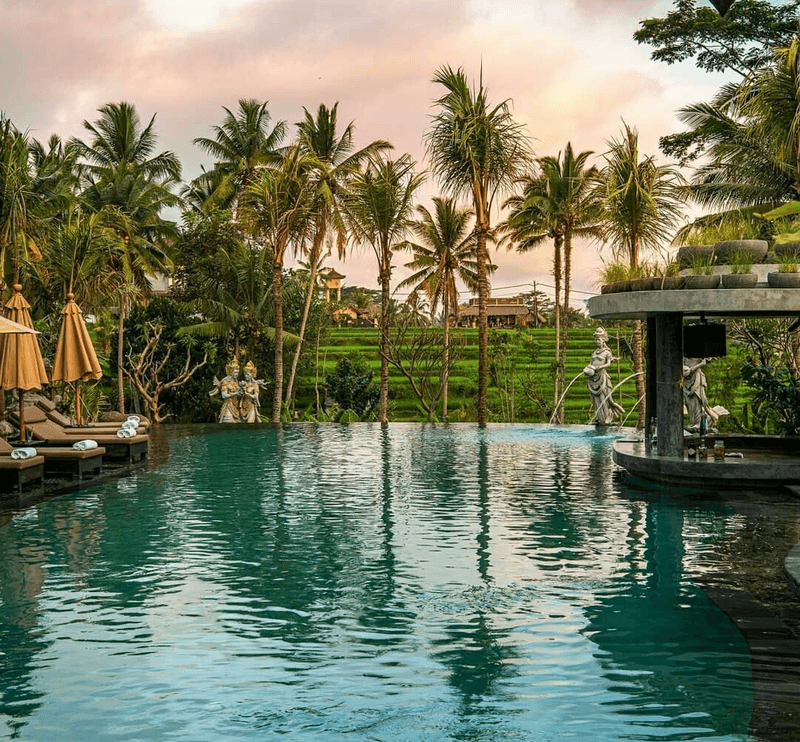
Bali has changed. Anyone who visited fifteen years ago and returns today will notice more traffic, more tourists, and higher prices in the most popular areas.
That is the honest version of the story. The equally honest follow-up is that Bali still does one thing better than almost any destination in the world: it makes private space affordable.
Villas with their own pools, tropical gardens, outdoor living areas, and daily housekeeping are available across large parts of the island at price points that simply do not exist in Hawaii, the Caribbean, or Mediterranean resort zones. Add a private driver for around $40 to $50 per day and you have flexible, comfortable transportation built in.
Massages, yoga sessions, and excellent restaurant meals fill the rest of the schedule without straining the budget.
Location makes an enormous difference. Seminyak and parts of Canggu have become genuinely expensive.
Shift toward Ubud, Sanur, Sidemen, or less developed coastal areas and the value balance improves significantly. The key to Bali working as an affordable luxury destination is resisting the pressure to replicate every expensive experience visible on social media.
Choose one excellent villa. Eat locally when it makes sense.
Let the rice fields, temple bells, and tropical light handle the expensive-looking parts completely for free.
Share this story