What does it actually mean to live well? A big salary helps, but it does not guarantee good health, safe streets, free time, or the feeling that life is going in the right direction.
The countries that consistently lead global quality-of-life rankings share something more interesting: they combine strong public services, personal security, education, and enough leisure time for people to actually enjoy their lives. Using data from the World Happiness Report 2026, the UN Human Development Index, and OECD well-being statistics, here are 15 countries that keep showing up near the top, and why.
Finland
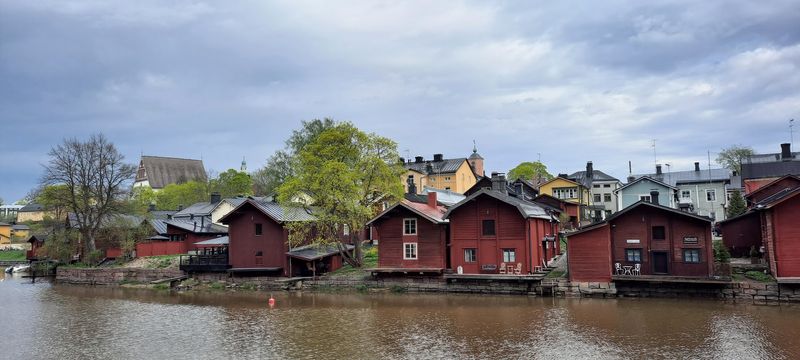
Finland has turned winning happiness rankings into something of a national habit. The World Happiness Report 2026 places Finland first for the ninth consecutive year, with a life-evaluation score of 7.764.
That number is not about constant excitement. It reflects deep trust in institutions, reliable social support, and a sense that life is fair and predictable.
Finns work an average of roughly 1,492 hours per year, well below the OECD average of 1,736. That difference adds up to hundreds of extra hours annually for family, hobbies, and simply being outdoors.
Helsinki alone has more than half its area covered in green space, and public saunas remain an ordinary part of social life rather than a luxury wellness trend.
Living well in Finland rarely looks flashy. It looks like a functioning public library, a forest within walking distance, and a society where you can generally count on things working.
Finland proves that happiness is built on reliability, not extravagance. For anyone wondering what a society optimized for everyday well-being looks like, Finland is a very good starting point.
Iceland
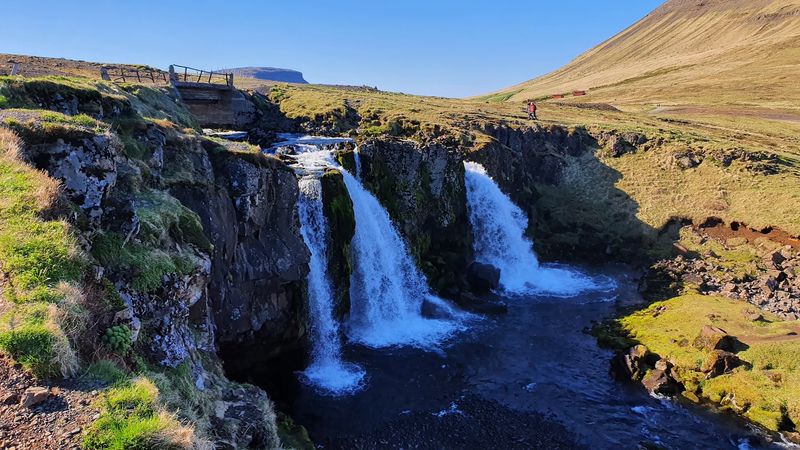
Few countries pack as many statistical superlatives into such a small population as Iceland does. The latest UN Human Development Index ranks Iceland first in the world with an HDI score of 0.972.
The World Happiness Report 2026 places it second globally. Those two rankings together are almost impossible to argue with.
Life expectancy sits at approximately 82.4 years according to OECD data, comfortably above the organization’s average. Icelanders also work an average of about 1,421 hours per year, giving them considerably more personal time than most workers in comparable economies.
The country’s small population creates a strong sense of community that shows up in social trust measures repeatedly.
Then there is the geography. Geothermal pools, glaciers, waterfalls, and volcanic mountains are not vacation destinations for Icelanders.
They are Tuesday. The capital, Reykjavik, sits minutes from open wilderness.
Yes, winters are dark and housing can be expensive. But Iceland’s combination of top-tier human development, personal time, health, and extraordinary natural surroundings makes it one of the most complete quality-of-life stories on the planet.
Denmark
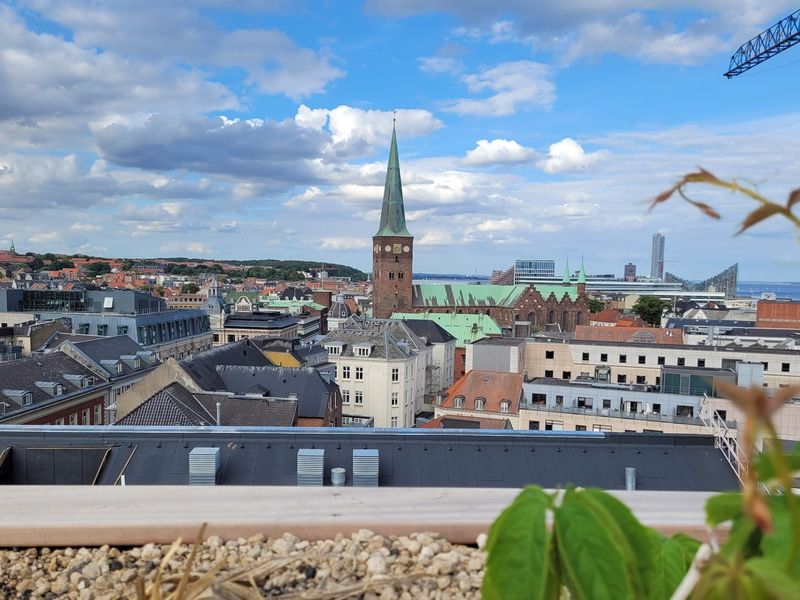
Denmark may have quietly figured out something that eludes most wealthy nations: work should not consume everything. OECD statistics show Danish employees averaged only about 1,369 hours in 2025, one of the lowest totals in the organization and nearly 370 hours below the OECD average.
Spread across a year, that gap represents entire evenings, weekends, and long stretches of time that belong to people rather than employers.
Denmark ranks third in the 2026 World Happiness Report and fourth in the UN Human Development Index. Life expectancy is around 81.8 years.
Copenhagen makes the philosophy visible. Cycling infrastructure turns bikes into practical daily transportation.
Waterfronts are clean enough for swimming. Parks are woven into dense neighborhoods rather than placed at the edge of town.
Yes, Denmark is heavily taxed and genuinely expensive. But the quality-of-life question here is not simply how much money people keep.
It is what society provides in return. Denmark keeps answering that question with functional public services, generous family policies, and cities designed around people rather than cars.
The result is a country that consistently ranks among the world’s most livable, year after year.
Norway
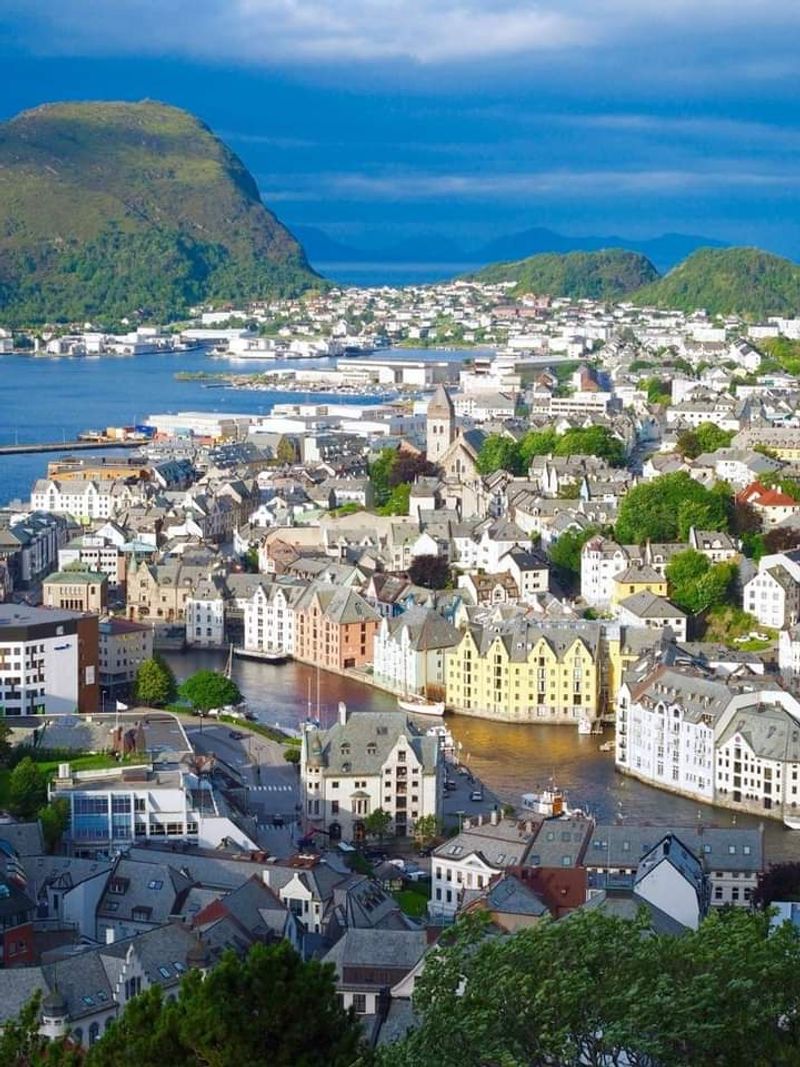
Norway starts with an obvious advantage: extraordinary energy wealth. But what makes Norway genuinely interesting is what the country chose to do with that wealth.
Rather than simply distributing it immediately, Norway built one of the world’s largest sovereign wealth funds and invested heavily in public services, infrastructure, and long-term national stability. The result is a society where prosperity feels structural rather than accidental.
The UN Human Development Index places Norway joint second globally with an HDI of 0.970. The World Happiness Report 2026 ranks it sixth.
Life expectancy is approximately 83.1 years, and the average worker logs around 1,386 hours annually, roughly 350 fewer than the OECD average. High income and short hours are a combination most countries would envy.
Fjords, forests, ski trails, and coastal islands are not weekend escapes for Norwegians. They are ordinary parts of life in a country where outdoor recreation is deeply cultural.
Norway shows that high living standards become most meaningful when prosperity produces both financial security and the personal time to enjoy the remarkable place where you happen to live.
Switzerland
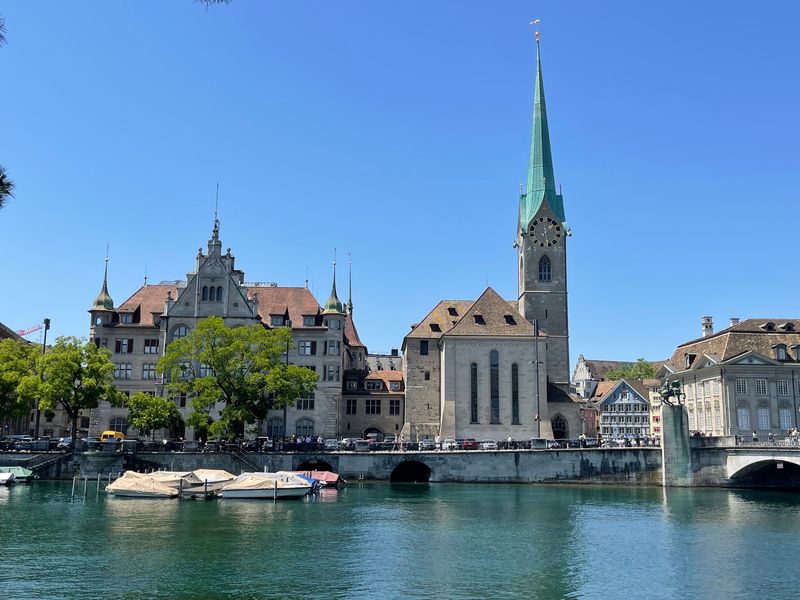
Switzerland charges a premium for almost everything, and most residents seem to agree the trade-off is worth it. The country ranks joint second globally in the UN Human Development Index and 10th in the World Happiness Report 2026.
OECD health data show life expectancy of 84.3 years, one of the highest in the organization and 3.2 years above the OECD average. Preventable and treatable mortality are both well below OECD norms.
Infrastructure is where Switzerland quietly impresses visitors most. Trains run with a punctuality that borders on the theatrical.
Public transit in cities is extensive and reliable. Drinking water is excellent.
Streets and public spaces are maintained to standards that most countries treat as aspirational rather than standard.
Geography seals the deal. Zurich offers finance, culture, and lakeside swimming within the same afternoon.
Geneva has the Alps on the horizon. Smaller cities can place world-class hiking, skiing, and cycling almost literally outside the front door.
Switzerland is expensive because wages, services, and demand are all very high. But as a model for combining wealth, health, infrastructure, personal security, and scenery, it belongs near the top of almost any serious conversation about living well.
Sweden
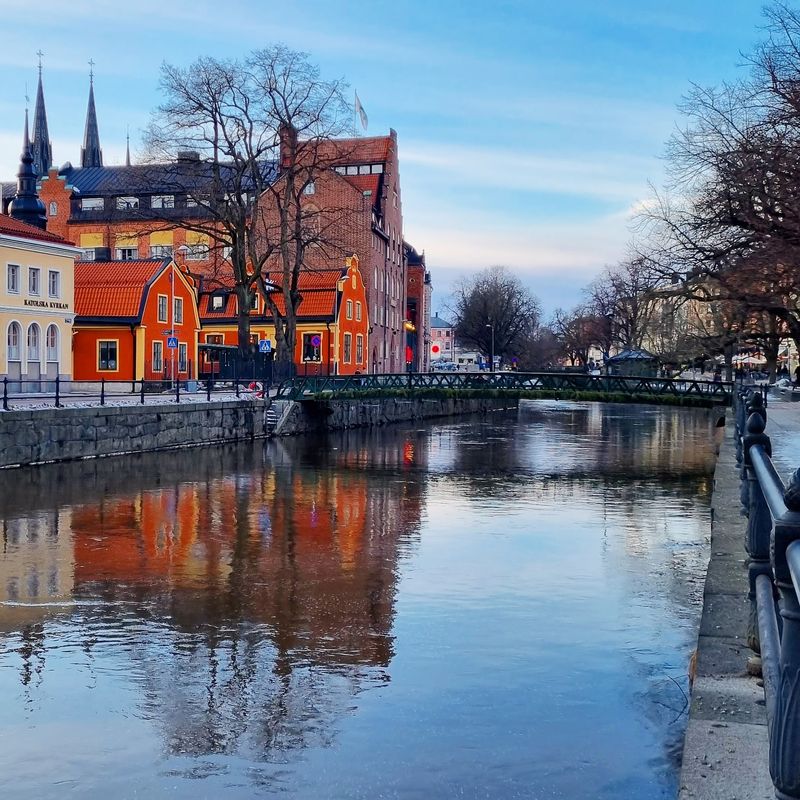
Sweden manages something that sounds simple but proves genuinely difficult: combining a globally competitive economy with a lifestyle that does not grind people down. The UN Human Development Index ranks Sweden joint fifth worldwide, and the World Happiness Report 2026 places it fifth as well.
Life expectancy is approximately 83.4 years according to OECD data.
Swedish employees averaged about 1,421 working hours in 2025, more than 300 fewer than the OECD mean. That moderation matters.
Sweden has produced globally significant companies in technology, gaming, communications, and design without adopting the punishing work cultures seen in some other high-performing economies. Parental leave policies are among the most generous anywhere, and the social safety net is broad.
Outdoor access shapes everyday life in ways that residents take for granted. Forests and lakes begin close to Stockholm.
The allemansratten, Sweden’s right of public access, means nature is something people are encouraged to use rather than observe from behind private fences. Sweden has real challenges, including urban housing shortages and integration pressures.
But its ability to combine productivity, family support, personal time, health, and open access to nature keeps it firmly among the world’s quality-of-life leaders.
Netherlands
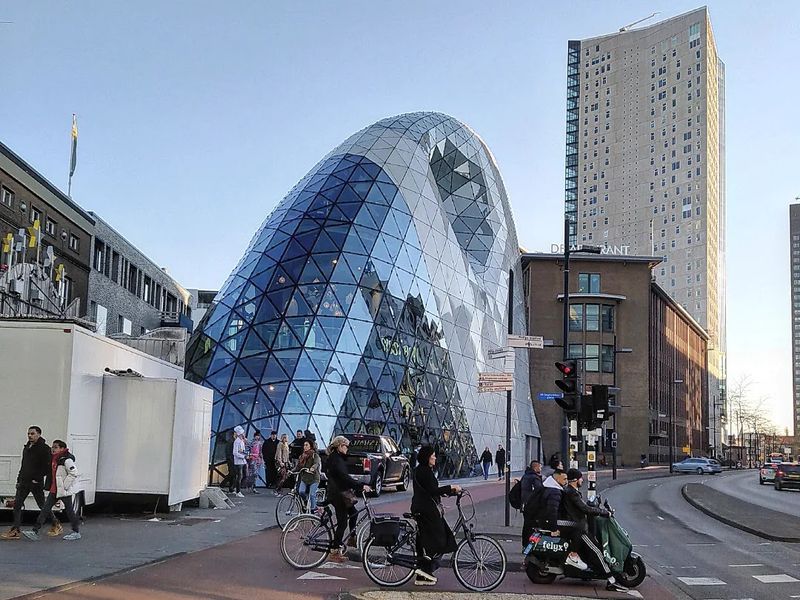
The Netherlands may have the most visible quality-of-life philosophy of any country on this list. You can literally see it from a bicycle seat.
Cities like Amsterdam, Utrecht, Groningen, and Rotterdam have spent decades building environments where ordinary daily trips can be completed safely without ever starting a car. That is not just good for the environment.
It creates daily physical activity, makes neighborhoods more sociable, and gives children and older residents genuine independence.
The Netherlands ranks seventh in the World Happiness Report 2026 and eighth in the UN Human Development Index. Life expectancy is roughly 81.9 years.
Dutch employees averaged about 1,436 working hours in 2025, well below the OECD average. The country is also internationally recognized for flexible and part-time work arrangements that treat shorter hours as a legitimate career choice rather than a sign of low ambition.
Housing affordability in Amsterdam and other popular cities has become a genuine pressure point. That challenge is real and growing.
But the broader Dutch model, compact human-scale neighborhoods, reliable public transit, cycling infrastructure, and flexible work culture, continues to offer one of the most coherent visions of comfortable urban living found anywhere in the world.
Australia
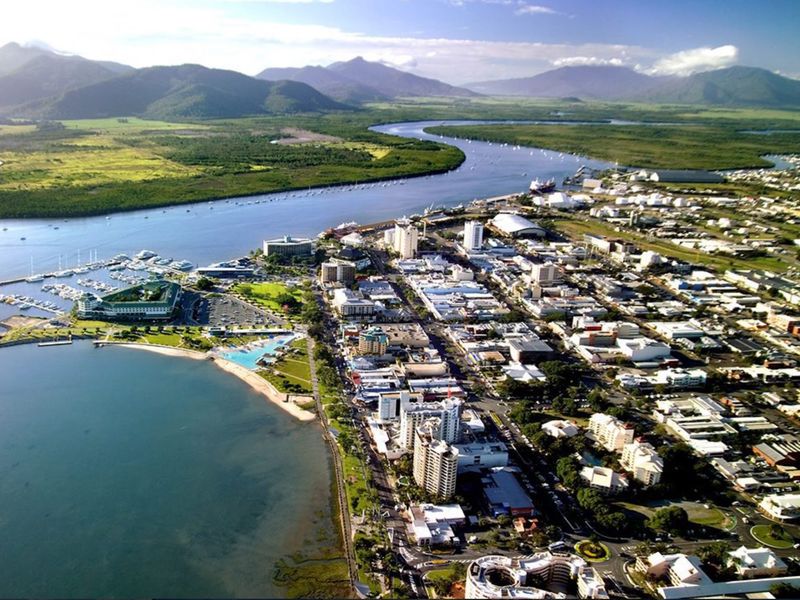
Australia’s version of living well looks noticeably less Nordic and considerably more sun-drenched. Beaches, national parks, outdoor cafes, and cities wrapped around spectacular harbors are part of the daily backdrop.
But the strong performance goes well beyond good weather. The UN Human Development Index ranks Australia seventh globally with an HDI of 0.958.
Expected years of schooling reached 20.7 years in the latest UN dataset, among the highest values anywhere in the top rankings.
Health outcomes are another major strength. Life expectancy exceeds 80 years, and projected longevity after age 65 is also among the OECD’s highest.
Cities like Sydney, Melbourne, Brisbane, Perth, and Adelaide give residents regular access to parks, waterfronts, beaches, sport, dining, and outdoor recreation as part of normal weekly routines rather than special occasions.
The drawbacks are increasingly hard to ignore. Housing affordability has become a serious national issue, particularly in Sydney and Melbourne.
Distances are enormous. Climate risks including heat, bushfires, and flooding are impossible to dismiss.
Even so, Australia continues to combine economic opportunity, longevity, education, personal space, and outdoor access in a way that relatively few countries anywhere can genuinely match.
New Zealand
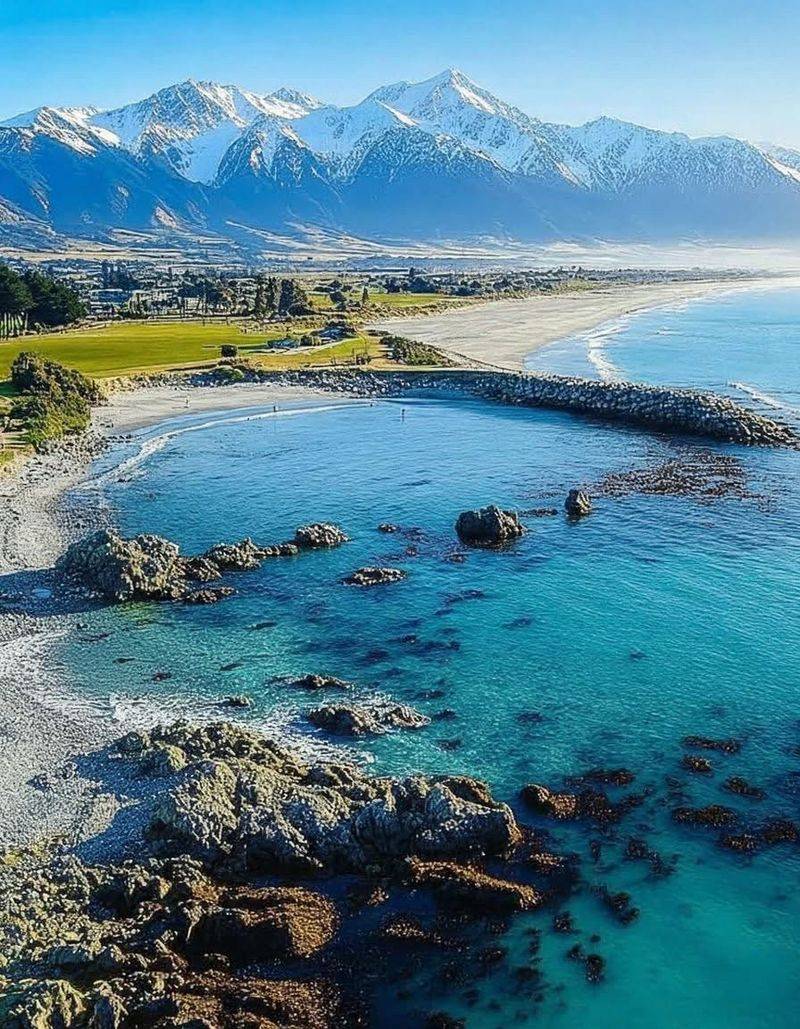
New Zealand offers something that statistics struggle to capture properly: room. Even Auckland, its largest city by a wide margin, is surrounded by coastline, volcanic landscapes, regional parks, and island-studded harbors.
Wellington combines steep hills and harbor views with government institutions and a vibrant arts scene. Christchurch opens toward the Southern Alps.
Queenstown barely needs a description for anyone who has seen a photo.
New Zealand ranks 11th in the World Happiness Report 2026 and sits firmly in the UN’s very-high-human-development group with an HDI of 0.938. Life expectancy is around 82 years.
The country’s most practical quality-of-life advantage is how naturally outdoor recreation fits into ordinary weekly life. Hiking, beaches, cycling, sailing, and skiing do not require elaborate vacations or long drives.
Tradeoffs exist and they are worth naming honestly. Housing can be expensive relative to local incomes.
Geographic isolation means consumer goods often cost more than newcomers expect, and travel to other continents is genuinely long. But people willing to trade proximity to global centers for scenery, community, and a calmer pace consistently find that the calculation works in New Zealand’s favor.
Canada
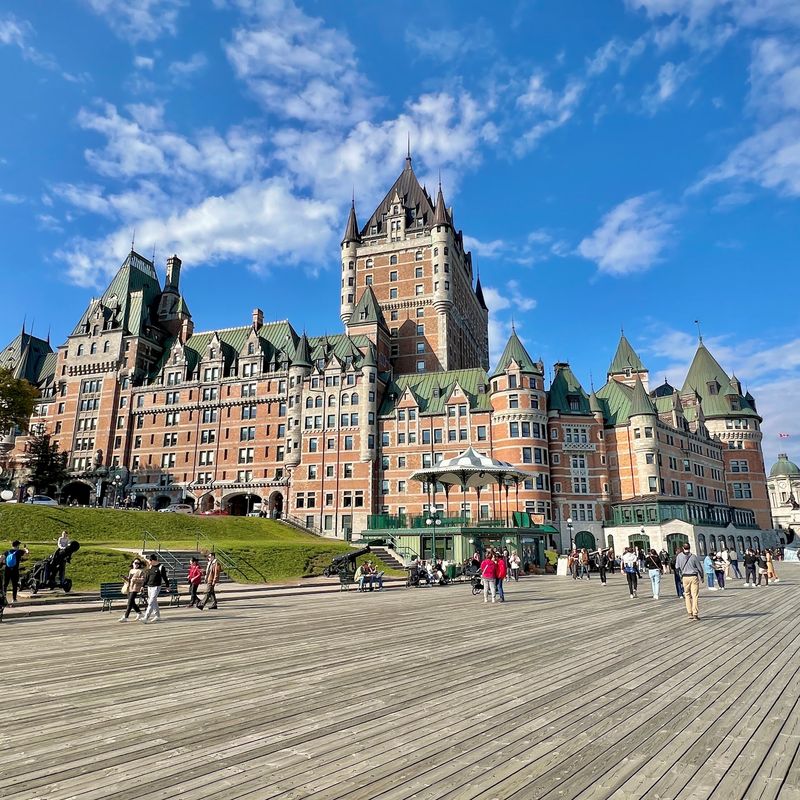
Canada has lost some of the effortless affordability reputation it carried a generation ago. Housing costs in Vancouver and Toronto have genuinely transformed that conversation.
But the broader quality-of-life foundations remain strong and worth examining carefully. The UN Human Development Index places Canada 16th globally, firmly within the very-high-development category.
OECD well-being analysis evaluates Canada positively across health, employment, education, environment, safety, and social connections.
Canada’s most compelling advantage may simply be variety. Someone can choose dense transit-oriented life in central Toronto, French-speaking urban culture in Montreal, mountains and ocean in Vancouver, lower-density Prairie cities, or smaller communities surrounded by some of the world’s largest wilderness areas.
Immigration has made its major metropolitan areas among the most culturally diverse cities on Earth.
The central challenge is increasingly obvious. Strong institutions and extraordinary natural surroundings do not solve housing affordability on their own.
Canada still sets a high standard in many dimensions of living well. Healthcare, education, personal safety, and access to nature remain genuine strengths.
It simply demonstrates something useful: maintaining a high standard of living requires continuously addressing the cost of participating in it, not just celebrating the foundations already in place.
Japan
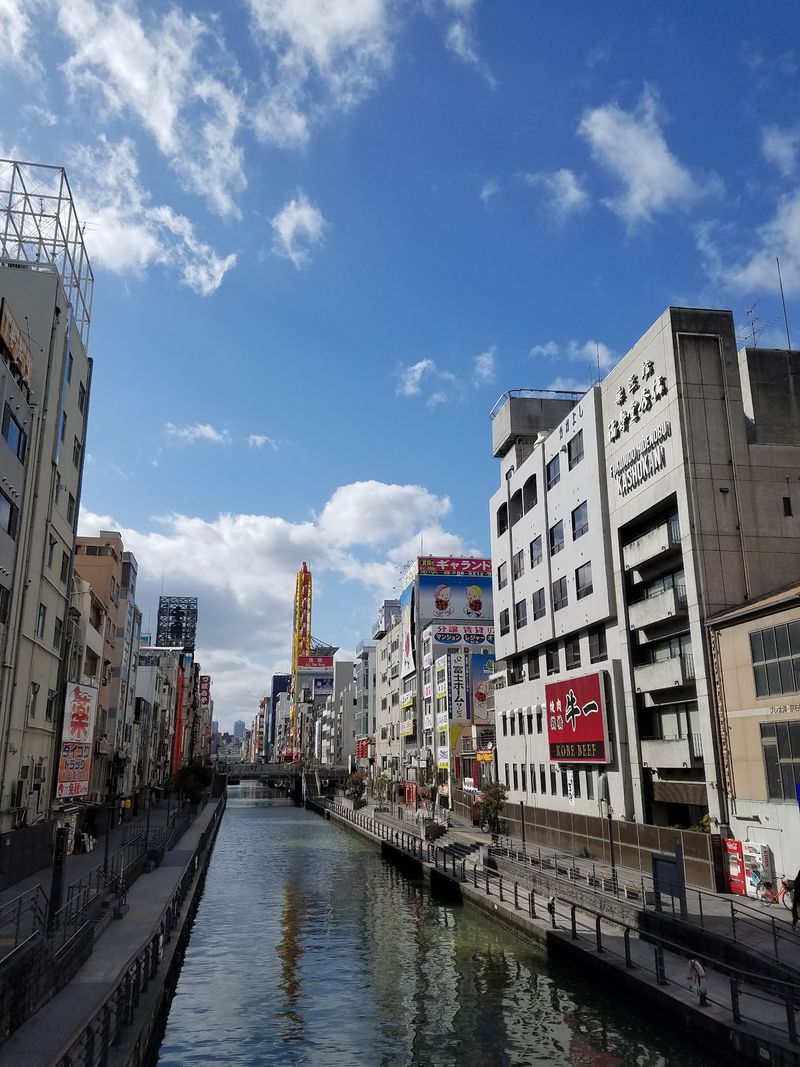
Japan offers a quality-of-life model that looks almost nothing like Scandinavia, and that is precisely what makes it fascinating. Its strongest advantages are built around health, infrastructure, safety, and the extraordinary convenience of everyday urban life.
OECD data put Japanese life expectancy at 84.1 years, roughly three years above the organization’s average. Preventable and treatable mortality are both below OECD norms, and Japanese women rank at the very top for remaining life expectancy at age 65.
Urban life in Japan operates with a kind of frictionless efficiency that visitors find genuinely remarkable. Trains arrive on time.
Convenience stores are actually convenient. Streets are orderly.
Daily errands can often be completed entirely on foot. Large cities function with very low dependence on private cars, which reduces both costs and stress for millions of residents.
Japan does not score equally well across every quality-of-life measure. Work culture can still be demanding.
Demographic aging is one of the most severe anywhere. Happiness rankings place it far below the Nordic leaders.
But that makes Japan’s inclusion genuinely useful here. Living well is not one single formula.
Japan shows how public order, infrastructure, health, safety, and urban convenience can compensate meaningfully for challenges elsewhere.
Spain
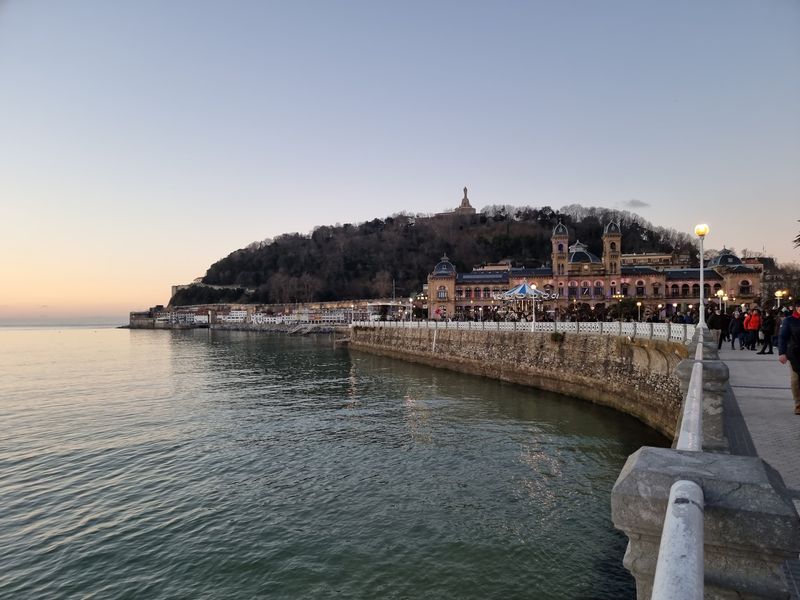
Spain makes a quietly radical argument: you do not need to be among the world’s richest countries to achieve genuinely excellent quality of life. Health outcomes are the clearest evidence.
OECD data place life expectancy at 84 years, among the very highest in the organization. At age 65, Spaniards also rank among those with the longest expected remaining lifespans.
That is a remarkable public health achievement for a country that does not top the income charts.
The lifestyle advantages are harder to put into spreadsheets but very easy to observe. Walkable cities, neighborhood plazas, markets, Mediterranean diets, multigenerational social life, late dinners, and climates that make outdoor living possible through most of the year all contribute.
Madrid turns parks and terraces into extensions of daily social life. Valencia combines cycling infrastructure with beaches and green space.
Northern cities like San Sebastian add food culture and cooler Atlantic air.
Spain still faces serious challenges around youth unemployment, wages, and housing affordability. Those are real and ongoing problems.
But it reminds wealthier countries of something important: quality of life is partly determined by how public space and social customs allow people to enjoy the hours when they are not working. Spain has built a culture around exactly that.
Austria
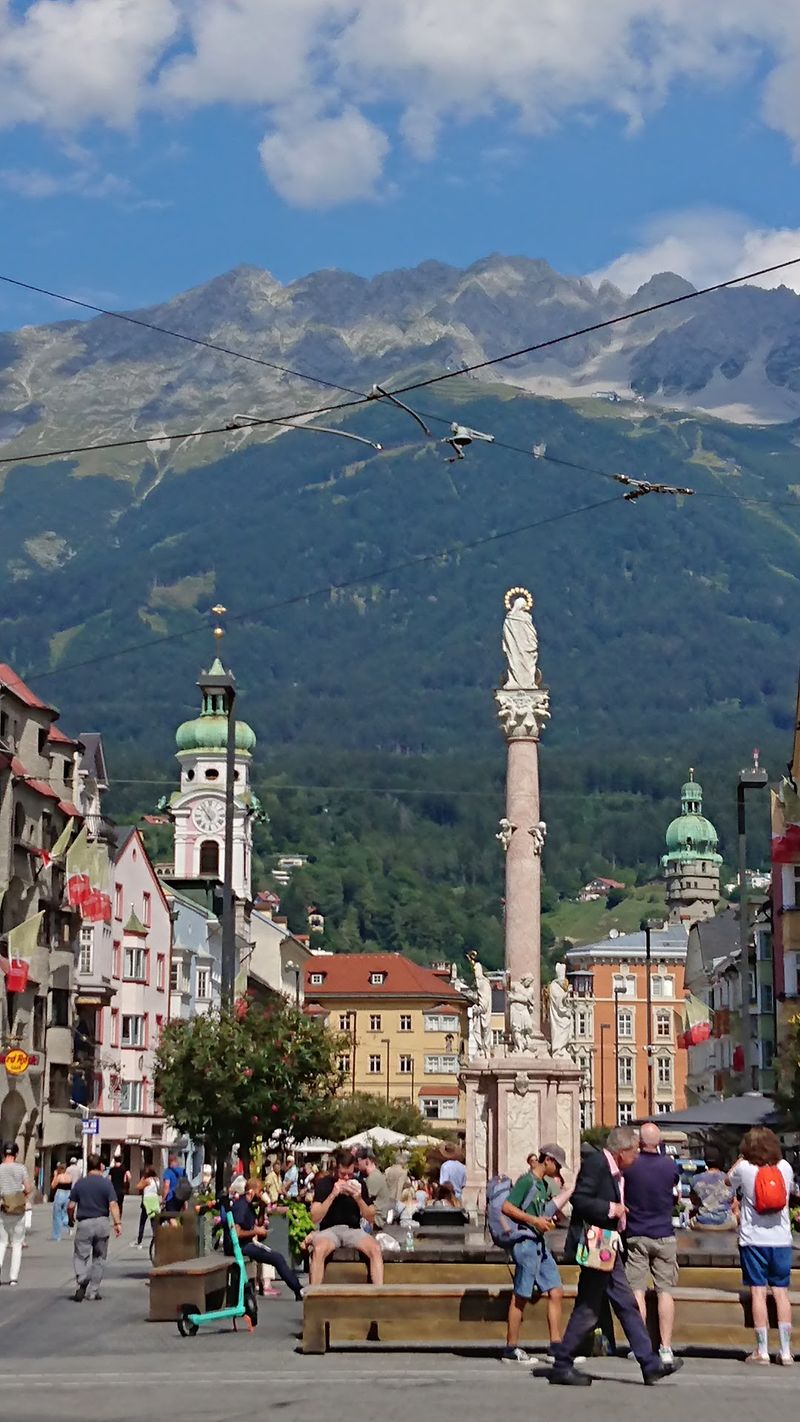
Austria rarely grabs global headlines about happiness rankings, and that relative obscurity is somewhat misleading. It performs quietly and consistently well in the things that make daily life genuinely pleasant over the long term.
Vienna, Salzburg, Graz, and Innsbruck each combine extensive public transportation, historic architecture, parks, cultural institutions, and practical access to outdoor recreation in ways that feel natural rather than curated for tourists.
The labor statistics are particularly striking. OECD data show Austrian workers averaged only 1,442 hours in 2025, far below the OECD mean of 1,736.
That places Austria close to the Netherlands and Scandinavia in the low-hours group, which is a significant quality-of-life indicator on its own. Healthcare outcomes are broadly strong, and Vienna regularly demonstrates what long-term public investment in dense housing and transit can actually produce.
Geography sharpens the appeal considerably. Someone living in Innsbruck can reach serious Alpine terrain within minutes of leaving home.
Vienna surrounds a major cultural capital with vineyards, forest, parks, swimming areas, and Danube recreation. Austria is not cheap, and taxes are substantial.
But the quality-of-life question keeps returning to the same point: what do those costs actually produce? In Austria, the answer is genuinely impressive.
Slovenia
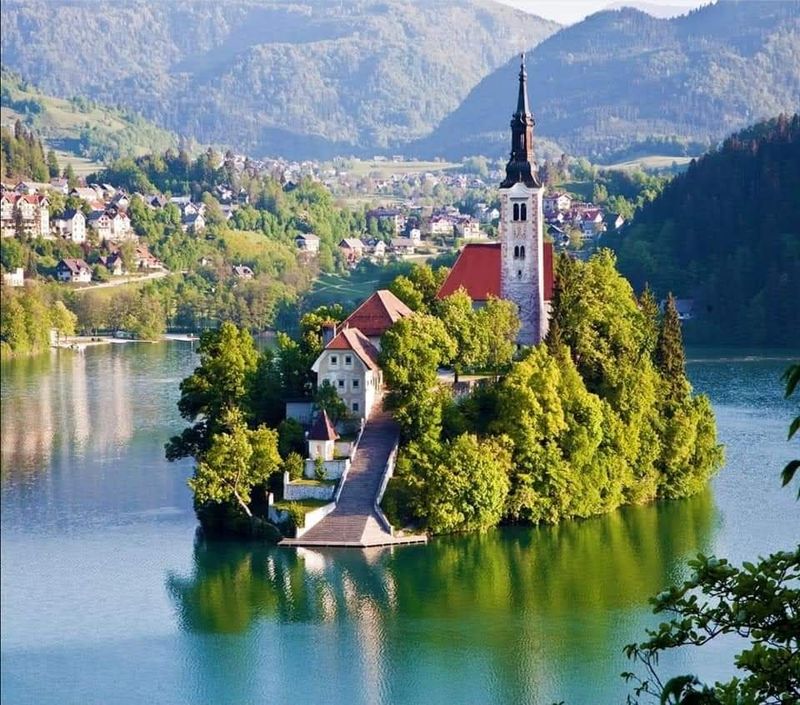
Slovenia is the smallest country on this list, and it may be the easiest one to underestimate. That would be a real mistake.
OECD data place life expectancy at around 82 years, above the organization’s average. The UN’s well-being dataset places Slovenia strongly across several contemporary quality-of-life indicators.
For a country of just over two million people, that is a remarkably consistent performance.
Its scale creates an unusual lifestyle advantage that larger countries cannot replicate. Ljubljana is a compact capital with pedestrian streets, cycling infrastructure, extensive greenery, cafes, and cultural institutions.
The Julian Alps, Adriatic coast, Triglav National Park, vineyards, rivers, and caves are all reachable from the capital without crossing enormous distances. The country fits an extraordinary variety of landscapes into a very small area.
Slovenia lacks Switzerland’s salaries or Norway’s resource wealth. That is actually what makes it interesting rather than disqualifying.
It shows that living well can come from keeping distances manageable, cities human-scaled, nature genuinely accessible, and everyday environments pleasant rather than stressful. It is not the richest model on this list by a significant margin.
It may, however, be one of the most honestly balanced examples of what a good everyday life can look like.
Costa Rica
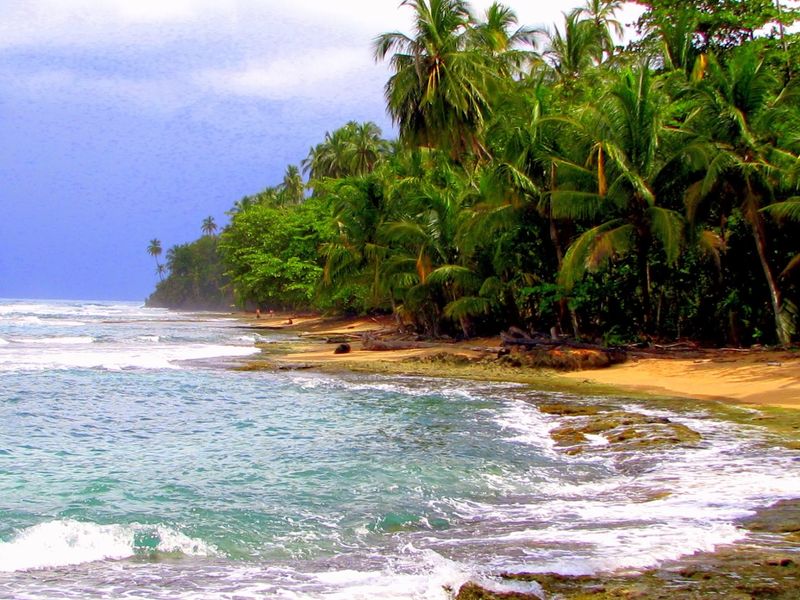
Costa Rica earns its place on this list by breaking the pattern entirely. The World Happiness Report 2026 ranks it fourth globally, its highest position ever and the best result ever recorded by a Latin American country.
That ranking challenges one of the most common assumptions in quality-of-life discussions: that national income more or less determines how positively people evaluate their lives. Costa Rica suggests otherwise, loudly.
The country combines relatively strong social institutions with extraordinary biodiversity, a long democratic tradition, universal healthcare and education access, and tight family and community networks. It famously abolished its military in 1948, redirecting public resources toward health, education, and social programs instead.
The cultural concept of pura vida, which functions simultaneously as a greeting and a philosophy, reflects a genuine orientation toward enjoying life rather than simply accumulating it.
Costa Rica still faces inequality, infrastructure gaps, fiscal pressures, and rising concerns about crime. Those challenges are real and should not be minimized.
But its happiness performance makes it one of the most important entries in any serious quality-of-life conversation. It demonstrates clearly that people can evaluate their lives very positively without living in one of the world’s richest economies.
That is a lesson worth paying attention to.
Share this story