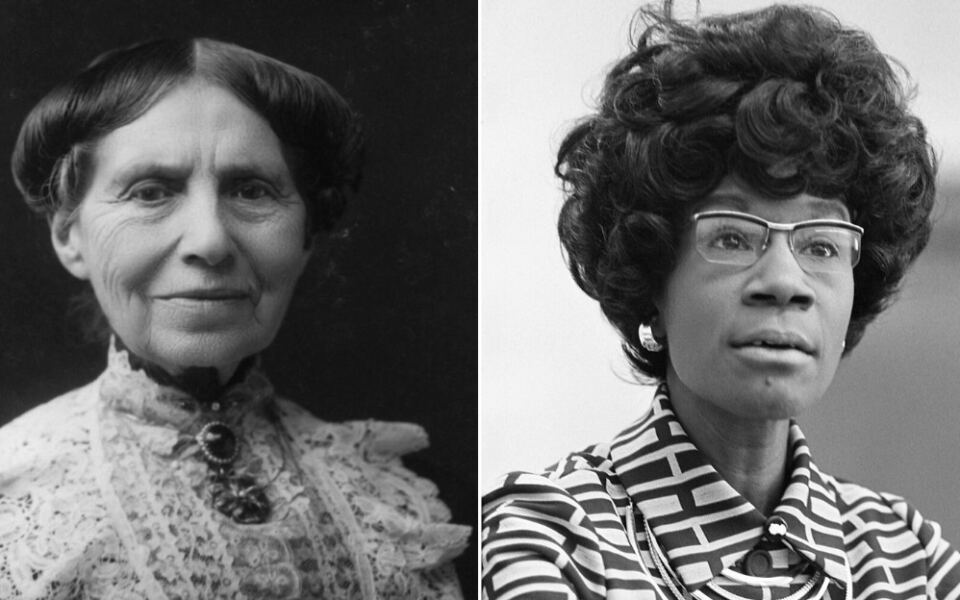
American history is full of women who refused to stay quiet, stay seated, or stay in the roles they were handed. From fighting for freedom on secret nighttime trails to rewriting the rules of government, science, and literature, these women changed what was possible for every American who came after them.
Their courage, creativity, and determination shaped laws, movements, and ideas that still matter today. This list brings together fifteen women whose influence was so wide and so lasting that understanding American history without them would simply be impossible.
Harriet Tubman
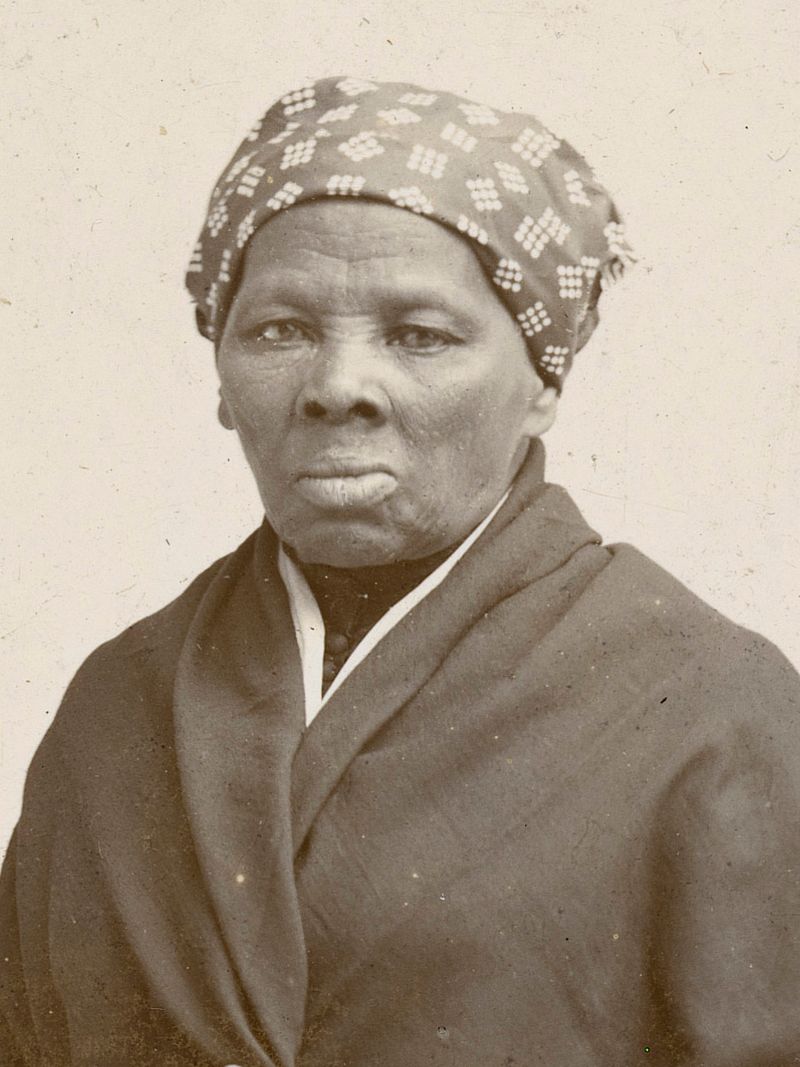
Few people in American history risked more for the freedom of others than Harriet Tubman. Born into slavery, she escaped and then made a choice that most people could not imagine: she went back.
Repeatedly.
The National Park Service describes Tubman as the Underground Railroad’s best-known conductor, and that title barely captures what she actually did. She guided dozens of enslaved people to freedom, operating in secrecy, under constant danger, with no guarantee of survival on any given journey.
Her contributions did not stop there. During the Civil War, she worked with the Union Army as a spy and scout.
Later in life, she became involved in the campaign for women’s suffrage, connecting causes of freedom that she saw as deeply linked.
Tubman became an enduring symbol of resistance, proving that one person’s willingness to act could change many lives at once.
Susan B. Anthony
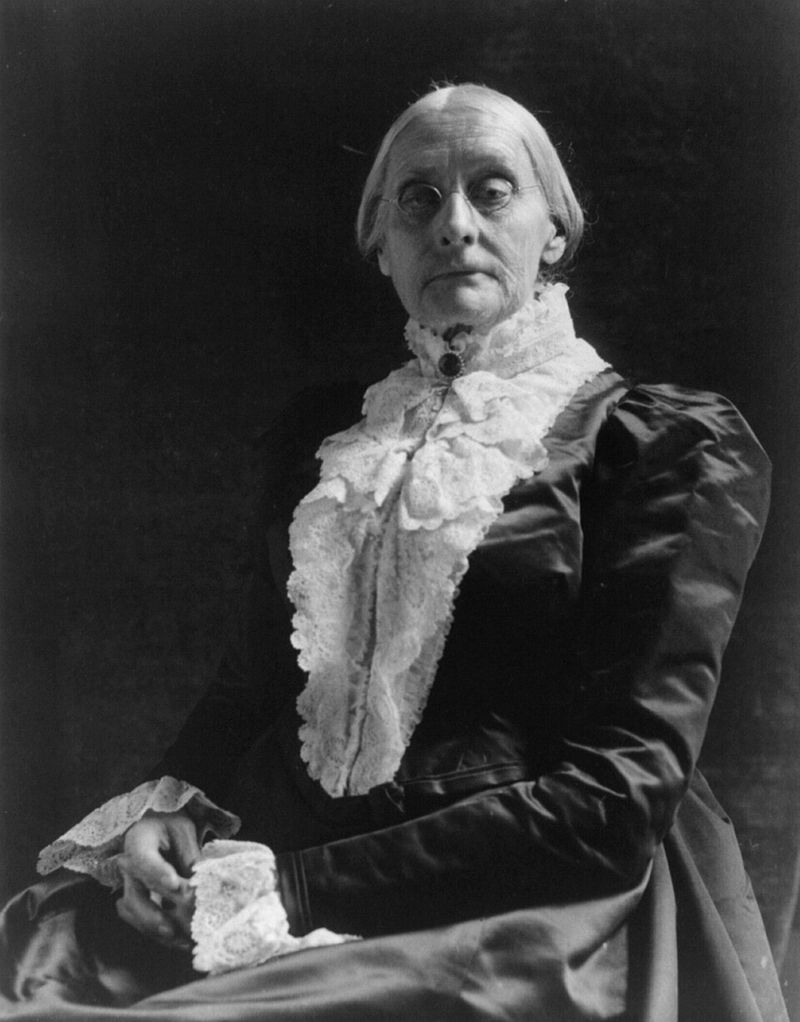
On November 5, 1872, Susan B. Anthony walked into a polling station in Rochester, New York, and voted in a presidential election.
Women were not legally permitted to vote. She did it anyway, was arrested, and turned that arrest into a national conversation about who deserved political power.
Anthony had already spent decades organizing, speaking, and petitioning for women’s rights before that moment. She helped found the National Woman Suffrage Association alongside Elizabeth Cady Stanton and pushed the cause forward through relentless public pressure.
She did not live to see women gain the vote. Anthony passed away in 1906, fourteen years before the 19th Amendment was ratified in 1920.
But her decades of work built the foundation that made that amendment possible.
Her image was later placed on the U.S. dollar coin, a quiet acknowledgment that her fight had permanently shaped American democracy.
Rosa Parks
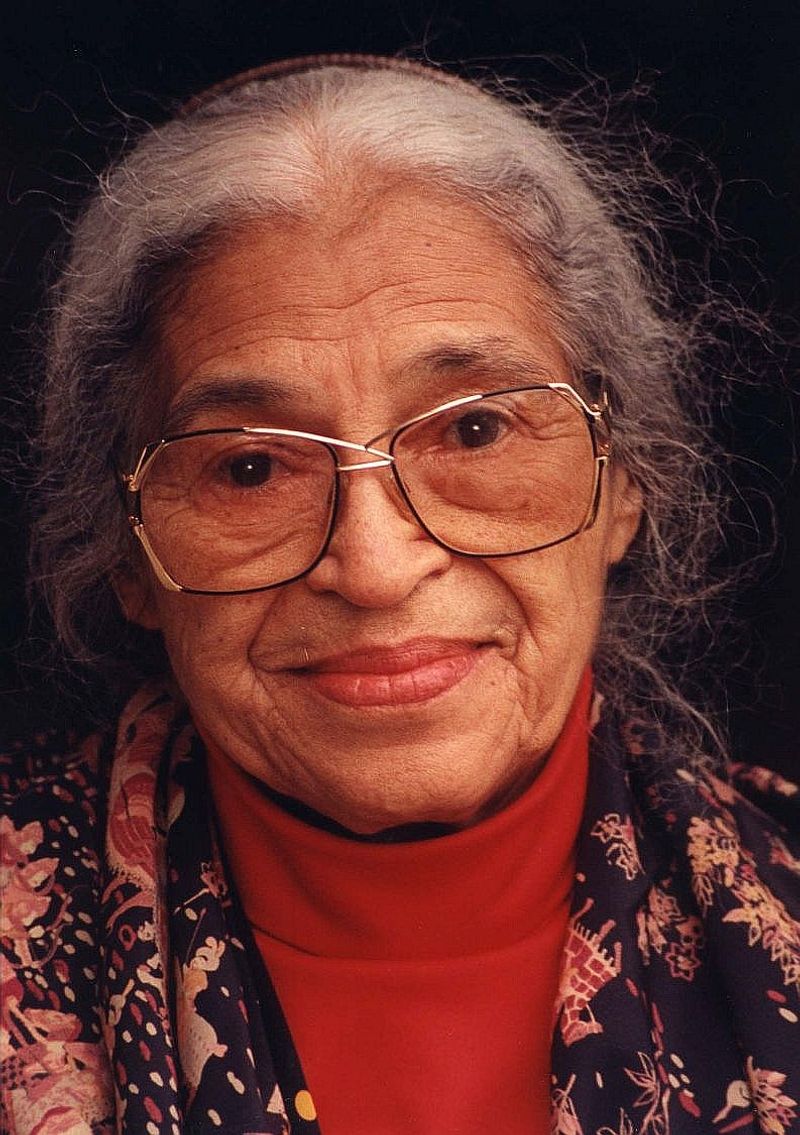
On December 1, 1955, Rosa Parks refused to give up her seat on a segregated bus in Montgomery, Alabama. That single act of resistance set off one of the most consequential campaigns in American civil rights history.
Her arrest triggered the Montgomery Bus Boycott, a 381-day effort by Black residents to challenge segregated public transportation. The boycott drew national attention and helped establish Martin Luther King Jr. as a major civil rights leader.
What often gets overlooked is that Parks was already an active civil rights organizer before that evening. She served as secretary of the Montgomery chapter of the NAACP and had long been engaged in the fight for racial equality.
Her importance comes not from a single moment but from what that moment represented and what it helped ignite. Parks became a symbol of how ordinary citizens could challenge systems of institutional discrimination and force real change.
Eleanor Roosevelt
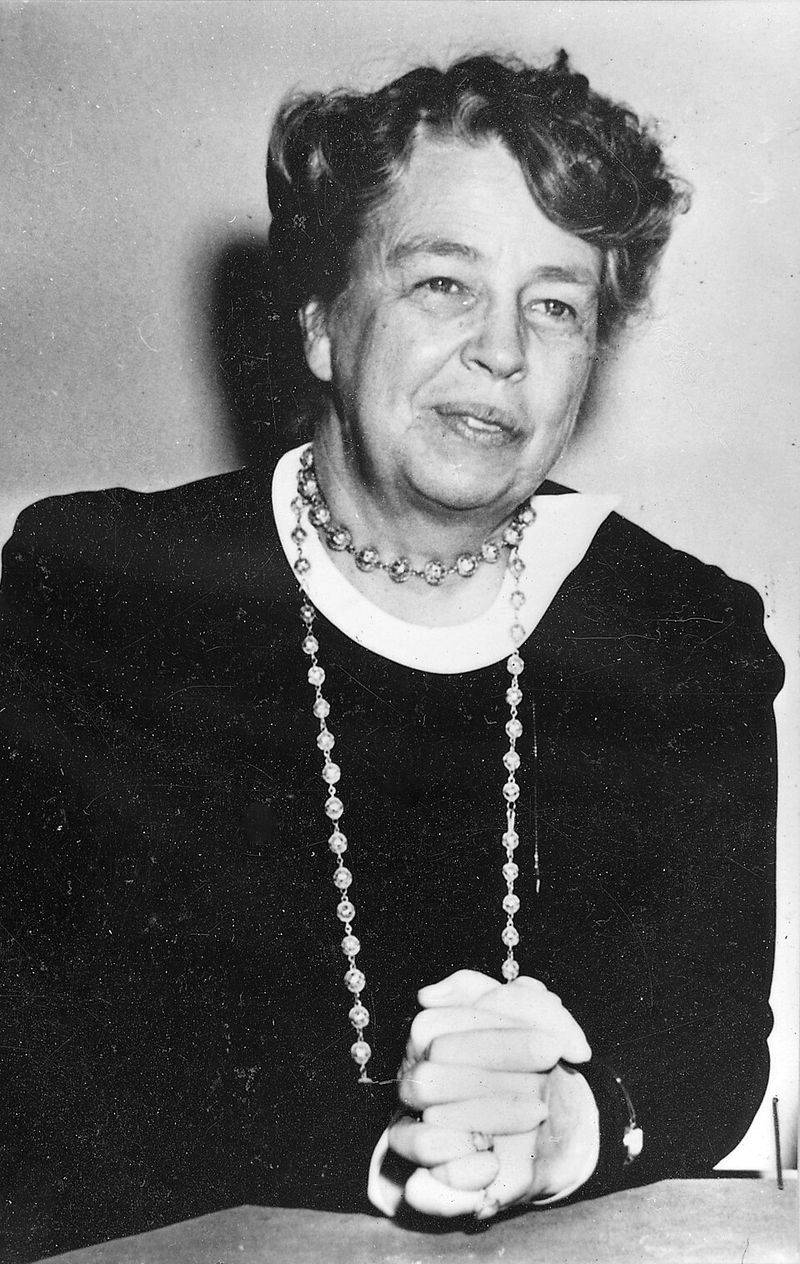
Eleanor Roosevelt completely redefined what it meant to be First Lady of the United States. While previous first ladies largely stayed out of public policy, Roosevelt traveled the country, spoke on social issues, and used her platform to push for change in ways no one before her had attempted.
She wrote a syndicated newspaper column, held press conferences, and openly supported civil rights at a time when doing so carried political risk. Her public voice was not an extension of her husband’s presidency.
It was her own.
After leaving the White House, Roosevelt continued building her legacy. She served as a U.S. delegate to the United Nations and became the first chair of the UN Commission on Human Rights.
The National Archives credits her with playing a central role in shaping the Universal Declaration of Human Rights.
Her career proved that a first lady could become an independent political and humanitarian force on the world stage.
Amelia Earhart
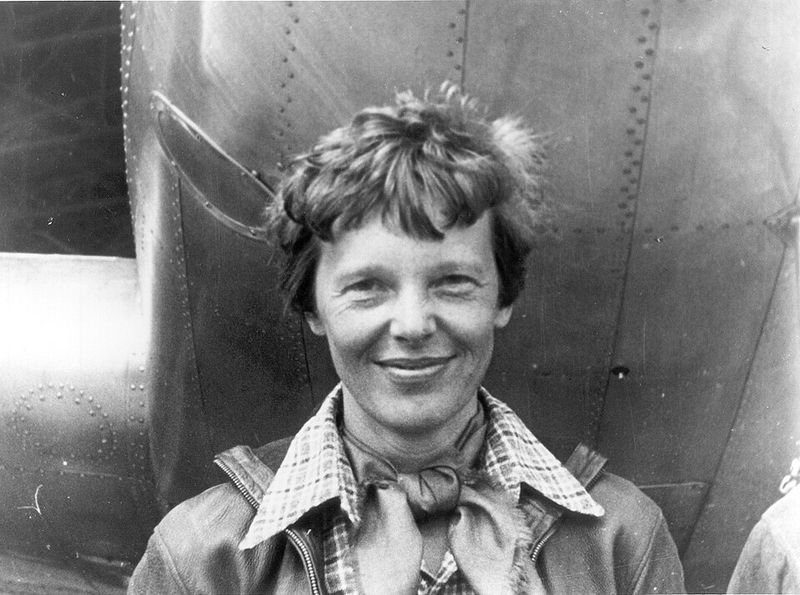
In May 1932, Amelia Earhart climbed into a single-engine Lockheed Vega and flew solo across the Atlantic Ocean, becoming the first woman to accomplish that feat. The flight took nearly fifteen hours and proved that the barriers placed in front of women in aviation were not based on ability.
Earhart had already made headlines before that flight and continued setting records afterward. She helped establish the Ninety-Nines, an international organization that supported female pilots and advocated for their place in aviation.
Her disappearance in 1937 during an around-the-world flight attempt remains one of history’s most discussed mysteries. But her legacy does not rest on that unanswered question.
It rests on the records she set and the path she cleared for women who wanted careers in fields where men had always held the advantage.
Earhart showed a generation of young women that ambition and skill mattered more than the expectations placed on them.
Sojourner Truth
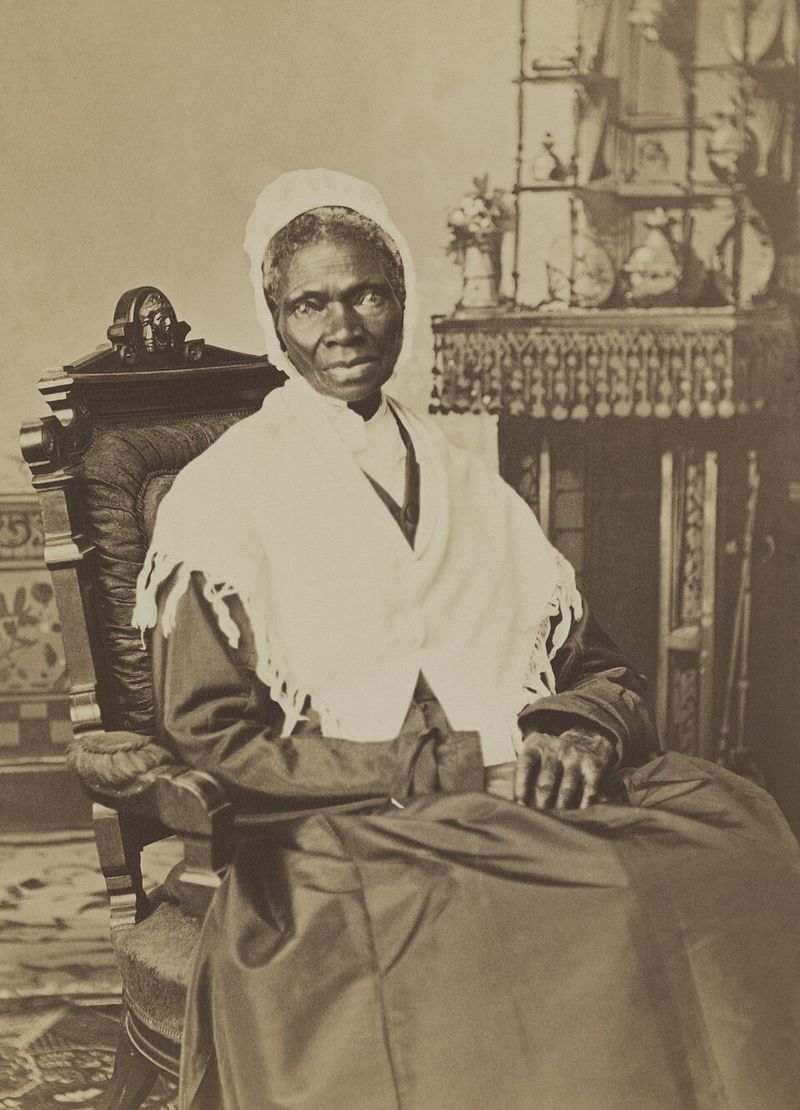
Sojourner Truth was born into slavery in New York and gained her freedom in 1827. What she did with that freedom became one of the most remarkable stories in 19th-century American activism.
She became a nationally known speaker who addressed slavery, racial injustice, and women’s rights at a time when Black women were largely excluded from public platforms. Her speeches drew large crowds and challenged audiences to think about freedom and equality as connected rather than separate causes.
Truth’s significance comes partly from her ability to bridge two major movements. She argued for the rights of Black Americans while also insisting that women deserved full political and social equality.
That combination gave her a unique place in both abolitionist and women’s-rights history.
Her most famous speech, often called “Ain’t I a Woman,” delivered in 1851, challenged the idea that women were too fragile to deserve equal rights by pointing to the physical labor she had endured throughout her life.
Clara Barton
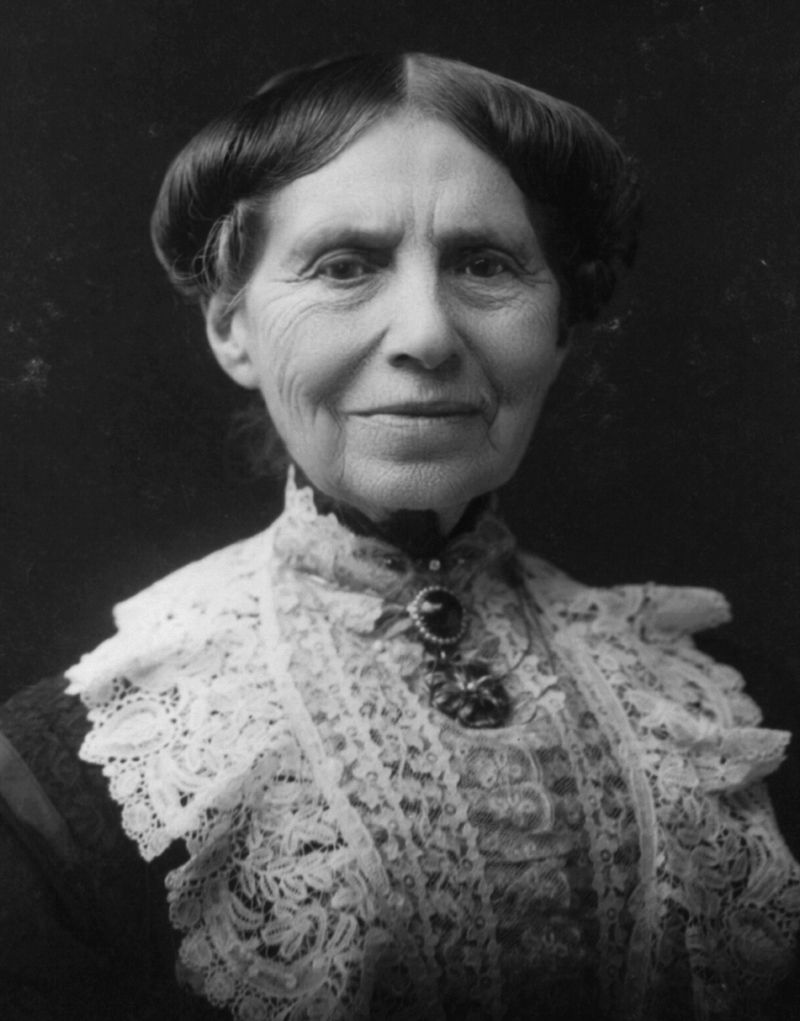
Clara Barton earned the nickname “Angel of the Battlefield” during the Civil War by delivering supplies and medical assistance to wounded soldiers, often while fighting was still happening nearby. She operated largely without official authorization, driven by a personal sense of responsibility to help.
Those wartime experiences led her to something even larger. After learning about the International Red Cross movement in Europe, Barton campaigned to bring it to the United States.
In 1881, she founded the American Red Cross and became its first president.
Under her leadership, the organization expanded beyond wartime relief. Barton pushed for the American Red Cross to respond to natural disasters and civilian emergencies, a model that proved essential during floods, fires, and other crises.
Her influence shaped American humanitarian infrastructure in ways that still operate today. Every time the Red Cross responds to a disaster, it reflects the organizational vision that Barton built from the ground up more than 140 years ago.
Margaret Sanger
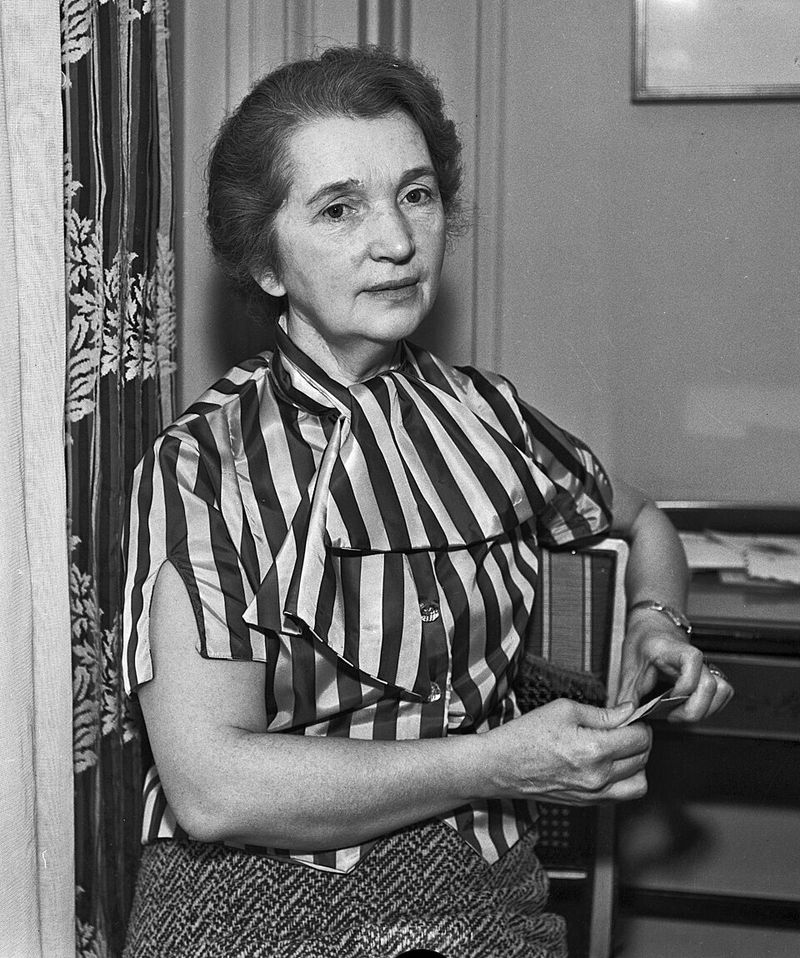
Margaret Sanger stepped into one of the most contested debates in early 20th-century America when she began campaigning for access to birth control information. At the time, distributing that information was illegal under laws like the Comstock Act, and Sanger challenged those restrictions directly.
Her activism helped establish organizations that eventually contributed to the development of Planned Parenthood. She believed that women’s ability to make reproductive decisions was fundamental to their health and independence, and she spent decades advocating for that position.
Her legacy carries real complexity. Some of her associations with the eugenics movement and certain statements she made about reproduction have drawn serious and warranted criticism.
Those aspects of her history are part of the full picture and cannot be separated from her story.
Evaluating her influence means holding both realities at once: she shaped reproductive healthcare access in the United States while also holding views that caused harm and continue to generate legitimate debate among historians and advocates.
Helen Keller
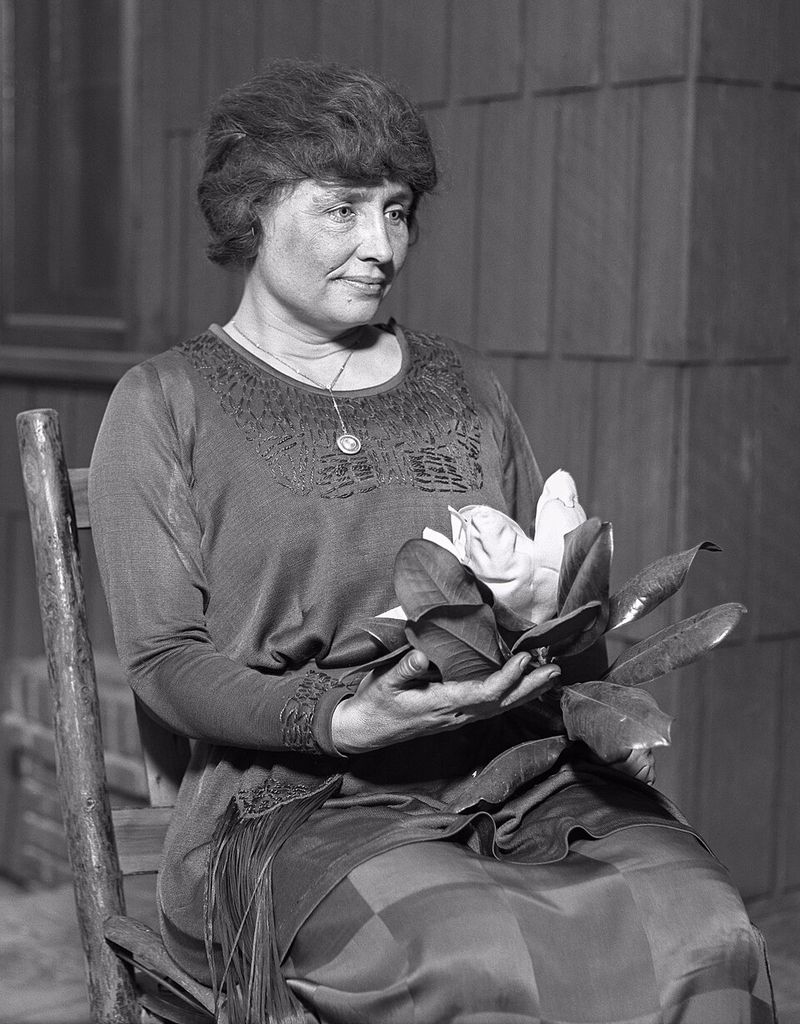
Helen Keller lost both her sight and hearing before she turned two years old following an illness. Given the limited understanding of disability at the time, many people assumed her potential was equally limited.
They were wrong.
Working with her teacher Anne Sullivan, Keller learned to communicate through touch-based methods and eventually graduated from Radcliffe College in 1904, making her one of the first deaf-blind people to earn a college degree. She went on to write books, deliver lectures, and travel internationally.
Her public work extended well beyond her own personal story. Keller advocated for disability rights, women’s suffrage, labor protections, and broader social reforms.
She used her visibility to push for causes that affected millions of people who had no public platform of their own.
Her accomplishments challenged widespread assumptions about disability and helped make advocacy for people with disabilities a more visible and serious part of American public conversation.
Dolores Huerta
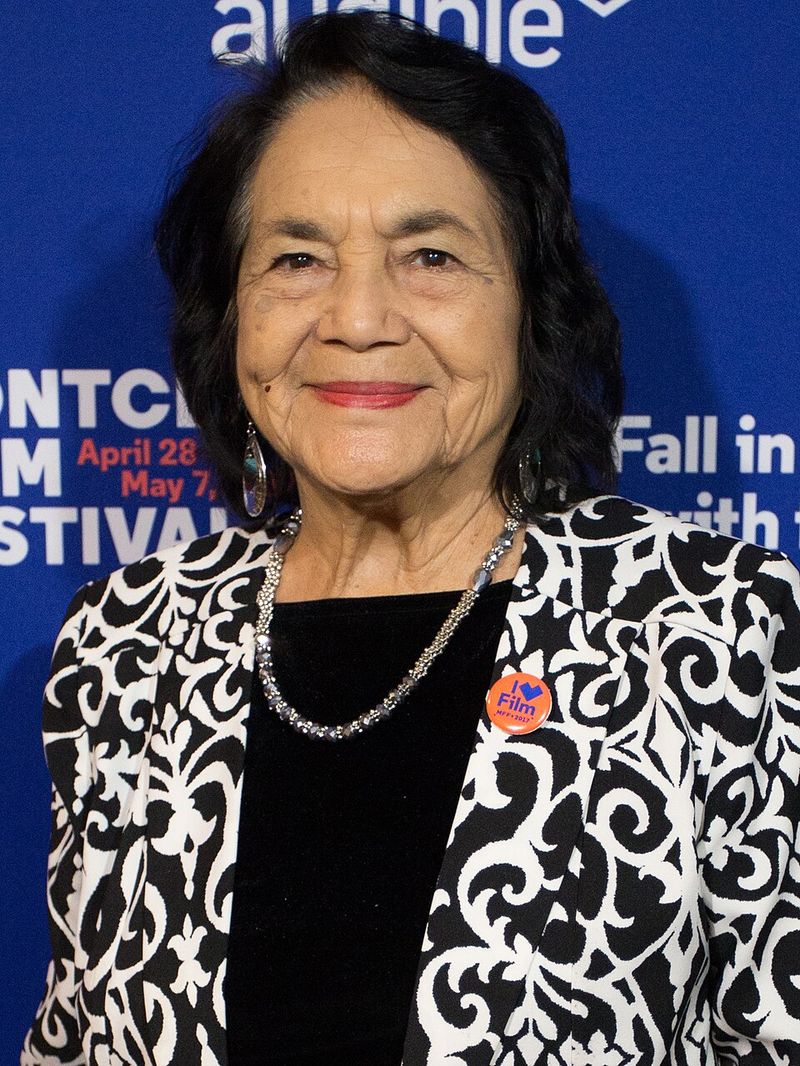
Dolores Huerta has spent more than six decades organizing farmworkers, negotiating labor agreements, and fighting for people whose working conditions were largely invisible to the rest of the country. That kind of sustained commitment over that length of time is rare in any era of American activism.
Together with Cesar Chavez, she helped build the organization that became the United Farm Workers. Huerta played a central role in planning strikes, supporting boycotts, and negotiating contracts that improved wages and conditions for agricultural workers across California and beyond.
She is also credited with popularizing the phrase “Si, se puede,” which translates roughly to “Yes, we can” and became a rallying call for labor and civil rights organizing far beyond the farmworker movement.
Her activism expanded over the years to include women’s rights and political participation. Huerta received the Presidential Medal of Freedom in 2012, recognizing a career built entirely around the idea that working people deserve dignity and fair treatment.
Sandra Day O’Connor
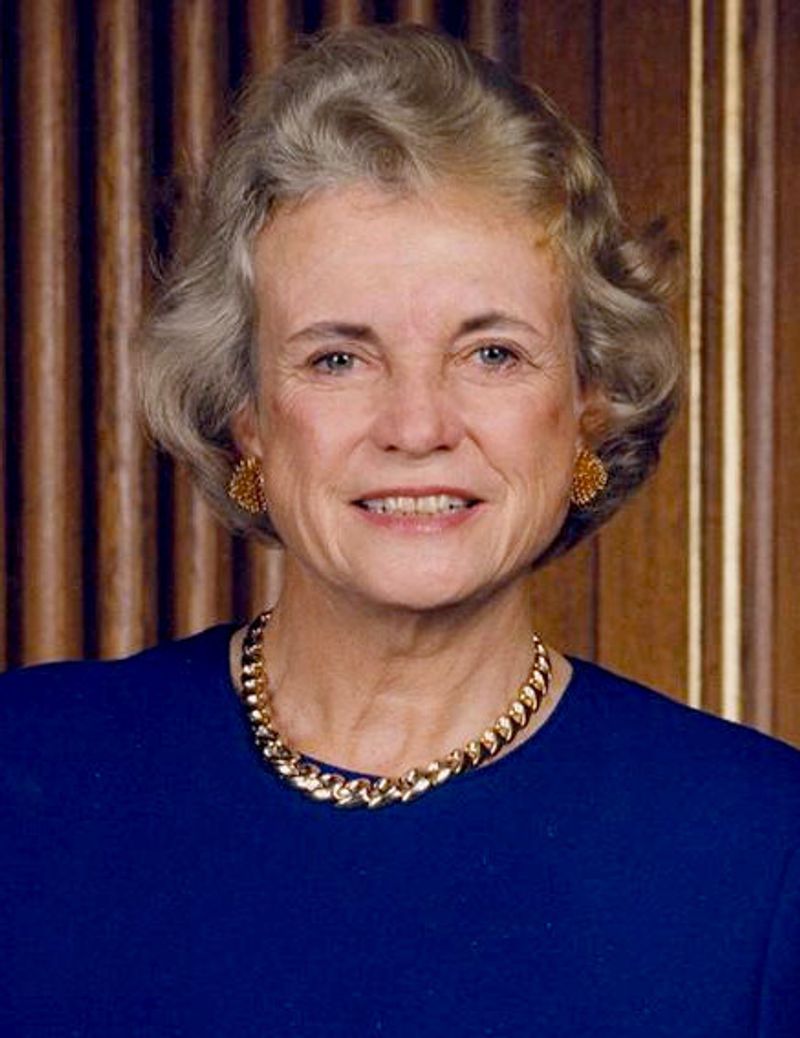
For nearly two centuries after the Supreme Court was established, every single justice who sat on it was a man. Sandra Day O’Connor changed that in 1981 when President Ronald Reagan nominated her and the Senate confirmed her unanimously.
Her arrival on the Court was significant not just as a symbolic milestone. During her 25 years as a justice, O’Connor frequently served as the deciding vote in closely divided cases, giving her an outsized influence on American law across areas including abortion rights, affirmative action, and election law.
She retired in 2006 and later became an advocate for civic education, founding iCivics, a nonprofit organization that creates educational resources to help young people understand how American government works.
O’Connor’s career demonstrated that women could occupy the highest levels of the American legal system and shape the law in ways that affected every person in the country. She passed away in December 2023.
Maya Angelou
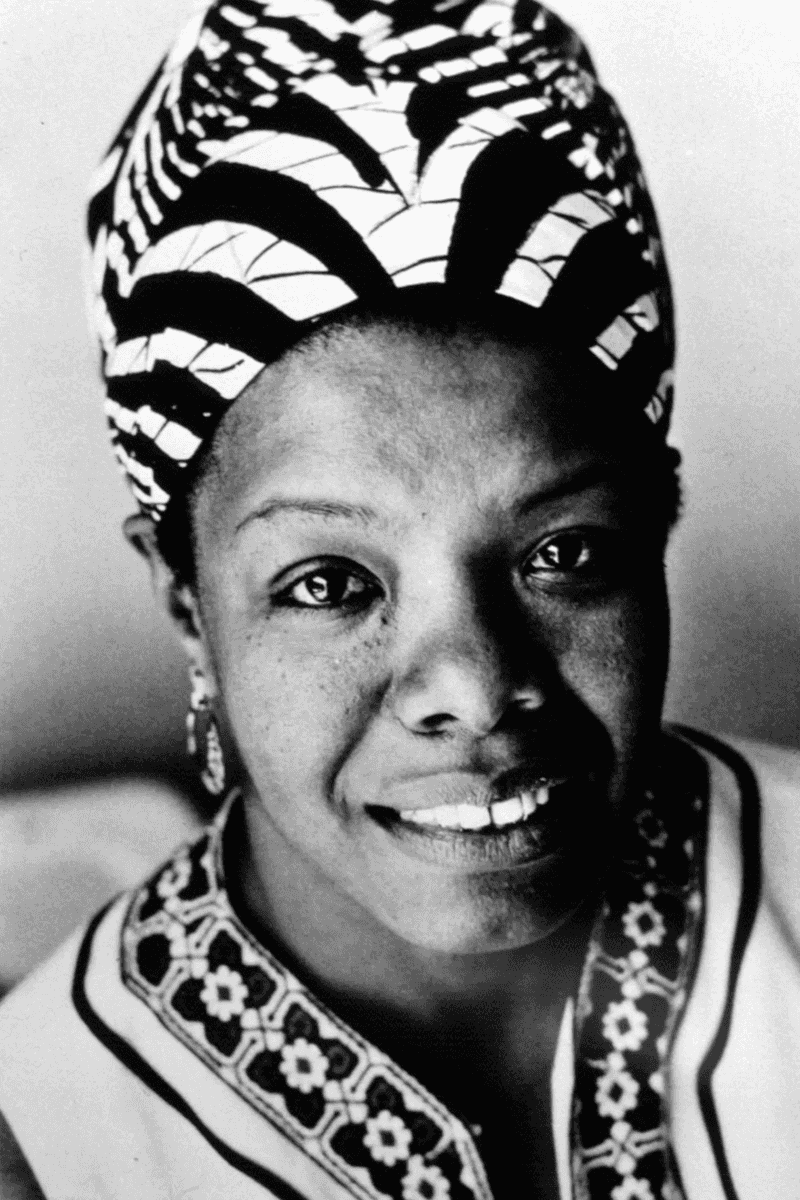
Maya Angelou published her autobiography “I Know Why the Caged Bird Sings” in 1969, and American literature has not been the same since. The book explored her childhood in the South, experiences of racism, trauma, and the search for identity with a voice that was both deeply personal and universally resonant.
She went on to publish poetry, essays, and additional memoirs, building a body of work that addressed race, womanhood, resilience, and human dignity with clarity and force. Her poem “On the Pulse of Morning,” delivered at President Bill Clinton’s inauguration in 1993, introduced her work to an even wider audience.
Angelou was also connected to the Civil Rights Movement and collaborated with major figures including Martin Luther King Jr. and Malcolm X.
Her ability to use literature as a form of social commentary gave her an influence that reached well beyond bookstore shelves and into conversations about who gets to tell their story in America.
Rachel Carson
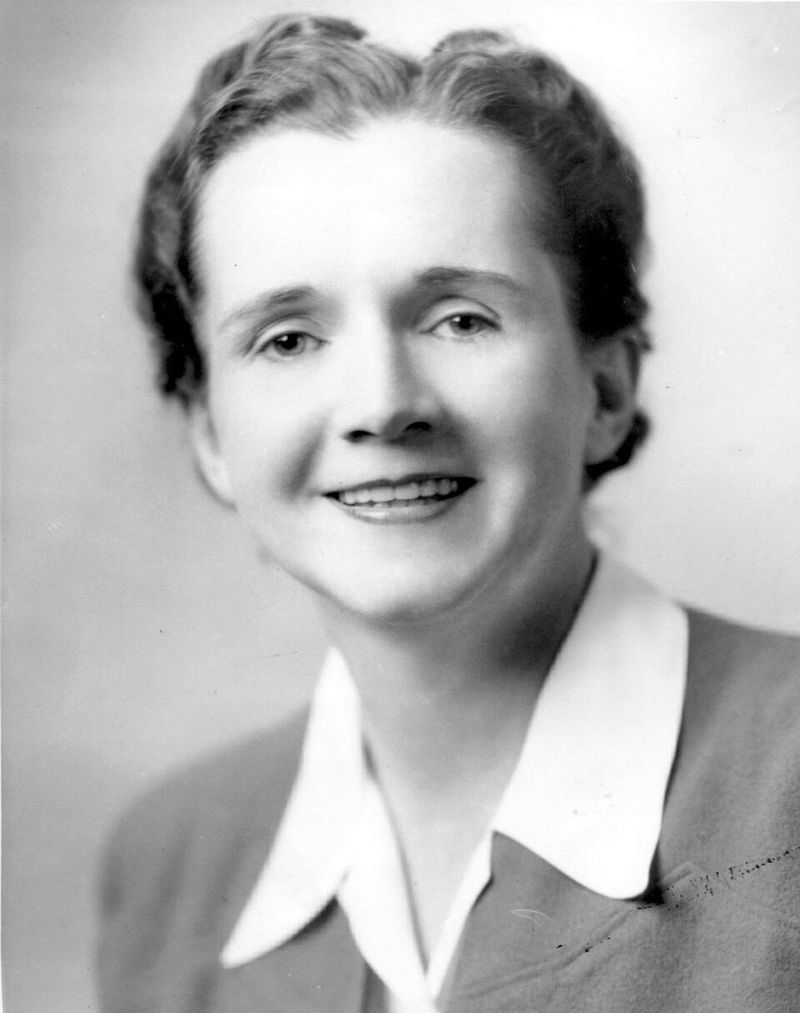
Rachel Carson had a talent that most scientists never develop: she could make complex ecological science readable, urgent, and impossible to ignore. Her 1962 book “Silent Spring” used that talent to change American environmental policy.
The book investigated the widespread use of chemical pesticides, particularly DDT, and documented the damage those chemicals caused to birds, wildlife, and ecosystems. It generated enormous public debate and faced fierce pushback from the chemical industry, which tried to discredit both the book and its author.
Carson’s work helped push environmental concerns into mainstream political discussion and contributed to the eventual ban of DDT in the United States in 1972. The Library of Congress recognizes “Silent Spring” as one of the books that most significantly shaped American culture.
Her approach established a model for science communication that connected ecological health to human wellbeing. The modern environmental movement traces a significant part of its origins directly to the questions Carson asked and the evidence she gathered.
Shirley Chisholm
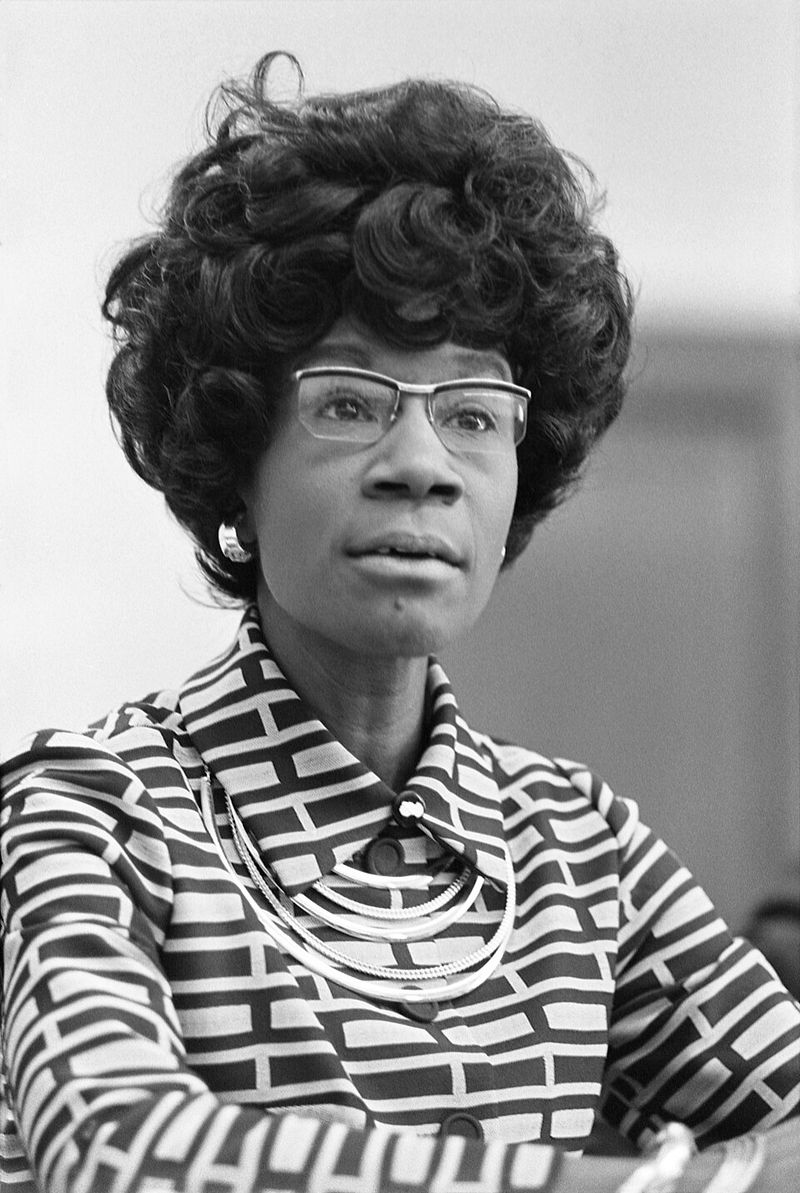
Shirley Chisholm did not wait for permission to make history. In 1968, she became the first Black woman elected to the United States Congress, representing a district in Brooklyn with a directness that quickly made her one of the most recognizable voices in Washington.
Her political identity, captured in her slogan “Unbought and Unbossed,” was not just a campaign phrase. It described how she actually operated, pushing for education funding, civil rights, and social programs while refusing to align herself with powerful political machines that expected loyalty in exchange for support.
In 1972, she ran for the Democratic presidential nomination, becoming the first Black candidate and the first woman to seek that nomination from one of the two major parties. She did not win, but her campaign permanently expanded the imagination of who could run for the country’s highest office.
Chisholm’s career inspired generations of women and minority candidates who followed the path she opened.
Betty Friedan
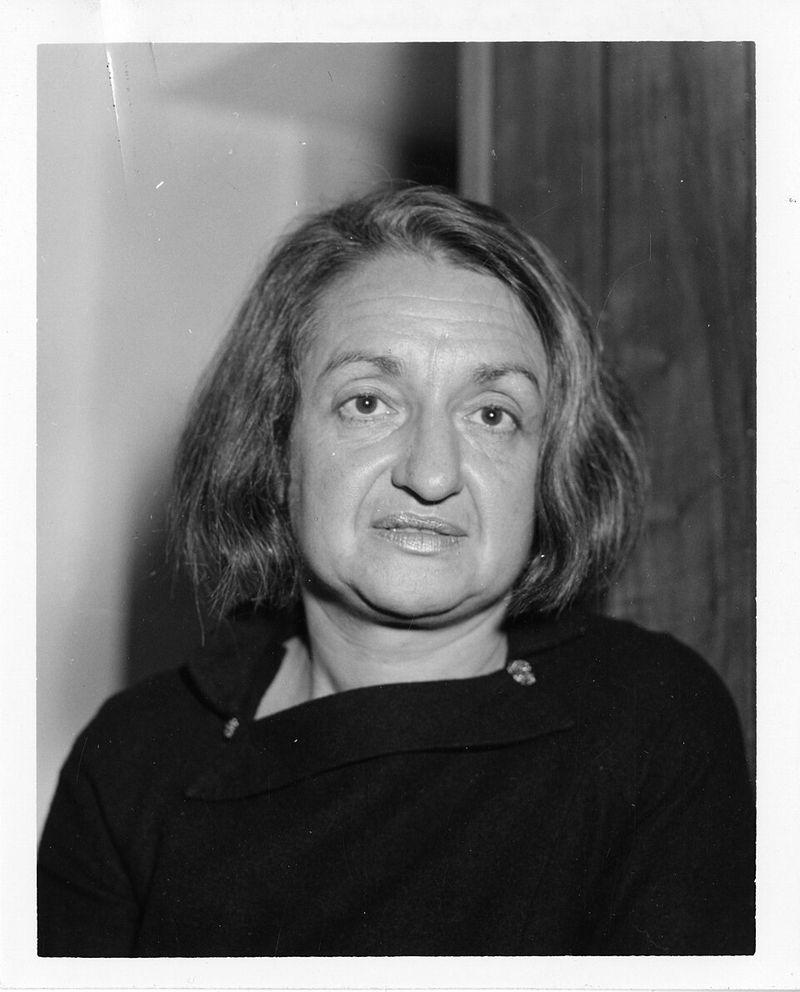
Betty Friedan published “The Feminine Mystique” in 1963 and gave language to something millions of American women had been feeling but had no public framework to discuss. The book examined the dissatisfaction of women whose lives were largely defined by expectations around marriage, motherhood, and domesticity, and it asked directly whether those expectations were fair or even honest.
The response was immediate. The book sold millions of copies and helped spark the second wave of the American feminist movement by bringing questions about women’s opportunities, employment, and social roles into mainstream conversation.
Friedan followed the book with action. She co-founded the National Organization for Women in 1966 and served as its first president, helping build an organization that advocated for gender equality in workplaces, politics, and education.
Her willingness to name a problem that many people had been told did not exist, and then organize around fixing it, made her one of the defining figures in the modern fight for women’s equality.
Share this story