No matter how blazing hot the Virginia summer gets outside, the temperature underground stays locked at a steady 55 degrees year-round. That single fact alone has been drawing curious visitors to a limestone cavern tucked along the edge of Salem for decades.
There is something genuinely surprising about walking into a cave and feeling the air shift from humid and warm to cool and still within just a few steps. This place rewards the curious, the geology lovers, the families looking for something different, and anyone who just wants a break from the heat.
What Dixie Caverns Actually Is
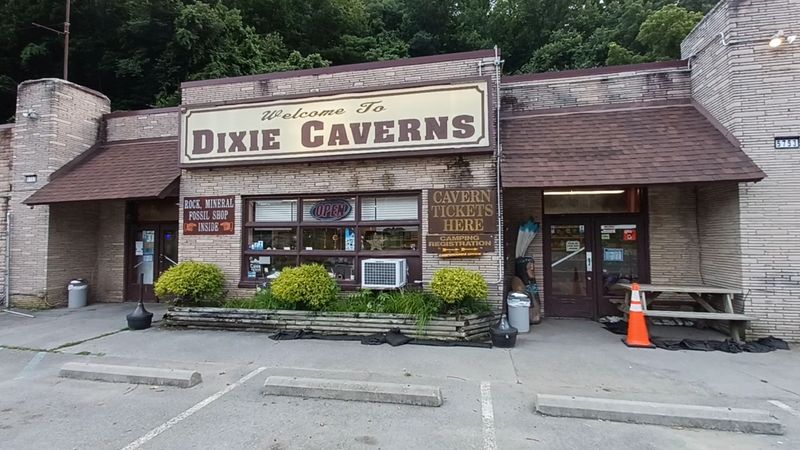
Most people driving along Interstate 81 near Salem, Virginia have no idea there is a real limestone cave system just off the exit. Dixie Caverns, located at 5753 W Main St, Salem, VA 24153, sits close enough to the highway that you can find it without much effort, yet feels completely removed from the roadside rush once you step inside.
The caverns have been a working tourist attraction for many years, drawing visitors who want to experience genuine underground geology rather than a manufactured theme park. The cave is natural, the formations are real, and the tours are guided by actual people who clearly enjoy what they do.
A campground also operates on the property, making it possible to stay overnight. But the cave is the main event, and for good reason.
The Constant 55-Degree Temperature Underground
The temperature inside Dixie Caverns holds steady at around 55 degrees Fahrenheit every single day of the year. Summer, winter, spring, fall, it does not matter.
The geology of the cave insulates it from whatever is happening above ground.
On a scorching July afternoon, walking through that entrance feels like opening a refrigerator door in slow motion. The air is cool, slightly damp, and noticeably still.
Visitors coming in August are often caught off guard by the chill, which is exactly why guides recommend bringing a light jacket regardless of what season you visit.
That consistent temperature is not just a comfort feature. It also plays a role in how the formations inside the cave have developed over thousands of years.
Stable conditions allow minerals to deposit slowly and evenly, which helps explain why some of the formations here look so well-defined and striking.
The Geology That Makes This Cave Unique
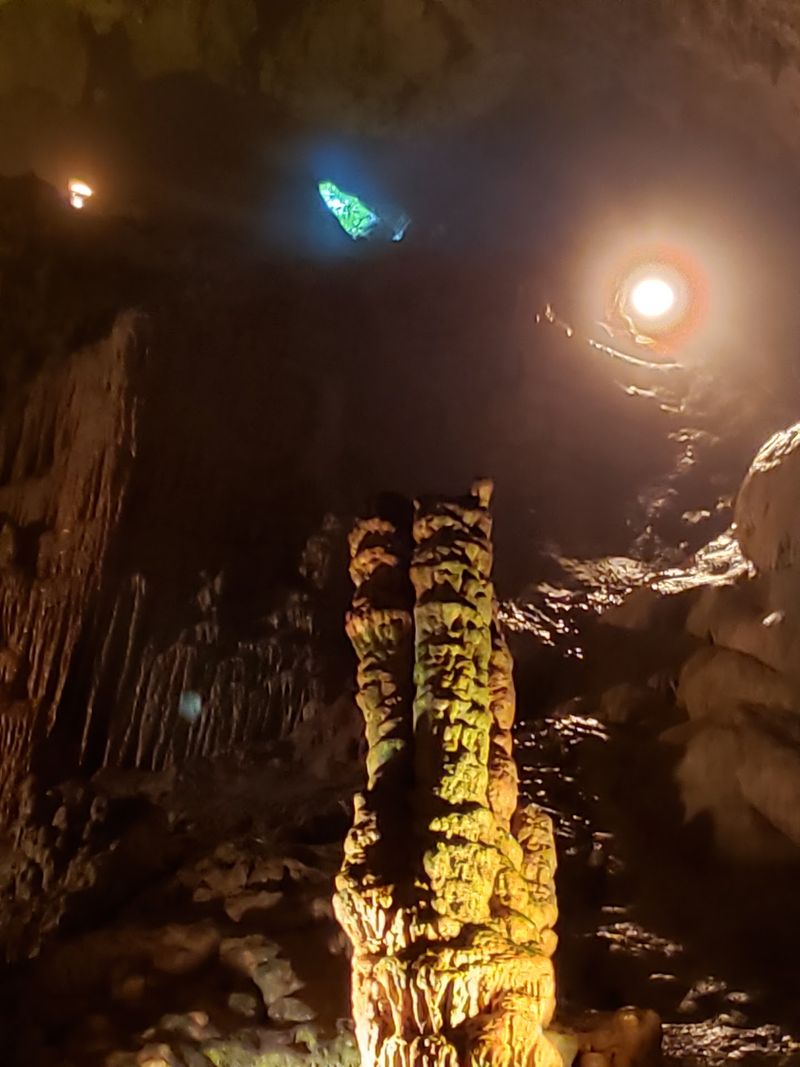
One detail that sets Dixie Caverns apart from other caves in the region is the presence of a visible fault line that can be observed from below ground. That is genuinely rare.
Most people only learn about fault lines from textbooks or news coverage of earthquakes, but here you can actually see one embedded in the cave walls during the tour.
The cave also contains evidence of ancient waterways. Two former water channels are no longer active, but their paths through the rock are still readable if you know what to look for.
A knowledgeable guide can point these out and explain how water carved and shaped the cave over an enormous stretch of time.
The formations themselves range from delicate stalactites to thick, layered columns. Each one has been growing for longer than recorded human history, which puts things in a useful perspective.
How the Guided Tours Work
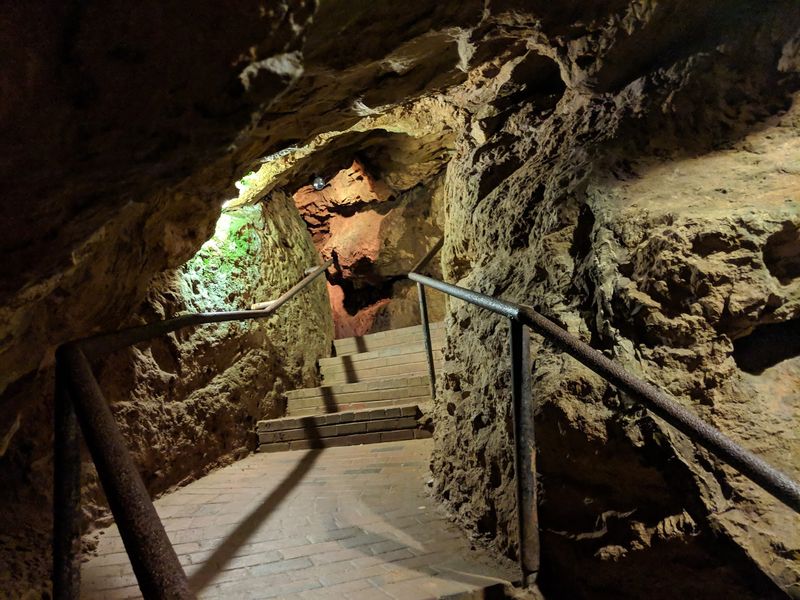
Tours at Dixie Caverns run on a regular schedule, departing roughly every 30 minutes. Each tour lasts approximately 45 minutes to an hour, depending on the group size and how many questions come up along the way.
The pace is relaxed enough for most visitors to keep up, though the physical demands are worth knowing about in advance.
The guides here have a reputation for being both knowledgeable and entertaining. Multiple visitors have noted that the tour never feels like a dry lecture.
Guides pause at key formations, explain the science in plain language, ask the group questions, and keep things moving with enough humor to hold the attention of younger visitors.
Tips are accepted and genuinely appreciated by the guides, who invest real energy into making each tour feel personal rather than scripted. Bringing a few extra dollars along is a simple way to acknowledge that effort.
Jacob’s Ladder and the Stair Situation
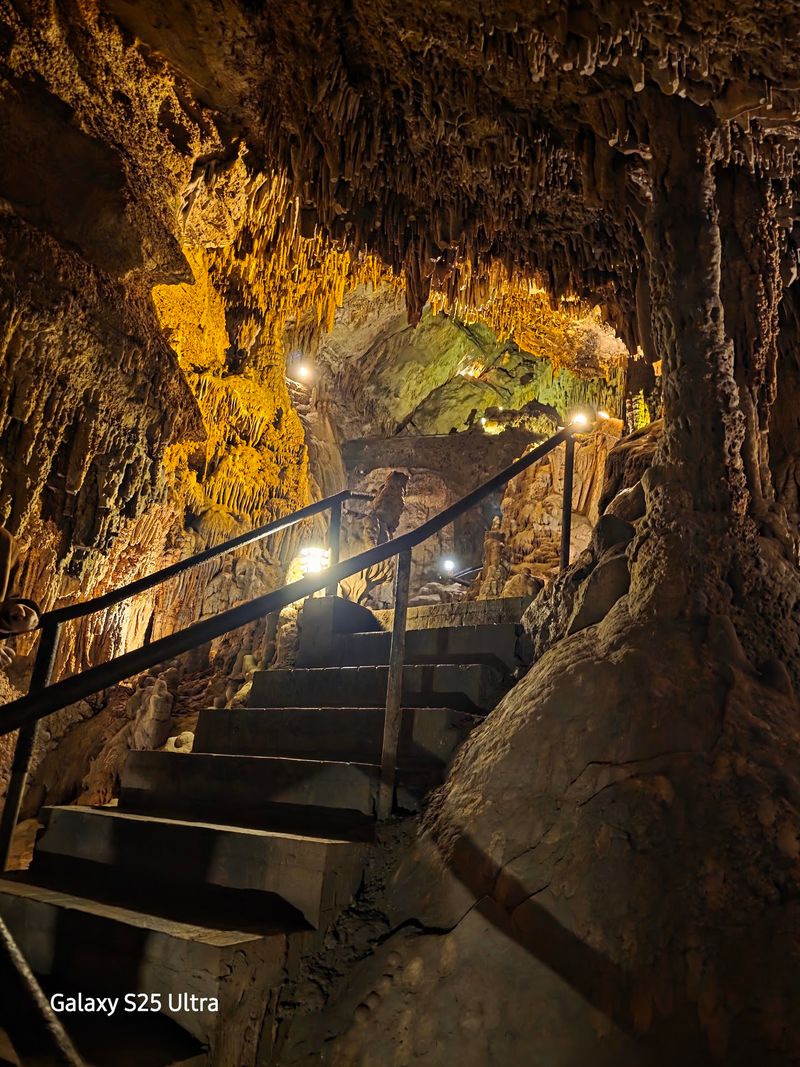
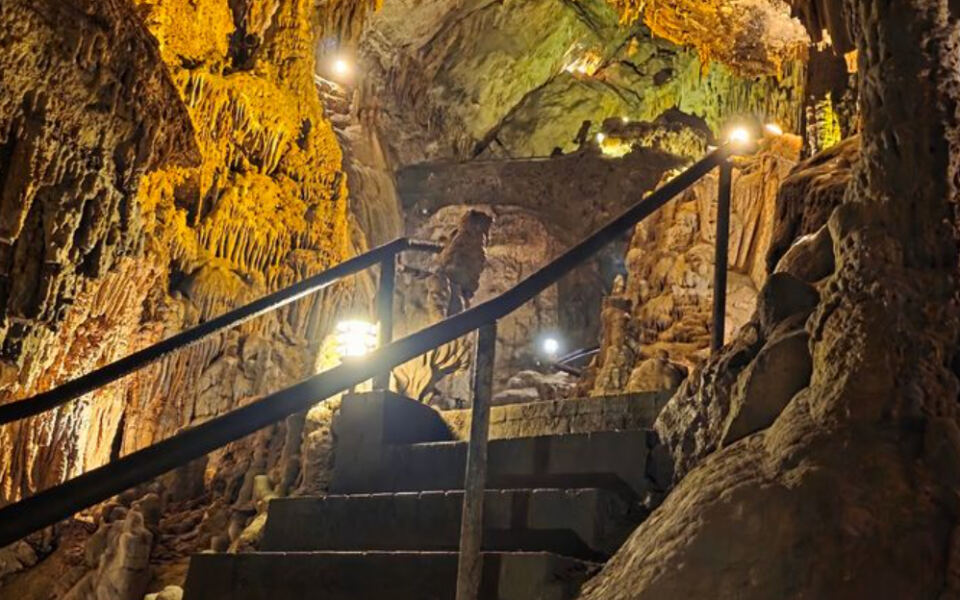
Let’s be straightforward about one thing: this cave involves a serious number of stairs. Right at the start of the tour, guides announce that visitors will be climbing a flight of steps known as Jacob’s Ladder, which spans roughly eight stories of vertical elevation inside the cave.
That is not a typo. Eight stories of stairs, underground, with rock walls on either side.
The railings are solid and the steps are manageable, but anyone with mobility concerns should know this ahead of time. Comfortable, closed-toe shoes are strongly recommended.
Sandals or dress shoes are not the right call here.
The good news is that guides build natural rest stops into the tour at each major formation. These pauses give everyone a chance to catch their breath while also learning something interesting.
The workout is real, but so is the payoff once you see what is at the top.
What the Formations Look Like Inside
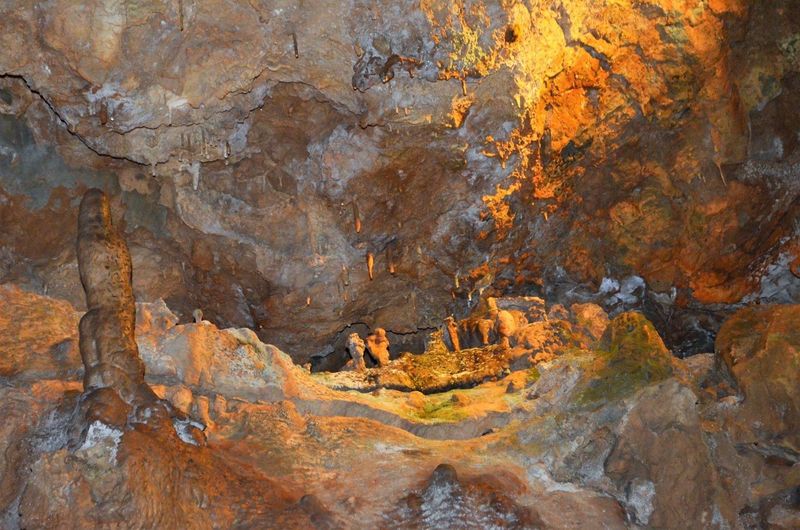
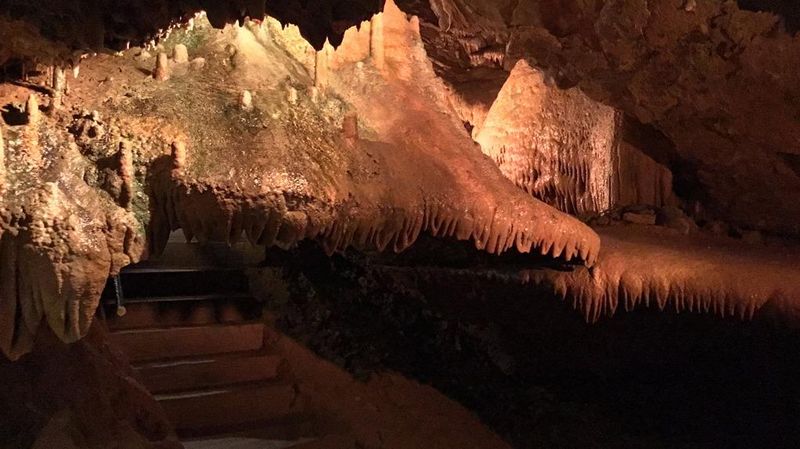
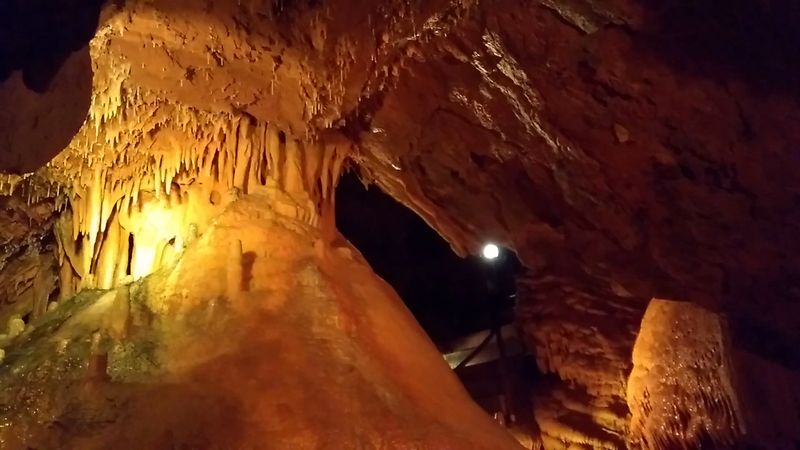
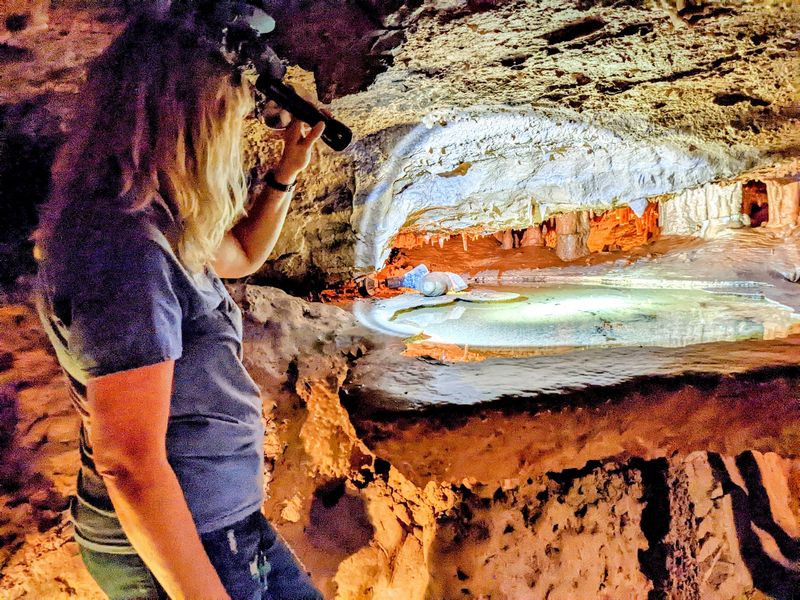
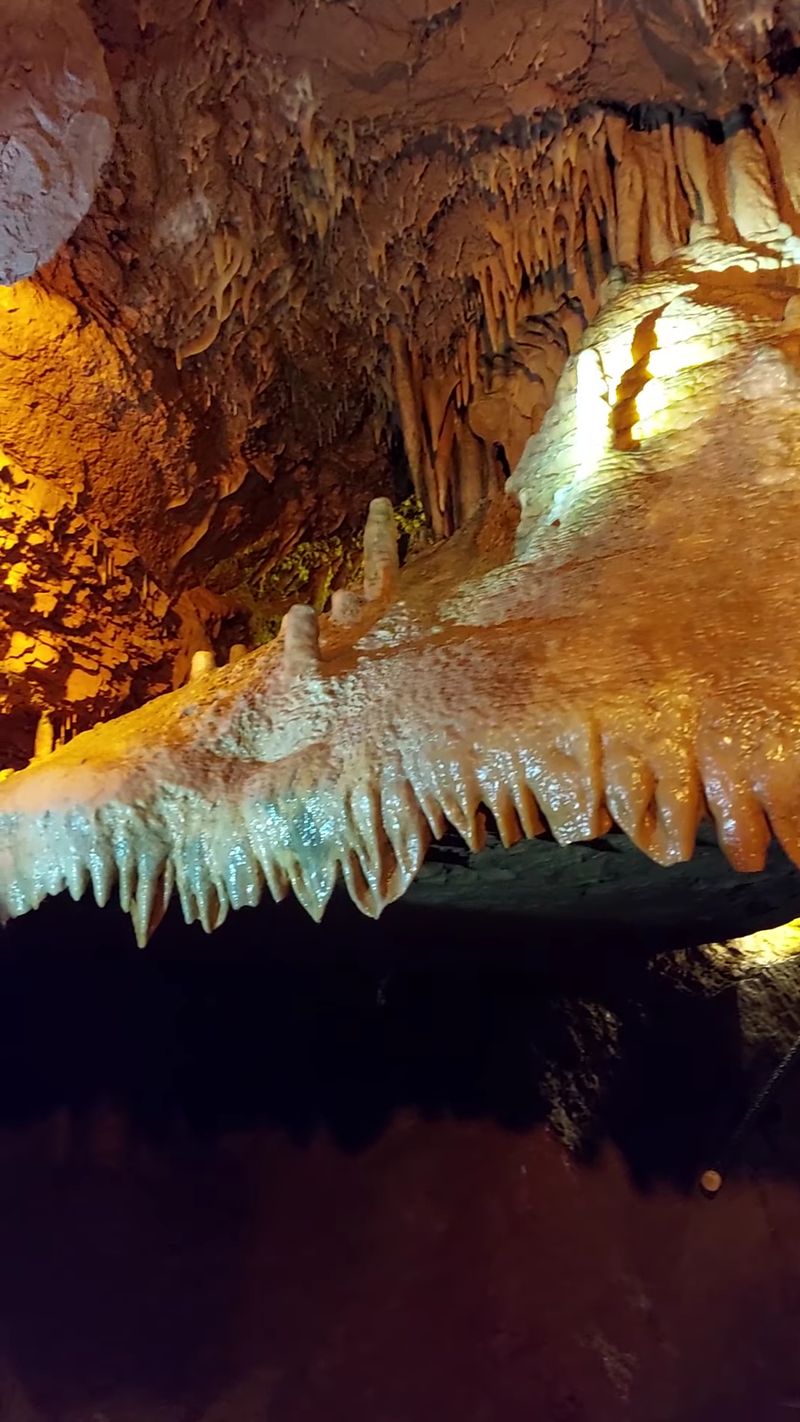
The interior of Dixie Caverns is visually striking in a way that photographs do not fully capture. The lighting is designed to highlight the textures and colors of the formations, which range from pale white to warm amber to deep rust depending on the mineral content of the rock.
Some formations drip with slow-moving water that is still actively depositing minerals, meaning the cave is technically still growing. Others are dry and have been for centuries.
The contrast between active and dormant formations gives the cave a layered, complex look that rewards close attention.
Guides point out specific formations by name and explain the conditions that created each one. Some look like curtains of translucent stone.
Others have built up into thick, rounded columns that nearly touch the ceiling. The variety keeps the tour visually interesting from start to finish rather than feeling repetitive.
The History Behind the Name Dixie
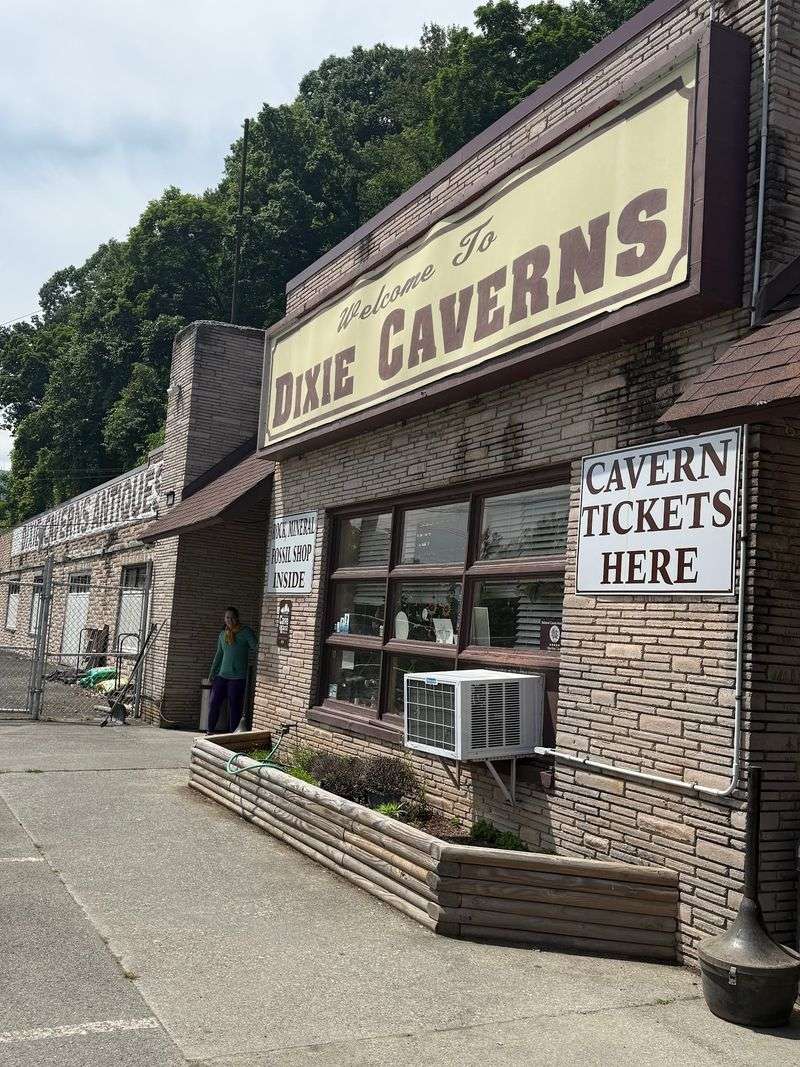
The name Dixie Caverns carries a bit of regional history worth knowing. The cave earned its name connected to the broader cultural identity of the Virginia mountain region, and learning that story during the tour adds context to the experience beyond just the geology.
The discovery of the cave itself is part of the attraction. The story of how it was first found and then developed into a public attraction is something guides cover during the tour, and it adds a human dimension to what might otherwise feel like a purely scientific experience.
Understanding how a natural formation becomes a place people visit for generations takes some imagination. The cave did not always have lighting, stairs, or guided tours.
Knowing what it took to transform a raw limestone passage into a functioning attraction makes the visit feel more grounded in real local history.
The Gift Shop and Antique Store Experience
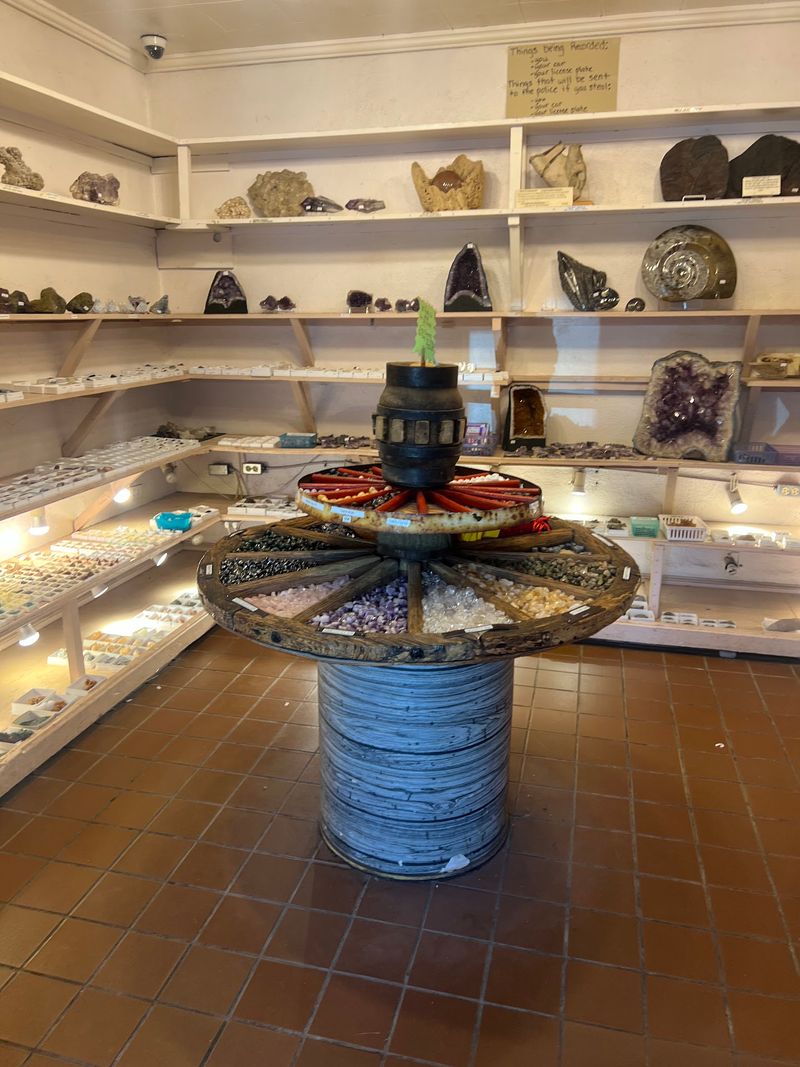
Before or after the cave tour, the gift shop and attached antique store deserve real attention. This is not a typical souvenir stand with mass-produced keychains.
The stone and mineral collection alone is worth browsing, featuring specimens that connect directly to the geology visitors just learned about underground.
The antique section has been described as something close to a well-stocked attic, full of items that trigger genuine nostalgia. Vintage toys, old household items, and collectibles from past decades fill the shelves in a way that makes it easy to lose track of time.
More than a few visitors have walked out with unexpected treasures.
Waiting for the next tour to begin is no hardship when the shop is this entertaining. The variety of items on display keeps things interesting for adults and children alike, and the prices are generally reasonable for what is offered.
Wildlife Around the Property
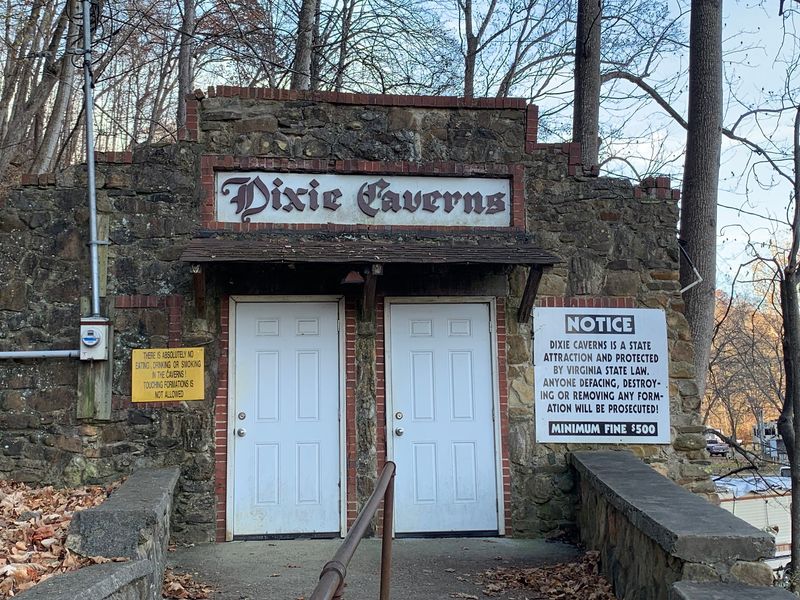
The area surrounding the caverns is natural Virginia woodland, and that means wildlife is part of the picture. Guides and regular visitors have noted that snakes are present in the area around the cave entrance and the grounds.
This is worth knowing before you wander off the main paths.
Most snakes in the region are harmless, but paying attention to your surroundings is always smart when visiting any natural site in Virginia. Staying on designated paths and watching where you step keeps any potential encounter brief and uneventful.
Inside the cave itself, salamanders have been spotted by visitors with a sharp eye. These small amphibians are well adapted to the cool, damp conditions underground and are a natural part of the cave ecosystem.
Spotting one during a tour is a small bonus that younger visitors tend to find genuinely exciting.
The Campground on the Property
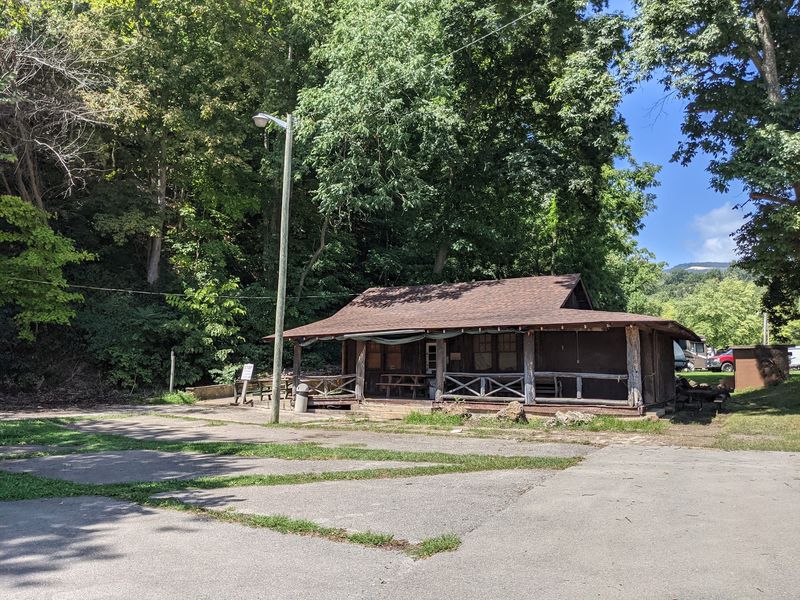
Beyond the cave, Dixie Caverns operates a campground that serves travelers passing through the Roanoke Valley on Interstate 81. The sites include pull-through options long enough for larger RVs, with basic hookups including electric, water, and sewer connections at many sites.
The campground functions well as an overnight stop for road-trippers who want something more convenient than a hotel parking lot but do not need a full resort setup. Free WiFi is included, which is a practical bonus for travelers who need to stay connected.
Each site has a picnic table and a fire pit, and the interior roads are graveled and maintained. The campground has a straightforward, no-frills character that suits people who just need a clean, accessible place to rest before continuing their drive.
The cave being steps away is a genuine bonus for anyone who has never toured it before.
Practical Tips Before You Visit
A few practical details make the difference between a smooth visit and an avoidable frustration. Tours fill up, especially on weekends and during summer months.
Arriving early or checking availability before you go saves the headache of waiting an extra hour for the next available slot.
Wear comfortable, closed-toe shoes with good grip. The steps inside are real stone, some sections are damp, and the footing requires attention.
A light jacket is genuinely useful even in the middle of summer, because 55 degrees feels noticeably cool after spending time in warm outdoor air.
Cash on hand is helpful for tips, and the gift shop is worth budgeting a little extra time for. The cave is closed on certain days of the week, so checking the current schedule before making the drive prevents an unnecessary trip.
Planning ahead makes the whole experience more enjoyable.
Who This Cave Is Best Suited For
Families with school-age children tend to get a lot out of the Dixie Caverns experience. The combination of real geology, a knowledgeable guide who keeps things lively, and the sheer novelty of being underground makes it memorable for kids in a way that a museum exhibit rarely does.
Geology enthusiasts and amateur rock hounds will find plenty to appreciate in the formations and the visible fault line. The cave offers enough scientific detail to satisfy people who want more than a surface-level look at how caves form.
That said, the stairs are a real consideration for anyone with limited mobility. The tour is not accessible for visitors who cannot manage steep, uneven steps.
For everyone else, the physical effort is manageable and the built-in rest stops at each formation give the group time to recover before moving on to the next section.
Why This Spot Keeps Drawing People Back
There is a specific kind of place that people return to not because it has changed, but because it stays exactly the same. Dixie Caverns has that quality.
The formations are not going anywhere. The temperature is not shifting.
The cave is not being renovated or updated with new attractions every season.
What keeps people coming back is the combination of genuine natural beauty, entertaining guides who bring fresh energy to each tour, and the simple pleasure of being somewhere that feels removed from ordinary life. Going underground, even briefly, resets something in the mind.
The antique shop adds an extra layer of discovery that feels different on each visit depending on what has come in recently. For families who pass through the Roanoke Valley regularly, Dixie Caverns has become a reliable tradition rather than a one-time stop.
That kind of repeat loyalty says more than any rating ever could.
Share this story