Somewhere in southwestern Oklahoma, a forest exists that looks like it was arranged by a ruler rather than by nature. Every tree stands precisely six feet from the next, row after row, creating corridors so uniform they feel almost impossible.
Parallel Forest near Lawton is one of those places that sounds too strange to be real until you are standing inside it, looking down an infinite green hallway of red cedars. Whether you are chasing a quiet afternoon hike or a genuinely spine-tingling outdoor experience, this oddly beautiful spot delivers something you will not forget.
Location and Identity of Parallel Forest
Tucked inside the Wichita Mountains Wildlife Refuge just outside Lawton, Oklahoma, Parallel Forest is not your typical woodland. Unlike the rugged, rocky outcrops that define much of the surrounding landscape, this forest was carefully engineered, and every single tree is proof of that.
The refuge itself is managed by the U.S. Fish and Wildlife Service, and the forest sits as one of its most unusual features.
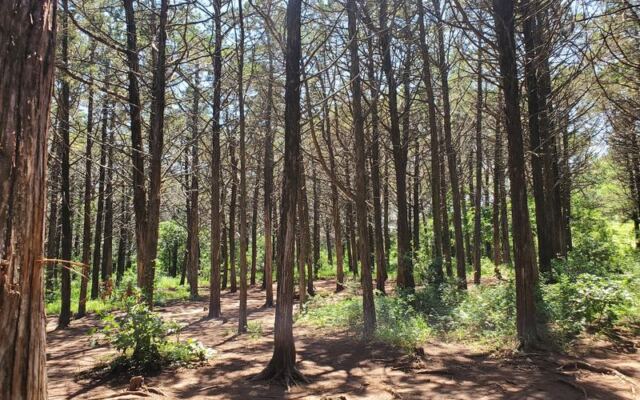
Spanning over 16 acres, it holds roughly 20,000 eastern red cedars, each planted at an exact six-foot interval in every direction. The result is a grid of trees so precise that long, symmetrical corridors stretch in multiple directions no matter where you stand.
Visitors often describe their first glimpse of the entrance as surreal, like stepping into a painting or a mirror maze made of wood and bark. The Wichita Mountains provide a dramatic backdrop of granite boulders and open prairie just beyond the tree line, which makes the contrast with this mathematically arranged forest even more striking.
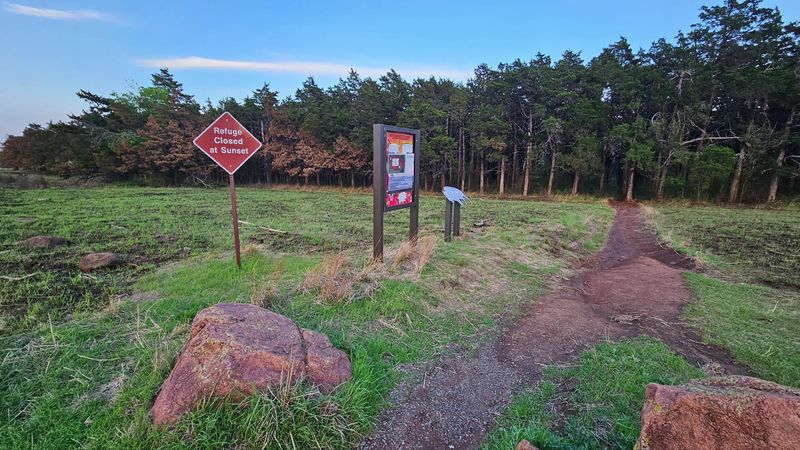
Finding it is straightforward, and the small parking lot marks the trailhead clearly for anyone making the trip.
The Science Experiment Behind the Trees
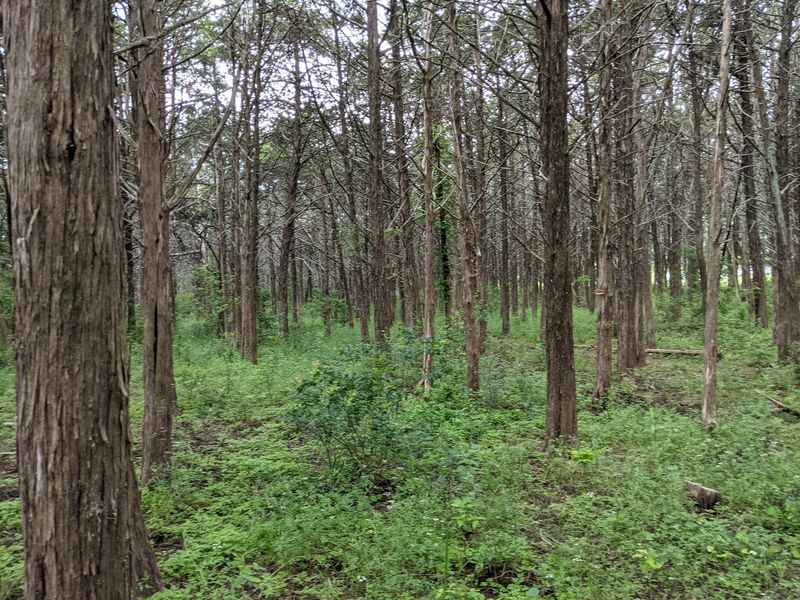
Not many hiking trails can claim to be the result of a government science experiment, but Parallel Forest absolutely can. Back in the 1960s, federal researchers planted these 20,000 red cedars as part of an effort to study erosion control and help recover land that had been devastated by the Dust Bowl era.
The idea was to test whether a densely planted, uniformly spaced forest could stabilize soil, reduce wind erosion, and restore ecological balance to a region that had suffered badly from decades of agricultural overuse. Each tree was set exactly six feet apart in every direction to create consistent data points across the entire 16-acre plot.
What started as a controlled scientific study eventually grew into something far more atmospheric than any researcher likely anticipated. The cedars matured into a dense, cathedral-like canopy that blocks wind and filters light in ways that feel almost otherworldly.
Visitors today are essentially walking through a living laboratory that has been quietly growing for over half a century. That backstory gives the forest a layer of meaning that goes well beyond its visual novelty, turning a simple hike into something that feels genuinely historic.
The Geometry That Makes It Uncanny
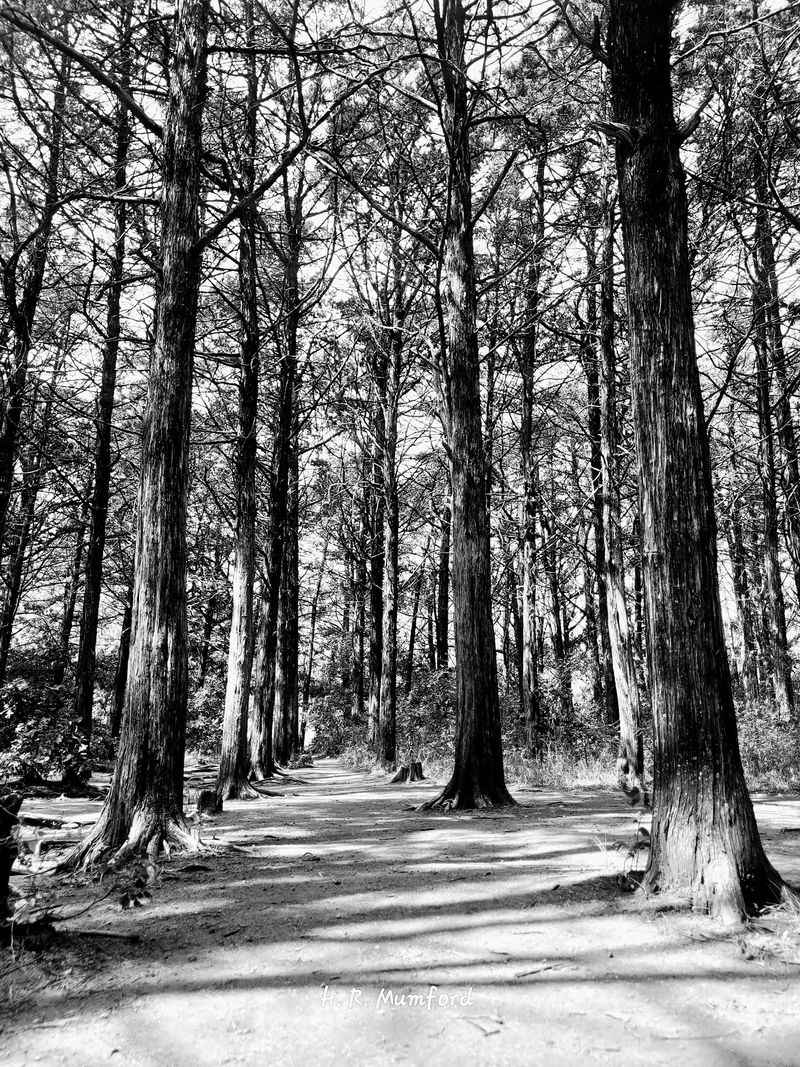
Standing at the entrance to Parallel Forest, the geometry hits you immediately. Row after row of red cedar trunks line up like columns in an ancient hall, and no matter which direction you face, the lines repeat with mechanical precision.
It is the kind of symmetry that the human brain recognizes as unnatural, and that recognition is exactly what gives the place its eerie charge.
Because the trees were planted six feet apart in every direction, the spacing creates diagonal corridors as well as straight ones. Visitors who wander slightly off the main path suddenly find themselves at the intersection of multiple green tunnels, each one stretching toward a vanishing point.
The effect is disorienting in the best possible way.
Photographers absolutely love this feature. The lines, the light filtering through the canopy, and the repeating patterns of bark and branch make for compelling compositions that almost frame themselves.
Several visitors have noted that weekend evenings attract small groups of photographers setting up shoots near the entrance, making morning visits a smarter choice for those who want the corridors to themselves. The geometry never gets old, and every season changes the quality of light that filters through the interlocking branches above.
The Creek and the Rocky Landscape Beyond
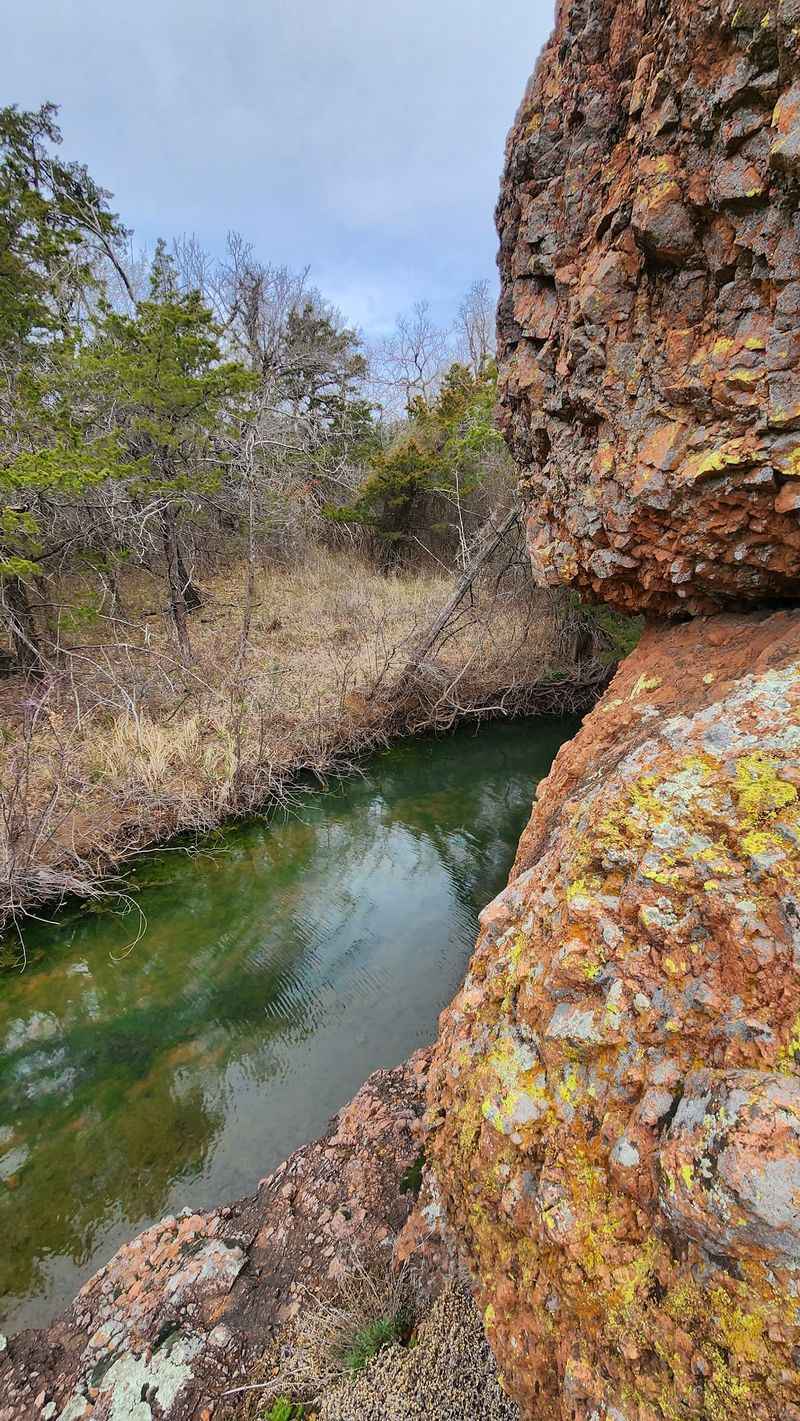
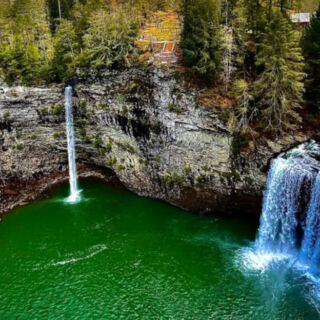
Plenty of visitors come for the trees and leave surprised by the water. Tucked toward the northeastern edge of the forest, a serene creek winds through the landscape, offering a natural counterpoint to all that rigid geometry.
The sound of moving water after walking through the silent, ordered rows of cedars feels like a small reward for pressing further into the trail.
Beyond the creek, the terrain shifts noticeably. Rocky outcrops and elevated ground replace the flat forest floor, giving hikers a chance to scramble up and catch elevated views of the surrounding area.
This transition from the engineered forest to the wild, granite-scattered landscape of the Wichita Mountains is one of the most satisfying aspects of the full loop.
Visitors who have explored the entire trail mention finding a rocky area to the northeast that offers a completely different feel from the cedar grid, almost like two separate parks occupying the same space. One review even describes a spot that looks like an old campfire ring made of arranged stones, adding a small mystery to the eastern end of the trail.
The creek and rocky terrain make the longer hike well worth the effort beyond the famous entrance corridors.
Wildlife Encounters Inside the Forest
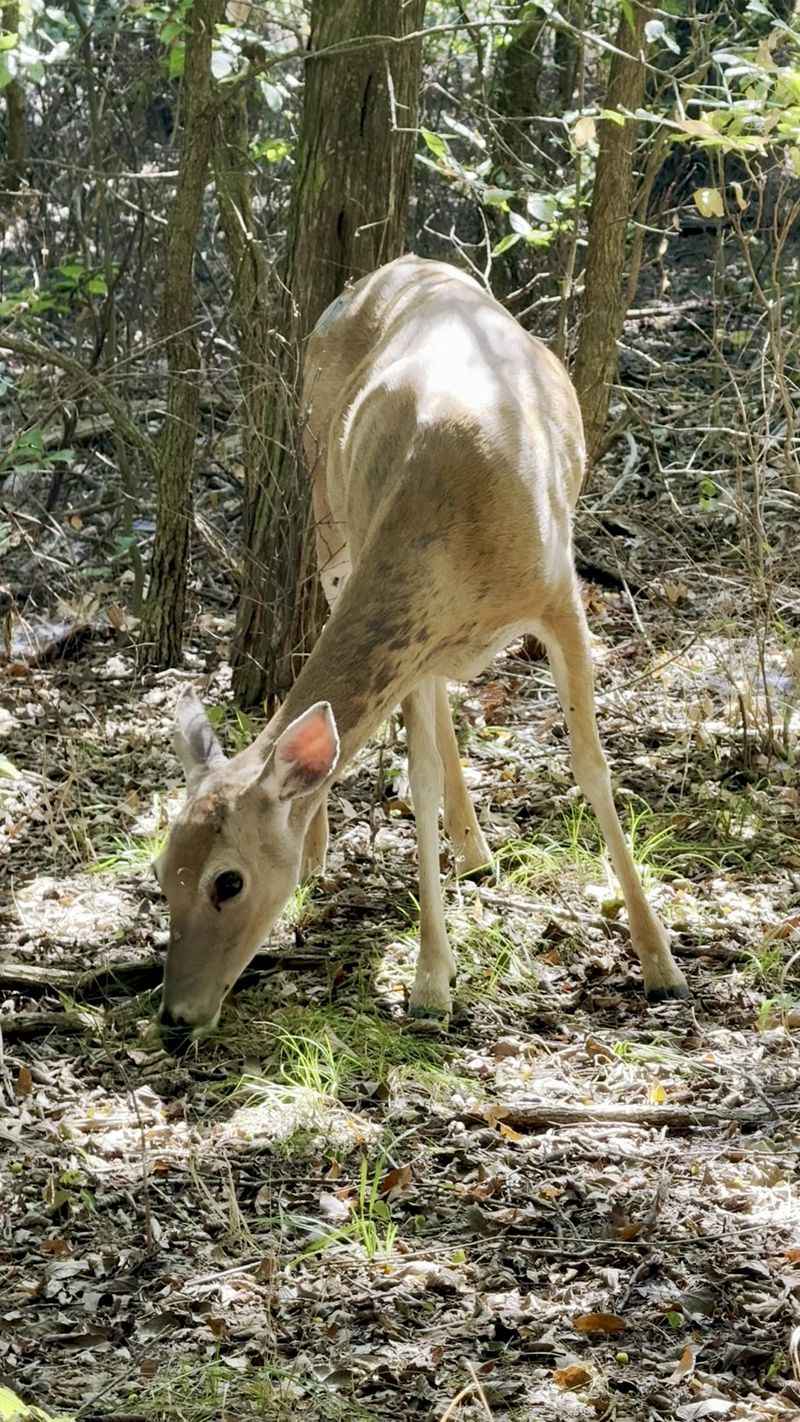
Oklahoma wildlife does not read trail maps, and Parallel Forest is proof of that. Despite the forest’s artificial origins, it has become a genuine habitat for local animals, and encounters with wildlife are a regular part of the experience for those who move quietly through the cedar corridors.
Deer sightings are among the most frequently mentioned highlights in visitor accounts. The dense canopy provides excellent cover, and the forest floor stays relatively cool and shaded, making it an attractive foraging spot for white-tailed deer throughout the day.
Spotting one moving silently between the uniform trunks, somehow fitting perfectly into a space that was designed by science rather than nature, is a genuinely memorable moment.
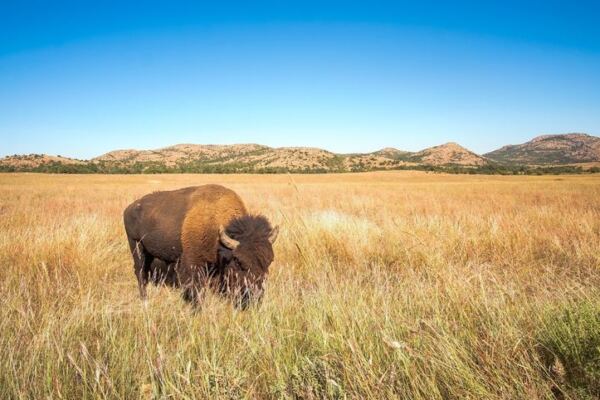
The broader Wichita Mountains Wildlife Refuge adds another layer of wildlife possibility just outside the tree line. Wild bison roam freely through the refuge, and signs near the entrance warn visitors of their presence in the surrounding area.
Cattle guards help keep the bison within the refuge boundaries, but their proximity to the forest adds a sense of wild Oklahoma scale to what might otherwise feel like a contained woodland walk. Keeping your eyes open pays off at Parallel Forest, because the animals show up when you least expect them.
The Eerie Atmosphere and Ghost Lore
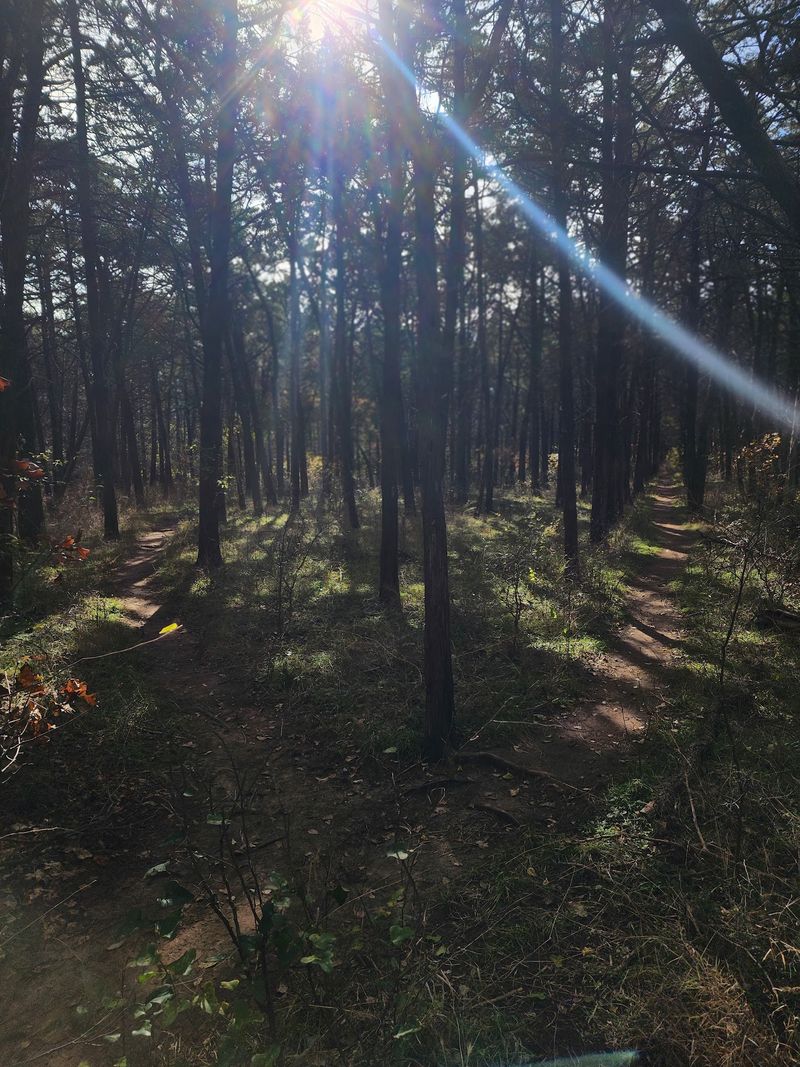
Something about a perfectly ordered forest feels deeply unsettling, and Parallel Forest leans into that feeling without trying. The silence inside the cedar grid is remarkable, the kind of quiet that makes your own footsteps sound louder than usual.
Visitors frequently describe the atmosphere as both peaceful and creepy, two words that rarely belong in the same sentence but somehow make perfect sense here.
Local folklore has attached ghost stories to the forest over the years, and it is easy to understand why. The uniformity of the trees, the way the corridors seem to extend forever, and the occasional eerie stillness of the air create conditions that fire up the imagination.
Some visitors claim to have spotted unexplained lights or orbs in their photographs, though those with a practical bent tend to chalk that up to dust particles and camera flash.
Whether or not you believe in hauntings, the atmosphere is undeniably effective. One visitor joked that they searched the whole trail for ghosts and came up empty, but admitted the forest had genuinely spooked them anyway.
Fall visits are especially popular for that reason, as the cooler temperatures and changing light add extra drama to the already theatrical cedar corridors. The ghost reputation, true or not, is part of what makes this place so compelling.
Trail Conditions and Navigation Tips
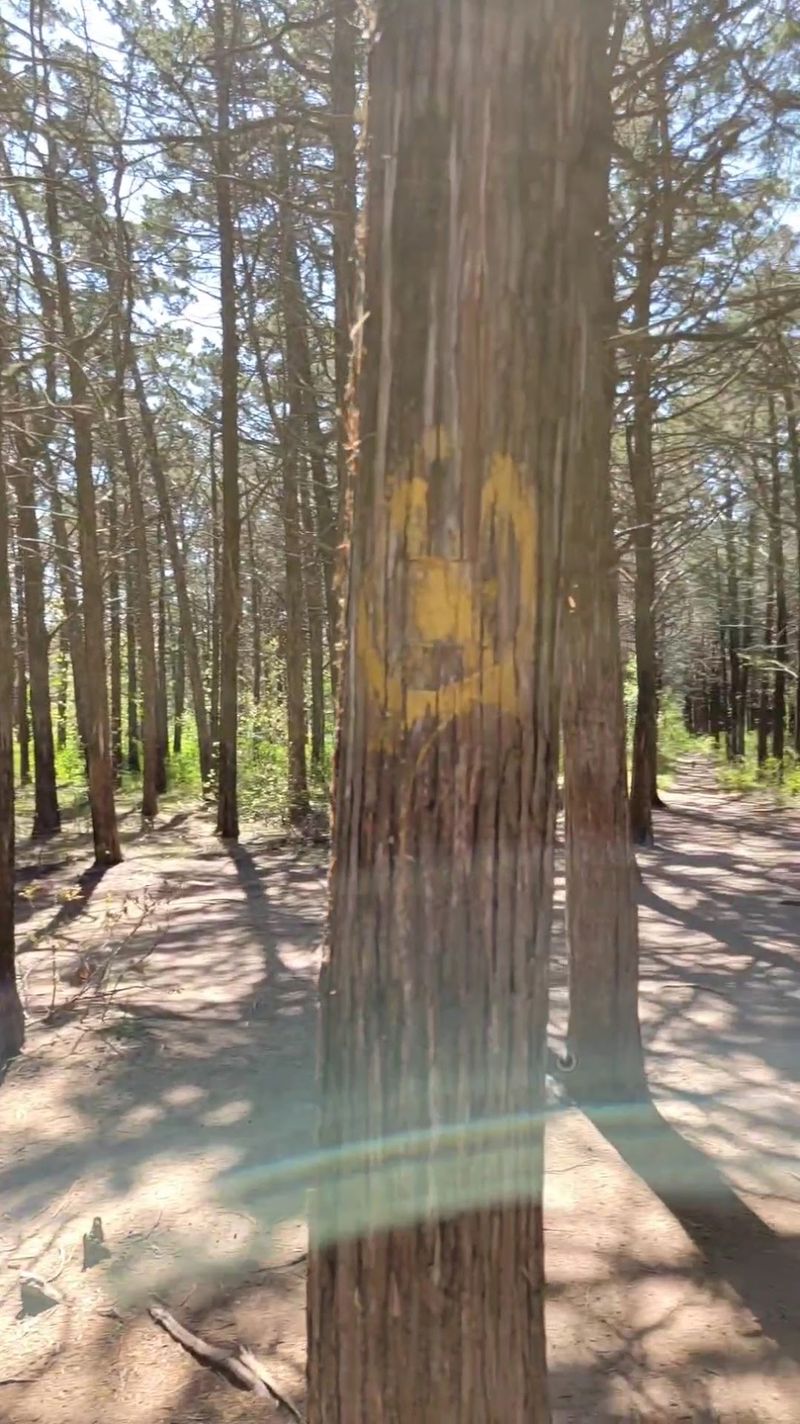
Wandering into Parallel Forest without a plan is part of the appeal, but a little preparation goes a long way. The trails are marked, but because every corridor of trees looks nearly identical to the next, it is genuinely easy to lose your sense of direction once you move away from the entrance.
More than one visitor has admitted to getting turned around inside the grid.
Following the marked trees carefully is the most reliable way to stay oriented, and several hikers recommend using a trail app like AllTrails as a backup. The main forest loop is manageable for most fitness levels and is generally described as an easy walk, though some of the side paths toward the creek and rocky terrain are narrower and slightly more overgrown.
Wearing closed-toe shoes is a sensible choice given the uneven ground.
The canopy provides welcome shade even on warm days, and visitors note that temperatures under the cedar cover feel noticeably cooler than the open Oklahoma air outside. For those planning a longer exploration, the trail extends northeast toward the creek and elevated rocky areas, adding meaningful distance and variety to the hike.
Sticking to marked paths and keeping track of your entry point will make the experience enjoyable rather than stressful, especially if you visit during low-light hours near dusk.
Visiting Practical Details – Hours, Cost, and Getting There
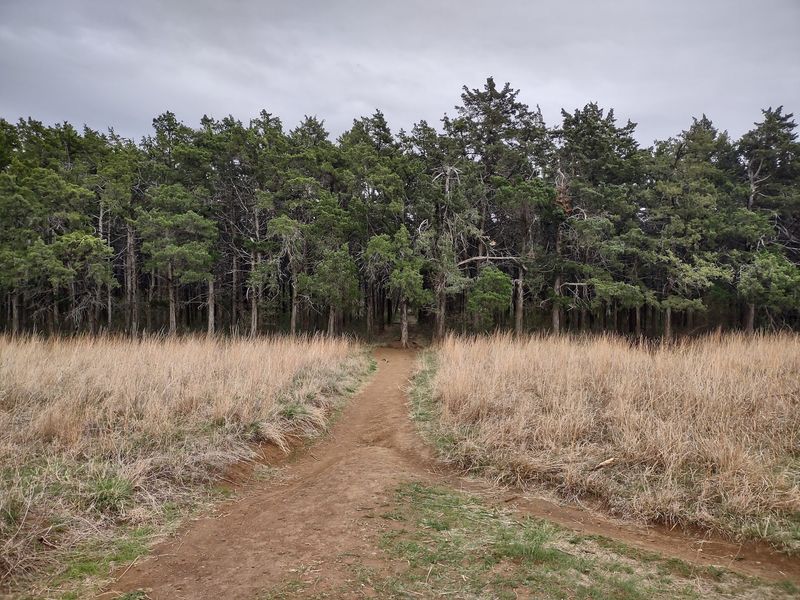
Getting to Parallel Forest is straightforward, and the cost of entry is even better: free. The small parking lot at the trailhead requires no fee, and the forest itself is open to visitors as part of the broader Wichita Mountains Wildlife Refuge near Lawton, Oklahoma.
That combination of zero cost and high visual payoff makes it one of the better outdoor bargains in the state.
The parking area is small, so timing matters more than you might expect. Weekend evenings draw the biggest crowds, partly because the light is beautiful at dusk and partly because the forest has built a reputation as a photography destination.
Morning visits on weekdays offer the most solitude and the best chance of having those cedar corridors entirely to yourself.
The Wichita Mountains Wildlife Refuge website, managed by the U.S. Fish and Wildlife Service, is the best resource for current access information and any seasonal updates.
Since the forest sits within the refuge, general refuge guidelines apply, including staying on marked trails and respecting the wildlife. Bringing water is wise regardless of the season, and fall visits earn particular praise from regulars who find the cooler temperatures and softer light make the experience even more atmospheric than the summer version.
Plan for at least an hour to explore comfortably.
Why Parallel Forest Earns a Spot on Your Oklahoma List
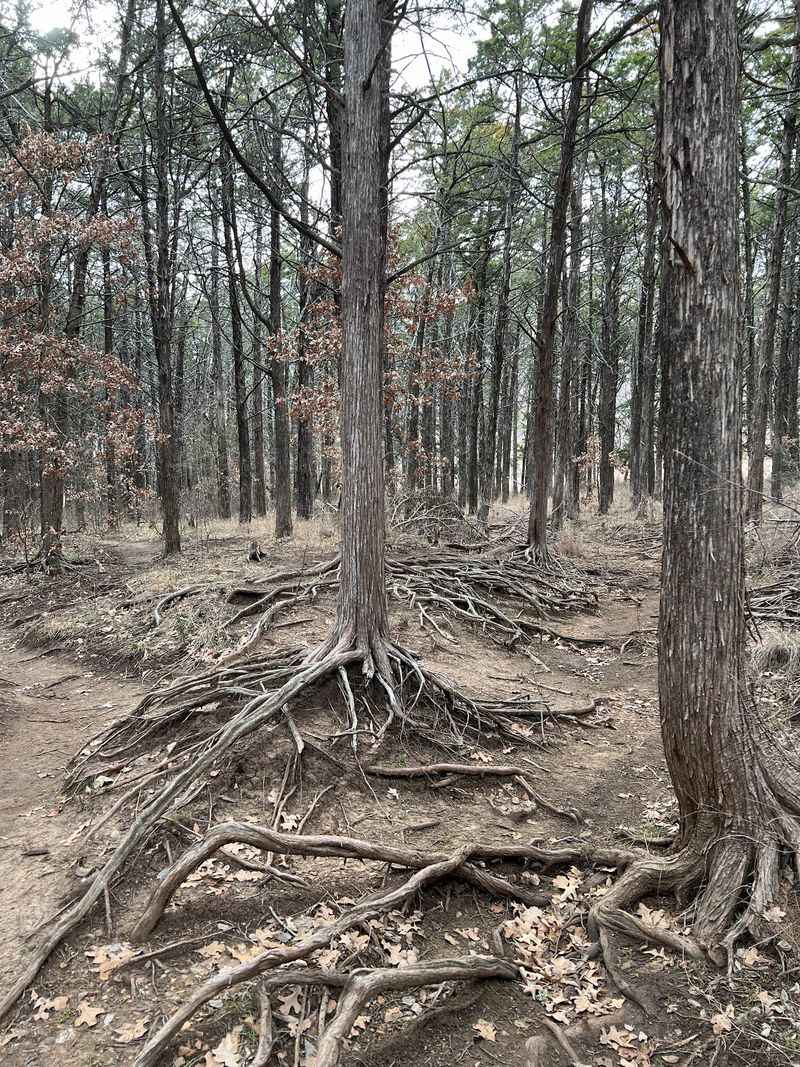
Some places earn their reputation through scale or drama. Parallel Forest earns its place through pure originality.
There is genuinely nothing else in Oklahoma that looks quite like it, and that singularity is a quality worth seeking out when you are building a road trip itinerary through the state.
The forest works on multiple levels depending on what kind of visitor you are. Nature lovers get a peaceful, shaded walk with real wildlife encounters.
Photography enthusiasts get a location that practically composes its own shots. History fans get a tangible reminder of Depression-era land recovery efforts, still standing and still growing after more than half a century.
And anyone who enjoys a mild shiver of the unexplained gets the ghost lore and eerie silence as a bonus.
Regulars tend to return because the experience shifts with the seasons and the time of day. Morning light through the cedar canopy feels meditative and calm.
Evening visits carry a theatrical quality that justifies the ghost stories. Fall brings cooler air and a color shift that makes the forest feel entirely different from its summer version.
Whatever draws you out to the Wichita Mountains, adding Parallel Forest to the plan costs nothing and pays off every time. Oklahoma has a lot of surprises, and this is one of its best.
Share this story