Oklahoma has a way of keeping its secrets buried just beneath the surface, tucked along forgotten highways and crumbling old structures that most people drive right past. But some of those places have stories that locals have been whispering about for generations, stories about strange lights, unexplained sounds, and shadows that seem to move on their own.
Whether you believe in the supernatural or just love a good mystery, the state is full of roads and ruins that have earned their eerie reputations. Pack a flashlight and maybe a friend, because these nine spots are not the kind of places you forget easily.
1. Theorosa’s Bridge, Valley Center Road, Wichita Falls Area – Oklahoma Border Region
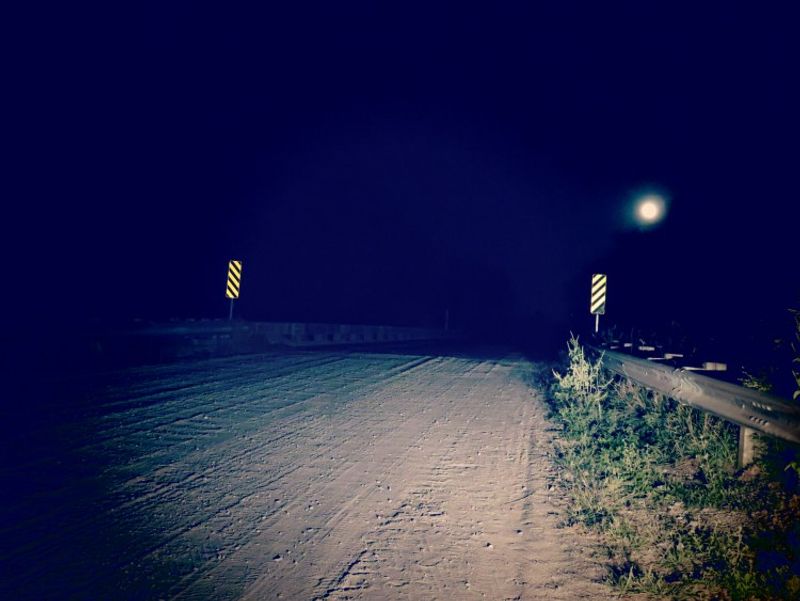
For decades, travelers along the rural stretch near the Oklahoma-Kansas border have told stories about a woman in white who appears near old creek crossings late at night. The legend of Theorosa has taken on a life of its own, passed from campfire to campfire across the region.
Locals say she roams near water, searching for something, or someone, she never found in life.
The bridge connected to her story sits in a remote area surrounded by flat farmland and heavy tree cover. Visitors have reported hearing faint crying sounds rising up from the creek below, even when no one else is around.
Some have claimed their car engines stalled without explanation right at the center of the crossing.
Whether the legend started as a cautionary tale or grew from something genuinely unexplained, the atmosphere around the bridge is undeniably unsettling. The isolation alone is enough to put anyone on edge.
Come at dusk if you dare, but most people who have made that trip say they do not feel the urge to linger long.
2. Ghost Road of Elmore City, Elmore City, Oklahoma
Elmore City is a small town in southern Oklahoma that most people know for being the town that once banned public dancing, made famous by the real-life events behind the movie Footloose. But step outside the town limits after dark, and you will find a stretch of road with a much stranger reputation.
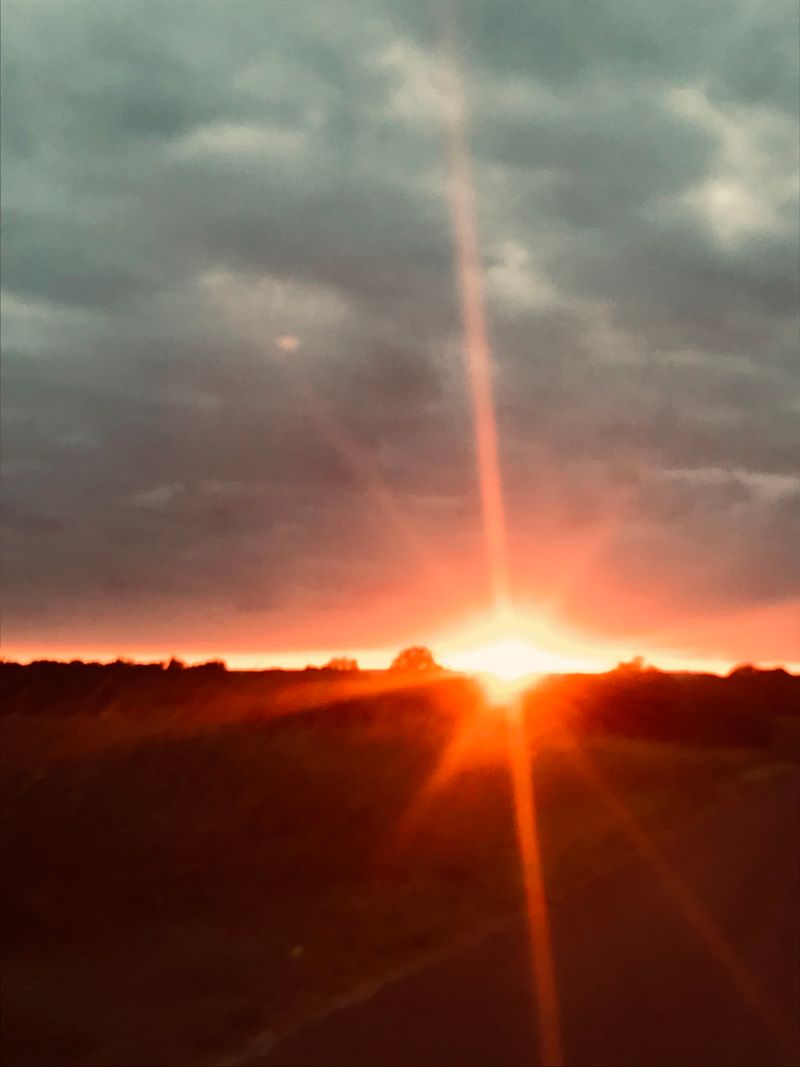
Locals have long talked about a road on the outskirts of town where mysterious lights appear without any clear source. The lights float low, move slowly, and then vanish just before anyone gets close enough to explain them.
Some residents chalk it up to swamp gas or reflections, but others are not so sure.
What makes this particular road stand out is how consistent the accounts are across different generations of witnesses. Teenagers, farmers, and older residents have all described the same slow-drifting glow at roughly the same location.
The surrounding landscape is flat and open, which makes the appearance of any unexplained light all the more puzzling when there is simply nowhere for it to hide.
3. Spooksville Triangle, Commerce, Oklahoma
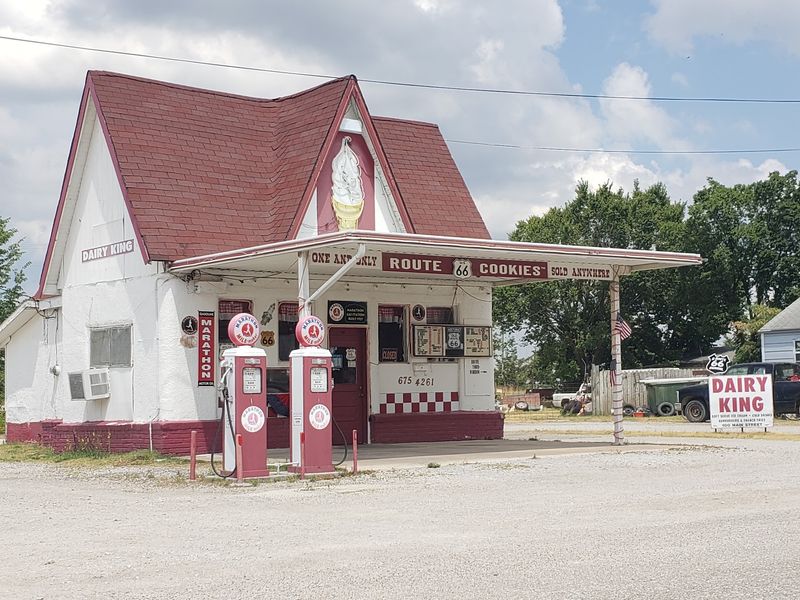
Nestled in the far northeastern corner of Oklahoma, near the town of Commerce, lies a stretch of backroads that locals have nicknamed the Spooksville Triangle. The area sits close to the old Pitcher mining district, where decades of lead and zinc mining left the land scarred with abandoned chat piles and flooded mine shafts.
The combination of industrial decay and regional folklore has given this triangle a reputation that stretches well beyond state lines.
Witnesses over the years have reported seeing strange balls of light drifting through the fields near the old mining ruins. Some accounts describe the lights as greenish or bluish, hovering just above the ground before disappearing into the darkness.
The proximity to the toxic chat piles adds an almost post-apocalyptic quality to the landscape that makes the whole area feel deeply unsettling even in broad daylight.
Paranormal investigators and curious road-trippers have made the Spooksville Triangle a regular destination. A few have returned with recordings of unexplained sounds, while others simply came away with a strong sense that something about the place is fundamentally off.
Whatever the explanation, the triangle earns its nickname.
4. Black Mesa Ruins, Kenton, Oklahoma
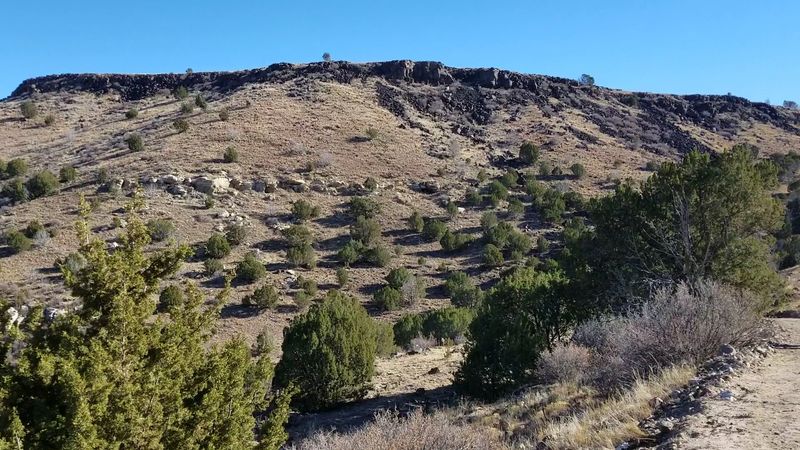
Way out in the Oklahoma panhandle, far from the crowds and far from most maps people actually use, Black Mesa rises out of the high desert like something from another world. It is the highest point in Oklahoma, and it sits near the small community of Kenton in Cimarron County.
The mesa is ancient, formed from volcanic activity millions of years ago, and the land around it holds traces of cultures that go back thousands of years.
Scattered across the rock faces are petroglyphs left by prehistoric peoples, images carved into stone that have outlasted entire civilizations. Local lore suggests that some visitors to the mesa have felt a strong, unexplained sense of being watched, particularly near the carved rock art.
A few hikers have reported hearing low, rhythmic sounds that seemed to come from the rock itself on still nights.
Whether the feeling is spiritual, psychological, or something else entirely, the mesa commands a kind of reverence that is hard to shake. The remoteness only amplifies it.
Out here, with no city lights and no background noise, the ancient landscape has a way of making you feel very small and very aware that people have been standing in this exact spot and wondering the same things for a very long time.
5. Gilcrease Museum Ruins and Grounds, Tulsa, Oklahoma
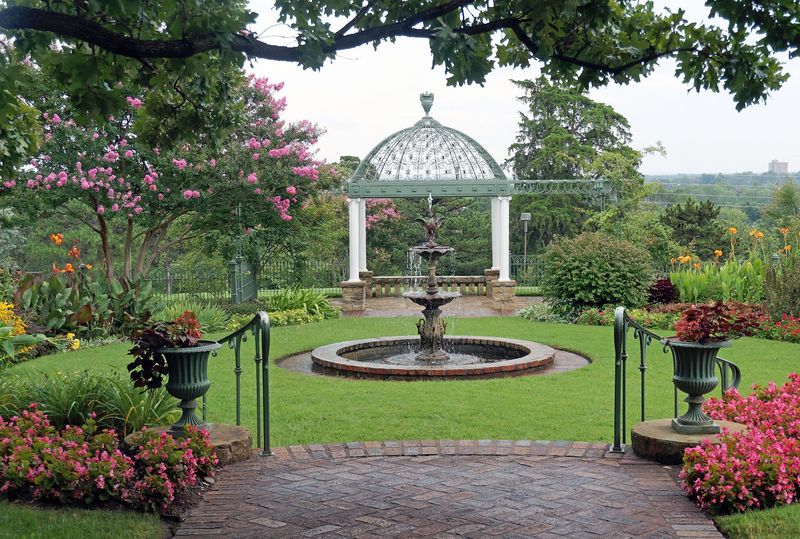
Most people visit the Gilcrease Museum in Tulsa for its world-class collection of American West art and Native American artifacts. But the grounds surrounding the museum, built on the former estate of oil magnate Thomas Gilcrease, carry a quieter, stranger reputation among those who spend time there after hours.
Gilcrease himself had a complicated and often sorrowful life, marked by financial struggles, personal loss, and a fierce attachment to the land he called home. Some of the estate’s older structures and garden areas have reportedly left visitors with an overwhelming sense of sadness, a feeling that comes on suddenly and fades just as quickly when they step away.
Museum staff and security personnel have occasionally mentioned hearing footsteps in areas that should be empty, or catching movement at the edge of their vision near the older parts of the property. Nothing dramatic, nothing that makes headlines, just the persistent, low-level strangeness that tends to attach itself to places where someone loved something deeply.
The gardens are beautiful by day. At dusk, they carry a different kind of weight.
6. Fort Washita Ruins, Durant, Oklahoma
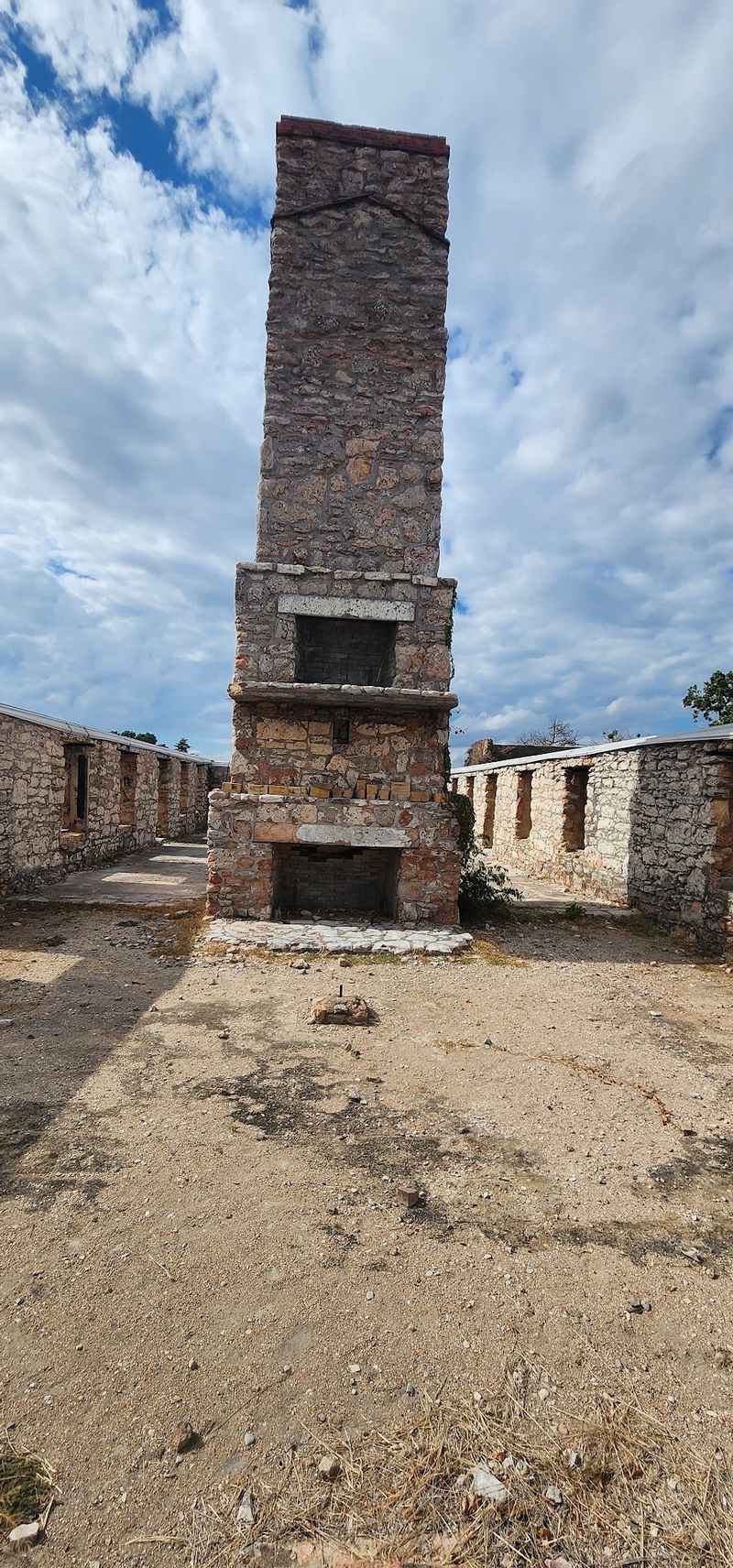
Fort Washita was established in 1842 to protect the relocated Chickasaw and Choctaw nations from Plains tribes, and it served as a military post through the Civil War era before being abandoned. The ruins that remain near Durant in southern Oklahoma are remarkably well-preserved considering their age, and the Oklahoma Historical Society has worked to maintain the site.
But preservation has not quieted the stories.
The most persistent legend involves a woman known as Sudie, said to be the spirit of a soldier’s wife who met a tragic end near the fort. Her presence has been reported so consistently over so many decades that she has become almost a fixture of the site’s identity.
Visitors have described seeing a woman in period clothing near the old stone structures, only for her to vanish when approached.
Beyond the Sudie legend, the fort as a whole carries the weight of its history. Soldiers, families, and entire displaced nations passed through this ground under circumstances that were rarely gentle.
Walking among the ruins, especially near sunset when the old sandstone walls glow amber, it is easy to understand why so many people leave Fort Washita feeling like the past is closer here than it should be.
7. Hex House Site, Tulsa, Oklahoma

Back in 1944, Tulsa police made a discovery that sent shockwaves through the city. A woman named Carolann Smith had allegedly been holding two other women captive in a house on the north side of Tulsa, controlling them through psychological manipulation and what neighbors described as something closer to a cult dynamic.
The house became known as the Hex House, and the story captured national attention at the time.
The original structure no longer stands, but the lot where it once sat has developed its own reputation over the years. People who have visited the site report feeling uneasy in a way that is difficult to articulate, a heaviness that does not match the quiet residential surroundings.
Some paranormal researchers have documented what they describe as unusual electromagnetic readings at the location.
The Hex House story has become a fixture of Tulsa’s darker history, inspiring haunted attraction events and local ghost tours each fall. But the actual site, stripped of theatrical fog machines and jump scares, is arguably more affecting.
Standing on that ordinary-looking piece of ground, knowing what happened there, has a way of making the ordinary feel suddenly and completely wrong.
8. Moonshine Bridge, Payne County, Oklahoma
Rural Payne County has more than a few backroads that locals prefer not to drive alone after midnight, but Moonshine Bridge has earned a specific and stubborn reputation. The bridge sits on a gravel road deep in the county’s wooded interior, far enough from any town that cell service becomes unreliable and the only light comes from whatever is overhead.
Stories tied to the bridge involve a range of phenomena, from apparitions appearing in rearview mirrors to strange knocking sounds on car doors when no one is outside. Some accounts describe a figure standing at the far end of the bridge that disappears before anyone reaches it.
The consistency of these reports, coming from people who did not know each other and visited years apart, is what keeps the legend alive.
A big part of what makes Moonshine Bridge so effective as a spooky destination is its sheer physical isolation. The surrounding woods are thick, the road leading to it is poorly marked, and the creek below moves quietly enough that you can hear just about everything else around you.
That silence has a way of filling itself with imagination, which may explain everything, or may explain nothing at all.
9. Bacone College Ruins and Chapel, Muskogee, Oklahoma
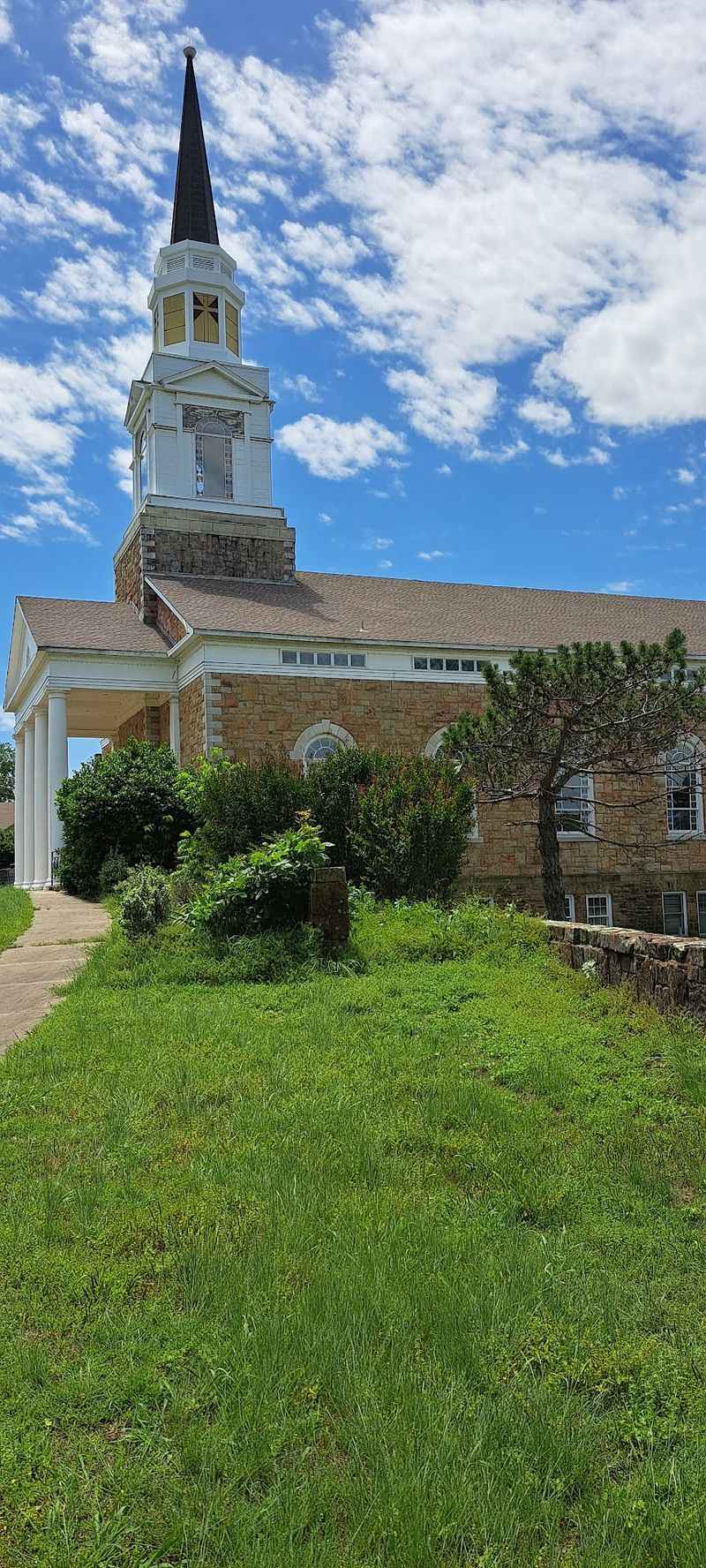
Bacone College in Muskogee is one of the oldest institutions of higher learning in Oklahoma, founded in 1880 and historically significant as a school serving Native American students. The campus carries an enormous amount of history within its relatively small footprint, and several of its older buildings have developed reputations that go beyond architectural charm.
The college chapel, in particular, has been a focal point for accounts of unexplained activity. Students and staff have reported hearing organ music when the chapel is locked and empty, and a few have described seeing figures seated in the pews that were not there a moment later.
The chapel’s role as a gathering place through more than a century of celebrations, ceremonies, and sorrows seems to have left something behind.
Beyond the chapel, the older dormitory and classroom ruins at the edges of the campus have their own quiet strangeness. Former students have described waking in the night to sounds of movement in hallways that were clearly empty.
Whether the college’s long history of serving communities through hardship and transition has somehow impressed itself on the physical space is a question no one has answered cleanly. What is clear is that Bacone feels lived-in in a way that goes deeper than its age alone would suggest.
Share this story