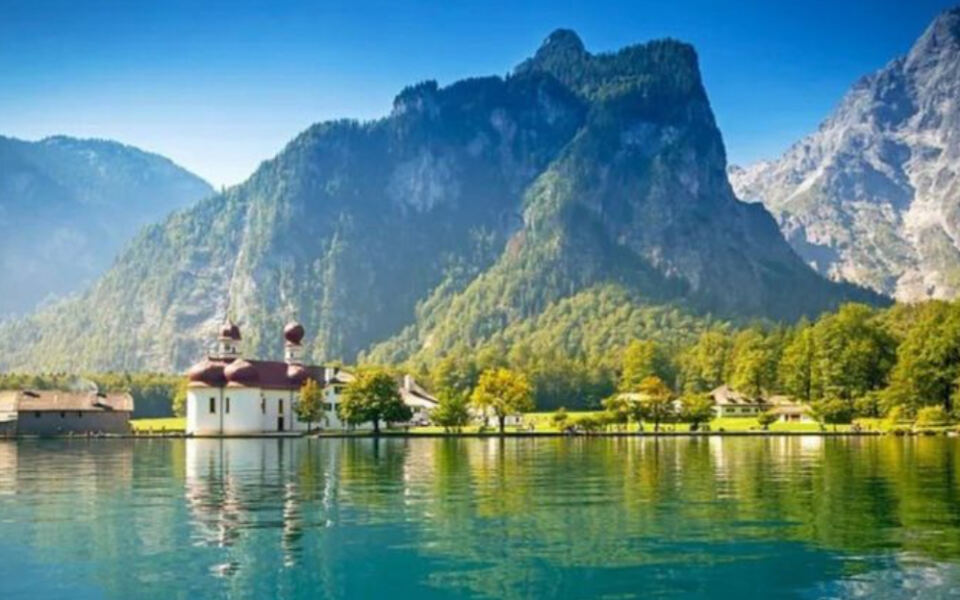
Picture a place where snow-capped peaks tower above glittering lakes, and centuries-old villages sit quietly at the water’s edge. These kinds of spots exist across the Alps, stretching through Austria, Switzerland, Slovenia, Germany, France, and Italy.
They offer a rare mix of natural beauty, rich history, and outdoor adventure all packed into one landscape. Whether you love hiking, history, or simply soaking in a stunning view, these ten alpine escapes deliver something genuinely unforgettable.
Hallstatt, Austria
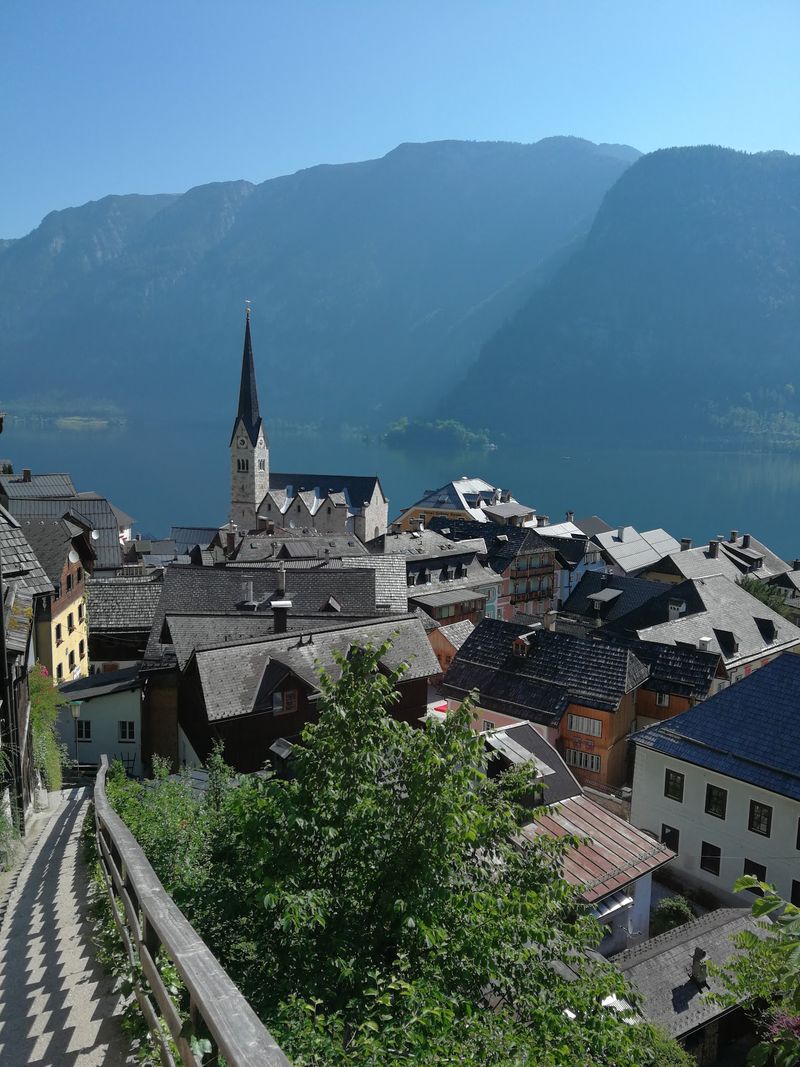
Salt built this village. Hallstatt has been continuously inhabited for over 7,000 years, largely because of the rich salt deposits buried in the mountains above it.
That long history earned the Hallstatt-Dachstein/Salzkammergut Cultural Landscape a UNESCO World Heritage listing in 1997, making it one of Austria’s most recognized cultural sites.
The village itself clings to a narrow strip of land between Lake Hallstatt and the Dachstein peaks. Traditional houses stack almost vertically up the hillside, giving the waterfront a look that feels almost too perfect to be real.
Ferries shuttle visitors across the lake to the railway station on the opposite shore.
Beyond the famous postcard view, the surrounding region rewards curious travelers. Dachstein caves, mountain hiking trails, and the nearby villages of Obertraun and Gosau all add depth to a visit.
The Salzwelten salt mine tour is one of the most popular activities, taking visitors underground to learn about the industry that shaped Hallstatt for millennia. Arrive early in the morning or late in the afternoon to enjoy the waterfront without the midday crowds.
Lake Bled, Slovenia
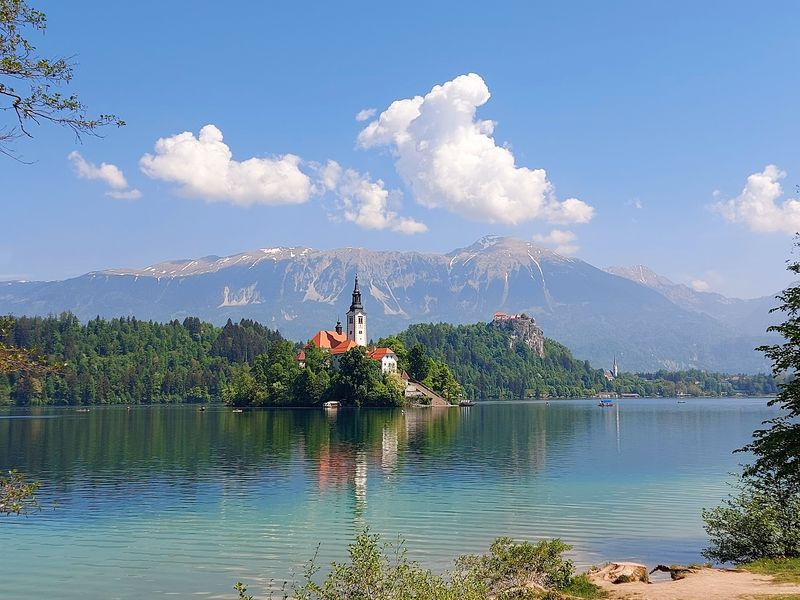
Rowing a wooden pletna boat toward a tiny island church is one of those travel experiences that stays with you long after you get home. Lake Bled makes that possible.
The lake sits within the Julian Alps, ringed by forested hills and overlooked by Bled Castle, which perches dramatically on a cliff above the water.
The Church of the Mother of God on the island is a genuine highlight. Legend says that ringing the church bell three times grants a wish, and plenty of visitors are happy to give it a try.
The castle offers a different perspective, with panoramic views stretching across the lake and toward the peaks beyond.
Bled is also a practical base for exploring the wider region. Hiking routes connect to neighboring valleys, and the village belongs to the Alpine Pearls network, which encourages low-impact travel options like cycling and walking.
Swimming is popular during summer, while the surrounding mountains make winter visits equally atmospheric. The famous kremna rezina, a rich vanilla cream cake sold at the Park Hotel, is worth the trip on its own.
Plan for at least two full days to appreciate everything the area offers.
Bohinj, Slovenia
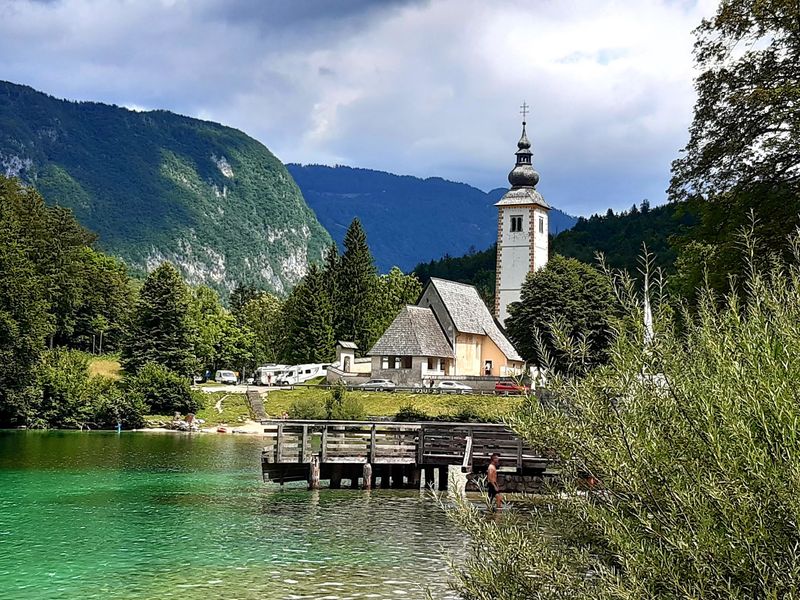
Bohinj is what Bled would look like if nobody famous had ever written about it. Quieter, wilder, and arguably more beautiful, this valley sits just 26 kilometers from Bled but feels like a completely different world.
Lake Bohinj is Slovenia’s largest natural lake, and it lies entirely within Triglav National Park beneath towering Julian Alps peaks.
Several small villages dot the valley floor rather than clustering into one busy resort. Ribcev Laz, Stara Fuzina, and Ukanc each have their own character, connected by walking and cycling paths that follow the lake and river.
Over 300 kilometers of marked hiking trails branch out through the surrounding mountains, offering routes for every ability level.
The Vogel cable car rises from near Ukanc to give visitors sweeping views across the valley and lake far below. Boat rides, kayaking, and open-water swimming are popular during summer, while the valley fills with snow in winter.
Because the lake sits within a national park, development is carefully controlled, which keeps the landscape looking genuinely unspoiled. Bohinj rewards travelers who want a traditional alpine atmosphere without the selfie crowds that gather at more famous nearby destinations.
Zell am See, Austria
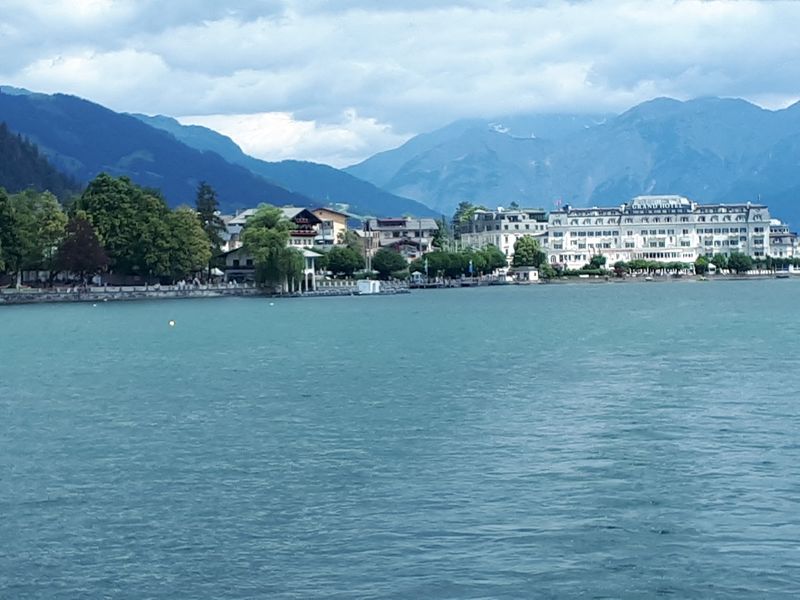
Not many towns let you ski on a glacier in the morning and swim in a lake by early afternoon, but Zell am See pulls it off without breaking a sweat. The historic town center sits on a small peninsula jutting into Lake Zell, directly beneath the Schmittenhöhe mountain and within easy reach of the Kitzsteinhorn glacier above Kaprun.
The railway arrived in 1875, transforming this quiet market town into a proper resort destination. That Victorian-era infrastructure helped shape a town that balances old architecture with modern tourism comfortably.
The lake itself is warm enough for swimming during summer, with well-maintained waterfront areas and boat hire available near the center.
Hikers have a wide range of routes to choose from on the Schmittenhöhe, where cable cars provide quick access to trails above the treeline. The surrounding Hohe Tauern National Park adds even more wilderness within reach.
Zell am See also connects to the Salzburg Super Ski Card network, making it a smart winter base for those who want variety without moving hotels. The town has a genuine lived-in feel that many purpose-built ski resorts simply cannot replicate, with bakeries, churches, and local shops mixed among the tourist facilities.
Pertisau and Lake Achensee, Austria
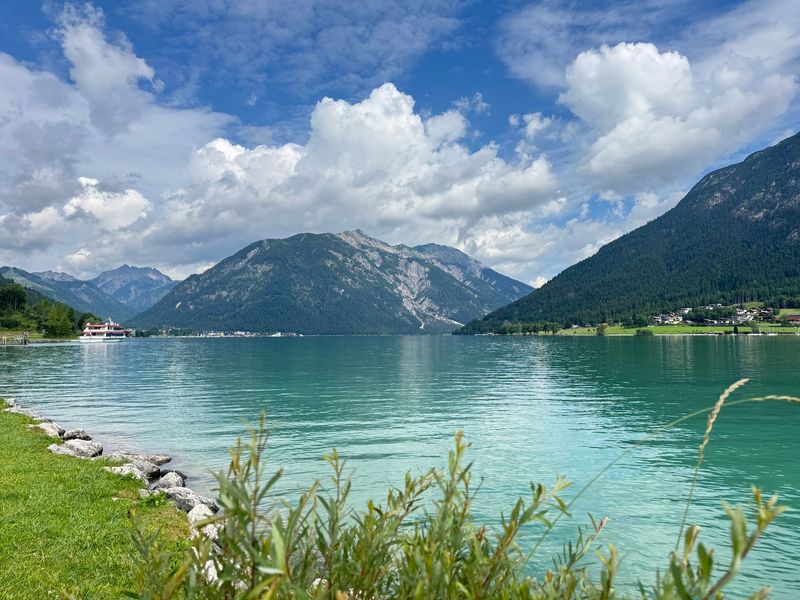
Achensee is the kind of lake that makes you stop mid-sentence and just stare. Tirol’s largest lake stretches about 9 kilometers between two dramatic mountain ranges, the Karwendel to the west and the Rofan to the east.
The water reaches depths of around 133 meters and holds a shade of blue that looks almost artificially vivid on a clear day.
Pertisau sits on the western shore and has welcomed visitors since the 19th century, giving it a relaxed, established resort atmosphere. The Karwendel cable car rises from near the village toward mountain trails well above the treeline, connecting the lakeside experience with serious alpine hiking terrain.
Nature Park Karwendel, one of Austria’s largest protected areas, begins practically at the village edge.
Electric boats cruise the full length of Achensee, stopping at the five small communities spread around the shoreline. The journey takes visitors through a landscape where steep forested slopes drop almost directly into the water.
Sailing, windsurfing, and stand-up paddleboarding are all available during warmer months. The old Achenseebahn rack railway, which has operated since 1889, still carries passengers up from Jenbach, making the arrival itself a small piece of transport history worth experiencing.
St. Moritz, Switzerland
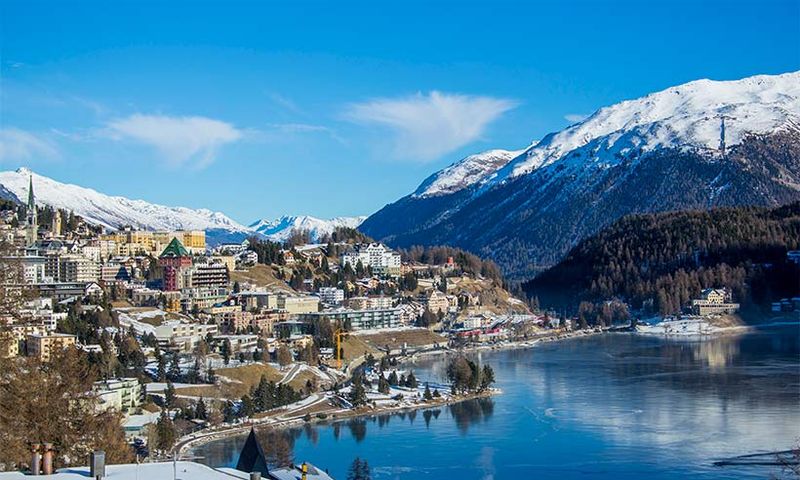
St. Moritz has hosted two Winter Olympics and invented the bobsled run, which tells you something about the town’s relationship with ambition. But strip away the famous name and the high-end price tags, and what remains is a genuinely spectacular alpine setting.
The town looks out over Lake St. Moritz from the Engadin valley at around 1,800 meters above sea level, surrounded by peaks that stay snow-covered well into spring.
A lakeside walking path of roughly five kilometers circles the water, offering easy access to the mountain scenery without any special equipment or fitness level required. During warmer months, sailing, rowing, and paddleboarding fill the lake with activity.
Mountain railways climb toward Corviglia and Piz Nair, giving hikers and sightseers quick access to high-altitude terrain with panoramic Engadin views.
The wider region around St. Moritz rewards exploration beyond the main town. Traditional Engadin villages like Sils Maria and Pontresina preserve older architectural styles and quieter atmospheres.
The Via Engiadina long-distance walking route passes through the area, connecting several valley communities. Glacier Express trains also stop at St. Moritz, making it a logical starting or ending point for one of Switzerland’s most celebrated rail journeys through the Alps.
Spiez, Switzerland
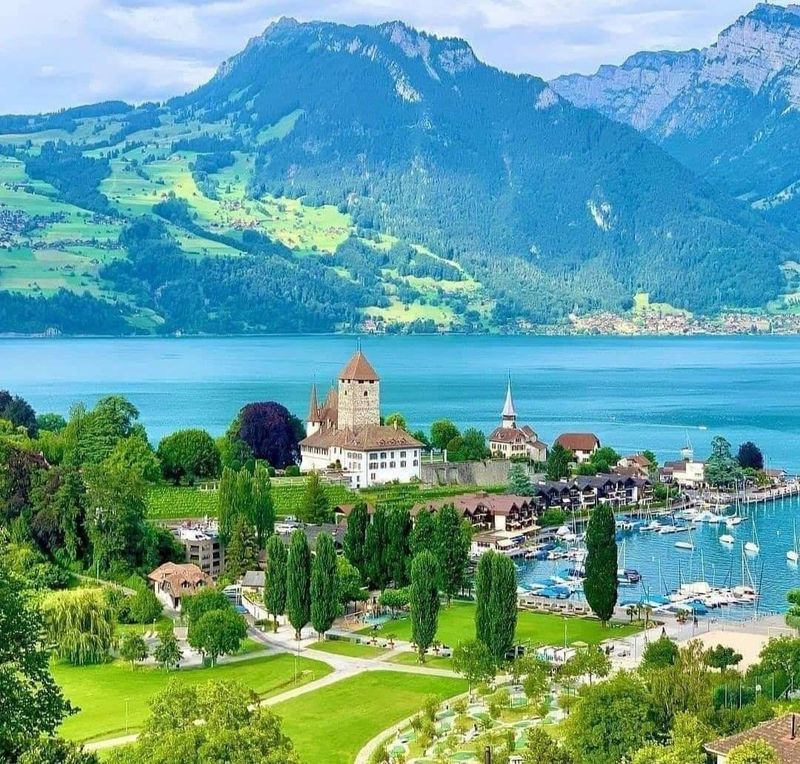
Spiez has a castle, a vineyard, a lake, and a pyramid-shaped mountain looming in the background, which sounds like something a travel brochure made up. It did not.
The town curves around a sheltered bay on Lake Thun, and the medieval Spiez Castle sits right at the water’s edge as if it has always belonged there, which, since the 10th century, it essentially has.
The Niesen mountain rises across the lake in a nearly perfect triangular shape, earning it the nickname the Swiss Pyramid. A funicular climbs the mountain from Mülenen, rewarding those who make the trip with views stretching across the Bernese Alps on clear days.
Down below, the lakeside paths are gentle enough for a relaxed afternoon stroll, with benches, swimming areas, and small cafes along the route.
Spiez sits conveniently between Thun and Interlaken, making it a smart base for exploring the broader Bernese Oberland region without paying resort prices. Passenger boats connect the town with smaller lakeside communities like Faulensee and Leissigen.
The local wine produced from the hillside vineyards is a regional specialty rarely found outside the area, making a tasting at one of the small estate cellars a genuinely local experience worth seeking out.
Bellagio, Italy
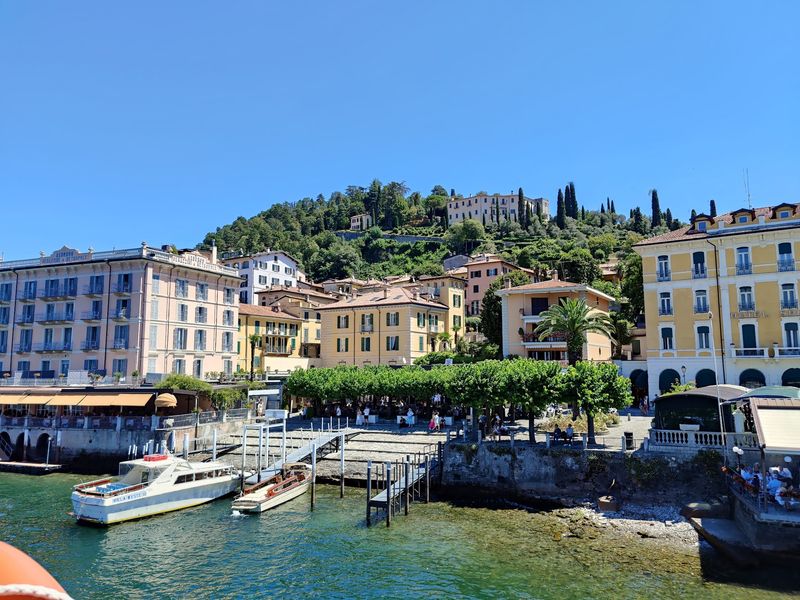
Bellagio sits at the exact point where Lake Como splits into two separate arms, giving the village water views in almost every direction. It is one of those places that looks best from a boat, which is fortunate because ferry services connect it to the rest of the lake all day long.
The Alps rise to the north, while the stepped lanes of the village itself climb away from the waterfront between old stone buildings.
The village has been attracting visitors since the 18th century, when wealthy Italian and European families built grand lakeside villas here. Villa Melzi, completed in 1810, is one of the most accessible, with English-style gardens that open to the public during spring and summer.
The Romanesque Church of San Giacomo, dating from the 12th century, adds quiet historical weight to the compact village center.
Bellagio works well as a base for exploring multiple Lake Como communities without renting a car. Regular boats reach Varenna, Menaggio, Como town, and several smaller villages throughout the day.
The combination of an Italian lake atmosphere and an alpine backdrop makes Bellagio feel distinct from other European mountain destinations. Visiting midweek or outside July and August makes the narrow lanes considerably easier to enjoy at a comfortable pace.
Schönau am Königssee, Germany
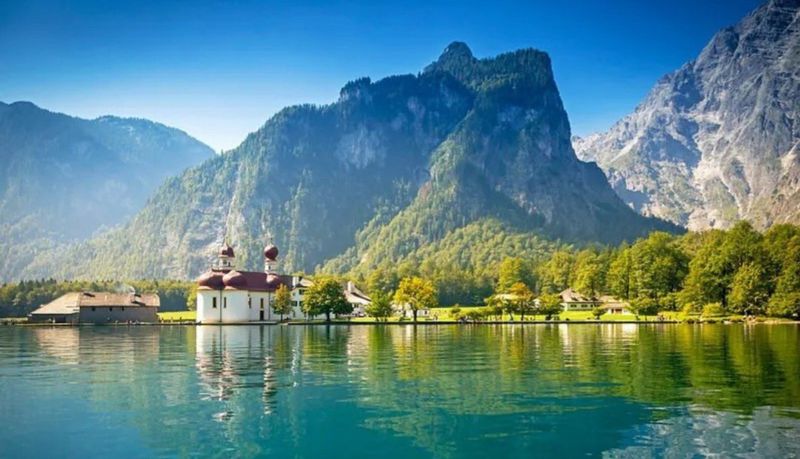
Königssee is one of those lakes that looks like it belongs in a fantasy novel rather than southern Bavaria. The water is so clear and the surrounding cliffs so sheer that the whole place has an almost unreal quality.
The lake reaches a maximum depth of about 192 meters and lies entirely within Berchtesgaden National Park, pressed between walls of rock that drop almost vertically into the water.
Because the cliffs leave no room for a road around most of the shoreline, electric wooden boats are the only way to explore the lake beyond the main landing area. The boats have been running since 1909, and the tradition of the boatman playing a trumpet to demonstrate the famous echo off the Echowand cliff wall continues to this day.
The red-onion-domed St. Bartholomae pilgrimage church, accessible only by boat, is one of Bavaria’s most photographed buildings.
The village of Schonau am Konigssee serves as the practical gateway, with the Jennerbahn cable car carrying visitors toward hiking trails and viewpoints at around 1,800 meters. The Watzmann massif dominates the skyline above, including the Watzmann East Face, which is one of the most demanding climbing routes in the Eastern Alps.
For a Bavarian alpine experience with genuine drama, few places come close to matching Konigssee.
Annecy and Its Lakeside Villages, France
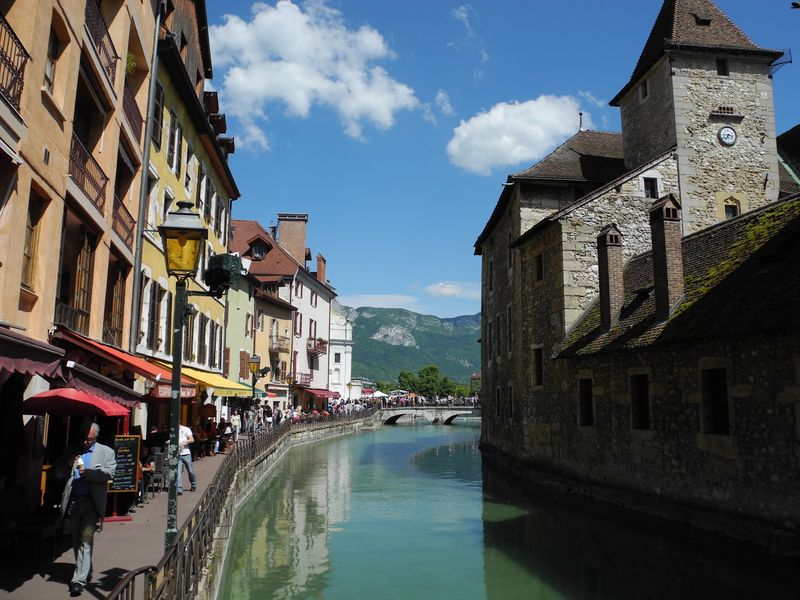
Annecy’s old town sits between a medieval canal system and the clearest lake in France, with the French Alps rising behind it all in a way that seems almost unfair to other destinations. The Palais de l’Isle, a 12th-century island prison sitting in the middle of the Thiou River, has become the city’s most recognizable image.
Colorful buildings with flower boxes lean over the water on both sides.
Lake Annecy is famous for its water quality, consistently ranked among the cleanest in Europe thanks to strict environmental protections introduced in the 1960s. Beaches line parts of the eastern shore, while a 37-kilometer cycling path loops around the entire lake.
Smaller communities including Talloires-Montmin, Menthon-Saint-Bernard, and Veyrier-du-Lac offer quieter bases with their own lakeside character beneath the surrounding peaks.
Menthon-Saint-Bernard adds a fairytale castle to the mix, perched above the village on a wooded hillside and said to be one of the inspirations for the castle in Sleeping Beauty. Lake cruises, kayaking, paragliding from the Semnoz plateau, and mountain hiking all operate within easy reach of the old town center.
Annecy rewards both a single afternoon and a full week, depending on how deeply you want to explore the surrounding alpine villages and peaks.
Share this story