Europe has a way of making travelers feel like they need a second mortgage just to see it. But beyond the famous skylines and packed tourist trails, a whole other Europe exists, one where your money stretches further and the crowds are refreshingly thin.
From the wooden churches of northern Romania to the interwar Modernist streets of Lithuania, these hidden corners pack serious charm at a fraction of the cost. If you are ready to trade tourist traps for genuine discovery, these 15 destinations are calling your name.
Maramures, Romania
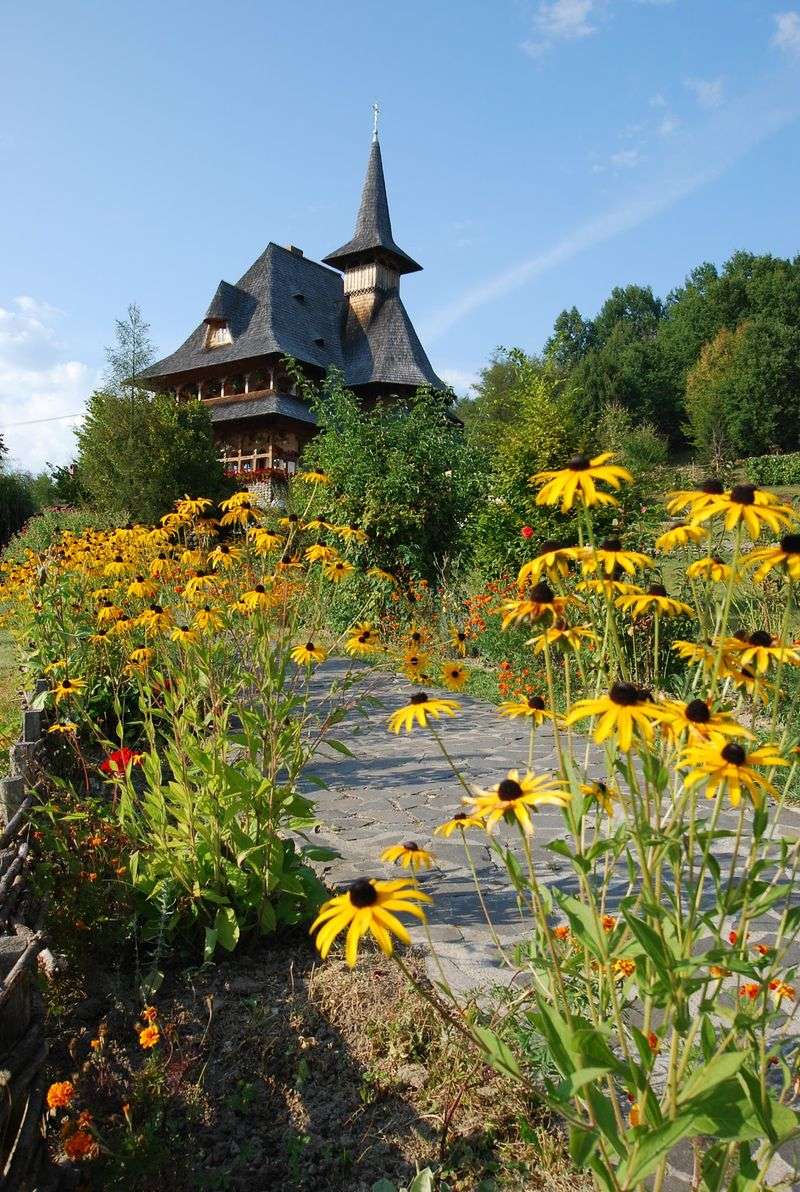
Forget the Alps price tags. Maramures, tucked into northern Romania, delivers mountain valleys, UNESCO-listed wooden churches, and village life so authentic it feels like stepping through a time portal.
Eight of its wooden churches carry World Heritage status, recognized for their extraordinary tall, narrow timber frames, shingled roofs, and needle-like towers that seem to compete with the sky.
Villages like Ieud, Budesti, Desesti, and Barsana are among the finest stops. Each one preserves centuries-old craftsmanship in buildings that have survived wars, weather, and modernization without losing their soul.
The Iza Valley is a particular highlight for anyone who prefers slow, wandering exploration over organized resort tourism.
Locally run guesthouses are affordable and often include home-cooked meals that outshine anything on a tourist-district menu. Recent 2026 budget travel comparisons rank Maramures among Europe’s most accessible cultural regions.
You get genuine history, mountain scenery, and warm hospitality without the sticker shock that usually comes attached to alpine destinations.
The Rhodope Mountains, Bulgaria
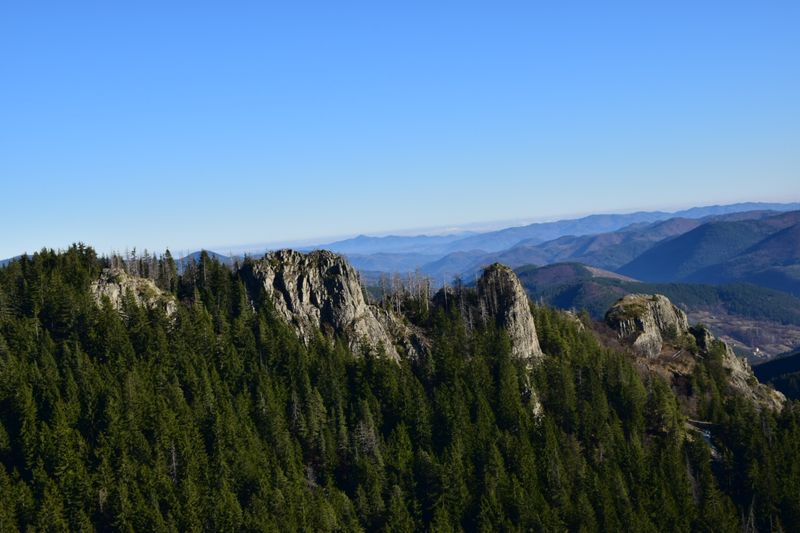
Bulgaria’s Rhodope Mountains have a way of stopping you mid-sentence. The landscape shifts constantly between dense forests, carved gorges, hidden caves, and reservoir reflections that look almost too good to be real.
Official Bulgarian tourism routes thread through highlights like Shiroka Laka’s architectural reserve, the Buynovo and Trigrad gorges, and the spectacular Wonderful Bridges rock formations.
Underground, the Yagodina Cave and Devil’s Throat Cave offer genuinely dramatic experiences without the theme-park atmosphere found at more commercialized European attractions. Above ground, traditional mountain villages and family-run guesthouses set the tone.
This is mountain travel built around atmosphere rather than luxury amenities.
A typical mid-range day in the Rhodopes in 2026 runs roughly 45 to 70 euros, which positions this region as one of the continent’s stronger values for serious mountain exploration. Hikers, photographers, and curious travelers all find something worth staying for.
The Rhodopes reward those willing to look past Bulgaria’s Black Sea coast, offering scenery that holds its own against far pricier European mountain regions.
Prizren, Kosovo
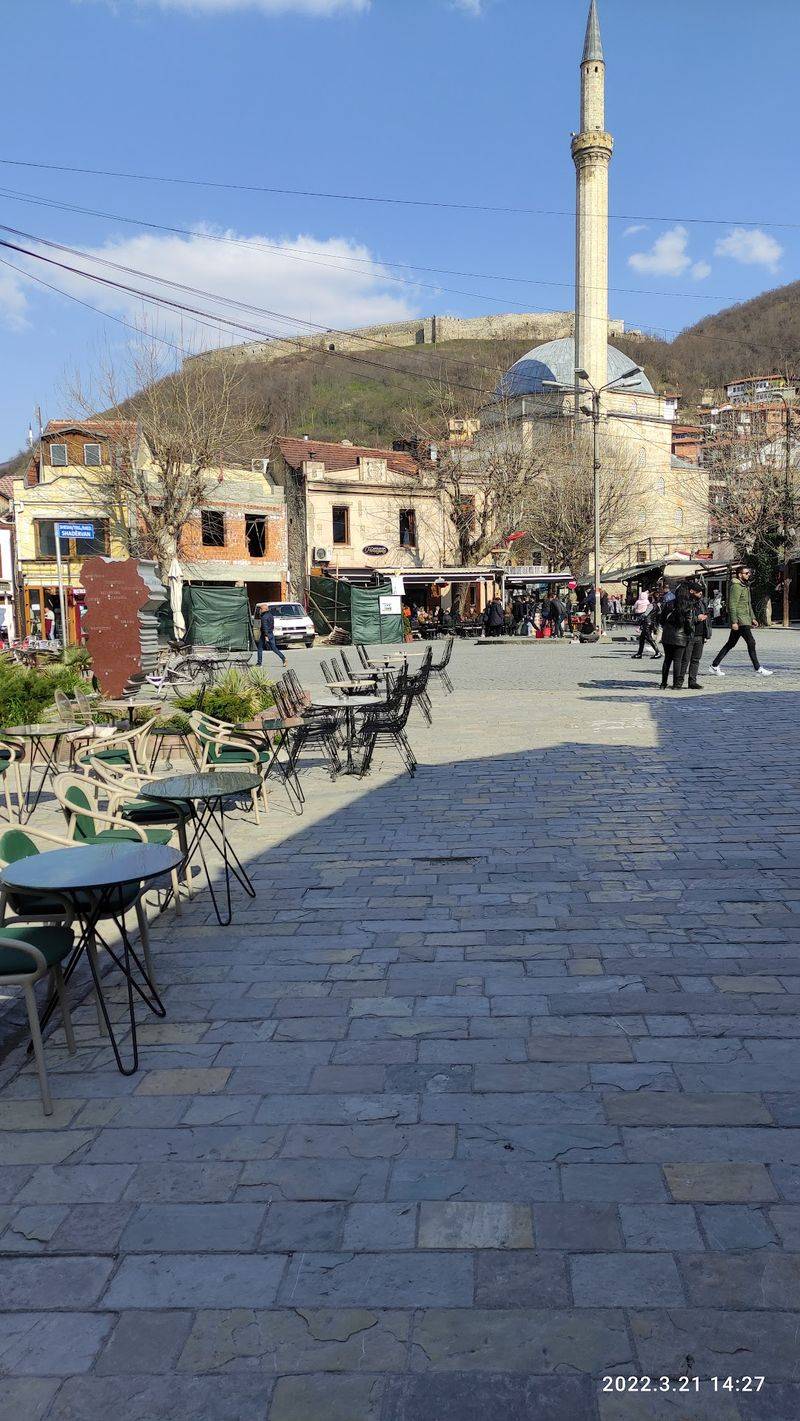
Prizren is the kind of place that makes you question why nobody told you about it sooner. Packed into a compact historic center beneath a hilltop fortress, the city layers prehistoric, Roman, and Ottoman history into streets you can walk in an afternoon and still want more of.
The Sinan Pasha Mosque, built in 1615, stands as one of the Balkans’ finest Ottoman religious monuments.
The Lumbardhi River cuts right through the heart of the historic district, connecting stone bridges, old cafes, religious monuments, and cobbled lanes in a way that feels genuinely cinematic. Prizren Fortress looms above it all, offering sweeping views of the rooftops and surrounding hills.
The climb is absolutely worth every step.
Kosovo consistently ranks among Europe’s least expensive destinations in current 2026 comparisons, particularly for accommodation and meals. That combination of serious history and low daily costs makes Prizren especially attractive for travelers who are tired of paying Dubrovnik prices for an atmospheric Adriatic-style old town.
Prizren delivers the experience without the invoice.
Berat, Albania
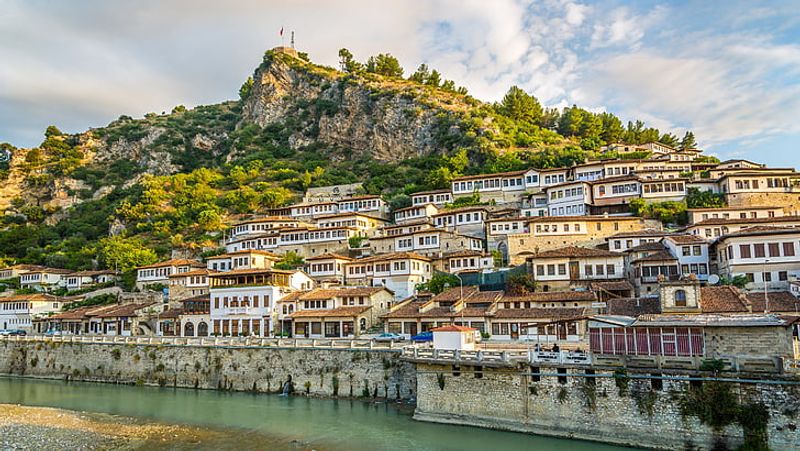
Berat’s nickname is the City of a Thousand Windows, and once you see those white Ottoman houses stacked in tight rows up the hillside, you will understand immediately why. The enormous Kala fortress crowning the city is not a roped-off ruin but an actual living neighborhood, complete with residents, Byzantine churches, and centuries of layered history you can wander through freely.
UNESCO recognized Berat alongside Gjirokaster for preserving some of the finest Ottoman-era urban architecture in the Balkans. The castle’s origins reach back to antiquity, though much of its surviving fortification dates from the 13th century.
Orthodox churches and Ottoman mosques share the historic landscape in a way that speaks volumes about the city’s long, complex past.
Albania remains one of Europe’s most affordable travel destinations in 2026, though coastal prices are creeping upward during peak season. Inland Berat sidesteps that trend almost entirely.
Meals at locally run restaurants are generous and cheap, guesthouses offer great value, and the city rewards slow exploration rather than rushed sightseeing. For travelers who want character over crowds, Berat is a genuinely compelling choice.
Trebinje, Bosnia and Herzegovina
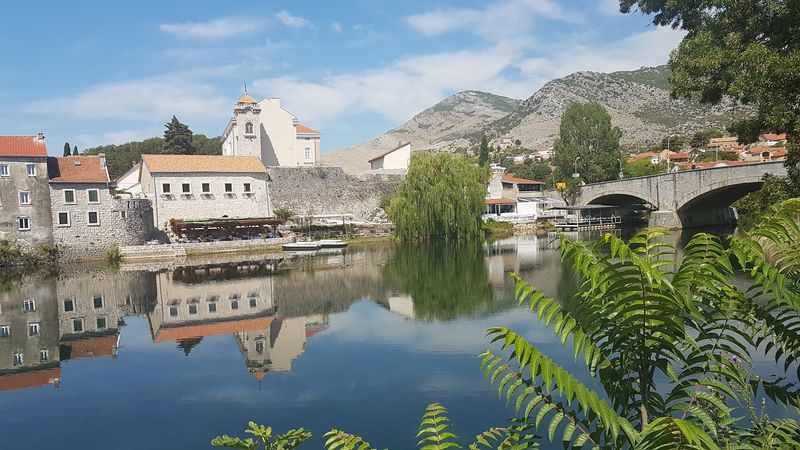
Trebinje smells like Mediterranean herbs and old stone, and it carries that relaxed southern energy without charging Dubrovnik prices for the privilege. The city sits in Herzegovina wine country, surrounded by vineyards and limestone hills, with the crystal-clear Trebisnjica River running alongside an old town shaded by enormous plane trees.
It is the kind of place where a long lunch feels like the correct thing to do.
The Arslanagic Bridge, traditionally dated to 1574, is one of the city’s most remarkable features. When the Trebisnjica hydroelectric system was built, workers dismantled the bridge stone by stone and reassembled it at its current location.
That level of care for a 400-year-old structure says a lot about how the city values its heritage.
Bosnia and Herzegovina remains one of Europe’s better-value countries for lodging and dining in current 2026 comparisons. Trebinje sits close enough to Dubrovnik for a day trip but is calm enough to serve as a quieter base for the broader region.
Outside the hottest summer weeks, prices and crowds both stay manageable, making it one of the Balkans’ most rewarding and underappreciated stops.
Nis, Serbia
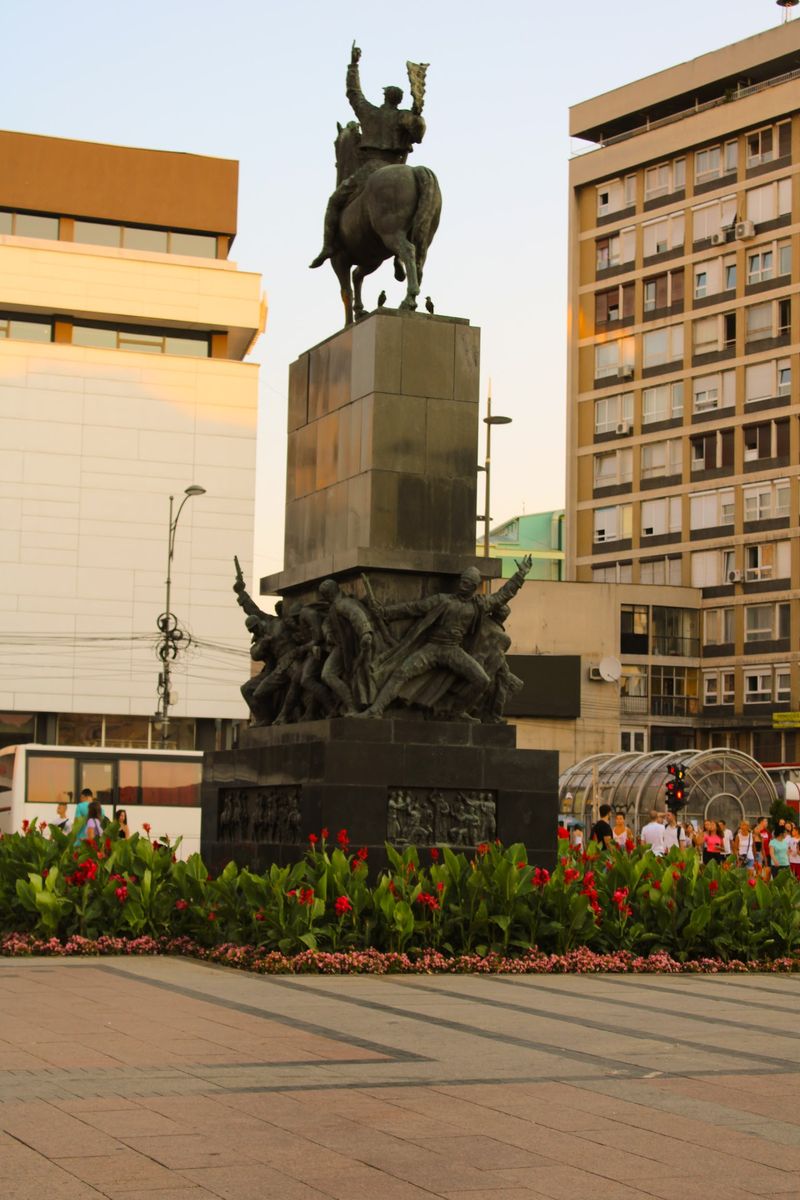
Constantine the Great was born here, and Nis has been making history ever since. Serbia’s third-largest city rarely gets the spotlight that Belgrade attracts, yet its historical layers stretch from the Roman Empire through Ottoman rule all the way into the modern era.
The imposing Ottoman fortress, built in the 18th century over earlier Roman and medieval remains, anchors the city’s identity in a very tangible way.
Just outside the city center, the Mediana archaeological complex reveals an enormous Late Roman settlement associated with Constantine’s era. Excavations have uncovered more than 80 structures, including mosaics, baths, water systems, and the remains of a vast central villa.
For anyone interested in Roman history, this site alone justifies the detour from Belgrade.
Serbia is noticeably more affordable than much of Western Europe, and 2026 travel comparisons place even Belgrade among the continent’s better-value city breaks. Nis takes that affordability a step further, offering serious historical depth at prices that leave room in the budget for an extra rakija or two.
The city is lively, unpretentious, and refreshingly free of tourist-district theatrics.
Oradea, Romania
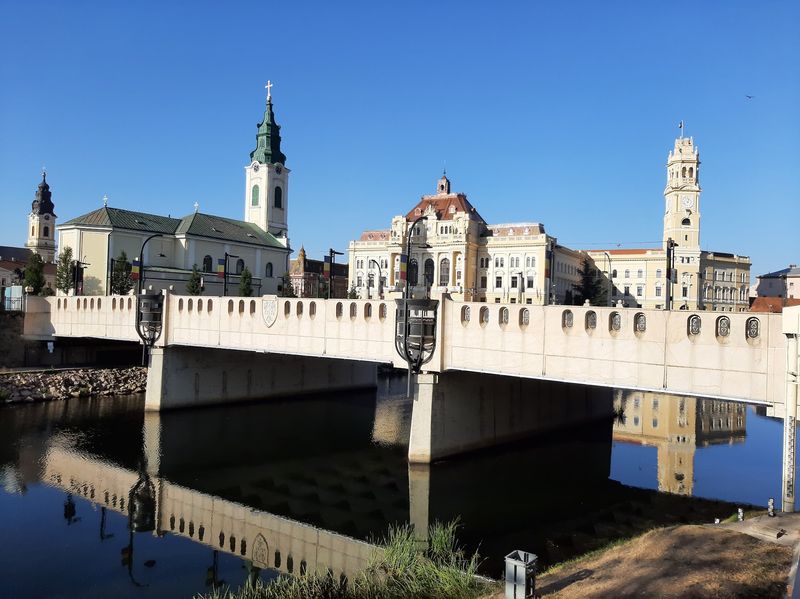
If you have ever admired Vienna or Budapest’s grand turn-of-the-century streetscapes and wished the experience came with a smaller price tag, Oradea is your answer. This western Romanian city has quietly assembled one of Europe’s most impressive concentrations of Art Nouveau architecture, with 89 registered buildings and monuments featuring the flowing lines, botanical motifs, and ceramic details that define the style.
Beyond the Art Nouveau showcase, Oradea offers Baroque architecture, a historic fortress, a cluster of synagogues, and a well-preserved urban core that feels genuinely alive rather than preserved for display. Nearby thermal spa resorts at Baile Felix and 1 Mai add a wellness angle that few comparable cities can offer at similar price points.
Romania sits comfortably in the affordable tier of European destinations in current 2026 comparisons, especially for food, local transport, and accommodation outside the most tourist-heavy areas. Oradea benefits from all of that without the international name recognition that drives up prices elsewhere.
Travelers who find it tend to feel like they have discovered something the guidebooks have been keeping to themselves, which is exactly the kind of travel experience worth chasing.
Lublin, Poland
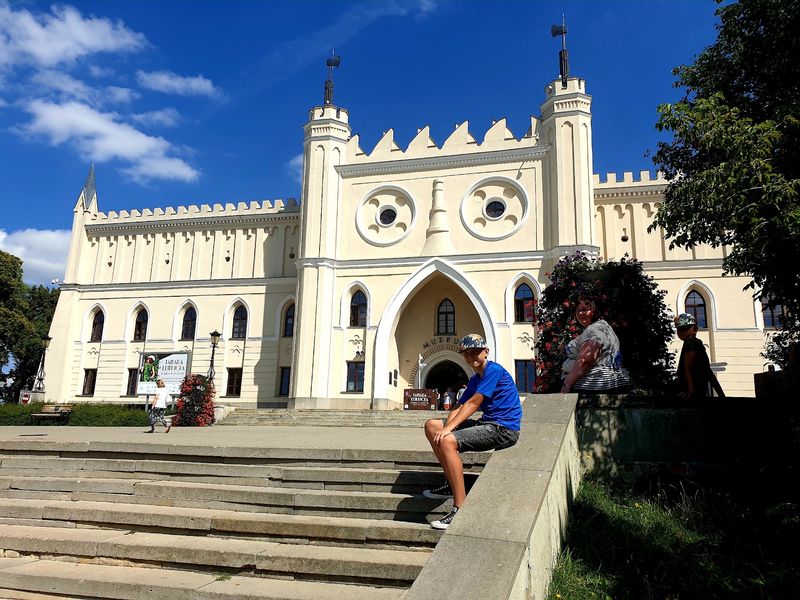
Eastern Poland’s Lublin offers one of the country’s most intact historic city centers, yet it gets a fraction of the visitor numbers that flood Krakow every summer. Within roughly one square kilometer, the Old Town preserves a medieval street plan, more than 70 percent of its original historic building stock, and around 110 registered monuments.
Walking through it feels like a genuine discovery rather than a managed tourist experience.
Lublin Castle is a highlight that deserves more international attention than it receives. Inside, the 14th-century Holy Trinity Chapel contains 15th-century Ruthenian-Byzantine frescoes painted across a Roman Catholic interior, a visually striking meeting of Eastern and Western Christian artistic traditions that you simply cannot find anywhere else in quite the same way.
Poland is no longer the bargain destination it was a decade ago, but it remains reasonably affordable compared with much of Western Europe, particularly once you move beyond Warsaw and Krakow. Lublin sits firmly in that more accessible bracket.
The food scene is hearty and good value, accommodation options are varied, and the city’s university population keeps the atmosphere lively and unpretentious year-round.
Kosice, Slovakia
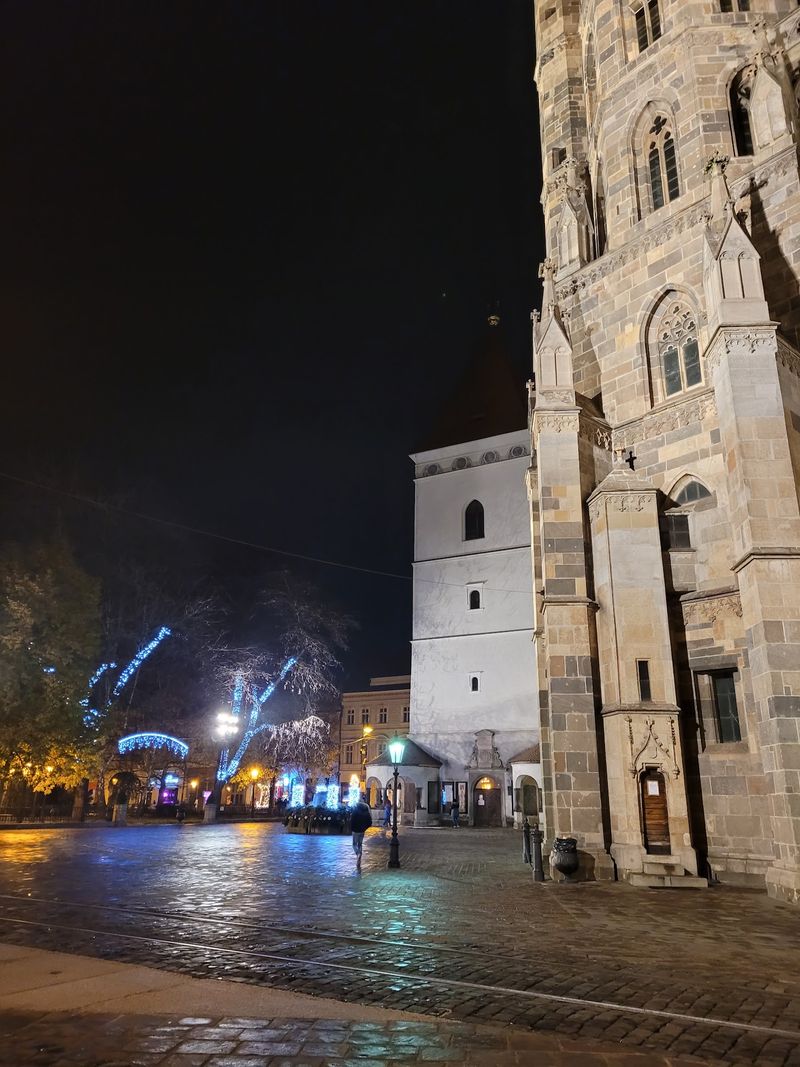
Bratislava collects most of Slovakia’s city-break attention, but Kosice quietly holds the country’s largest protected historic urban reserve and has been doing so without making much fuss about it. The long, elegant Hlavna Street forms the city’s spine, lined with palaces, churches, fountains, and the grand State Theatre in a procession of architecture that rewards a slow afternoon stroll.
St. Elizabeth’s Cathedral is Slovakia’s largest church and the easternmost Gothic cathedral built in the Western European style. Construction began around 1380 and unfolded across several ambitious stages.
The result is a structure that commands attention from every angle and holds its own against the great Gothic cathedrals of Central Europe.
The Kosice Gold Treasure, containing nearly 3,000 gold coins, adds another layer of historical intrigue to a city that already has more than enough to fill a weekend. Slovakia sits in the more affordable half of European travel markets in current 2026 comparisons, making Kosice a genuinely compelling alternative to pricier Central European capitals.
Come for the cathedral, stay for the architecture, and leave pleasantly surprised by how much you got for your money.
Kaunas, Lithuania
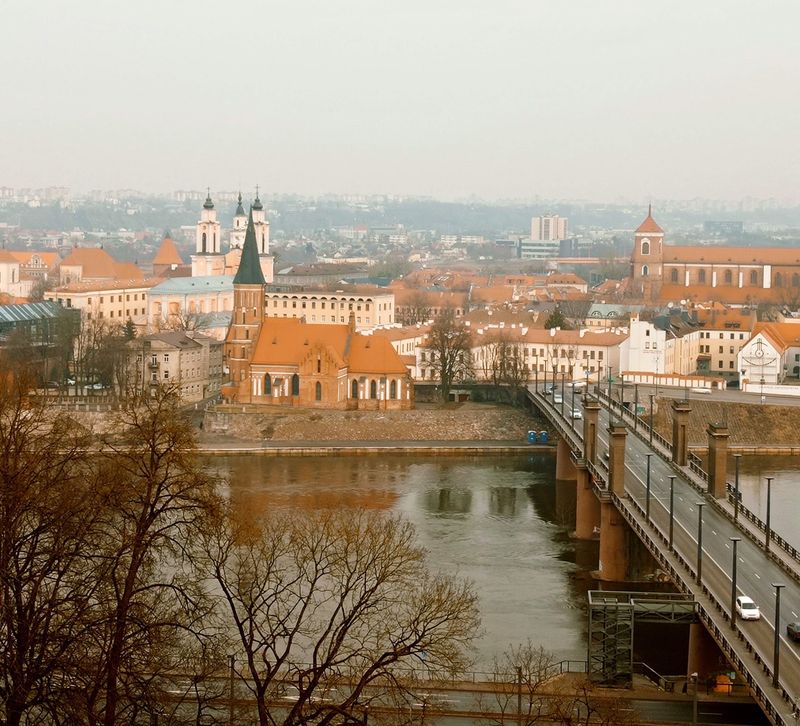
Most travelers associate Baltic architecture with medieval towers and cobblestone squares, but Kaunas plays by completely different rules. Lithuania’s second city became the country’s temporary capital between the two world wars, and the resulting construction boom produced something genuinely rare: a concentrated collection of interwar Modernist architecture that UNESCO added to its World Heritage List in 2023.
Walking through Kaunas means moving between Art Deco apartment blocks, Bauhaus-influenced civic buildings, and Functionalist structures that feel like a lesson in 20th-century design history. A 14th-century castle, historic funiculars, and the wonderfully quirky Devils’ Museum round out a city that refuses to be boring for even an afternoon.
Lithuania is cheaper than most of its northern European neighbors, including Sweden, Finland, and Denmark, in current travel-cost comparisons. Kaunas leans into that advantage by offering serious, UNESCO-recognized architectural heritage alongside a lively university-town atmosphere.
For travelers who want something genuinely different from the medieval-town circuit that dominates Baltic tourism, Kaunas is one of Europe’s most rewarding surprises hiding in plain sight.
Cesis, Latvia
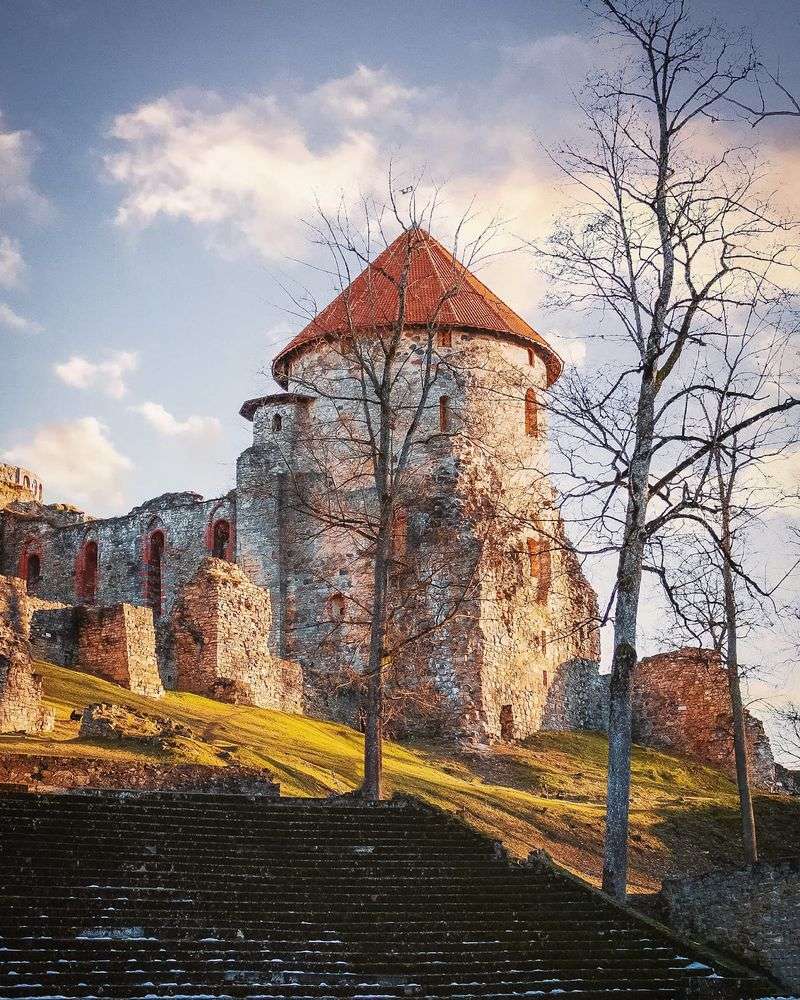
There is something genuinely theatrical about exploring a medieval castle by lantern light, and Cesis makes that experience available without requiring a theatrical budget. The Latvian town grew around a 13th-century fortress that was once among the most powerful in Livonia, and significant portions of those ruins remain standing and accessible, including the Western Tower and surviving 16th-century interiors.
Beyond the castle, Cesis preserves a medieval street pattern in its old town that feels proportional and walkable rather than overwhelming. Gauja National Park begins almost immediately beyond the urban edge, adding sandstone formations, forested river valleys, and well-marked hiking routes to the mix.
The combination of history and outdoor access in such a compact area is rare.
Latvia is not as inexpensive as the Balkans, but travel costs remain clearly below much of Scandinavia and Western Europe. Cesis offers particularly good value for travelers who want to combine castle history, natural scenery, and a genuine sense of place without the crowds that gather in Riga’s tourist center.
A couple of nights here makes a Latvian trip feel considerably more complete and considerably less rushed.
Tartu, Estonia
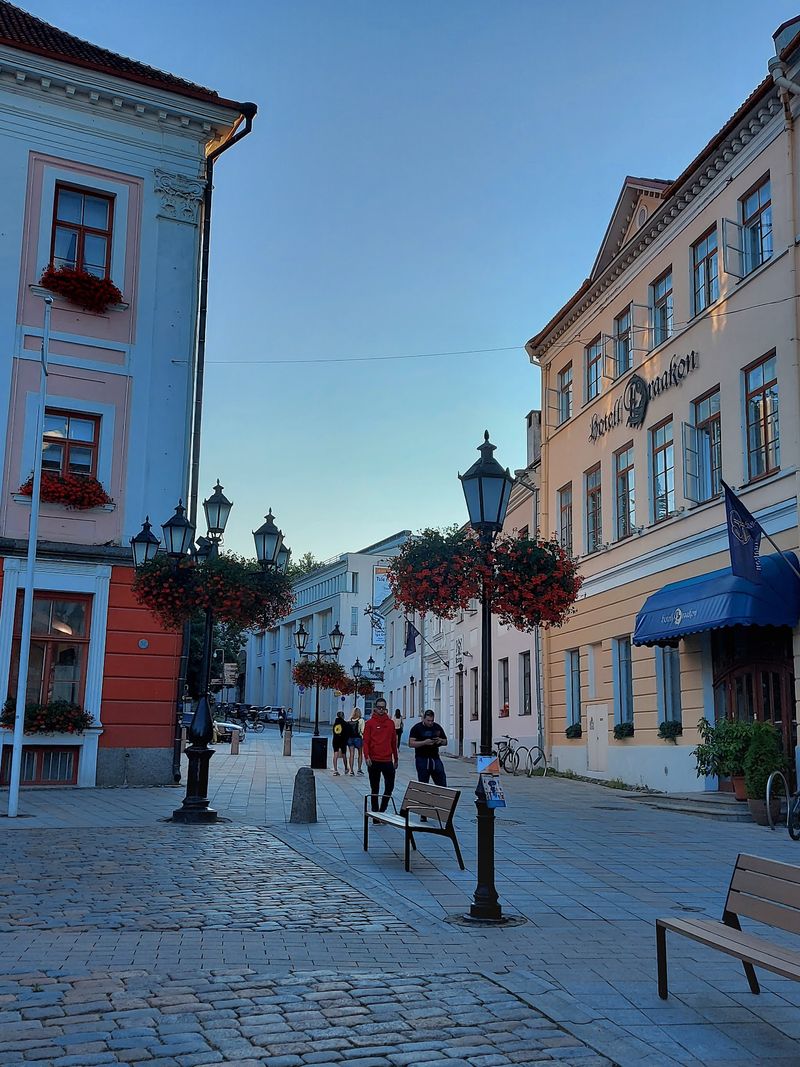
Tartu has the kind of energy that comes from a city where a large portion of the population is perpetually curious and slightly caffeinated. Estonia’s second city is built around a university founded in 1632, and that academic spirit shapes everything from its bookshop culture to its surprisingly adventurous restaurant scene.
The central square is surrounded by pastel historic buildings that lean toward elegant without tipping into stuffy.
The Supilinn neighborhood is a delightful detour, with wooden houses, overgrown gardens, street art, and streets named after vegetables in a tradition that charms visitors and locals equally. Much of central Tartu was rebuilt after a devastating 1775 fire, which explains the strong 18th and 19th-century architectural character that gives the city its distinctive visual identity.
Tartu served as European Capital of Culture in 2024, which raised its profile without dramatically inflating its prices. Estonia costs more than the Balkans, but Tartu still offers better value than many Nordic city breaks and considerably more personality than a standard airport-to-old-town tourist circuit.
For travelers who want a Baltic experience that feels genuinely lived-in rather than curated for visitors, Tartu delivers.
Gjirokaster, Albania
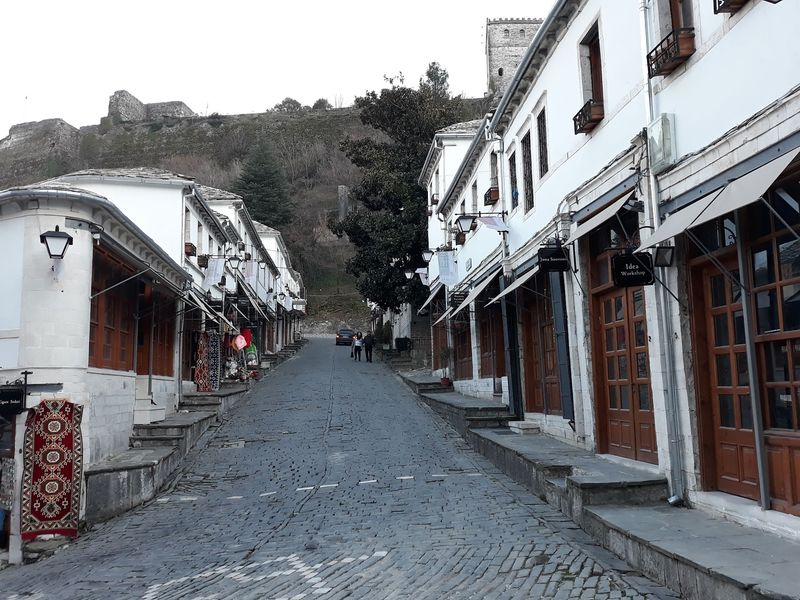
Gjirokaster looks like a city that was carved rather than built. Perched on a steep hillside above the Drinos Valley, it is filled with stone-roofed houses and fortified residences called kule, many dating from the 17th and early 19th centuries.
The effect is unlike anything else in the Balkans, and UNESCO agrees, describing the historic center as an outstanding surviving example of an Ottoman-period town.
A major citadel dominates the skyline, offering views across the valley that justify every step of the climb. Below it, a traditional bazaar, a mosque, Orthodox churches, and steep cobbled streets remain active parts of daily life rather than preserved museum pieces.
Gjirokaster was also the birthplace of both Enver Hoxha and Nobel-shortlisted author Ismail Kadare, which adds a literary and political layer to its already rich identity.
Albania ranks among Europe’s best-value destinations in 2026 budget comparisons, and inland Gjirokaster lets travelers experience that affordability without relying on the increasingly busy Albanian Riviera. Accommodation is affordable, food is generous, and the city rewards those willing to slow down and explore on foot.
It is one of the Balkans’ most visually striking cities and one of its most undervisited.
Pecs, Hungary
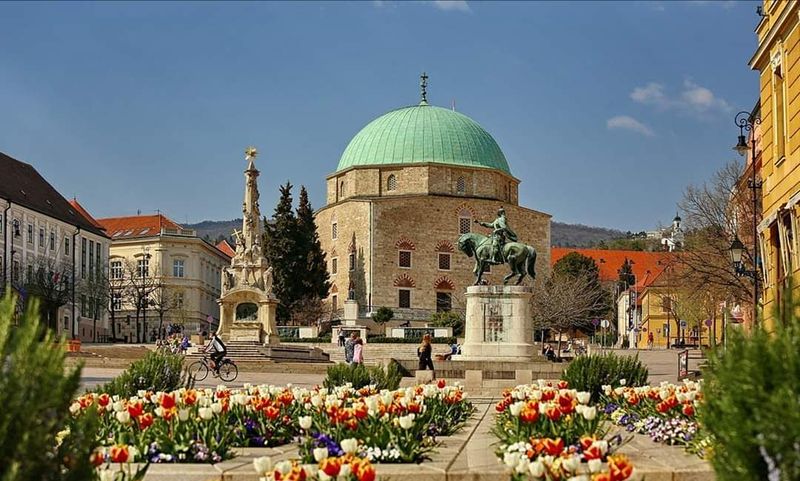
Budapest may get all the Instagram glory, but Pecs has been collecting remarkable history for nearly two thousand years and is only now starting to receive the recognition it deserves. The city’s late Roman and early Christian burial complex includes a 4th-century necropolis protected by UNESCO, featuring underground burial chambers with early Christian frescoes that rank among the finest in Central Europe.
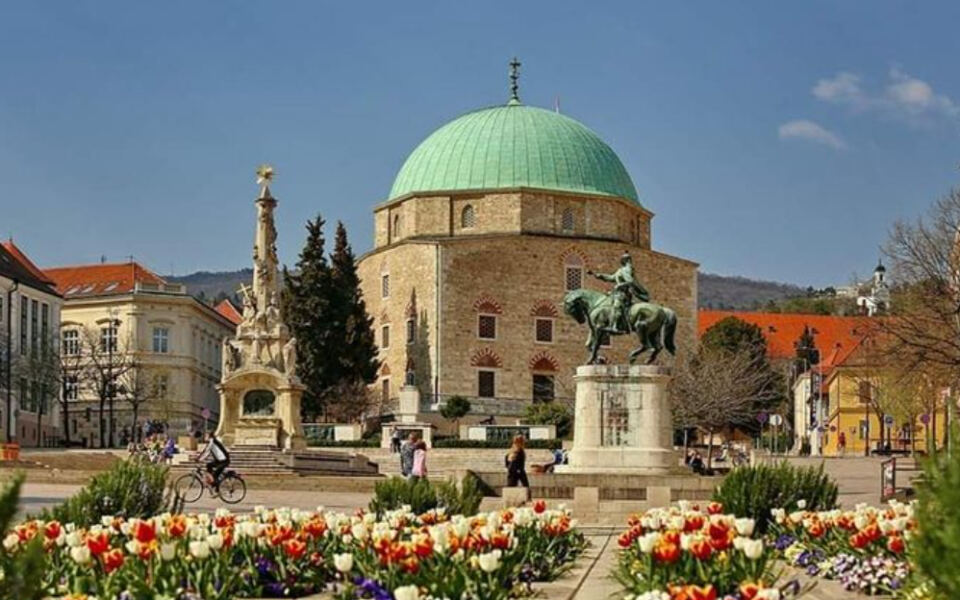
Ottoman heritage adds another chapter to Pecs’s story. The former Mosque of Pasha Gazi Kassim, now serving as a Catholic church, is one of the most striking architectural hybrids on the continent, its minaret base and domed structure now topped with a cross in a combination that somehow works beautifully.
The Zsolnay Cultural Quarter brings yet another identity, celebrating Hungary’s beloved ceramics manufacturer with vivid, colorful architecture.
Hungary’s travel costs have risen in recent years, particularly in Budapest, but current 2026 comparisons still place the country below much of Western and Northern Europe. Pecs benefits from that relative affordability while offering a cultural depth that many larger, pricier cities struggle to match.
Three distinct UNESCO-level heritage chapters in one mid-sized city makes this one of Central Europe’s most compelling and underrated destinations.
The High Tatras, Slovakia
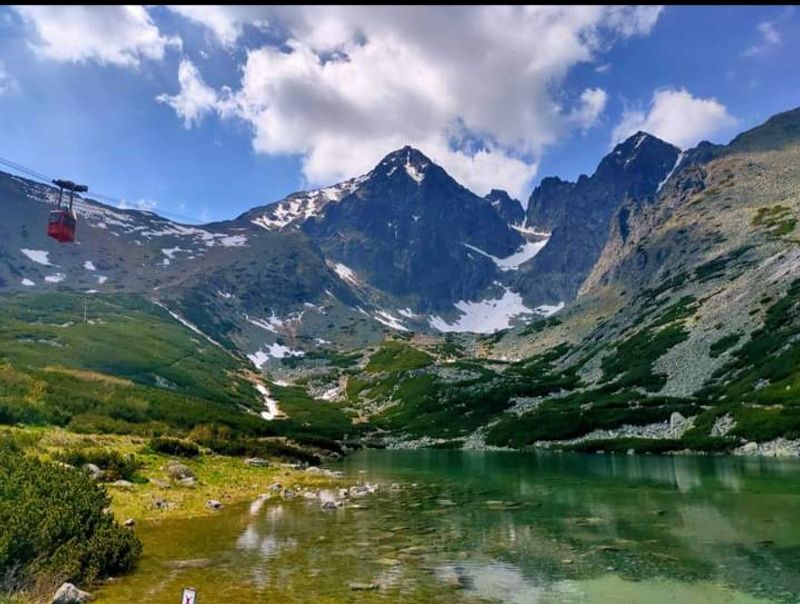
Slovakia’s High Tatras have a quiet confidence about them. They do not need to advertise.
More than 100 alpine lakes, 26 peaks exceeding 2,500 meters, and a landscape that shifts from dense forest to bare granite ridges within a single afternoon hike speak for themselves. Gerlachovsky stit, the highest point at 2,655 meters, is Slovakia’s answer to the Alps, without the Alpine invoice.
Strbske Pleso and Tatranska Lomnica serve as convenient bases, offering mountain transport, hiking access, and accommodation options that range from budget hostels to comfortable mountain hotels. Some high-elevation trails close seasonally for both nature protection and safety reasons, so checking current conditions before heading out is always worthwhile.
The trail network is extensive, well-marked, and genuinely rewarding.
Current European budget comparisons place Slovakia among the continent’s better-value mountain destinations, with the High Tatras consistently costing considerably less than comparable Alpine regions in Switzerland or Austria. For travelers who want genuine high-mountain scenery, serious hiking terrain, and crisp air without paying peak-season Alpine prices, the High Tatras are simply one of the best deals left in European outdoor travel.
The mountains are real. The savings are real.
The crowds are manageable.
Share this story