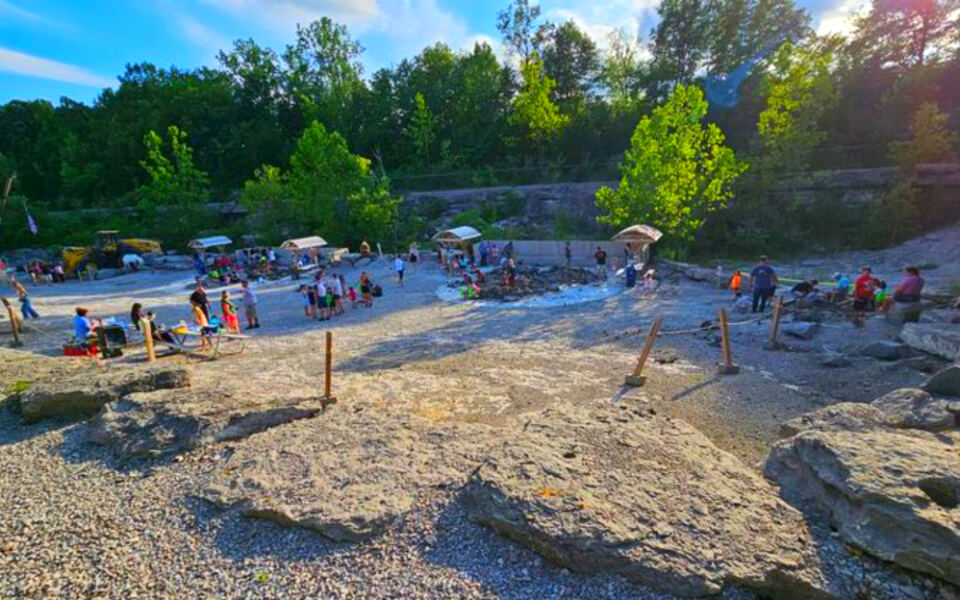
Most people pick up a rock and toss it aside without a second thought. But in certain corners of the United States, that same rock could be hiding a fish that swam in an ancient sea 50 million years ago, or a trilobite that crawled across the ocean floor before dinosaurs even existed.
Fossil hunting is one of those rare activities where patience and curiosity can pay off in a genuinely remarkable way. You do not need a science degree or expensive equipment to get started.
What you do need is the right location, and that is exactly what this list delivers. From Wyoming quarries to Maryland beaches, these 13 spots are legally open for public fossil collecting, and at most of them, you can take your discoveries home.
Some are free, some charge a small fee, and all of them offer the kind of hands-on experience that no museum exhibit can quite replicate.
1. Fossil Lake Safari, Kemmerer, Wyoming
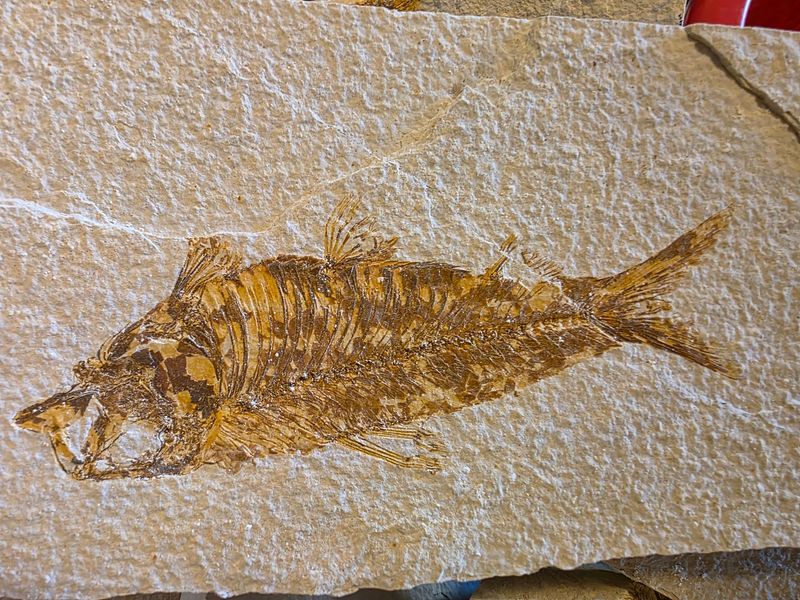
Roughly 50 million years ago, a large freshwater lake covered parts of what is now southwestern Wyoming, and the fish that lived there left behind an extraordinary record preserved in limestone. Fossil Lake Safari gives visitors direct access to that record, letting them split rock layers themselves using tools the quarry provides on site.
Common finds include fish, plants, and insects, while rarer discoveries have included reptiles and birds. The quarry is located at 7,300 feet elevation with no cell service, so come prepared.
Guides are available to help with identification and technique.
The 2026 season runs from May 9 through September 30, open seven days a week from 8 AM to 5 AM. Visitors keep everything they find, with the only exception being specimens valued above $100,000, which are subject to a royalty agreement with the landowner.
No reservations are required.
2. U-Dig Fossils, Delta, Utah
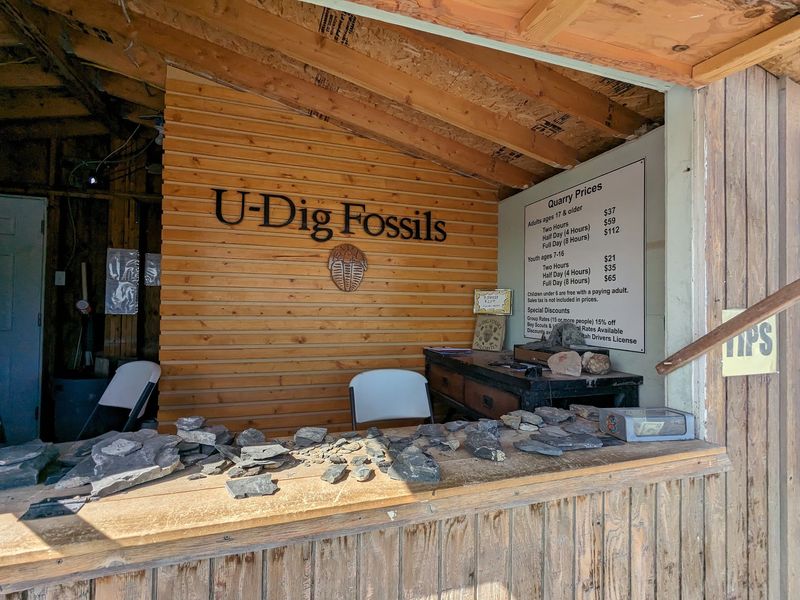
Western Utah’s House Range looks barren at first glance, but the limestone beneath that desert surface tells a completely different story. Around 500 million years ago, a shallow sea covered this region, and the trilobites that lived in it are still locked inside the rock, waiting for someone with a hammer and a little patience to find them.
U-Dig Fossils gives the public access to these Cambrian-era deposits through a straightforward quarry experience. Visitors split the rock on site, and the trilobites they uncover are theirs to take home.
The 2026 season runs from late March into October, with additional post-season dates also scheduled. The combination of genuine Cambrian fossils and a remote desert setting makes this feel less like a roadside activity and more like an actual field expedition.
Check the website before visiting for current hours and pricing details.
3. Penn Dixie Fossil Park & Nature Reserve, Blasdell, New York
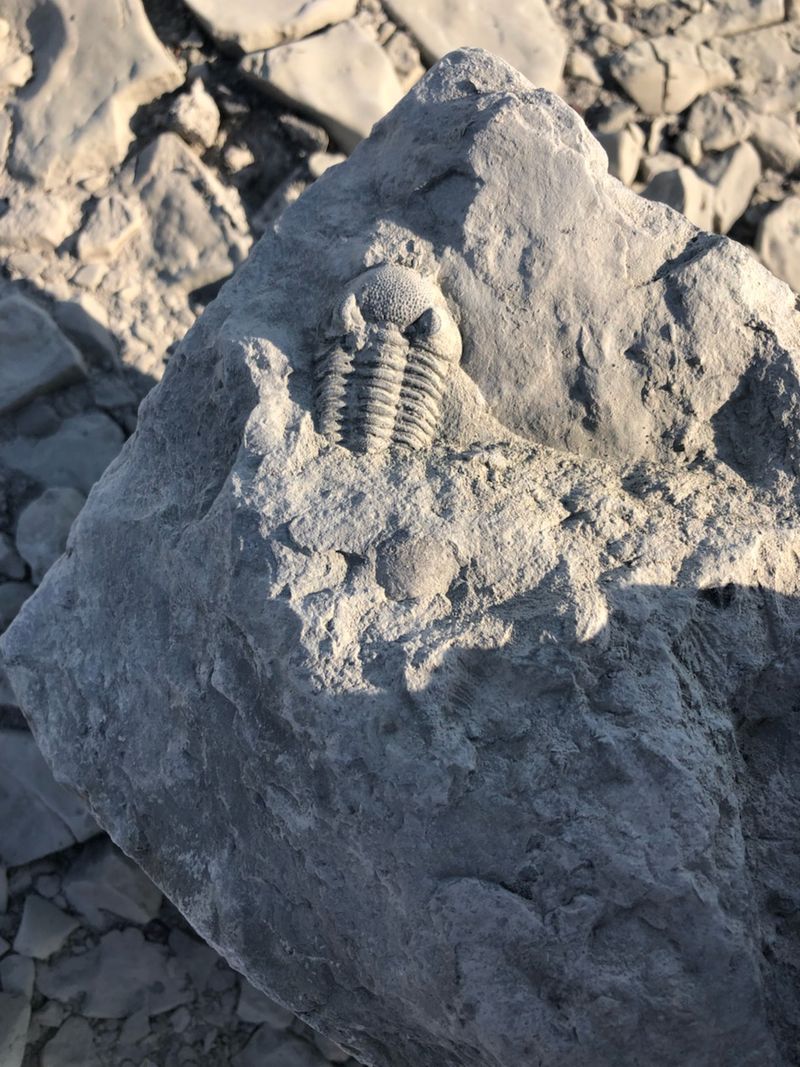
Just south of Buffalo, a 54-acre former quarry has been converted into what has been called the number one fossil park in the United States, and the claim holds up. The rocks here date back roughly 380 million years to the Devonian Period, when a warm, shallow sea covered much of North America.
Trilobites are the headline attraction, but brachiopods, corals, crinoids, and gastropods also turn up regularly. General admission includes a guided orientation, unlimited collecting time, a trowel and bucket, a fossil ID card, and a cloth bag for your finds.
Professional tools are available to rent if you want to get more serious about the search.
For summer 2026, the park is open Wednesday through Sunday from June 24 through Labor Day, then weekends only through September 27. Hours run from 9 AM to 4:30 PM, with last entry at 2:45 PM.
Everything visitors find is theirs to keep.
4. Mineral Wells Fossil Park, Mineral Wells, Texas
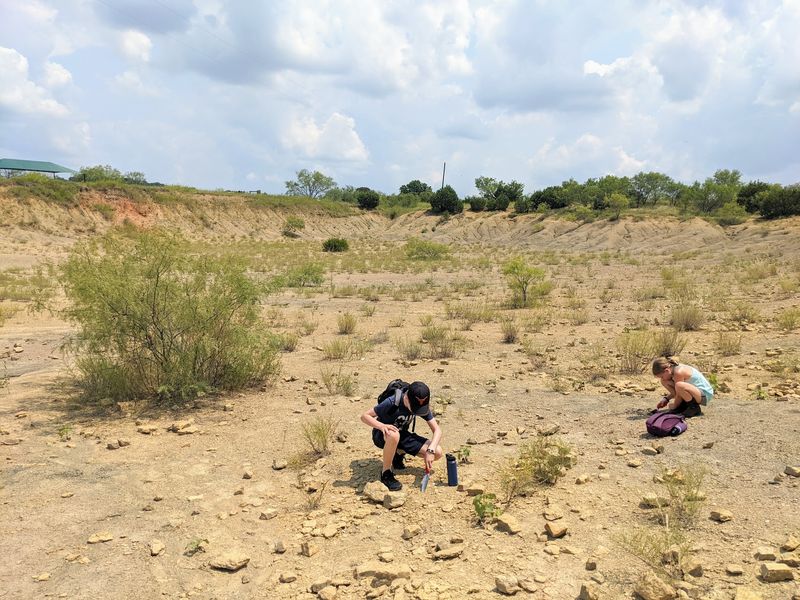
Free admission and a fossil-rich former borrow pit make Mineral Wells one of the most accessible collecting sites on this list. The exposed rocks here date back approximately 300 million years to the Pennsylvanian Period, and they are packed with evidence that this part of Texas once sat beneath a warm inland sea.
Crinoids, brachiopods, bryozoans, corals, and echinoids are all common finds. Fossil shark material also turns up occasionally, which tends to get people very excited.
Fossils collected for personal use can be taken home, though commercial sale is prohibited.
The park is open Friday through Monday from 8 AM to dusk. Only surface collecting is allowed in designated areas, and tools are limited to small gardening tools.
Shovels, picks, and motorized equipment are not permitted. The park has no water facilities, so bringing your own supply is strongly recommended along with knee pads and plastic bags for your finds.
5. Florissant Fossil Quarry, Florissant, Colorado
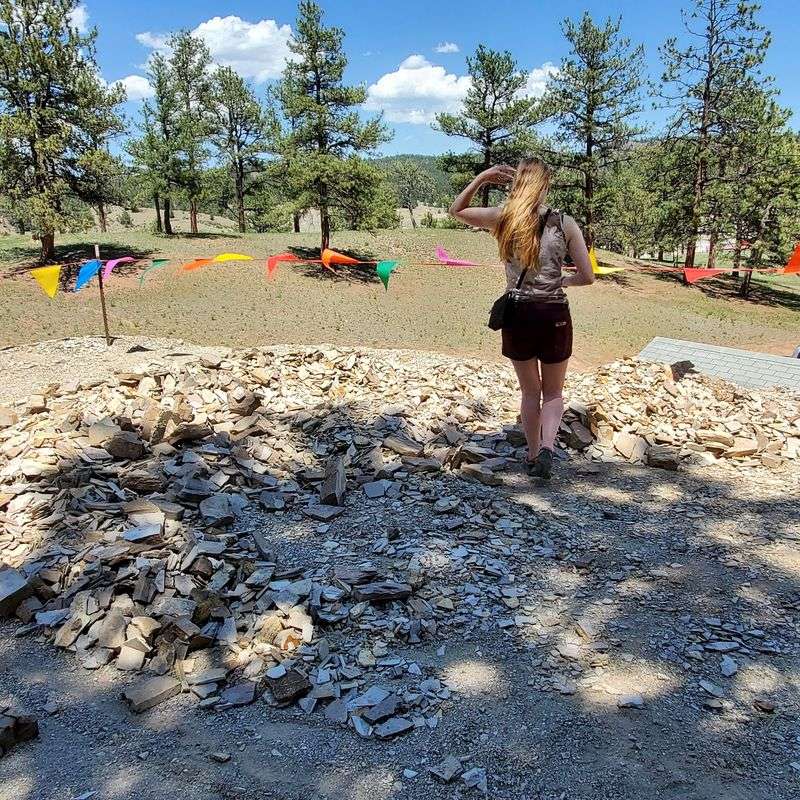
Perched at 8,400 feet near Colorado Springs, this private quarry offers one of the more unusual fossil collecting experiences available anywhere in the country. The shale here is from the Florissant Formation, roughly 34 million years old, and it preserves detailed impressions of ancient plants, insects, and other organisms in remarkable clarity.
The quarry brings in freshly excavated material for visitors to split, so the experience centers on genuine discovery rather than sifting through previously picked-over rock. Tools and instruction are included, and collectors keep everything they find.
The 2026 season runs Monday through Saturday from 10 AM to 5 PM, typically from Memorial Day weekend through Labor Day. The quarry is closed Sundays and on July 3 and 4.
After September, visits are by appointment only. The fee is $20 per collector per hour, cash only, and no reservations are needed for groups of fewer than ten.
Weather can affect operations, so calling ahead is recommended.
6. Stonerose Interpretive Center & Eocene Fossil Site, Republic, Washington
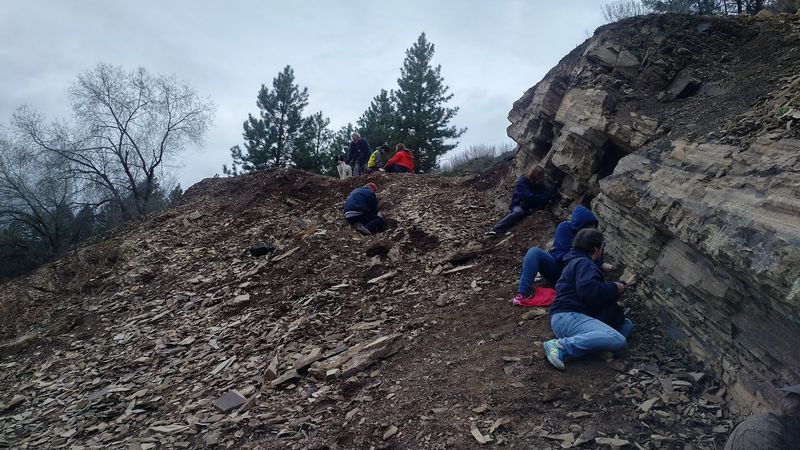
The small town of Republic, Washington sits above one of the most productive Eocene fossil deposits in North America. The Klondike Mountain Formation, roughly 51 million years old, preserves an ancient lake ecosystem in extraordinary detail, with plant impressions, insects, and fish all waiting inside the shale.
Visitors receive digging instructions before heading to the Boot Hill Fossil Site, then bring their finds back to staff for identification. Each person may keep up to three fossils per day, and scientifically significant specimens may be retained for research purposes.
The Interpretive Center is free to enter, though there is a fee for site access. For 2026, the fossil site operates April 22 through October 31, with varying days depending on the time of season.
Hours at the site run from 8 AM to 4 PM. The center and gift shop are open Tuesday through Sunday from 8 AM to 5 PM.
This is a genuinely hands-on paleontology experience in the Pacific Northwest.
7. Fossil Park, Sylvania, Ohio
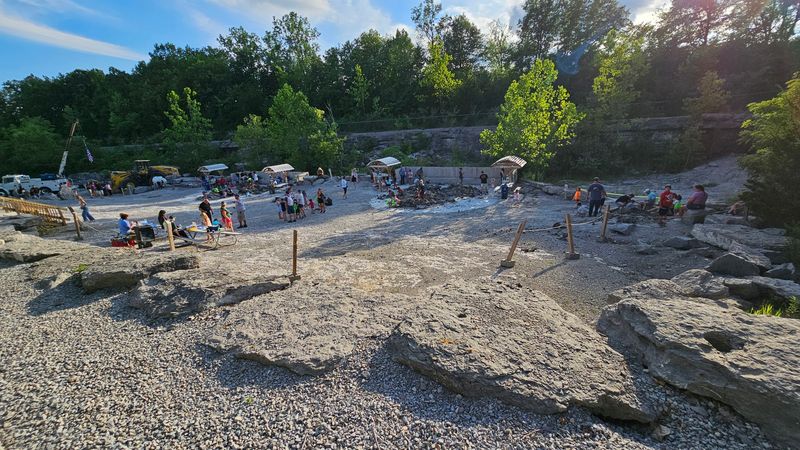
Northwest Ohio was once covered by a warm shallow sea, and Fossil Park in Sylvania gives the public a direct connection to that ancient world through one of the most beginner-friendly setups on this list. The park regularly receives truckloads of Silica Shale from nearby quarries, dumped fresh for public access at no charge.
More than 200 species of prehistoric marine life have been documented from the surrounding fossil-bearing rock, including brachiopods, corals, and various other Devonian-era organisms. The shale is soft enough to break apart by hand, which means tools are not just unnecessary here, they are actually prohibited for shale splitting.
The digging pit is open seasonally from mid-April through the end of October. Park restrooms and the lot are open daily from 8 AM until 90 minutes before sunset, with a brief closure around the July 4th holiday.
Staff and volunteers are often on hand to help visitors identify what they find, and everything discovered in the designated collecting area is yours to take home.
8. Trammel Fossil Park, Sharonville, Ohio
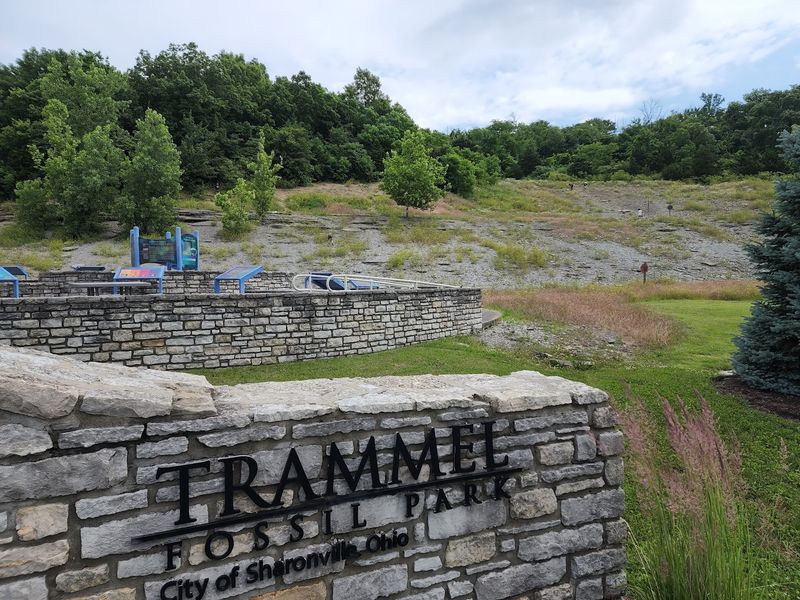
While many fossil parks focus on Devonian marine life, Trammel Fossil Park takes visitors even further back in time. The exposed Ordovician rocks here date back more than 440 million years, making every specimen found on the slopes genuinely ancient by any reasonable measure.
Interpretive signs placed throughout the park explain the different rock layers and the types of organisms that once lived in this long-vanished sea. The signs are genuinely useful, especially for first-time collectors who want context for what they are finding rather than just picking up rocks at random.
Admission is free, and visitors may keep representative fossils they discover during their visit. Digging into the slopes is not allowed, so collecting here is entirely surface-based, focused on examining loose material that has naturally weathered free from the rock.
This makes Trammel a relaxed, tool-free experience that works well for casual visitors, school groups, and anyone who prefers observing over excavating.
9. Caesar Creek State Park, Waynesville, Ohio
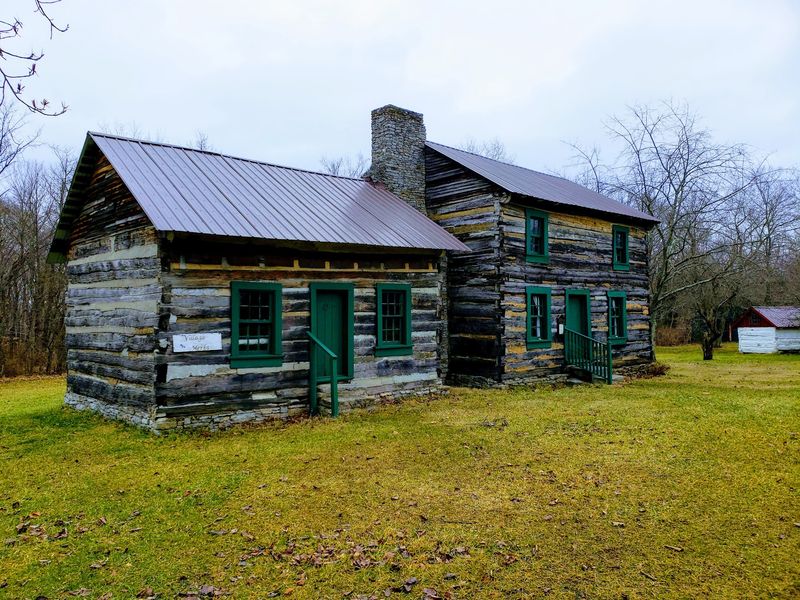
Caesar Creek State Park is not a quarry or a commercial fossil site, and that distinction matters. The fossil collecting here happens along the emergency spillway, where naturally exposed Ordovician rock layers reveal remains from a shallow sea that existed more than 440 million years ago.
Brachiopods, bryozoans, crinoids, and trilobites are among the fossils associated with the exposed formations. The catch is that collecting requires a free permit from the U.S.
Army Corps of Engineers Visitor Center before you start searching. Tools of any kind are not allowed on the spillway.
Visitors may keep specimens small enough to fit in the palm of a hand, which keeps the experience focused on careful observation rather than bulk collecting. The spillway setting gives Caesar Creek a more rugged, natural feel than a managed quarry park.
The combination of genuine paleontological access and strict but fair rules makes this one of the more rewarding sites for serious fossil enthusiasts who appreciate a bit of extra effort.
10. Oakes Quarry Park, Fairborn, Ohio
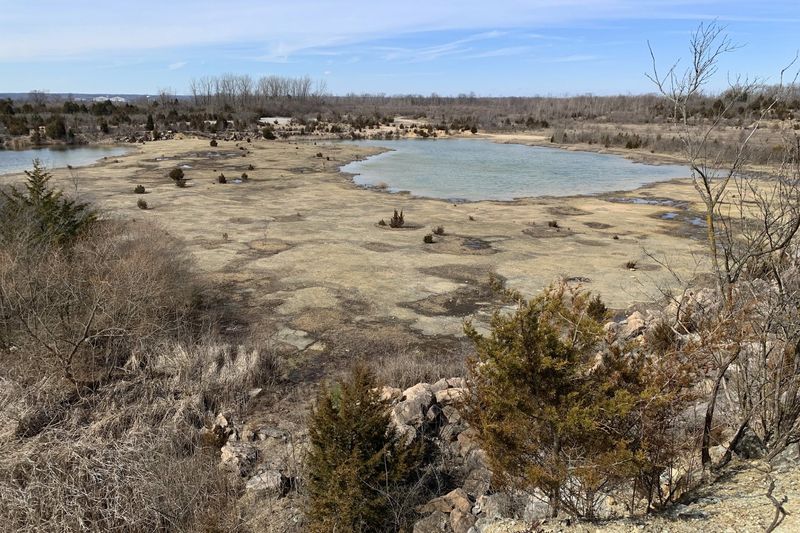
Researchers from Ohio State University have described the Silurian crinoid material at Oakes Quarry Park as among the best in the entire country, which is a remarkable statement for a free public park near Dayton. The site is a former limestone quarry that now exposes Brassfield Formation rocks, including two preserved reef structures that add genuine geological interest beyond the fossils themselves.
Crinoid material, corals, and brachiopods are the main finds here, and hammers and other tools are permitted in the designated collecting area. Protective eyewear is strongly recommended when using tools.
Collecting is only allowed from a clearly marked designated pile, and removing material from the preserved reef exposures or quarry faces is strictly prohibited.
The park is open from dusk to dawn year-round with free admission and also offers two miles of hiking trails for those who want to explore beyond the quarry floor. The open layout and clear rules make Oakes an easy site to navigate even for first-time visitors.
11. Calvert Cliffs State Park, Lusby, Maryland
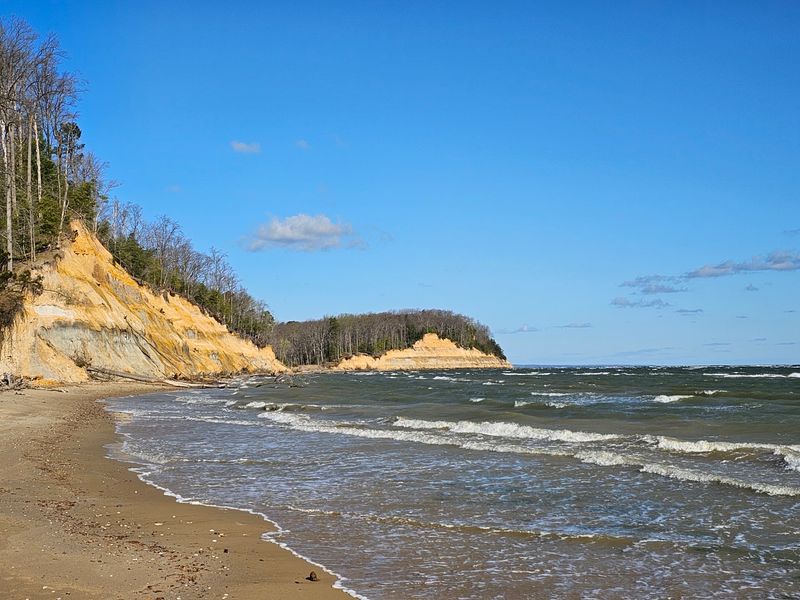
Calvert Cliffs State Park pairs a legitimate fossil hunting experience with a Chesapeake Bay beach at the end of a 1.8-mile hike, which is not a bad deal by any standard. The cliffs expose Miocene deposits roughly 10 to 20 million years old, and more than 600 fossil species have been identified from the formation.
Shark teeth are the most popular target, but fossil shells, Chesapectens, and Ecphora gastropods also appear regularly along the collecting beach. Low tide and the period after storms are considered the most productive times to search, as fresh material washes down from the cliffs naturally.
Collecting is permitted only within the designated beach area. Removing material directly from or beneath the cliffs is illegal due to serious landslide risk, not just discouraged.
The park is open daily from sunrise to sunset. During the off-season from Labor Day to Memorial Day, a $5 per vehicle entrance fee applies.
The Red Trail leads directly to the collecting beach.
12. Matoaka Beach Cabins, St. Leonard, Maryland
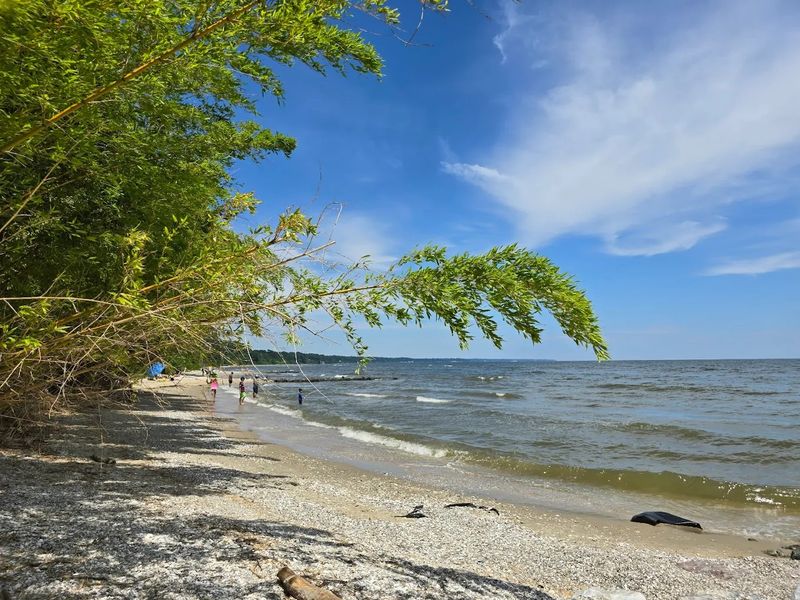
Calvert County’s fossil-rich Miocene deposits do not stop at the boundary of the state park, and Matoaka Beach Cabins offers a second public access point to the same productive shoreline. The property sits along the Chesapeake Bay, and the beach here collects material eroded naturally from the same ancient deposits exposed at the nearby cliffs.
Day visitors are welcome to access the beach for fossil hunting for a fee reported at $5 per person on weekdays and $10 per person on weekends. The beach area is generally accessible from 7 AM to 7 PM, and the property is open year-round.
Capacity can be limited during busy periods, so arriving early on weekends is a smart move.
Digging into the cliffs is prohibited here just as at the state park, so the fossils available to take home are those already weathered free and found along the shore. Low tide and post-rain visits tend to be the most productive.
The relaxed, private beach setting gives this site a different feel from the state park experience nearby.
13. In Stone Fossils, Kemmerer, Wyoming
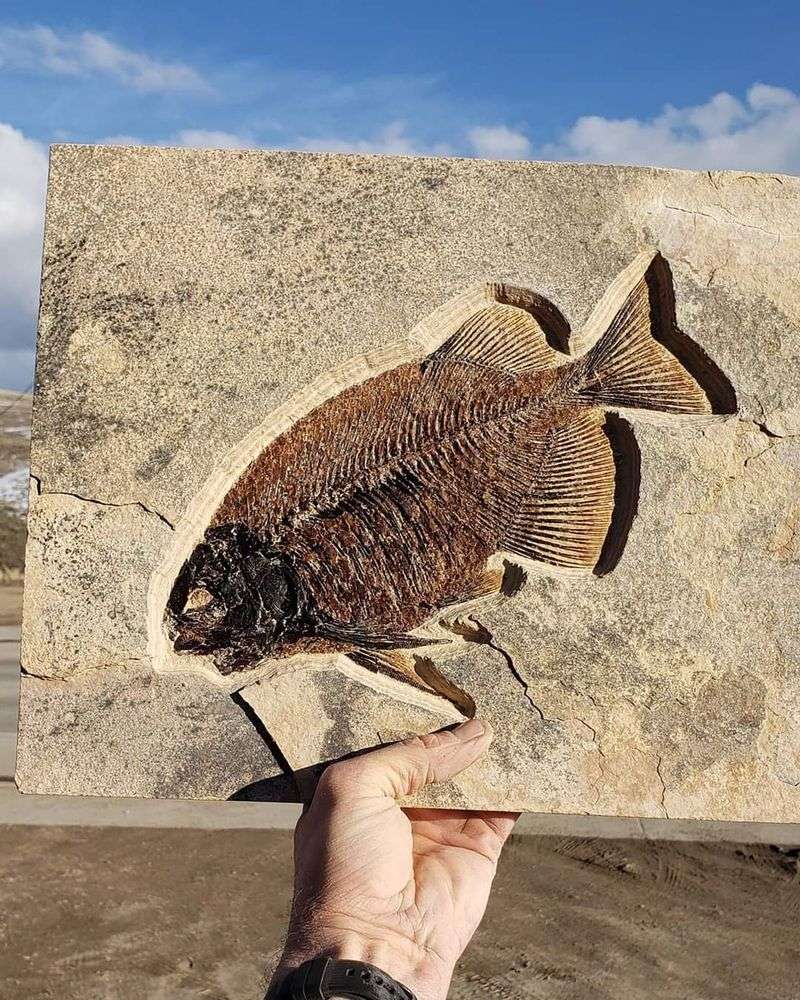
Kemmerer already appears on this list once for its famous quarry, but In Stone Fossils offers a distinctly different way to experience Wyoming’s Green River Formation. The operation runs both a shop-based rock-splitting experience in town and guided private excursions out into the fossil-bearing formation itself, giving visitors two separate options depending on how adventurous they want to be.
The shop experience is more accessible for families or casual visitors, with participants splitting fossil-bearing rock and keeping nearly everything they uncover. Exceptions apply only for material with significant scientific value.
Private quarry excursions go deeper into the formation but come with their own specific collecting limits based on fossil layer and specimen value.
Reviewing the collecting rules before booking a private excursion is genuinely worth the time, since limits vary more than they do for the shop experience. In Stone Fossils holds a perfect five-star rating and provides a guided, personal approach that larger commercial quarries rarely match.
It is a strong option for anyone who wants expert company during the search.
Share this story