Most people tour ancient ruins from a safe distance, snapping photos and reading plaques. But a growing number of historic sites around the world let you skip the velvet rope entirely and actually get your hands dirty.
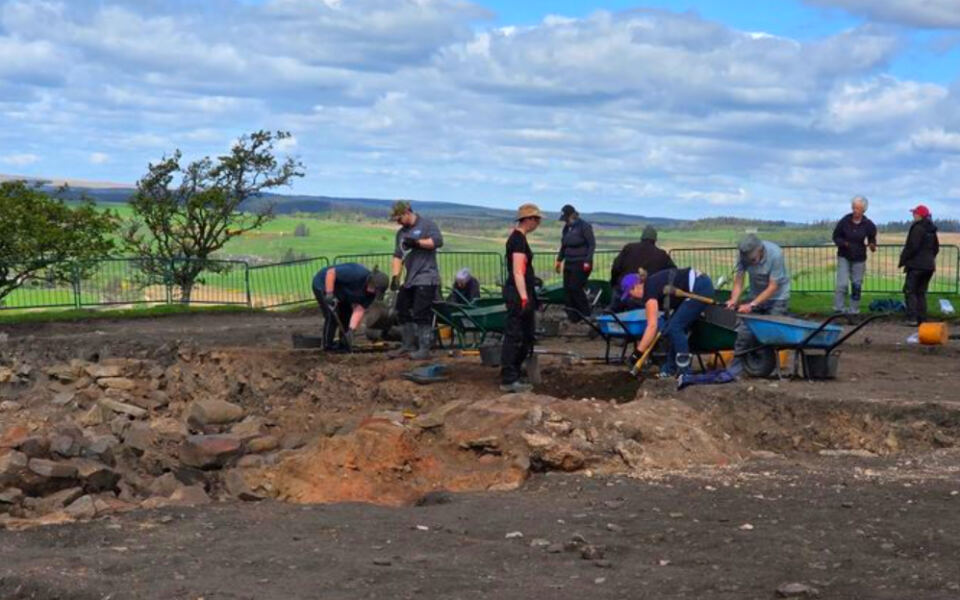
Real archaeological programs now welcome volunteers, students, and total beginners to work alongside professional archaeologists, learning how to excavate soil layers, screen for artifacts, and document discoveries that have been buried for centuries. Some programs are free and last just a few hours, while others run for several weeks and cost thousands of dollars.
A few are so selective that only graduate students with field experience make the cut, while others welcome anyone over the age of five. Whether your budget is tight or your schedule is flexible, there is likely a dig somewhere on this list that fits your situation perfectly.
Read on to find out which one is calling your name.
1. Newlin Grist Mill, Glen Mills, Pennsylvania
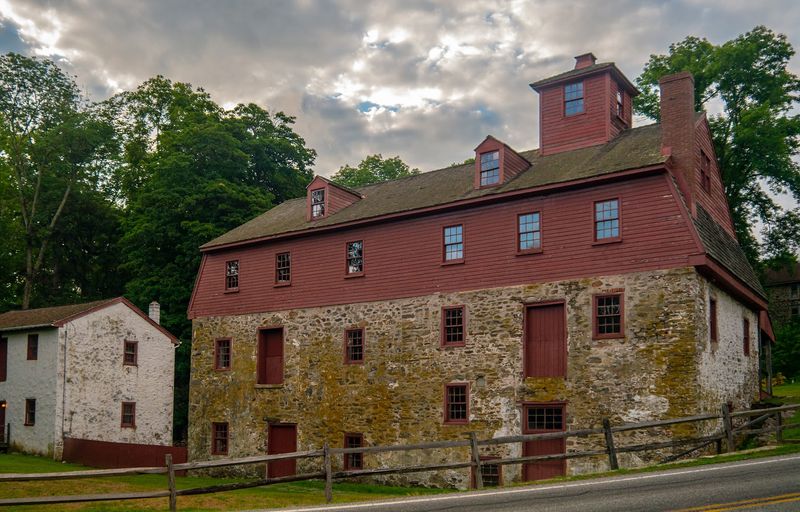
One of the easiest ways to try real archaeology without committing to a field school is coming up this fall outside Philadelphia. Newlin Grist Mill will hold its final Public Archaeology Day of 2026 on October 17, from 10 a.m. to 3 p.m.
Visitors can watch professional archaeologist Keith Doms and the site’s archaeology volunteers at work, and depending on the day’s activities, participants may help screen excavated soil or clean recovered artifacts. The event is free, requires no reservation, and is open to all ages as long as children are accompanied by an adult.
That makes Newlin particularly appealing for someone curious about archaeology but not ready to spend several weeks at a field school. Wear closed-toe shoes and clothes that can get dirty, and you can get a genuine introduction to how archaeologists recover evidence from the ground.
2. James Madison’s Montpelier, Montpelier Station, Virginia
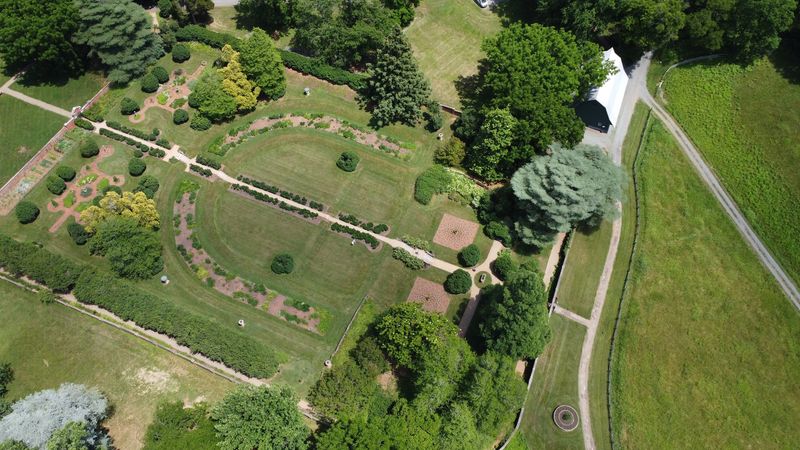
Montpelier has been training archaeology students since 1987, and another field school is already scheduled for May 31 through July 9, 2027, preceded by virtual sessions May 24 through 28. Applications are scheduled to become available in early fall 2026 and will be due March 1, 2027.
The five-week program provides intensive training in archaeological field and laboratory methods at the former plantation of James Madison. Much of Montpelier’s archaeological research examines the lives and material world of the enslaved people who lived and worked on the property.
This is considerably more serious than a one-day public dig. Participants work within an active research program and learn the methods used to excavate, record, process, and interpret archaeological evidence.
For anyone considering archaeology professionally, Montpelier offers the rare combination of a major American historic site and decades of experience teaching newcomers how field archaeology actually works.
3. Nemea Center Archaeological Field School, Greece
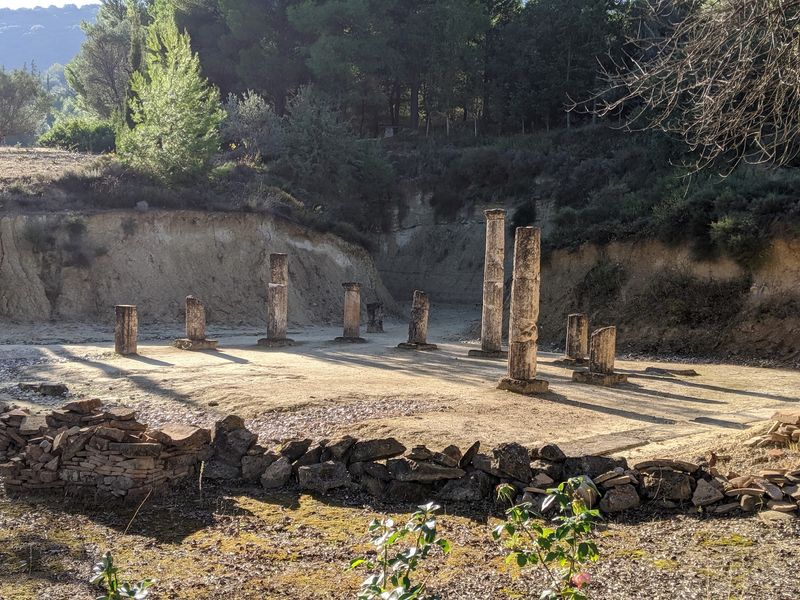
Another Greek excavation is already looking toward 2027. The Nemea Center for Classical Archaeology at the University of California, Berkeley says applications for its summer 2027 archaeological field school will open during winter 2026-27.
Participants receive hands-on training in archaeological methods that can include excavation, regional survey, geophysical testing, mapping, stratigraphic analysis, recording, artifact conservation, pottery analysis, cataloging, and museum work.
The working schedule is substantial, generally five or six days each week from around 7 a.m. until 3 p.m., so this is designed as genuine archaeological training rather than an archaeological vacation.
A letter of recommendation is required as part of the application process. Anyone interested should start watching the program page during the coming winter, when the 2027 application cycle is expected to open.
4. Old Cahawba Archaeological Park, Orrville, Alabama
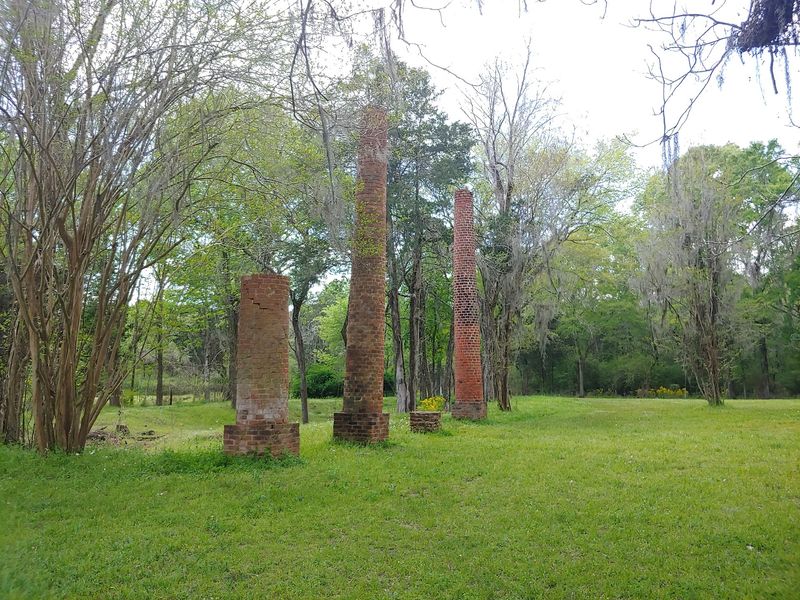
Alabama’s first state capital is now an archaeological park, and its 2027 season is already being planned around professional field training. Old Cahawba has announced two five-week Cultural Resource Management training sessions for summer 2027, along with specialized tracks in ground-penetrating radar, GIS, cemetery preservation, and photogrammetry.
The program is designed primarily for students and emerging professionals interested in archaeological and historic-preservation careers. Participants work directly with Alabama Historical Commission archaeologists and contribute to ongoing research rather than practicing on simulated excavation units.
Applications for the 2026 season are closed, but Old Cahawba says the 2027 application cycle will open in October 2026. Applications are then reviewed on a rolling basis, making early submission a sensible move because enrollment is limited.
This is one of the more career-focused choices on the list, particularly for anyone interested in the practical side of cultural resource management.
5. Lubbock Lake Landmark, Lubbock, Texas
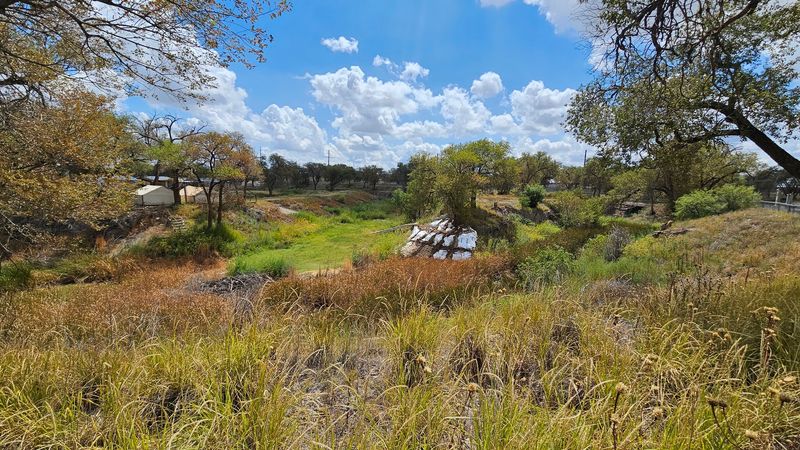
More than half a century of research has made Lubbock Lake Landmark an unusually long-running outdoor laboratory for archaeology, geology, and paleontology. The site has already announced that its 2027 field season is expected to run roughly May 30 through August 21.
Volunteers from around the world work alongside professional researchers investigating the human and environmental history of the Southern High Plains. Fieldwork can involve excavation, survey, mapping, geoarchaeological investigation, and processing material recovered during research.
New application forms and the updated program guide are scheduled to appear in January 2027, with final session dates still to be confirmed.
What makes Lubbock Lake particularly attractive is that it has traditionally welcomed people without previous archaeological experience. This is genuine field research rather than a visitor demonstration, so prospective volunteers should expect long days outdoors and the physical realities that come with excavation in West Texas.
6. Vindolanda, Bardon Mill, Northumberland, England
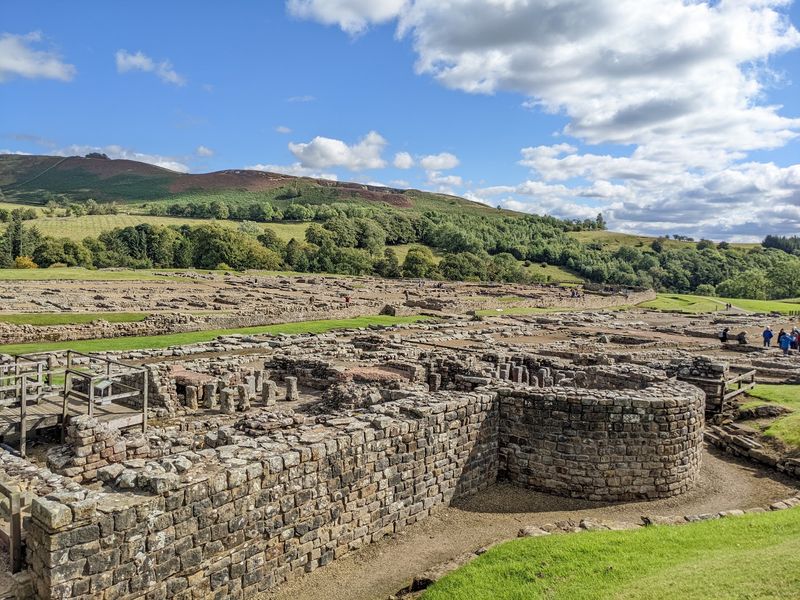
Few volunteer digs offer the possibility of uncovering Roman material at a site as famous as Vindolanda. More than 8,000 volunteers have participated in excavations here since 1970, and the Trust has now published a substantial 2027 excavation schedule running from March 29 through October 1, with breaks between some periods.
Volunteers commit to two consecutive weeks and become part of the excavation team investigating the Roman fort and settlement just south of Hadrian’s Wall. Vindolanda is particularly famous for exceptional preservation, including Roman writing tablets, leather footwear, wooden objects, and other materials rarely recovered elsewhere.
General booking for the 2027 Vindolanda excavations opens November 3, 2026. The Trust warns that demand is expected to be high and plans to operate a virtual queue when places are released.
A limited number of fully funded bursary places are also available for people ages 18 to 25, with 2027 bursary applications closing October 12, 2026.
7. Agora, Athens, Greece
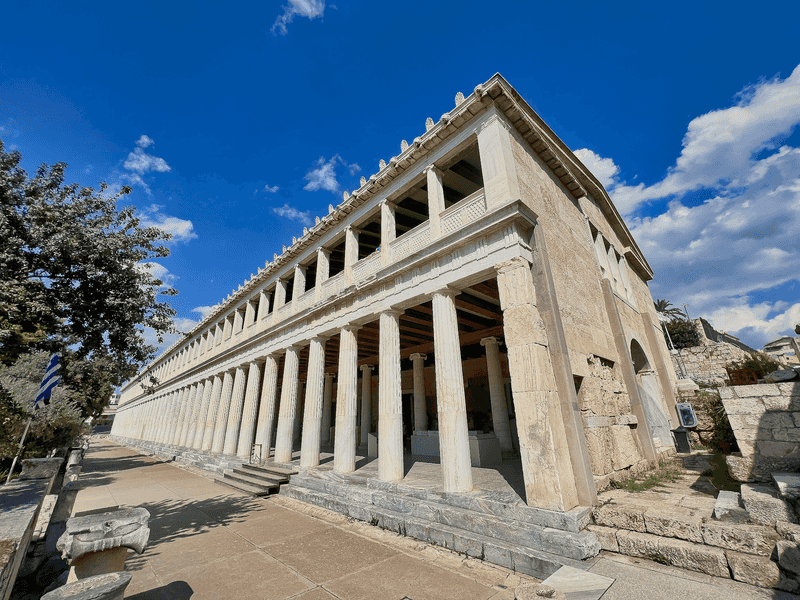
Few archaeological volunteer positions carry quite the same historical weight as excavating in the civic center of ancient Athens. The American School of Classical Studies at Athens has already announced that its next Agora excavation season will run June 14 through July 23, 2027.
Volunteers work Monday through Friday and receive practical training in excavation, sifting, flotation, artifact cleaning, archaeological record keeping, and scientific methods. Housing in Athens and a modest board allowance are provided while volunteers are working on the excavation.
This is not primarily a casual beginner program. Selection generally favors people seriously pursuing classical archaeology, and participants are expected to commit to at least six weeks.
For those who qualify, however, the opportunity is extraordinary. Instead of visiting the Agora as another stop below the Acropolis, participants contribute directly to research at one of the most important archaeological sites in Greece.
8. Magna Roman Fort, Greenhead, Cumbria, England
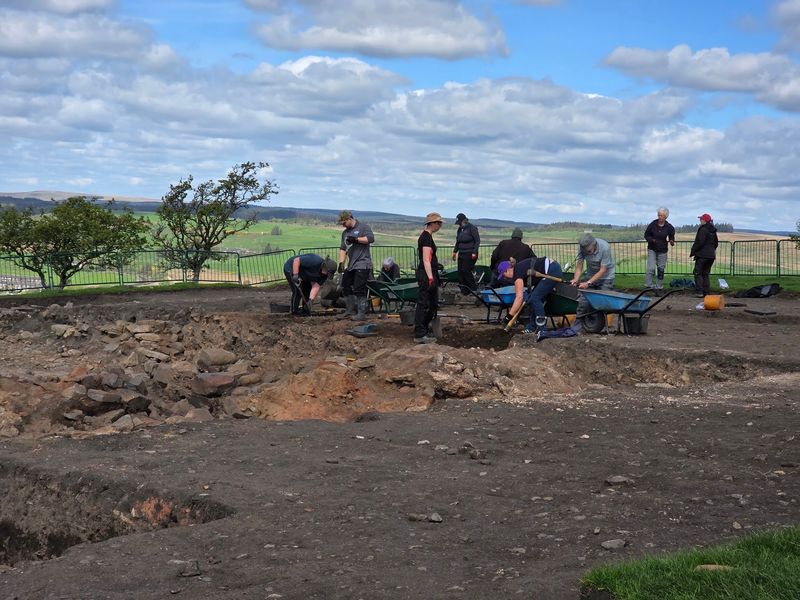
A few miles from Vindolanda, another Roman fort is opening its trenches to volunteers. Magna sits beside Hadrian’s Wall near the Roman Army Museum and is part of a major ongoing research project run by the Vindolanda Trust.
The Trust has confirmed another volunteer season for 2027, using the same two-week participation model that makes its excavations substantially more immersive than a short public dig. The wider project is investigating the fort, its structures, and the people who occupied this strategically important section of the Roman frontier.
Previous Vindolanda or Magna excavators get first access to a limited number of 2027 places on October 6, 2026. Remaining Magna excavation spaces are scheduled to go on sale to the general public on October 13.
For travelers already considering Vindolanda, Magna offers a different archaeological puzzle within the same remarkable Roman landscape.
9. Roman City of Sanisera, Menorca, Spain
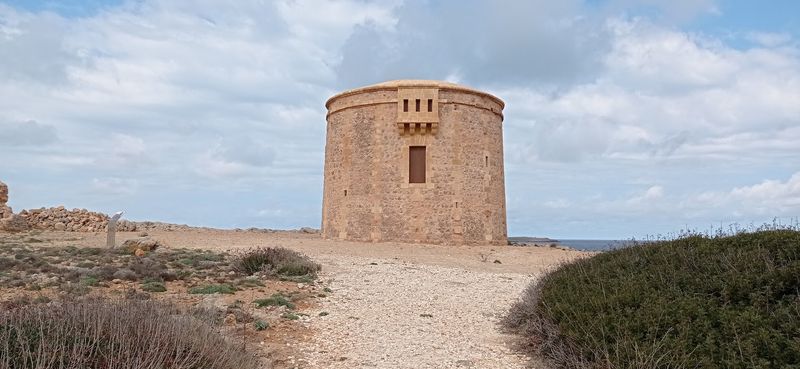
On the northern coast of Menorca, the ancient Roman city of Sanisera provides a field-school setting that combines Mediterranean archaeology with a program specifically designed to accommodate beginners.
The Sanisera Archaeology Institute has published multiple upcoming sessions, including fall 2026 opportunities and a 2027 season running from May through October 27.
Participants learn basic excavation techniques, stratigraphy, archaeological recording, sample collection, and the identification and classification of finds including ceramics, coins, animal bone, metals, and glass. Material from the site spans centuries of Roman occupation, giving beginners exposure to the practical process of turning objects in the soil into archaeological evidence.
Programs start at roughly $1,600, depending on the session. Because multiple dates are offered rather than one short annual season, Sanisera provides considerably more scheduling flexibility than many traditional university field schools.
10. Lindores Abbey, Newburgh, Scotland
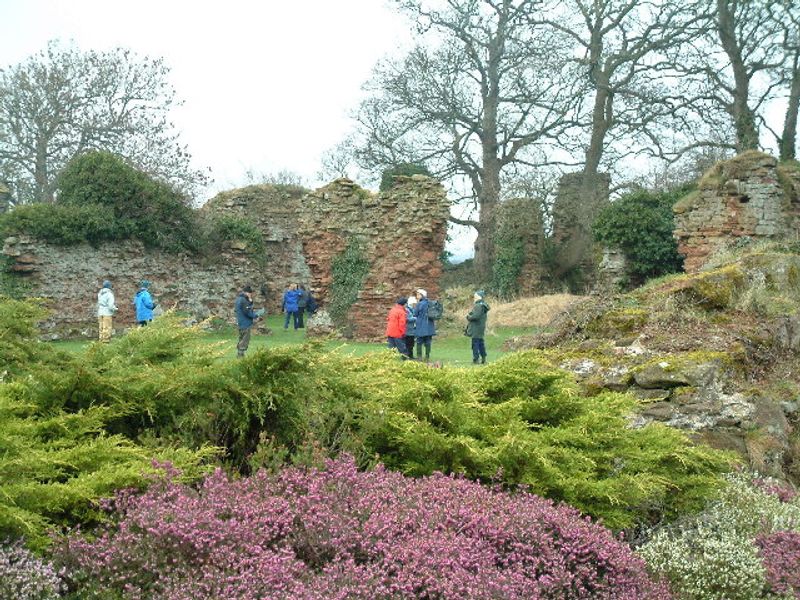
The ruins of Lindores Abbey in eastern Scotland will become an archaeological classroom again in summer 2027. The Monastic Archaeology Field School is scheduled to run from June 7 through July 2, bringing participants to the remains of a medieval abbey founded in the late 12th century.
No previous archaeological experience is required. Students receive practical instruction in excavation and recording while working alongside archaeologists investigating the monastery and the people who lived, worked, and were buried there.
The project is particularly suited to beginners looking for a structured introduction to field archaeology rather than a short visitor experience. With several weeks devoted to hands-on work at an actual medieval monastic site, participants get to see how individual finds, building remains, and layers of soil are pieced together to reconstruct centuries of activity.
11. Ancient Pella, Pella, Greece
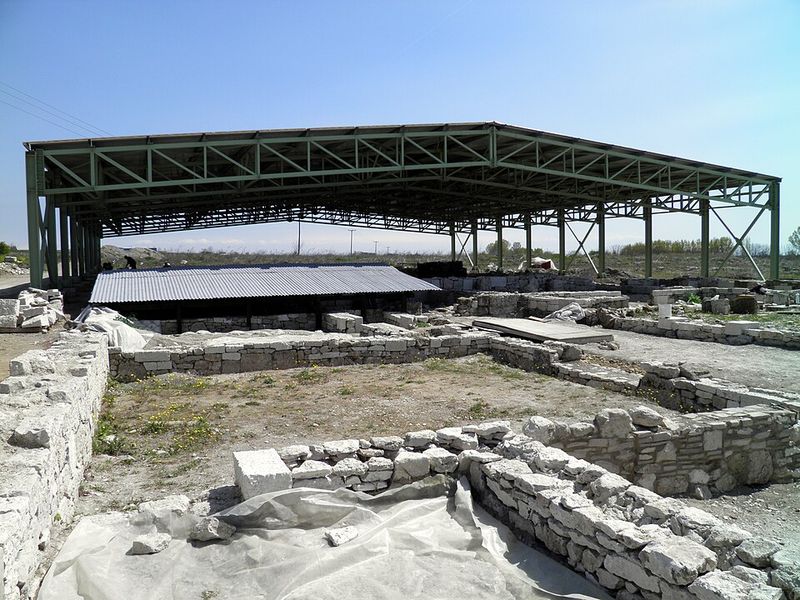
Ancient Pella was once the capital of the Macedonian kingdom and the birthplace of Alexander the Great, and modern archaeological work continues to uncover how the city developed. The Pella Urban Dynamics Project has already directed prospective volunteers to check back in January for information about joining its 2027 season.
Participants work alongside researchers investigating the ancient city’s neighborhoods and urban development through excavation and archaeological survey. Previous field experience is not required, although applicants should have a genuine interest in archaeology, ancient history, or material culture.
The setting makes this opportunity particularly memorable. Instead of practicing at a simulated site, volunteers contribute to research within one of northern Greece’s most important ancient cities, where excavated streets, houses, mosaics, and the enormous agora reveal the scale of the former Macedonian capital.
12. La Biagiola, Sorano, Tuscany, Italy
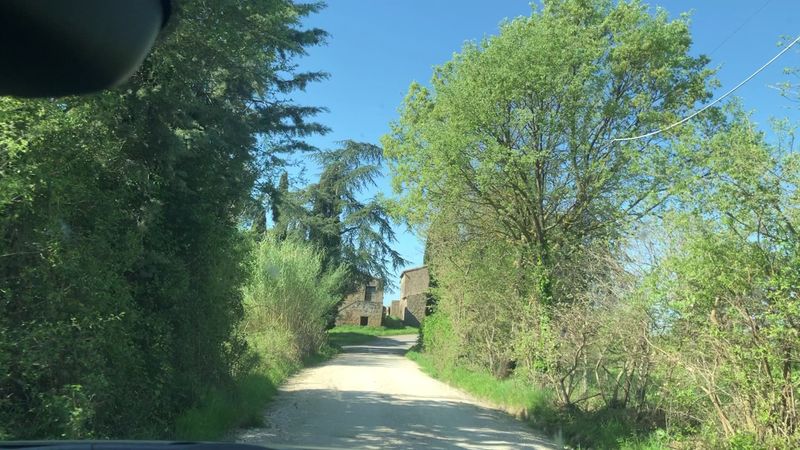
Tuscany provides the setting for a field school that stretches well beyond the traditional summer excavation season. The La Biagiola International School of Archaeology has upcoming sessions from October 16 through 30, 2026, followed by several additional programs between February and October 2027.
Participants can receive practical training in excavation, archaeological survey, GIS, photogrammetry, laser scanning, and the documentation of historic structures. Research extends across La Biagiola and the surrounding archaeological landscape near Sovana, an area with evidence spanning multiple periods of human occupation.
The range of dates makes this one of the more flexible opportunities on the list, particularly for people who cannot commit to a conventional summer field school. It also provides exposure to modern archaeological technology alongside traditional excavation techniques, showing just how much fieldwork now involves digital mapping and documentation as well as digging.
Share this story