There is an organization in the world that has its own passports, its own license plates, and diplomatic relations with over 100 countries, yet it does not own a single square mile of land it can truly call its own. No borders, no army, no permanent citizens in the traditional sense, yet it operates like a fully functioning state.
This is the story of the Sovereign Military Order of Malta, one of the oldest and strangest institutions in human history, deeply rooted in the island nation of Malta itself. Understanding this quirky relationship between the Order and the island of Malta opens a fascinating window into medieval history, international law, and one of the Mediterranean’s most remarkable places.
The Order of Malta: A Sovereign State Without a Country
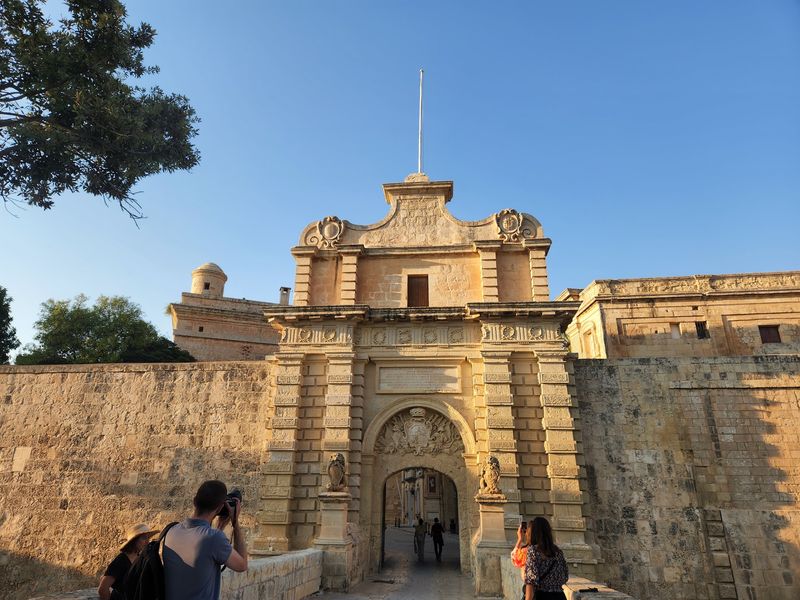
Few institutions on Earth can claim to be a sovereign entity while owning almost no physical territory. The Sovereign Military Order of Malta, officially recognized by international law, maintains diplomatic relations with more than 100 countries and issues its own passports, yet it has no country of its own.
Originally founded in Jerusalem around 1048 as a hospitaller organization caring for sick pilgrims, the Order eventually became a powerful military and religious force. After being expelled from the Holy Land, they moved to Rhodes and then to Malta in 1530, where they ruled for over 250 years.
Today, the Order operates from a small palazzo in Rome and a fort on the Tiber River, both granted extraterritorial status by Italy. Its unique legal standing makes it one of the most fascinating anomalies in modern international relations.
The Island of Malta: Where the Order Once Ruled
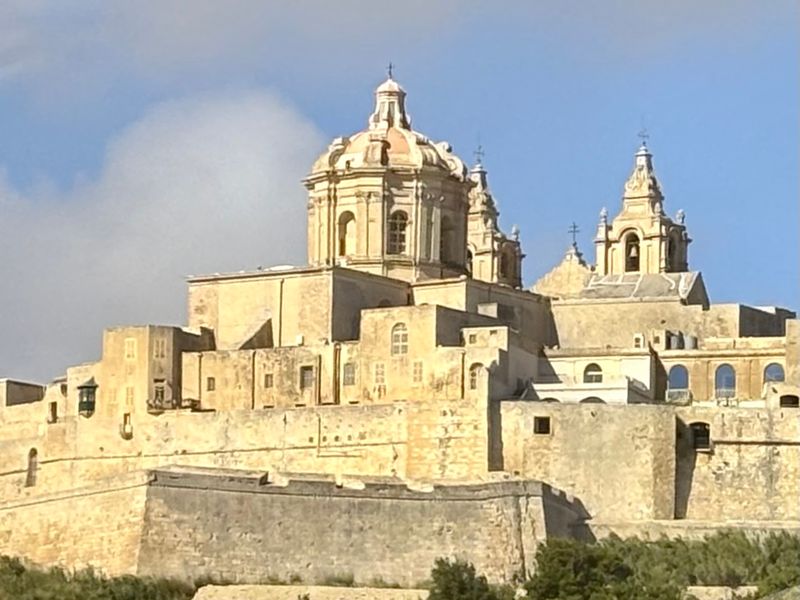
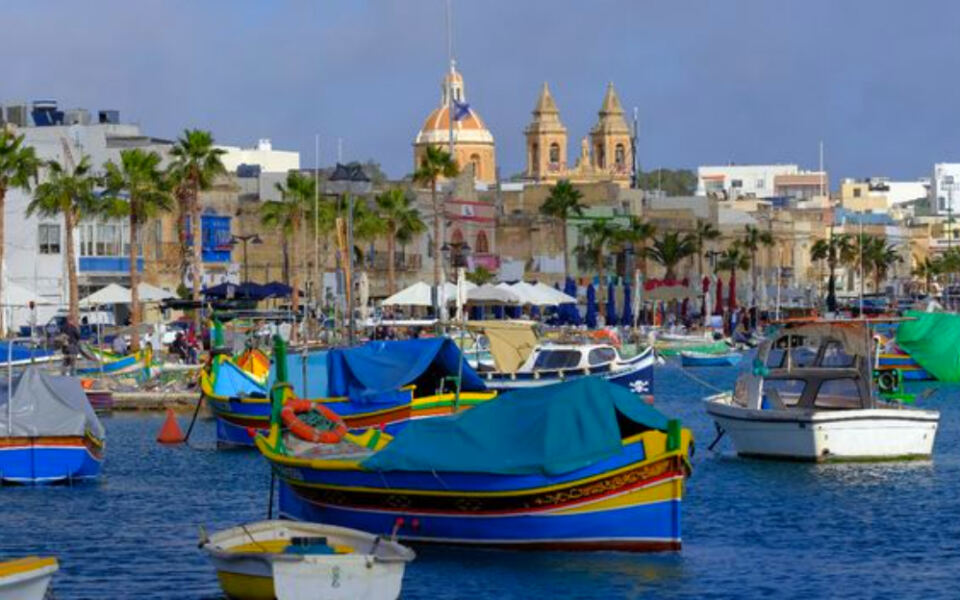
The Republic of Malta sits in the central Mediterranean Sea, roughly 93 kilometers south of Sicily and about 300 kilometers north of the North African coast. It is one of the smallest and most densely populated countries in the world, covering just 316 square kilometers across an archipelago of three inhabited islands.
The capital city, Valletta, located on the main island of Malta, is a UNESCO World Heritage Site and one of the most historically rich capitals in Europe. Built by the Knights of Saint John in the 16th century, its streets are lined with golden limestone buildings that glow warm amber in the afternoon sun.
Walking through Valletta feels like flipping through a living history book. The city was specifically designed and constructed by the Order of Malta after the Great Siege of 1565, making it a direct physical legacy of the Order’s rule.
The Great Siege of 1565 and the Knights Who Held the Line
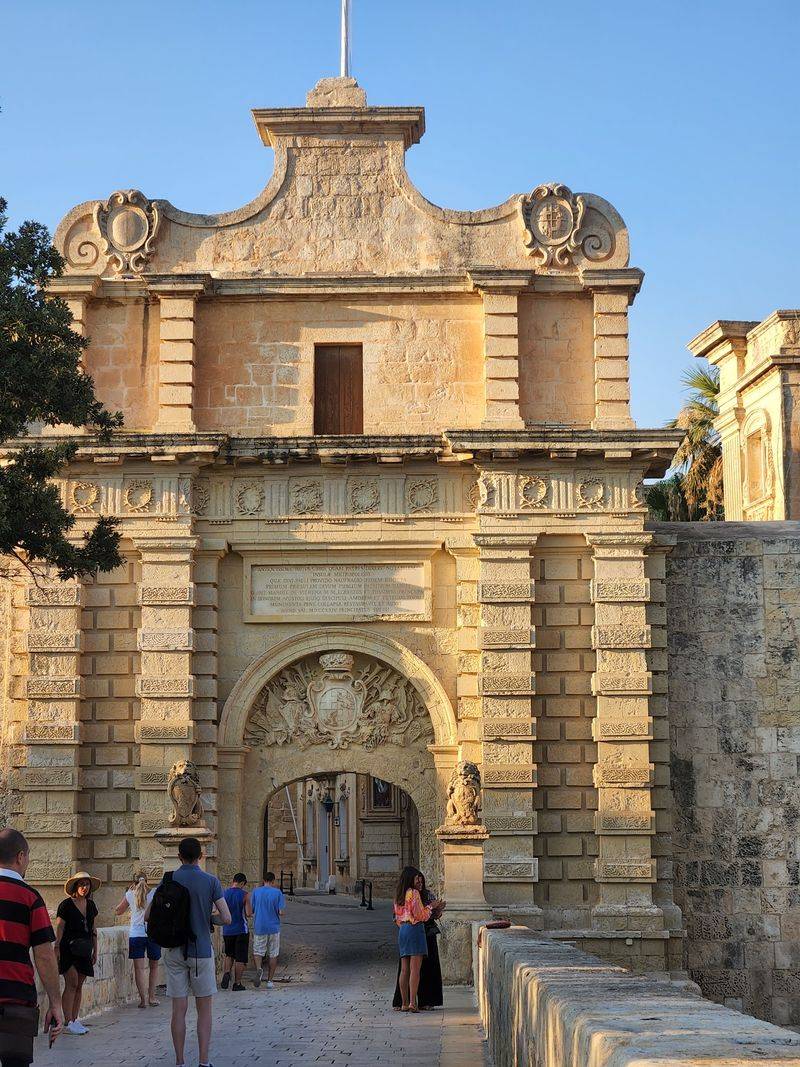
One of the most gripping chapters in Mediterranean history unfolded on this small island in 1565. The Ottoman Empire, then the most powerful military force in the world, launched a massive siege against Malta with an estimated force of around 40,000 soldiers.
The Knights of Saint John, numbering far fewer, held their ground for nearly four months.
Grand Master Jean Parisot de Valette led the defense with extraordinary resolve. The siege ended with the Ottomans withdrawing, and the victory sent a shockwave of relief across Christian Europe.
The Knights were celebrated as heroes, and European powers rushed to help them build a new fortified city.
That city became Valletta, named directly after Grand Master de Valette. The story of the siege is told through museums, monuments, and even a dramatic audiovisual show at the Malta Experience, giving modern visitors a vivid sense of what those months felt like.
Megalithic Temples: Older Than Stonehenge and the Pyramids
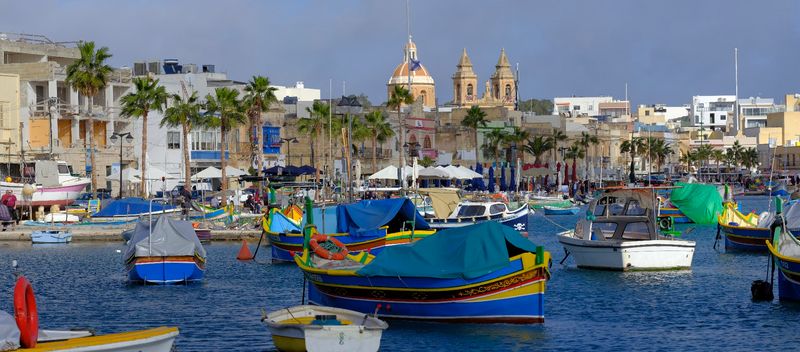
Long before the Knights ever arrived, Malta was home to one of the most advanced prehistoric civilizations on Earth. The Maltese megalithic temples, some dating back to around 3600 B.C., are among the oldest freestanding stone structures ever discovered.
They predate both Stonehenge and the Egyptian pyramids by a significant margin.
Sites like Ggantija on the island of Gozo and Hagar Qim on the main island are genuinely jaw-dropping in person. The massive limestone blocks, some weighing several tons, were shaped and arranged with remarkable precision by people who had no metal tools.
Archaeologists still debate exactly how this was accomplished.
These temples are UNESCO World Heritage Sites and represent a civilization that flourished and then mysteriously vanished around 2500 B.C. Visiting them feels less like a tourist excursion and more like standing at the edge of a very old and unanswered question about human history.
The Hal Saflieni Hypogeum: An Underground World of the Ancient Dead
Beneath the streets of Paola, a town in southern Malta, lies one of the most extraordinary archaeological discoveries ever made. The Hal Saflieni Hypogeum is a completely underground complex of halls, chambers, and burial rooms carved entirely out of solid limestone, dating to approximately 4000 B.C.
Discovered accidentally by workers in 1902, the Hypogeum descends across three levels to a depth of about 12 meters. Archaeologists found the remains of approximately 7,000 individuals buried there, along with pottery, amulets, and a famous figurine known as the Sleeping Lady.
The carved chambers mimic the architecture of the surface temples, suggesting a deep connection between life and the afterlife in this ancient culture.
Visitor numbers are strictly limited to protect the fragile environment inside, so booking well in advance is essential. The experience of standing in those cool, silent chambers is unlike anything else available to travelers anywhere in the world.
Centuries of Rulers: How Malta Became a Cultural Mosaic
Few places on Earth have been shaped by as many different civilizations as Malta. Over thousands of years, the island has been ruled by Phoenicians, Romans, Arabs, Normans, the Knights of Saint John, the French under Napoleon, and finally the British, who held Malta until independence in 1964.
Each ruler left something behind. The Arabic influence is most evident in the Maltese language, which is the only Semitic language written in the Latin alphabet and is the official language of an EU member state.
British rule brought English, still widely spoken today, along with a tradition of driving on the left side of the road.
The layering of all these cultures gives Malta a personality that is genuinely hard to categorize. It feels Mediterranean but sounds partly Arabic, looks partly British, and smells entirely of the sea.
That combination is exactly what makes spending time there so unexpectedly interesting.
The Azure Window Was Gone Before Many Travelers Arrived
For generations, one of Malta’s most photographed landmarks was a natural limestone arch on the island of Gozo called the Azure Window. It stood dramatically over the sea, framing perfect views of the deep blue Mediterranean, and became internationally famous after appearing in the television series Game of Thrones.
In March 2017, after a period of rough storms, the arch collapsed into the sea. The loss was felt deeply by Maltese residents and travelers who had planned to see it.
Today, divers actually visit the underwater remains of the arch, which now form an artificial reef teeming with marine life.
The story of the Azure Window is a quiet reminder that some of the world’s most remarkable natural features are fragile and temporary. Gozo itself remains a beautiful and far less visited island than the main island of Malta, with dramatic cliffs, quiet villages, and a slower pace that many travelers find more appealing.
Why Malta Still Matters: The Order, the Island, and the Idea of Sovereignty
The Sovereign Military Order of Malta is not just a historical curiosity. Today it operates as a major international humanitarian organization, running hospitals, ambulance corps, and relief operations in over 120 countries.
Its unique sovereign status allows it to act in diplomatic spaces where ordinary charities cannot.
Meanwhile, the Republic of Malta itself has grown into a modern EU member state with a thriving economy, a strong financial services sector, and a tourism industry that welcomes millions of visitors each year. The island punches far above its weight in global affairs, much like the Order that once ruled it.
The relationship between the Order and the island is no longer political, but the shared name and shared history create a remarkable thread connecting a medieval institution to a modern Mediterranean nation. Both the Order and the island prove that size has very little to do with significance, and that a small place can leave a very large mark on the world.
Share this story