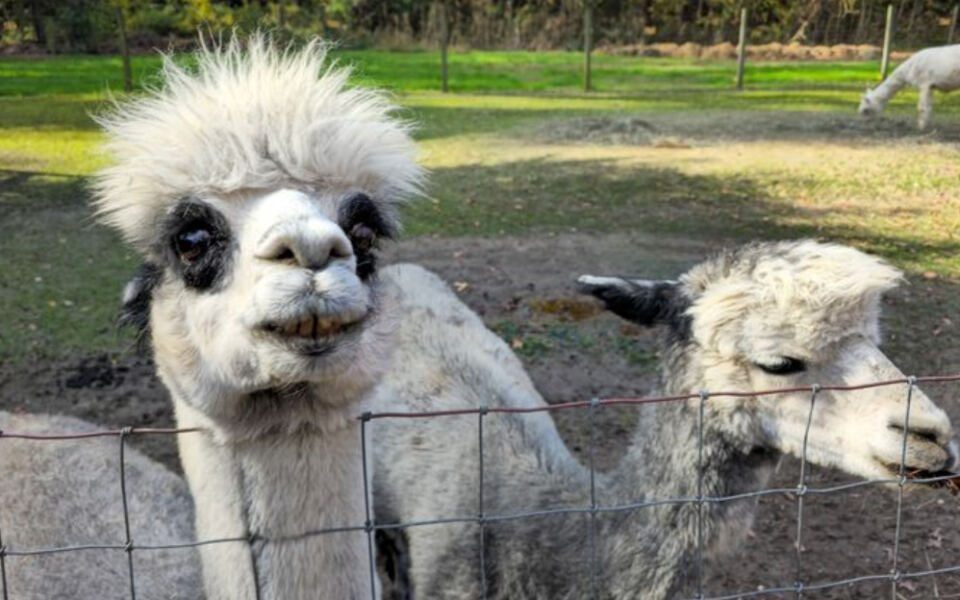
A plain little turn off a New Jersey road can sometimes lead to the kind of stop people keep talking about long after the beach towels are packed away. Near Cape May, there is a farm where the main attraction has four legs, excellent hair, and a serious interest in carrots.
It is the kind of place that makes a shore trip feel less routine without turning the day into a complicated project. Keep reading, because this close-to-the-coast outing has alpacas, small-group tours, a gift shop, and a surprisingly practical reason to plan ahead.
A Cape May Farm Just Off Route 47
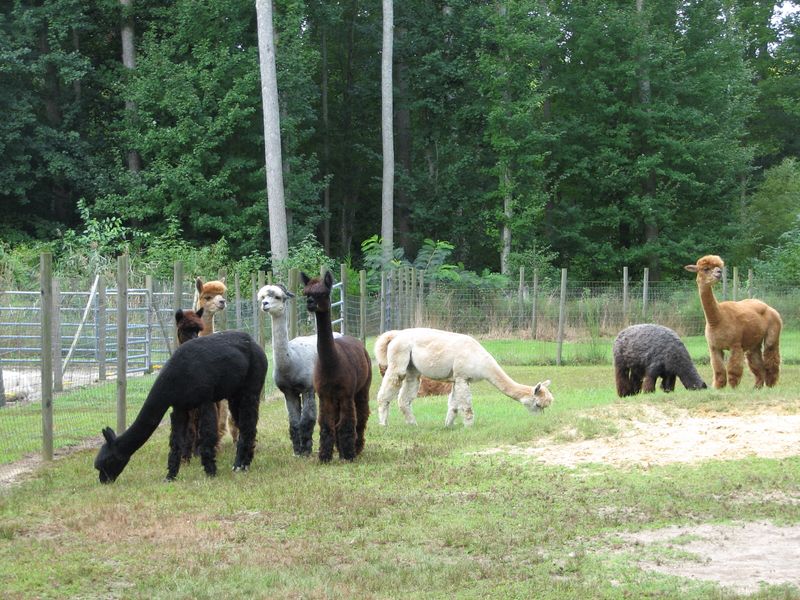
A short hop away from Cape May’s familiar vacation rhythm, Jersey Shore Alpacas gives New Jersey day-trippers a farm stop that feels easy to add to a shore schedule. The farm is at 521 NJ-47, Cape May, NJ 08204, in Cape May, New Jersey, United States, placing it close enough to the resort area for a non-beach break without turning the outing into a full-day detour.
The place is listed as a farm, and the experience centers on meeting alpacas in a guided, controlled setting. That matters because the visit is not a wander-anywhere setup; it is built around appointments and personal attention, which helps shape the relaxed pace people often mention after going.
Cape May already has a strong identity, but this stop adds a different side of the area. Instead of only focusing on sand, Victorian streets, or classic shore routines, it points to the quieter agricultural corners that still exist close to the coast.
For New Jersey residents, that is part of the fun. The state can be compact, surprising, and oddly generous with unusual detours, and here the proof happens to have a fluffy haircut and a carrot-focused agenda.
The Small Farm Story Behind the Herd
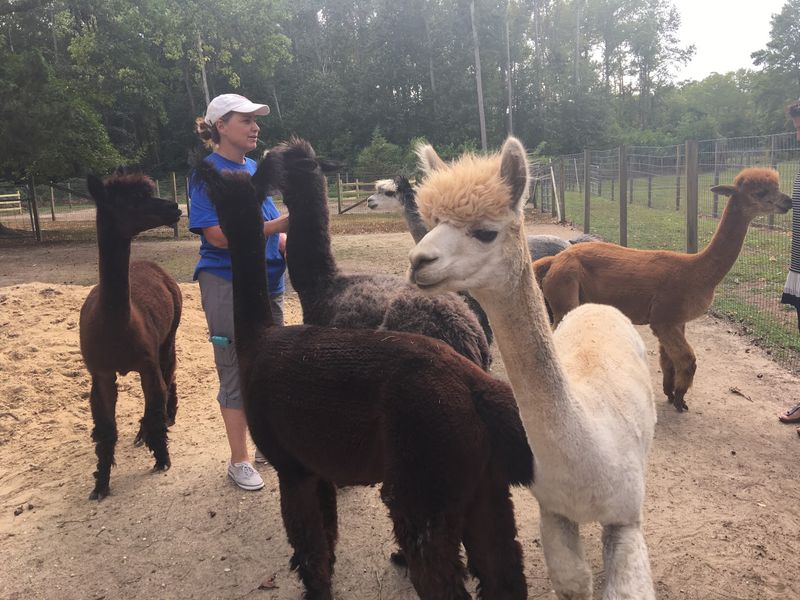
Behind the gates, the story comes across less like a roadside attraction and more like a carefully tended passion project. The farm is closely associated with Tish, also referred to as Trish in shared accounts, and Jim, who are often described as warm, patient, and highly knowledgeable about their alpacas.
Their role is more than pointing people toward a pasture. They guide the interactions, answer questions, explain the herd, and help guests understand how to approach the animals in a way that keeps the experience organized and comfortable.
One memorable bit of farm history that has surfaced from past tours involves the herd being brought into the owners’ home during Hurricane Irene. It is the kind of detail that says more about the operation than a polished brochure ever could.
The owners have also noted that they are working toward retirement in a couple of years. That adds a gentle nudge for anyone who has been meaning to go, because small owner-run places do not always stay exactly the same forever.
Nothing about the story feels overproduced. The appeal is in the direct connection between people who care deeply about alpacas and guests who leave knowing a little more than they expected.
Carrot Time With the Alpacas
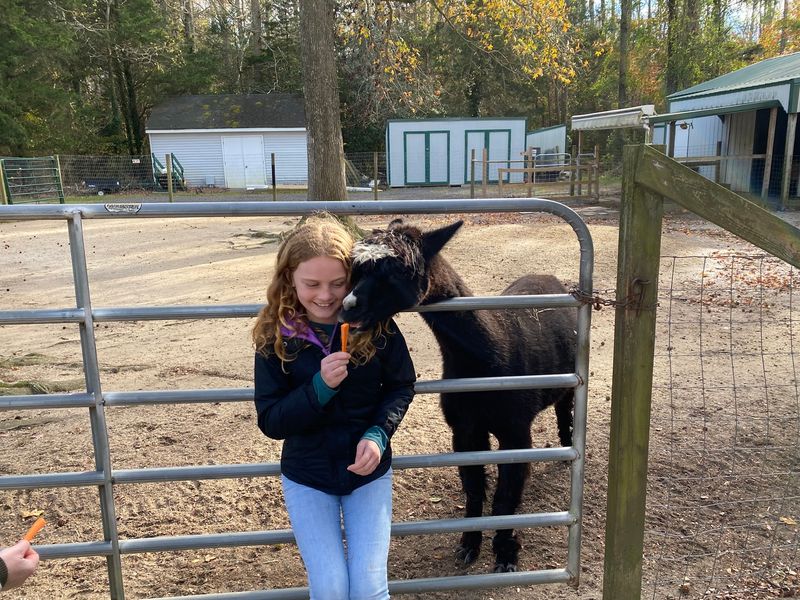
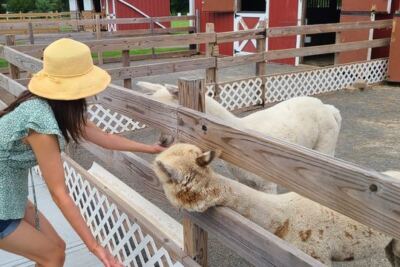
Carrots have a way of turning a quiet alpaca into a very focused farm ambassador. During tours at Jersey Shore Alpacas, guests have been given small bags of carrots, which helps bring the animals close enough for a more personal encounter.
The feeding is not treated like a free-for-all. Guides explain how to interact with the alpacas, where to stand, and how to keep both people and animals comfortable during the exchange.
That structure is a big part of why the stop works for different ages. Small children can participate with guidance, adults get the novelty of being close to animals they may not meet often, and solo guests can still have a full experience without feeling like they have tagged along on someone else’s outing.
Alpacas can have their own quirks, and a little farm humor is part of the package. One guest even mentioned getting spit on during a visit, which is a real alpaca possibility and a reminder that the animals are not props.
The carrot moment is simple, but it anchors the tour. It gives people a task, gives the alpacas a reason to come near, and gives the whole visit a playful little plot.
Lessons Wrapped in Fleece
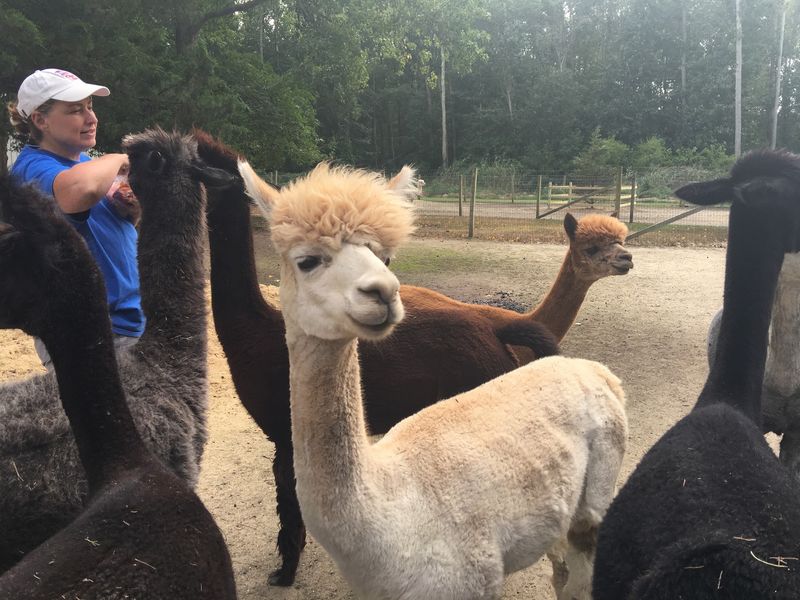
Plenty of animal stops let people look around, but this one leans strongly into learning. Guests regularly come away with information about alpacas, including details about individual animals, their personalities, their names, and the care that goes into keeping the herd healthy.
That educational side is not stiff or schoolish. The guides are known for answering questions as they come up, which keeps the tour conversational rather than scripted from start to finish.
Families with curious kids may find that especially useful. Alpacas are interesting animals to observe, and having someone explain their behavior can turn a quick outing into a better understanding of how the herd functions.
Adults get plenty out of it too. A Cape May trip can be full of familiar routines, so a farm tour that teaches something specific offers a different kind of break, especially for people who like stops with a little substance.
The farm also seems to benefit from keeping groups manageable. Limited availability helps guests avoid feeling hurried, and that gives the guide more room to explain the animals without rushing through every answer.
By the end, the alpacas are not just cute faces in a field. They become individuals with backstories, habits, and names worth remembering.
Private Tours With a Personal Pace
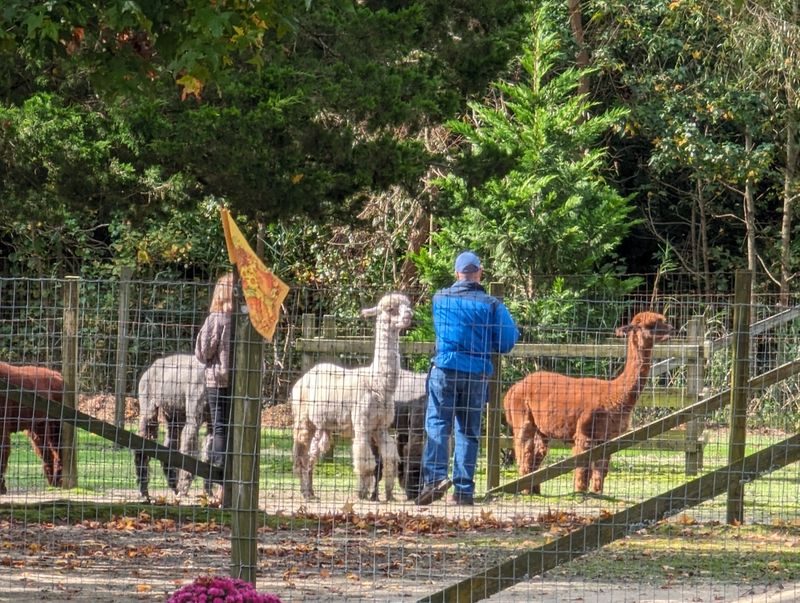
A crowded attraction can make a simple outing feel like a chore, but Jersey Shore Alpacas has built much of its appeal around smaller, more personal tours. Several accounts describe private tours or family-only experiences, which can make the farm feel more focused than a busy walk-through stop.
The appointment-only setup is important here. It helps the owners manage time, attention, and the number of people around the alpacas at once.
Small groups also make questions easier. A child can ask about a name, an adult can ask about care, and the guide has room to respond without the tour losing its shape.
The personal pace has another advantage for people who are unsure around farm animals. Guides help guests position themselves and explain interaction basics, creating a more structured experience than simply being handed feed and sent forward.
Past guests have also noted flexibility around booking changes when possible, though anyone planning a trip should not count on last-minute openings. The farm has limited availability, and one account mentioned reservations being made weeks ahead because time slots can fill quickly.
That is the practical tradeoff. You plan ahead, and in return the visit may feel less like a crowd scene and more like a guided introduction to a small herd with big personalities.
A Shore Break That Skips the Sand
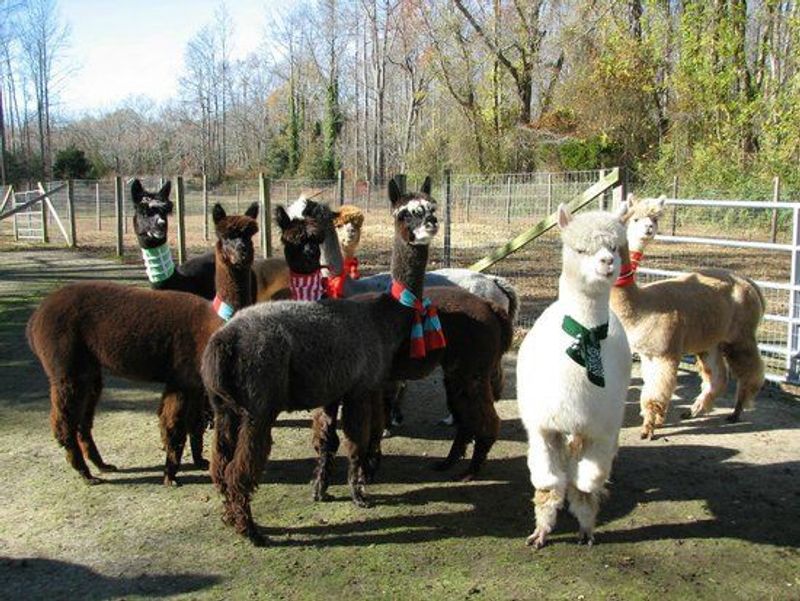
Beach days are great until everyone needs a reset, and that is where this farm fits neatly into a Cape May itinerary. Families have used it as a middle-of-the-day break from the shore, giving the trip a different rhythm without leaving the area behind.
The appeal is especially clear for people who want a non-beach activity down the shore. Cape May has plenty of classic draws, but meeting alpacas adds a wholesome, unexpected detour that still feels local.
Parents with small children have found the guided nature helpful, especially when the owner or guide explains how to interact with the animals. That kind of direction can make the outing easier for families who want something active but not chaotic.
Couples and friends can enjoy it too. The tour format gives the visit a clear beginning and end, so it can slide into a weekend getaway without overtaking the whole day.
Older relatives have also been part of past visits, including family outings with guests in their later decades. Because the experience is guided and focused, it can be appealing across generations when the group wants something light, memorable, and close to Cape May.
In a shore town known for big seasonal energy, this farm offers a calmer detour with just enough alpaca mischief to keep the day from feeling ordinary.
The Gift Shop After the Herd
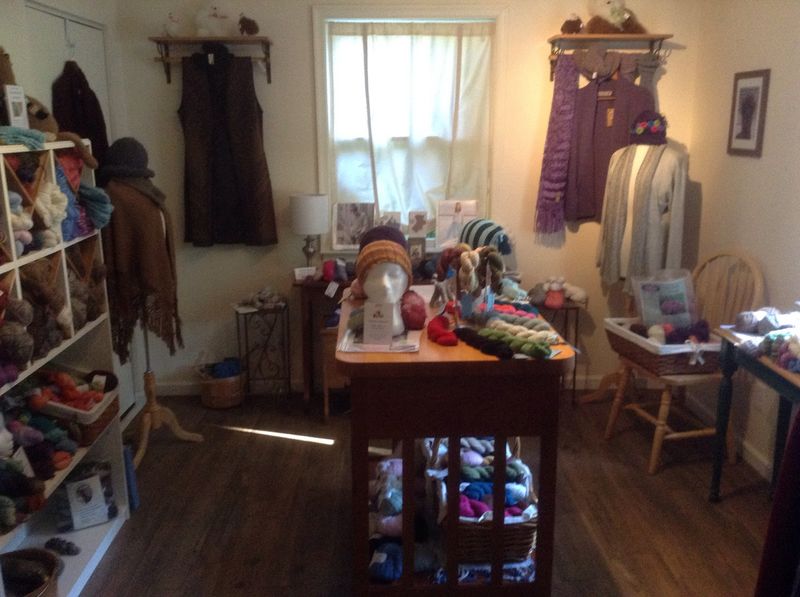
A good farm visit often ends with someone saying they are only going to look, and the gift shop at Jersey Shore Alpacas seems built to test that promise. The shop is mentioned often as a strong part of the experience, with alpaca goods and yarn among the items people have taken home.
The store gives the visit a useful final chapter. After learning about the herd and seeing the animals up close, guests can connect the farm experience to alpaca fiber products and keepsakes.
Yarn has been a standout for people who crochet or work with fiber crafts. Others have picked up alpaca-themed items, including a replica connected to one of the animals mentioned by name in a past account.
The shop also supports the small-business feel of the place. Rather than ending the tour abruptly, it creates time to browse, ask a few final questions, and choose something tied directly to the animals people just met.
No one needs to buy anything for the tour to be worthwhile, of course. Still, the gift shop adds practical charm, especially for anyone who likes leaving with a reminder that is more specific than a standard shore souvenir.
Call it the soft-sell ending, in the most alpaca-appropriate sense of the phrase.
Owners Who Keep the Visit Grounded
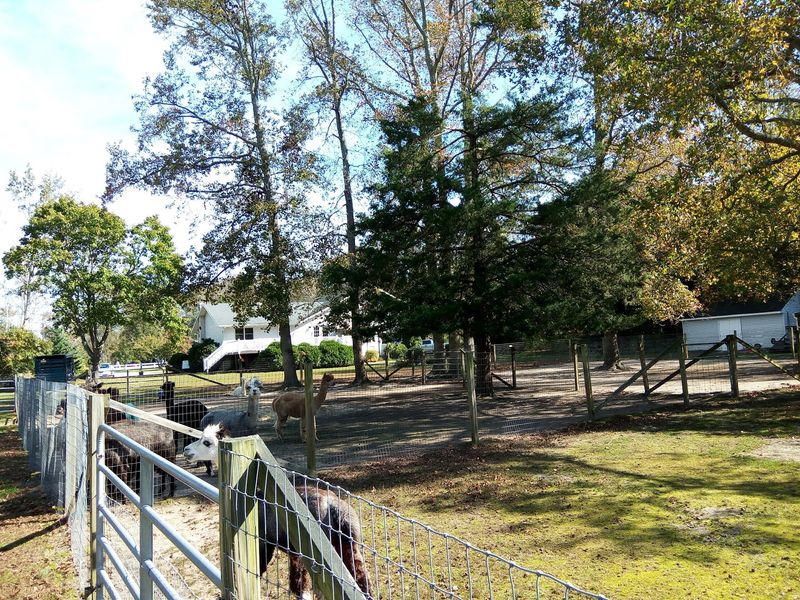
Some places rely on the animals to do all the work, but the human guidance at this farm is a major part of the appeal. Tish and Jim are repeatedly described as informative, patient, friendly, and willing to answer questions throughout the tour.
That matters because alpacas are not everyday animals for most people. A good guide can explain what is happening, help guests feel more confident, and keep the interaction respectful toward the herd.
The owners’ care for the alpacas comes through in the way the tours are run. Guests have described the animals as well cared for, and the property has been noted as clean and well kept.
There is also a clear emphasis on safe interaction. Guides explain positioning and behavior so people can get close without turning the moment into guesswork.
Communication before and during visits has also been highlighted, especially by families with young children. That kind of attentiveness can make a big difference when a group is balancing schedules, naps, shore plans, and the natural unpredictability of a farm visit.
The result is a place that feels personal rather than packaged. The alpacas may be the headliners, but the guides help the whole outing make sense.
Planning Notes Before You Go
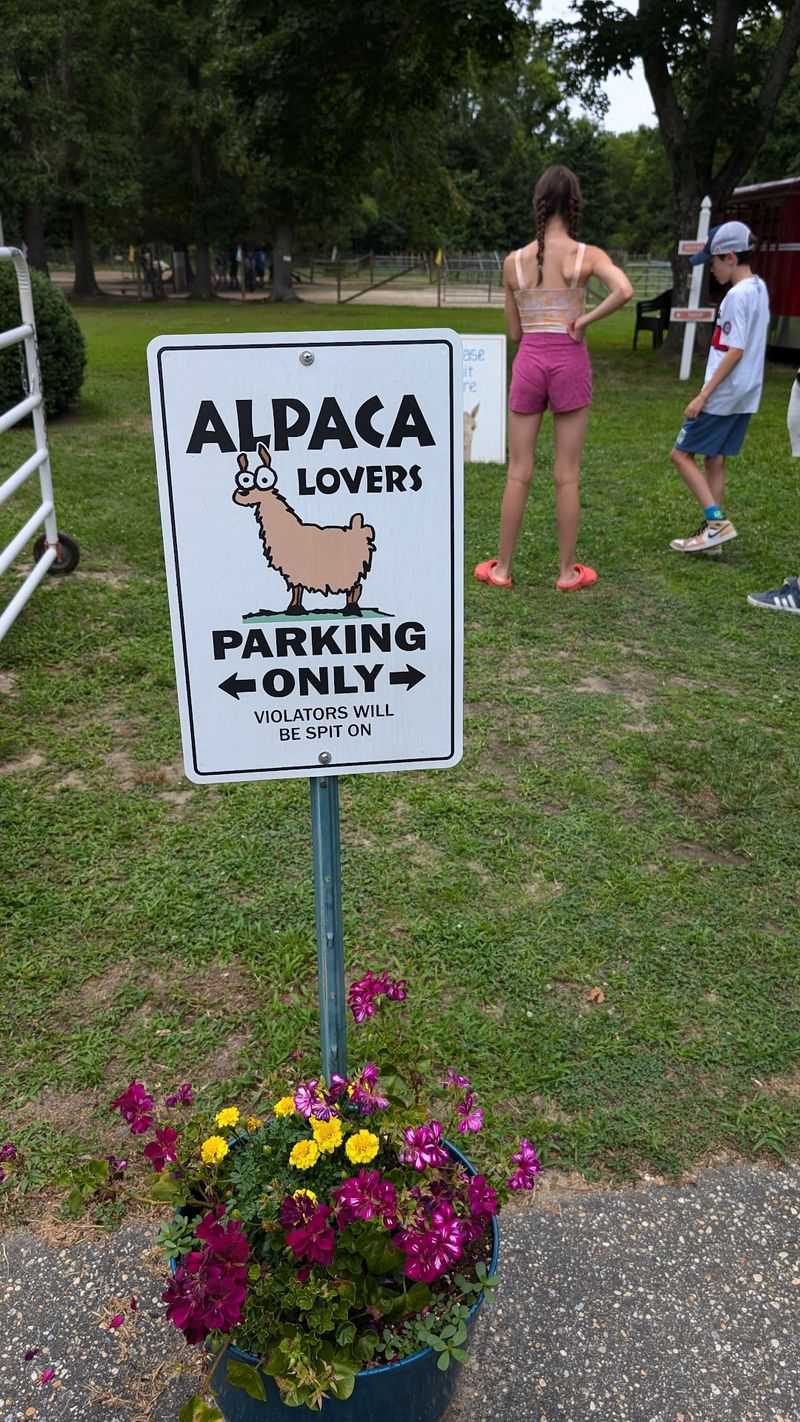
Advance planning is the least fuzzy part of the alpaca equation, but it is the detail that can make or break the visit. Jersey Shore Alpacas operates by appointment only, according to shared farm information, and limited availability is part of how the tours stay personal.
That means travelers should not treat it like a casual roadside pull-in. A reservation is the safer move, especially during busy Cape May periods when shore schedules fill up fast.
Past accounts mention tours lasting about one hour, which makes the stop easy to pair with other Cape May plans. It can fit between beach time, sightseeing, or a quieter stretch of the day when a group wants something structured but not overly long.
Admission has been described as very reasonable, though exact current costs are not included in the available data. Because fees, schedules, and availability can change, checking the official website before going is the smartest step.
The farm’s website is listed as jerseyshorealpacas.com, and it is the best starting point for current booking details. Travelers should confirm open dates and appointment times directly instead of relying on older mentions from past guests.
In short, the alpacas may be relaxed, but your planning should be a little more organized.
A Soft Verdict for a Cape May Detour
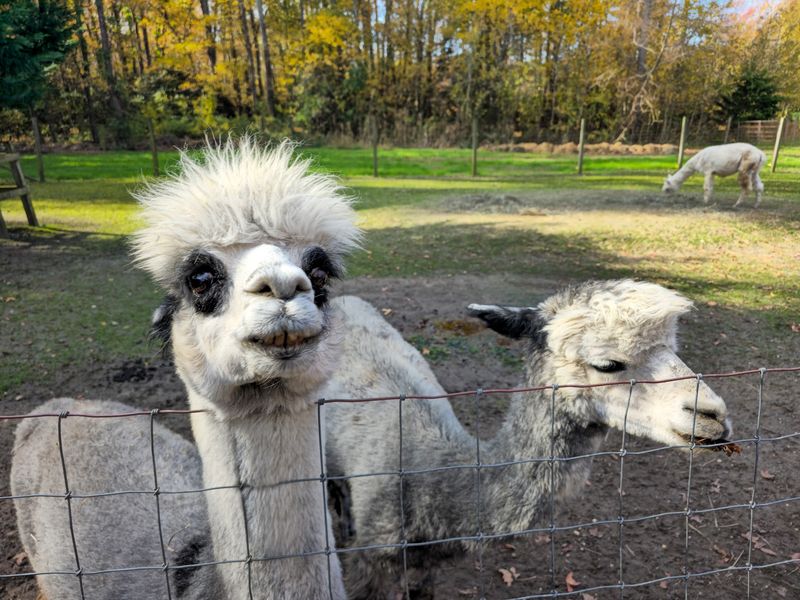
Not every Cape May outing needs to compete with the biggest attractions, and Jersey Shore Alpacas is better for not trying. Its strength is simple: a small farm, guided access to alpacas, a chance to feed them carrots, and owners who clearly know the herd well.
The visit suits families, couples, friends, solo travelers, and multigenerational groups looking for something wholesome near the shore. It is especially useful for New Jersey residents who have done the usual Cape May routine and want a fresh reason to take Route 47 seriously.
The experience also feels timely because the owners have mentioned working toward retirement in a couple of years. That does not mean panic-planning is required, but it does make the farm feel like a place worth prioritizing while it is still welcoming guests in its current form.
As a travel stop, it works best for people who enjoy guided experiences and do not mind reserving ahead. Anyone hoping for an open-ended farm wander should pay attention to the appointment-only structure before making plans.
For the right kind of day, though, this is exactly the sort of New Jersey place that proves the state still has charming surprises tucked close to familiar roads. Cape May gets the vacation spotlight, but the alpacas make a convincing case for sharing it.
Share this story