History class sometimes makes the past feel like a long list of dates and names to memorize. But behind those dates are real people who did things so bold, so dangerous, and so wildly unexpected that Hollywood screenwriters would struggle to top them.
From teenage girls leading armies to pirates negotiating their own retirement deals, the people on this list lived lives that read more like blockbuster scripts than textbook chapters. If you have ever thought history was boring, these 15 figures are about to change your mind completely.
Hannibal Barca
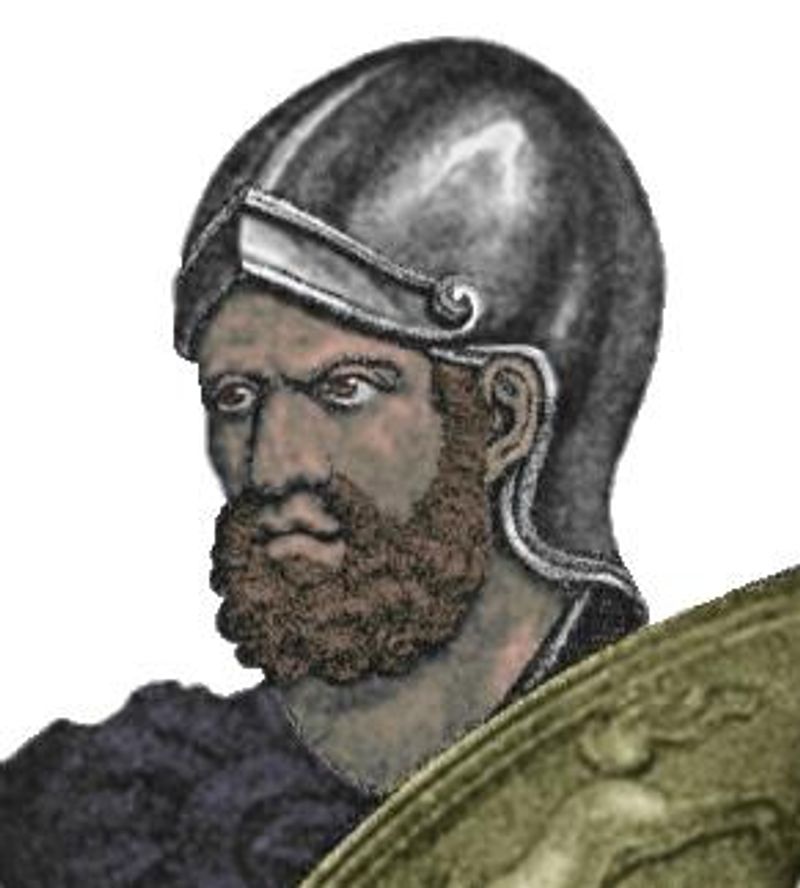
Crossing the Alps with an army is hard enough. Doing it with war elephants while planning to take on the most powerful military force in the ancient world is the kind of move that gets you remembered for 2,000 years.
Hannibal Barca of Carthage did exactly that during the Second Punic War, leading his forces from Iberia through the mountains and into Roman territory before Rome had time to properly respond. His greatest tactical moment came at the Battle of Cannae in 216 BCE, where he surrounded a Roman army far larger than his own using a double-envelopment maneuver that military schools still study today.
Rome eventually won the wider war, but Hannibal’s ability to keep Roman forces on the defensive for years inside their own territory made him a figure that even his enemies could not stop admiring. His name became shorthand for battlefield genius for a reason.
Boudicca
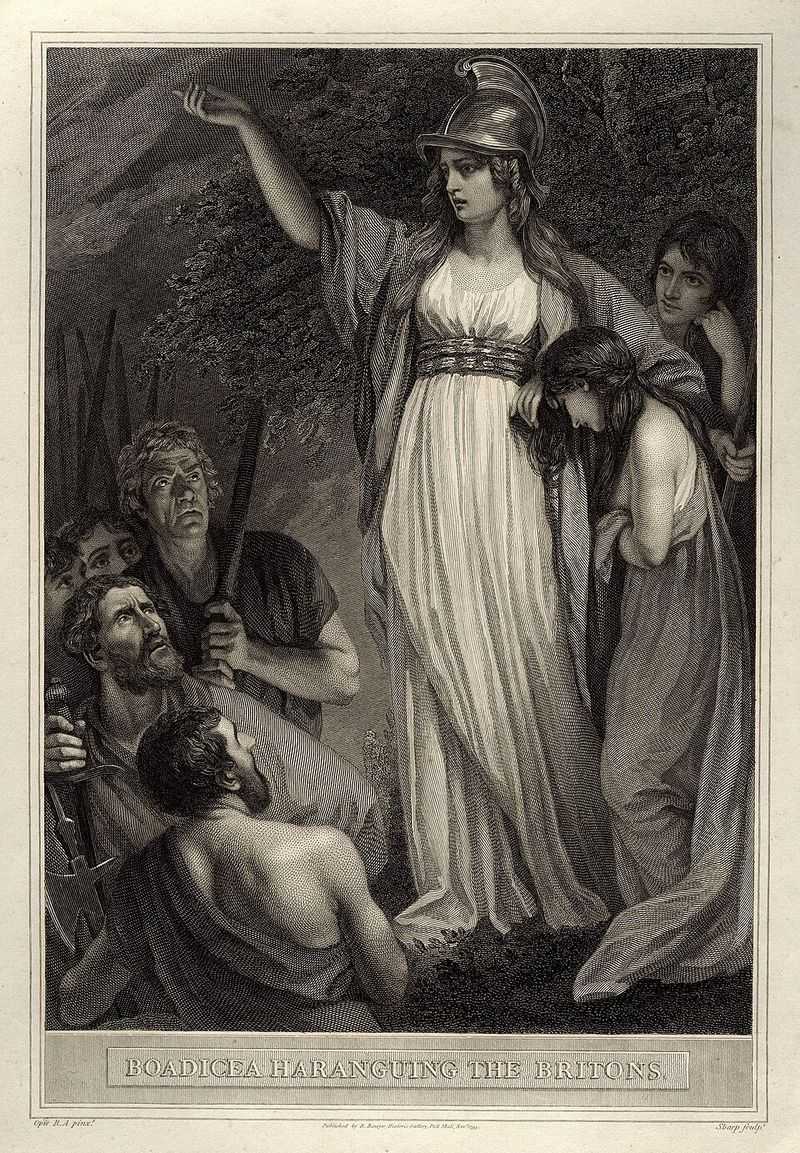
Most people who crossed Rome in the ancient world ended up losing quickly and quietly. Boudicca, queen of the Iceni tribe in what is now eastern England, made sure her rebellion would not be forgotten that easily.
After Roman authorities abused her family following the death of her husband, Boudicca united her people and neighboring tribes, then led forces that destroyed several major Roman settlements including Camulodunum and Londinium. The destruction was so complete that archaeologists have found a distinct burn layer from this period beneath modern London.
The rebellion was eventually crushed by governor Gaius Suetonius Paulinus and his disciplined legions. Boudicca did not win, but she forced Rome to take the defense of Britain far more seriously than before.
Centuries later, her image standing in a chariot became one of Britain’s most recognizable symbols of defiance, placed permanently near the Houses of Parliament in London.
Miyamoto Musashi
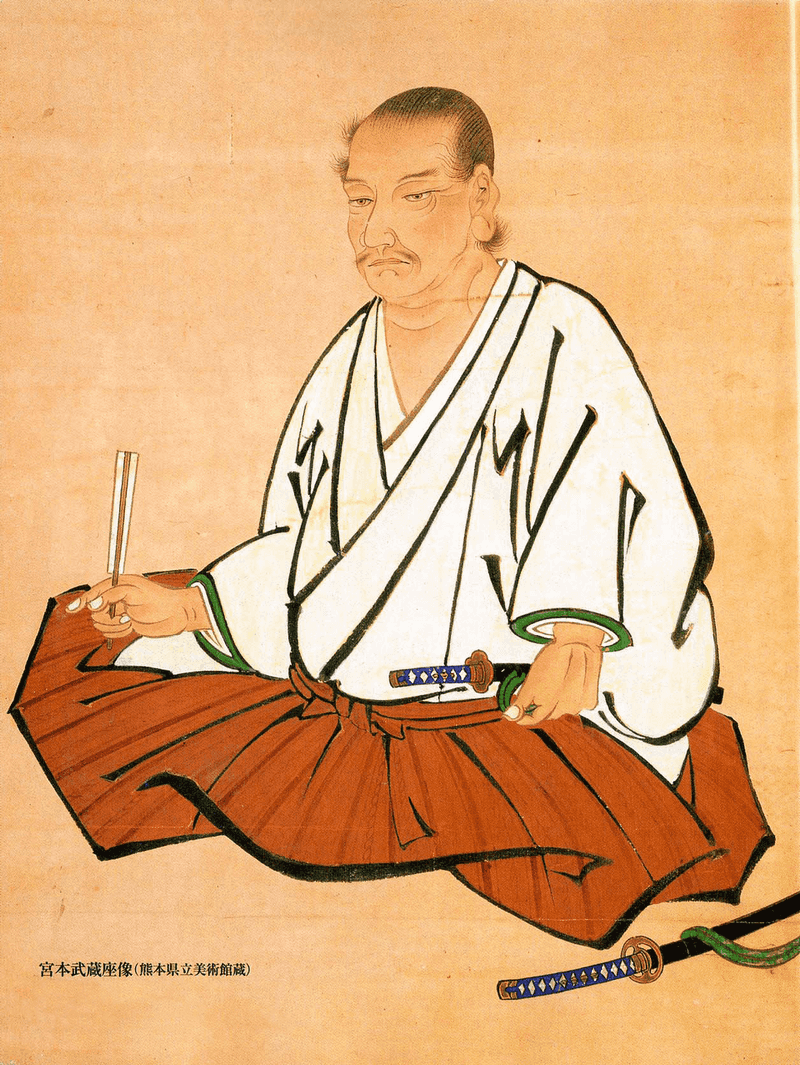
Showing up late to a duel on purpose, carrying a wooden sword instead of a blade, and still winning against one of Japan’s most feared fighters is the kind of story that sounds invented. For Miyamoto Musashi, it was just another afternoon.
Born in late 16th-century Japan, Musashi built a reputation through dozens of recorded duels and an approach to combat that prioritized psychology and timing as much as physical skill. His most celebrated confrontation came in 1612 against Sasaki Kojiro, whom he reportedly defeated using a wooden weapon carved from a spare oar during the boat ride to the island where they fought.
Near the end of his life, Musashi retreated to a cave and wrote The Book of Five Rings, a study of strategy, timing, and philosophy that remains widely read in business and martial arts circles today. Few warriors have left behind both a legendary fighting record and a book that outlasted them by centuries.
Joan of Arc
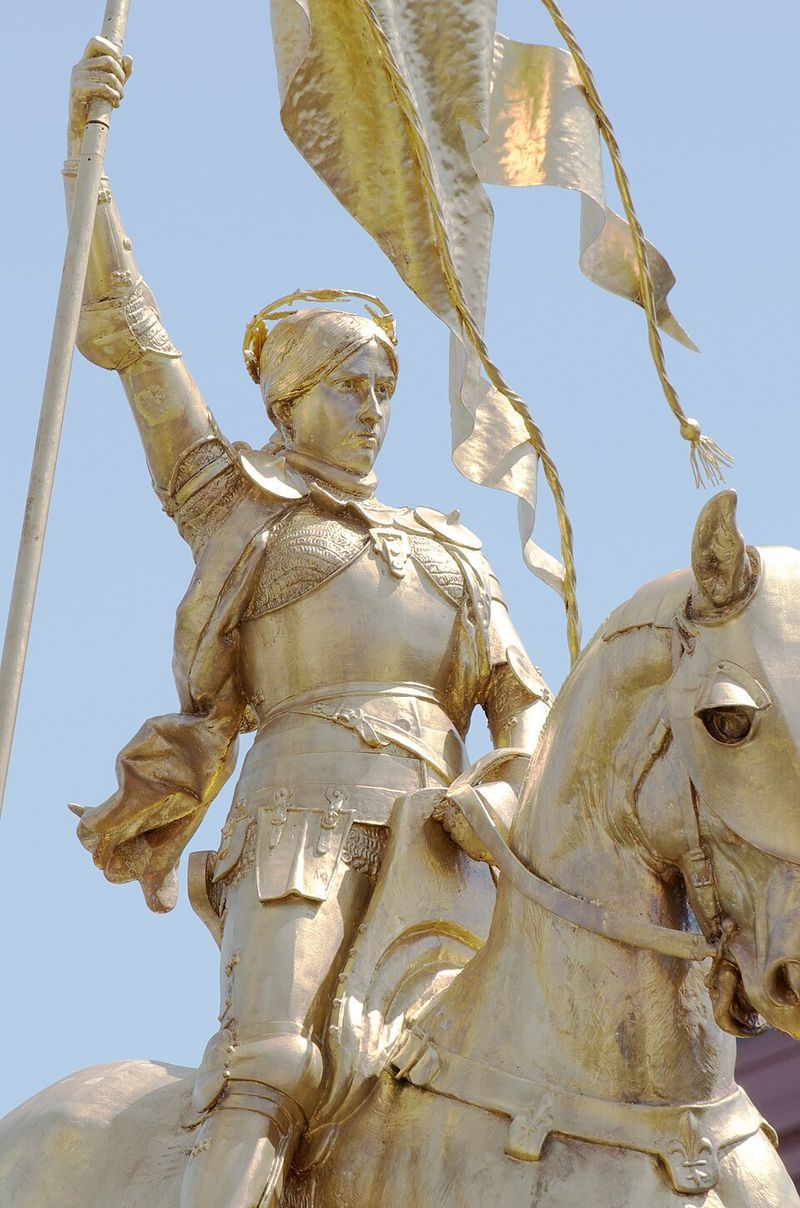
Imagine being a 17-year-old from a farming village with no military training, then convincing a prince and his court to give you command of an army. That is more or less what Joan of Arc pulled off in 1429.
Joan claimed she received divine instructions to support Charles VII and push English forces out of France during the Hundred Years’ War. Whatever one makes of those claims, her impact on the war was real.
She played a key inspirational role during the relief of Orleans and accompanied French forces through a series of victories that significantly strengthened Charles VII’s grip on the throne.
Her story took a brutal turn when she was captured, handed to the English, tried for heresy, and burned at the stake in Rouen in 1431 at approximately 19 years old. A later church investigation overturned the conviction entirely.
The Catholic Church canonized her in 1920, nearly 500 years after her execution.
Genghis Khan
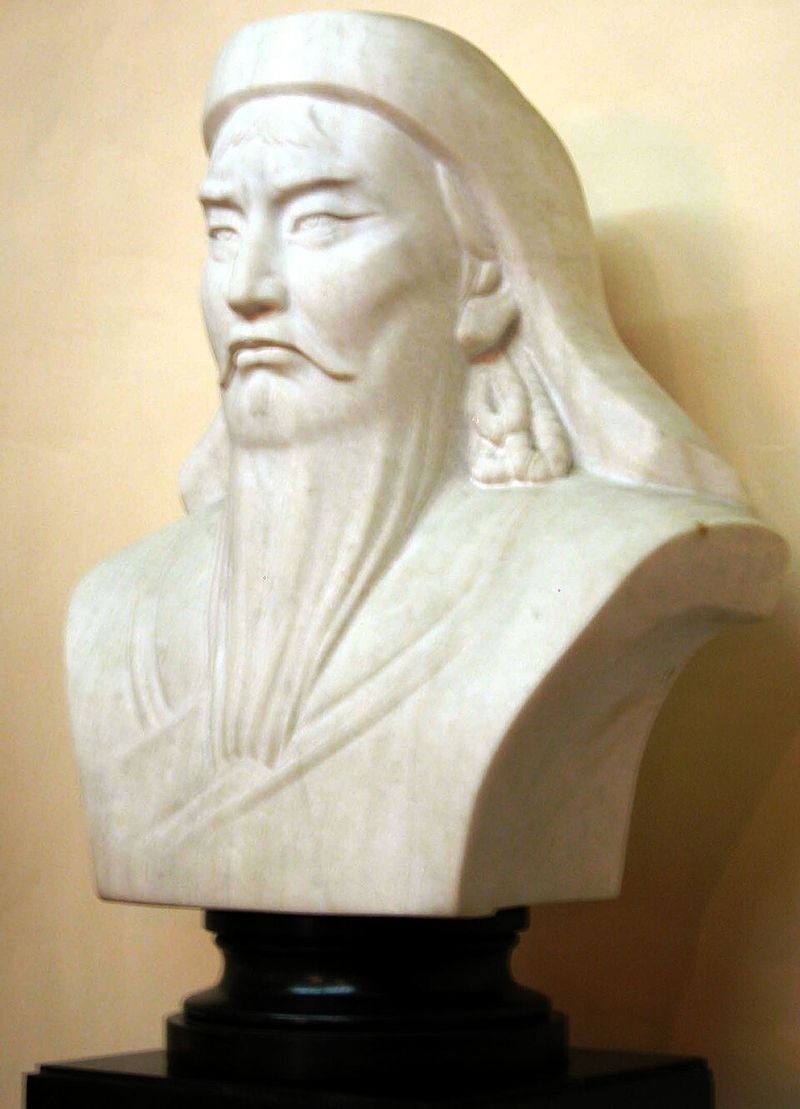
He started with nothing resembling an empire, born into a fragmented world of competing Mongol clans where survival itself was not guaranteed. By the time Temujin was proclaimed Genghis Khan in 1206, he had done something no one before him had managed: unite the Mongols into a single, coordinated military force.
What followed was one of the most rapid territorial expansions in recorded history. Mongol armies combined mounted archery, speed, disciplined formations, and sophisticated intelligence gathering to defeat enemies far larger and seemingly more established.
Their campaigns stretched from East Asia toward the edges of Europe.
The destruction caused by those campaigns was enormous, and Genghis Khan’s legacy remains genuinely complicated because of it. At the same time, the empire he built eventually connected distant regions through trade routes and communication networks that had not previously existed at that scale.
His burial site has never been officially confirmed, adding one final layer of mystery to an already extraordinary story.
Leonidas I
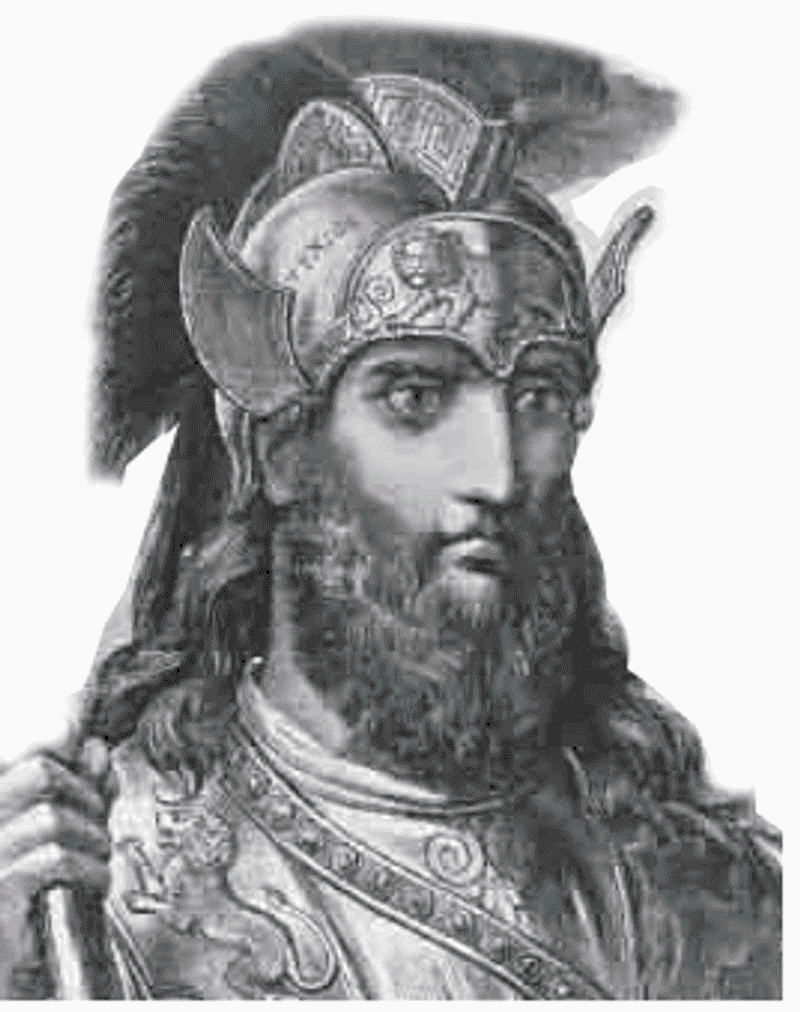
Thermopylae was a defeat. Leonidas I knew going in that the odds were not survivable, and he sent most of the allied Greek forces away before the final Persian assault anyway.
What makes his story remarkable is precisely what he chose to do with that knowledge.
In 480 BCE, Leonidas commanded a combined Greek force defending a narrow coastal pass against the invading Persian army of Xerxes I. The geography was the strategy: the tight terrain neutralized Persia’s massive numerical advantage.
When a local resident revealed a path around the Greek position, the defense became untenable.
Leonidas dismissed much of the army and remained with a smaller force that included his Spartans and fighters from Thespiae and Thebes. They held long enough to allow the broader Greek defense to reorganize.
Leonidas did not survive, but the stand at Thermopylae became one of the ancient world’s most enduring stories about choosing to hold a position regardless of the personal cost.
Toussaint Louverture
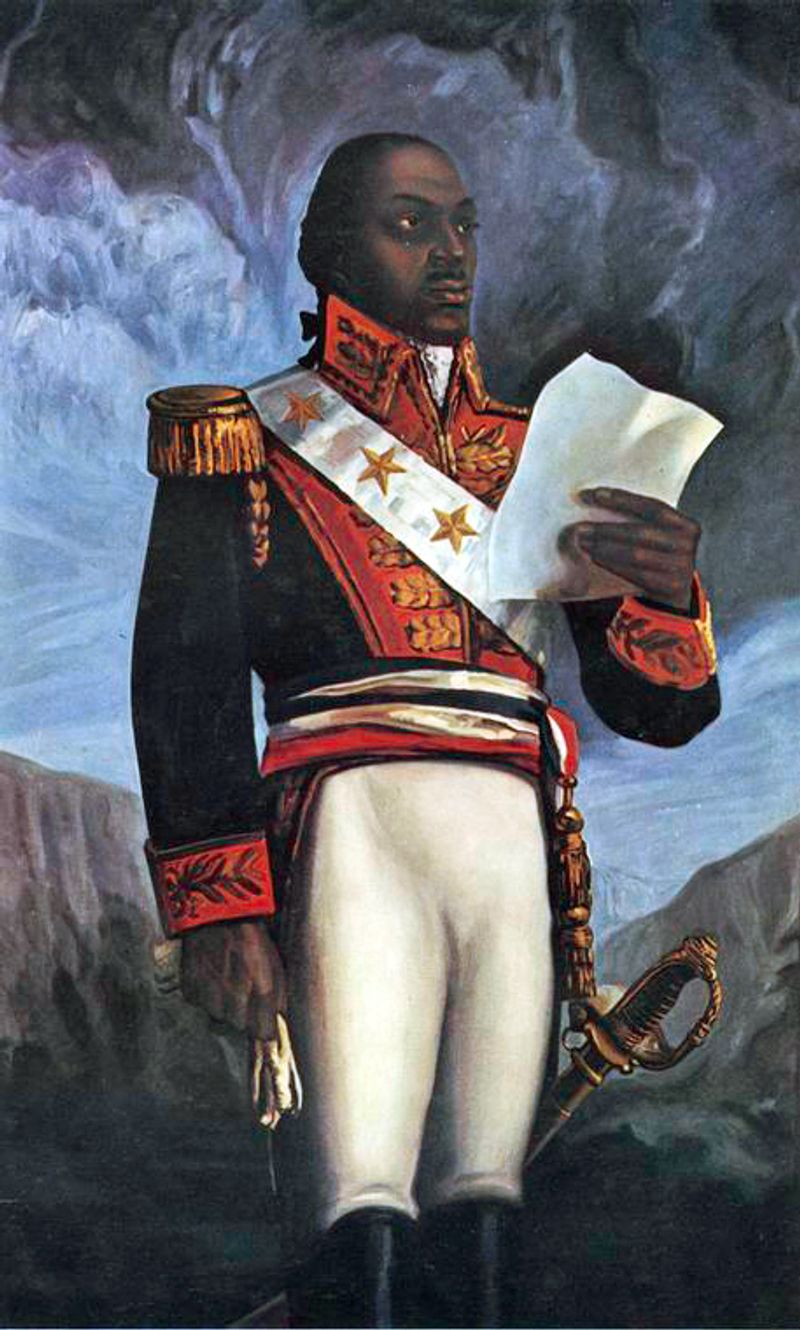
Rising from slavery to command an army, outmaneuver three competing colonial powers, and govern an entire territory is the kind of biography that feels too big for one lifetime. Toussaint Louverture lived all of it.
When the uprising began in the French colony of Saint-Domingue in 1791, Louverture emerged as a leader of rare political and military skill. He navigated constantly shifting alliances involving France, Spain, Britain, formerly enslaved people, and competing local factions, switching sides strategically and surviving situations that destroyed most of the people around him.
By the early 19th century, he controlled most of Saint-Domingue. French forces eventually arrested him through betrayal and transported him to a cold prison in France, where he died in 1803.
He never saw Haitian independence, declared in 1804, but his leadership created the foundation that made it achievable. Haiti became the first nation in the Western Hemisphere founded by people who had been enslaved.
Rani Lakshmibai
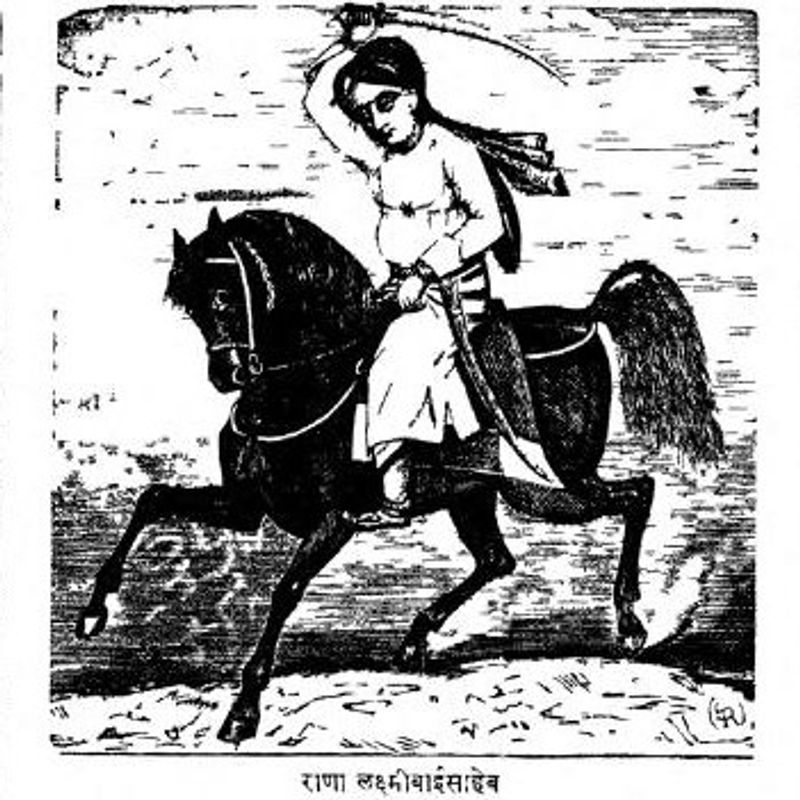
When the British East India Company refused to recognize her adopted son as the legitimate heir to Jhansi, Rani Lakshmibai did not simply accept the decision and step aside. She became one of the most determined and celebrated leaders of the Indian Rebellion of 1857.
Lakshmibai had ruled Jhansi as regent after her husband’s passing, and the annexation policy that stripped her of authority was part of a broader British pattern that contributed to widespread resentment across northern and central India. When the rebellion spread, she became directly involved in defending her territory against British forces.
She fought alongside other rebel leaders after Jhansi fell and was killed in battle near Gwalior in June 1858 at approximately 29 years old. Later generations elevated her to iconic status, and a famous Hindi poem celebrating her courage is still recited by Indian schoolchildren today.
Public statues, films, and books continue to keep her memory active more than 165 years later.
Simo Häyhä
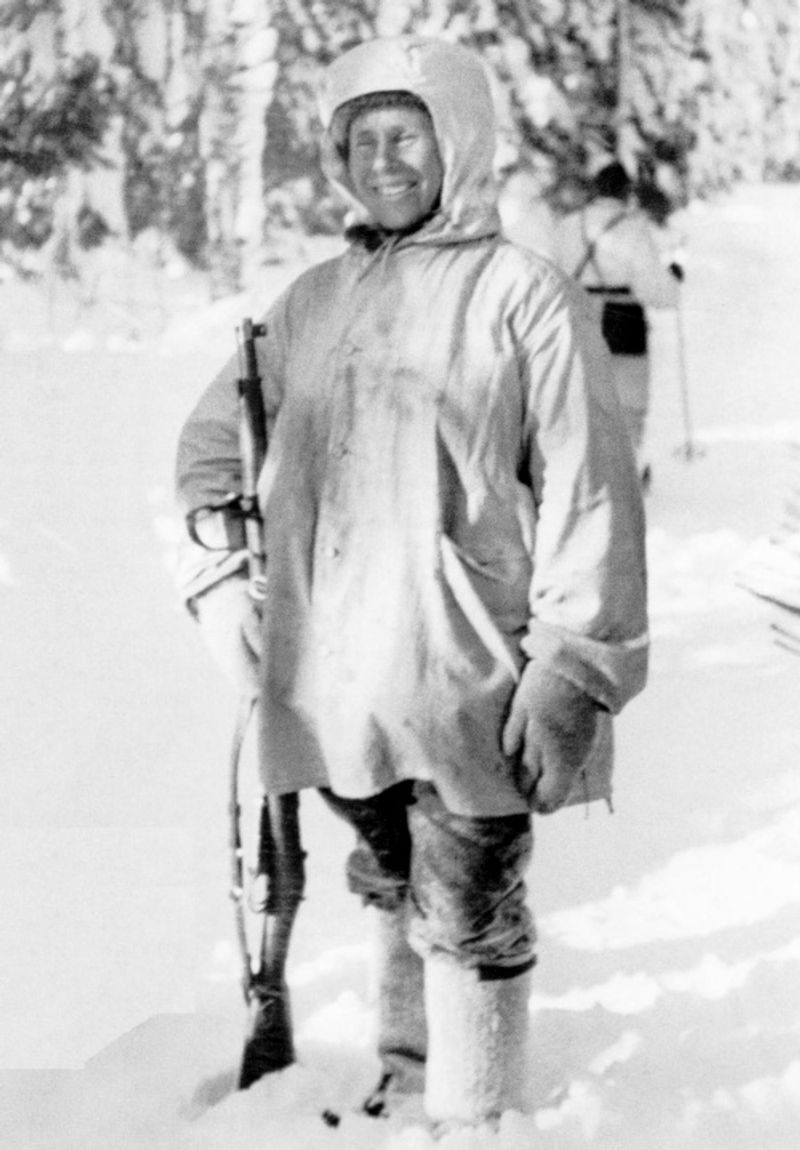
Operating in temperatures that regularly dropped far below freezing, wearing white camouflage to blend into the snow, and deliberately choosing iron sights over a telescopic scope to keep a lower profile, Simo Häyhä turned the brutal landscape of the Winter War into his greatest advantage.
The Finnish soldier served as a sniper during the conflict between Finland and the Soviet Union from 1939 to 1940. Finnish wartime records credited him with an extraordinary number of enemy casualties, and popular accounts often cite figures above 500 confirmed sniper kills.
Historians debate the exact total, and the number should be understood as an estimate rather than a settled fact.
What is not disputed is that Soviet forces reportedly nicknamed him “White Death” and made deliberate attempts to neutralize him, including artillery strikes on his position. Häyhä was seriously wounded in the face near the end of the war, survived against the odds, and lived until 2002, reaching age 96.
Yi Sun-sin
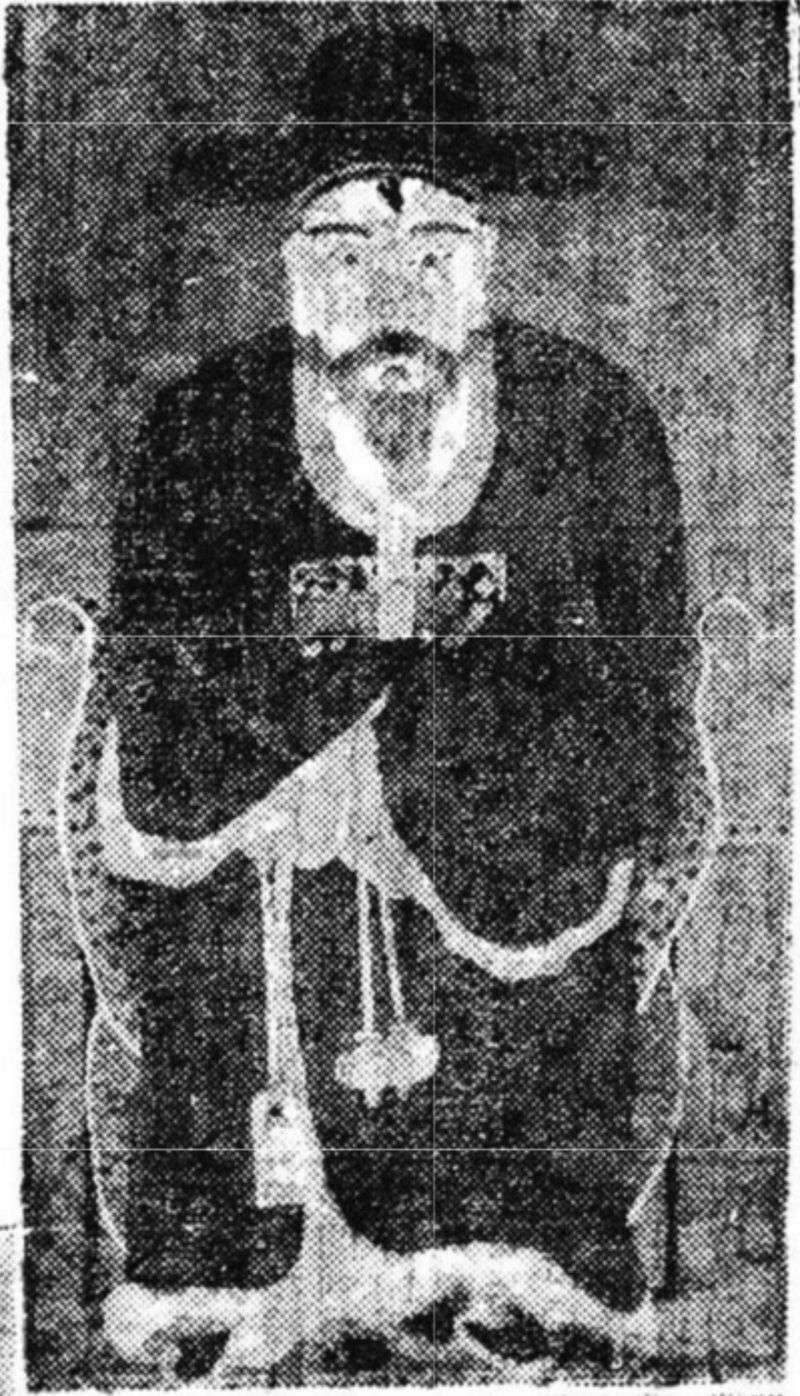
Winning a naval battle while commanding 13 ships against a fleet of more than 130 is the kind of outcome that requires both extraordinary tactical skill and an almost complete command of the surrounding geography. Admiral Yi Sun-sin managed both at the Battle of Myeongnyang in 1597.
Yi is one of South Korea’s most revered historical figures, recognized for his campaigns during the Japanese invasions of Korea in the late 16th century. He used geography, tidal patterns, disciplined cannon fire, and carefully chosen battle positions to repeatedly defeat much larger Japanese fleets throughout the conflict.
Yi is also closely associated with Korea’s turtle ships, covered warships designed to make boarding extremely difficult. He helped improve and deploy them effectively during the war, though the popular claim that they were the world’s first fully ironclad warships is disputed by historians.
Yi was killed by a stray projectile near the end of the final battle of the war in 1598, reportedly saying he did not want news of his passing to disrupt the fight.
Scipio Africanus
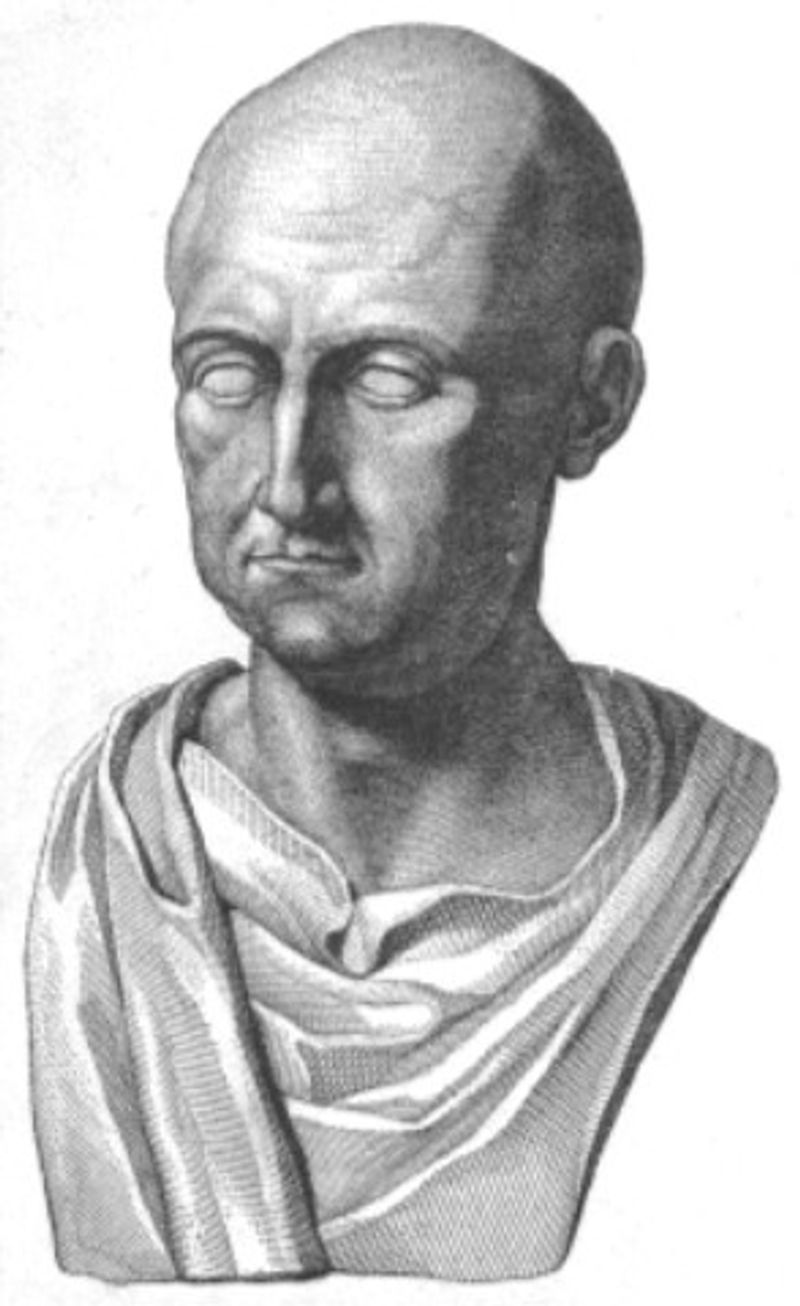
Rome had spent years trying to deal with Hannibal on Italian soil with limited success. Scipio Africanus looked at the problem differently and decided to take the war directly to Carthage instead.
Publius Cornelius Scipio first built his reputation through successful campaigns in Spain during the Second Punic War, cutting off Carthaginian supply lines and allies. His boldest move was pushing the war into North Africa, which forced Carthage to recall Hannibal from Italy to defend home territory.
The strategy worked exactly as intended.
The two commanders finally met at the Battle of Zama in 202 BCE. Scipio’s victory ended the war and secured Rome’s position as the dominant force in the western Mediterranean.
What makes Scipio particularly interesting to military historians is that he studied Hannibal’s own methods, including the double-envelopment tactic, and adapted them to defeat the man who invented them. He earned the honorary surname “Africanus” for the campaign that settled the conflict.
Saladin
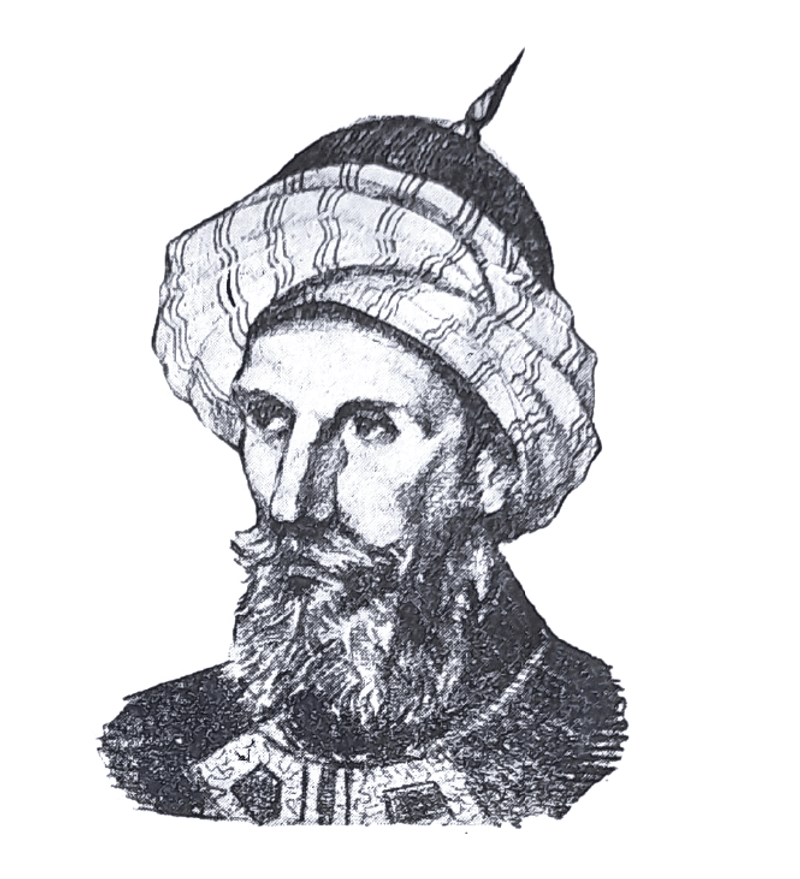
Saladin’s reputation crossed religious and cultural lines during his own lifetime, which was rare for a medieval military commander. European Crusader sources that had every reason to portray him as a villain often described him with genuine admiration instead.
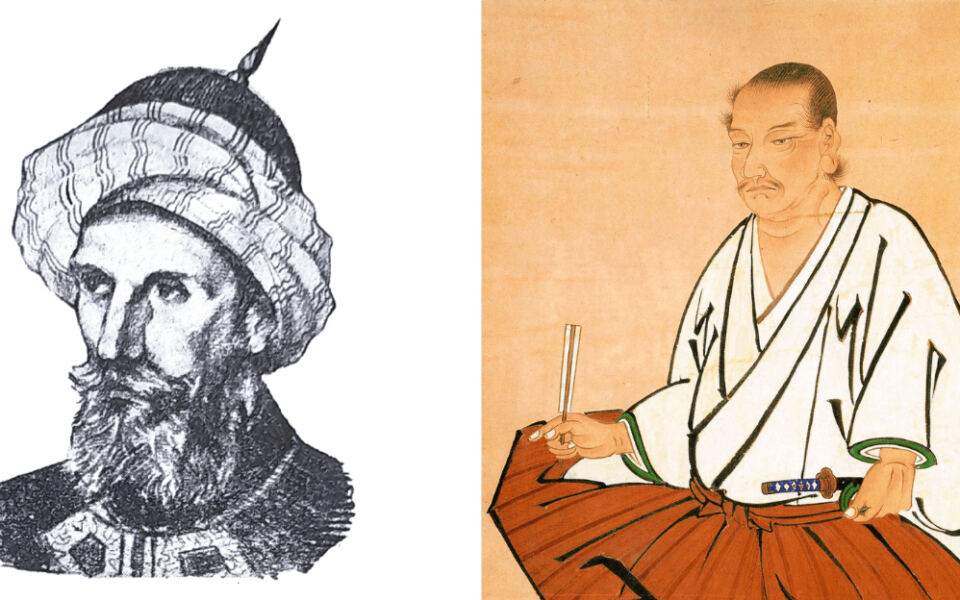
Known in Arabic as Salah al-Din Yusuf ibn Ayyub, Saladin consolidated power across Egypt and Syria before turning his attention to the Crusader states. His decisive victory at the Battle of Hattin in 1187 dismantled the Crusader army and opened the path to Jerusalem, which he retook the same year.
The capture triggered the Third Crusade, bringing forces led by Richard I of England into the conflict.
Saladin and Richard never met in direct combat, but they negotiated a settlement in 1192 that ended the crusade without either side achieving a complete victory. Medieval writers, both Muslim and European, frequently pointed to Saladin’s treatment of defeated enemies as notably measured compared to the standards of the era.
His reputation for personal honor outlasted his military achievements.
Septimius Severus
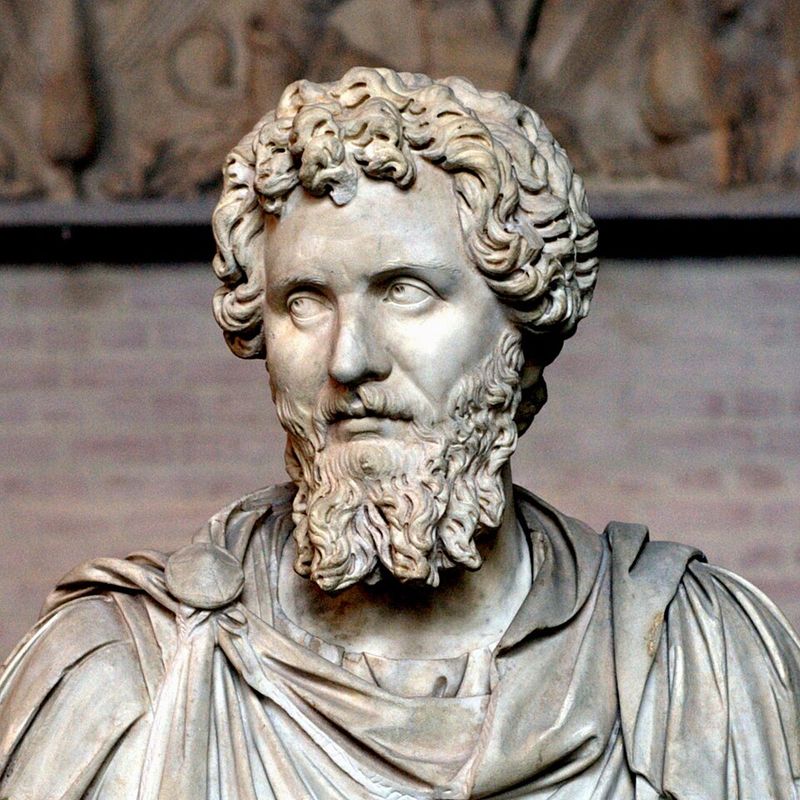
Not many people climb from a provincial Roman background all the way to emperor, especially during one of the most violently unstable political periods the empire ever experienced. Septimius Severus managed it, and then held power for nearly two decades.
Born in Leptis Magna in what is now Libya, Severus seized the throne during the Year of the Five Emperors in 193 CE, a chaotic stretch in which multiple military commanders competed for control of Rome. He defeated his rivals methodically and founded the Severan dynasty, which lasted until 235 CE.
His rule rested firmly on military loyalty. Severus increased soldiers’ pay, improved their legal status, and personally led campaigns in Parthia and Britain.
He died at Eboracum, modern-day York, in 211 CE while leading operations in northern Britain, reportedly advising his sons to stay united, reward the soldiers, and disregard everyone else. His sons did not follow the first piece of advice, and things went poorly for them afterward.
Tomoe Gozen
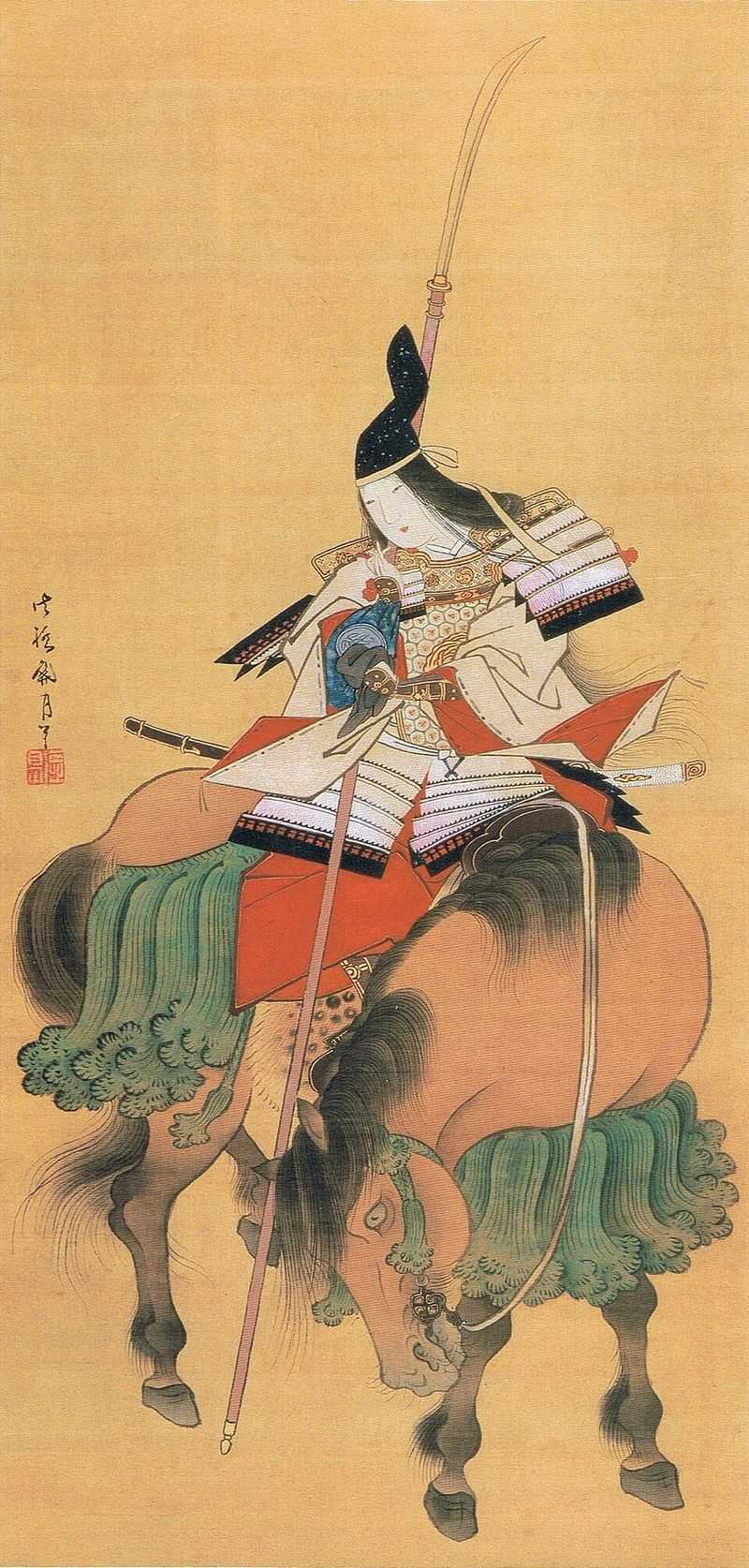
She appears in one of Japan’s greatest war epics as a mounted warrior described as more capable than most of the men around her, skilled with bow, sword, and horse alike. Whether Tomoe Gozen was entirely historical or partly a literary creation has been debated by scholars for generations.
Tomoe is most famous through The Tale of the Heike, the epic account of the Genpei War of the late 12th century. In the story, she serves Minamoto no Yoshinaka and is portrayed as a fearsome fighter whose presence on the battlefield carries real weight.
Later retellings expanded her story considerably and made her one of Japan’s best-known female warriors across centuries of popular culture.
The difficulty is that Tomoe does not appear in several of the more contemporary sources used to reconstruct the Genpei War, which leads historians to be cautious about how much of her biography reflects documented history versus literary tradition. Her cultural influence, however, is entirely real, appearing in theater, novels, games, and film for hundreds of years.
Crazy Horse
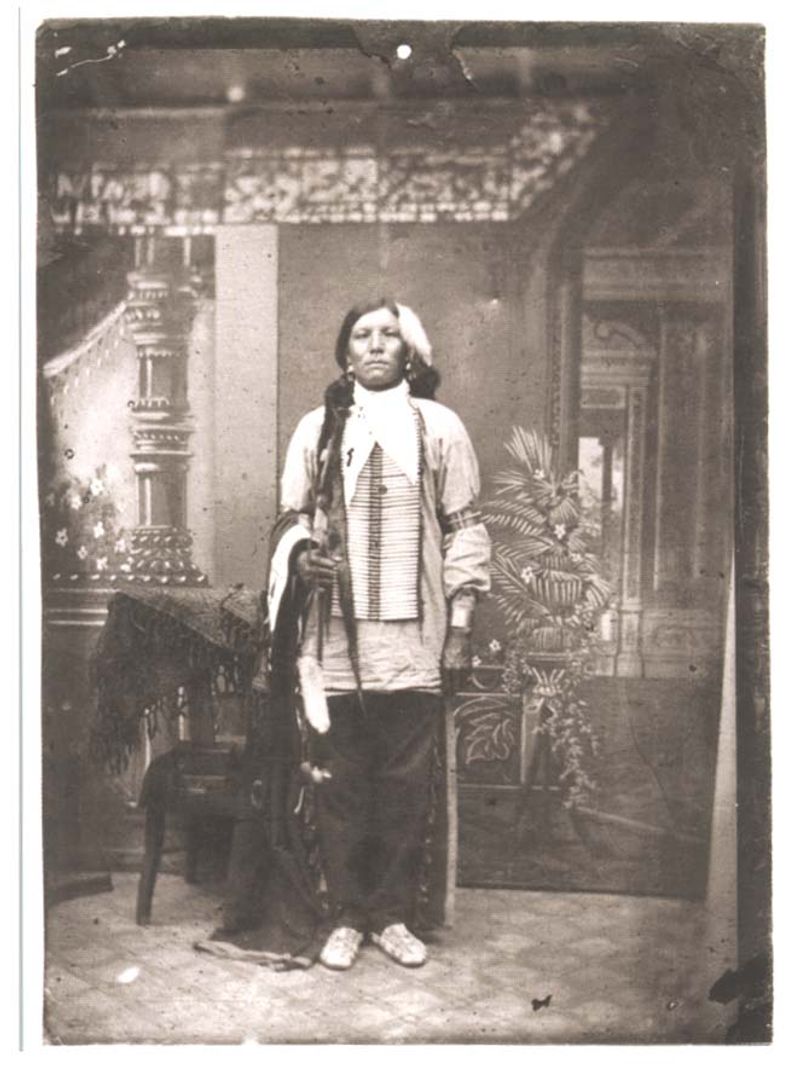
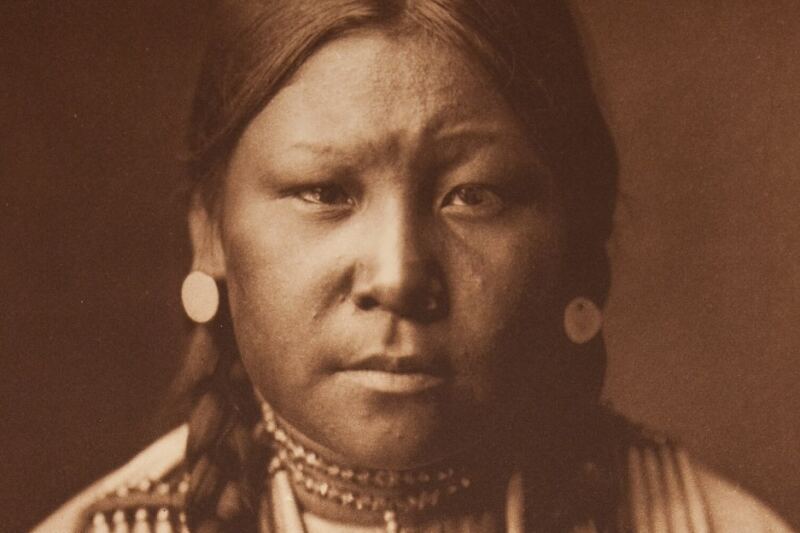
No authenticated photograph of Crazy Horse is known to exist, which gives his story a particular kind of weight. He remains one of the most famous figures of the American West, and yet his actual face has never been confirmed in any image.
Crazy Horse was a Lakota military leader who became central to the resistance against United States expansion across the northern Great Plains during the 1860s and 1870s. He participated in numerous conflicts during this period and played a significant role in the Great Sioux War, including the Battle of the Little Bighorn in June 1876.
That battle saw Lakota, Northern Cheyenne, and Arapaho warriors defeat forces commanded by Lieutenant Colonel George Armstrong Custer in one of the most significant military defeats the U.S. Army suffered during the Plains conflicts.
Crazy Horse surrendered to U.S. forces in 1877 and was killed later that year at Fort Robinson under disputed circumstances. The Crazy Horse Memorial in South Dakota has been under construction since 1948 and continues today.
Share this story