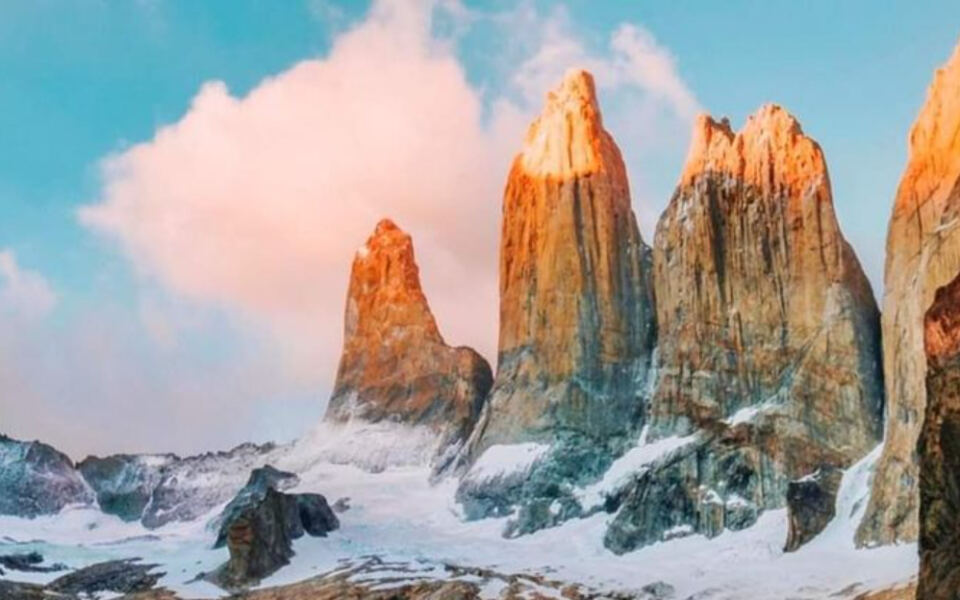
Chile is one of the few countries on Earth where you can wake up beside a volcano, spend the afternoon on a Pacific beach, and fall asleep under a sky so clear it looks like someone turned the stars up to full brightness. Stretching over 4,000 kilometers from the driest desert on the planet to the raw edges of Patagonia, it packs more variety into a single country than most continents manage.
Whether you are chasing adventure, culture, wildlife, or just stunning scenery, Chile has a version of all of it. These ten destinations show exactly how much ground one trip can cover.
San Pedro de Atacama
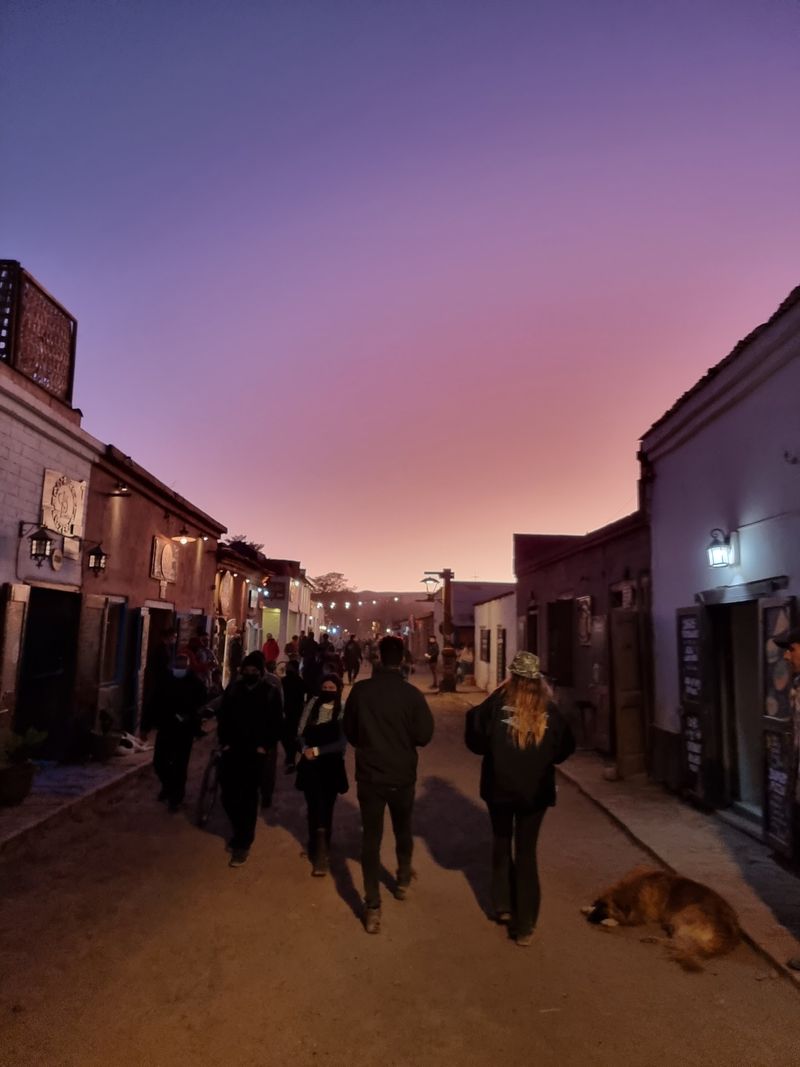
Salt, wind, and about ten million years of geological drama created the landscape around San Pedro de Atacama, and the result is genuinely unlike anywhere else on Earth. This small adobe town in northern Chile sits at around 2,400 meters above sea level, right on the edge of the world’s driest desert.
From here, every excursion feels like stepping onto a different planet.
Valle de la Luna is just 13 kilometers away and looks exactly as wild as its name suggests. Ridges of compressed salt, wind-carved dunes, and crater-like hollows fill the valley floor, turning amber and violet when the sun drops low.
Early morning is a different kind of spectacle: head to El Tatio Geyser Field before sunrise and watch dozens of steam columns shoot into the freezing Andean air at 4,300 meters.
The nights here are extraordinary. San Pedro sits in one of the clearest sky corridors on the planet, and stargazing tours run almost every evening.
Puritama hot springs offer a warm recovery after cold desert mornings. Los Flamencos National Reserve adds flamingo-dotted lagoons and Piedras Rojas, a rust-red rock formation reflected in a shallow salt lake, to a destination that already has more highlights than most countries.
Arica and Lauca National Park
Arica is the kind of place that quietly surprises you. Most visitors arrive expecting a beach town on Chile’s far northern tip and leave having also stood on a high-altitude plateau surrounded by volcanoes.
The city itself faces the Pacific with golden beaches like Chinchorro and Las Machas, and the Morro de Arica, a dramatic cliff above the shore, gives the whole place a bold, cinematic profile.
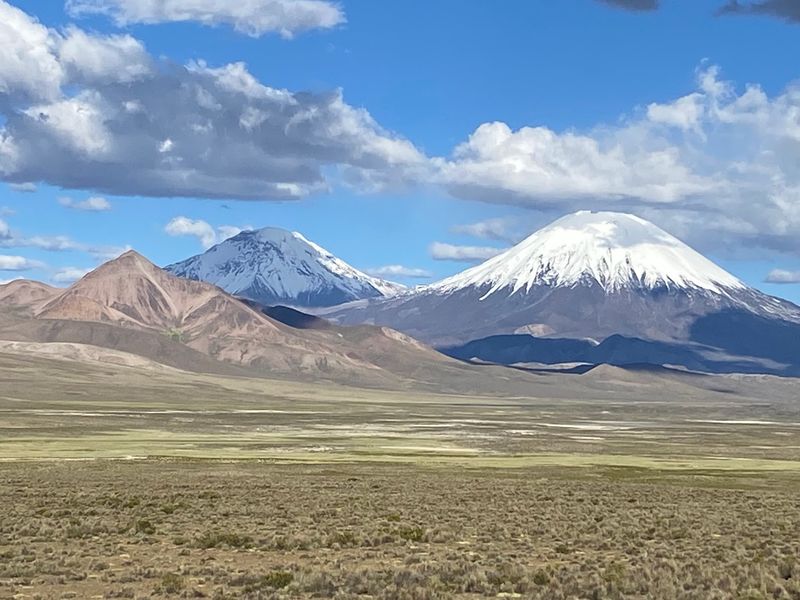
Drive inland and the geography shifts fast. Within a few hours, the coastal heat gives way to the open altiplano of Lauca National Park, sitting above 4,500 meters.
Lake Chungara is one of the world’s highest lakes and mirrors the snow-capped Parinacota and Pomerape volcanoes on calm mornings. Vicunas graze along the road without a care, and flamingos wade through the shallows of nearby wetlands.
Arica also carries serious archaeological weight. The surrounding region is connected to the Chinchorro culture, whose people practiced artificial mummification thousands of years before the ancient Egyptians.
The Salar de Surire and Las Vicunas National Reserve extend the natural spectacle even further. Few places in Chile offer such a complete shift from coast to high Andes in a single regional trip.
Elqui Valley
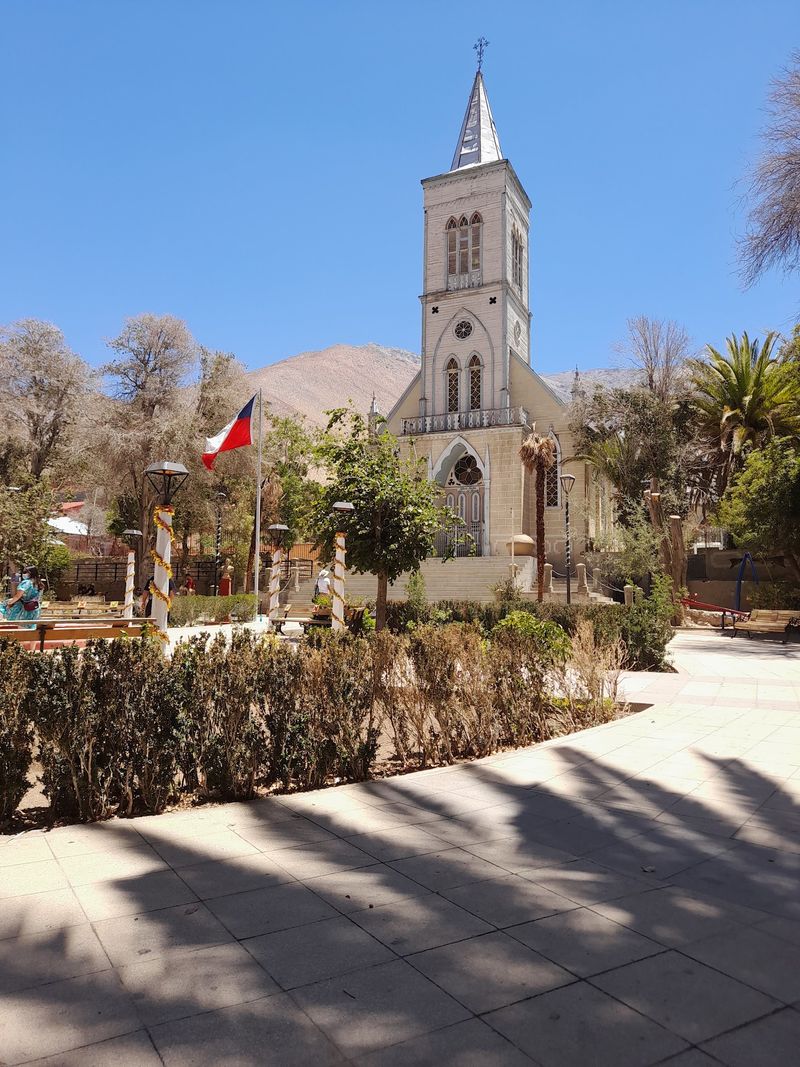
More than 300 clear nights per year sounds like a statistic until you actually stand in the Elqui Valley after dark and realize the sky above you looks like someone spilled glitter across black velvet. Located east of La Serena in northern Chile, this semi-arid mountain valley has become one of South America’s top astrotourism destinations, and the telescopes here are genuinely world-class.
Daytime in the valley has its own rewards. The towns of Vicuna and Pisco Elqui are small, relaxed, and surrounded by terraced hillsides covered in vineyards and pisco grape plantations.
Distillery visits are easy to arrange, and tasting pisco in the valley where it is actually produced gives the experience a completely different flavor compared to ordering it in a city bar.
The Elqui River runs through the valley floor, keeping things green against an otherwise dry Andean backdrop. Hiking trails climb into the surrounding hills, and the whole region has a calm, unhurried energy that makes it easy to stay longer than planned.
Since La Serena and its Pacific beaches sit just an hour or so away, adding a coastal stretch to an Elqui Valley stay requires almost no extra effort. The combination of desert stars, mountain scenery, and pisco is a strong argument for lingering.
Valparaiso
Valparaiso does not do subtle. Painted houses stack up the hillsides in shades of coral, turquoise, mustard, and electric blue, and nearly every wall in the older neighborhoods carries a mural that ranges from politically charged to just plain beautiful.
The city tumbles down dozens of cerros toward a working Pacific port, and the whole effect is chaotic, creative, and completely addictive.
Historic funiculars called ascensores have been hauling residents up and down the steepest hills since the late 1800s. Some still run, giving visitors a slow, creaking ride with panoramic views over the harbor.
The city’s central district earned UNESCO World Heritage status because of its role as a major trading hub before the Panama Canal redirected global shipping and left Valparaiso to reinvent itself as a cultural city.
The reinvention worked. Today the city is packed with independent restaurants, bookshops, art galleries, and live music spilling out of doorways on weekend nights.
Cerro Alegre and Cerro Concepcion are the most visited neighborhoods, though wandering beyond them reveals a rawer, less polished version of the city. Nearby Vina del Mar adds beaches and a resort-town contrast just minutes away.
For travelers moving along Chile’s central coast, Valparaiso is the kind of stop that earns extra days on the itinerary.
Puerto Varas and Lake Llanquihue
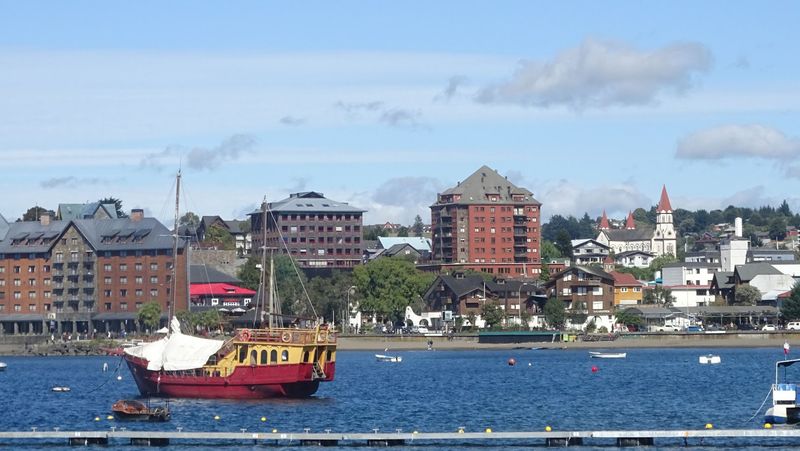
Osorno Volcano sits so perfectly cone-shaped above Lake Llanquihue that it looks almost too good to be real, like a postcard someone forgot to label as fiction. Puerto Varas wraps around the southern shore of the lake with a relaxed waterfront promenade, German-influenced architecture, and a pace of life that makes it easy to forget the rest of the world exists for a few days.
The town became a hub for German settlers in the 19th century, and that heritage shows up in the local food, the bakeries, and the style of several historic buildings. Beyond the cultural layer, the outdoor options are excellent.
Vicente Perez Rosales National Park is nearby and contains Petrohue Falls, where turquoise glacial water crashes over black lava channels in a setting that feels slightly unreal. Osorno Volcano offers hiking and skiing depending on the season.
Kayaking on the lake, cycling around its shoreline, and visiting the smaller towns of Frutillar and Puerto Octay fill out a stay nicely. Frutillar in particular has a famous theater built partially underground beside the water, hosting a summer music festival that draws performers from across South America.
Puerto Varas works as a base for several days of exploration without ever feeling like a mere transit point.
Pucon and Villarrica Volcano
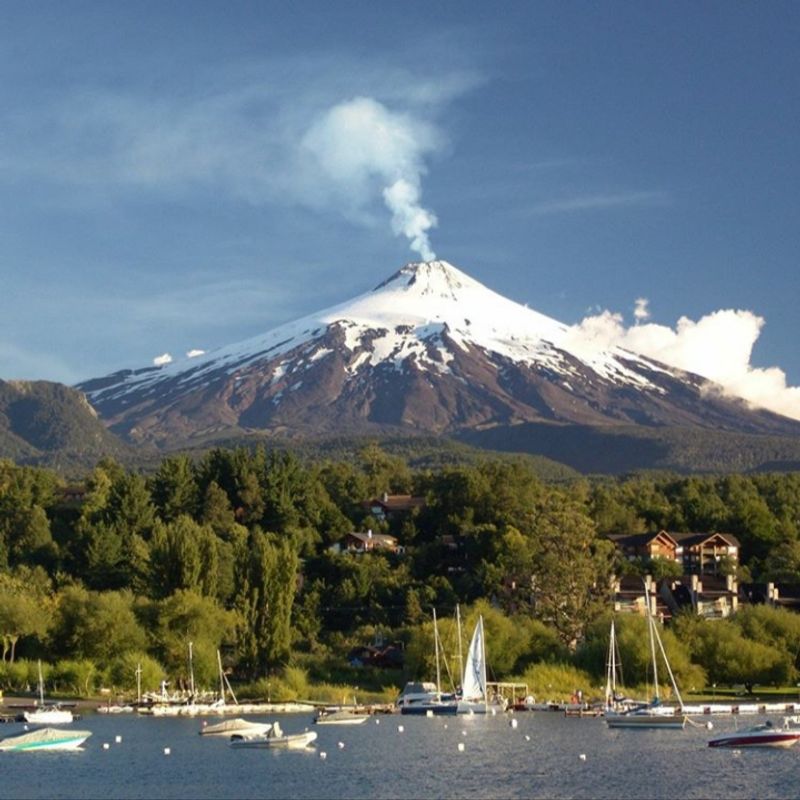
Villarrica Volcano has a lava lake inside its crater, which makes hiking to the summit one of the more dramatic mornings available anywhere in South America. Pucon sits right at its base beside the glittering waters of Lake Villarrica, and the combination of active volcano, alpine lake, and dense Araucaria forests gives the town an energy that attracts outdoor enthusiasts year-round.
Guided summit climbs are the headline act, but the supporting cast is impressive too. Villarrica National Park contains hiking trails through native forest, river crossings, and views of multiple volcanic peaks.
White-water rafting on the Trancura River draws kayakers and first-timers alike, and the surrounding area has enough trails to keep hikers busy for a week without repeating a route.
After a big day outdoors, the geothermal hot springs scattered around the region offer a genuinely satisfying way to recover. Several pools are set in forested river valleys, lit at night and surrounded by the sounds of running water and frogs.
Pucon itself has a lively restaurant scene, good gear shops, and accommodation ranging from campsites to boutique lodges. The town manages to feel like a proper adventure base without losing its small-town charm, which is a balance not every destination manages to pull off.
Chiloe Archipelago
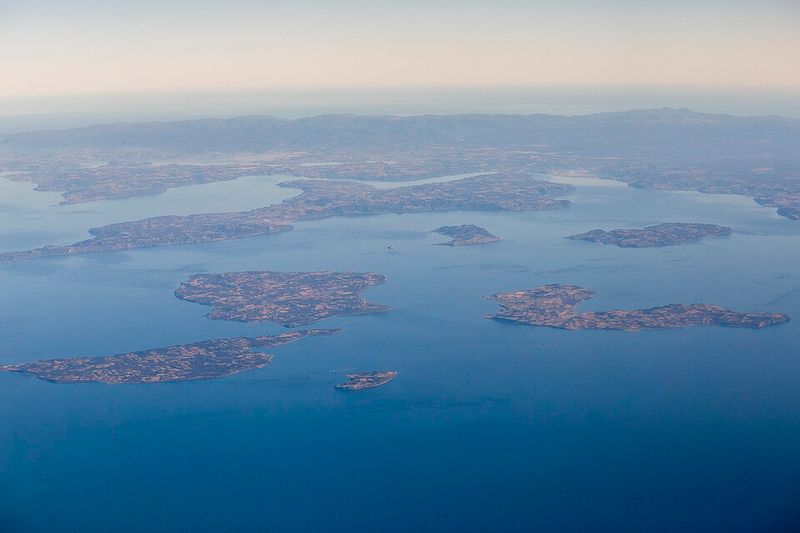
Chiloe operates on its own logic. The main island and its smaller neighbors sit off the southern Chilean coast, separated from the mainland by a channel that seems to have kept a whole separate world intact.
Local mythology here includes forest spirits, ghost ships, and a sorcerers’ guild called the Recta Provincia, and residents will tell you about these traditions with complete sincerity.
The palafitos of Castro are the archipelago’s most photographed feature: rows of wooden houses built on stilts directly over the water, painted in clashing shades of red, orange, green, and yellow. They look impractical and wonderful at the same time.
Sixteen wooden churches scattered across the islands are UNESCO World Heritage sites, built by Jesuit missionaries working alongside local boat builders who transferred their carpentry skills from hull construction to church architecture.
Chiloe National Park covers the wild western coast of the main island, where dense evergreen forest meets a rugged Pacific shoreline. Tantauco Park in the south is even more remote and rewarding for serious hikers.
The food culture here revolves around seafood cooked in traditional curanto style, layered in a pit with hot stones. Visiting Chiloe feels less like sightseeing and more like spending time in a place that developed its own rules and stuck to them.
Torres del Paine National Park
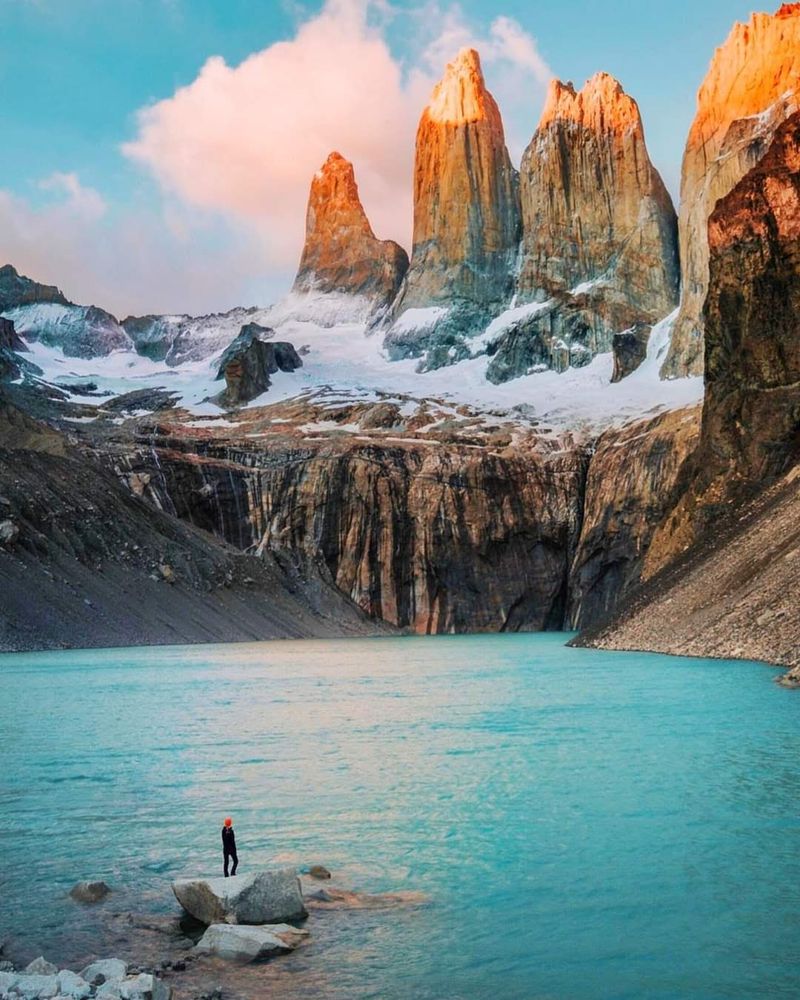
The granite towers that give this park its name rise almost vertically from the Patagonian steppe, and seeing them for the first time from the Base Torres viewpoint after a four-hour hike is the kind of moment people describe for years afterward. Torres del Paine covers roughly 227,000 hectares of terrain that shifts between golden grassland, turquoise lakes, Magellanic beech forest, and glaciers calving into grey water.
The W Trek is the most popular multi-day route, threading through the park’s most dramatic zones over four to five days. The full O Circuit adds another week and takes hikers behind the towers into terrain that sees far fewer boots.
Shorter day trips from the park’s sectors reach Grey Glacier, the Cuernos viewpoints, and the shores of Lake Pehoe, where the light turns extraordinary in the late afternoon.
Wildlife here is not shy. Guanacos wander across the trail without alarm, condors drift overhead on thermals, and if patience allows, pumas have been spotted in the open steppe near dawn and dusk.
Puerto Natales is the gateway town, about two hours away by road. Booking accommodation inside the park well in advance is essential, especially between November and March when demand consistently outpaces available beds.
Punta Arenas and the Strait of Magellan
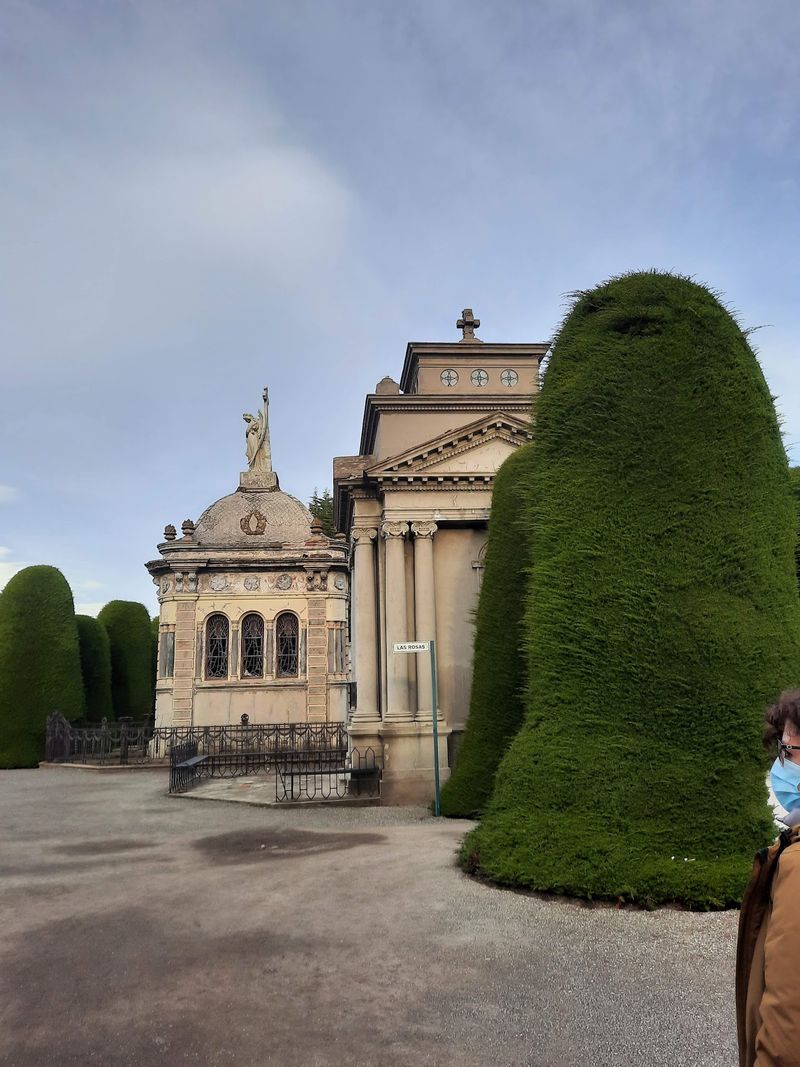
Standing on the Punta Arenas waterfront and looking out across the Strait of Magellan, it is hard not to feel the weight of maritime history pressing in from all sides. Ferdinand Magellan sailed through this channel in 1520 and became the first European to navigate from the Atlantic into the Pacific.
Before the Panama Canal opened in 1914, this strait was one of the most strategically important waterways on the planet.
The city itself is windswept, practical, and quietly fascinating. The Nao Victoria Museum houses full-size replicas of historic ships including Magellan’s Victoria and Darwin’s Beagle, which you can board and walk through.
The Regional Museum of Magallanes covers the ranching era, the indigenous Kawesqar and Selknam peoples, and the waves of European immigration that shaped the city’s architecture and culture.
Day trips from Punta Arenas reach penguin colonies at Isla Magdalena, where Magellanic penguins nest in burrows between October and March and seem entirely unbothered by human visitors standing a meter away. Tierra del Fuego is accessible from here, and the road north toward Puerto Natales opens the door to Torres del Paine.
Punta Arenas works best as both a destination in its own right and a launching pad for the deeper south.
Rapa Nui (Easter Island)
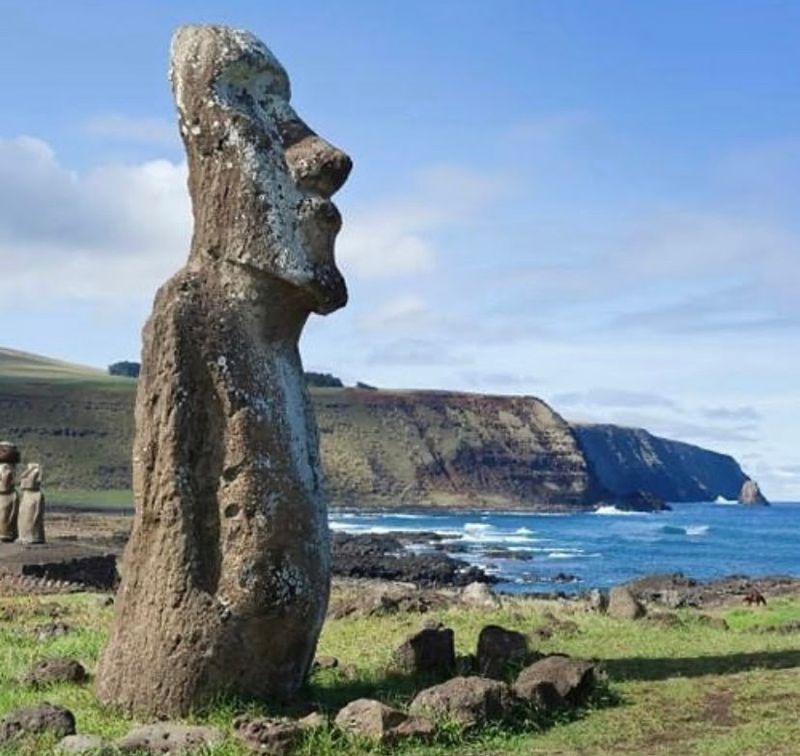
Roughly 3,700 kilometers of open Pacific Ocean separate Easter Island from the Chilean mainland, which makes arriving here feel like landing somewhere that exists slightly outside the normal rules of geography. The Rapa Nui people created nearly 1,000 moai, monumental stone figures carved from compressed volcanic ash, and positioned them across the island in arrangements that still puzzle researchers about the logistics of their transport and placement.
Ahu Tongariki is the island’s most dramatic site: fifteen moai standing in a row on a coastal platform with the Pacific behind them and the Rano Raraku volcanic quarry rising in the background. Watching the sunrise here, when the statues turn from silhouette to full detail in the growing light, is genuinely one of the more memorable mornings available anywhere in the world.
Rano Kau, an extinct volcano with a crater lake, and Orongo, a ceremonial village perched on its rim, add a second major archaeological zone to explore.
The beaches at Anakena and Ovahe are small, palm-lined, and startlingly beautiful for a remote island in the middle of the Pacific. Rapa Nui National Park protects most of the island’s major sites.
The local culture remains alive through language, dance, and the annual Tapati festival in February. After Patagonia and the Atacama, Easter Island lands as a finale that nobody sees coming.
Share this story