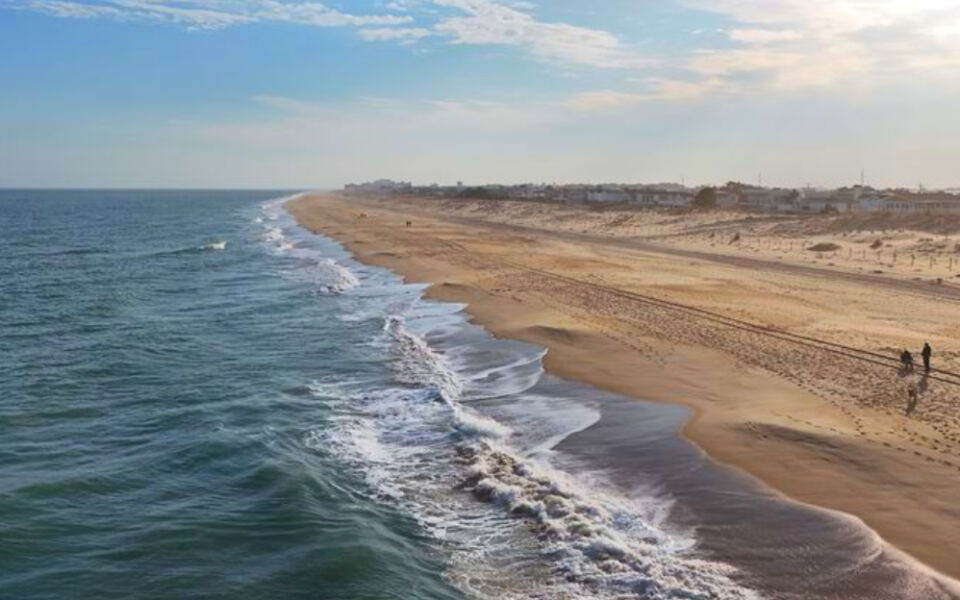
There is a stretch of Delaware coastline where the sand stays clean, the horizon stays wide, and the crowds somehow never quite catch up with you. I first heard about it from a friend who swore it was the best-kept secret between Ocean City and the quieter Delaware shore towns, and after one visit, I completely understood why she kept it to herself.
The park sits on a slender barrier island, flanked by the Atlantic Ocean on one side and a calm bay on the other, giving you two completely different coastal experiences without ever moving your car. What makes it even more surprising is how well-maintained and accessible the whole place feels, despite its refreshingly undeveloped character.
Whether you are chasing dolphins at sunrise, casting a line in the surf, or simply staking out a patch of sand with no buildings blocking your view, this park quietly delivers. Keep reading to find out exactly what makes it worth the trip.
Where Exactly This Coastal Treasure Sits
Right along DE-1 (Coastal Highway) in Fenwick Island, Delaware 19944, this state park occupies one of the most geographically interesting spots on the entire East Coast. It sits on a narrow barrier island in Sussex County, wedged between the Atlantic Ocean and the Little Assawoman Bay, with the lively resort town of Ocean City, Maryland, just to the south and the quieter community of South Bethany, Delaware, to the north.
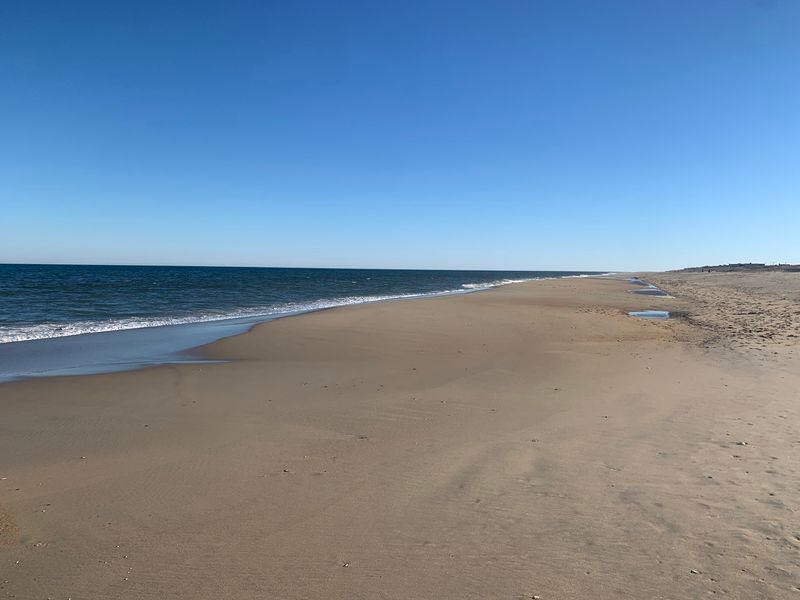
The park spans roughly 344 acres of protected shoreline, which sounds modest until you actually stand on the beach and realize there are no hotels, no condos, and no boardwalk vendors competing for your attention. Just open sand, open sky, and the kind of uninterrupted coastal view that has become genuinely rare.
You can reach the park office by calling (302) 227-2800, and the gates open at 8 AM daily. That early access window is worth taking seriously, especially on summer weekends when the parking lots fill faster than you might expect.
The Surprising History Behind the Name

The name Fenwick Island dates all the way back to 1682, when an English planter named Thomas Fenwick received a land grant from Lord Baltimore covering this sliver of coastal land. Here is the quirky part: Fenwick himself never actually lived here.
His name simply stuck to the island, carried forward through centuries of maps and records until it became the official identity of this quiet coastal stretch.
For much of its early history, the island remained wild and largely untouched, shaped more by storms and tidal shifts than by human hands. During World War II, the coastline took on a more urgent role as part of Delaware’s coastal defense network, with observation towers scanning the Atlantic for enemy submarines.
One of those concrete towers still stands near the park’s northern boundary today.
The land originally fell under Delaware Seashore State Park when that park was established in 1966, but Fenwick Island was carved out and officially designated its own state park in 1981. That history of quiet persistence feels very much in keeping with the park’s present-day character.
Surfing, Swimming, and Surf Fishing All in One Spot
One of the things that genuinely surprised me about this park is how many different water activities it accommodates without feeling chaotic. There is a designated surfing area on the ocean side, which is a rarity for Delaware state parks, and the waves here are consistent enough to make it worthwhile for both beginners working on their pop-up and more experienced riders looking for a low-key session away from crowded breaks.
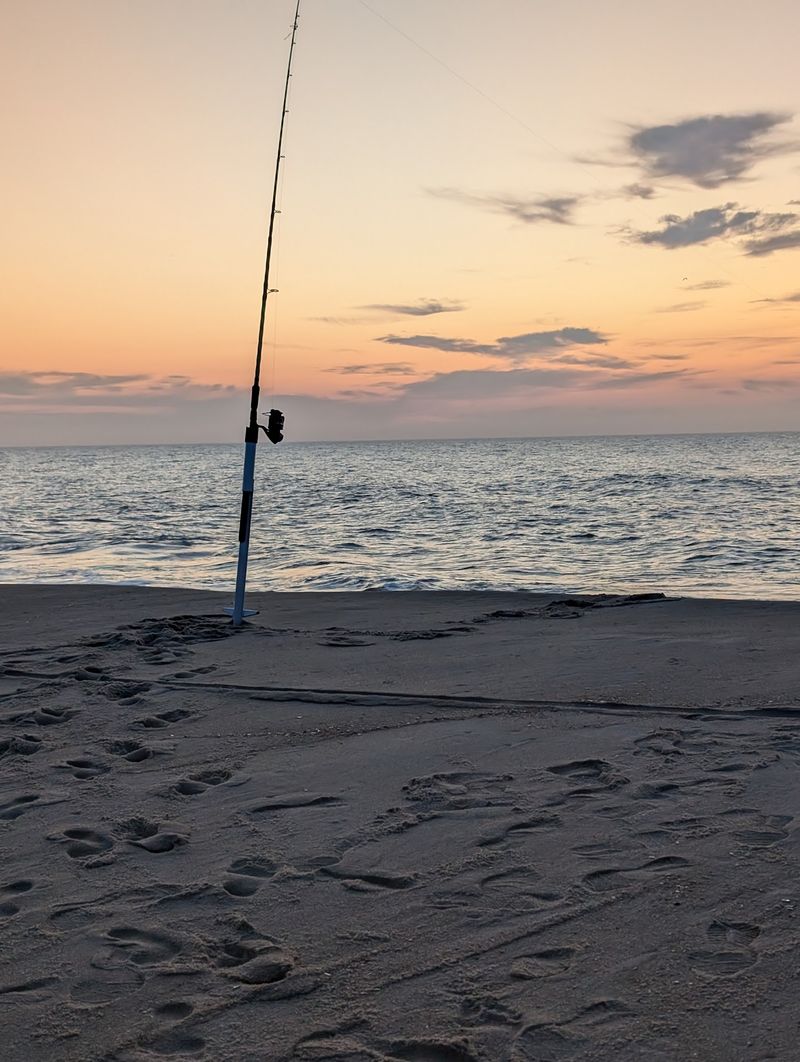
Surf fishing is another big draw, and the park handles it thoughtfully. With a valid surf fishing vehicle permit, you can drive a four-wheel-drive vehicle onto designated beach sections and cast directly from the shoreline.
Permits are available at the bathhouse gift shop or through nearby state park offices. Fishing from the beach is generally allowed before 10 AM and after 5 PM on guarded beaches during the summer season, keeping the swimming area safe and enjoyable for everyone.
The combination of surfing, swimming, and fishing in one compact location means the park genuinely caters to different kinds of visitors without any single group dominating the experience. That balance is harder to pull off than it looks.
Wildlife That Will Stop You Mid-Stride
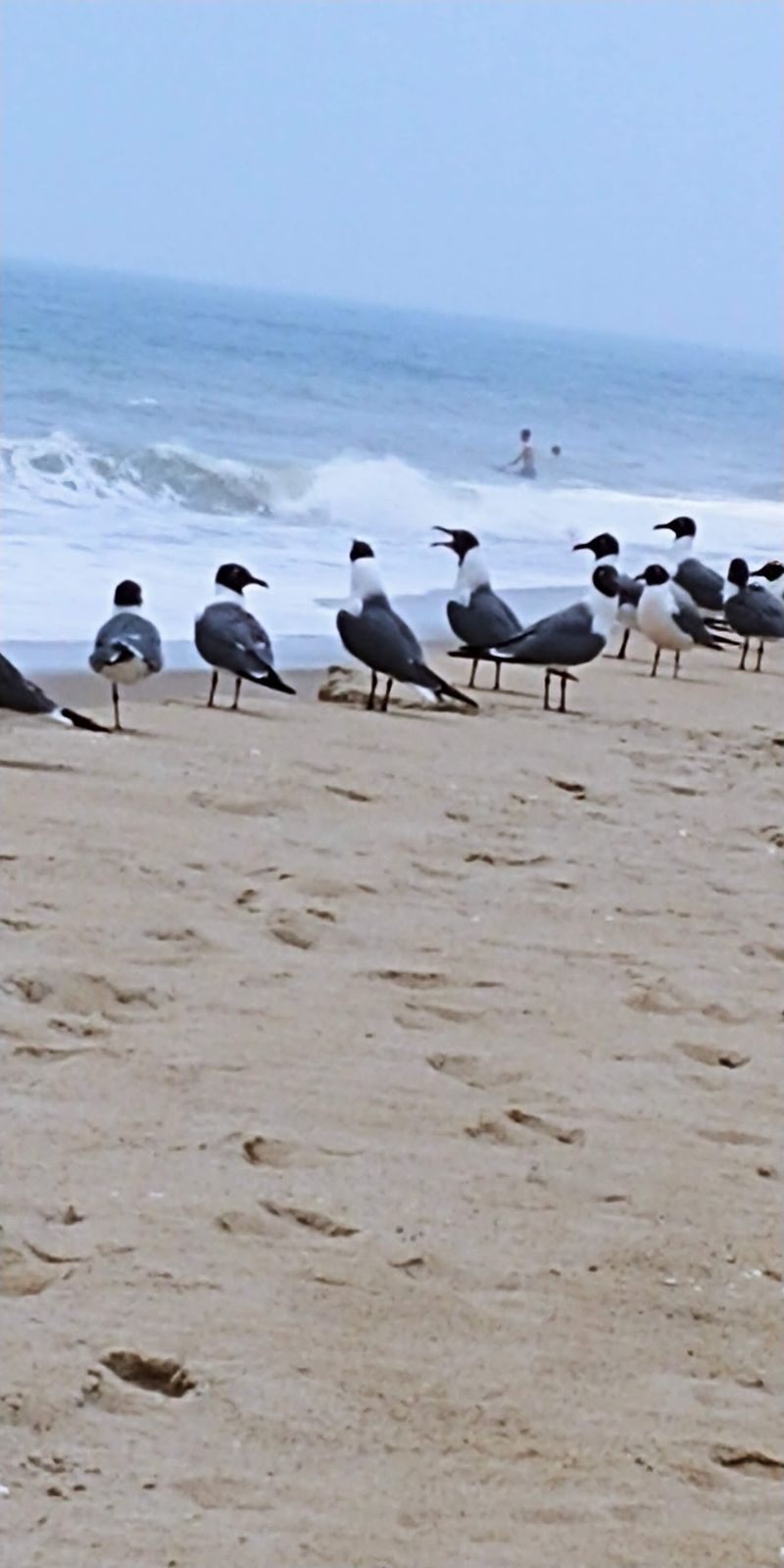
More than 200 bird species have been recorded at Fenwick Island State Park, and the variety becomes apparent quickly once you start paying attention. Osprey patrol the shoreline with quiet authority, diving when they spot something worth chasing.
Wading birds like great blue herons and snowy egrets move through the shallows with a patience that is almost theatrical. Near the marsh edges, glossy ibises and willets pick through the mud with focused efficiency.
Ghost crabs are a particular delight for kids and curious adults alike. These pale, fast-moving creatures emerge in greater numbers toward dusk, skittering across the sand in quick bursts that make them surprisingly difficult to follow with your eyes.
Offshore, dolphins are a regular summer sighting, and spotting a pod arching through the waves near the beach is the kind of moment that tends to stop conversations mid-sentence.
Perhaps the most remarkable wildlife story connected to the park involves loggerhead sea turtles. In 2018, 48 loggerhead hatchlings made their way to the ocean here, marking the first documented nesting event at this location since 1973.
That single fact says a great deal about the health of this coastal habitat.
Dog Owners, This Park Has Not Forgotten You
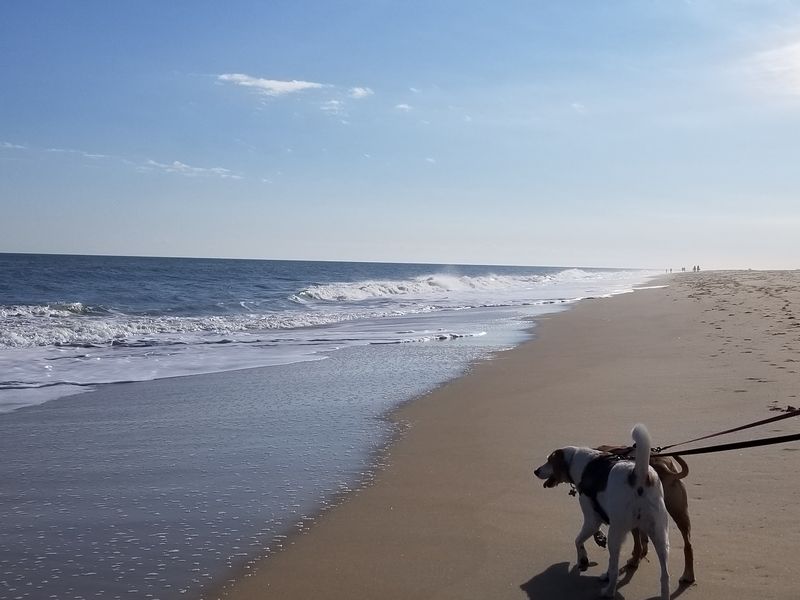
Traveling with a dog and trying to find a beach that actually welcomes them is a frustrating exercise at most popular coastal destinations. Fenwick Island State Park handles this situation more generously than most.
Dogs are permitted on a designated section of the beach year-round, as long as they are kept on a leash no longer than six feet. That year-round access is a meaningful distinction from parks that only open their beaches to pets during the off-season.
After October 1st, the rules relax further, and dogs are welcome across the full beach stretch extending into Maryland, giving four-legged visitors a much wider territory to explore. The clean, uncrowded conditions make the experience genuinely pleasant for both dogs and their owners, with plenty of space to roam without bumping into other beachgoers.
One practical note: dogs are not allowed on guarded swimming beaches or inside park buildings from May 1st through September 30th, so planning your visit around those restrictions will make the day smoother for everyone. The park’s pet-friendly reputation has earned it a loyal following among dog owners from across the mid-Atlantic region, and it is easy to see why.
Amenities That Make a Full Day Here Genuinely Easy
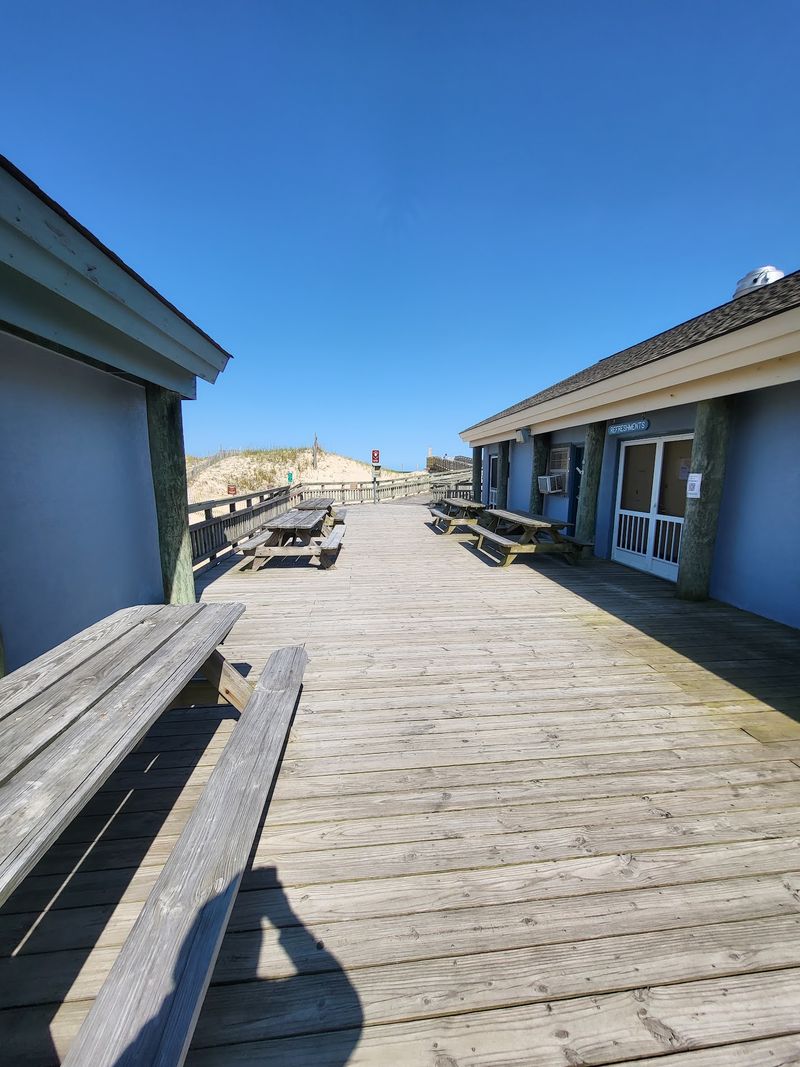
A park this naturally beautiful could probably get away with offering very little in the way of facilities, but Fenwick Island State Park puts genuine thought into making a full beach day comfortable. The bathhouse includes clean changing rooms and restrooms, outdoor rinse showers for washing off salt and sand, and a small gift shop where you can pick up supplies you may have forgotten at home.
A snack bar and concession stand keep hunger at bay without requiring you to pack a full cooler, though bringing your own food is always a smart move for longer visits. Beach chairs, umbrellas, and rafts are available for rental during the busy summer months, which simplifies the logistics considerably for visitors who prefer to travel light.
Accessibility receives real attention here. Mobi-Mat equipment provides a firm surface from the boardwalk onto the sand, making beach access manageable for visitors using wheelchairs or power chairs.
Beach wheelchairs are available upon request, with 24-hour advance reservations recommended to guarantee availability. A wooden ramp leads directly to the beach, and the overall setup reflects a genuine commitment to making the park welcoming for everyone.
Parking, Fees, and the Smartest Times to Visit
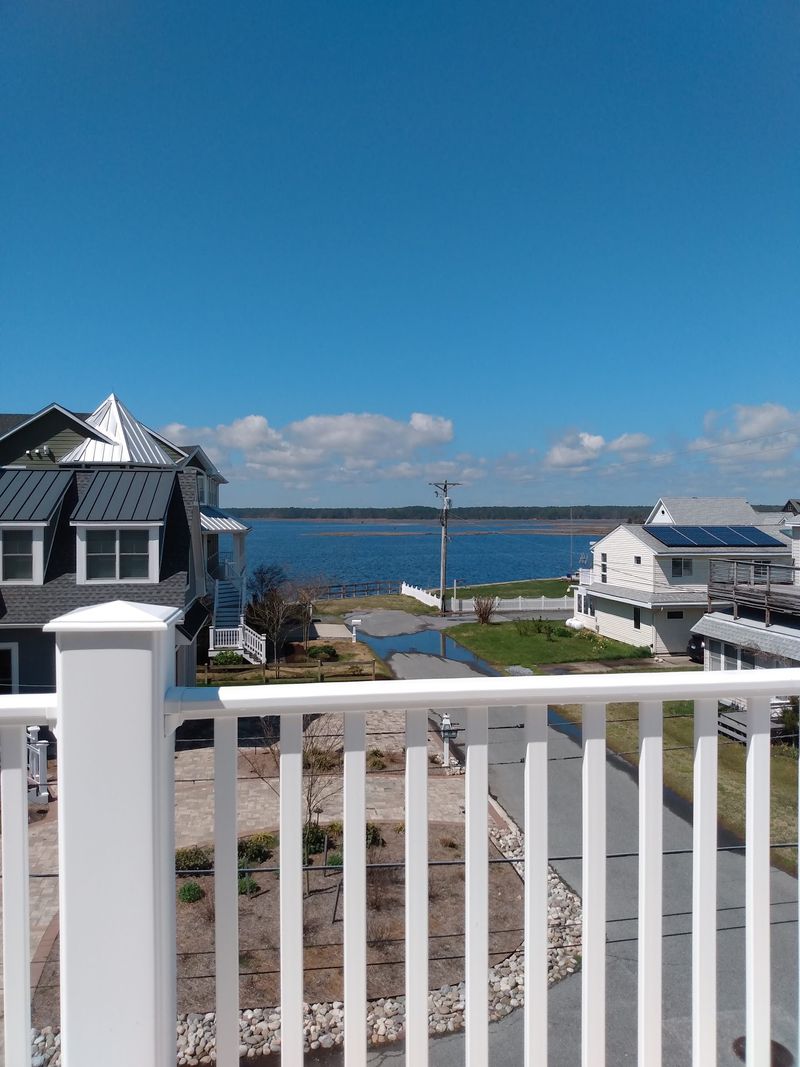
The park operates with two large parking lots that can handle a solid crowd, but summer weekends have a way of filling them up faster than first-time visitors anticipate. Arriving before 10 AM on a summer weekend is a reliable strategy for securing a spot without stress.
Weekday visits, particularly mid-week, tend to offer noticeably more breathing room in the parking area and on the beach itself.
Fees are collected daily throughout the summer season, and on weekends and holidays during spring and fall. From October through April, parking is free, which makes off-season visits an especially attractive option for anyone who enjoys a quiet, uncrowded beach with no financial barrier to entry.
An annual Delaware State Park Pass covers access for the whole year and pays for itself quickly if you plan to visit more than a handful of times.
The park is open daily from 8 AM to 7 PM. Off-season visits in early November have earned particularly enthusiastic responses from visitors who found the beach completely empty, the sand spotlessly clean, and the restrooms closed but the experience entirely worth it.
Packing out your trash is essential when the trash cans are removed for the season.
How the Park Protects Its Dunes and Fragile Habitat
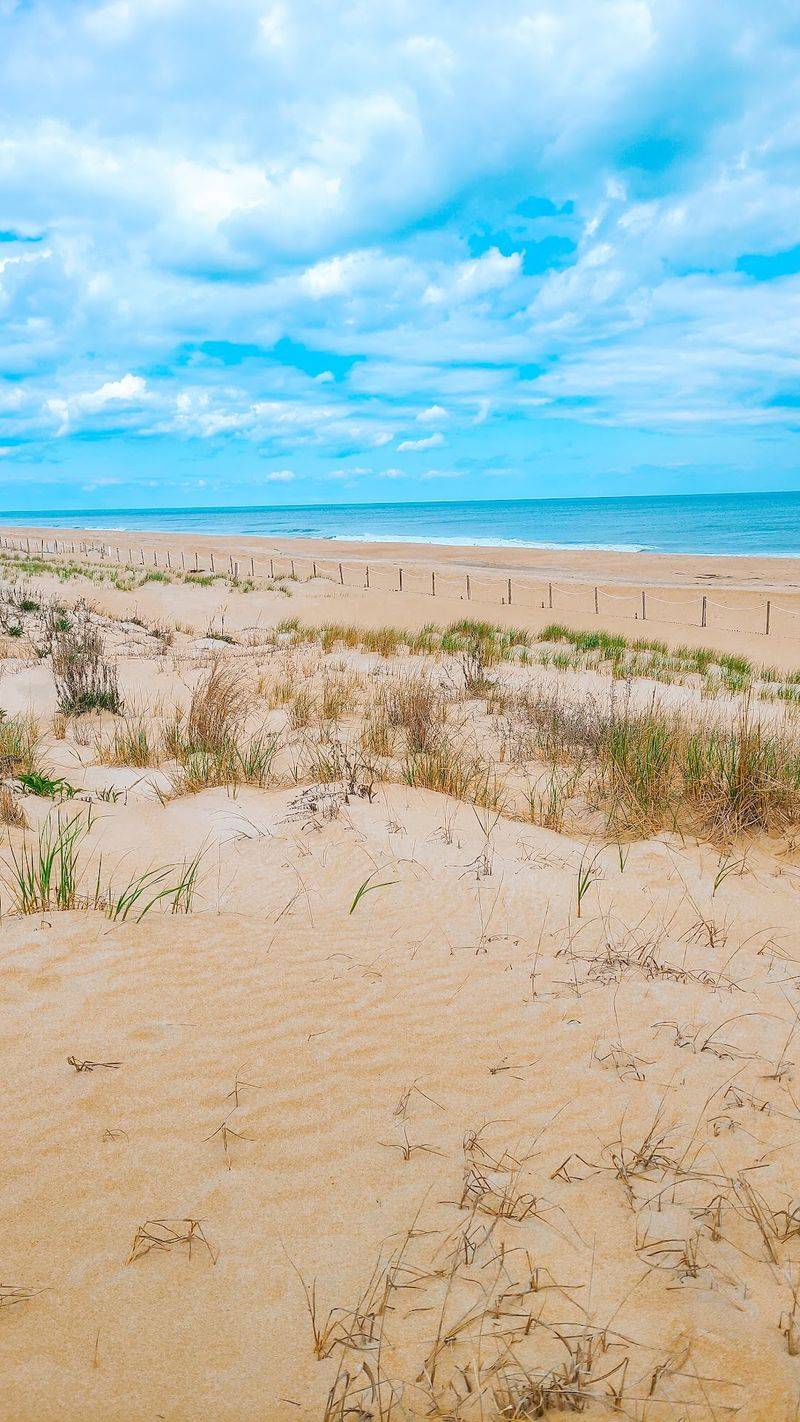
Those rolling dunes that frame the beach are not just scenic backdrops. They are the park’s primary coastal defense system, absorbing storm energy and stabilizing the shoreline against erosion.
The native grasses that anchor them are deceptively fragile, and a single shortcut through the dunes can do measurable damage to root systems that took years to establish. Designated dune crossings and boardwalk paths exist for exactly this reason, and using them is one of the simplest ways to be a responsible visitor.
Fires are prohibited on the beach, and all plants and animals within the park are protected by law. Certain areas are periodically closed to protect bird nesting sites, particularly during the breeding season when shorebirds like the piping plover require undisturbed space to raise their young.
Respecting those closures directly supports the wildlife diversity that makes the park worth visiting in the first place.
The no-trash-can policy during the off-season puts the responsibility squarely on visitors to pack out everything they bring in. That simple expectation keeps the beach in the pristine condition that has become one of the park’s most consistent and well-earned compliments from the people who visit regularly.
What Makes the Off-Season Here Genuinely Special
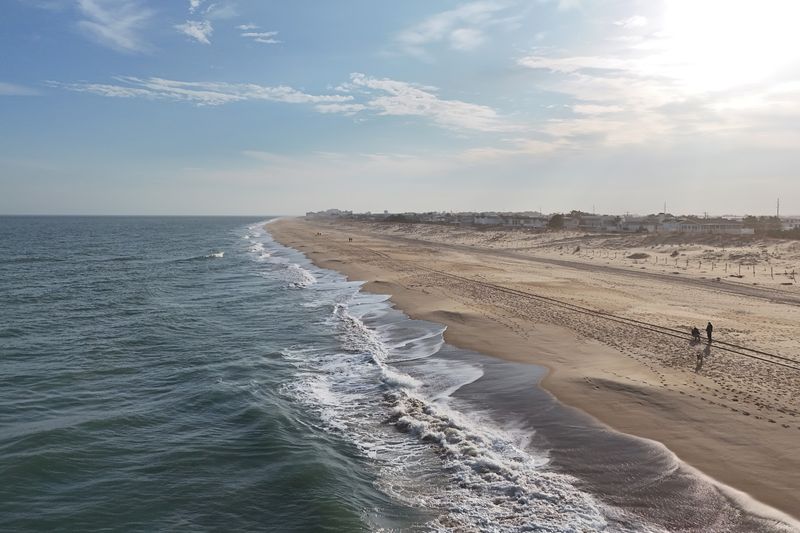
Most beach parks lose their appeal the moment summer ends, but Fenwick Island State Park actually gains something in the quieter months. The crowds thin to almost nothing by October, and what remains is a beach that feels almost private.
The sand stays clean, the sky often opens up into dramatic cloud formations, and the absence of lifeguards, vendors, and rental equipment gives the whole place a raw, elemental quality that summer simply cannot offer.
Birdwatching picks up significantly in the fall as migratory species pass through the coastal corridor. The bay side becomes especially active during migration season, with species stopping over in the marsh grasses and shallow water before continuing south.
For anyone with a pair of binoculars and a patient temperament, an October morning at this park can be genuinely rewarding.
The free parking from October through April removes one of the few friction points associated with a summer visit, making spontaneous off-season trips easy to justify. Bringing your own food and being prepared to carry out your trash are the two main adjustments required, and neither is a significant burden when the payoff is a virtually empty beach on a crisp fall afternoon.
Why This Park Keeps Drawing People Back
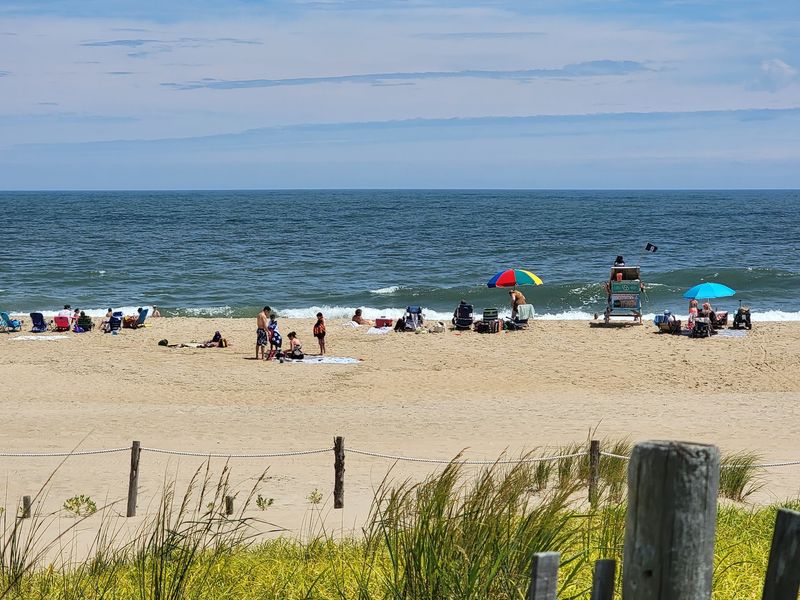
A park rated 4.7 stars across more than 2,400 reviews has clearly earned its reputation through consistent delivery, not marketing. The things people mention most often tell a clear story: clean sand, manageable crowds, friendly atmosphere, reliable lifeguard coverage, and the simple pleasure of a beach where no buildings block the view.
Those qualities sound basic, but they are harder to find than they should be along the mid-Atlantic coastline.
Families return because the park handles the practical side of a beach day well, with accessible facilities, rental equipment, and a safe swimming area that makes the whole experience feel effortless. Anglers come back for the surf fishing.
Dog owners come back for the year-round pet access. Kayakers come back for the bay.
Sunrise watchers come back for the dolphins.
What ties all of those different visitors together is a shared appreciation for a place that has resisted the pressure to overdevelop. Fenwick Island State Park stays quiet by design, and that quiet is its greatest asset.
Once you have experienced a beach day here, the noisier alternatives down the coast start to feel like a lot of unnecessary effort for a lot less reward.
Share this story