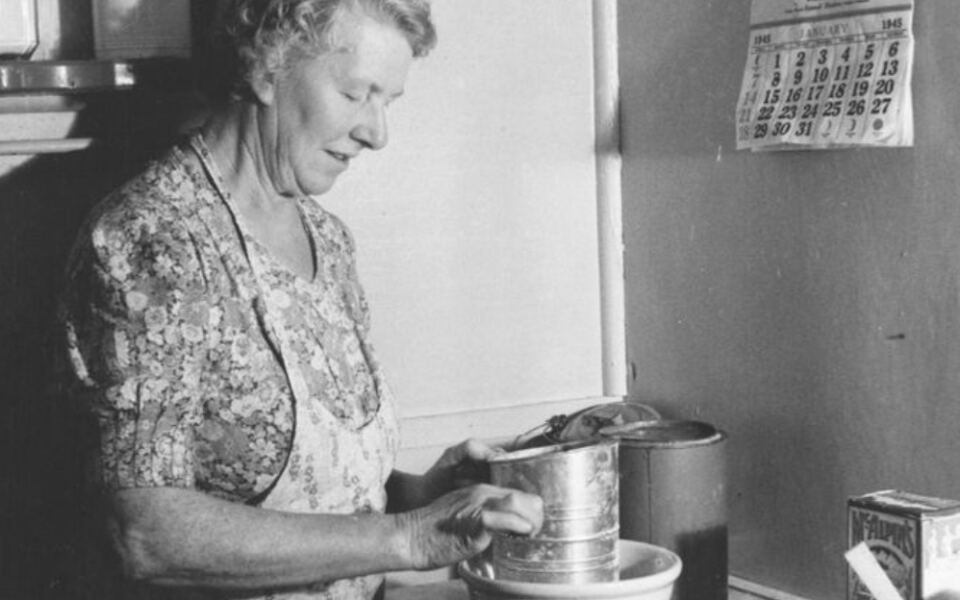
Some of the most beloved foods in history were not carefully planned in a professional kitchen. Many came from moments of pure improvisation, when a cook opened the pantry, found it nearly empty, and decided to make something work anyway.
Wartime rationing, economic hardship, and regional scarcity pushed generations of home cooks to replace familiar ingredients with whatever was actually available. The results were often surprising, and some of those substitutions outlasted the shortages that inspired them by decades.
These 13 foods tell the story of what happens when necessity takes over the recipe.
1. Carrot Fudge
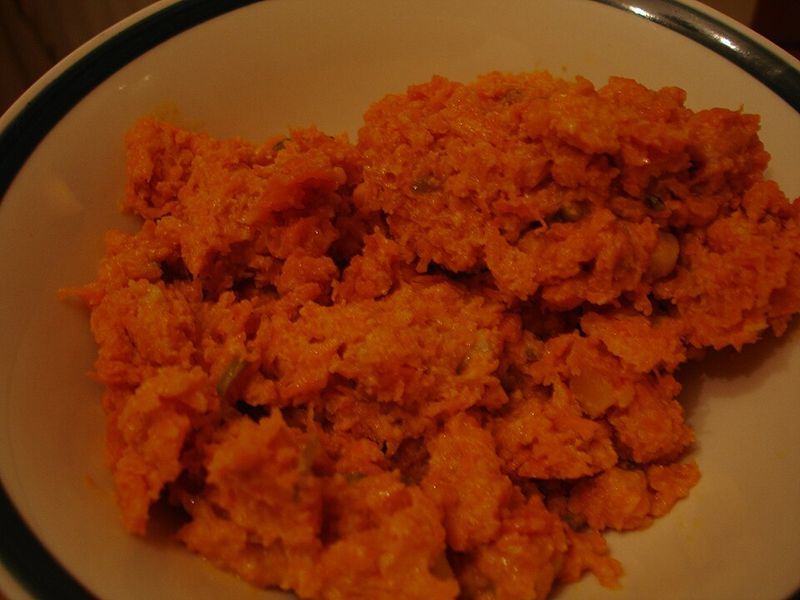
Sugar shortages created some of the strangest desserts to emerge from wartime kitchens, and carrots became an unlikely solution. Their natural sweetness made them valuable at a time when cooks were being encouraged to stretch limited sugar supplies as far as possible.
Carrot fudge was one of the more inventive results. Recipes varied, but cooked carrots could be combined with small amounts of sugar and flavorings to create a sweet confection using far less of the ingredient normally responsible for making candy taste like candy.
It sounds unusual now, but carrots were already being promoted extensively as a naturally sweet ingredient during World War II. They appeared in cakes, puddings, cookies, and other desserts designed to make rationed sugar go further.
The substitution also demonstrates just how differently cooks approached recipes when shortages were part of everyday life. Instead of asking whether a carrot belonged in candy, the more important question was whether it could provide sweetness when sugar was scarce.
It could, and that was enough. Carrot fudge may not have become a permanent candy-counter staple, but it remains one of the more memorable examples of wartime cooks turning an abundant vegetable into something completely unexpected.
2. Depression-Era Wacky Cake
No eggs. No milk.
No butter. Under normal circumstances, that list would end any chocolate cake project before it started.
During the Great Depression and wartime rationing, however, those absences were simply Tuesday.
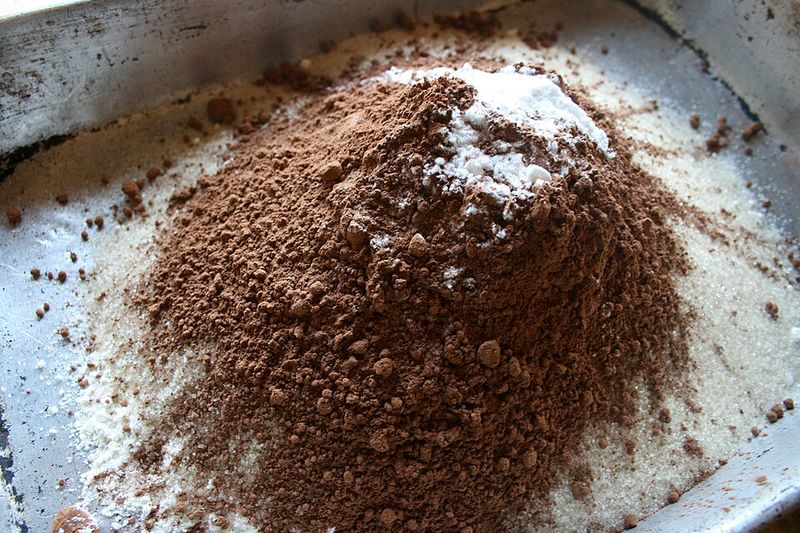
Wacky cake, also called crazy cake or Depression cake, solved the problem with a clever chemical workaround. Vinegar combined with baking soda produces carbon dioxide bubbles, which allows the batter to rise without eggs or dairy.
The remaining ingredients, flour, sugar, cocoa, oil, and water, are basic enough to survive almost any pantry shortage.
The cake became a symbol of Depression-era resourcefulness, a dessert that refused to disappear just because conventional ingredients had. Its popularity didn’t fade when the hard times ended.
People kept baking it because it genuinely worked, and worked well. Today it regularly reappears in food blogs and social media, still surprising new bakers who can’t quite believe the ingredient list produces something this good.
3. Mock Apple Pie
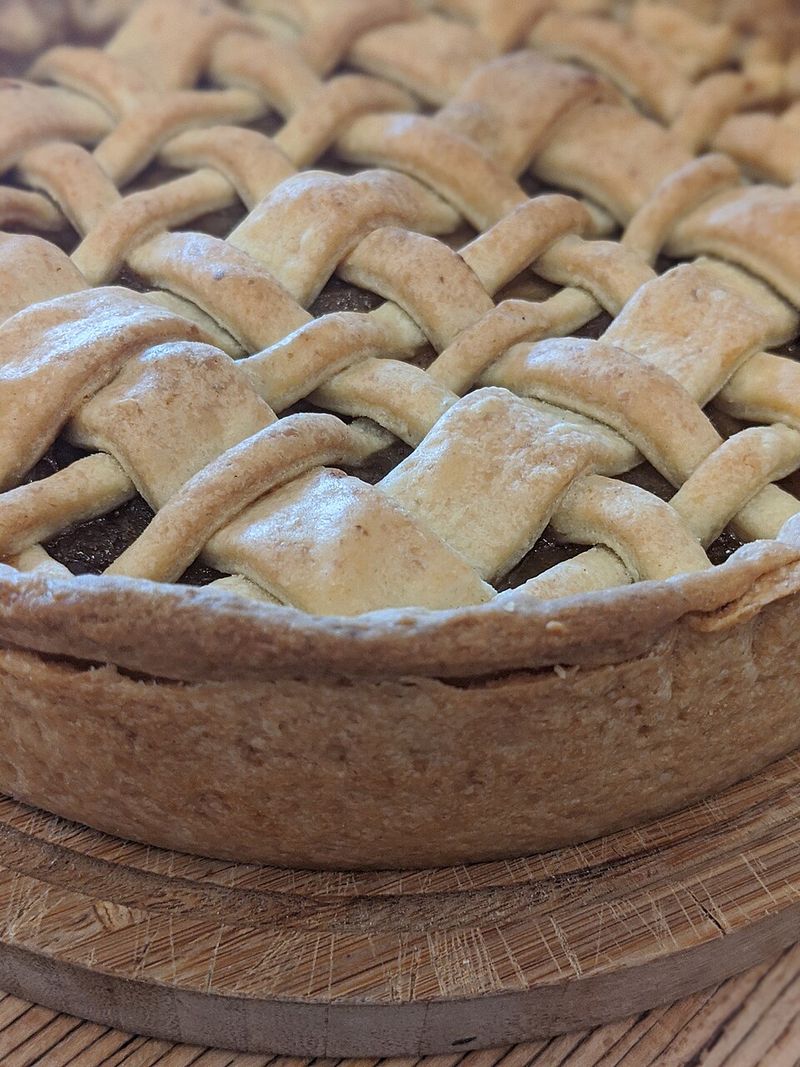
Crackers standing in for apples sounds like a joke, but the results have convinced skeptical tasters for well over a century. Mock apple pie uses crushed crackers combined with sugar, spices, water, and an acidic ingredient to build a filling that mimics the texture and flavor of cooked apples.
Versions of this recipe existed before the Great Depression, but the concept became particularly associated with periods when fresh fruit was too expensive, out of season, or simply unavailable to rural and inland households. Ritz crackers promoted their own version prominently during the mid-20th century, helping the recipe reach a national audience.
The chemistry behind it is genuinely interesting. Baked inside pastry with cinnamon, the crackers soften and absorb the sweetened liquid, producing a filling that behaves surprisingly like apple slices.
No single ingredient carried more weight than the spices, which did most of the flavor work. Running out of apples, it turned out, wasn’t the end of pie.
4. Eggless, Butterless, Milkless War Cake
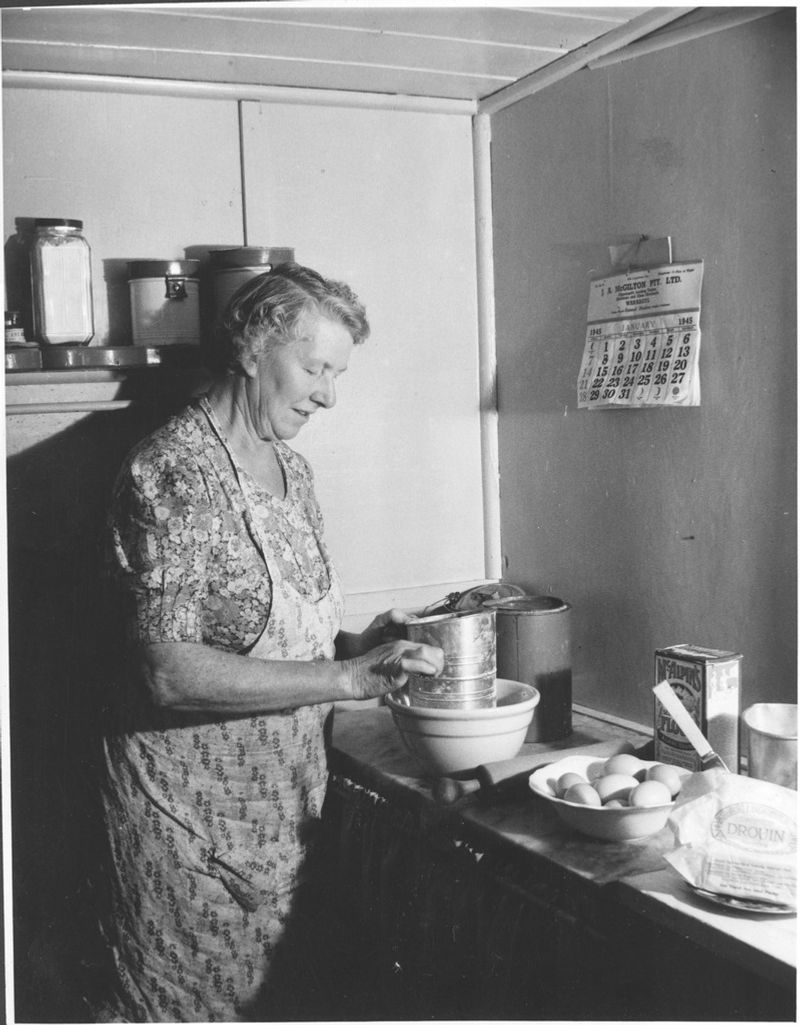
The name doesn’t leave much to the imagination, and that directness is part of its appeal. War cake wasn’t trying to be elegant.
It was trying to exist at a time when eggs, butter, and milk were rationed, expensive, or reserved for military use.
Recipes varied across the First and Second World Wars, but most versions relied on flour, spices, dried fruit, water, shortening, and alternative sweeteners like molasses. Boiling raisins before adding them to the batter was a common technique, producing both moisture and a natural sweetness that helped compensate for the missing dairy.
No single definitive war cake recipe exists because households adapted based on what they could actually obtain. What all versions shared was the same practical philosophy: dessert doesn’t have to vanish because the usual ingredients do.
These cakes became small but meaningful reminders that domestic life could continue even under significant pressure, and that a resourceful cook could always find a way to put something sweet on the table.
5. Ersatz Coffee Made From Chicory
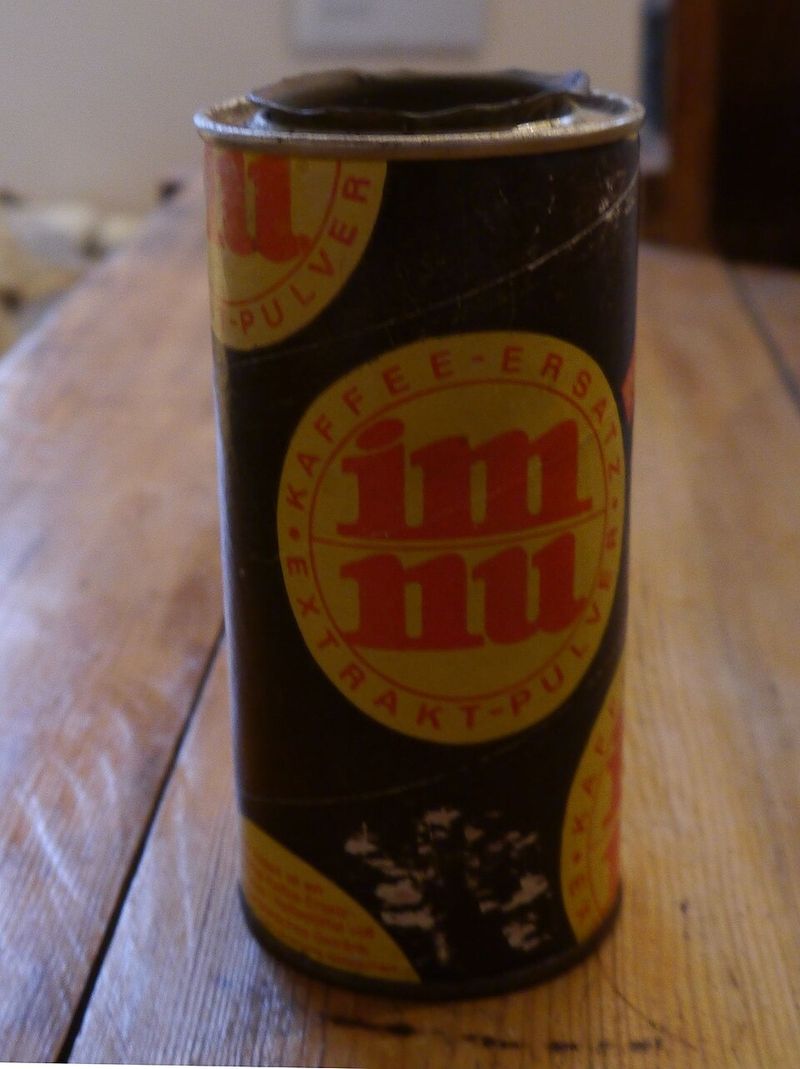
When Napoleon’s trade blockades cut off European coffee supplies in the early 19th century, French cooks needed something to brew. The roasted root of the chicory plant, related to the dandelion, turned out to be one of the most practical answers available.
Chicory doesn’t contain caffeine, and it isn’t identical to coffee in flavor. But its roasted root produces a dark, bitter beverage with enough body to stretch limited coffee supplies or replace them entirely.
The practice spread to French colonies and eventually reached Louisiana, where Union naval blockades during the Civil War again cut off coffee imports to New Orleans.
That second shortage cemented chicory coffee as a regional identity rather than a wartime workaround. New Orleans cafes kept serving it long after coffee became freely available again, and visitors began specifically seeking it out.
Today it remains a celebrated part of the city’s food culture, a substitute that survived so thoroughly it stopped being considered a substitute at all.
6. Margarine
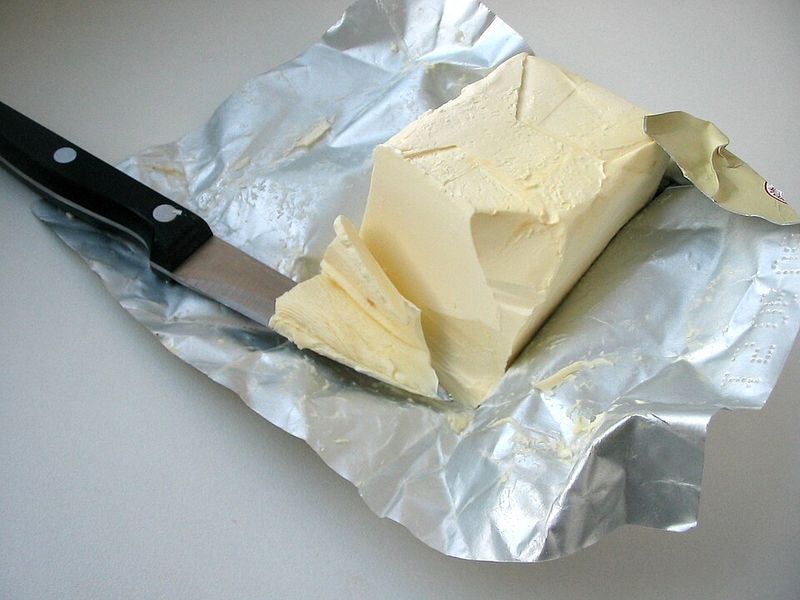
Few food inventions came with such a clear job description. In the 1860s, French Emperor Napoleon III offered a prize for an affordable butter substitute that could feed soldiers and low-income citizens.
French chemist Hippolyte Mège-Mouriès answered the challenge in 1869 with oleomargarine, made primarily from processed beef tallow and milk.
It wasn’t butter, and nobody claimed it was. The point was that butter was expensive, inconsistently available, and insufficient for the quantities a growing population and active military required.
Margarine addressed a supply problem with deliberate science rather than accidental discovery.
The dairy industry’s reaction was fierce. In the United States, political battles, heavy taxes, and laws restricting margarine from being colored yellow were all used to protect butter’s market position.
Some states even required margarine to be dyed pink. None of it stopped margarine’s spread.
It evolved from animal fats to vegetable oils, improved steadily in quality, and became a permanent fixture in kitchens worldwide, long after the butter shortage that prompted its invention.
7. Coffee Without Coffee: Postum
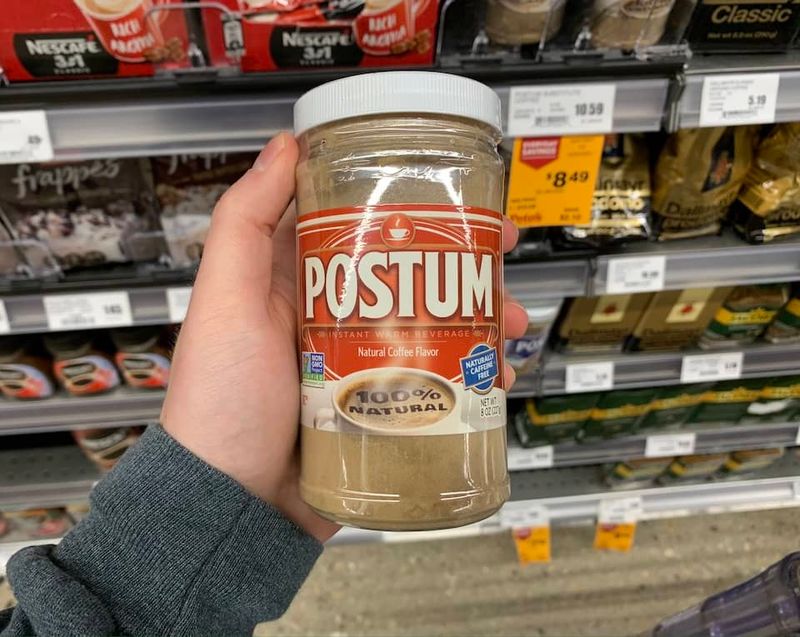
C.W. Post launched Postum in 1895 with a straightforward pitch: here is a hot drink that looks like coffee, prepares like coffee, and contains absolutely no coffee.
Made from roasted wheat bran and molasses, it was marketed initially as a caffeine-free health alternative rather than a shortage solution.
The shortage solution part came later. During World War I and World War II, coffee was rationed and prioritized for troops.
Households looking for something warm and familiar to prepare in the morning found Postum considerably more appealing than going without. An instant version introduced in 1911 made preparation even more convenient.
Postum never claimed to taste exactly like coffee, and it didn’t need to. For many families it became its own routine, a pantry staple associated with mornings rather than a reminder of what wasn’t available.
After being discontinued in 2007, consumer demand was strong enough to bring it back in 2012. A substitute that became a tradition is difficult to retire permanently.
8. Vinegar Pie
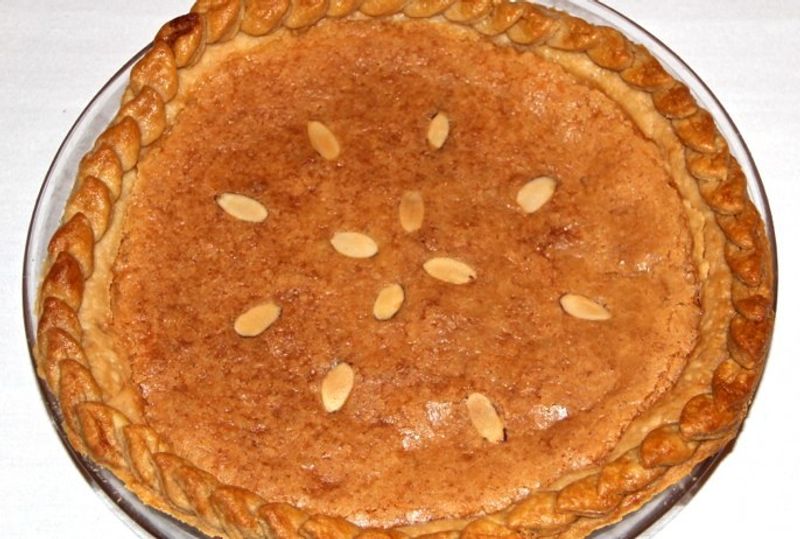
Frontier and rural American cooks in the 19th century faced a consistent problem: fresh citrus was seasonal, expensive, and often simply unavailable in inland communities. Yet the desire for a tart, sweet dessert didn’t disappear along with the lemons.
Vinegar offered a practical pantry solution. Combined with sugar, eggs, butter, and available spices, a small measured amount of vinegar provided the acidity that lemon juice would normally supply, without turning the finished pie into something unpleasant.
The filling baked into a smooth, custard-like texture with a noticeable sweet-tart balance.
Vinegar pie belongs to a broader family sometimes called desperation pies, recipes built around shelf-stable ingredients when fresh produce wasn’t an option. The category also includes chess pie and transparent pie, all of which rely on pantry staples rather than fresh fruit.
Vinegar pie’s logic was completely practical: find something sour, use it carefully, and don’t skip dessert. That straightforward problem-solving made it a fixture in American regional cooking long after citrus became widely accessible.
9. Water Pie
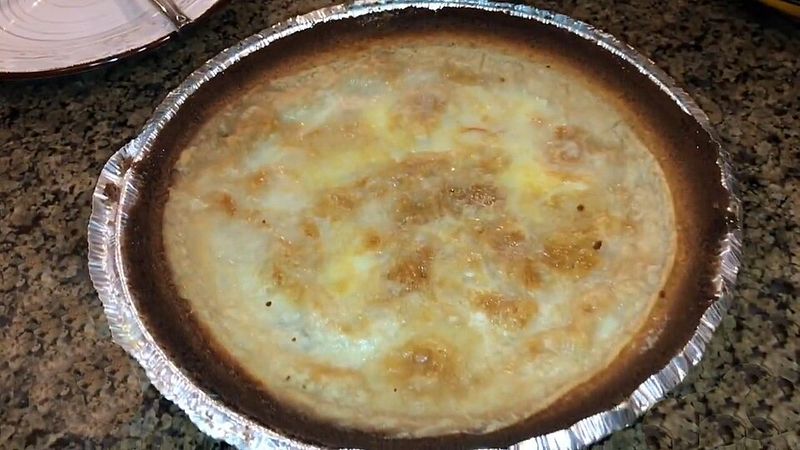
The recipe sounds like a trick: fill a pie crust with water, add sugar and a little flour, top it with butter, bake it, and somehow produce something worth eating. Water pie did exactly that, and it became one of the more remarkable examples of Depression-era cooking ingenuity.
Flour thickens the water during baking. Sugar and butter provide sweetness and a modest richness that plain water obviously cannot offer on its own.
The result is a soft, lightly sweet filling with a texture somewhere between custard and gelatin, neither of which requires any expensive ingredients.
The appeal was never that water pie was better than peach pie or chocolate cream pie. The appeal was that it existed at all when almost nothing else was available.
For families managing severe economic hardship, putting any dessert on the table carried real significance. The recipe resurfaces periodically online, and the reaction from modern cooks is almost always the same: genuine disbelief followed by genuine surprise that it actually works.
10. Mock Mince Pie
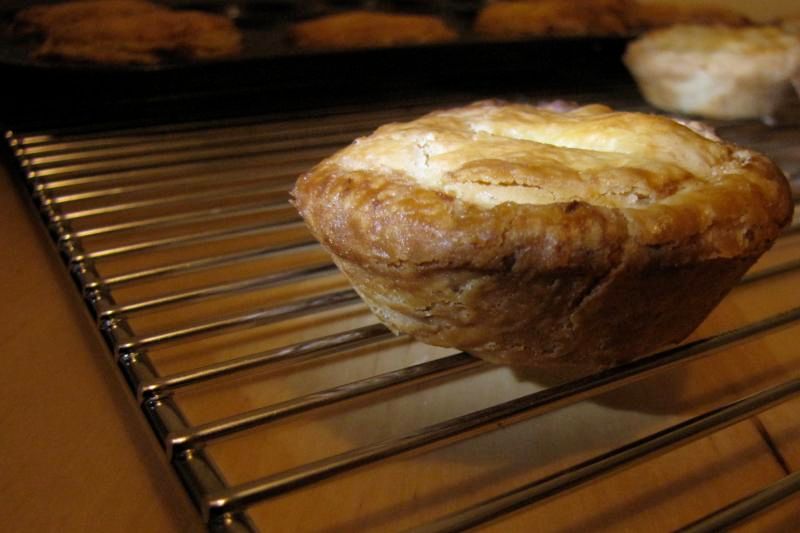
Traditional mincemeat was once exactly what its name suggests: a mixture that included actual meat alongside dried fruit, spices, sugar, and fat. But when meat was expensive, rationed, or simply unavailable, resourceful cooks found ways to keep the familiar pie on the table without it.
Meatless versions leaned heavily on apples, raisins and other dried fruits, along with warming spices such as cinnamon, cloves, and nutmeg. Suet could also be replaced or reduced depending on what a household had available.
The result preserved many of the flavors people associated with traditional mincemeat while dramatically changing what went into the filling. Sweet fruit and strong spices did enough of the work that the missing meat became less important than you might expect.
Wartime cooking made this kind of substitution particularly useful because recipes could be adjusted around ration allowances rather than abandoned altogether. A holiday favorite could survive even when the traditional ingredient list could not.
Modern mincemeat is now commonly sold without meat at all. What began as adaptation helped transform the meaning of the dish itself, leaving many people surprised to learn that meat was ever part of the recipe in the first place.
11. Eggless Mayonnaise
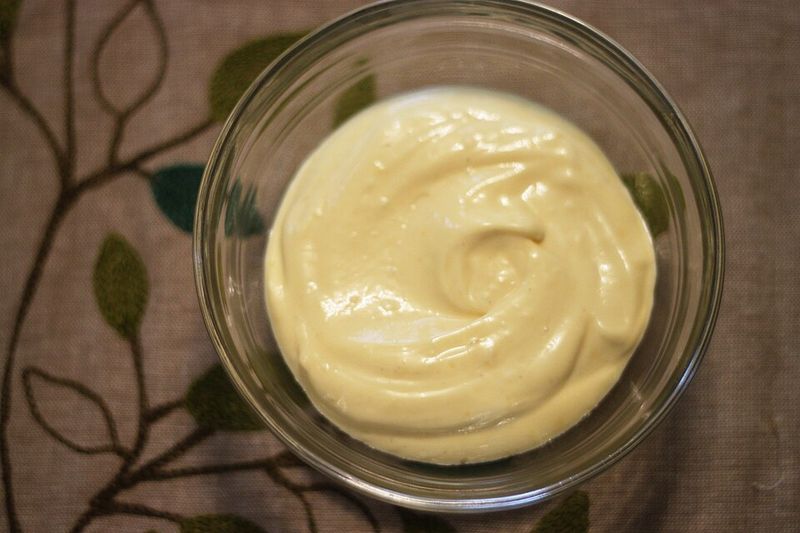
Traditional mayonnaise depends entirely on egg yolks to emulsify oil into a stable, creamy condiment. Remove the eggs and the whole structure falls apart, at least in theory.
Wartime rationing and dietary restrictions gave cooks strong motivation to figure out whether theory could be overruled.
Cooked starch became one of the most effective solutions. When combined with oil, vinegar, and seasonings, a starch-thickened base could hold an emulsion and produce a creamy texture with enough tang to approximate the familiar condiment.
Wartime cookbooks actively promoted this kind of functional substitution, encouraging cooks to focus on what a missing ingredient did rather than what it tasted like.
That shift in thinking was genuinely useful. Once a cook understood that eggs in mayonnaise were performing a structural job, finding something else to perform that job became a solvable problem.
Eggless mayonnaise wasn’t perfect, but it allowed familiar sandwiches, salads, and spreads to continue appearing on tables during periods when eggs were too valuable to use casually in condiments.
12. Mock Cream
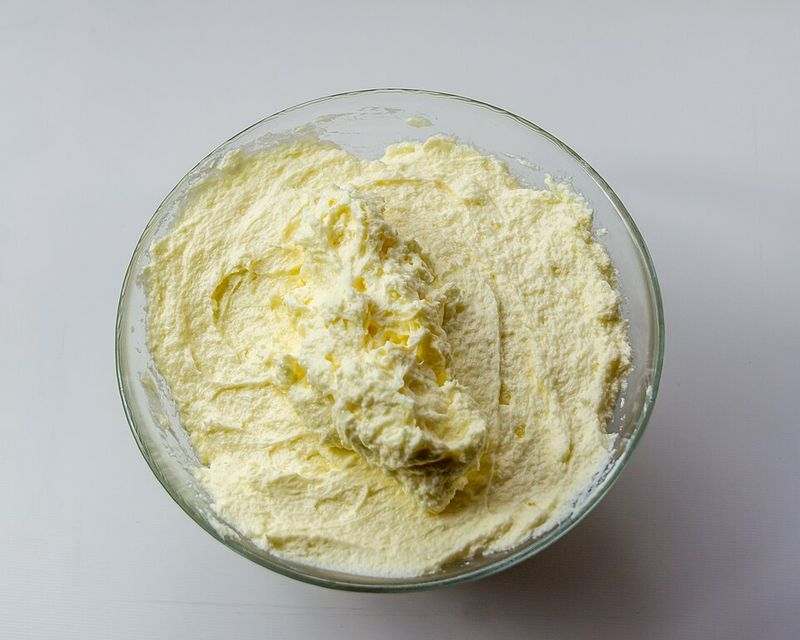
Fresh dairy cream disappeared from many kitchens during wartime rationing, not because it was forgotten but because it was restricted. Cream required whole milk in significant quantities at a time when dairy resources were being carefully managed and distributed.
Home bakers who depended on cream for fillings, toppings, and enriched batters had to improvise. Mock cream recipes combined available fats like margarine with milk powder, sugar, and sometimes a little starch to produce a spreadable mixture that could fill a sponge cake or top a simple dessert.
The texture and richness varied depending on the recipe and available ingredients.
Nobody pretended mock cream was identical to whipped dairy cream. The practical value was that it allowed ordinary celebrations to continue.
A birthday cake with imitation cream filling was still a birthday cake, and during wartime that distinction carried real weight. Familiar foods provided continuity when much of daily life was disrupted, and mock cream played a quiet but consistent role in keeping domestic routines intact throughout some of the 20th century’s most difficult years.
13. Potato Pastry
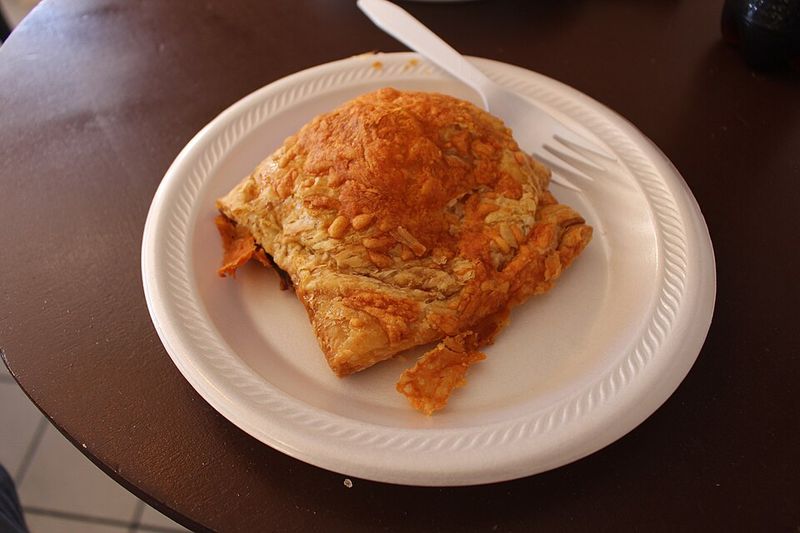
Wheat flour sits at the foundation of pastry, bread, and countless other foods, which made flour rationing during both World Wars a particularly serious challenge for home bakers. Reducing dependence on flour required finding something that could add bulk, structure, and moisture to doughs without requiring the same quantities of the scarce ingredient.
Cooked mashed potato turned out to be a surprisingly effective solution. Incorporated into pastry dough, it reduced the amount of flour needed while adding tenderness and a slightly denser texture.
Wartime cookbooks and government food guides actively promoted potato-extended recipes as a practical way to stretch limited supplies.
Potato pastry could be used for savory pies, turnovers, and hand-held pastries. It behaved differently from conventional pastry, requiring some adjustment in technique, but it produced results that were genuinely satisfying.
The broader lesson was one that wartime cooks learned repeatedly: recipes are frameworks, not fixed rules. When the flour tin ran low, the potato bin offered an answer, and a practical cook knew exactly what to do with it.
Share this story