Scotland’s landscape holds stories that most history books can barely contain. From misty Highland moors to dramatic castle ruins, the country is dotted with places where pivotal moments were decided by sword, cannon, and sheer determination.
These destinations are not just scenic stops on a road trip. They are the actual ground where Scotland’s identity was shaped, contested, and sometimes nearly lost.
Whether you are a history enthusiast, a casual traveler, or someone who simply wants to understand why Scotland feels so different from anywhere else, this list gives you 13 real places where the past is still very much present. Each site connects to a specific battle or rebellion that changed the course of Scottish history, and most of them are open and easy to visit today.
Culloden Battlefield, Inverness
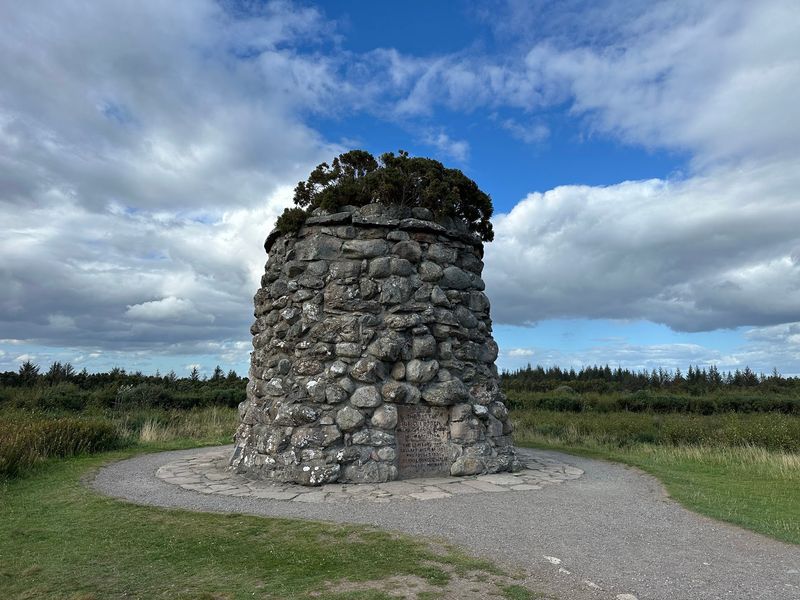
Walking across Culloden Battlefield feels like stepping into a moment that never fully ended. On April 16, 1746, Jacobite forces loyal to Charles Edward Stuart faced the government army of the Duke of Cumberland here on Drummossie Moor.
The fighting lasted less than an hour, but its consequences reshaped the Highlands forever.
Historic Environment Scotland describes Culloden as the site of the final battle of the last Jacobite Rising and the last pitched battle fought on British soil. The clan memorial stones scattered across the field identify where different Highland regiments fell, and the tall stone cairn at the center of the site remains a deeply moving landmark.
The modern visitor centre holds weapons, artefacts, and interactive exhibits presenting accounts from both sides of the conflict. The battlefield itself is open daily year-round, while the visitor centre operates seasonally adjusted daily hours.
Advance booking is a good idea during busy summer months.
Battle of Bannockburn, Stirling
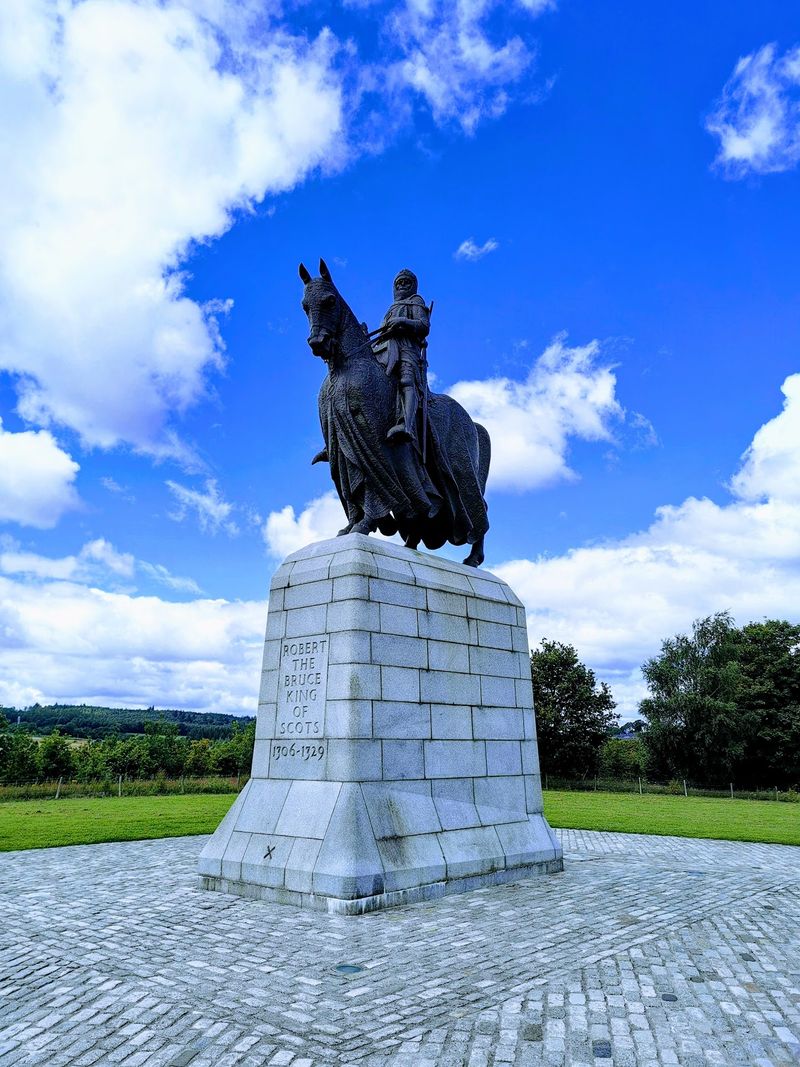
Robert the Bruce is practically inseparable from the ground at Bannockburn, and for good reason. On June 23 and 24, 1314, his Scottish forces defeated the far larger army of England’s Edward II near Stirling, helping secure Bruce’s position as king and strengthening Scotland’s long struggle for independence.
The National Trust for Scotland describes Bannockburn as one of the country’s most defining historic locations. Visitors can walk the battlefield landscape and view the striking equestrian statue of Robert the Bruce, which has become one of Scotland’s most recognized historic monuments.
One important note for 2026 visitors: the existing visitor centre is scheduled to close by October 1, 2026 for a major redevelopment expected to last until around mid-2028. The battlefield grounds will remain accessible during construction, though access near the Rotunda may occasionally be limited.
Check the National Trust for Scotland website before planning your visit to get the latest updates.
Killiecrankie, Perthshire
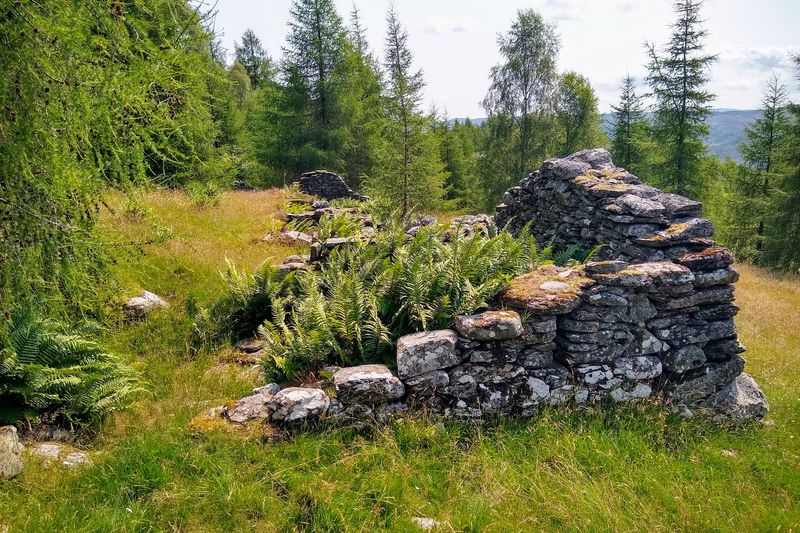
A wooded gorge might seem like an unlikely stage for military history, but Killiecrankie witnessed one of the first dramatic clashes of the Jacobite era. In 1689, Jacobite forces led by John Graham of Claverhouse, Viscount Dundee, defeated a larger government army in fierce fighting here during the first Jacobite Rising.
Dundee, remembered as Bonnie Dundee, was killed during the battle even though his side won.
What makes Killiecrankie especially appealing for travelers is that the history and the Highland scenery genuinely complement each other. Walking routes lead through ancient woodland and along the river gorge, while interpretation panels explain the battle and the key figures involved.
The National Trust for Scotland operates a visitor centre and café at the site, and the wider Killiecrankie grounds remain accessible throughout the year. Combining a history stop here with the short drive to Dunkeld, which also saw Jacobite conflict just weeks later, makes for a well-rounded Perthshire day out.
Glenfinnan Monument, Lochaber
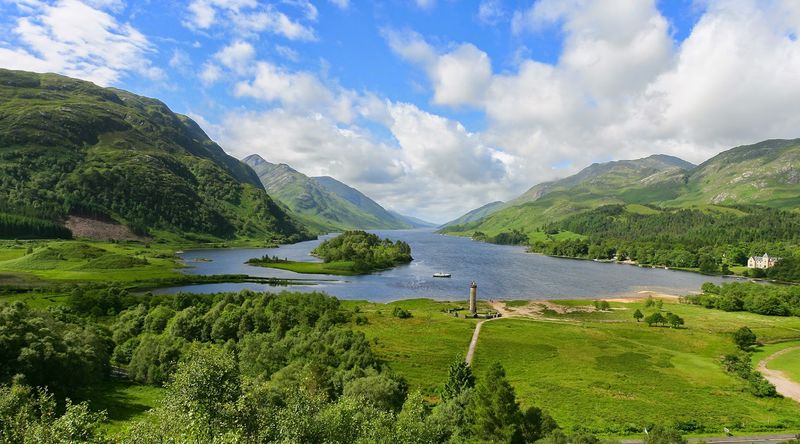
Standing at the head of Loch Shiel with mountains rising on all sides, the Glenfinnan Monument marks the place where the final Jacobite Rising truly began. On August 19, 1745, Charles Edward Stuart raised his father’s standard here and gathered Highland supporters for the campaign that would take the Jacobite army through Edinburgh and as far south as Derby before ending at Culloden.
Historic Environment Scotland records Glenfinnan as the location of that famous standard-raising. The National Trust for Scotland operates a visitor centre, café, and monument access in 2026, while the surrounding grounds are open daily throughout the year.
An exhibition inside explains Bonnie Prince Charlie, the Jacobite cause, and the 1745 gathering in accessible detail.
The famous Glenfinnan Viaduct sits nearby, making this one of the most photographed corners of the Highlands. Visitors who time their trip around the steam train schedule can see the viaduct in action, which adds a completely different layer to an already memorable stop.
Ruthven Barracks, Kingussie
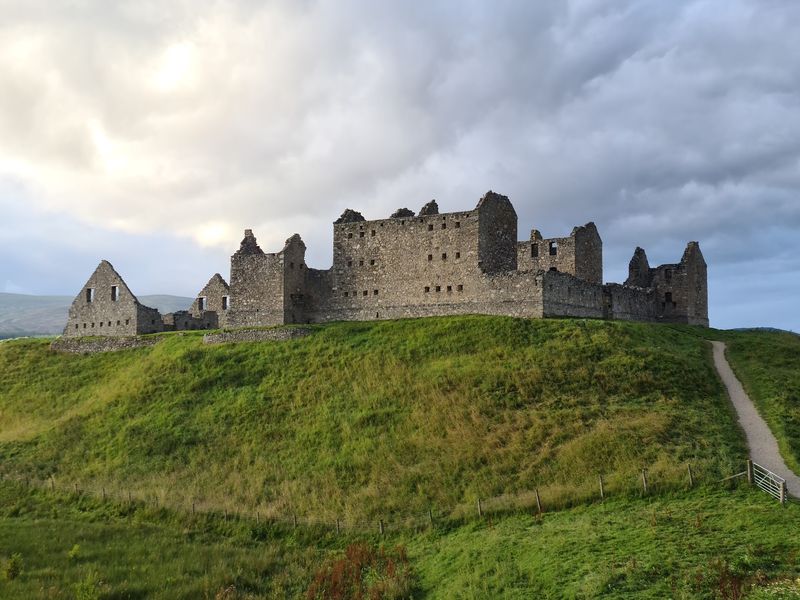
Ruthven Barracks tells a story that most visitors do not expect when they first spot the ruins rising on a prominent mound outside Kingussie. Built between 1719 and 1721 following the failed Jacobite Rising of 1715, the barracks were designed to house government troops enforcing authority and the Disarming Act across the Highlands.
The site became directly involved in the 1745 Rising as well. Around 300 Jacobites attacked the barracks in August 1745 but failed to take them from a tiny garrison.
The Jacobites returned the following year with heavier equipment and forced a surrender. After Culloden, surviving Jacobite forces gathered at Ruthven before receiving Charles Edward Stuart’s order to disperse, making this the quiet, melancholy endpoint of the entire Rising.
Ruthven Barracks are free to visit and officially open year-round. The atmospheric setting, with moorland stretching in every direction, gives the ruins a lonely quality that actually suits the history quite well.
Stirling Castle, Stirling
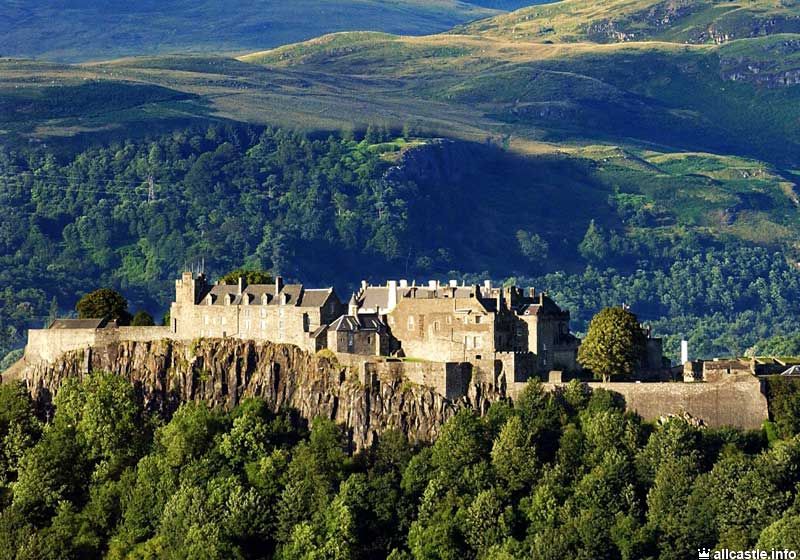
Control of Stirling Castle once meant control of Scotland, and that is not an exaggeration. Its position above the River Forth made it strategically vital for centuries, and the fortress changed hands repeatedly as English and Scottish forces fought for dominance of the country during the Wars of Independence.
Two of Scotland’s most celebrated medieval victories happened within sight of these walls. William Wallace defeated an English army at Stirling Bridge in 1297, and Robert the Bruce defeated Edward II at Bannockburn in 1314.
Bruce later ordered Stirling Castle’s own defenses destroyed to prevent English forces from reoccupying it.
Today the castle is a fully operating Historic Scotland attraction, open daily with longer hours from April through September. The restored royal palace, Great Hall, defensive walls, and exhibitions covering centuries of Scottish history make this one of the most complete historic sites in the country.
Combining it with Bannockburn and Doune in a single day is very manageable from Stirling city centre.
Edinburgh Castle, Edinburgh
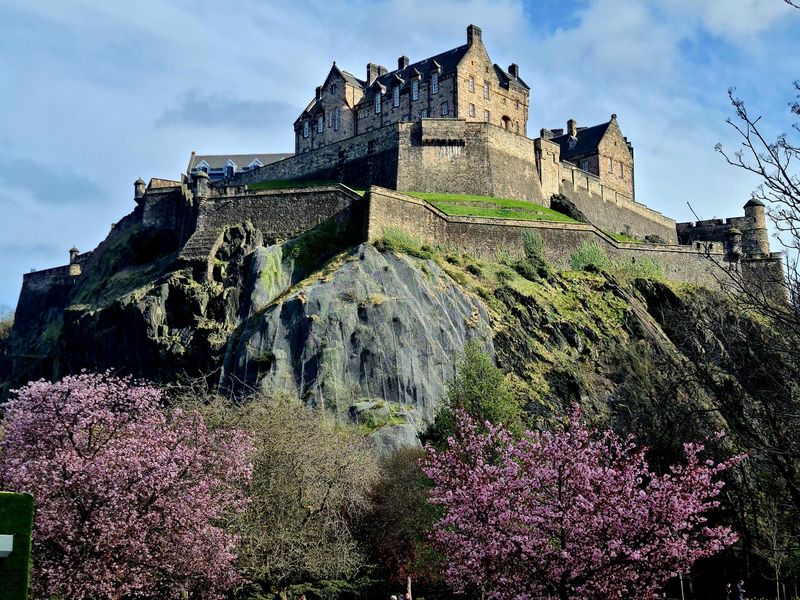
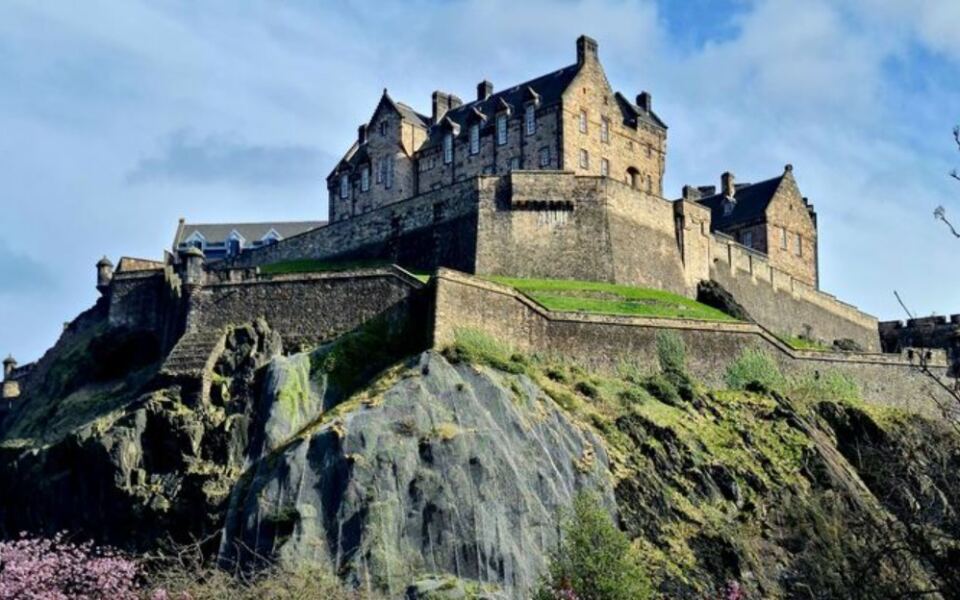
Edinburgh Castle has been fought over, besieged, and contested for so many centuries that picking just one dramatic episode is genuinely difficult. During the Wars of Independence, English and Scottish forces repeatedly struggled for control of the fortress.
One of the most remarkable moments came in 1314 when Thomas Randolph, Robert the Bruce’s nephew, led a small group up the near-vertical slopes of Castle Rock at night and recaptured the stronghold from its English garrison.
The castle also figured in the 1745 Jacobite Rising. Bonnie Prince Charlie successfully occupied Edinburgh city, but his forces were unable to capture the castle itself, and the government garrison held firm throughout the occupation.
Visitors today can explore the Crown Jewels, military museums, defensive batteries, the Great Hall, and historic royal buildings. Edinburgh Castle remains open daily and still functions as an active military site alongside being one of Scotland’s most visited attractions.
Booking tickets in advance is strongly recommended.
Fort George, Near Inverness
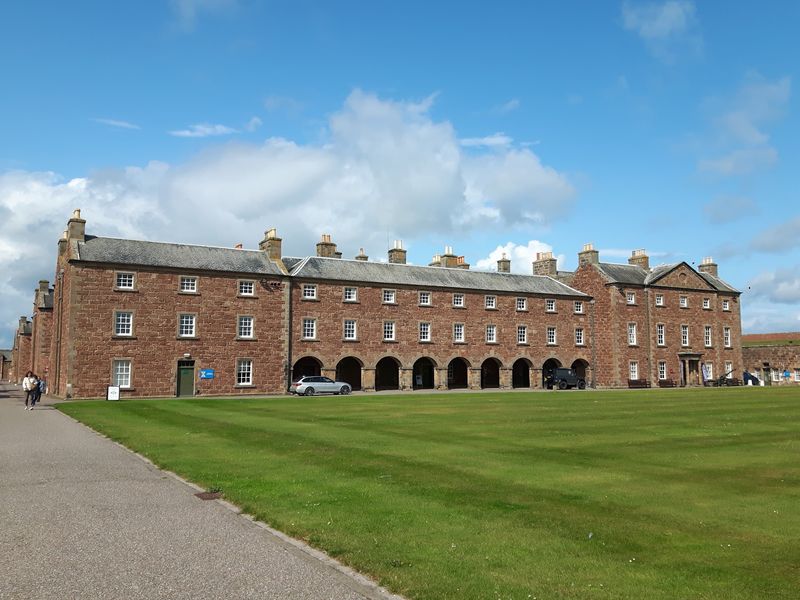
Fort George was not the site of a battle. It was built specifically to make sure another one would never happen.
Following the government victory over the Jacobites at Culloden in 1746, authorities wanted a formidable military base capable of controlling the Highlands and discouraging any future Stuart uprising.
The result was one of the most impressive artillery fortresses in Europe. Its walls enclosed accommodation for a large garrison, artillery positions, stores, a chapel, and extensive defensive works overlooking the Moray Firth.
Historic Environment Scotland describes Fort George as one of the key measures introduced to suppress future Jacobite ambitions after Culloden.
Remarkably, Fort George remains an active military establishment today while also welcoming visitors. Historic Scotland currently opens the site daily, allowing travelers to walk the ramparts, explore barrack rooms, and visit museums covering the post-Culloden Highland period and regimental history.
The sheer scale of the fortress is striking, and the views across the Moray Firth add a scenic reward to the history.
Corgarff Castle, Aberdeenshire
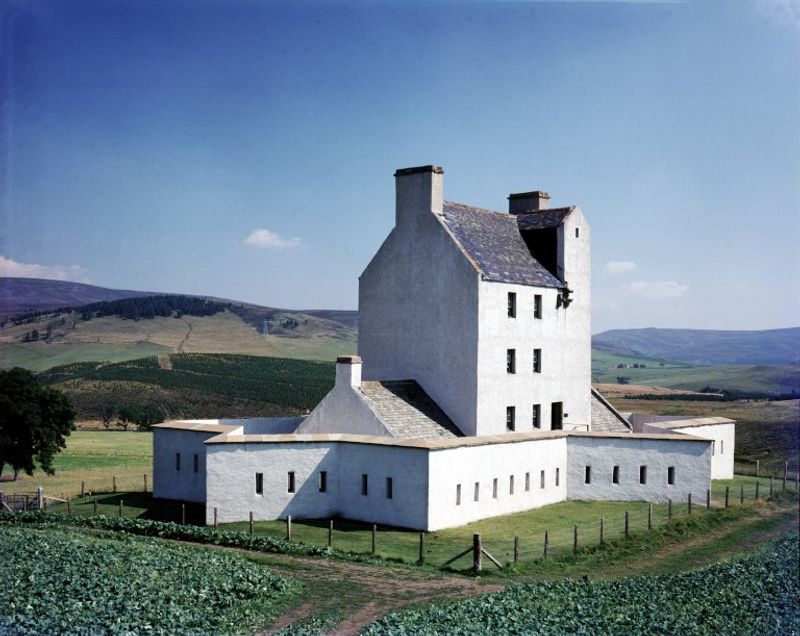
Remote and a little austere, Corgarff Castle does not immediately look like a place with a complicated history, but it has been at the center of conflict more than once. Jacobites burned the castle in both 1689 and 1690 to prevent government forces from using it as a base during the first Jacobite Rising.
After the final Jacobite Rising ended at Culloden, the government converted Corgarff into an army barracks. The unusual star-shaped outer wall dates from this military conversion, when soldiers stationed here were tasked with monitoring Jacobite sympathizers and later with suppressing illegal whisky smuggling through the Highlands.
Reconstructed barrack rooms inside help visitors picture what daily life looked like for troops stationed in this isolated setting.
Corgarff Castle is an operating Historic Scotland attraction. In 2026 it is open on selected days during spring and five days a week from May through September.
Checking the schedule before making the journey out is genuinely worthwhile given the remote location.
Urquhart Castle, Loch Ness
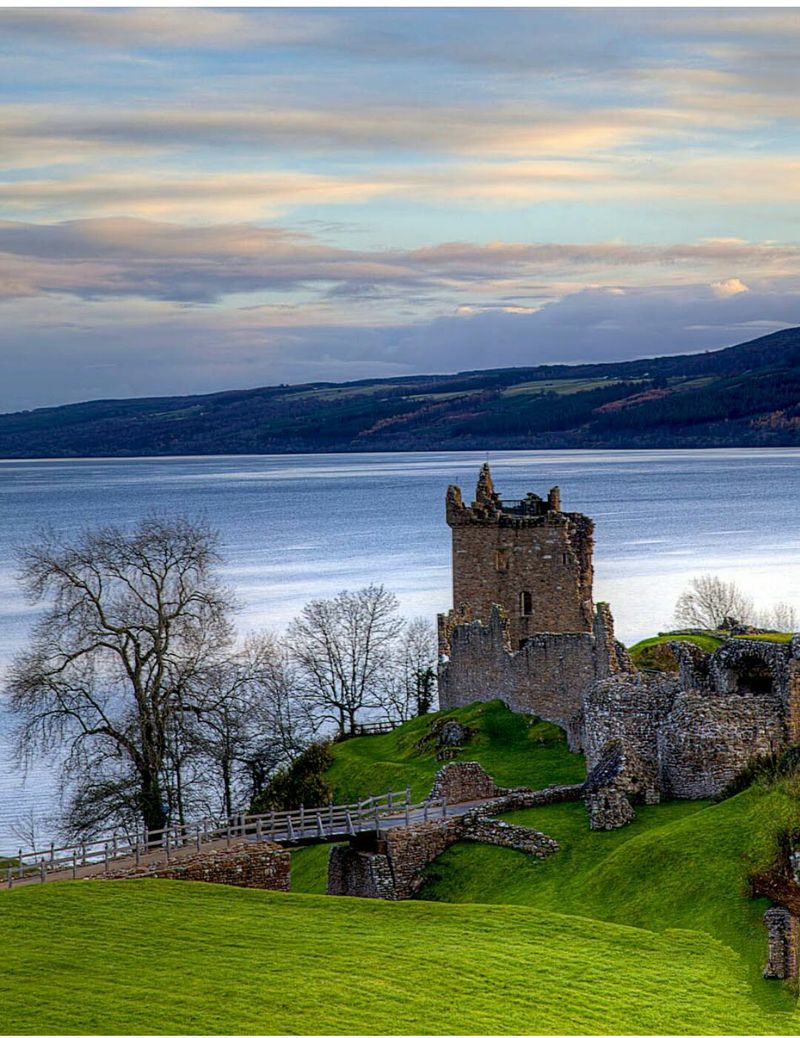
The ruins of Urquhart Castle beside Loch Ness are one of Scotland’s most photographed historic sites, but the Jacobite connection behind the dramatic collapse of the fortress is far less widely known. Following the overthrow of James VII in 1688 and the start of the first Jacobite Rising, government troops occupied Urquhart Castle for over two years because of its strategic position in the Great Glen.
When the garrison finally withdrew in 1692, the soldiers deliberately destroyed sections of the fortress to prevent Jacobite forces from using it. The castle was never rebuilt, and it slowly became the atmospheric ruin that draws visitors from around the world today.
Visitors can explore towers, gateways, and sections of the medieval stronghold while taking in sweeping views across Loch Ness. Urquhart Castle is one of Historic Scotland’s busiest attractions and remains open daily.
Advance reservations are strongly recommended during peak summer months because tickets regularly sell out well before the gates open.
Inverlochy Castle, Near Fort William
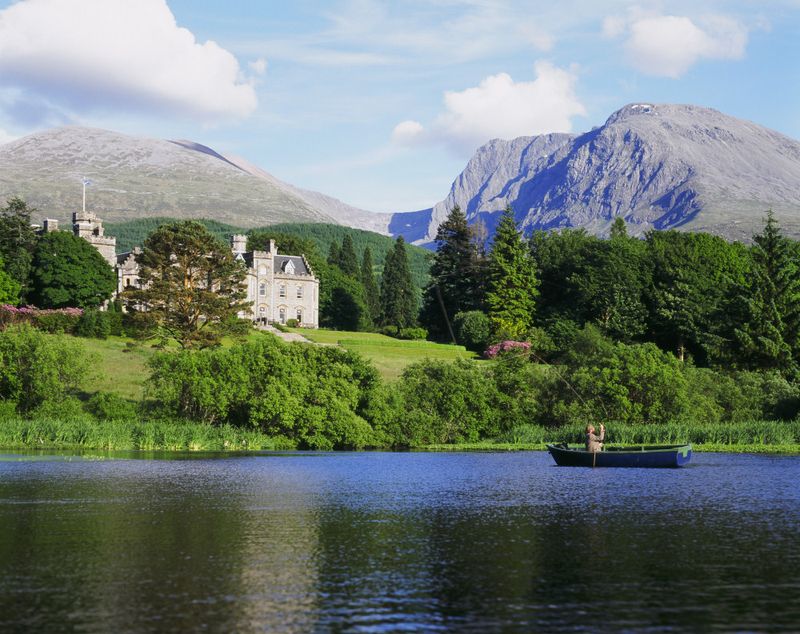
Not many historic sites can claim connections to two separate and historically significant battles, but Inverlochy Castle manages exactly that. The first Battle of Inverlochy in 1431 saw the Scottish Crown’s army suffer a major defeat during conflicts with the powerful Lords of the Isles, with Historic Environment Scotland recording that the royal army camped close to the castle before the fighting.
The second Battle of Inverlochy came in 1645 during the Wars of the Three Kingdoms. Royalist commander James Graham, Marquis of Montrose, defeated a Covenanter army after completing a famously difficult winter march through the Highlands.
Contemporary accounts and battlefield research place part of the Covenanter position around the castle itself.
Conservation work currently prevents entry inside the castle, but Historic Scotland confirms that parts of the grounds remain open and the ruins can be viewed from outside the protective fencing. The backdrop of Ben Nevis makes Inverlochy one of the most dramatically situated castle ruins in Scotland.
Dunkeld, Perthshire
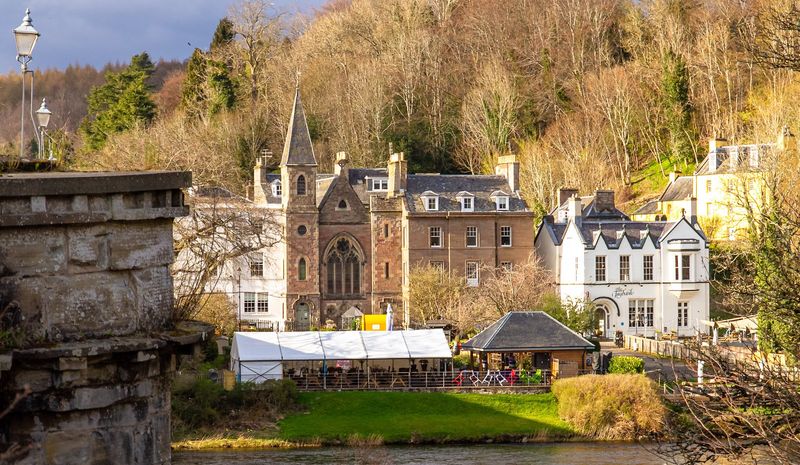
Dunkeld is one of those small Scottish towns that looks peaceful and pretty until you learn what happened on its streets in the summer of 1689. Just weeks after the Jacobite victory at Killiecrankie, thousands of Jacobite fighters descended on the town on August 21, 1689, attacking government troops who had taken up defensive positions inside its buildings.
Fighting spread through the streets, and much of Dunkeld was burned during the struggle. Despite being heavily outnumbered, the government troops held their ground and the Jacobite forces eventually withdrew.
Lieutenant Colonel William Cleland, commander of the Cameronians, was killed during the fighting and was buried at Dunkeld Cathedral. Much of the attractive historic townscape visitors see today was actually rebuilt after the battle.
Dunkeld itself is freely accessible year-round. At Dunkeld Cathedral, the roofless western section is currently closed for conservation work, but Historic Scotland confirms the riverside grounds remain open.
The setting beside the River Tay is genuinely lovely.
Doune Castle, Stirling
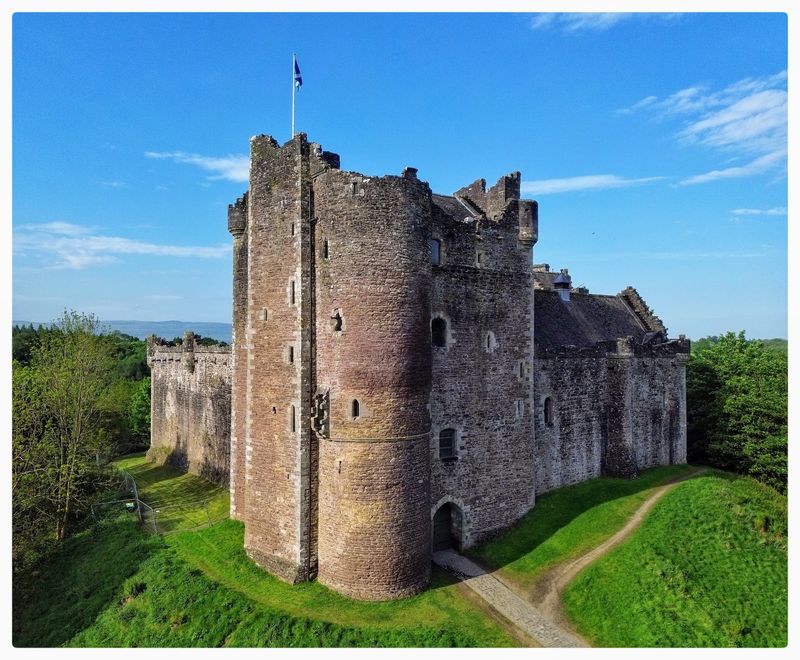
Doune Castle is far older than the Jacobite era, but the Rising of 1745 found a use for it anyway. Historic Environment Scotland records that the castle was used to imprison captives during the Jacobite uprising as Bonnie Prince Charlie’s forces moved through central Scotland.
Its position near important routes through the region gave it strategic value long before the eighteenth century.
The castle itself dates from the late fourteenth century and is one of the best-preserved medieval tower houses in Scotland. Visitors can explore the imposing gatehouse, courtyard, and medieval interiors while learning about the castle’s many roles over the centuries as a noble residence, royal retreat, military stronghold, and temporary prison.
Doune Castle is also one of the most practical stops on this list for travelers building a Stirling-area itinerary. It pairs naturally with Stirling Castle and the Bannockburn site for a full day of connected history.
Historic Scotland operates the castle daily, with longer hours from April through September and reduced winter hours.
Share this story