World War II touched the lives of millions of people, including some of the most famous names in entertainment, literature, and military history. Many of these well-known figures served bravely, risked everything, or made sacrifices that few people today fully realize.
Some survived the war and went on to live long lives, while others were not so fortunate. Looking at the wartime stories behind familiar names gives us a much richer picture of how deeply the conflict reached into every corner of society.
Whether they flew combat missions, worked behind enemy lines, or supported the war effort from home, each person on this list has a story worth knowing.
Leslie Howard
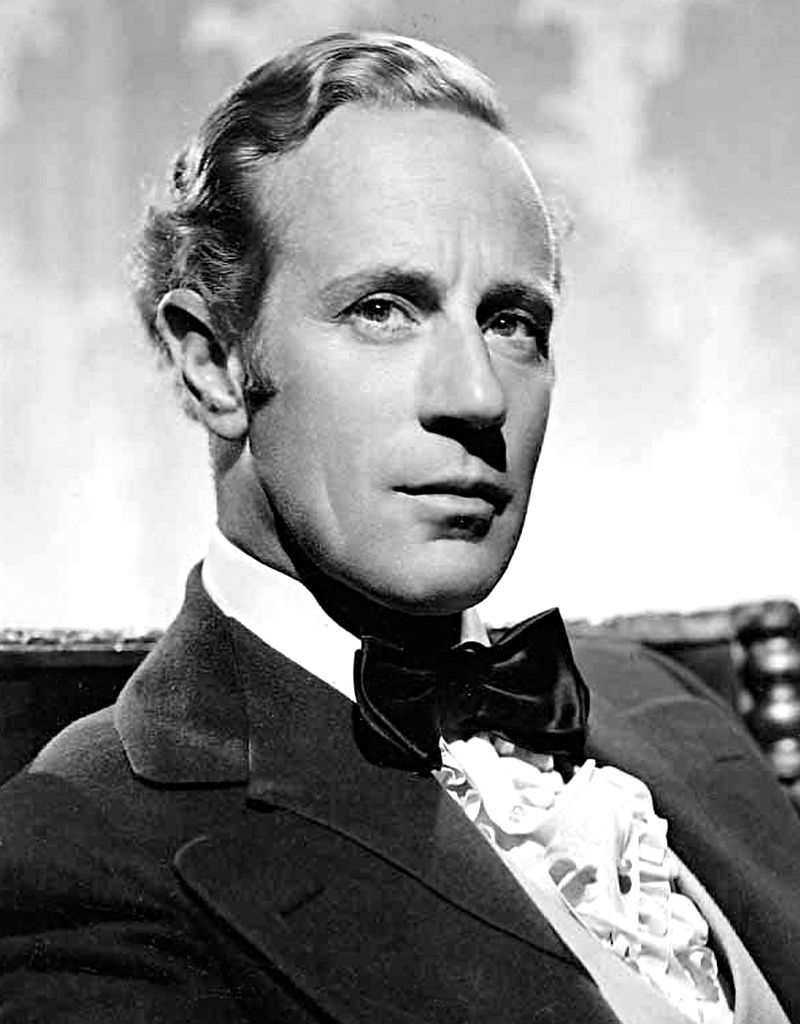
Most moviegoers remember Leslie Howard as the soft-spoken Ashley Wilkes from Gone with the Wind, but his final chapter had nothing to do with Hollywood glamour. By 1943, Howard was traveling through neutral Portugal as part of Britain’s broader effort to promote its cause abroad during the war.
On June 1, 1943, he boarded BOAC Flight 777 in Lisbon, bound for Britain. German Luftwaffe fighters attacked the unarmed civilian aircraft over the Bay of Biscay, and all 17 people aboard were killed.
Howard was among them.
Various theories have circulated for decades about why the plane was targeted, including speculation that German intelligence may have believed a more prominent British figure was aboard. None of those theories have been conclusively proven.
What remains certain is that one of Britain’s most internationally recognized actors lost his life when wartime violence reached a scheduled civilian flight.
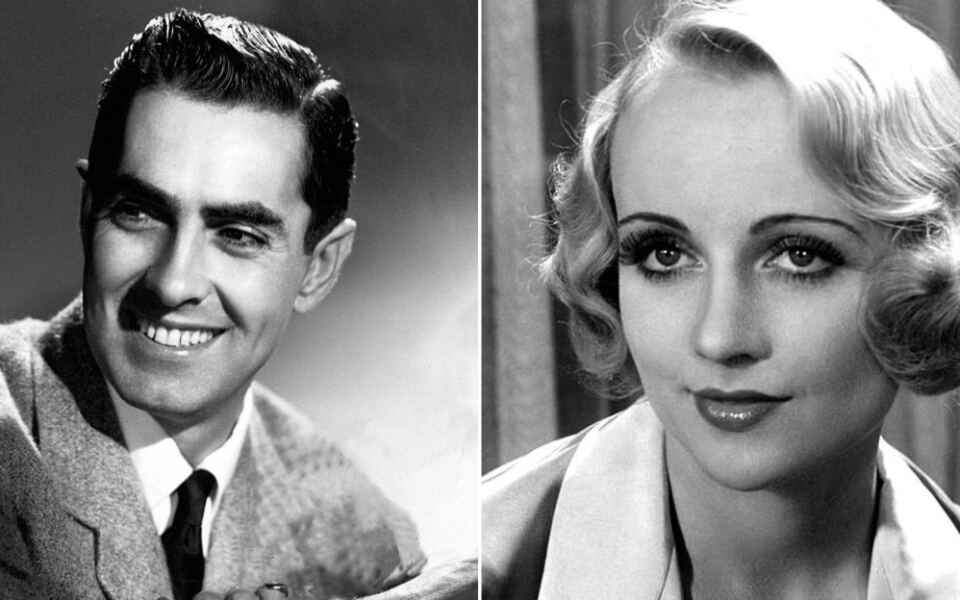
Carole Lombard
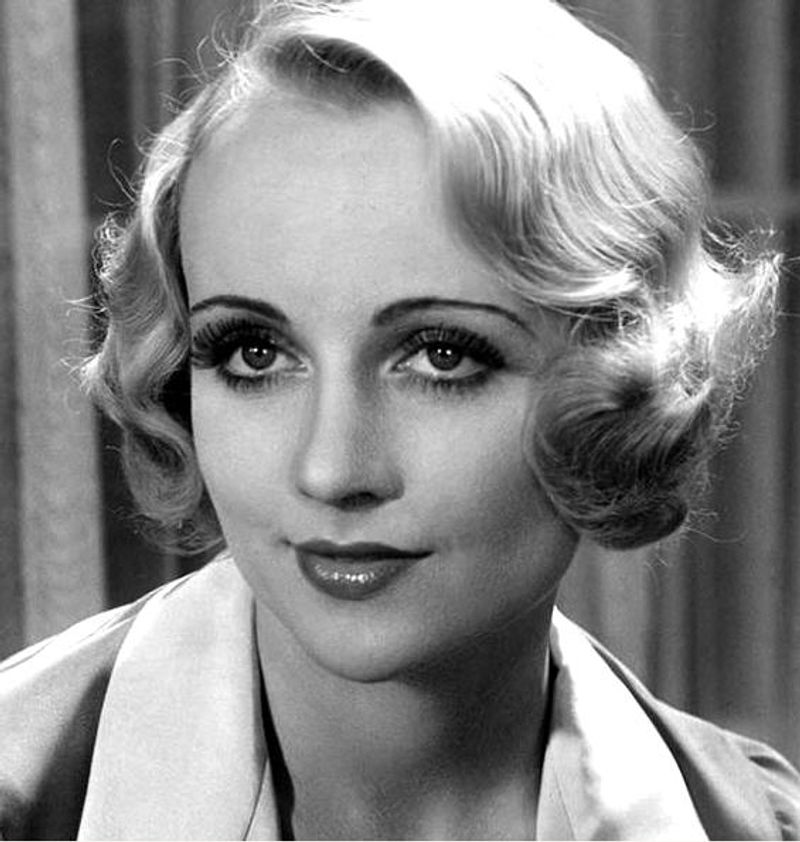
Carole Lombard was one of Hollywood’s brightest stars when the United States entered World War II in December 1941. Just weeks later, she was already on the road supporting the war effort.
In January 1942, she traveled to Indiana to promote defense bonds and helped raise more than two million dollars in sales during the campaign.
On January 16, 1942, she boarded TWA Flight 3 for the return trip toward California. The aircraft crashed into a mountain southwest of Las Vegas, killing everyone aboard, including Lombard, her mother, and several U.S. military personnel.
She was only 33 years old.
Her death shocked the country just weeks after the United States had formally entered the war. Lombard became one of the earliest major American entertainment figures connected to the wartime home-front campaign, and her commitment to the effort made the loss feel especially significant to a grieving public.
Glenn Miller
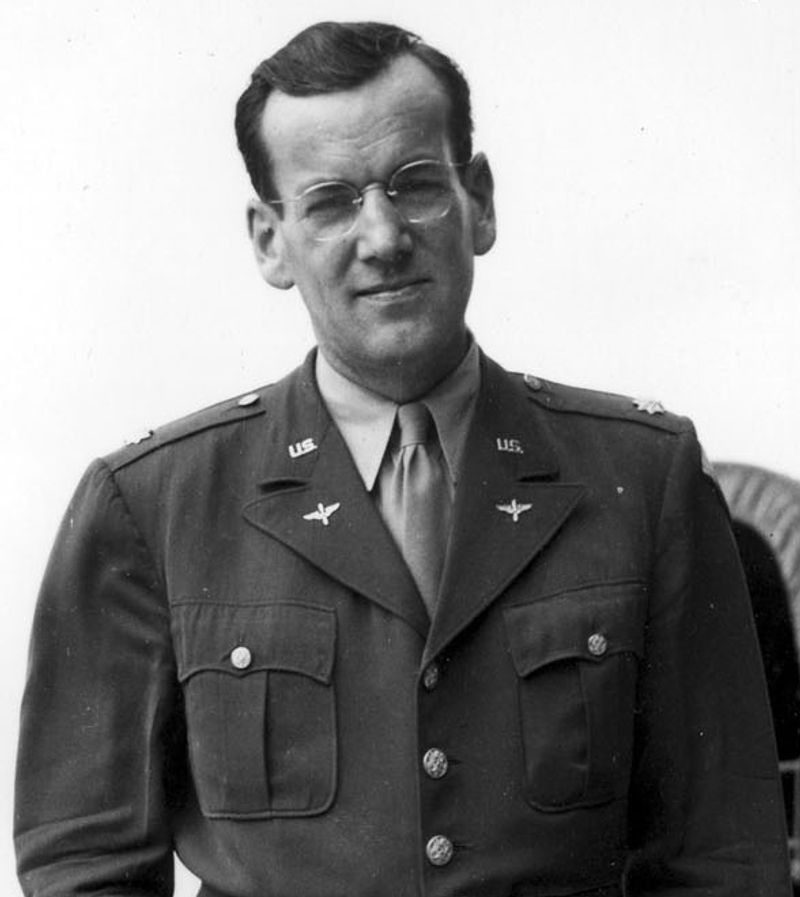
Glenn Miller could have sat out the war in comfort. At the height of his fame, with recordings like In the Mood already defining an era, he walked away from civilian success and joined the U.S. military instead.
He eventually led the Army Air Forces Band, using music to lift the spirits of troops stationed across Britain.
On December 15, 1944, Miller boarded a small UC-64A Norseman in England for a flight to France, where his orchestra was preparing to perform. The aircraft vanished while crossing the English Channel.
Miller, pilot John Morgan, and Lieutenant Colonel Norman Baessell were never found.
Decades of theories have attempted to explain the disappearance, but no conclusive answer has ever emerged. Miller was officially listed as lost in action during the final months of the war in Europe.
His wartime service represented a genuine sacrifice made at the peak of his career.
Antoine de Saint-Exupery
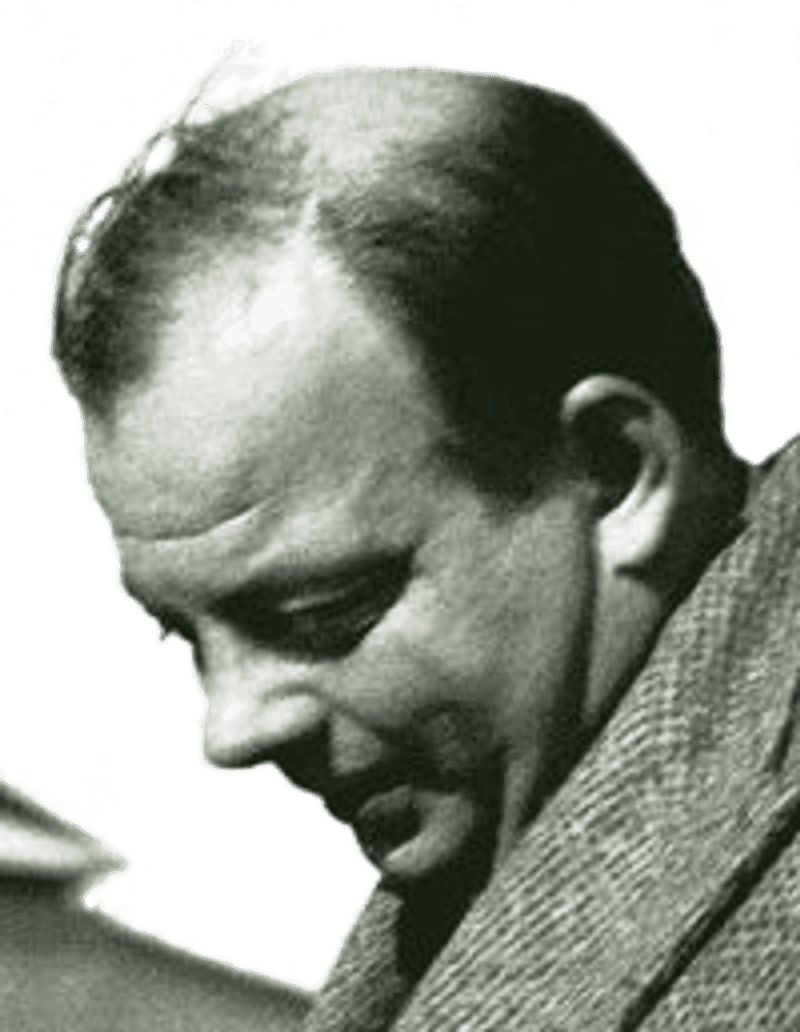
Antoine de Saint-Exupery is best known for writing The Little Prince, but his life was built as much around aviation as around literature. When World War II came, he did not stay at his writing desk.
Despite being older than most pilots in active service, he pushed to fly reconnaissance missions for the Allied cause.
On July 31, 1944, he took off from Corsica in a P-38 Lightning on a photographic intelligence mission over southeastern France. The assignment was connected to preparations for the Allied invasion of southern France.
He never returned.
Decades later, pieces of evidence linked to his disappearance were found near Marseille, including an identification bracelet and aircraft wreckage. French military historians note that the precise circumstances of the crash still remain uncertain.
Saint-Exupery’s final act was not creative but military, gathering intelligence from the air over his occupied homeland.
Joseph P. Kennedy Jr.
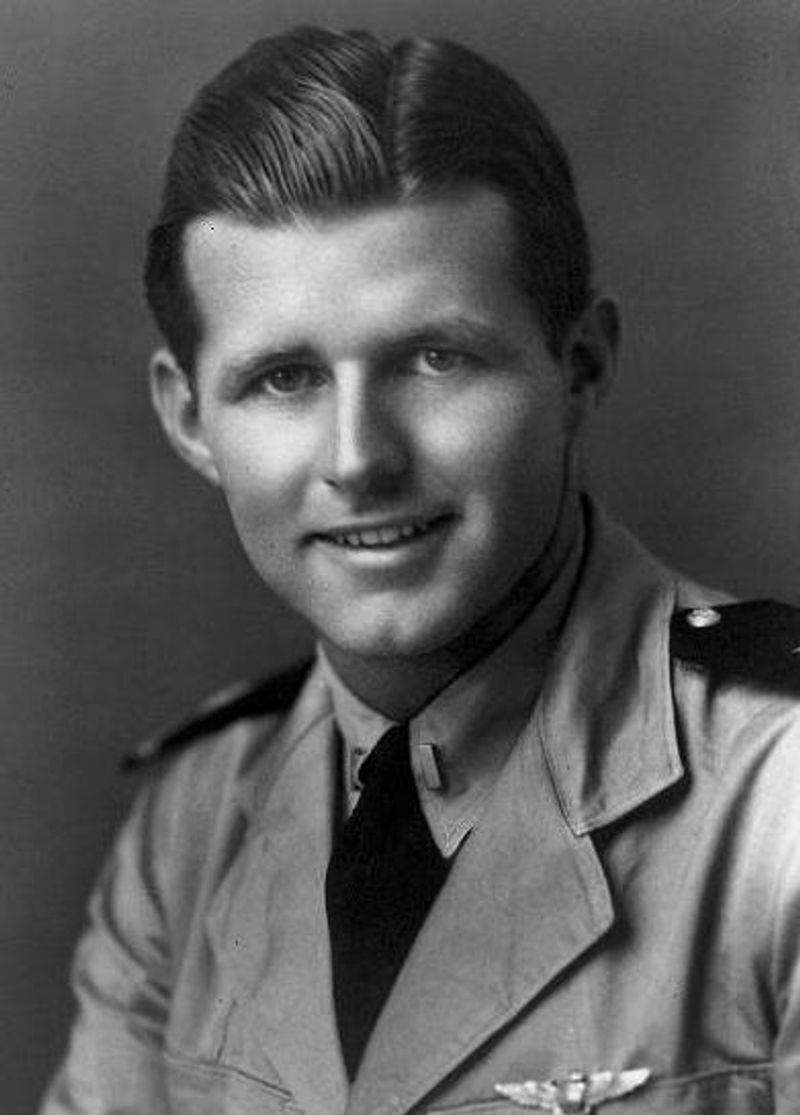
Before John F. Kennedy became the most famous member of the family, his older brother Joseph was the one expected to enter politics and carry the Kennedy name into public life.
World War II permanently changed that plan. Joseph became a naval aviator and completed a full tour of duty before volunteering for an even more dangerous assignment.
He signed on for Operation Anvil, a program that used explosive-packed aircraft against heavily fortified targets. On August 12, 1944, Kennedy and Lieutenant Wilford Willy took off in a modified B-24 carrying more than 20,000 pounds of explosives.
The plan called for the crew to activate a remote-control system and parachute to safety before the aircraft continued to its target.
The explosives detonated prematurely before either man could escape. Both were killed instantly.
Joseph Kennedy Jr. was 29 years old. His death reshaped the direction of an entire family’s political legacy.
Tyrone Power
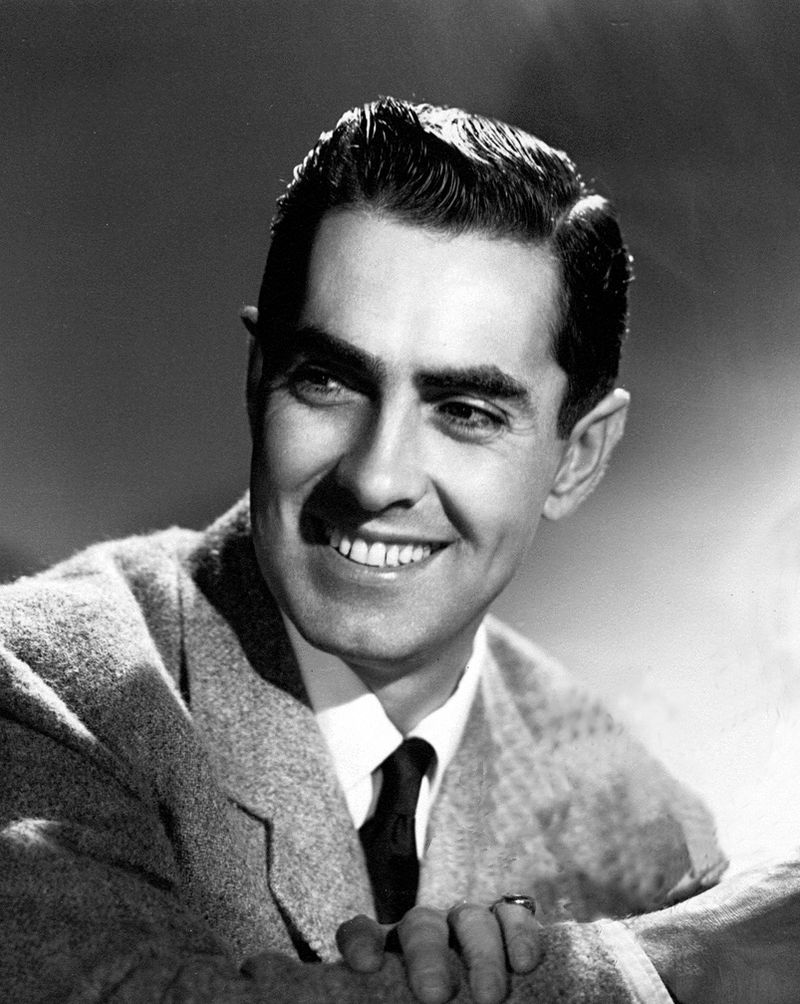
Tyrone Power was one of Hollywood’s biggest box-office draws when he walked away from the studio to join the U.S. Marine Corps.
Rather than accepting a comfortable publicity role, he trained as an aviator and served in actual combat conditions. During the Okinawa campaign, Power flew transport missions carrying wounded personnel away from the front lines.
His wartime service was real and carried genuine risk, but Power survived the conflict and returned to acting after the war. He went on to appear in major productions, including Witness for the Prosecution, released in 1957.
Power’s connection to World War II is a story of service, not of wartime loss. He died on November 15, 1958, at age 44, after suffering a heart attack in Madrid while filming a sword-fighting sequence for Solomon and Sheba.
His military record deserves recognition on its own terms, separate from any confusion about how his life ended.
Robert Capa
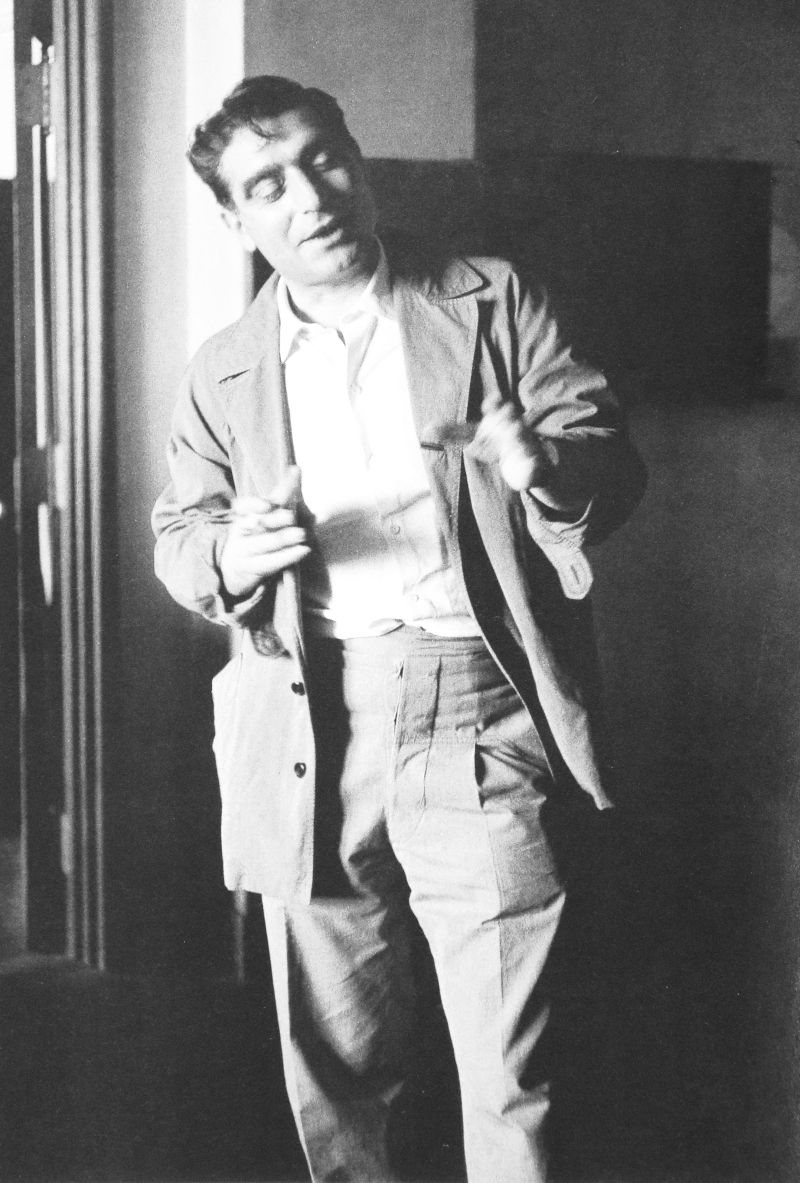
Robert Capa produced some of the most powerful photographs to come out of World War II. His images from the D-Day landings at Omaha Beach on June 6, 1944, remain among the most studied war photographs ever taken.
Capa was physically present during the assault, working under fire to document what the soldiers around him were experiencing.
He survived that day and the rest of the war in Europe. After the conflict ended, Capa co-founded Magnum Photos in 1947 and continued building one of the most respected careers in photojournalism.
His life ended while covering a different conflict entirely. On May 25, 1954, while working with French forces near Thai Binh during the First Indochina War, Capa stepped on an anti-personnel mine and died from his injuries.
His connection to World War II is defined by his extraordinary documentation of it, not by a wartime death.
Noor Inayat Khan
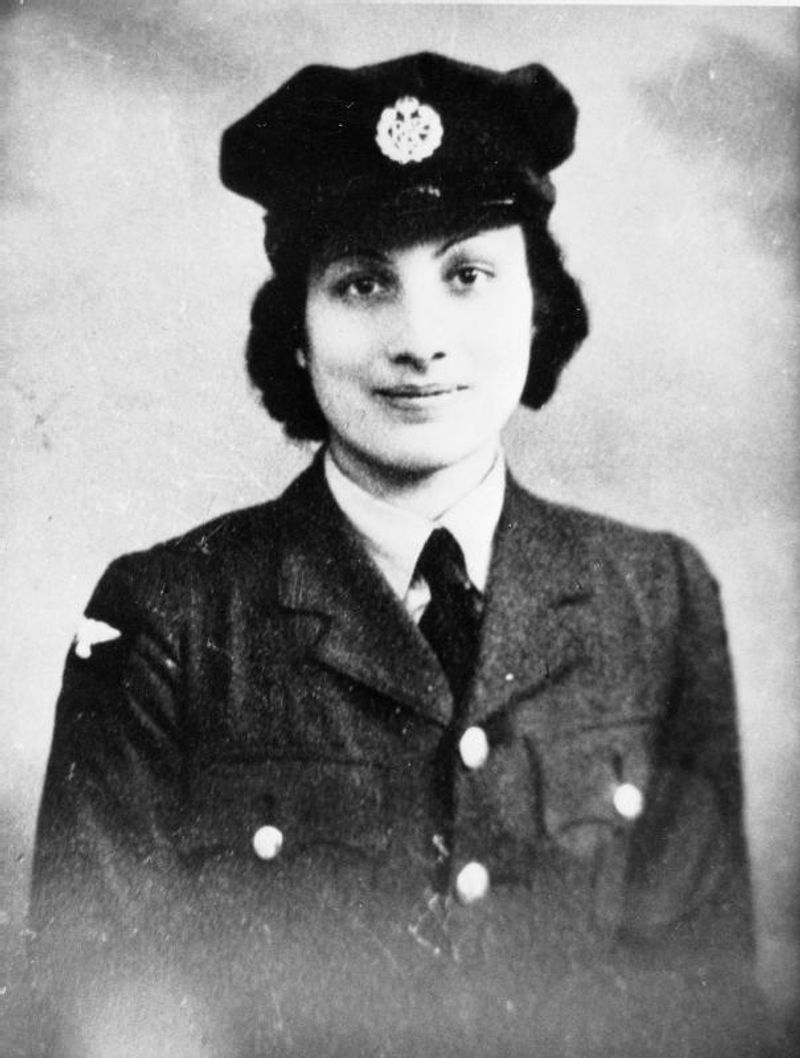
Noor Inayat Khan’s wartime story is one of the most courageous in British Special Operations Executive history. Born into a prominent family with Indian and American roots, she trained as a wireless operator and was sent into Nazi-occupied France in 1943.
Maintaining radio contact with London was among the most dangerous assignments an agent could carry out.
German forces actively hunted radio operators by tracing their transmissions. Even after other members of her network had been arrested, Khan continued working rather than retreating to safety.
She was eventually captured, and German records later described her as an extremely difficult prisoner who made repeated escape attempts.
After imprisonment in Germany, Khan was transferred to Dachau concentration camp. On September 13, 1944, she was murdered there along with fellow SOE agents Yolande Beekman, Madeleine Damerment, and Eliane Plewman.
Dachau’s memorial site today commemorates the four women and their resistance work in occupied France.
Jean Moulin
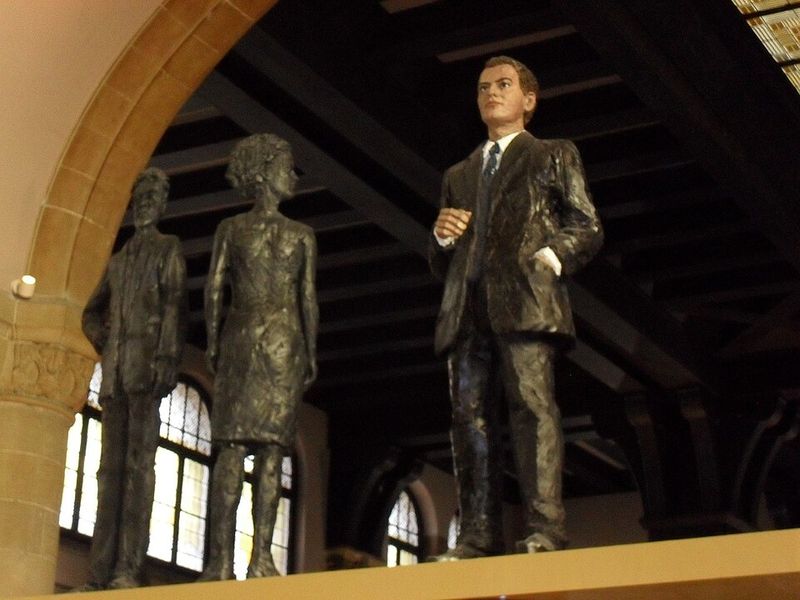
Jean Moulin’s name is practically synonymous with the French Resistance. Working directly for Charles de Gaulle in London, Moulin took on the nearly impossible task of uniting France’s fragmented and often competing underground resistance movements into a single coordinated force.
He helped establish the National Council of the Resistance in May 1943.
That achievement made him one of the most wanted men in occupied France. On June 21, 1943, the Gestapo arrested Moulin and several other Resistance leaders during a meeting at Caluire, near Lyon.
What followed was brutal. He was repeatedly tortured during interrogations associated with Gestapo chief Klaus Barbie, but he never gave up the information his captors wanted.
Moulin died from injuries sustained during that abuse, probably on July 8, 1943, while being transported toward Germany. Decades later, his remains were symbolically transferred to the Pantheon in Paris, honoring his place among France’s most respected historical figures.
Witold Pilecki
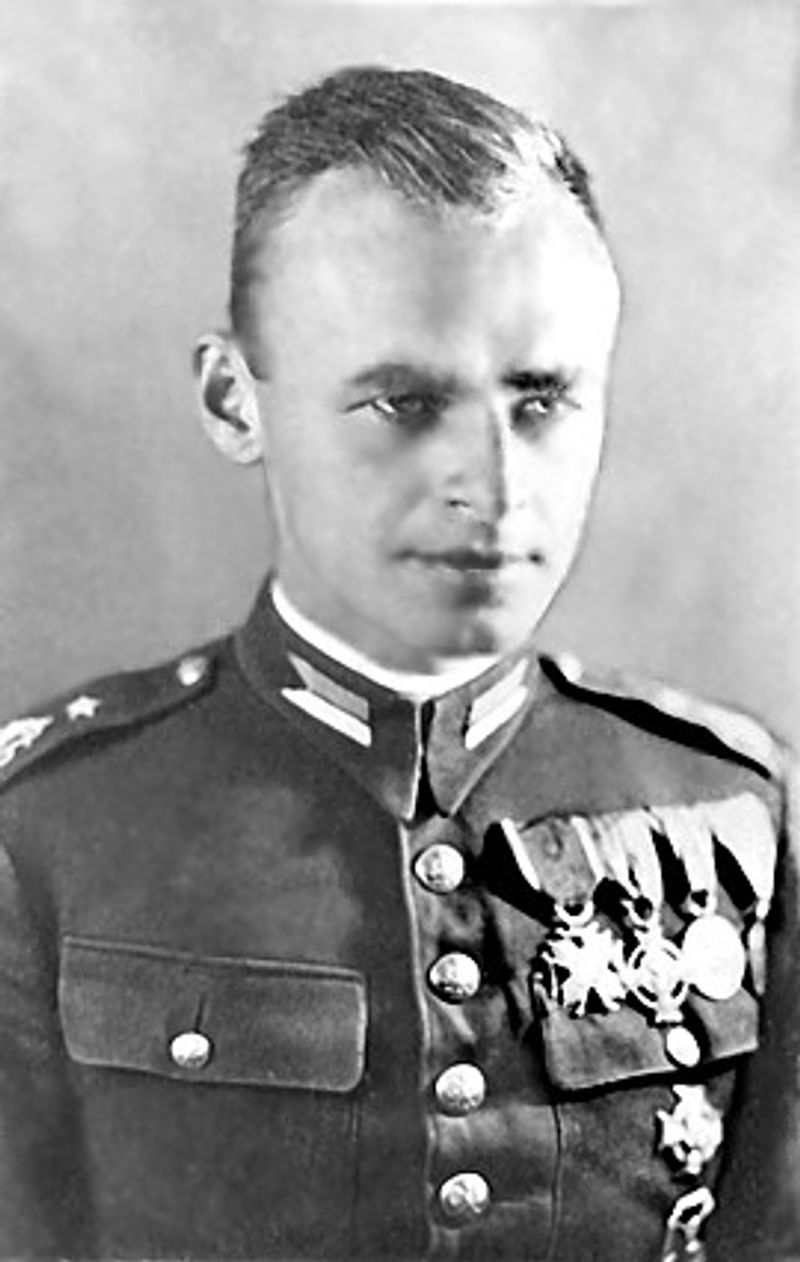
Few wartime acts required more deliberate courage than what Witold Pilecki chose to do. The Polish resistance officer voluntarily allowed himself to be captured during a German street roundup in Warsaw in 1940 so that he could be sent to Auschwitz.
His goal was to establish an underground resistance network inside the camp and send intelligence reports about conditions there to the outside world.
He succeeded on both counts, escaping from Auschwitz in 1943 and later fighting in the Warsaw Uprising. But Pilecki was not killed during World War II.
After the war, Poland’s communist government arrested him on fabricated charges.
Following imprisonment, torture, and a politically motivated trial, he was sentenced to death and executed at Mokotow Prison in Warsaw on May 25, 1948. The Auschwitz-Birkenau Memorial recognizes him as an organizer of underground resistance inside the camp and records his postwar execution by communist authorities.
Hannah Szenes
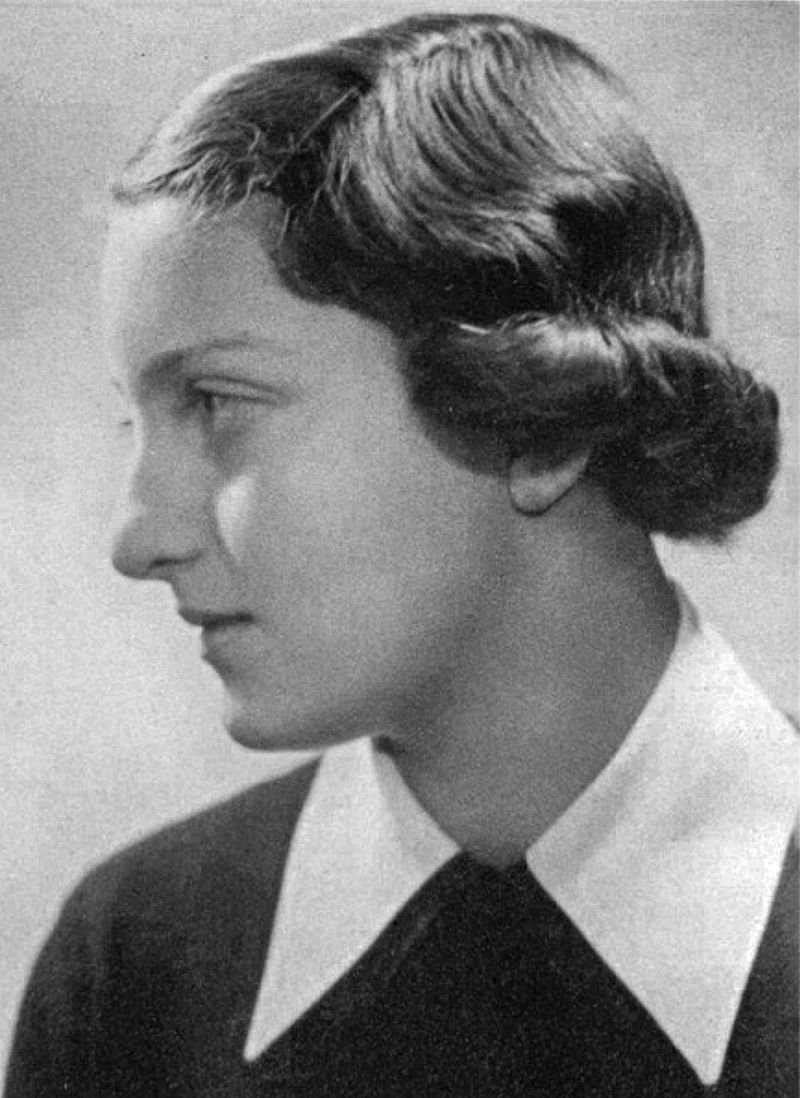
Hannah Szenes was 23 years old when she was executed in Budapest in November 1944, and her story is one of the most remarkable of the entire war. Born in Hungary and later living in British-controlled Palestine, she volunteered for a group of Jewish parachutists being trained to enter Nazi-occupied Europe on behalf of the Allies.
In March 1944, Szenes parachuted into Yugoslavia and attempted to cross into Hungary. Her broader mission involved supporting resistance operations and assisting endangered people behind enemy lines.
Hungarian authorities captured her after discovering her radio equipment.
During imprisonment and interrogation, she refused to provide any information that could endanger her fellow agents or contacts. She was executed by firing squad in Budapest on November 7, 1944.
Her poetry, written before and during the war, survived her and helped establish her as one of the most remembered Jewish resistance figures of the entire conflict.
Leonard Cheshire
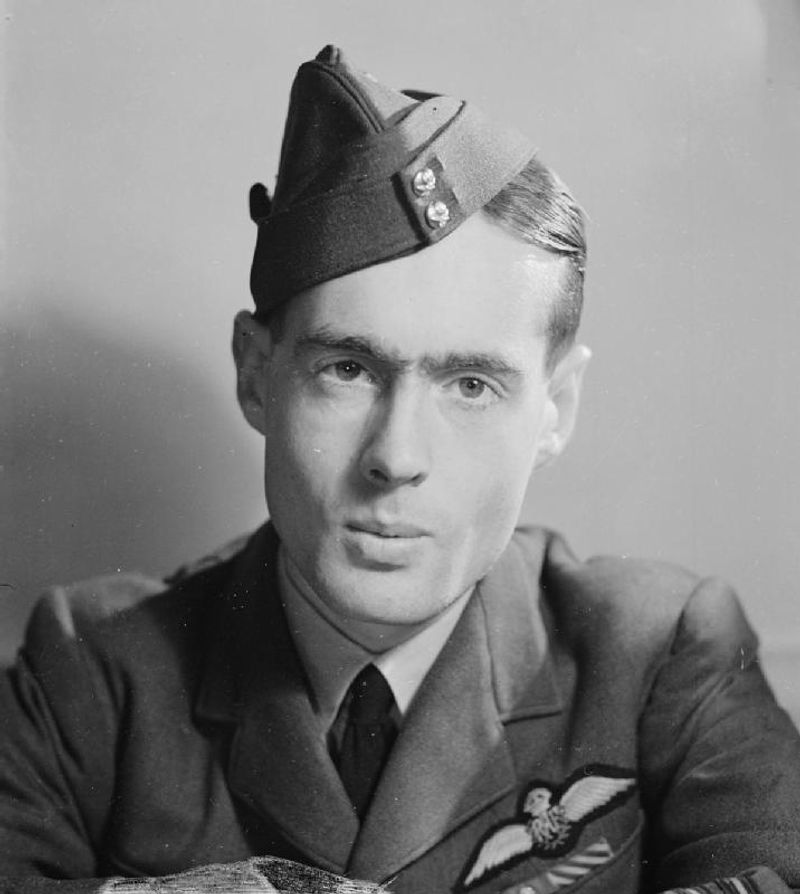
Leonard Cheshire flew more combat missions than almost any other RAF pilot of his generation and survived them all. As commander of No. 617 Squadron, the unit known as the Dambusters, he developed low-level target-marking techniques that improved bombing accuracy and reduced losses.
He received the Victoria Cross in 1944 after an operational career that most pilots would not have survived.
After the war, Cheshire’s focus shifted entirely. He became deeply committed to humanitarian work, eventually building an international organization supporting people with disabilities.
He married fellow humanitarian Sue Ryder in 1959, and their combined legacy in charitable work continued for decades.
Cheshire was made a life peer in 1991 and died on July 31, 1992, at age 74, from motor neurone disease. His wartime record is genuinely extraordinary, and his postwar life added a humanitarian dimension that makes his story worth knowing far beyond his service record alone.
Arthur Harris
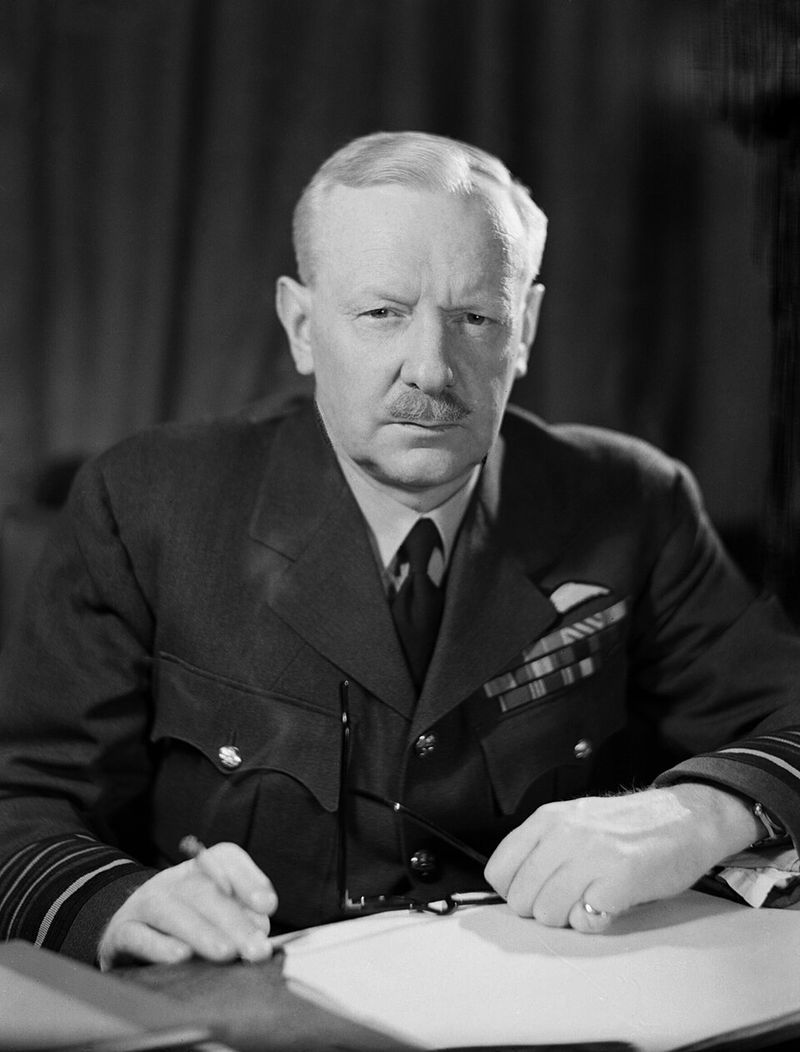
Sir Arthur Harris was one of the most powerful and debated military commanders of the entire war. As head of RAF Bomber Command from 1942 through the end of the European conflict, he oversaw the strategic bombing campaign against Germany.
His approach emphasized large-scale attacks on German industrial cities, and the resulting civilian casualties remain a subject of serious historical debate.
Supporters argued that the campaign was essential to weakening Germany’s capacity to fight. Critics pointed to the scale of civilian harm, particularly during raids such as the bombing of Dresden in February 1945.
Harris himself remained unapologetic about his strategy in postwar interviews and writings.
He survived the war and lived for nearly four more decades, dying on April 5, 1984, at age 91. Harris belongs in any serious discussion of major World War II figures, and the controversy surrounding his decisions ensures that historians continue examining his legacy.
Olga Baclanova
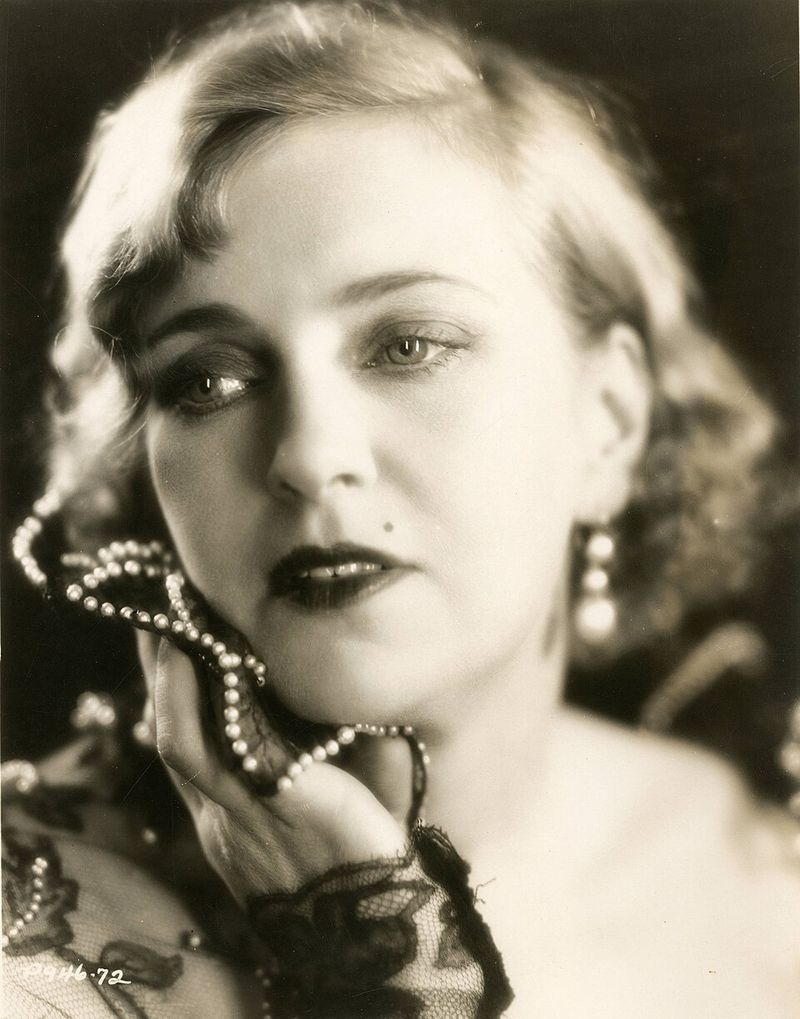
Olga Baclanova is best remembered for her unsettling performance as Cleopatra in the 1932 film Freaks, but her story does not end anywhere near a wartime bombing raid. Claims that she was killed during a Nazi attack in 1943 while entertaining troops are factually incorrect and not supported by any credible historical record.
Baclanova was a Russian-born performer whose career spanned film, theater, radio, and music across several countries. She eventually retired from performing and later moved to Switzerland, where she lived quietly for many years.
She died in Vevey, Switzerland, on September 6, 1974, at the age of 81. Her actual life story, including her unusual film career and her path from pre-revolutionary Russia to European retirement, is genuinely interesting on its own.
There is no need to attach a fictional wartime death to make her worth remembering. Accurate history serves her better than invention does.
Leslie Henson
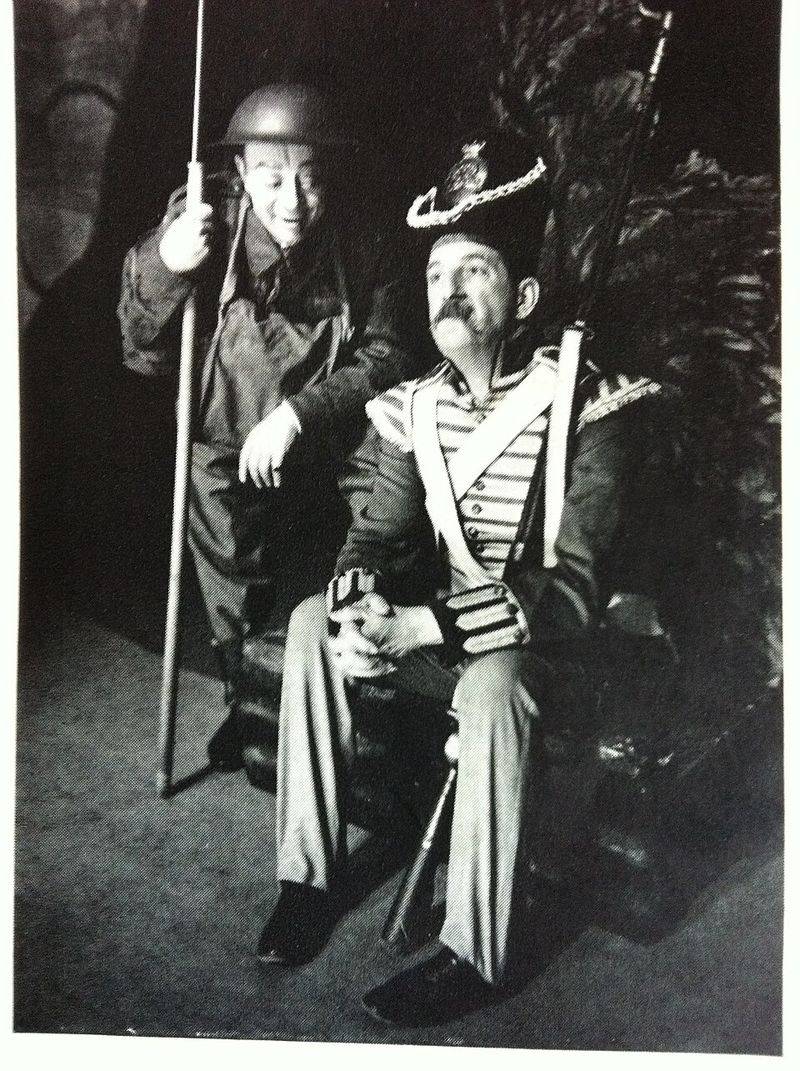
Leslie Henson was already one of Britain’s most established stage comedians when World War II began. Rather than simply continuing his own career, he helped create a structure that would bring entertainment to servicemen and women across the entire British armed forces.
His involvement in establishing the Entertainments National Service Association, known as ENSA, gave him a genuine and lasting connection to the wartime effort.
ENSA organized thousands of performances for troops stationed in Britain and abroad throughout the conflict. That contribution alone makes Henson a meaningful figure in the story of how Britain maintained morale during the war years.
Claims that he died in a 1943 aircraft crash while traveling to entertain troops are inaccurate. Henson lived for another 14 years beyond that date and died on December 2, 1957.
His real wartime role as an organizer and entertainer is a worthwhile story that does not require any invented tragedy to be genuinely interesting.
Audie Murphy
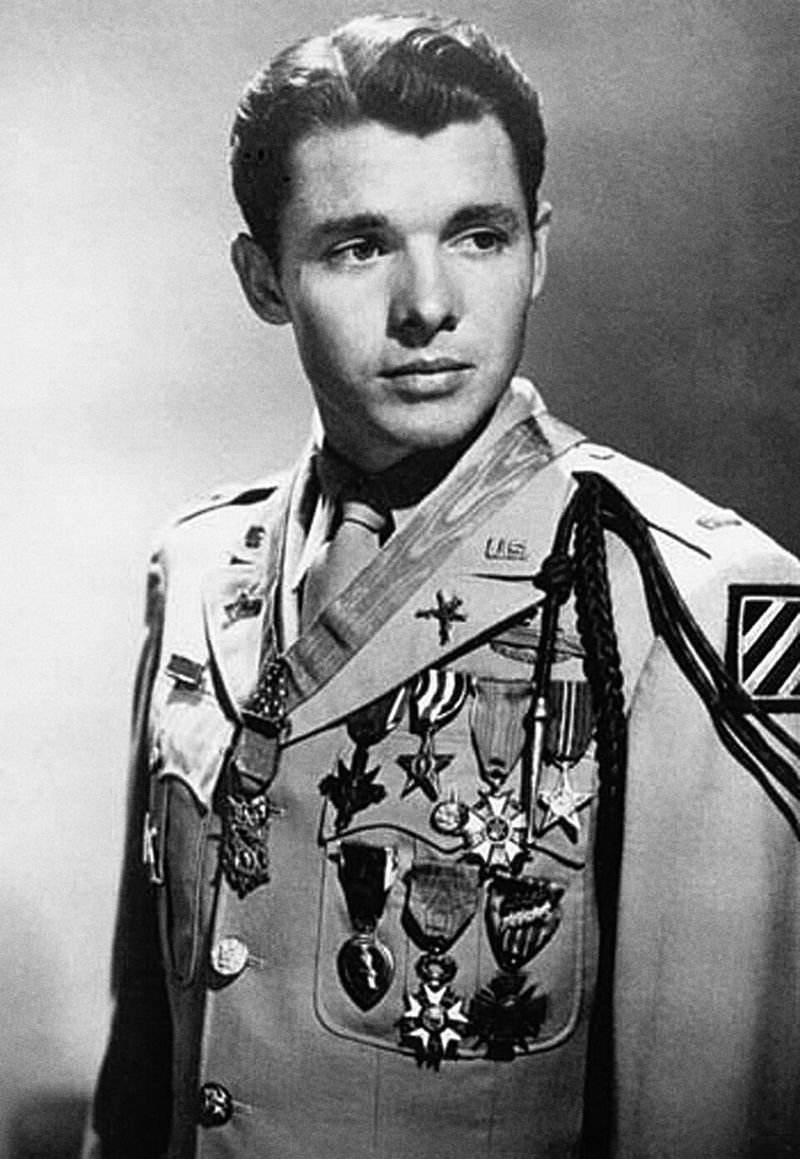
Audie Murphy’s combat record during World War II is almost difficult to believe, even with full documentation behind it. He became one of the most decorated American soldiers of the entire war, receiving 33 awards including the Medal of Honor for his actions near Holtzwihr, France, in January 1945.
During that engagement, he held off a large German force largely on his own while wounded.
After returning home, Murphy translated his wartime fame into an acting career and even portrayed himself in the 1955 film To Hell and Back, based on his autobiography. He also spoke openly about the psychological difficulties many veterans faced after combat, which was uncommon for that era.
Murphy survived the war by more than 25 years. On May 28, 1971, he was aboard a private aircraft that crashed near Roanoke, Virginia, during poor weather.
All six people aboard were killed. He was buried with full military honors at Arlington National Cemetery.
Jimmy Stewart
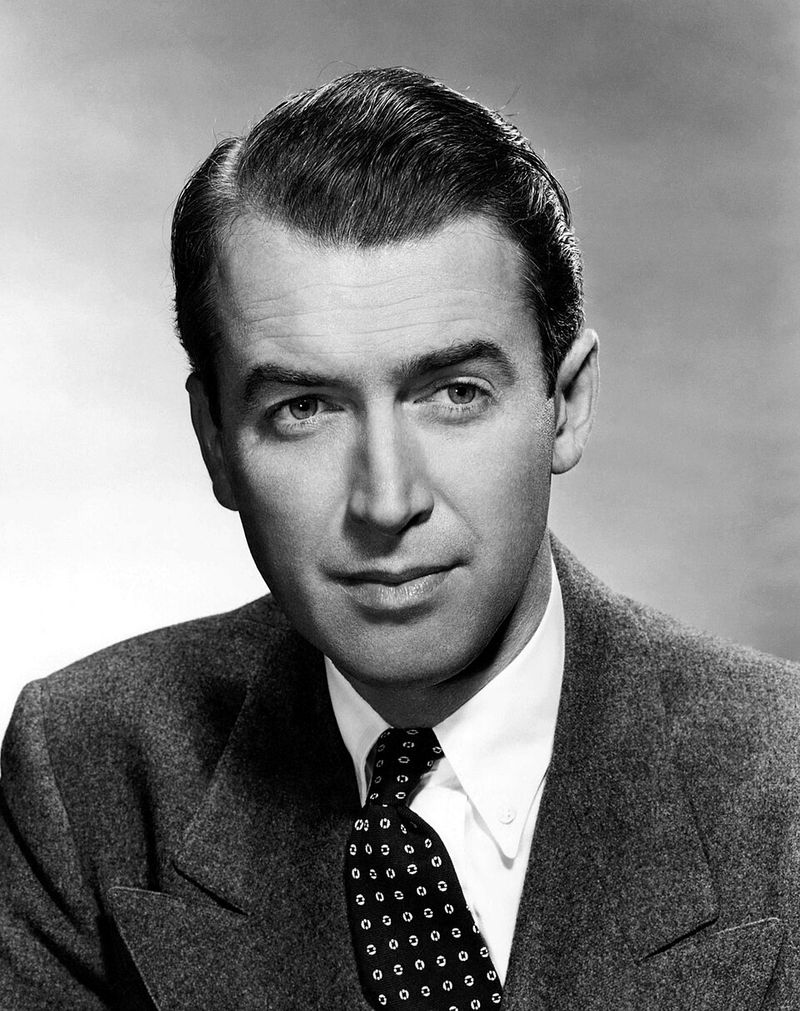
Jimmy Stewart had every reason to stay comfortable in Hollywood when the war began. He was already one of the most popular actors in America, coming off major films including Mr. Smith Goes to Washington and The Philadelphia Story.
Instead, he enlisted in the U.S. Army Air Forces and pushed hard for combat assignments rather than publicity roles.
Stewart flew 20 missions over enemy territory as a command pilot and rose from private to colonel during the war. He received the Distinguished Flying Cross and the Air Medal, among other decorations.
The missions were genuinely dangerous, and his record reflected real service rather than ceremonial participation.
After the war, Stewart returned to acting and starred in enduring films including It’s a Wonderful Life and Rear Window. He remained in the Air Force Reserve and eventually retired as a brigadier general.
Stewart lived until July 2, 1997, more than 50 years after his final combat missions over Europe.
Share this story