Some of the biggest names in Hollywood history did something most people never knew about. Before the cameras rolled and the awards were handed out, these famous actors traded their film sets for military service.
They gave up fame, money, and comfort to serve their countries during some of the most serious conflicts in modern history. Their stories are worth knowing, not just because they are surprising, but because they remind us that behind every screen legend was a real person willing to step away from everything to answer the call.
Audie Murphy
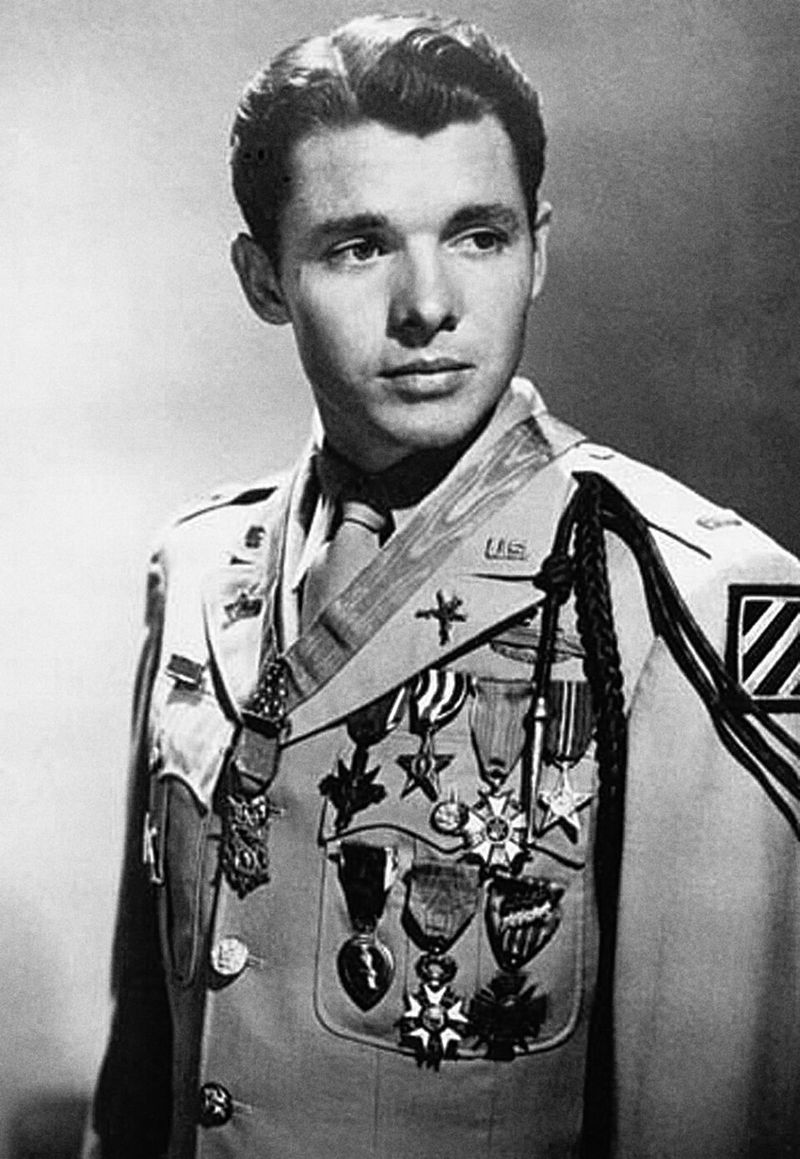
Few military stories in American history are as remarkable as Audie Murphy’s. He enlisted in the U.S.
Army in 1942 and fought with the 3rd Infantry Division across Sicily, Italy, and France. Murphy rose from private all the way to a battlefield commission as second lieutenant, a rare achievement earned through real combat performance.
His defining moment came near Holtzwihr, France, in January 1945. Outnumbered and under intense enemy fire, Murphy climbed atop a burning tank destroyer and used its machine gun to hold off an attacking German force, an act of extraordinary bravery that earned him the Medal of Honor.
Murphy ultimately received 33 military awards and decorations, making him one of the most decorated American soldiers in World War II history. After leaving active duty, he brought his own story to the screen in the autobiographical film To Hell and Back, playing himself.
James Stewart
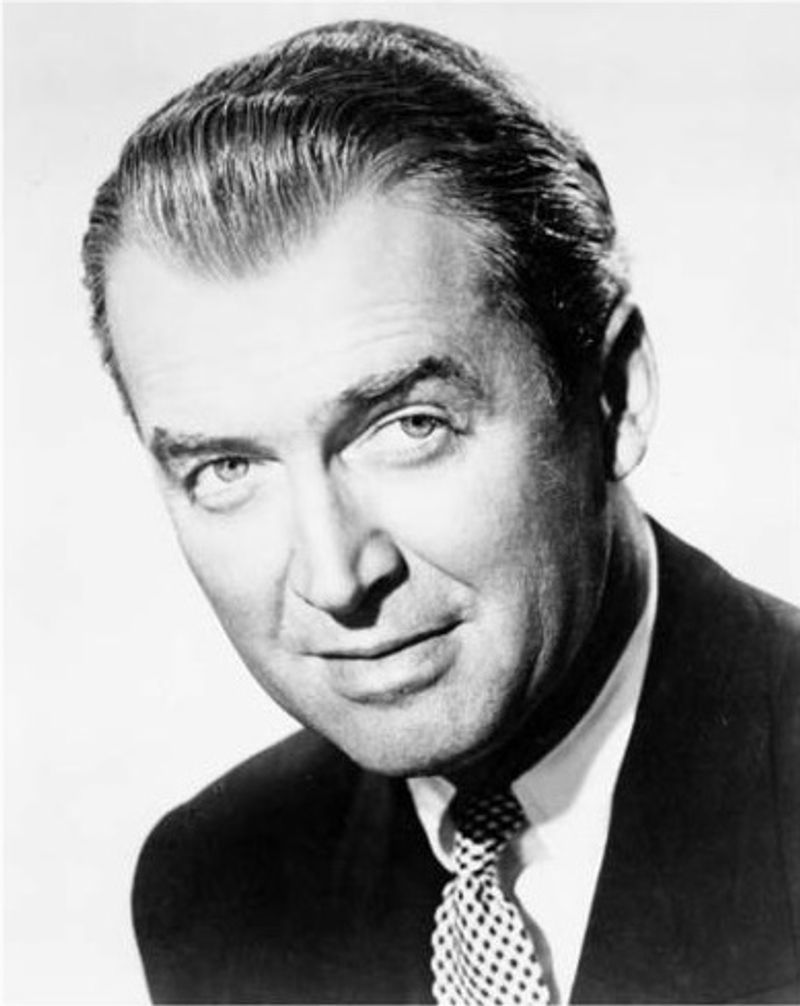
James Stewart was already holding an Academy Award when he decided the war mattered more than his career. He initially struggled to enlist because he was underweight, but eventually succeeded in 1941.
As an experienced civilian pilot, he moved through training quickly and was assigned to fly combat aircraft over Europe.
Stewart flew B-24 Liberator bombers on 20 combat missions during World War II, putting himself at genuine risk on every flight. He did not use his fame as a shield.
After the war, he remained in the Air Force Reserve and continued climbing through the ranks.
In 1966, already a civilian star again, Stewart flew as an observer aboard a B-52 mission over Vietnam. His military career stretched 27 years before he retired as a brigadier general in 1968.
That combination of Hollywood stardom and serious military rank was genuinely rare for his era.
Clark Gable
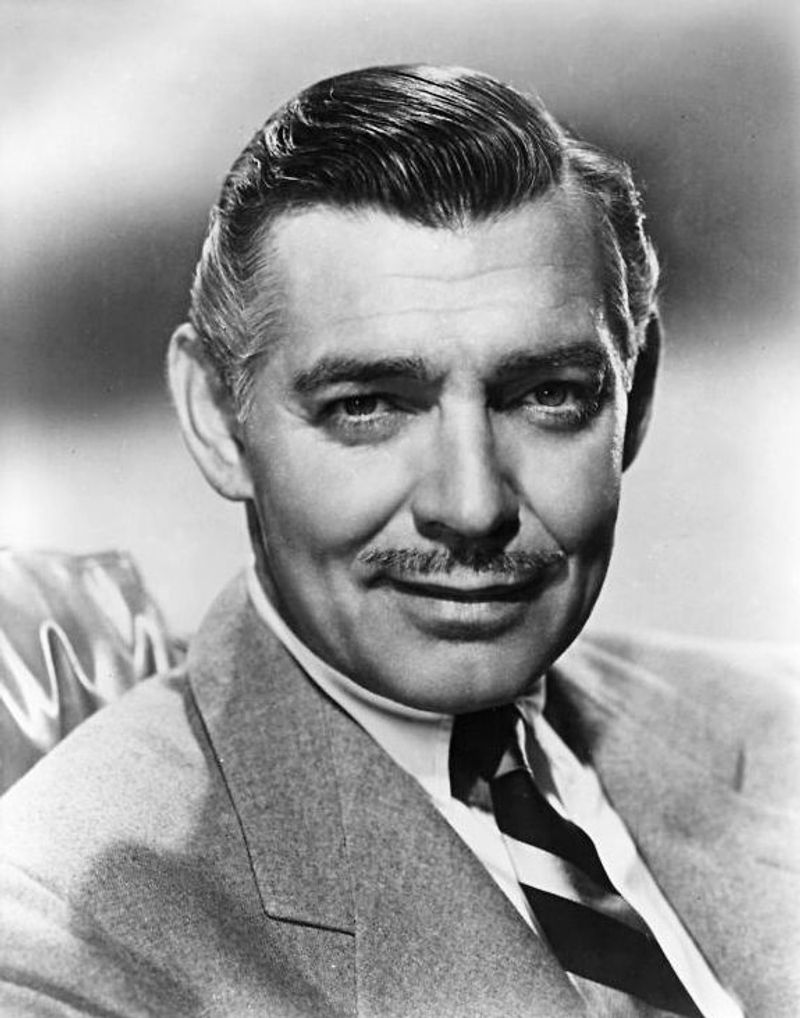
Clark Gable was one of the most recognizable men in the world when he walked away from Hollywood in 1942. Fresh from the massive success of Gone with the Wind, he trained as an aerial gunner and headed to England with a specific assignment to help film footage about gunners in combat.
Rather than staying safely behind the lines with a camera, Gable flew actual operational B-17 missions over Europe to get the footage he needed. He put himself in real danger on multiple occasions, and German command reportedly offered a reward for capturing him alive.
Gable returned to the United States in 1943 and left active duty as a major in June 1944. The fact that one of Hollywood’s biggest leading men was physically riding along on bombing runs over occupied Europe was remarkable by any measure.
His service was genuine, not ceremonial.
Gene Autry
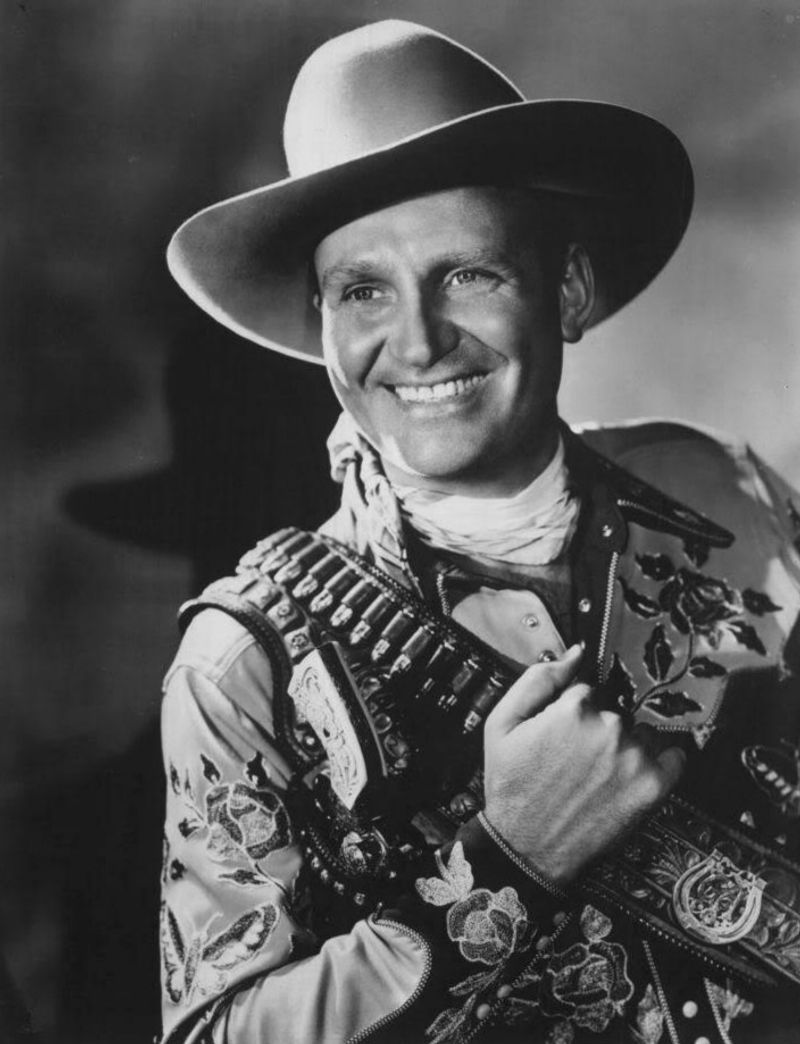
Gene Autry was one of the most popular entertainers in America when the war pulled him away from his cowboy films. Known for his singing, his horse Champion, and his string of Western movies, Autry joined the U.S.
Army Air Forces and pursued training as a military pilot rather than seeking a safer assignment.
He flew with Air Transport Command, which meant hauling military cargo, personnel, and supplies across long distances. It was demanding work that required real flying skill, and Autry committed to it fully.
His entertainment career essentially stopped while he served.
After the fighting ended, he also participated in missions related to postwar personnel operations before returning to civilian life. Autry came back to movies, recordings, and radio as one of the country’s best-known Western entertainers, picking up his career with the same energy he had before enlisting.
His service was a genuine interruption, not a publicity arrangement.
Humphrey Bogart
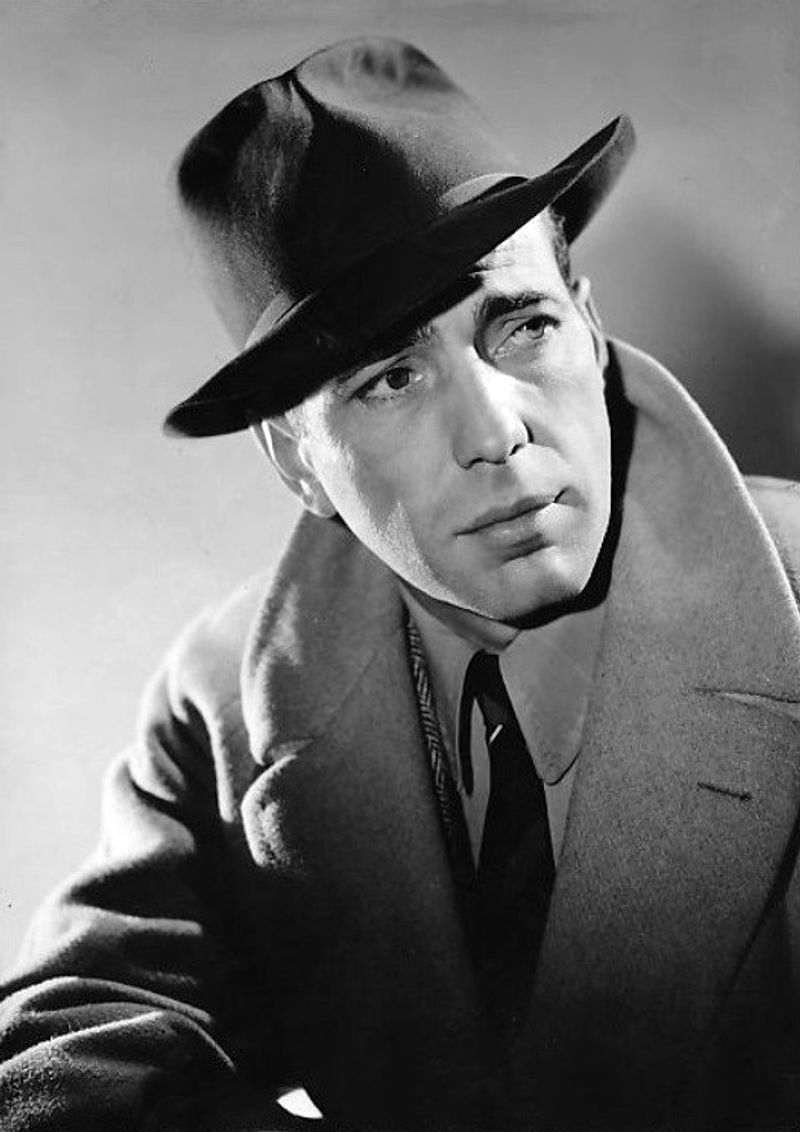
Humphrey Bogart’s military story goes back further than most people realize. Long before Casablanca made him an international star, Bogart enlisted in the U.S.
Navy in 1918 during World War I. He served aboard the USS Leviathan, a large transport ship that carried American personnel back and forth across the Atlantic.
He left the Navy in 1919 and gradually found his way into acting over the following years. When World War II arrived, Bogart tried to enlist again but was turned away because of his age.
He found another way to contribute by joining the Coast Guard Temporary Reserve and using his personal yacht to patrol the California coast for suspicious activity.
The image of Bogart as a tough, capable screen presence matched a real willingness to serve when the country needed it. His two different wartime contributions, across two separate conflicts, set him apart from most of his Hollywood contemporaries.
Mel Brooks
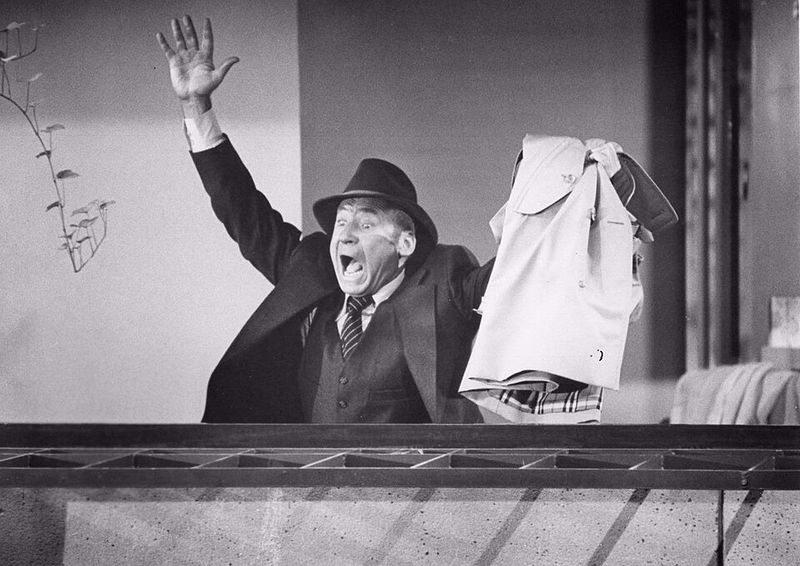
Before Blazing Saddles and Young Frankenstein turned him into a comedy legend, Mel Brooks was just a teenager named Melvin Kaminsky heading into a war zone. He entered the Army in 1944 and trained as a combat engineer, the kind of work that put soldiers directly in the path of danger rather than behind it.
After arriving in Europe, Brooks initially worked as a forward artillery observer, a role that required being close to enemy positions to direct gunfire. He later transferred to the 1104th Engineer Combat Group, where his duties included helping clear German land mines so Allied troops could advance safely through contested territory.
His unit was connected with operations during the Battle of the Bulge, one of the most intense and costly engagements of the entire war. The teenager who would eventually make audiences laugh harder than almost anyone else in American entertainment history first learned what real danger felt like in the forests of Europe.
David Niven
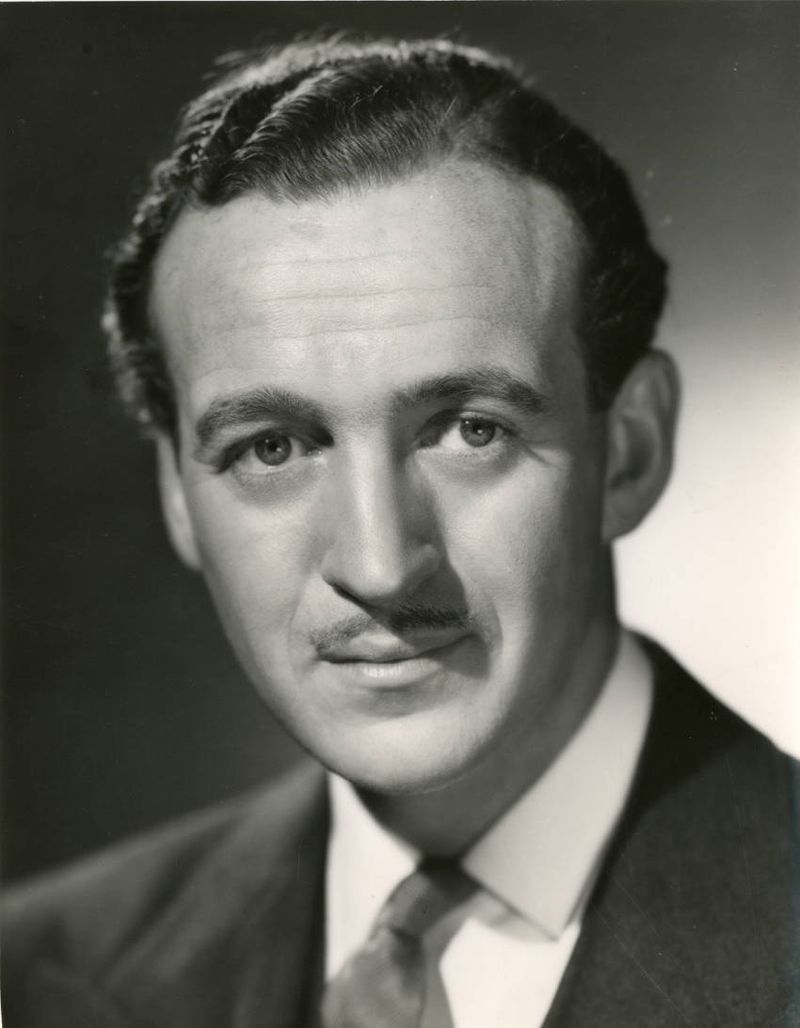
David Niven made a decision in 1939 that not many Hollywood actors would have made. He already had a thriving film career in America when Britain entered World War II, and he walked away from it to return home and serve.
He rejoined the British Army without hesitation.
Niven eventually transferred to the Commandos and became associated with the GHQ Liaison Regiment, known as Phantom. This unit had a specific and demanding mission: gathering battlefield intelligence and maintaining communications with advancing forces during operations.
It was serious, skilled work that placed its members close to the fighting.
He served during the European campaign and returned to acting after the war, eventually building a long career in both British and American films. His willingness to abandon a successful Hollywood career and cross the Atlantic to serve was widely noted at the time.
It was a genuinely selfless choice made at the height of his professional momentum.
Kirk Douglas
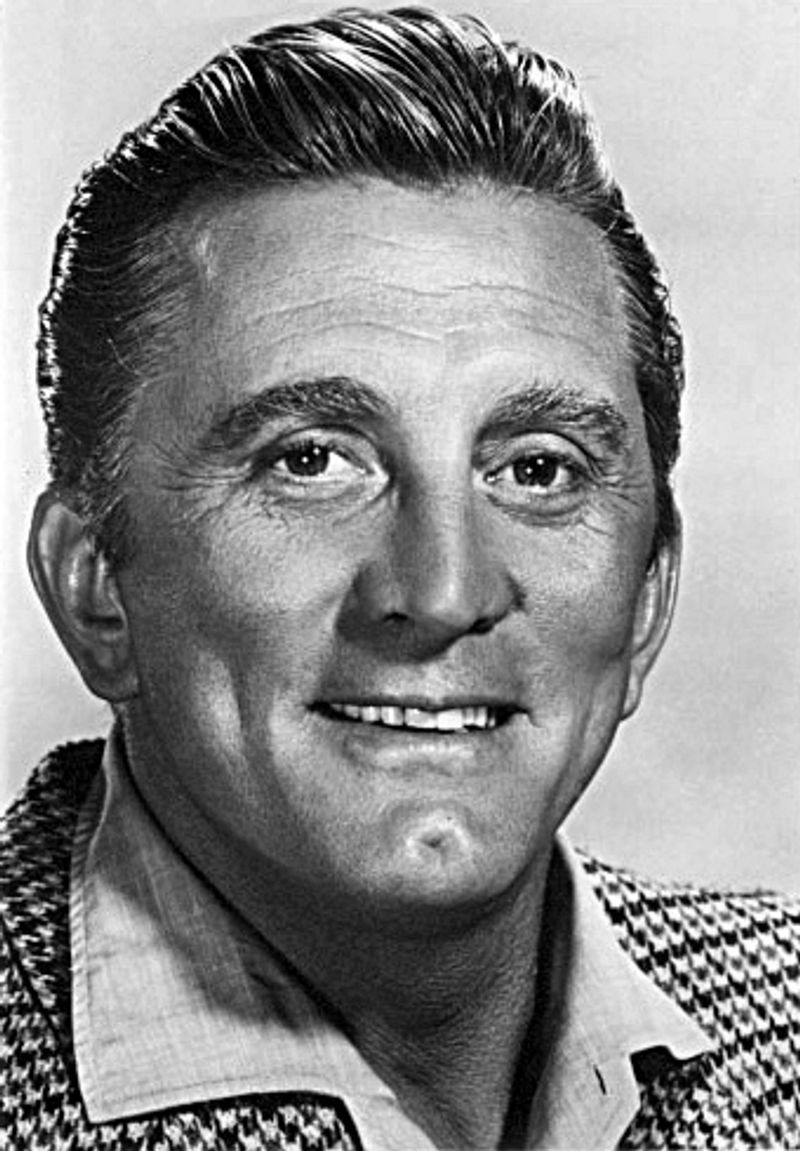
Kirk Douglas had not yet made a single film when World War II began. He had been studying acting and appearing on Broadway, which meant his military service came before any Hollywood fame at all.
He joined the U.S. Navy and trained as an officer after the United States entered the war.
Douglas served aboard a patrol craft conducting anti-submarine operations in the Pacific. The work was unglamorous but important, involving long stretches at sea looking for enemy submarines.
His service ended unexpectedly when an accidental depth-charge explosion caused injuries serious enough to require medical discharge in 1944.
He left the Navy as a lieutenant junior grade and returned to civilian life, eventually resuming his acting career. Films like Champion, Paths of Glory, and Spartacus turned him into one of his generation’s most powerful screen presences.
His military service came and went before the cameras ever found him, which makes it easy to overlook.
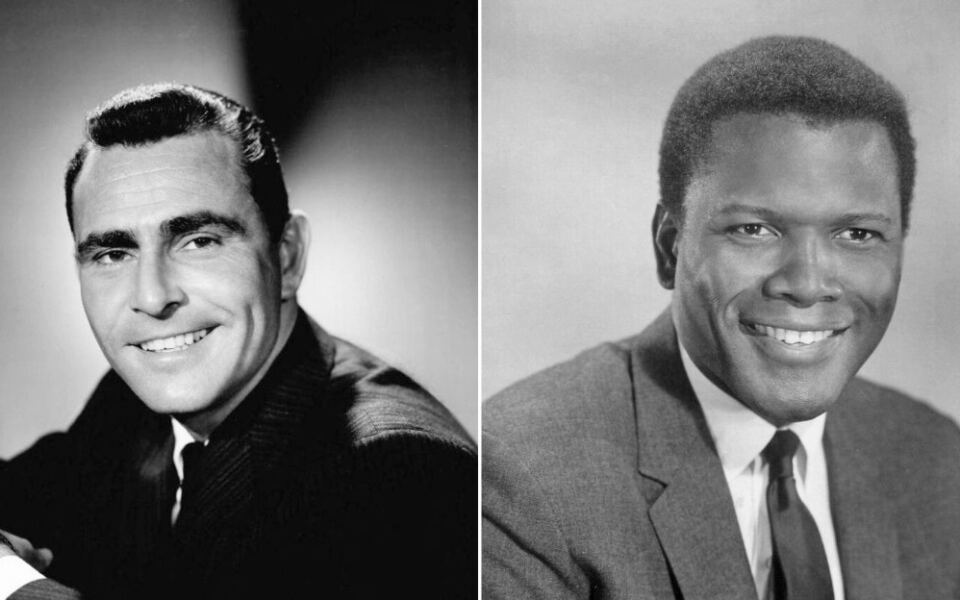
Rod Serling
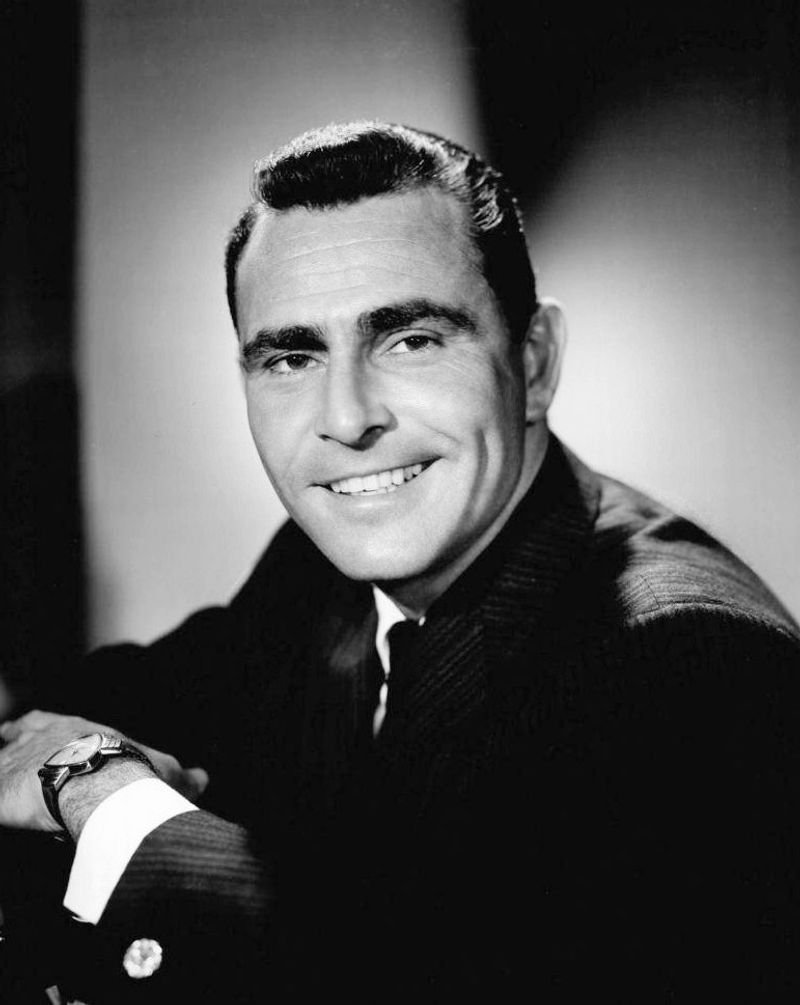
Rod Serling created The Twilight Zone and became one of television’s most distinctive voices, but before any of that, he was a teenage paratrooper heading into the Pacific. He enlisted in the Army immediately after high school and joined the 511th Parachute Infantry Regiment of the 11th Airborne Division.
Serling fought in the Philippines, where his unit suffered severe casualties. The National WWII Museum has noted that his combat experience left a deep mark on him, one that never fully faded.
He saw things that stayed with him for the rest of his life.
The themes he later explored in his television writing, including war, morality, prejudice, and what it means to be human, were not invented for dramatic effect. They came from real experience.
His time in the Pacific gave his storytelling a weight and seriousness that set it apart from most of what appeared on television during his era.
Charles Durning
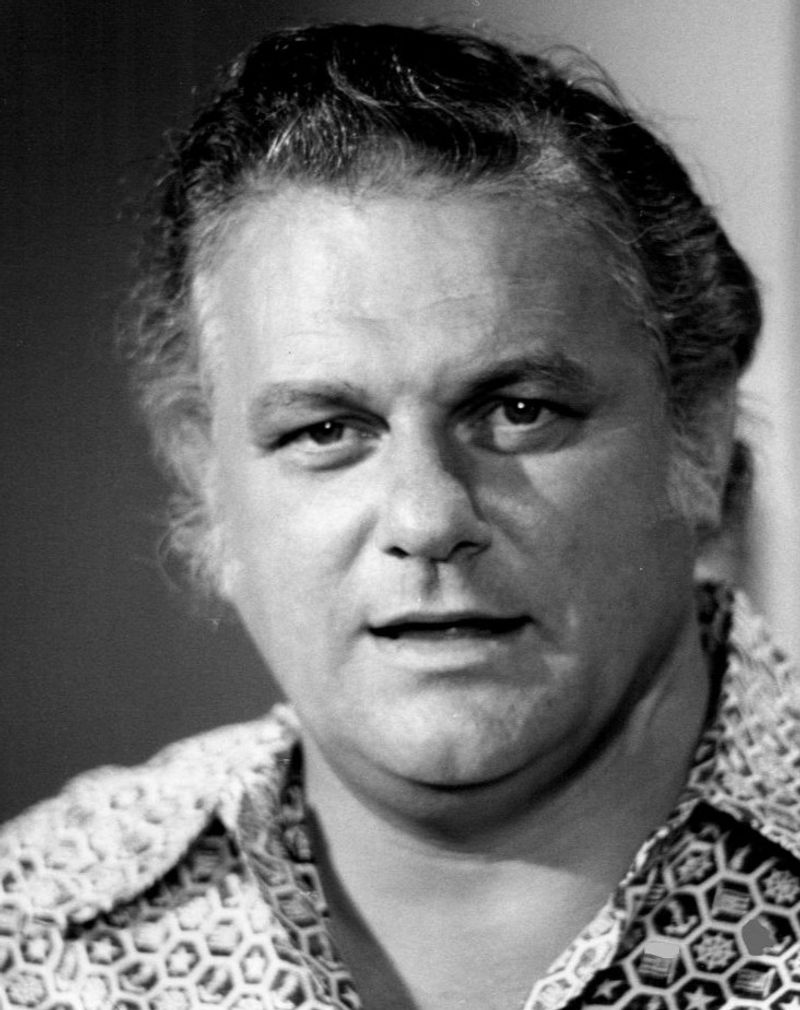
Charles Durning became one of America’s most reliable character actors over a long career in film and television, but his story before Hollywood is one of the most intense on this entire list. He landed in Normandy during the D-Day invasion and was wounded during the fighting that followed.
That alone would define most people’s wartime experience.
His service continued through later fighting in Europe, including the brutal period surrounding the Battle of the Bulge, one of the bloodiest engagements American forces faced during the entire war. Durning received multiple Purple Hearts for his wounds.
He rarely spoke publicly about his experiences in romantic or heroic terms. After the war, he built an acting career that included memorable work in The Sting, Dog Day Afternoon, Tootsie, and many other films and television productions.
His range as a performer was extraordinary, but the toughness underneath it came from somewhere very real.
Lee Marvin
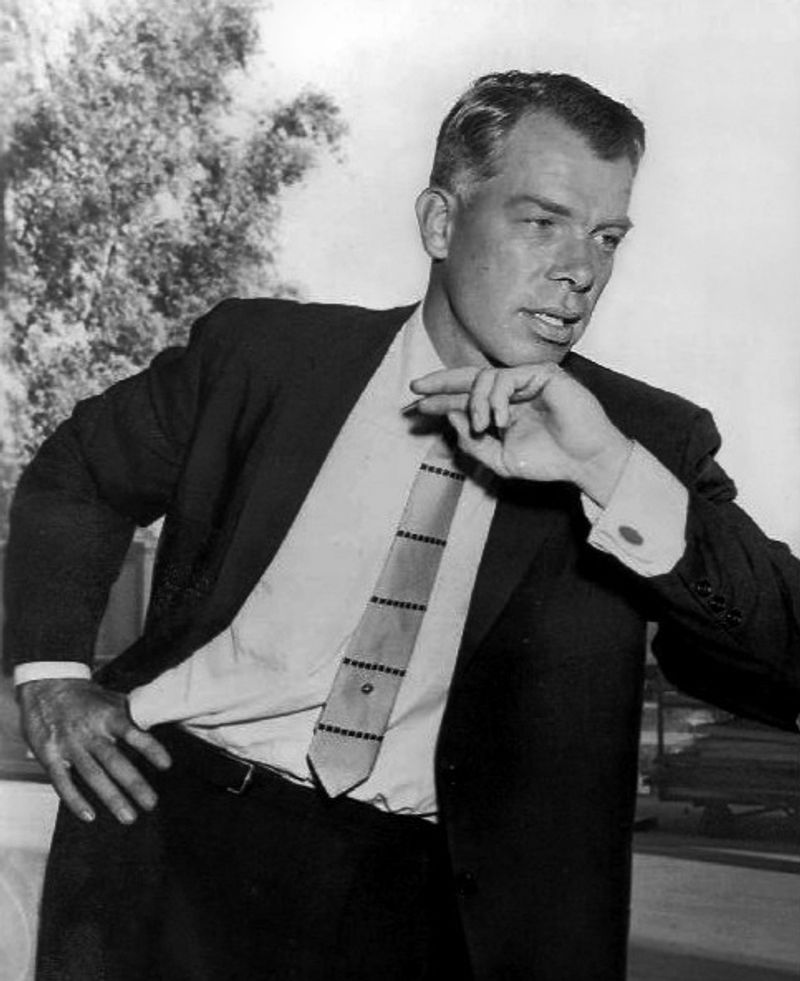
Lee Marvin’s screen presence always felt like something earned rather than performed, and his military record explains a great deal of that. He enlisted in the U.S.
Marine Corps in 1942 and served with the 4th Marine Division across some of the most contested territory in the Pacific theater.
Marvin participated in operations at Kwajalein, Eniwetok, and Saipan. During the Battle of Saipan in June 1944, he was seriously wounded by enemy fire.
The injuries were severe enough to require a lengthy recovery period, and he eventually received a medical discharge from the Marines.
After returning to civilian life, Marvin worked his way into acting and built a career defined by hard-edged roles in films like The Dirty Dozen, The Professionals, and Point Blank. The physical intensity he brought to those performances was not manufactured.
It was the product of a young man who had already faced something far more serious than any movie scene.
Tony Curtis
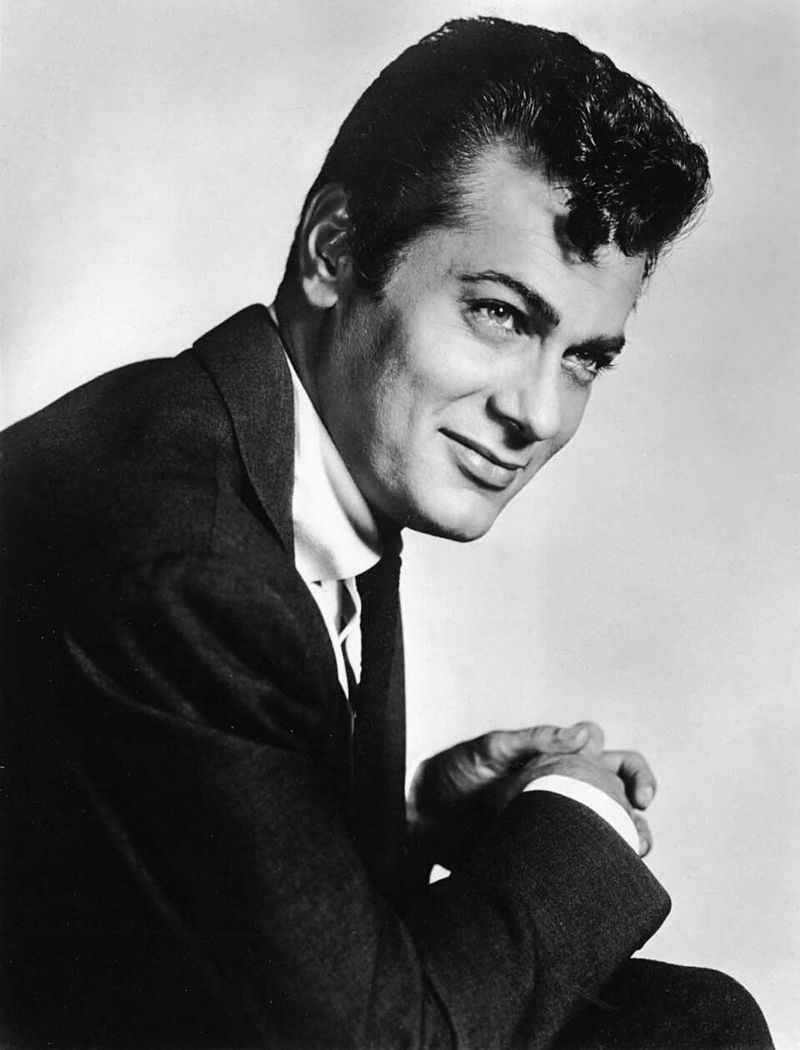
Tony Curtis was still going by his birth name, Bernard Schwartz, when he joined the U.S. Navy in 1943.
A common version of his wartime story describes him as a submariner, but the more accurate account places him as a signalman who served aboard the USS Proteus, a submarine tender that supported submarines operating in the Pacific.
He was present in Tokyo Bay on September 2, 1945, the day Japan formally surrendered aboard the USS Missouri. Being there for that moment made him a witness to one of the most significant events of the entire twentieth century.
After returning home, Curtis used the GI Bill to study acting, which eventually led him to Hollywood and a string of major films during the 1950s. His easy charm and natural screen presence made him one of that decade’s biggest stars, but the path to all of it ran through the Navy first.
Charlton Heston
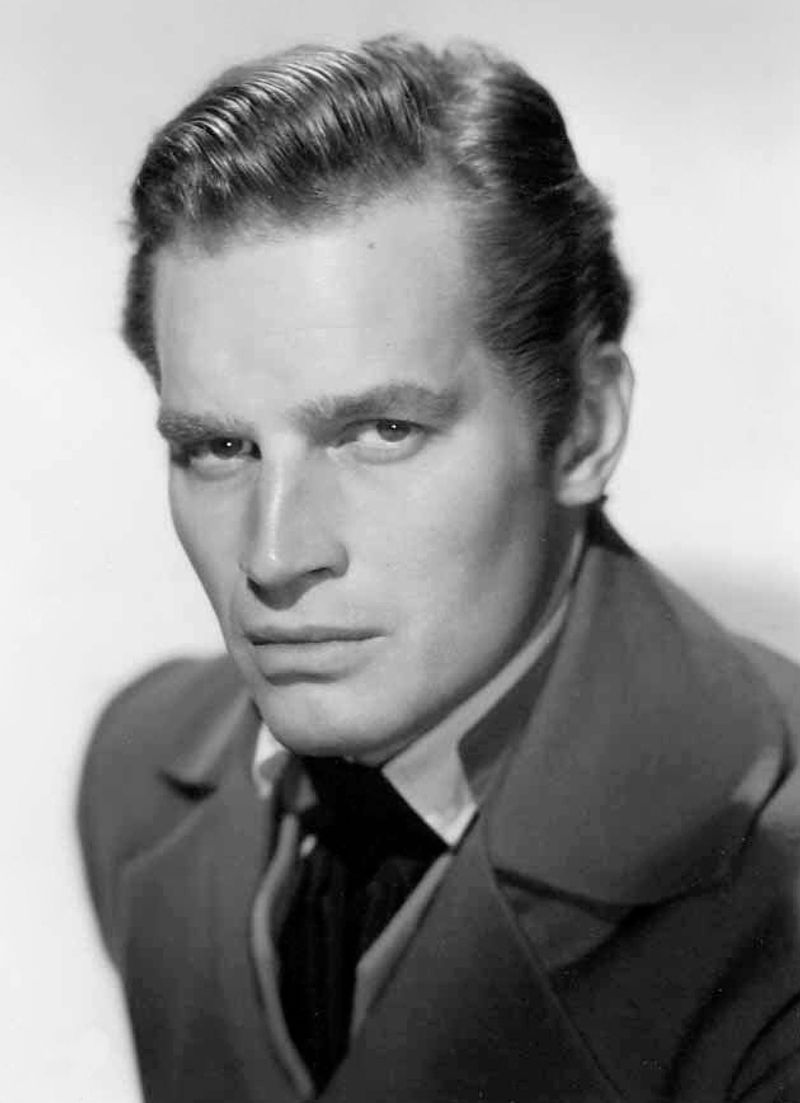
Charlton Heston is best remembered for larger-than-life roles in films like The Ten Commandments and Ben-Hur, but his wartime story is considerably more grounded than anything he ever played on screen. He entered military service in 1944 and trained as a radio operator and aerial gunner aboard B-25 Mitchell bombers.
Heston was assigned to the Eleventh Air Force in Alaska’s Aleutian Islands, a remote and demanding posting where conditions were harsh and operations were conducted far from the attention of the main war effort. He reached the rank of staff sergeant before his service ended.
His acting career developed fully after returning from the military, and the combination of his physical presence and commanding screen manner eventually made him one of Hollywood’s most recognizable stars of biblical and historical epics. The discipline and seriousness he developed during military service likely shaped the kind of performer he became afterward.
Paul Newman
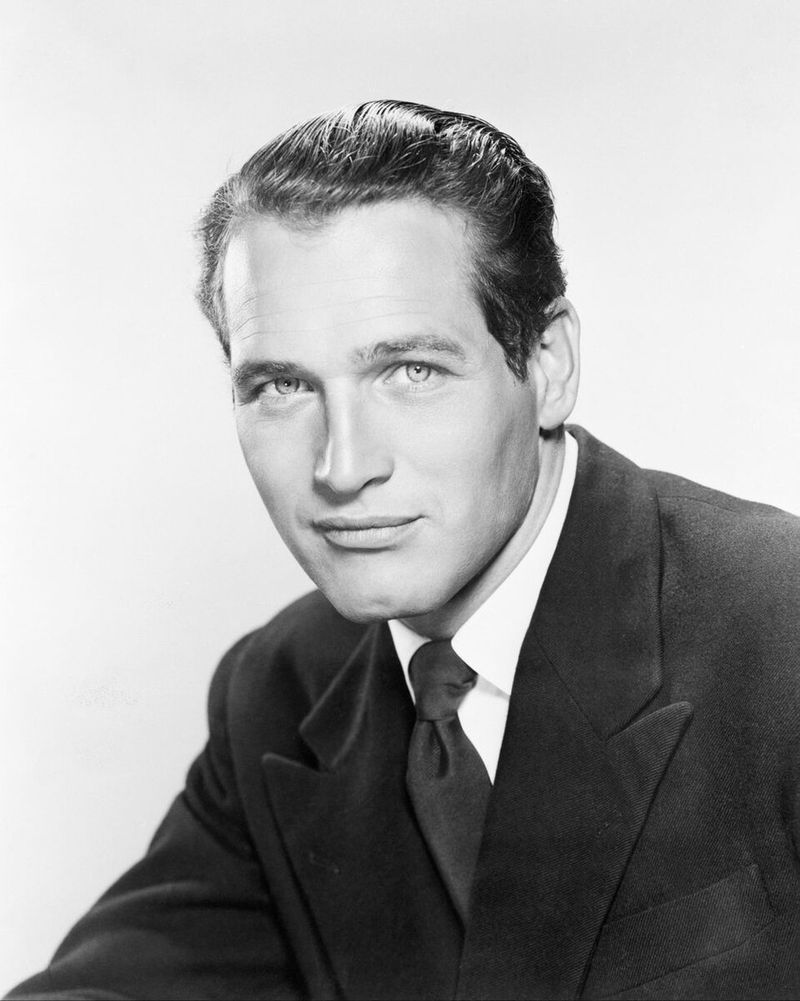
Paul Newman had plans to become a Navy pilot, but a flight examination changed everything. The exam revealed he was color-blind, which immediately disqualified him from flying.
The Navy trained him instead as an aviation radioman and rear-seat gunner, a role that still put him in the air but in a very different position than he had imagined.
Newman served in the Pacific, assigned to replacement torpedo squadrons operating from Hawaii and other Pacific bases. In one incident that could have changed history entirely, his pilot fell ill before a scheduled transfer to an aircraft carrier.
Newman and his crew stayed behind while other unit members boarded the ship, which was later struck by a kamikaze.
He survived the war and eventually became one of Hollywood’s most celebrated actors. But that near-miss in the Pacific is the kind of detail that puts everything else in perspective.
His entire career nearly never happened at all.
Sidney Poitier
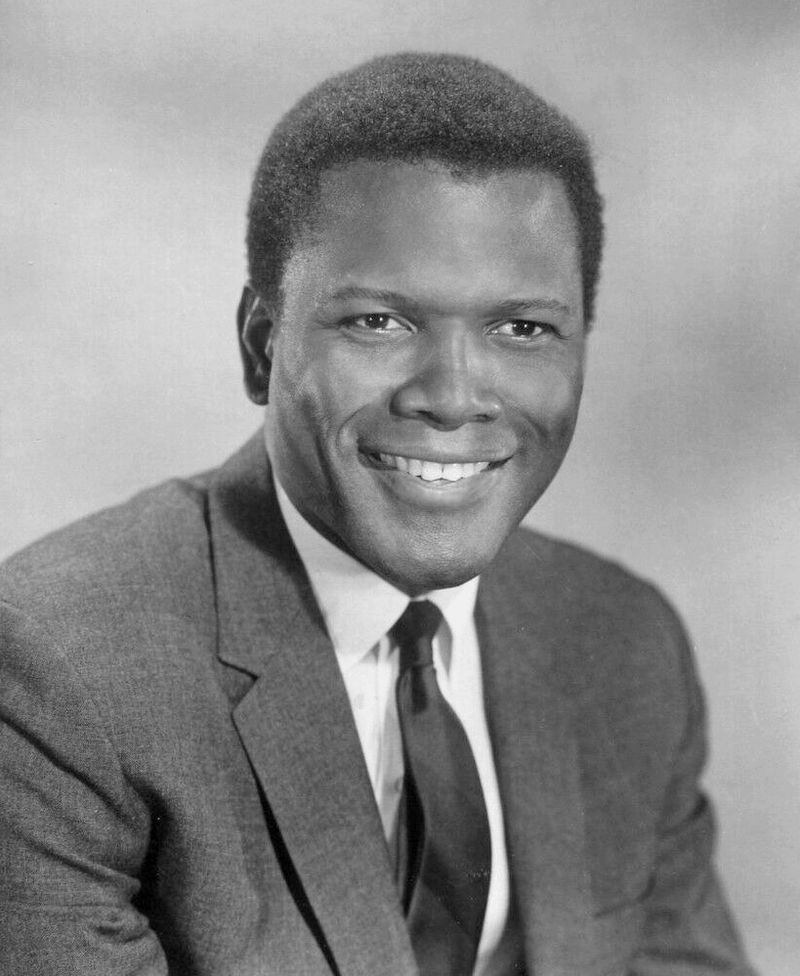
Sidney Poitier was a teenager with no acting credits when he joined the U.S. Army during World War II.
He was assigned to a medical detachment at a veterans hospital on Long Island, where his duties involved working with psychiatric patients. The work was emotionally demanding in ways that combat service was not.
His military career ended before the war was over, and Poitier headed to New York to pursue acting. What followed was one of the most significant careers in American film history.
He broke through racial barriers that had long defined what Hollywood was willing to show audiences, and he did it consistently over decades.
Poitier won the Academy Award for Best Actor for Lilies of the Field in 1964, becoming the first Black man to win in that category. His path from a wartime hospital on Long Island to that stage at the Oscars was long and difficult, but he made every step of it count.
Eddie Albert
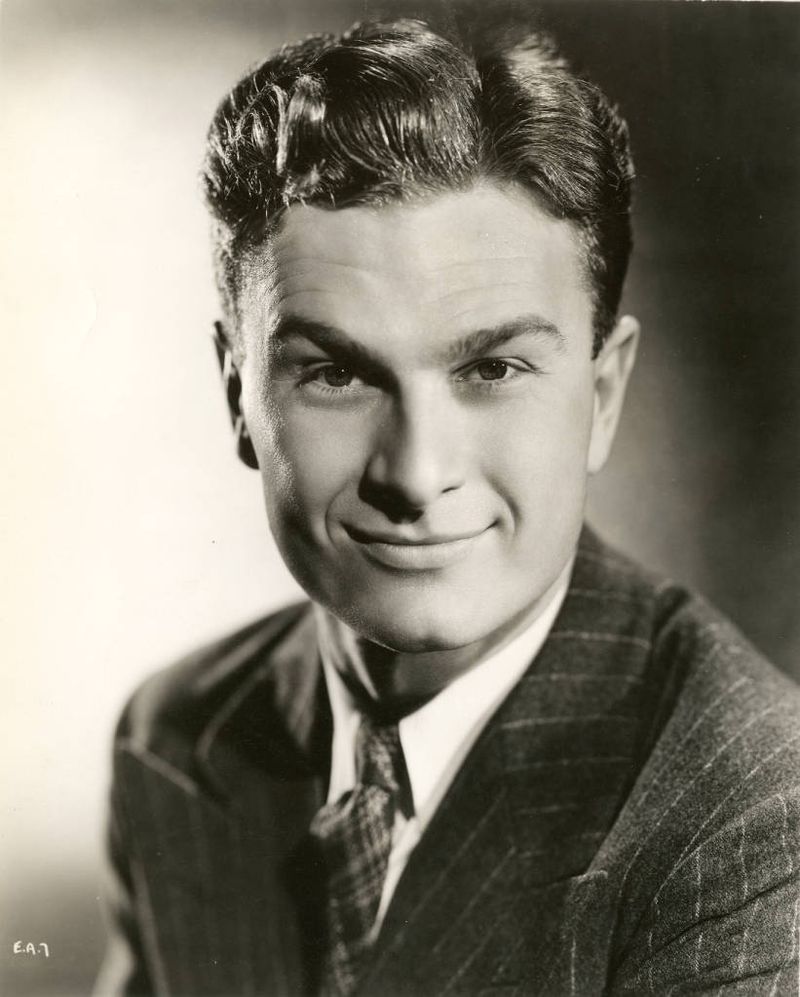
Most people remember Eddie Albert as the cheerful city lawyer who moved to a farm on Green Acres, but his wartime record tells a completely different story. During World War II, Albert served as a U.S.
Navy officer and found himself in one of the most violent engagements of the Pacific campaign: the Battle of Tarawa.
Albert operated landing craft under intense enemy fire and personally helped rescue wounded Marines who were stranded and exposed in the water offshore. His actions during the battle earned him a Bronze Star with Combat “V,” the designation indicating valor in the face of enemy action.
That kind of service is a world away from anything his television fans ever associated with him. Albert’s wartime record remained one of the most extraordinary military stories connected with a recognizable Hollywood performer, a fact that often surprises people who only know him from his years on American television.
Alec Guinness
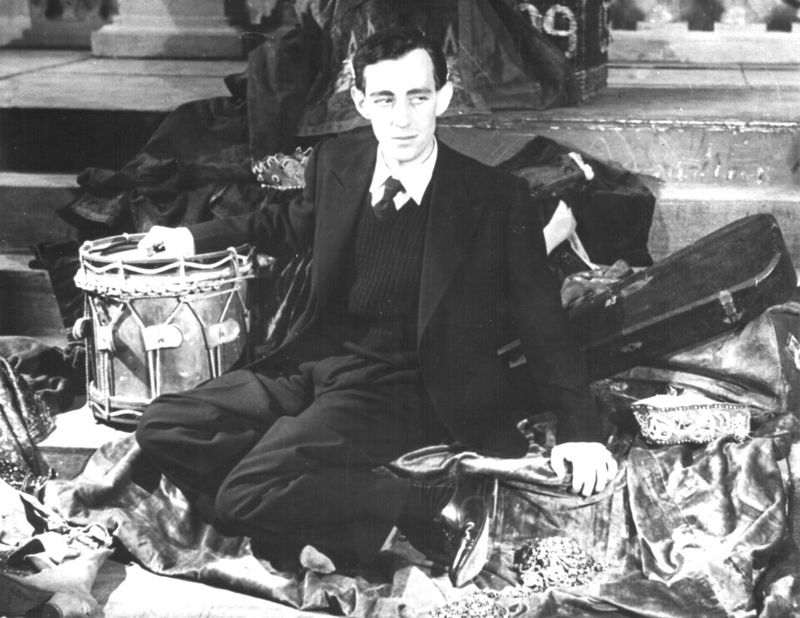
Alec Guinness had already built a respected career on the British stage when World War II interrupted everything. He joined the Royal Navy Volunteer Reserve and worked his way up to commanding landing craft, which meant being directly involved in amphibious operations rather than serving in a safer support role.
Guinness participated in the Allied invasion of Sicily in 1943 and later operated in the Mediterranean, including missions connected with Yugoslav partisan forces. The landings he took part in were among the most complex and dangerous naval operations of the European theater.
After the war, he returned to acting and eventually became one of Britain’s most admired film performers. His credits ranged from The Bridge on the River Kwai to Kind Hearts and Coronets, and decades later, a whole new generation knew him as Obi-Wan Kenobi in Star Wars.
His wartime service as a landing craft commander is easy to forget when his filmography is that long and varied.
Tyrone Power
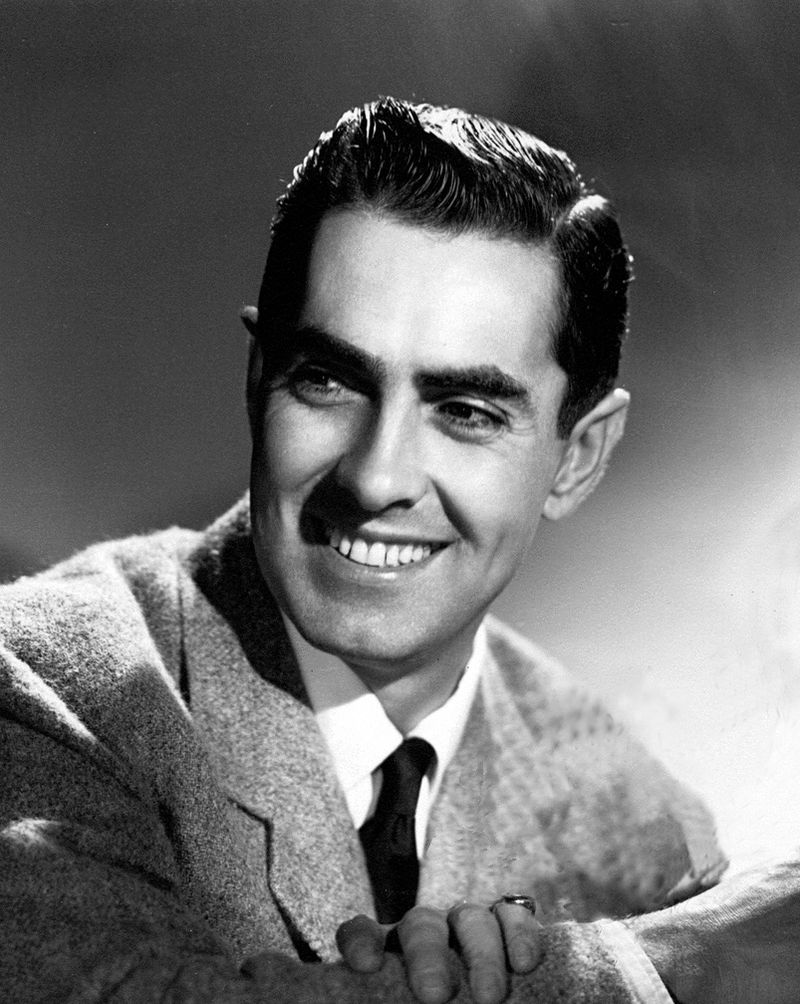
Tyrone Power was one of the biggest box-office draws in Hollywood when he enlisted in the U.S. Marine Corps in 1942.
He did not seek a desk job or a morale-boosting entertainment role. Power was already an experienced civilian pilot, and he trained to become a military transport pilot instead.
He flew missions in the Pacific that involved carrying supplies into combat areas and evacuating wounded personnel. Naval history records connect him with casualty evacuation flights during the Okinawa campaign, and his wartime service also included operations connected with Iwo Jima.
These were not ceremonial flights.
Power successfully resumed his Hollywood career after returning home, and his leading-man status remained intact. The fact that he spent the war flying in and out of active combat zones rather than appearing in training films or stateside shows reflects a genuine commitment to service over career maintenance.
His choice was a real one, made at considerable personal cost.
Robert Montgomery
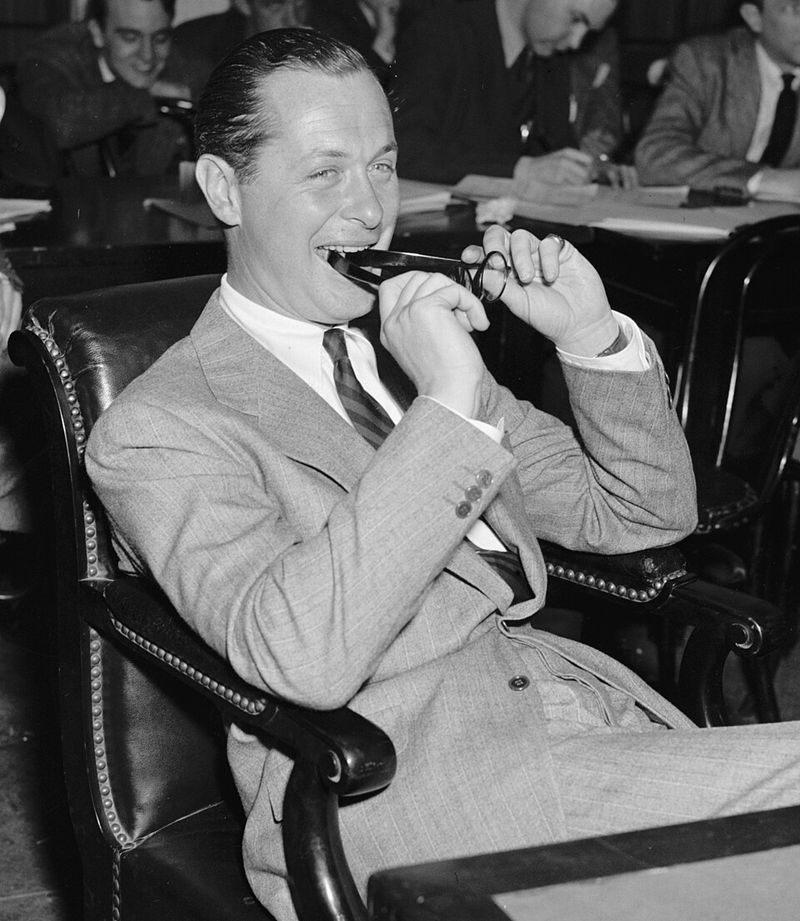
Robert Montgomery was contributing to the war effort before the United States was even officially involved. As fighting spread across Europe in the early years of the conflict, he volunteered as an ambulance driver in France, working in dangerous conditions before most Americans had any personal stake in the outcome.
After America formally entered the war, Montgomery received a U.S. Navy commission and served aboard destroyers in the Pacific.
Later, he was part of naval operations off the coast of Normandy during the D-Day invasion in June 1944, one of the most consequential military operations in modern history.
Once the war ended, Montgomery returned to entertainment and expanded his work well beyond acting into directing, producing, and eventually television. His wartime record was considerably more extensive than most movie audiences ever realized.
He had been in the middle of the action on two separate fronts before the cameras found him again.
Douglas Fairbanks Jr.
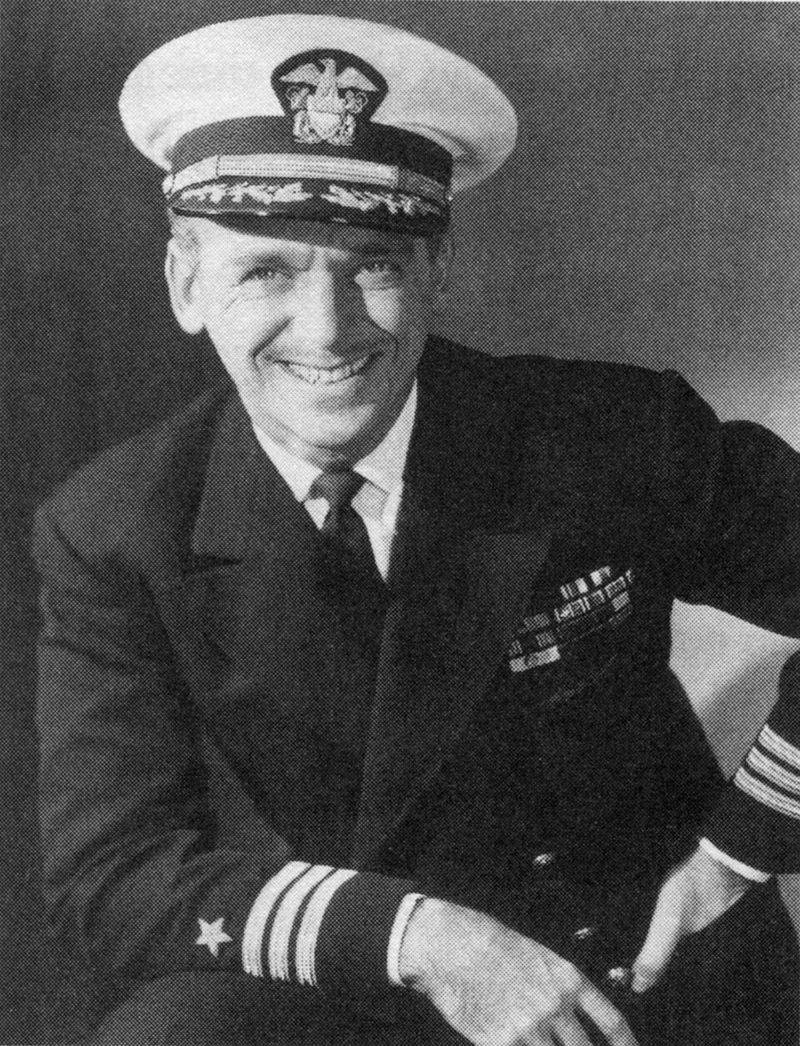
Douglas Fairbanks Jr. made his name playing swashbuckling heroes on screen, but his wartime role was something considerably more strategic than any film adventure. Commissioned as a Naval Reserve officer, he worked with British Combined Operations and helped develop some of the war’s most creative deception tactics.
Fairbanks became one of the key figures behind the concept that eventually became the Navy’s Beach Jumpers program. These specialized units created fake amphibious threats using radio traffic, noise, and other deceptive signals designed to convince enemy forces that landings were coming in the wrong locations.
The goal was to draw attention and resources away from real operations.
He served in Mediterranean operations and received multiple decorations for his wartime contributions. The work required intelligence, coordination, and a willingness to operate in unconventional ways, which made it a fitting assignment for someone who had spent years playing clever, resourceful characters on screen.
His real wartime role turned out to be more interesting than most of his films.
Sterling Holloway
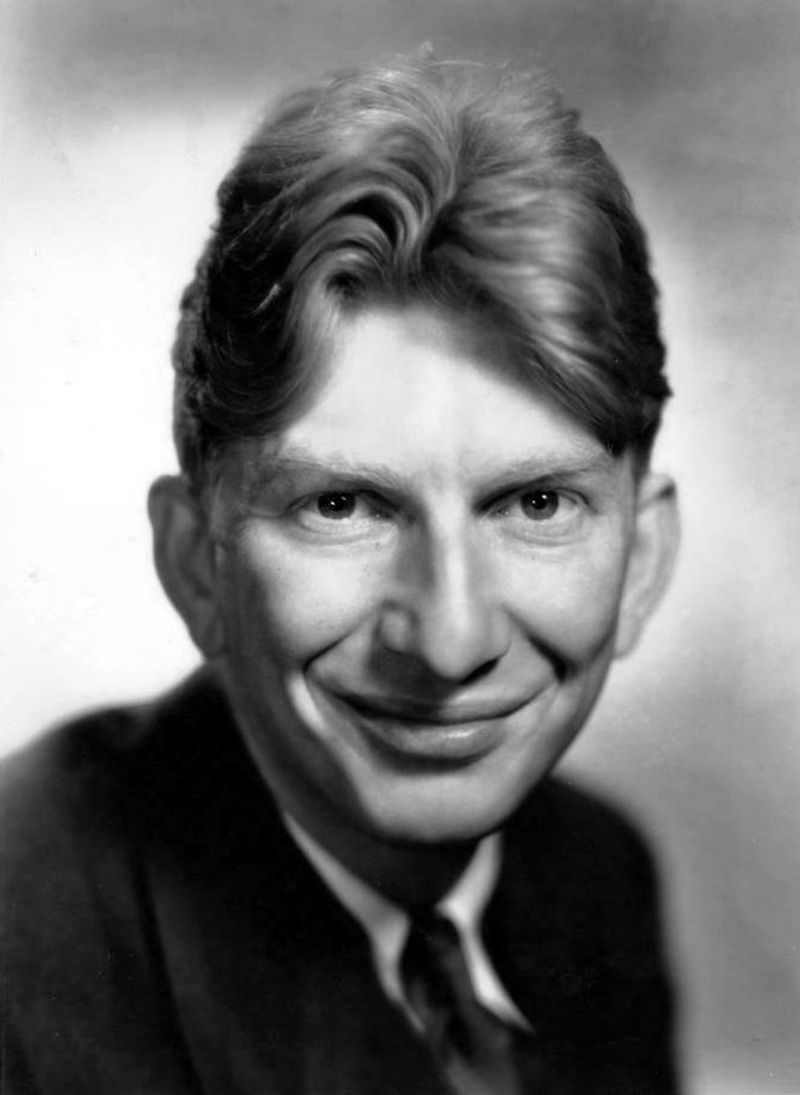
Sterling Holloway is best known today as the original voice of Winnie the Pooh, but decades before that role, he was performing for American troops near active combat zones. He had already appeared in numerous films before the war and joined the Army’s Special Services division when the conflict began.
Rather than spending his service at a comfortable stateside posting, Holloway traveled with entertainment units to North Africa and Italy, performing shows for troops who were far from home and close to the fighting. Contemporary accounts described performances taking place near the brutal campaign around Cassino, where fighting was severe.
His willingness to bring entertainment that close to a combat zone reflected a genuine commitment to the people actually fighting the war. After military service, Holloway returned to acting and eventually became one of the most recognizable voices in Disney animation history.
The gentle warmth of those voice performances came from a man who had already seen something of the world at its worst.
Jackie Coogan
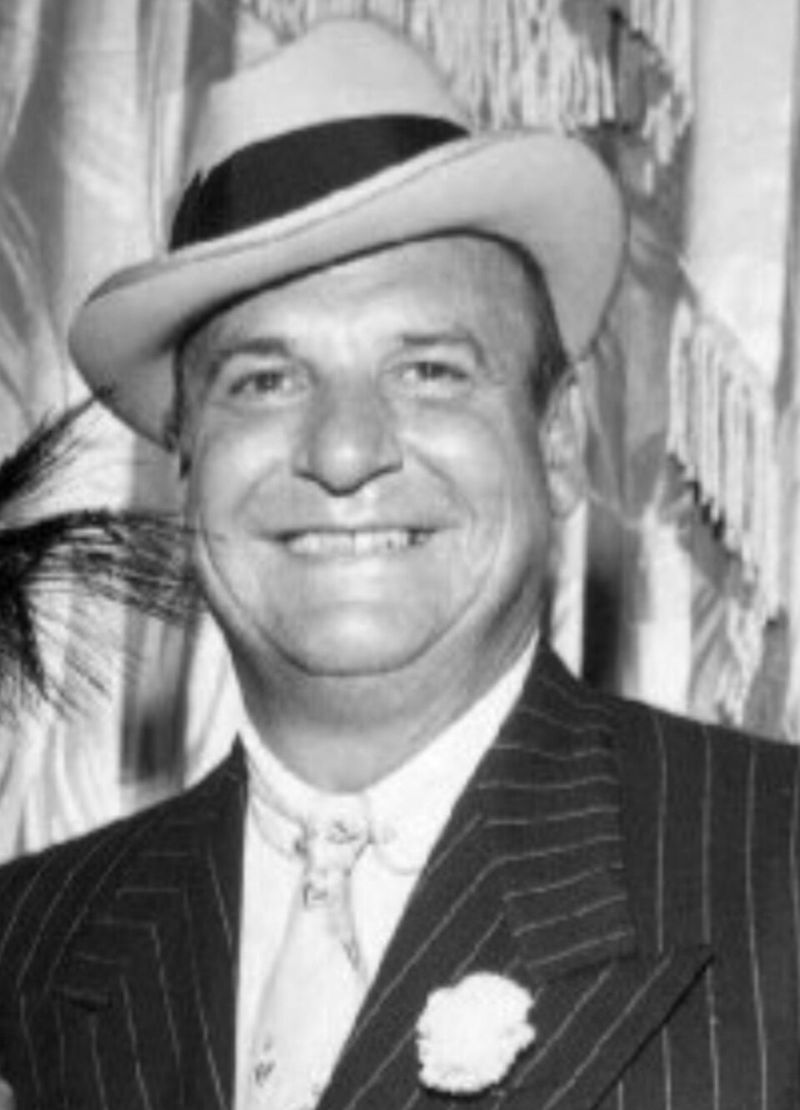
Jackie Coogan had been one of the most famous children in the world after starring alongside Charlie Chaplin in The Kid, but by the time World War II arrived, that early fame had faded considerably. Rather than trading on his celebrity, Coogan entered the U.S.
Army Air Forces and trained as a glider pilot, one of the most technically demanding and genuinely dangerous roles available to military aviators.
He was assigned to the 1st Air Commando Group and participated in the dramatic 1944 air invasion of Burma. During one phase of the operation, Coogan piloted the first glider into the Chowringhee landing site, a precision mission conducted in darkness with no engine and no second chances if something went wrong.
After the war, Coogan returned to acting and eventually found a new generation of fans as Uncle Fester on The Addams Family. His journey from silent-film child star to military glider pilot to beloved television character is genuinely one of Hollywood’s most unusual life stories.
Mickey Rooney
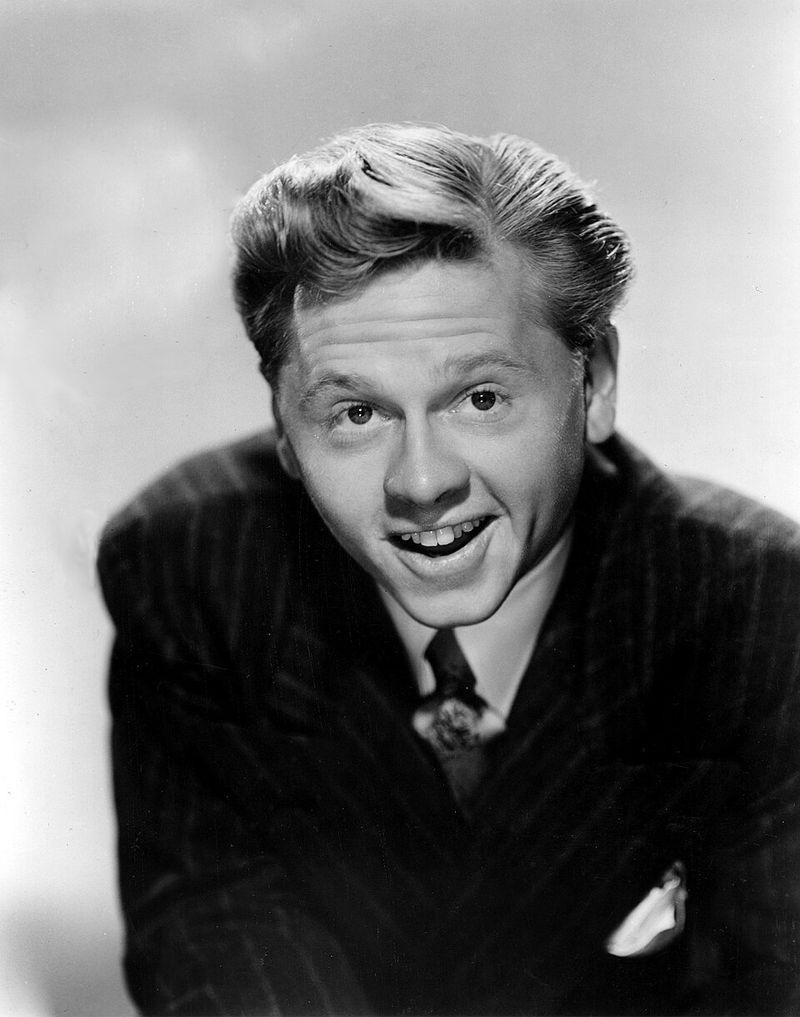
Mickey Rooney was already one of the top box-office stars in America when the Army called in 1944. He was the kind of celebrity whose absence from movie screens was noticed immediately, and his induction represented a genuine interruption of one of Hollywood’s most commercially successful careers at that point.
Rooney served overseas with entertainment units that brought live shows directly to American troops, sometimes traveling close to combat areas to reach soldiers who could not easily get to larger venues. These performances, known as Jeep Shows, included comedy, impressions, and other routines performed in rough, informal settings far from any proper stage.
He returned from military service as a sergeant and later received the Bronze Star for his contributions to troop morale. Rooney then resumed an acting career that had already spanned years before he was old enough to serve.
His willingness to go where the troops actually were, rather than staying safely in the rear, made his wartime contribution something more than symbolic.
Share this story