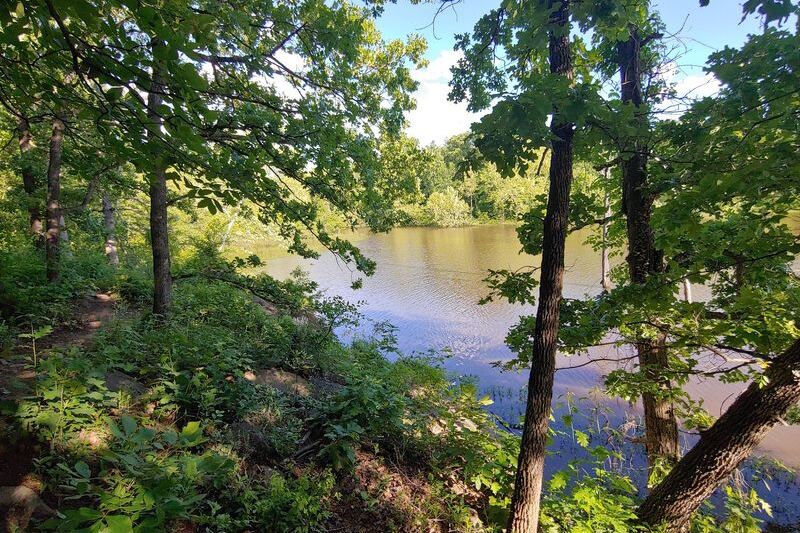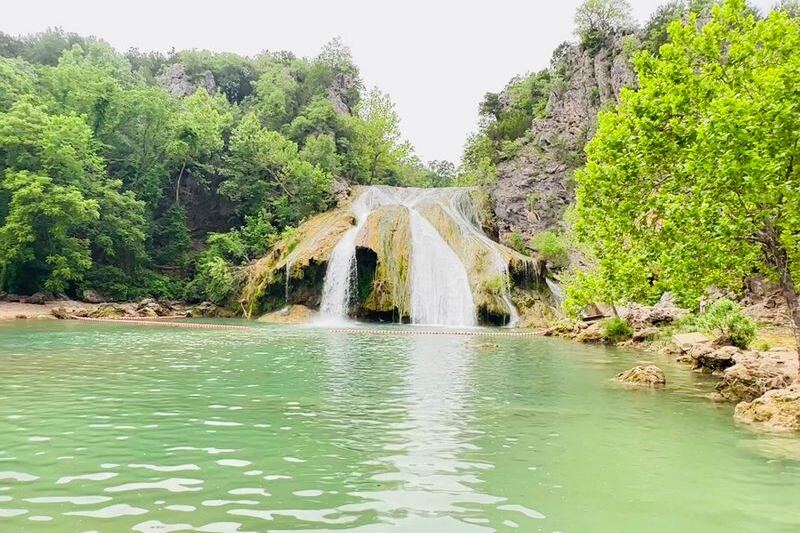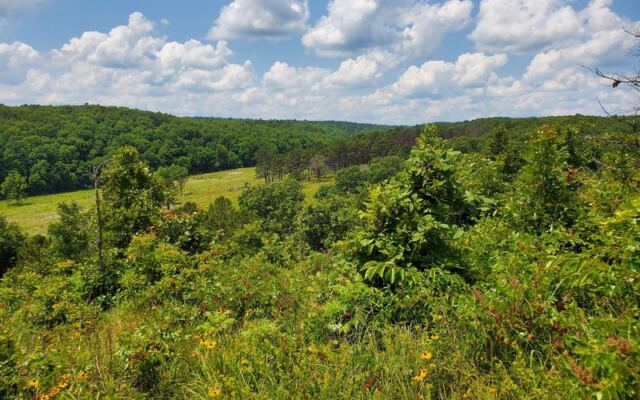
Somewhere in the rolling hills of eastern Oklahoma, tucked along the Illinois River basin, a stretch of wild land quietly holds one of the state’s best-kept outdoor secrets. Most people drive right past without knowing it exists, and locals who grew up nearby are often stunned to discover it for the first time.
The J T Nickel Family Nature and Wildlife Preserve near Tahlequah offers something genuinely rare: a chance to hike rugged Ozark terrain where elk, deer, wild turkey, and even black bears share the same hills you are walking. Oklahoma does not run short on beautiful landscapes, but few places feel quite this untouched.
Where the Preserve Sits and What It Protects
Nestled in the rugged hills just outside Tahlequah, Oklahoma, the J T Nickel Family Nature and Wildlife Preserve occupies a stretch of the Ozark Mountains that most travelers never realize exists in this state. Managed by The Nature Conservancy, the preserve protects thousands of acres of intact Ozark ecosystem along the Illinois River basin, a landscape shaped by centuries of natural forces.
The terrain here is a distinctly Oklahoma expression of the Ozarks, and longtime visitors point out that it carries a character all its own, different from the Missouri or Arkansas versions of the same mountain chain. Forested ridges drop into quiet hollows, and creek drainages wind through valleys thick with hardwoods and native grasses.
The Illinois River itself borders portions of the property, adding a riparian dimension that draws an impressive variety of wildlife year-round.
What makes the preserve especially meaningful is the Nickel family’s decision to share it freely with the public. Rather than keeping this spectacular property private, they partnered with The Nature Conservancy to open the land for hiking, wildlife watching, and quiet exploration.
That generosity is something visitors consistently mention when reflecting on their time here.
The Ozark Mountain Ecosystem Inside Oklahoma’s Border
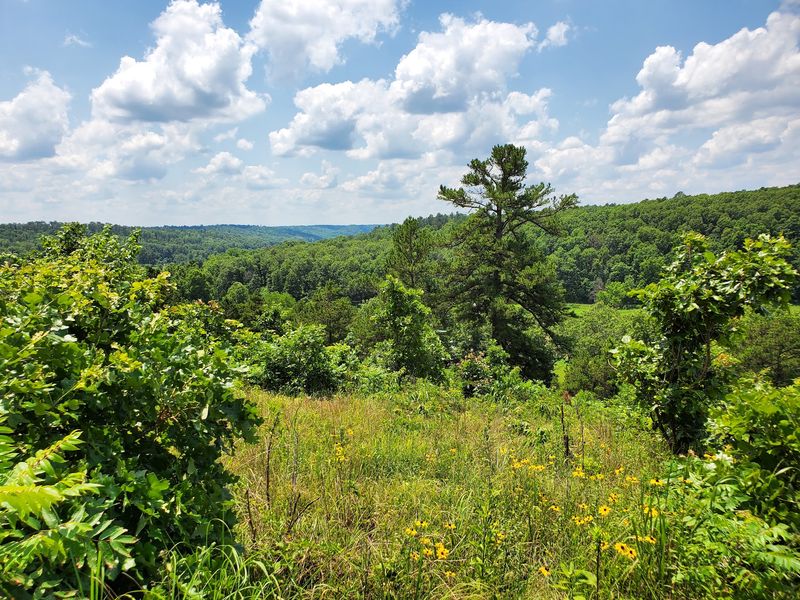
Most people picture flat plains when they think of Oklahoma, so the first glimpse of genuine mountain terrain at the Nickel Preserve tends to stop visitors in their tracks. The landscape here belongs to the Ozark Plateau, a geologic province that extends from Missouri and Arkansas down into the northeastern corner of the state, and this preserve showcases some of its most dramatic local expressions.
Savanna ecosystems blend into pine ridges and hardwood hollows, creating a patchwork of habitat types that supports an extraordinary range of species. In early spring, dogwood trees bloom across the hillsides, painting the forest with soft white blossoms.
By summer, the canopy closes in and the trails feel genuinely remote, shaded and cool even when the surrounding region bakes in Oklahoma heat.
The Nature Conservancy has worked to maintain the ecological integrity of these landscapes, and the results are visible. Native grasses carpet open savannas, the understory remains relatively uncluttered, and the overall sense of a functioning, healthy ecosystem is palpable to anyone paying attention.
Informational signs along the trails explain the ecological relationships at play, turning a simple hike into something closer to a field course in natural history. Few Oklahoma outdoor experiences match the depth of what this landscape quietly teaches.
Elk Herd That Calls the Preserve Home
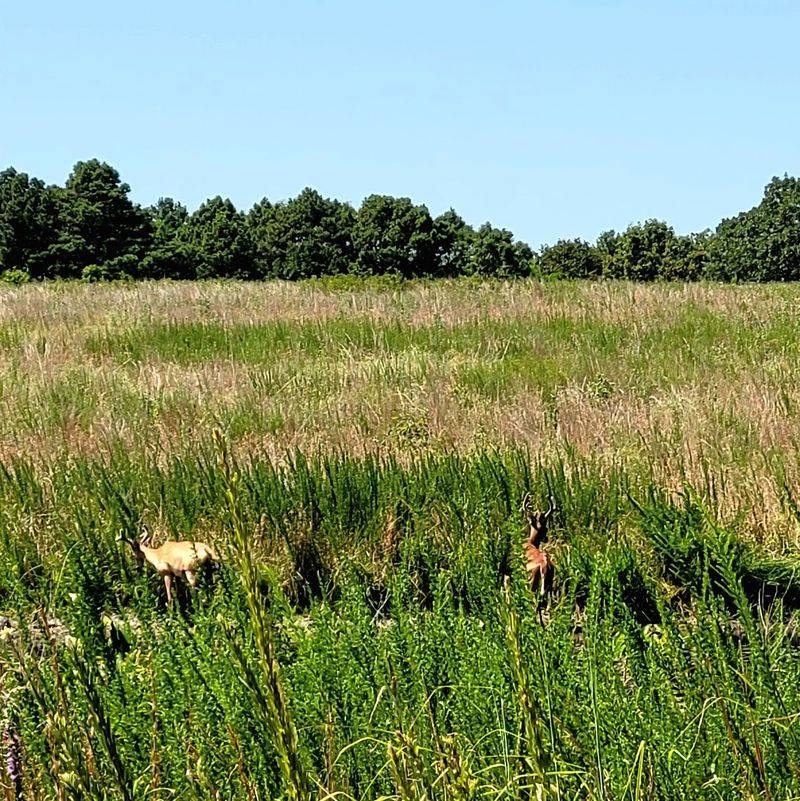
Spotting an elk in Oklahoma sounds like something from a different era, but the Nickel Preserve has quietly become one of the more reliable places in the state to catch a glimpse of these impressive animals. A resident herd roams the property’s open savannas and wooded ridges, and while sightings are never guaranteed, the possibility alone gives every drive or hike a thrilling edge.
Visitors who have made the trip multiple times share a familiar ritual: scanning the open meadows from the gravel road, eyes moving slowly across the grass, waiting for the unmistakable outline of a large rack or the flick of an ear. Some trips yield nothing but beautiful scenery.
Others produce close encounters that people talk about for years. The preserve’s informational materials acknowledge the elk reintroduction as a central mission, framing the herd as living proof that habitat restoration genuinely works.
Early morning visits tend to produce the best odds, as elk are most active in the low-light hours before the day heats up. Driving slowly along the main road through the property and pausing at open areas gives wildlife the space to appear naturally.
Patience is the only real strategy, and the landscape is beautiful enough to make the waiting feel like a reward all by itself.
Deer, Wild Turkey, and the Rest of the Wildlife Roster
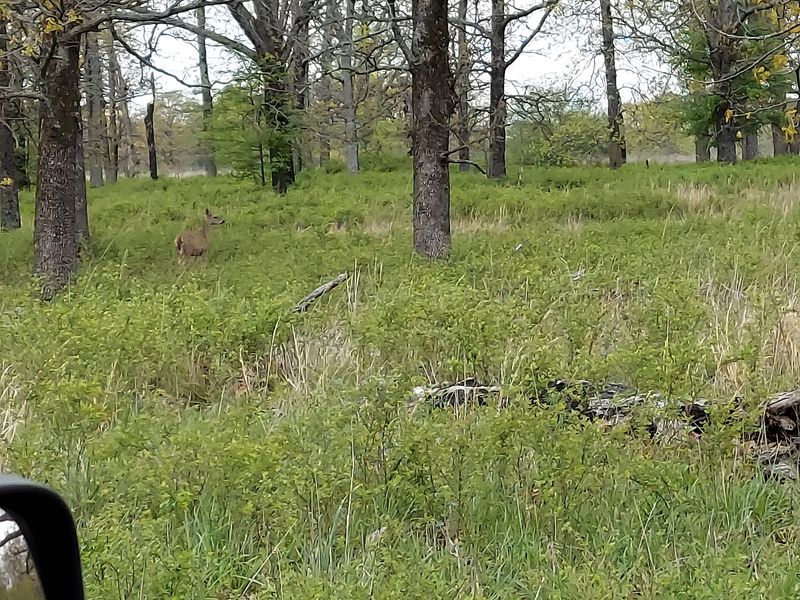
Elk get most of the headlines, but the Nickel Preserve supports a genuinely impressive cast of wildlife beyond the resident herd. White-tailed deer appear in remarkable numbers throughout the property, and multiple visitors have described scenes of dozens of deer moving through the forest on both sides of the road simultaneously, an almost surreal abundance for a place so close to civilization.
Wild turkey are another reliable sighting, often spotted in small groups picking through open areas in the early morning hours. Groundhogs emerge from the grassy margins along trail edges.
In winter months, bald eagles have been observed in the area, drawn by the Illinois River and the broader river basin habitat the preserve helps protect. The seasonal shift in wildlife activity gives the property a different character depending on when you visit.
Black bears also inhabit the broader eastern Oklahoma region, and the preserve’s wild character makes it suitable habitat. Sightings are uncommon but not unheard of in the surrounding landscape.
For families with children, the wildlife-watching angle transforms an ordinary afternoon drive into something genuinely exciting. Kids press their faces to car windows scanning for movement, and the preserve rewards that kind of patient, attentive looking in ways that a zoo simply cannot replicate.
Trail Network Across Savanna, Pine Ridge, and Wetlands
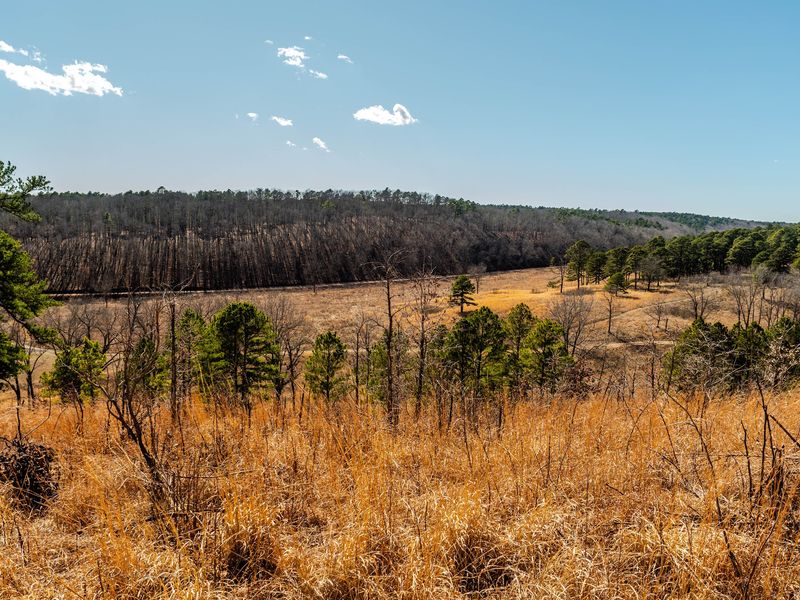
Around three miles of maintained trails thread through the preserve’s varied terrain, covering enough ground to offer a satisfying half-day of exploration without overwhelming casual hikers. The Savanna Trail, the Pine Ridge Trail, and the Wetlands Trail each move through a distinctly different habitat type, which keeps the experience from feeling repetitive even when you hike more than one in a single visit.
The Savanna and Wetlands trails have earned consistent praise for being well-kept and easy to follow. Signage is clear, the path is defined, and the walking is approachable for most fitness levels.
The Pine Ridge Trail has drawn mixed feedback over the years, with some visitors finding it less clearly marked and more overgrown in places, though recent reports suggest signage improvements have helped considerably.
One trail leads to a hilltop overlook that delivers sweeping views across the Oklahoma hills, and regulars consistently mention it as a highlight worth the climb. Informational signs placed along the routes explain the ecology of each habitat zone, identifying plant communities, explaining soil types, and describing the wildlife each area supports.
Hikers who take time to read those signs come away with a surprisingly rich understanding of what makes this particular corner of Oklahoma so ecologically significant.
The Overlook That Earns Every Step of the Climb
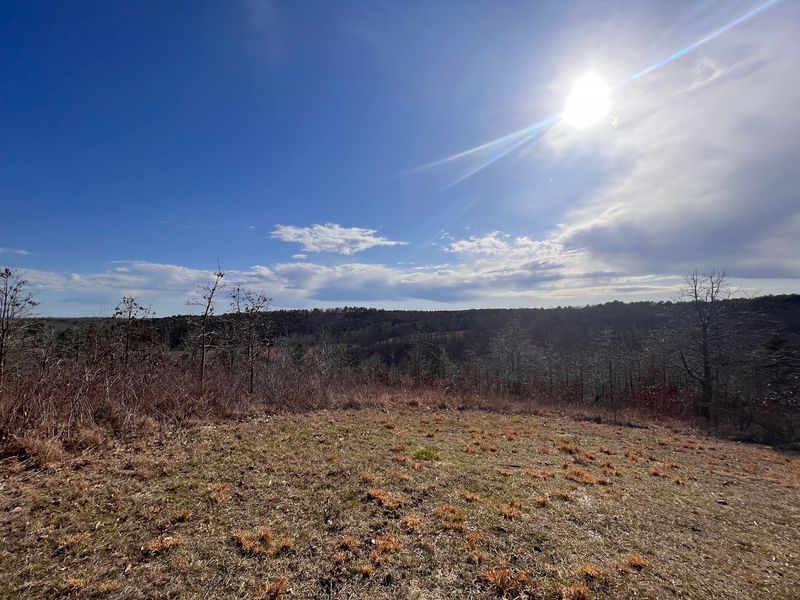
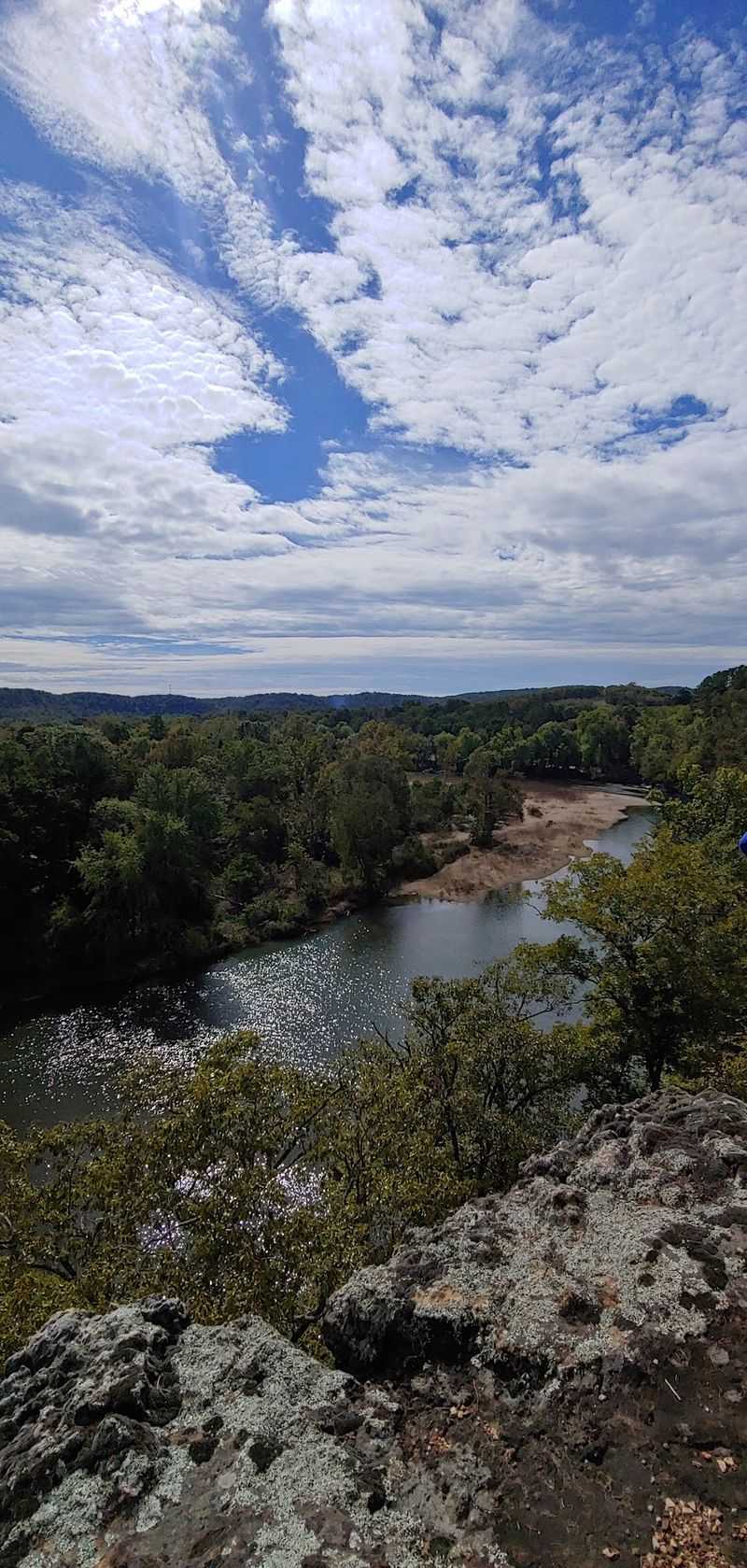
Among all the features the Nickel Preserve offers, the hilltop overlook tends to generate the most enthusiastic responses from visitors. Reached via one of the preserve’s trail routes, the viewpoint opens up a panoramic sweep across the Oklahoma Ozarks that genuinely surprises people who did not expect scenery of this scale from a state more commonly associated with open plains.
The view from the top stretches across layered ridgelines, forested valleys, and the broader Illinois River basin below. On clear days, the depth of the landscape is remarkable, with hills receding in successive waves toward the horizon.
In early spring, the overlook offers front-row views of dogwood blossoms lighting up the forest canopy below, a sight that draws photographers and casual hikers alike.
Getting there requires a moderate climb, and the trail surface is natural rather than paved, so appropriate footwear makes a real difference. The effort involved is well within reach for most visitors, and the payoff is substantial enough that people who make the hike almost universally say it was the best part of their visit.
Arriving in the morning, when light falls across the hills at a low angle and mist still lingers in the hollows, turns the overlook into something genuinely close to extraordinary.
Driving the Preserve Road as a Wildlife Route
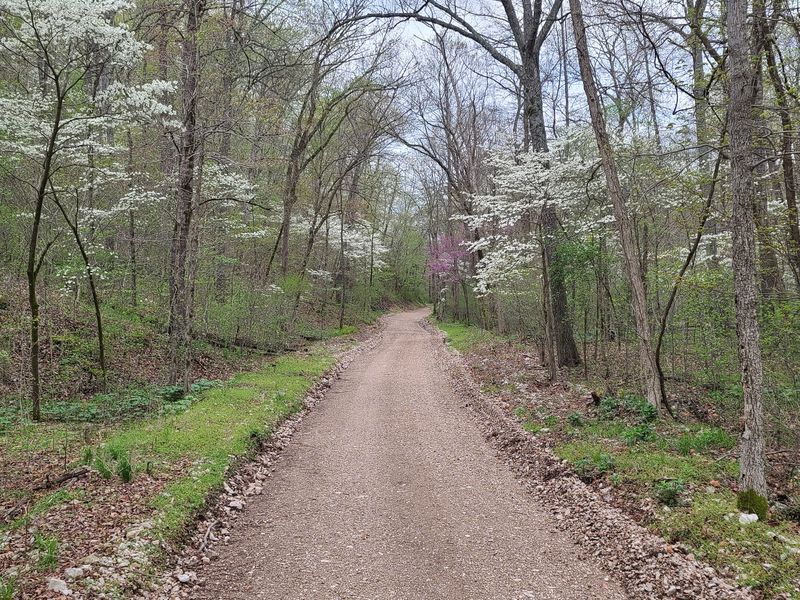
Not every visit to the Nickel Preserve needs to involve lacing up hiking boots. The gravel road that winds through the property offers its own distinct experience, a slow, peaceful drive through some of the most beautiful terrain in eastern Oklahoma.
Families with young children, visitors who prefer a gentler pace, or anyone who simply wants to soak in the scenery without a strenuous hike find the drive-through option genuinely satisfying.
The road condition varies by season and recent weather, with some stretches becoming rougher after heavy rain. A standard vehicle handles the route without difficulty in normal conditions, though visitors have occasionally noted water running across low sections after significant rainfall.
Driving slowly and stopping frequently at open meadows or forest edges dramatically improves wildlife sighting odds.
Deer have a habit of appearing in multiples along this road, sometimes dozens at a time moving through the trees on either side. Elk have been spotted from the road as well, usually in the open savanna sections where sightlines extend across the grass.
Families with kids describe the drive as a kind of low-key safari, with everyone scanning their respective windows for movement. The road is roughly scraped and maintained by the preserve, and recent visitors have generally found it in good condition.
The Preserve Headquarters and Its Informational Resources
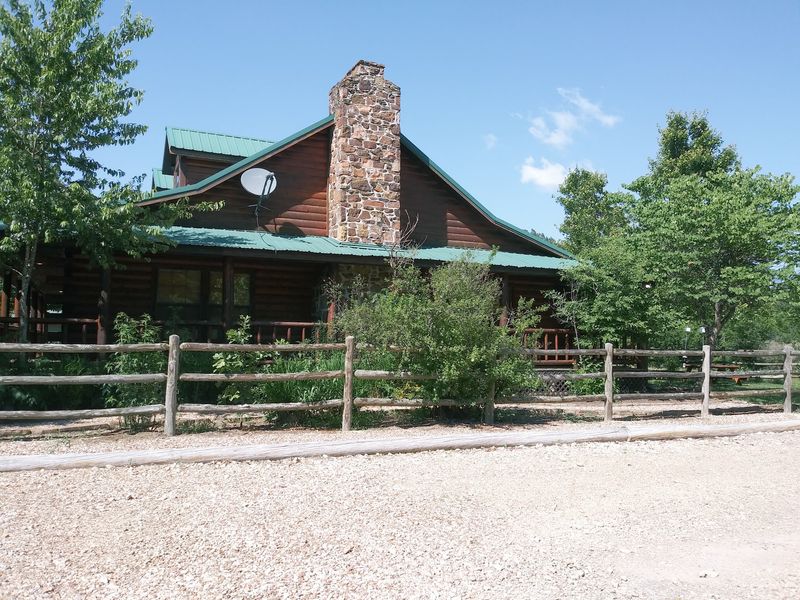
Arriving at the preserve headquarters feels a bit like pulling up to a well-built backcountry cabin. The building carries a rustic character that fits the surrounding landscape naturally, and the exterior features informational signage that begins educating visitors before they ever step inside.
For anyone new to the preserve, a few minutes spent reading these signs provides useful context for everything the hike or drive will reveal.
Inside, when the building is open, visitors can access trail maps, brochures, and more detailed information about the preserve’s ecology and conservation mission. The trail brochure in particular has received repeated praise for its clear explanations of the forest communities along each route, essentially serving as a field guide to what visitors are walking through.
One visitor noted that the brochure’s explanations of the forest were among the most informative they had encountered at any Oklahoma natural area.
The visitor center is not always staffed or open, particularly on weekends, so planning around the building being closed is a reasonable approach. A porta-potty in the parking area handles the most basic visitor need.
The headquarters is also the primary trailhead, making it a natural starting point for any visit regardless of whether the building itself is accessible. Parking is straightforward and well-situated relative to the main trail entries.
Winter Visits and the Eagle Season Surprise
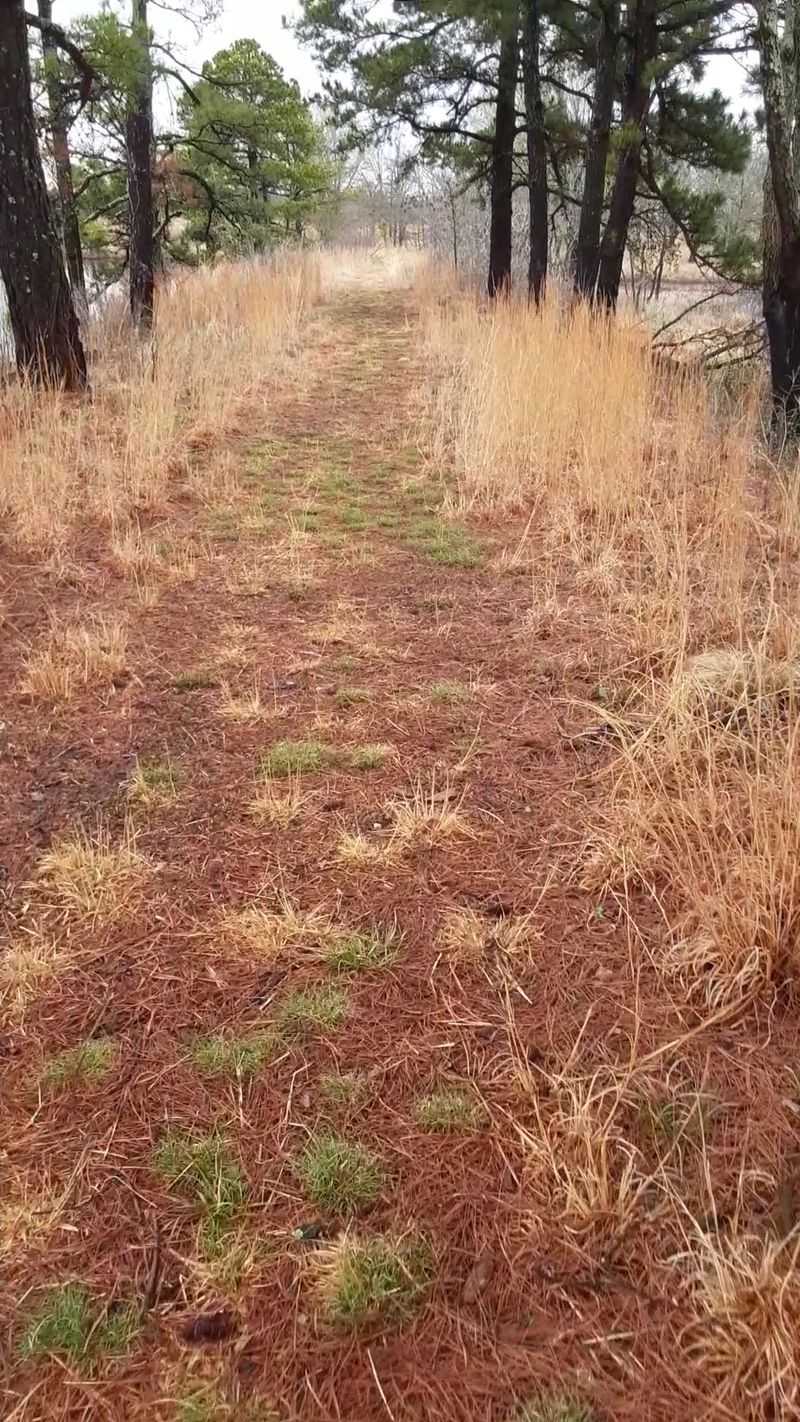
Summer gets most of the hiking traffic, but winter at the Nickel Preserve offers a completely different kind of reward. The crowds thin to almost nothing, the trails become quieter than any other season, and the bare canopy opens up sightlines through the forest that summer’s foliage completely hides.
One visitor described a January hike with no other people in sight, only a dozen or so deer for company, calling it one of the most peaceful outdoor experiences they had ever had in Oklahoma.
Bald eagles move into the area during the colder months, drawn by the Illinois River basin and the fish-rich waters nearby. Spotting one of these birds from the preserve road or from a trail vantage point adds a dramatic element to winter visits that summer simply cannot offer.
The eagles tend to perch in tall trees near water, and knowing to look for them along the river corridor significantly improves sighting odds.
The cold also means ticks, which are a genuine concern during warmer months, become far less of an issue. Hikers who find the tick situation off-putting in spring and summer often discover that winter is actually the most comfortable season to cover the trails thoroughly.
Layered clothing handles the temperature, and the payoff in solitude and wildlife variety makes the colder months genuinely worth considering.
Tick Awareness and Trail Preparation Tips
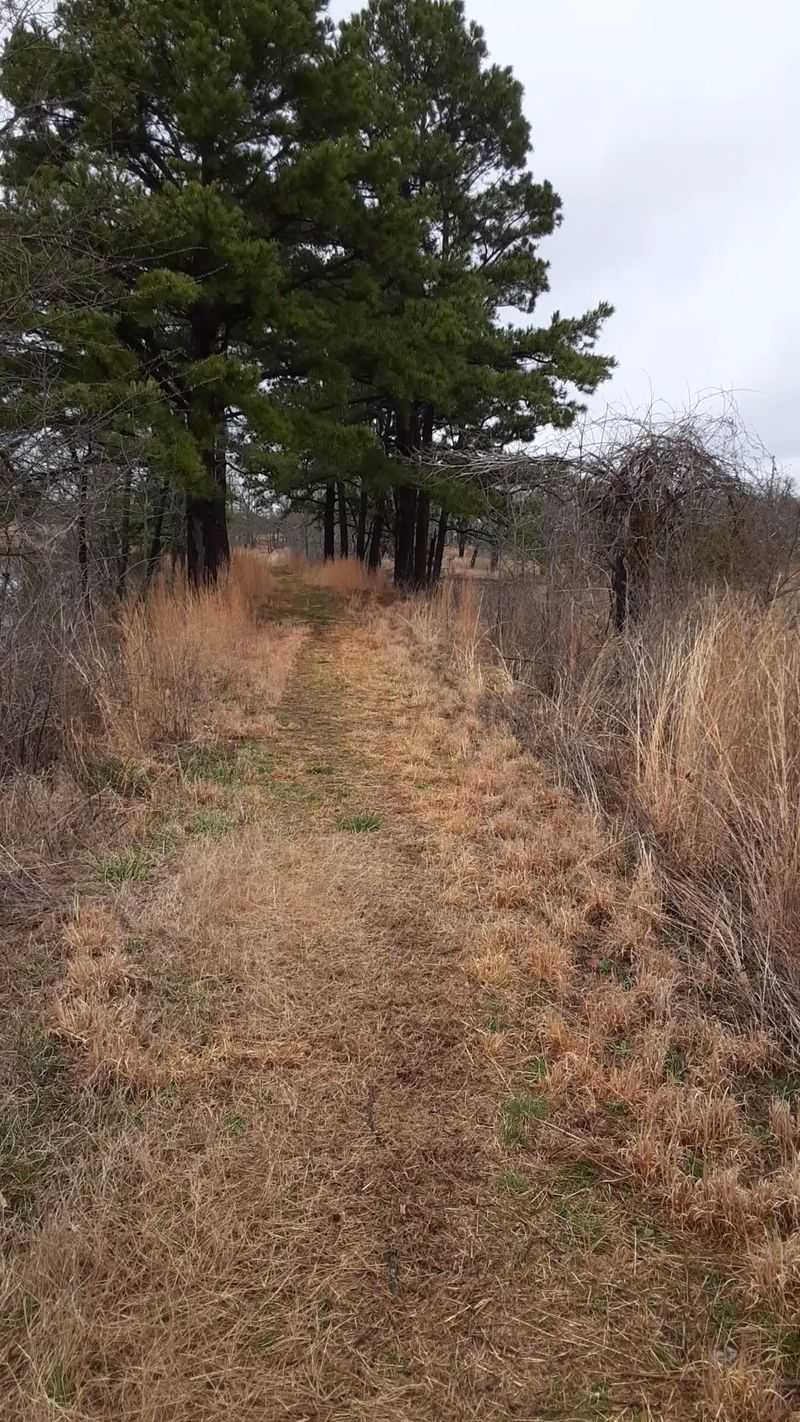
Honesty about the tick situation at the Nickel Preserve is something visitors consistently appreciate from fellow hikers who have been there before. With the exception of the main gravel road, most of the trails run through natural vegetation, and that means ticks are a real and present companion during the warmer months.
Multiple visitors have reported pulling a dozen or more ticks off their legs before finishing a single trail.
The practical response is straightforward. Tucking pants into socks, applying insect repellent to exposed skin and clothing before setting out, and doing a thorough tick check immediately after returning to the vehicle all significantly reduce the risk.
Light-colored clothing makes ticks easier to spot during checks. Staying on the center of the trail path rather than brushing against vegetation on the edges also helps.
None of this should discourage a visit. Ticks are a feature of virtually every natural area in eastern Oklahoma, and the Nickel Preserve is no different from other wild spaces in the region.
Visitors who come prepared and take the post-hike check seriously report no significant problems. The trails are worth the minor inconvenience, and treating tick awareness as a normal part of outdoor preparation rather than a reason to stay home is the right mindset for enjoying this kind of genuinely wild landscape.
Hours, Access, and Getting to the Preserve
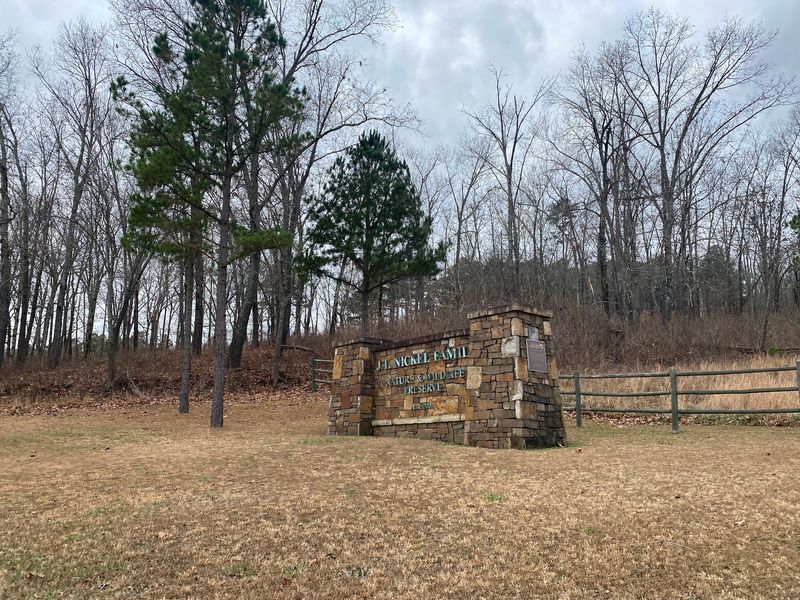
Getting to the Nickel Preserve requires a bit of commitment, which is part of what keeps the crowds manageable. The preserve sits near Tahlequah in Cherokee County, accessible via rural roads that wind through some genuinely beautiful eastern Oklahoma countryside.
The final approach involves a gravel road, and while the preserve maintains it reasonably well, conditions after heavy rain can make some sections rough. A standard car handles the route in normal conditions.
The preserve opens at 7 AM every day of the week and closes at 7 PM, giving visitors a generous window from sunrise to well past the golden hour of early evening. Those hours hold across all seven days, which makes weekend visits completely accessible.
The phone number on file for the preserve is 918-207-0671, and The Nature Conservancy’s website provides additional planning information for anyone wanting to review trail details before arriving.
Access to the preserve is free of charge, a fact that feels almost too good to be true given the quality of the experience. The Nickel family’s arrangement with The Nature Conservancy means the public benefits from what would otherwise be an extraordinary private property.
No admission fee, no reservation system, no complicated permit process. Visitors simply arrive during operating hours, park at the headquarters, and start exploring one of Oklahoma’s most underappreciated natural treasures.
Who Should Make the Trip and Why It Stays With You
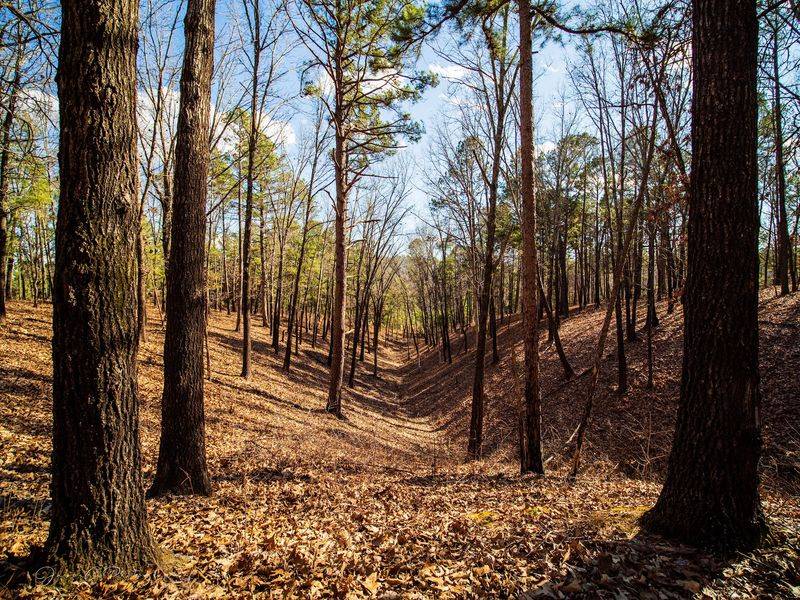
A place like the Nickel Preserve does not appeal to everyone equally, and that is actually part of its charm. Visitors who show up expecting manicured paths, guaranteed wildlife sightings, and full visitor services will find the experience underwhelming.
But those who arrive with patience, curiosity, and a genuine interest in wild Oklahoma landscapes tend to leave with something that feels more like a discovery than a simple outing.
Families with kids who can handle a moderate hike find the combination of wildlife potential and educational trail signage genuinely engaging. Solo hikers and couples looking for quiet solitude report that the preserve delivers it reliably, especially on weekday mornings when the place feels entirely private.
Photographers and naturalists find the habitat variety and wildlife diversity worth multiple return trips across different seasons.
What tends to stick with people long after the visit is harder to pin down precisely. Maybe it is the scale of the landscape, or the genuine wildness of a place where elk and eagles still operate on their own terms.
Maybe it is the quiet generosity of a family choosing to share something this beautiful with strangers for free. Whatever the reason, the Nickel Preserve has a way of earning a permanent spot in visitors’ mental maps of Oklahoma, the kind of place you find yourself recommending to anyone who mentions wanting to get outside.
Share this story