Some places leave you with photographs, but the best destinations leave you with stories about the people you met along the way. Friendliness is hard to measure, yet traveler surveys give us a pretty clear picture of where visitors feel most at home.
Conde Nast Traveller’s 2025 Readers’ Choice Awards asked readers worldwide to rate how welcoming destinations felt, and the results were striking. The 15 countries below come from those traveler-based rankings and represent some of the most genuinely warm corners of the planet.
Kenya
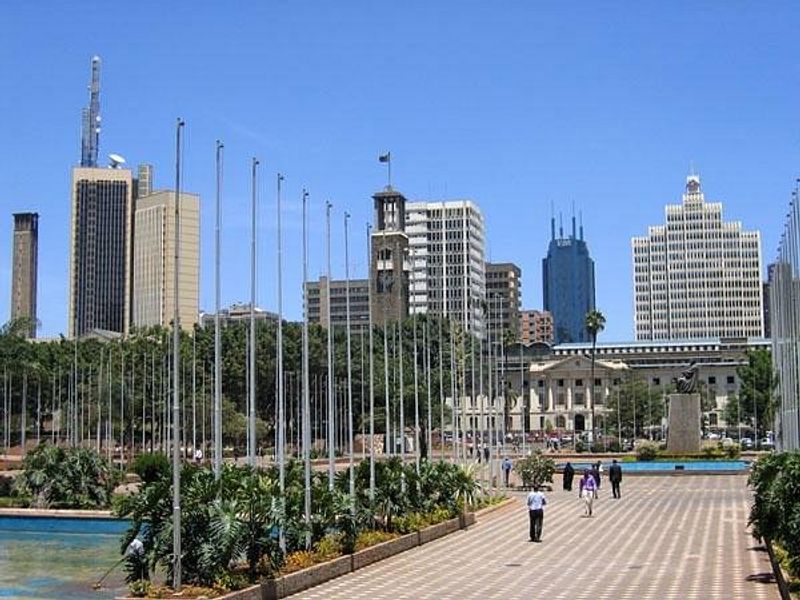
Kenya topped Conde Nast Traveller’s worldwide friendliness ranking for 2025 with a jaw-dropping 98.46% score, beating out every other country on the planet. That number might seem abstract until you actually land in Nairobi and realize the warmth is completely real.
Guides, drivers, camp staff, and locals have a way of making you feel like a guest rather than a transaction.
Kenya’s tourism identity goes far beyond lions and elephants. The country is home to more than 40 distinct communities, each with its own language, cuisine, music, and traditions.
Travelers who make time for cultural experiences often say those moments rival any wildlife sighting.
Social eating is a big deal here. Nyama choma, a beloved tradition of shared roasted meat, brings people together across the country.
Whether you are on safari in the Maasai Mara, exploring Nairobi, or relaxing along the Swahili coast, Kenya has a remarkable ability to make strangers feel genuinely welcome.
Barbados
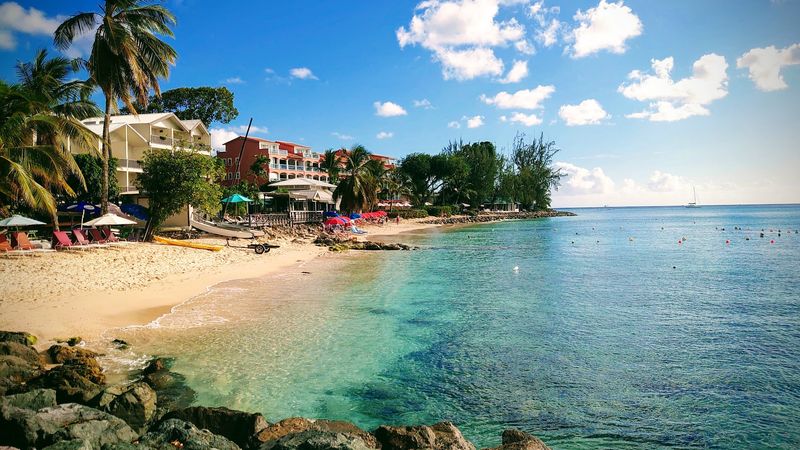
Ask anyone who has visited Barbados what they remember most, and a surprising number of people skip past the beaches and go straight to the people. Barbados placed second worldwide in the 2025 Readers’ Choice friendliness survey with an impressive 98.18% score, and the island’s tourism ministry actually lists the warmth of Barbadians as one of its official core strengths.
That is a bold claim, and travelers consistently back it up.
The annual Crop Over festival is one of the best windows into Bajan culture. Rooted in the end of the sugar-cane harvest, it fills the season with calypso music, elaborate costumes, community events, and enough food to keep anyone happy for weeks.
The energy is completely infectious.
Outside of festival season, the social life of the island unfolds in rum shops, fish fries, cricket grounds, and neighborhood restaurants. Barbados never feels like a place designed purely for resort guests.
There is a genuine community here, and visitors are quietly but warmly pulled into it.
Mexico
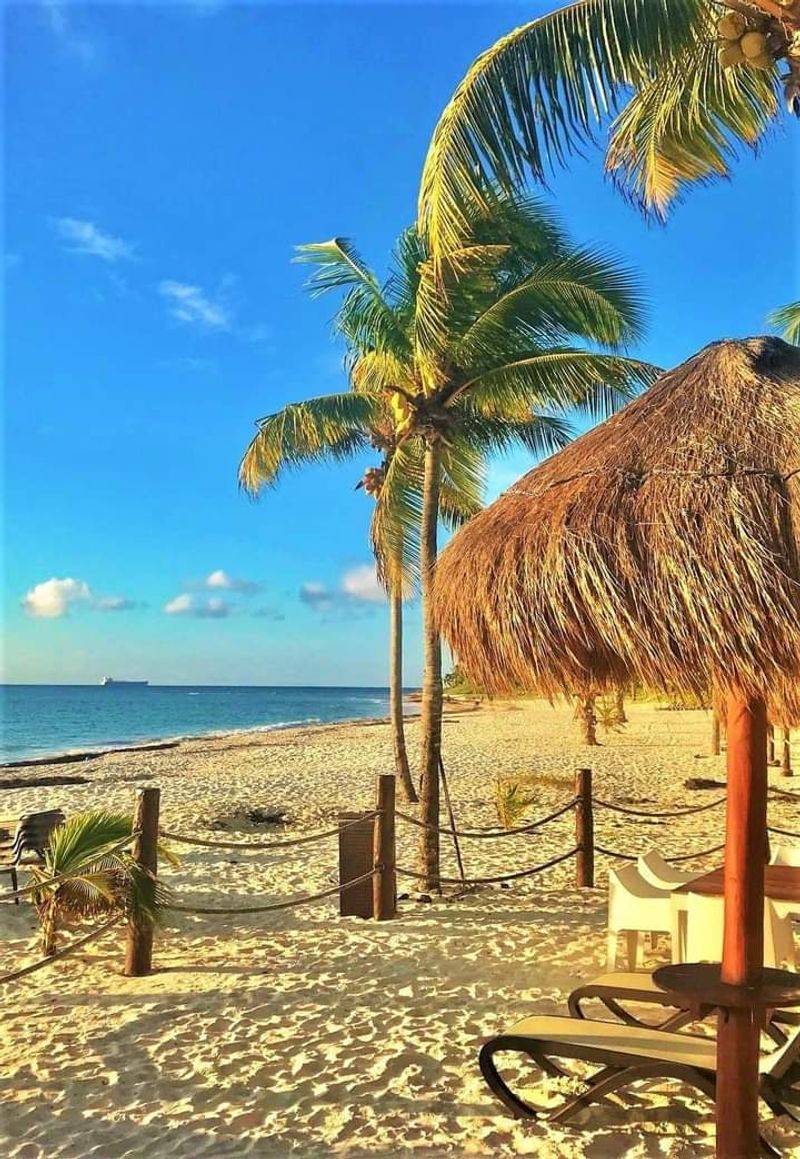
Mexico ranked third worldwide in Conde Nast Traveller’s 2025 survey with a 98.00% friendliness score, but that result does not come as a shock to anyone who has spent real time in the country. InterNations reinforced the point by ranking Mexico first in its 2025 Ease of Settling In Index, with 88% of surveyed expatriates saying they felt genuinely welcome.
That kind of consistency across multiple surveys says something meaningful.
The sociability travelers experience is not limited to one region or one type of destination. Neighborhood markets, family restaurants, town plazas, beach communities, and the enormous energy of Mexico City all carry the same underlying current of warmth.
Regional cultures differ quite a bit, but the hospitality runs through all of them.
Food is often the entry point. Sharing a meal at a small family-run spot, chatting with a market vendor, or joining a local fiesta creates the kind of connection that no guided tour can replicate.
Mexico rewards travelers who slow down just enough to let the country come to them.
Bhutan

Bhutan scored 97.78% in Conde Nast Traveller’s 2025 worldwide friendliness ranking, making it the highest-rated Asian country in that survey. What makes the result especially interesting is that Bhutan approaches tourism in a way that almost no other country does.
Since opening to international visitors in 1974, the country has deliberately kept numbers low and prioritized quality over volume.
Visitors currently pay a US$100-per-night Sustainable Development Fee, which funds infrastructure, environmental protection, cultural preservation, education, and healthcare. Fewer tourists means more personal interactions.
Guides here are not rushing groups through checkpoints. They are genuinely invested in sharing their country.
Monasteries, village stays, traditional festivals, archery competitions, and trekking through some of Asia’s most dramatic landscapes fill a typical itinerary. These are not side attractions bolted onto a sightseeing schedule.
They are the main event. Bhutan gives travelers the rare feeling that a destination has thought carefully about what kind of experience it wants to offer, and the result is something genuinely special.
Cambodia
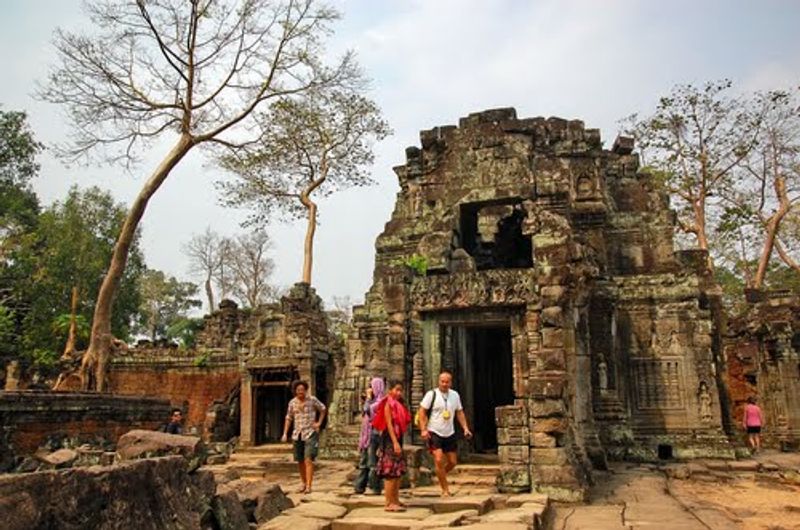
Cambodia ranked fifth worldwide in the 2025 Readers’ Choice Awards with a 97.33% friendliness score, and the warmth travelers describe is remarkably consistent across very different parts of the country. Angkor Wat brings most visitors to Cambodia in the first place, but many of them leave talking about the people rather than the temples.
Community-based tourism has grown significantly here, supported by Cambodia’s Ministry of Tourism. These projects put local communities in charge of tourism activities, keeping income within villages rather than funneling it to outside operators.
Homestays, farming experiences, handicraft workshops, forest walks, and locally guided activities give travelers direct access to everyday Cambodian life.
Siem Reap and Phnom Penh offer polished urban introductions to the country, but spending a night or two in a rural community adds an entirely different layer to a trip. Cambodians have a resilience and openness that travelers often find deeply moving, especially given the country’s complex recent history.
The welcome here feels earned and real.
Vietnam
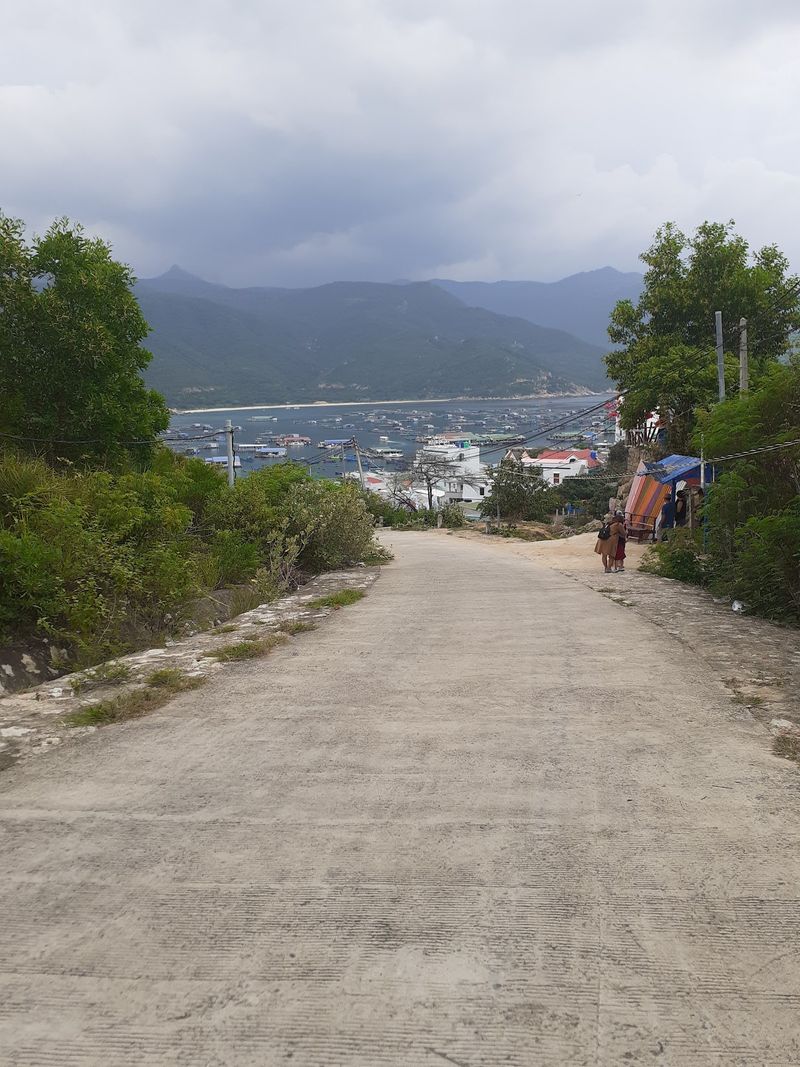
Vietnam received a 97.27% friendliness score in Conde Nast Traveller’s 2025 worldwide ranking, placing sixth overall. The social side of traveling through Vietnam is almost impossible to separate from food, which is a very good thing because the food is extraordinary.
Sidewalk cafes, market stalls, family-run guesthouses, and tiny noodle shops create a constant stream of small, genuine interactions.
Conde Nast specifically called out Vietnam’s sidewalk culture and the relationships travelers develop with local drivers and hosts, particularly on adventures like the Ha Giang Loop in the mountainous north. These routes wind through minority villages and dramatic scenery, and the guides who lead them often become the most memorable part of the journey.
Ho Chi Minh City, Hanoi, Hoi An, and the northern highlands all feel quite different from each other, which keeps longer trips from becoming repetitive. Vietnam’s tourism infrastructure has improved significantly in recent years, making remote areas much easier to reach.
The small-scale human connections that make the country special have not disappeared along the way.
Mauritius
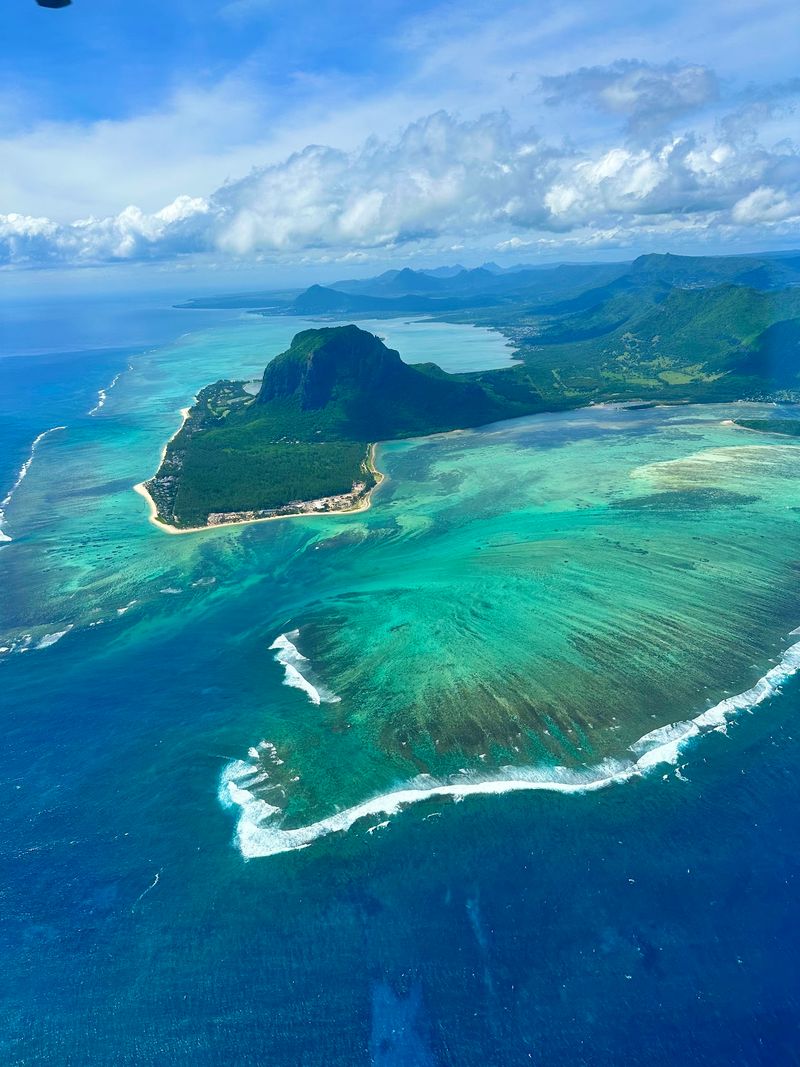
Mauritius tied for seventh in the worldwide ranking with a 96.67% friendliness score, and understanding why requires knowing a little about its history. The island was shaped by African, Indian, Chinese, and European influences over centuries, and that mix is not just visible in architecture or food.
It runs through the social fabric of everyday life in a way that is immediately noticeable to visitors.
Hindu temples, mosques, churches, Chinese heritage sites, Creole cooking, and Indo-Mauritian traditions coexist across a relatively compact island. Travelers who stick only to beach resorts miss much of this richness.
Port Louis markets, local festivals, and village communities reveal a cultural depth that the resort brochures rarely advertise.
The diversity of Mauritius creates multiple entry points into local life. Whether a traveler connects through food, religious celebrations, music, or simply chatting with a guesthouse owner, the island offers something more layered than polished resort hospitality.
Mauritius has built a reputation for luxury travel, but its most memorable quality might actually be the genuine curiosity its people show toward their guests.
Chile
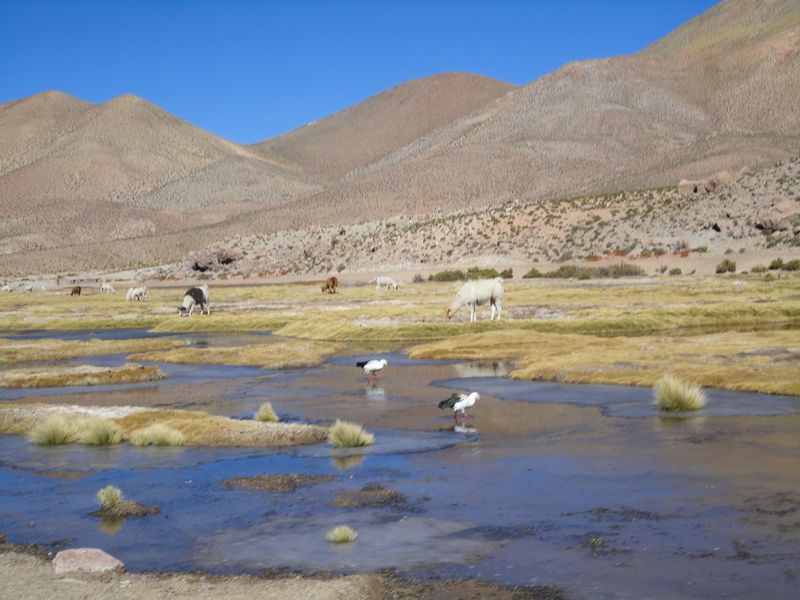
Chile tied Mauritius with a 96.67% score in the 2025 worldwide Readers’ Choice survey, making it the only South American country on the global list. The country stretches so far from north to south that describing a single Chilean hospitality experience is almost impossible.
Desert towns, wine valleys, fishing villages, island communities, and Patagonian wilderness settlements each carry their own distinct personality.
September is when Chilean social culture becomes most visible to visitors. Independence celebrations bring out fondas, which are temporary gathering spaces filled with empanadas, chicha, cueca dancing, and the kind of communal energy that is hard to find in a restaurant or hotel.
Travelers who time their visit right stumble into something genuinely festive and welcoming.
Conde Nast highlighted the importance of community ties as a defining feature of Chilean friendliness. The country’s geography is famously extreme, but the social traditions connecting its distant regions are surprisingly consistent.
Whether you are sharing a meal in San Pedro de Atacama or warming up in a Chiloe kitchen, the feeling of being genuinely received rather than merely accommodated comes through clearly.
Thailand
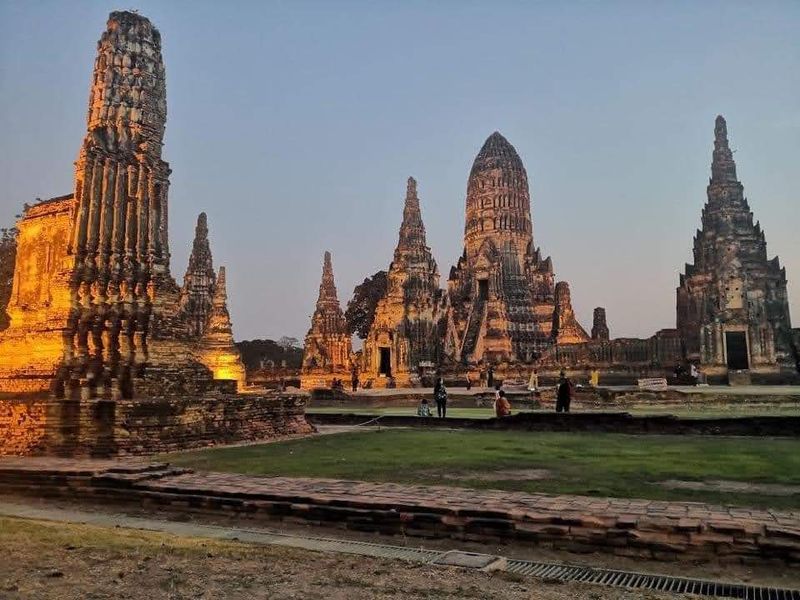
Thailand tied for eighth place worldwide with a 96.36% friendliness score, and its reputation as the Land of Smiles has been around long enough that it risks sounding like a cliche. The thing is, most travelers who spend real time here find that the reputation holds up.
The warmth shows up in street food markets, small guesthouses, cooking schools, diving communities, and neighborhood temples just as much as in high-end hotels.
What makes Thailand work for such a wide range of travelers is how many different versions of the country exist simultaneously. Backpackers, families, solo adventurers, and resort guests all encounter the same underlying culture of hospitality, just in wildly different settings.
Bangkok, Chiang Mai, the southern islands, and rural northern provinces each provide their own flavor.
The Tourism Authority of Thailand actively promotes local food, festivals, and traditions as central to the visitor experience rather than treating the country as a collection of beach destinations. That approach keeps the cultural side of Thailand visible and accessible.
A cooking class, a temple visit, or a conversation with a market vendor can shift an entire trip.
Seychelles
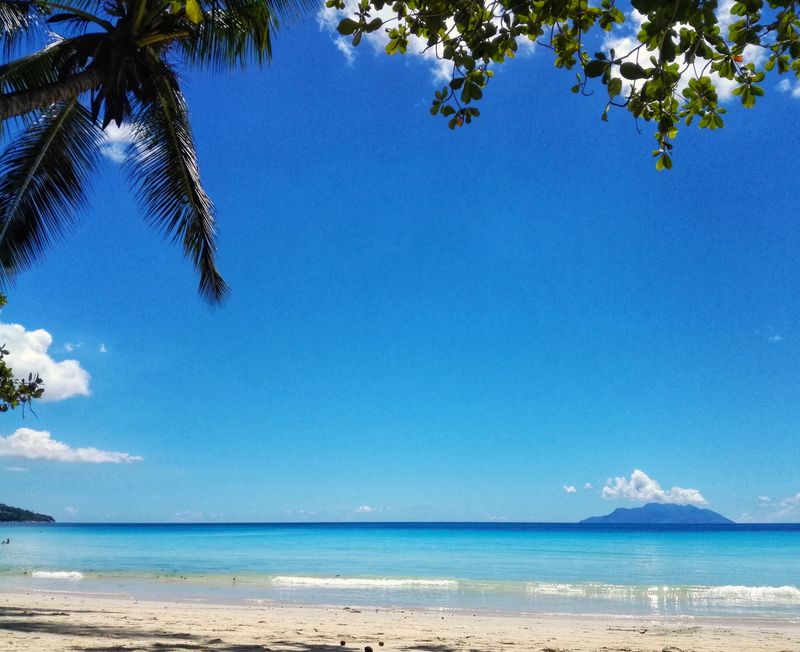
Seychelles shared Thailand’s 96.36% score in the 2025 worldwide survey, but the experience of visiting this archipelago feels nothing like anywhere else on the list. The country’s small population spread across scattered Indian Ocean islands creates an intimacy that larger tourism destinations simply cannot replicate.
You are never far from a genuine one-on-one encounter with someone who calls this remarkable place home.
Creole culture developed from African, European, and Asian influences, and travelers encounter it through seafood, music, local markets, and festivals on islands like Mahe, Praslin, and La Digue. Guesthouses run by local families offer a very different experience from the luxury resorts the Seychelles is famous for, and both have their place depending on what kind of trip you want.
Authorities have been pushing for a quality-over-quantity approach to tourism, which means the destination is not being overwhelmed by visitor numbers. The result is a place where spectacular landscapes dominate the photographs, but conversations with boat operators, guides, and restaurant owners often end up as the stories travelers actually tell when they get home.
Estonia
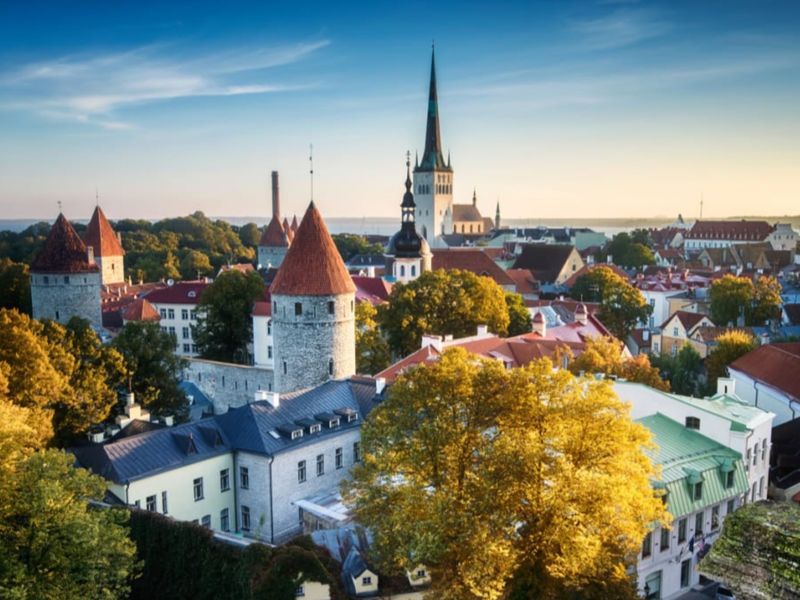
Estonia pulled off one of the biggest surprises in the 2025 Conde Nast Traveller rankings by taking first place in the separate European friendliness survey with a score of 98.46%. For a country not typically associated with exuberant hospitality, that result raised a few eyebrows.
Estonian warmth operates on a different frequency than Mediterranean sociability, but once travelers tune into it, they find it completely genuine.
Helpfulness, respect, and personal space define the Estonian approach. There is no performance of friendliness here, which many visitors find refreshing.
The country is also one of the world’s most digitally advanced societies, which makes practical aspects of travel remarkably smooth and stress-free.
Beyond Tallinn’s stunning medieval center, Estonia opens up into forests, bogs, small towns, and more than 2,000 islands. The official tourism authority actively encourages visitors to slow down and explore at their own pace rather than rushing between landmarks.
That philosophy suits the country perfectly. Estonia rewards travelers who are comfortable with quiet and genuinely curious about a culture that does not need to announce itself to be worth knowing.
Ireland
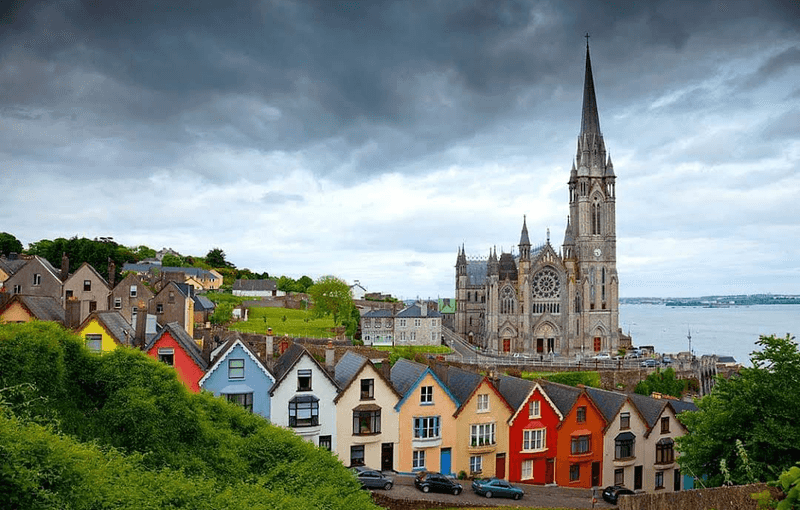
Conversation might be Ireland’s greatest natural resource. The country ranked second in Europe with a 96.84% friendliness score in 2025, repeating the same position it held the previous year, and anyone who has spent an evening in an Irish pub understands exactly why.
A traditional pub here is not just a place to drink. It functions simultaneously as a music venue, community center, restaurant, and informal meeting place for everyone from locals to first-time visitors.
Tourism Ireland puts the welcome front and center in its messaging, and that is not just marketing. The emphasis on cozy pubs and friendly locals reflects something travelers actually report experiencing rather than something invented for a brochure.
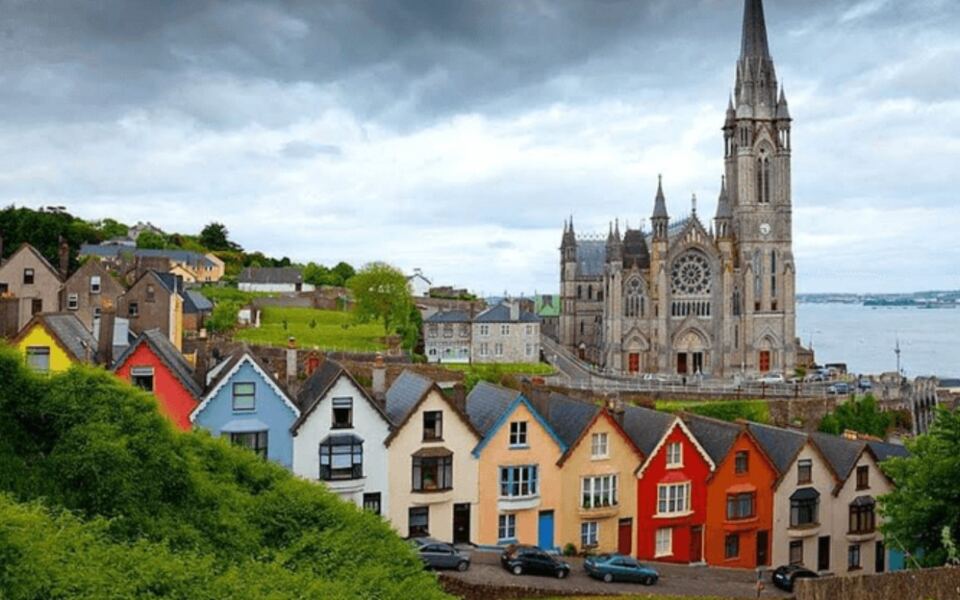
Dublin and Cork provide lively urban introductions with plenty of personality.
Smaller communities along the Wild Atlantic Way and across the inland countryside offer a more personal version of Irish hospitality, where the chances of ending up in a three-hour conversation with someone you just met are genuinely high. Ireland has a gift for making strangers feel like they have been coming back for years, and that quality keeps travelers returning.
Portugal
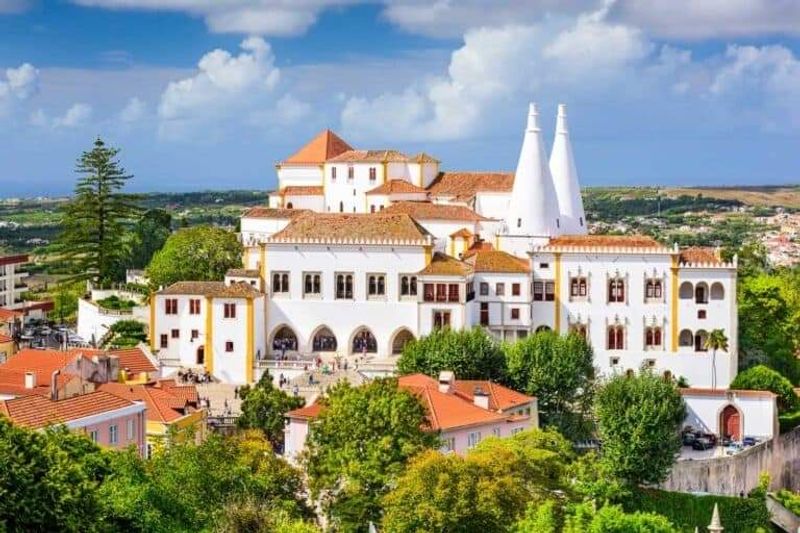
Portugal took third place in Europe’s 2025 friendliness ranking with a 95.18% score, but its reputation for welcoming visitors goes back much further than one survey. An earlier InterNations ranking placed Portugal first for attitudes toward international residents, with 79% of respondents describing Portuguese people as genuinely welcoming.
That consistency across different types of studies is hard to argue with.
The sociability travelers encounter in Portugal tends to be relaxed and unpretentious. Small restaurants, neighborhood cafes, bakeries, wine regions, and local festivals are where the real warmth lives.
Lisbon and Porto attract enormous numbers of visitors, but some of Portugal’s most personal experiences happen in Alentejo villages, Douro wine communities, Madeira, and smaller Algarve towns.
Shared food and unhurried cafe conversations make everyday social life unusually visible to anyone passing through. Sitting down with a pastel de nata and a small coffee is practically a cultural activity.
Portugal has a way of slowing travelers down without them realizing it, and most people leave wishing they had stayed longer. The country earns its reputation quietly and consistently.
Iceland
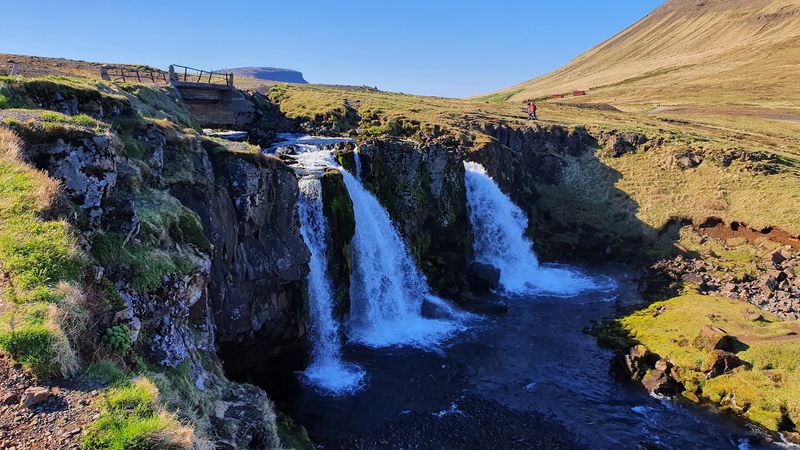
Iceland placed fourth in Conde Nast Traveller’s European ranking with a 94.55% score, rising from sixth the previous year. That upward movement is worth noting because Iceland is not a country that announces its friendliness loudly.
Icelandic culture is often described as private and reserved, particularly by comparison to warmer-climate societies. The warmth here shows up as informality, straightforwardness, and a genuinely egalitarian social atmosphere.
With a national population of only around 400,000 people, even Reykjavik retains the feel of a small city where strangers are not quite as anonymous as they would be elsewhere. Drive beyond the capital and the towns get smaller quickly, with sparsely populated regions where a conversation with a local carries real weight simply because there are fewer people around.
Iceland’s official tourism portal emphasizes local culture, food, family traditions, and community life alongside the dramatic natural attractions. Travelers are actively encouraged to look beyond geysers and northern lights.
Hot pots, local bakeries, Icelandic horse farms, and small fishing villages offer a quieter but equally memorable version of a country that rewards curiosity far more than it rewards rushing.
Turkiye
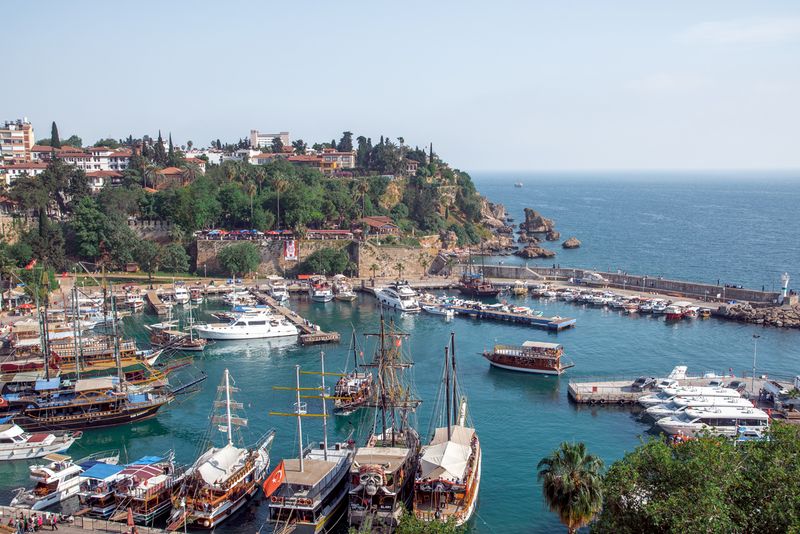
Turkiye ranked fifth in Europe’s 2025 friendliness survey with a 94.12% score, and one small glass of tea explains a great deal about why. UNESCO added the shared tea culture of Turkiye and Azerbaijan to its Representative List of Intangible Cultural Heritage in 2022, specifically describing tea as an expression of hospitality and social interaction.
That tulip-shaped glass of black tea can appear in homes, carpet shops, markets, offices, and roadside cafes with equal frequency.
Accepting a cup of tea is rarely just about the drink. It is an invitation to slow down, talk, and spend a few minutes as a guest rather than a passing stranger.
The same spirit extends to long shared breakfasts and communal meze meals, where the table becomes a social event in itself.
From Istanbul and Cappadocia to the Aegean and Mediterranean coasts, travelers encounter highly varied regional cultures and landscapes. The through-line connecting all of them is a recurring tradition of welcoming guests through food and drink that feels deeply embedded rather than performed for visitors.
Turkiye rewards travelers who accept the invitation to sit down and stay a while.
Share this story