Africa is a continent that refuses to be described in a single sentence. It holds some of the world’s driest deserts, highest mountains, largest wetlands, oldest monuments, and most stunning tropical islands all at once.
Whether you dream of watching a million wildebeest thunder across open plains or floating in crystal-clear Indian Ocean water, Africa has a version of that experience waiting for you. These 15 destinations capture just how wildly different this continent can be, from golden Saharan dunes to palm-fringed island shores.
Merzouga and Erg Chebbi, Morocco
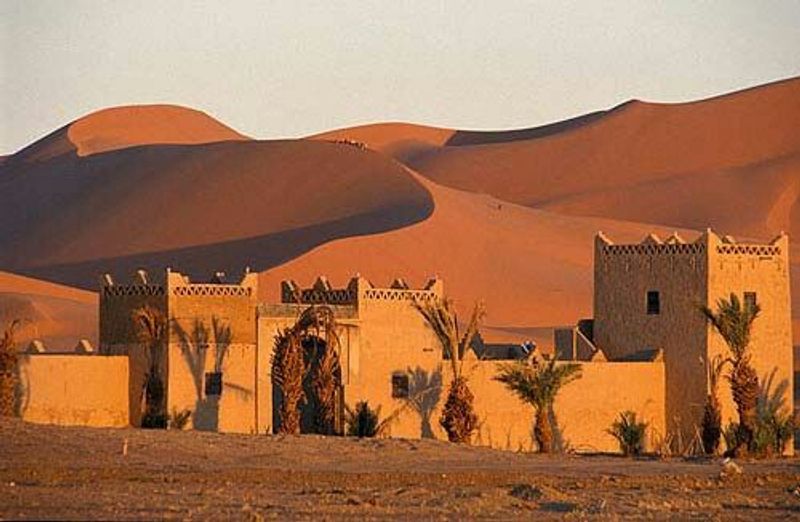
Stand on the edge of Erg Chebbi at sunrise and you will understand immediately why people cross continents to see it. The dunes here can rise well over 150 meters, shifting from pale gold in the morning light to deep amber as the sun drops.
Merzouga, the small village at their base, serves as the jumping-off point for almost every desert adventure in this corner of Morocco.
Camel treks are the most popular way to reach overnight camps tucked between the dunes, but quad biking and 4×4 excursions are also common. The surrounding region rewards extra time.
Nearby Dayet Srij occasionally fills with water after rainfall, attracting flamingos and migratory birds to a landscape that otherwise looks completely arid.
The drive through eastern Morocco adds serious value to the trip. Routes connect Merzouga with Midelt, Errachidia, and the stunning Todra and Dades gorges, threading through oasis valleys and old caravan towns.
This is North Africa at its most dramatic, where the Atlas Mountains gradually give way to open Saharan space. Few places on the continent make that desert-to-mountain transition feel so vivid and rewarding for road travelers.
Okavango Delta, Botswana
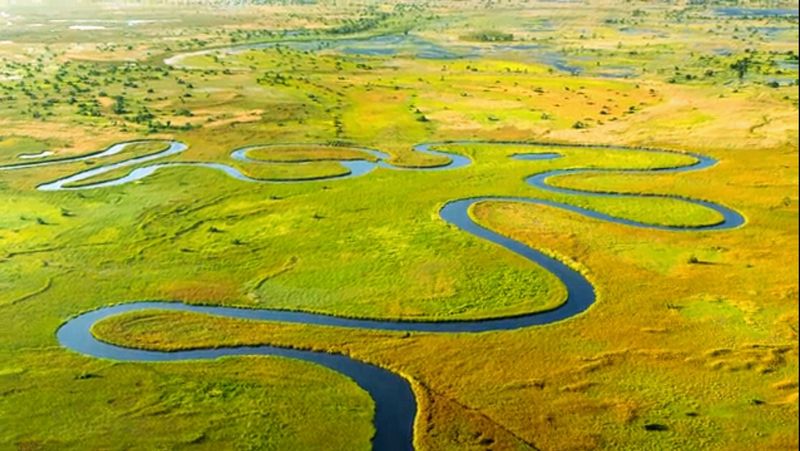
Water is supposed to flow to the sea, but nobody told the Okavango River. Instead of reaching the ocean, it spreads across the flat Kalahari Basin and creates one of the largest inland deltas on Earth.
The result is a sprawling wetland of channels, lagoons, reed beds, and palm-dotted islands sitting in the middle of southern Africa’s driest region.
Botswana Tourism reports the delta can cover anywhere from 15,000 square kilometers during dry periods to 22,000 during wetter months. That enormous, shifting ecosystem supports elephants, hippos, lions, leopards, wild dogs, hundreds of bird species, and antelope in remarkable concentrations.
Safaris here happen by vehicle, motorboat, and traditional mokoro canoe, giving visitors a completely different rhythm from standard savannah game drives.
The UNESCO World Heritage listing recognizes the delta as one of the world’s most important freshwater ecosystems. Permanent swamps blend into seasonally flooded grasslands and dry island interiors, creating habitat diversity that few reserves can match.
Accommodation ranges from simple campsites to some of Africa’s most celebrated luxury lodges, many accessible only by small aircraft. Visiting the Okavango feels less like a safari and more like exploring a living, breathing water world.
Maasai Mara National Reserve, Kenya
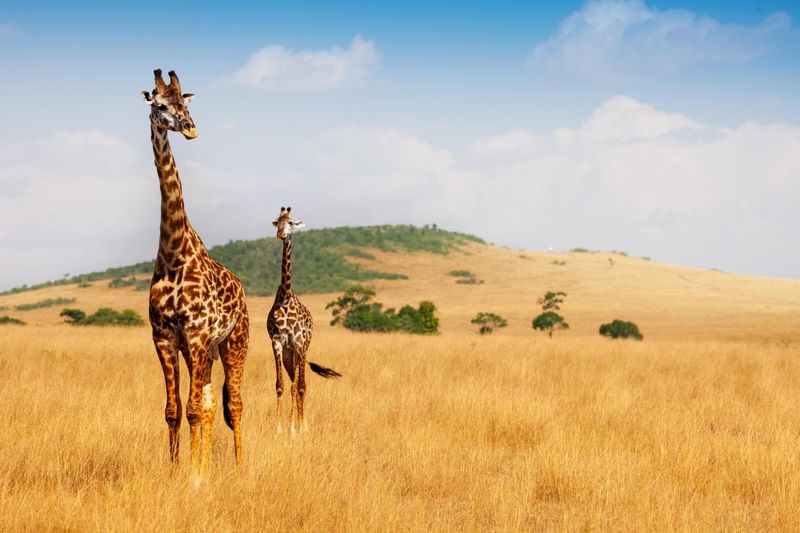
Every year, one of nature’s most jaw-dropping spectacles plays out across the Maasai Mara. Roughly two million wildebeest and hundreds of thousands of zebras pour across the Mara River in chaotic, thundering crossings, chased by crocodiles lurking in the shallows below.
Kenya’s national tourism portal calls this the highlight of the Great Migration, and once you witness it, the description feels like an understatement.
The reserve covers roughly 1,510 square kilometers of broad grassland cut by the Mara and Talek rivers. Lions, cheetahs, leopards, elephants, and hippos are present year-round, making it one of Africa’s most reliably productive wildlife destinations regardless of when you visit.
The open terrain also makes spotting animals relatively straightforward compared to thicker bush environments.
Maasai communities live alongside the reserve and offer cultural experiences that add real depth to a trip. Visiting a traditional boma, learning about cattle-herding traditions, or buying locally made beadwork connects travelers to the people who have shared this landscape with wildlife for centuries.
Hot-air balloon rides at dawn provide a spectacular perspective over the plains. For first-time East Africa visitors, the Maasai Mara often becomes the trip’s defining memory.
Serengeti National Park, Tanzania
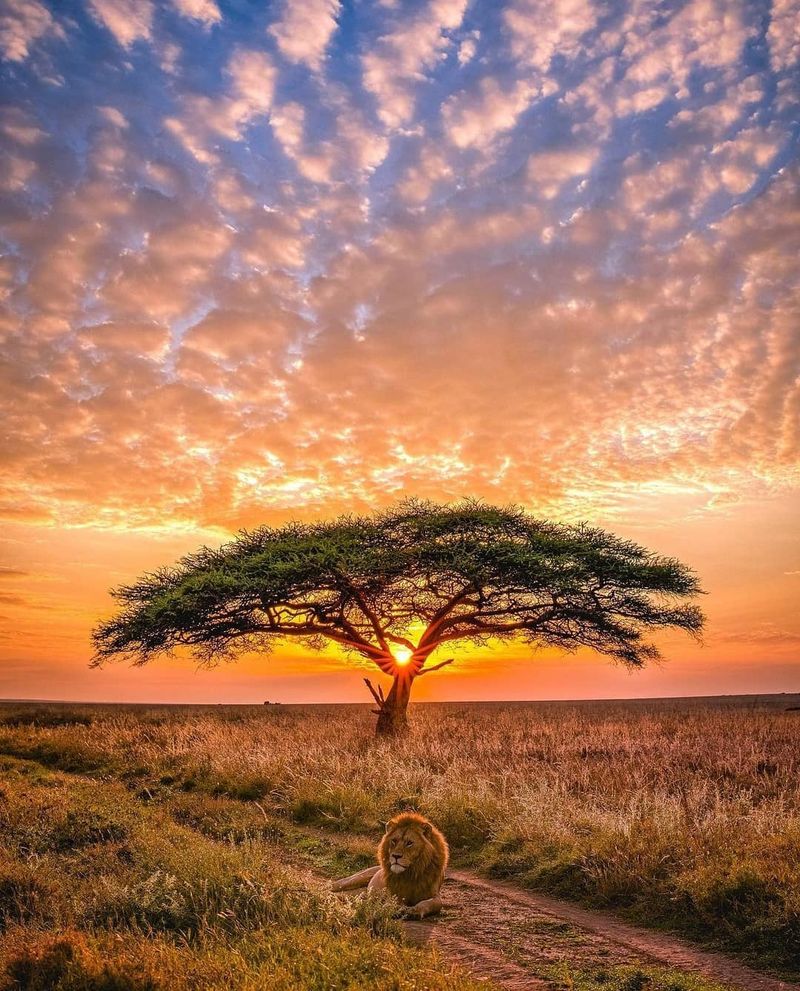
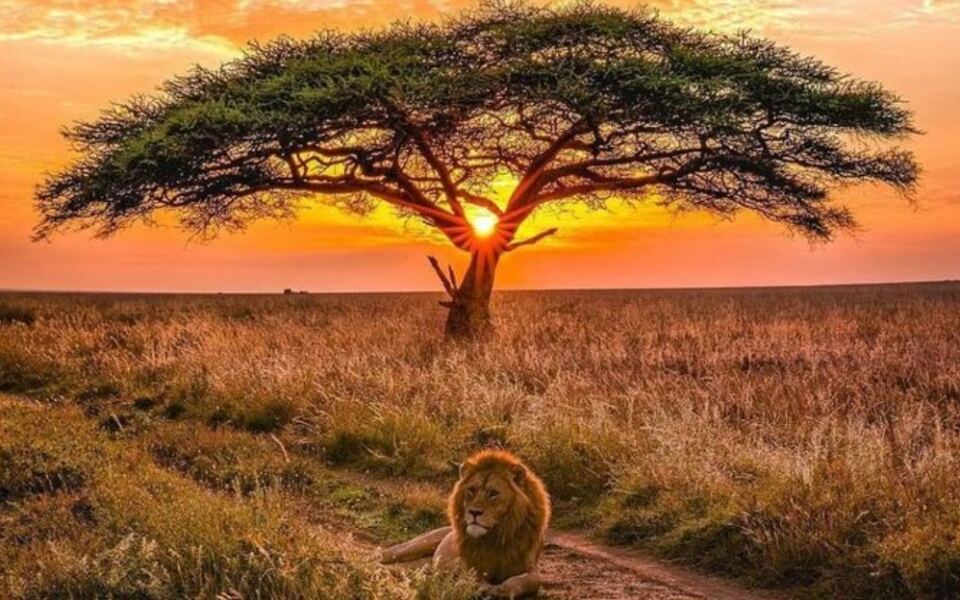
Serengeti means “endless plains” in the Maasai language, and the name earns its reputation the moment you look out across the landscape. UNESCO protects 1.5 million hectares of savannah within the national park alone, while the wider ecosystem stretches significantly further into Kenya.
The scale here is genuinely hard to process until you are standing in the middle of it.
Around two million wildebeest complete an annual circular migration of roughly 1,000 kilometers, accompanied by hundreds of thousands of zebras and gazelles. Lions, leopards, cheetahs, elephants, and black rhinos share the park with more than 500 recorded bird species.
Rocky kopjes rise from the flat plains and serve as favorite lion resting spots, adding texture to a landscape that could otherwise seem uniform from a distance.
The Serengeti works across all seasons because different parts of the ecosystem hold wildlife at different times of year. Short-grass plains in the south attract wildebeest calving between January and March, while the dramatic river crossings happen further north from July through October.
Central woodland areas stay active year-round. Choosing when and where to go shapes the experience significantly, and most visitors find that no single visit covers everything the Serengeti has to offer.
Victoria Falls, Zimbabwe and Zambia
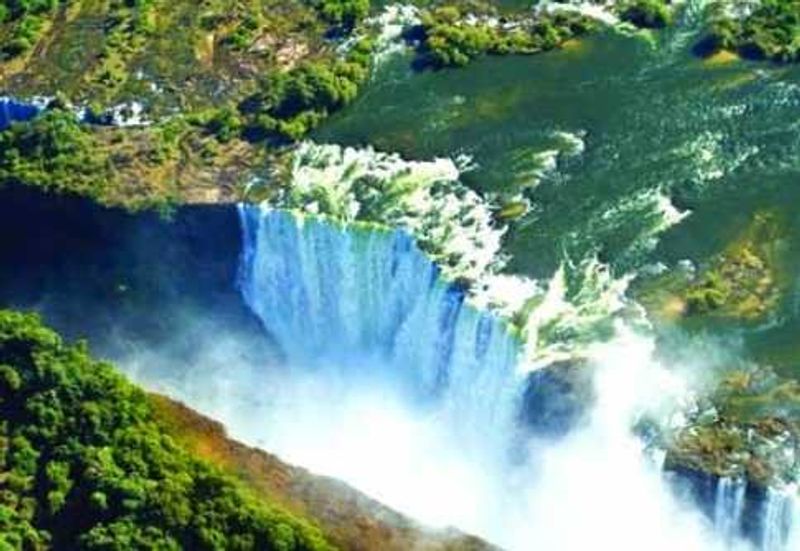
The sound reaches you before the falls do. A deep, rolling thunder builds as you approach the gorge, and then a wall of spray appears above the tree line, soaking everything within range.
Victoria Falls stretches approximately 1,708 meters wide across the Zambezi River, making it the world’s largest waterfall by combined width and height. The traditional Kololo name, Mosi-oa-Tunya, translates as “The Smoke That Thunders,” which is honestly more accurate than anything a travel writer could invent.
UNESCO designated Victoria Falls a World Heritage Site in 1989, recognizing the protected areas on both the Zimbabwean and Zambian sides of the border. Viewpoints, walking trails, and boat trips allow visitors to experience the falls from multiple angles.
During peak flow between February and May, the spray is so intense that raincoats become essential gear for the viewing paths.
The surrounding Zambezi landscape adds wildlife, river safaris, and adventure activities to the waterfall itself. White-water rafting through the gorges below the falls is considered one of Africa’s most thrilling half-day experiences.
Sunset cruises on the Zambezi offer a gentler alternative, often featuring elephants and hippos along the riverbanks. Victoria Falls rewards visitors who stay a few days rather than treating it as a single-afternoon stop.
Volcanoes National Park, Rwanda
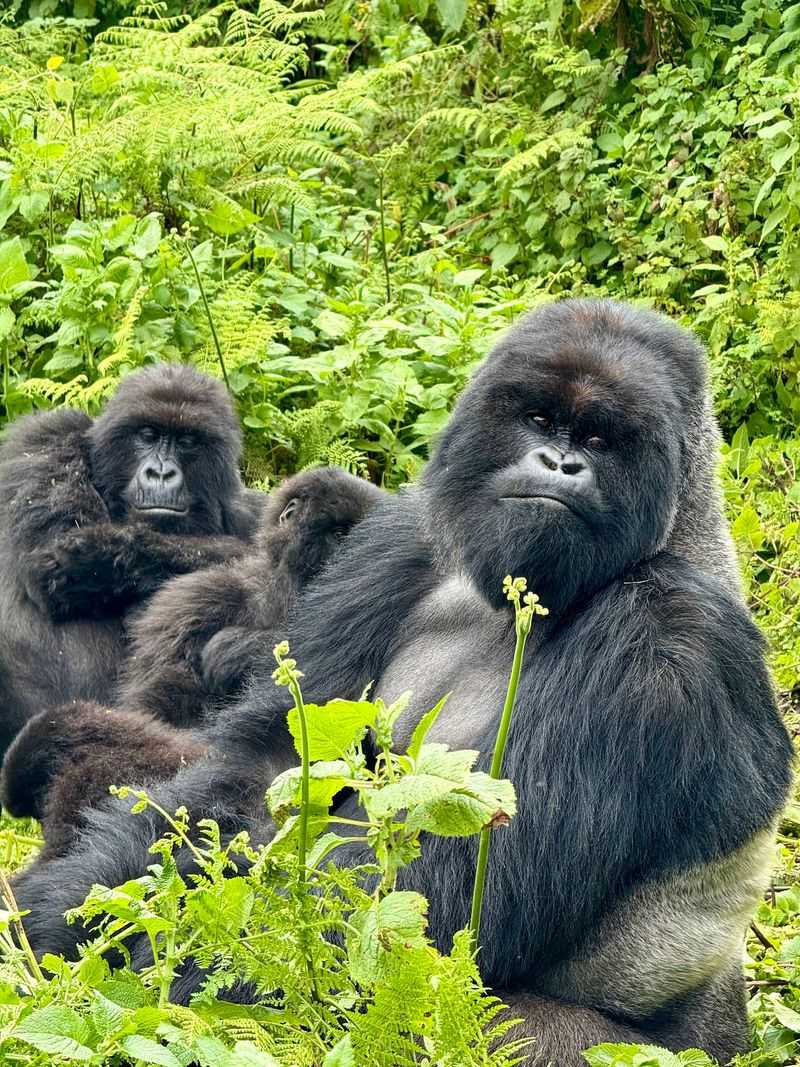
Somewhere above the bamboo zone, where the mist thickens and the forest goes quiet, you might hear branches snapping. Then a mountain gorilla appears, massive and unhurried, moving through the undergrowth with a calm that makes you feel like the visitor you absolutely are.
Volcanoes National Park in northwestern Rwanda offers one of Africa’s most intimate wildlife encounters, and no photograph fully prepares first-time visitors for the experience.
The park protects forested slopes on five of the eight Virunga volcanoes shared between Rwanda, Uganda, and the Democratic Republic of Congo. Small, guided groups spend up to an hour observing habituated gorilla families after trekking through varying terrain that can take anywhere from 30 minutes to several hours depending on where the gorillas have moved.
The area was also the research base for primatologist Dian Fossey, whose work transformed global understanding of mountain gorilla behavior.
Rwanda’s compact geography works in visitors’ favor. Kigali sits only a few hours by road from the park, making it realistic to combine city time with a gorilla trek without long internal travel.
Golden monkey trekking, volcano hikes, and visits to the Dian Fossey Gorilla Fund’s Karisoke Research Center round out the experience for travelers who want more than a single morning in the forest.
Lalibela, Ethiopia
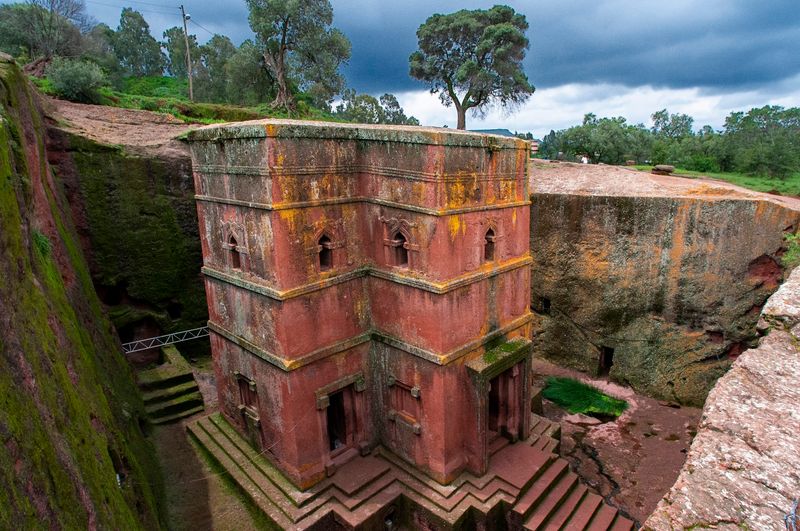
Carving a church downward into solid rock is not the obvious way to build one, but medieval Ethiopian builders in Lalibela did exactly that, eleven times over. UNESCO describes the 13th-century complex as a “New Jerusalem,” constructed in the mountainous Ethiopian interior during the reign of King Lalibela.
Workers cut trenches into the volcanic rock first, then shaped the remaining stone into fully formed churches complete with windows, columns, roofs, and drainage channels.
Biete Ghiorgis is the most photographed of the eleven churches, its roof carved into a series of recessed crosses that create a striking geometric pattern when seen from above. The churches form two main groups linked by tunnels and narrow stone passages, allowing visitors to move between them underground.
Priests in traditional robes carry ornate crosses through the complex during religious services, a reminder that Lalibela is not a museum.
The site remains one of Ethiopia’s most important centers of Orthodox Christianity and draws thousands of pilgrims for major celebrations including Genna, the Ethiopian Christmas, and Timkat, the Epiphany festival. Staying for a religious celebration transforms the visit from a sightseeing trip into something far more memorable.
Lalibela sits at around 2,600 meters elevation, so pack a layer even if the lowland heat suggests otherwise.
Luxor and the Valley of the Kings, Egypt
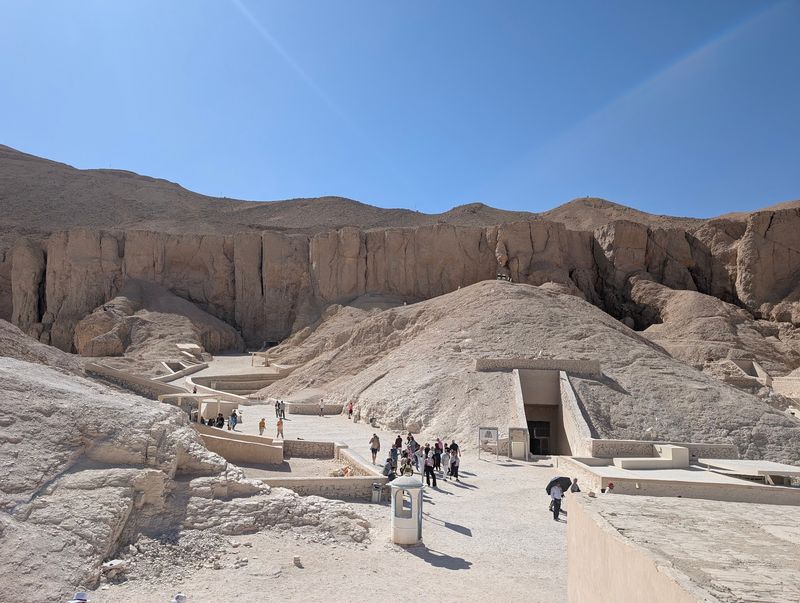
Ancient Egyptians believed the setting sun carried the dead into the afterlife, which explains why pharaohs chose the desert cliffs west of the Nile for their tombs. The Valley of the Kings holds more than 60 royal burial sites carved into the limestone bedrock, created for New Kingdom pharaohs between roughly 1550 and 1069 BCE.
Tutankhamun’s tomb, discovered almost entirely intact in 1922, remains the valley’s most famous, though many others contain far more elaborate painted decoration.
Luxor itself sits on the east bank of the Nile beside what was once ancient Thebes, one of Egypt’s greatest cities. The temple complexes of Luxor and Karnak cover enormous areas and reward multiple visits.
Karnak in particular took over 2,000 years to build, with successive pharaohs adding halls, obelisks, and shrines to an already vast complex.
Crossing the Nile by ferry between the east and west banks is a simple, affordable experience that connects modern Luxor with the ancient burial landscape. Hot-air balloon rides at sunrise over the west bank provide aerial views of temples, tombs, and the surrounding desert.
Luxor also works well as a base for day trips to Abydos and Dendera, two temple sites that many visitors overlook in favor of the more famous monuments.
Tsingy de Bemaraha, Madagascar
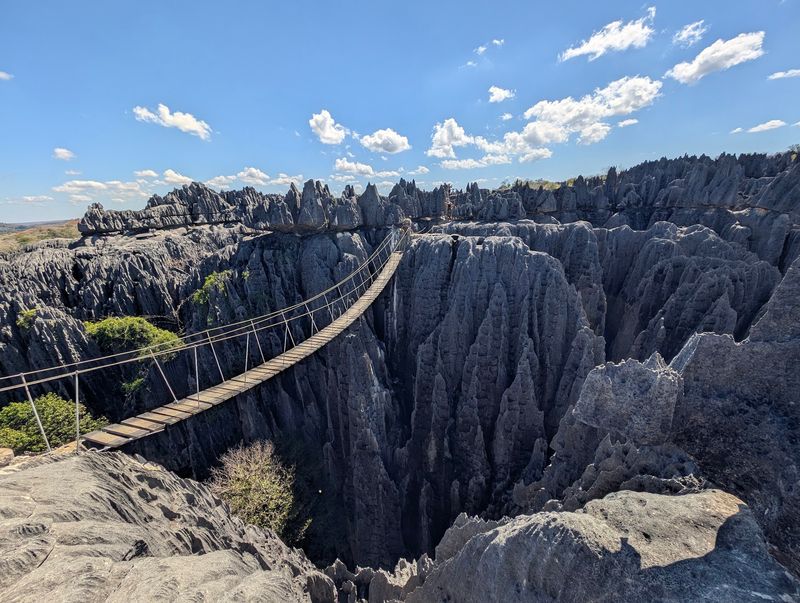
Walking into Tsingy de Bemaraha feels like stepping onto a different planet. Thousands of razor-sharp limestone needles rise from the ground, some reaching up to 100 meters tall, creating a jagged stone forest that covers a vast section of western Madagascar.
The word tsingy itself comes from the local Malagasy language and roughly describes the experience of trying to walk on the sharp points, which is not recommended without proper footwear.
UNESCO recognized Tsingy de Bemaraha as a World Heritage Site partly for this extraordinary karst landscape and partly for the ecosystems hidden within it. The isolated pinnacles, deep gorges, and caves have allowed Madagascar’s already famously unique wildlife to evolve in even greater isolation.
Lemurs, chameleons, and birds found nowhere else on Earth live among the limestone formations.
Trails, rope ladders, suspension bridges, and metal handholds allow visitors to navigate sections of the tsingy safely. Two main circuits exist: the Grand Tsingy and the Petit Tsingy.
The Grand route involves more climbing and takes longer but delivers more dramatic scenery. The site is located in a remote part of Madagascar and requires advance planning to reach, but travelers who make the effort consistently describe it as one of the most visually remarkable places they have ever visited.
Seychelles
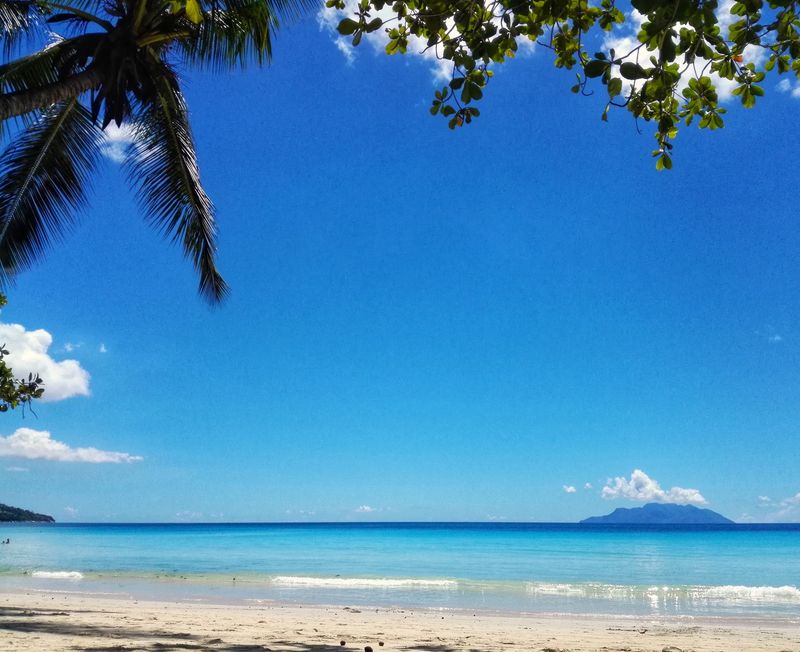
Somewhere in the western Indian Ocean, scattered across an area roughly the size of California, lie 115 islands that together make up one of the world’s smallest countries by population. Seychelles has no business being this beautiful, yet here it is, combining ancient granite rock formations with tropical forests, coral reefs, and water so clear it almost looks fake in photographs.
Tourism Seychelles notes that 41 of those islands are granite Inner Islands, which are among the oldest oceanic islands on Earth. Mahé is the largest and holds the international airport, Praslin combines excellent beaches with the Vallee de Mai palm forest, and La Digue is famous for Anse Source d’Argent, where smooth pink granite boulders frame a beach that appears on more screensavers than almost any other location in Africa.
Marine life is extraordinary throughout the archipelago. Snorkeling and diving reveal sea turtles, reef sharks, rays, and colorful reef fish in waters protected by national parks and marine reserves.
The Aldabra Atoll, a remote outer island, holds the world’s largest population of giant tortoises and is a UNESCO World Heritage Site. Seychelles suits travelers who want a tropical island experience combined with genuine wildlife encounters rather than a purely resort-style holiday.
Zanzibar, Tanzania
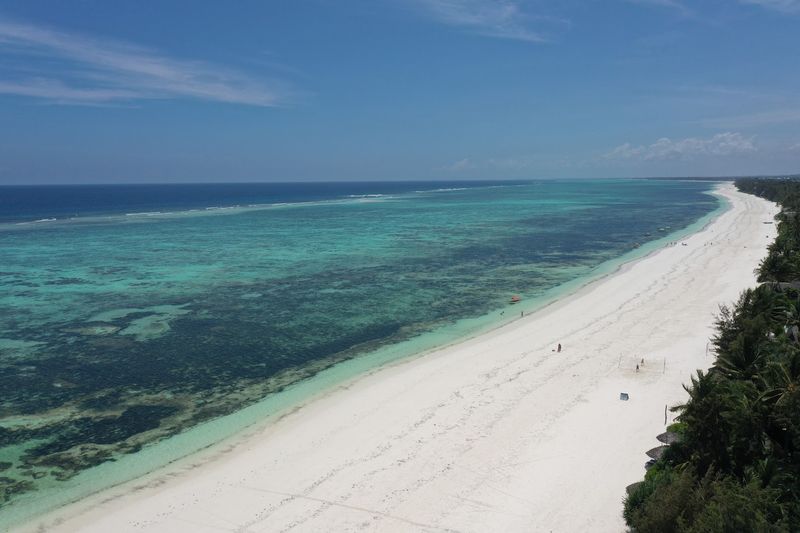
Few places in Africa layer history and beach so effectively in one small archipelago. Zanzibar’s main island, Unguja, holds Stone Town at its western tip, a UNESCO-listed historic center where Arab, Swahili, Persian, Indian, and European influences collide in a labyrinth of narrow streets, carved wooden doors, and crumbling coral stone buildings.
Wandering through it without a map is genuinely one of East Africa’s great urban experiences.
Beyond Stone Town, the Zanzibar Commission for Tourism highlights beaches that rank among the Indian Ocean’s finest. Nungwi and Kendwa in the north have calm water and good snorkeling year-round, while Jambiani on the southeast coast is quieter and popular with kitesurfers.
Coral reefs surround much of the island, and boat trips to nearby Mnemba Atoll offer some of the best diving in the region.
Spice tours add a genuinely interesting dimension to a beach trip. Zanzibar earned the nickname “Spice Island” through centuries of clove, cinnamon, nutmeg, vanilla, and black pepper cultivation.
Guided farm visits let you smell, touch, and taste spices growing in their natural environment, which sounds niche but is consistently one of the activities visitors mention most fondly afterward. The ferry crossing from Dar es Salaam takes around two hours and costs very little.
Le Morne, Mauritius
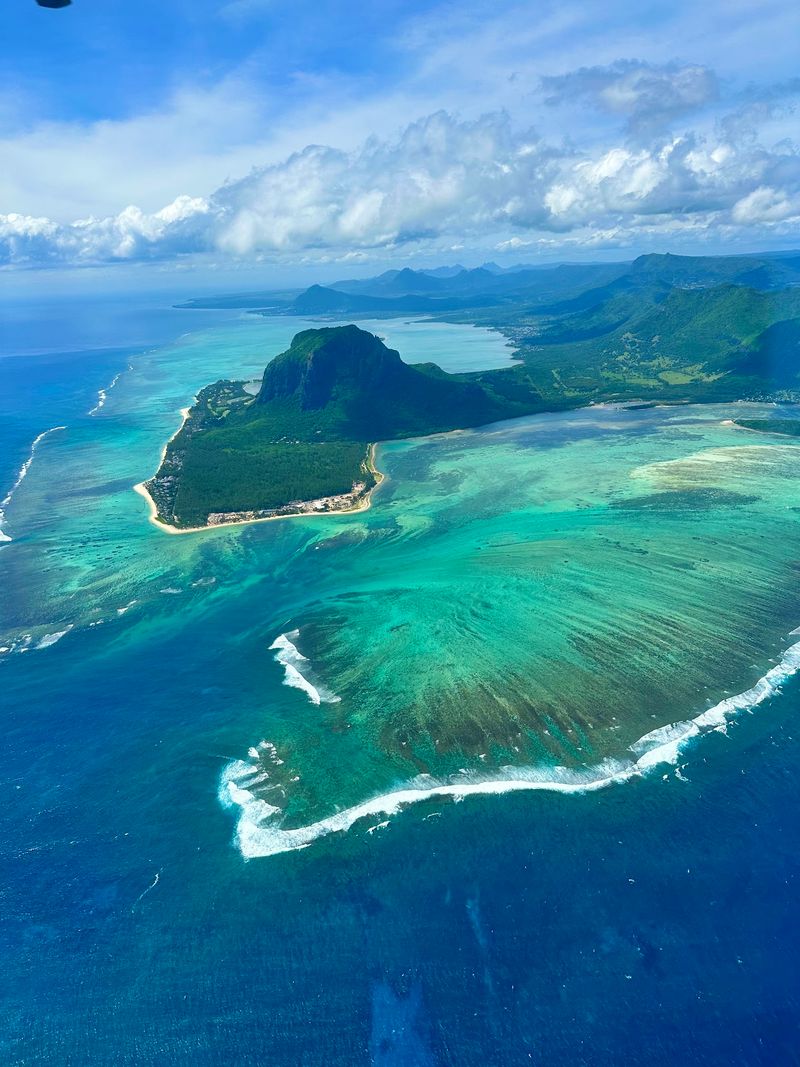
Le Morne Brabant looks like a mountain that belongs in a fantasy novel. It rises sharply from the southwestern tip of Mauritius, its forested cliffs dropping almost vertically toward a turquoise lagoon that wraps around the peninsula’s base.
The visual contrast between dark volcanic rock, green forest, white sand, and brilliant blue water is striking enough to stop conversations mid-sentence.
UNESCO gave Le Morne World Heritage status in 2008 for reasons that go far beyond scenery. During the 18th and early 19th centuries, the mountain’s remote cliffs and caves sheltered maroons, enslaved people who had escaped captivity and sought refuge in the difficult terrain.
Le Morne became a symbol of the resistance to slavery across the Indian Ocean world, and that history gives the landscape a weight that purely scenic destinations rarely carry.
Modern visitors can hike to the summit through forest trails that reveal increasingly spectacular views over the lagoon and surrounding coastline. The waters around Le Morne are famous for consistent wind conditions that make the area one of the world’s top kiteboarding destinations.
Snorkeling, boat trips into the lagoon, and glass-bottom boat excursions are popular alternatives. Mauritius is easy to reach from Europe, the Middle East, and Asia, making Le Morne accessible for international travelers building a longer Indian Ocean itinerary.
Mount Kilimanjaro, Tanzania
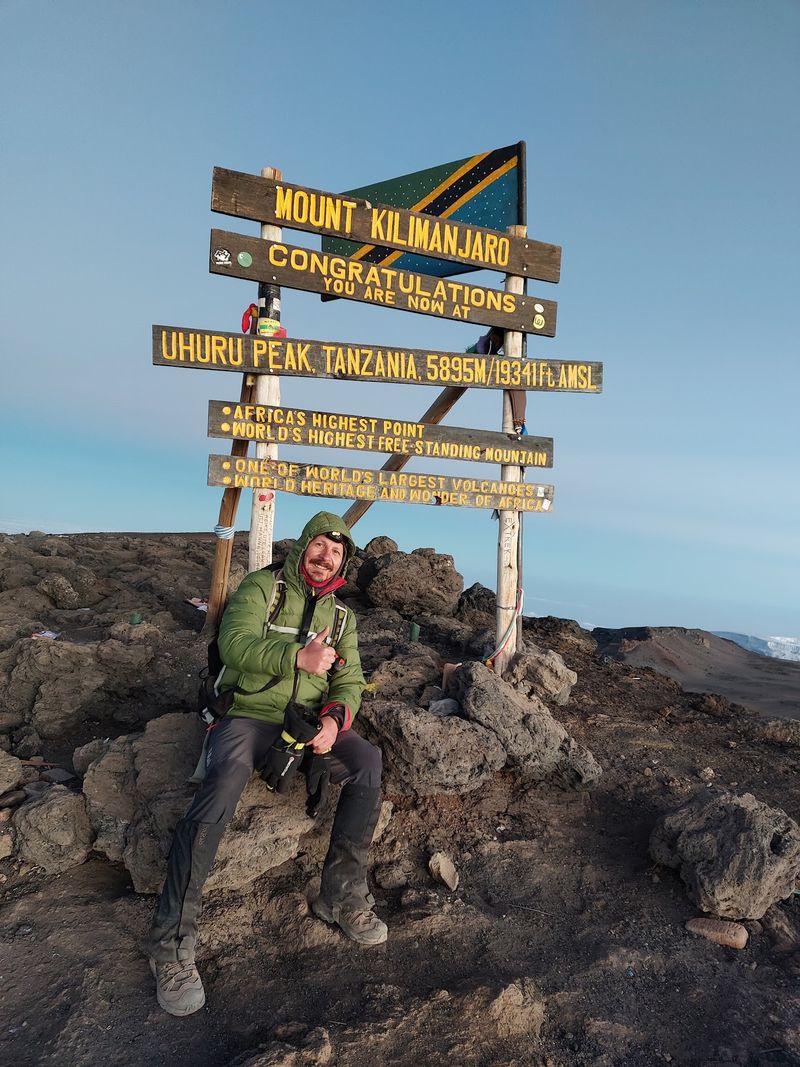
At 5,895 meters, Kilimanjaro is the highest point in Africa and one of the world’s most recognizable mountains. What makes it genuinely unusual among the world’s great peaks is that non-technical trekkers can attempt the summit without ropes, ice axes, or advanced climbing skills.
That accessibility draws tens of thousands of people each year from every imaginable background, though the altitude still humbles a significant percentage of those who try.
The mountain contains three volcanic centers: Shira, Mawenzi, and Kibo. Uhuru Peak, the summit, sits on the Kibo crater rim.
Six main trekking routes approach from different directions and take between five and nine days to complete. Longer routes tend to have better acclimatization profiles and higher summit success rates, a fact worth understanding before booking.
The ecological journey is one of Kilimanjaro’s most underappreciated aspects. Climbers pass through cultivated farmland, dense montane rainforest, heath and moorland, alpine desert, and finally the glaciated summit zone, all within a few days of walking.
Kilimanjaro National Park, a UNESCO World Heritage Site, protects this entire altitudinal range. The mountain is visible from enormous distances across the surrounding Tanzanian and Kenyan plains, and its snow-capped summit rising above equatorial Africa remains one of the continent’s most iconic sights.
Garden Route, South Africa
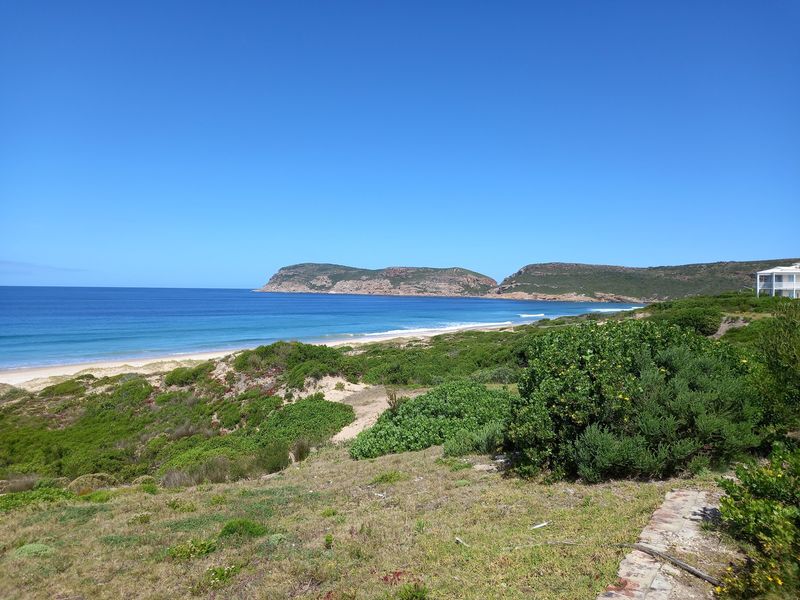
Anyone who thinks Africa is all dry savannah has not driven the Garden Route. This stretch of South Africa’s southern coastline combines ancient forests, mountain passes, river lagoons, sheltered beaches, and open ocean views in a sequence that changes dramatically every hour of driving.
The N2 highway threads through it all, connecting a string of towns that each offer something different from their neighbors.
Knysna is the route’s most celebrated stop, sitting beside a lagoon protected by two sandstone cliffs called the Heads. Plettenberg Bay has some of the region’s best surf beaches, while Wilderness offers quieter lagoon access and birdwatching.
The Tsitsikamma section of Garden Route National Park protects dramatic coastline where rivers cut through ancient forest before reaching the sea. South African Tourism notes that fynbos ecosystems, found nowhere else on Earth, add botanical interest throughout the region.
Southern right whales appear in the bays between June and November, sometimes visible from clifftop viewpoints without a boat. Hiking trails range from short coastal walks to the multi-day Otter Trail, which follows the Tsitsikamma coast through rugged terrain.
Kayaking, surfing, bungee jumping from Bloukrans Bridge, and forest canopy tours keep the route interesting for active travelers. The Garden Route works beautifully as a self-drive trip because distances between stops are manageable and the scenery rewards slow travel.
Cape Town and the Cape Peninsula, South Africa
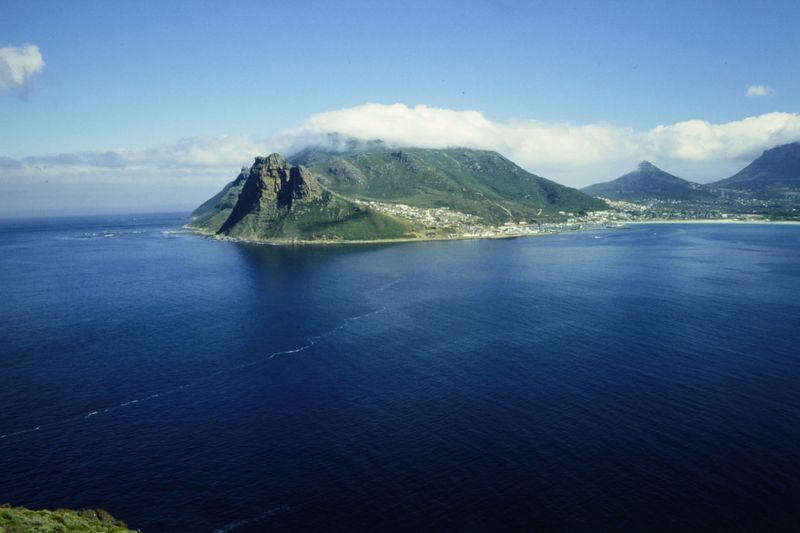
Table Mountain has watched over Cape Town for millions of years, and the city has done its best to live up to the view. Sitting at the southwestern tip of Africa between the Atlantic Ocean and False Bay, Cape Town is one of the few cities on the continent where you can hike a serious mountain, swim in the ocean, eat at a world-class restaurant, and tour a historic neighborhood all within the same afternoon.
The Cape Peninsula extends south from the city toward Cape Point, where dramatic cliffs drop into churning ocean at the meeting point of two major current systems. The coastal road through Hout Bay, Chapman’s Peak, and Kommetjie is one of Africa’s great scenic drives.
Boulders Beach near Simon’s Town holds a colony of African penguins that seem entirely unbothered by the visitors photographing them at close range.
The broader Western Cape region adds Stellenbosch and Franschhoek wine country, the Boulders penguin colony, whale-watching at Hermanus, and the start of the Garden Route to an already full itinerary. Cape Town’s V&A Waterfront combines shops, restaurants, and the Two Oceans Aquarium beside a working harbor.
The Cape Floristic Region surrounding the city is one of the world’s six recognized floral kingdoms, making it a serious destination for anyone with even a passing interest in plants.
Share this story