Australia has no shortage of remarkable wildlife, but wombats hold a special place in the lineup. These barrel-shaped marsupials spend most daylight hours underground in burrows they excavate with impressive efficiency, then emerge at dusk to graze across grasslands, mountain clearings, and coastal heathlands.
Spotting one in the wild feels genuinely different from a zoo visit. There is something quietly thrilling about watching a wombat trundle across a campsite or disappear into the scrub at the edge of a forest trail.
Their range stretches across southeastern Australia and Tasmania, where a handful of protected landscapes still offer reliable sightings. Some of these places are famous for their peaks and coastlines, while others are only just getting the attention they deserve.
Every region on this list has something distinct to offer, and each one is a legitimate stronghold for these extraordinary animals. Read on to find out where wombats are truly at home.
1. Wilsons Promontory National Park, Tidal River, Victoria, Australia
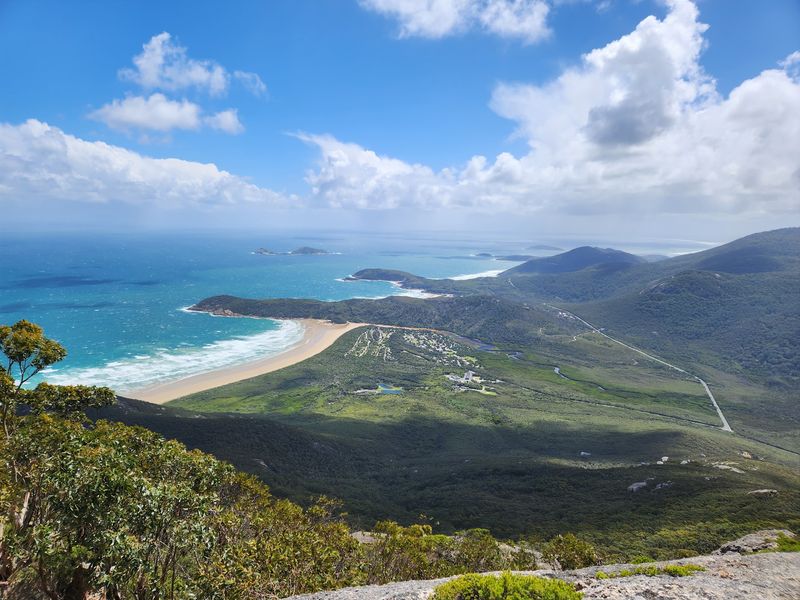
At the very southern tip of mainland Australia, Wilsons Promontory packs an extraordinary variety of landscapes into one national park, and the wombats here seem to know they have a good deal going. Granite mountains, pale beaches, dense coastal forest, and open grassland all sit within reach of each other, giving these marsupials plenty of room to roam.
The Tidal River area is where most visitors have their best encounters. Wombats here are relaxed around people and have been seen investigating the park’s new conservation fencing, which is part of the ambitious Prom Sanctuary program designed to keep foxes, feral cats, and deer out of the protected zone.
Parks Victoria has even built special wombat gates into this fencing so the animals can continue following their established routes without interruption. The Prom Wildlife Viewing Area near Tidal River is a reliable spot to find them grazing at dusk alongside kangaroos and emus.
2. Maria Island National Park, Maria Island, Tasmania, Australia
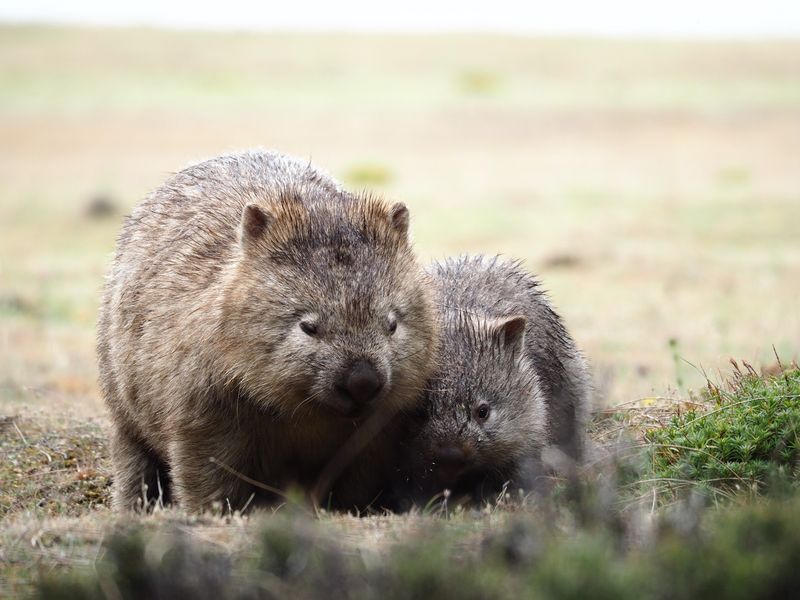
Maria Island does not have a permanent town, a single traffic light, or even a road connecting it to the mainland, and the wombats here seem perfectly content with that arrangement. The island’s population was introduced decades ago and has since grown into one of the most studied wombat groups in Australia.
A 2019 survey estimated the population at around 2,599 individuals, a striking increase since monitoring began in 2010. This group is considered an insurance population, kept free from sarcoptic mange that can affect mainland wombats, and it also preserves important genetic variation within the species.
Visitors arriving by ferry can often spot wombats grazing on the grassy slopes near the Darlington historic area within minutes of landing, sometimes even during full daylight. The combination of open grasslands, wooded hills, beaches, and convict-era ruins makes Maria Island one of Tasmania’s most rewarding wildlife destinations, with wombats clearly running the show.
3. Mount William National Park, Gladstone, Tasmania, Australia

Tasmania’s far northeast corner delivers a striking mix of white beaches, granite outcrops, heathlands, and low coastal forest, and Mount William National Park brings all of it together in one protected stretch of landscape. Few national parks in the state pack in this many wildlife species so reliably.
Wombats share the park with forester kangaroos, echidnas, wallabies, pademelons, and Tasmanian devils, which makes an evening drive or walk through the park a genuinely exciting prospect. Many of these animals are most active after dark, so patience at dusk pays off considerably here.
The coastal heathlands and dry sclerophyll vegetation create a rich foraging environment for wombats, giving them plenty of grass and roots to work through on their nightly rounds. Visitors keen on wildlife spotting often find that moving slowly along the park’s quieter tracks in the final hour of daylight produces the best results.
4. Strzelecki National Park, Flinders Island, Tasmania, Australia
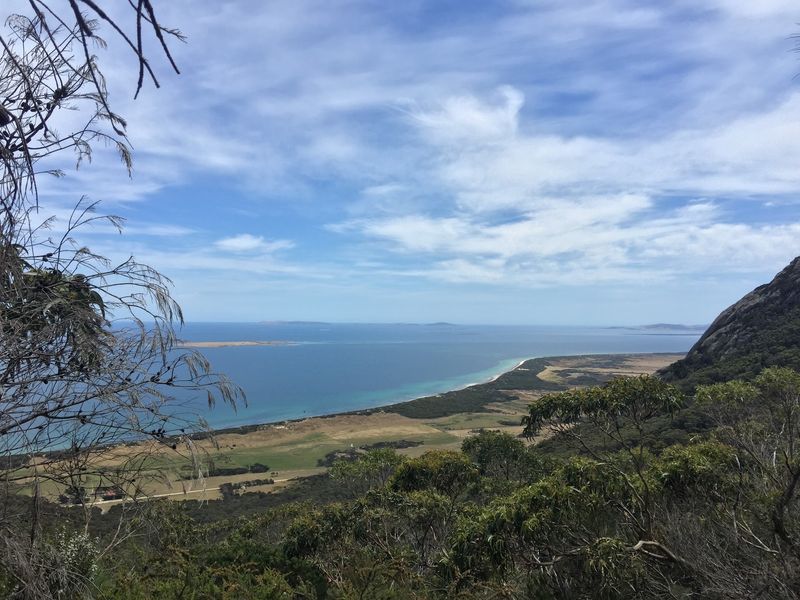
Flinders Island sits in the Bass Strait between Tasmania and mainland Australia, and it holds something genuinely rare: the last natural population of its own distinctive island subspecies of bare-nosed wombat. Strzelecki National Park protects a dramatic section of the island where granite mountains rise sharply above coastal scrub and beaches.
The wombats here have been described as seemingly unafraid of human activity, and they are frequently spotted crossing roads at dusk, which makes wildlife observation unusually straightforward for a remote island park. Population density on Flinders Island has been estimated as higher than on the Tasmanian mainland, with a documented annual growth rate that reflects how well the island environment suits them.
The Tasmania Parks and Wildlife Service explicitly lists wombats among the animals visitors can expect to encounter in the park. Combined with Bennett’s wallabies, pademelons, and potoroos also sharing the landscape, Strzelecki offers a genuinely rich wildlife experience in a setting that feels refreshingly off the beaten track.
5. Mount Buffalo National Park, Mount Buffalo, Victoria, Australia
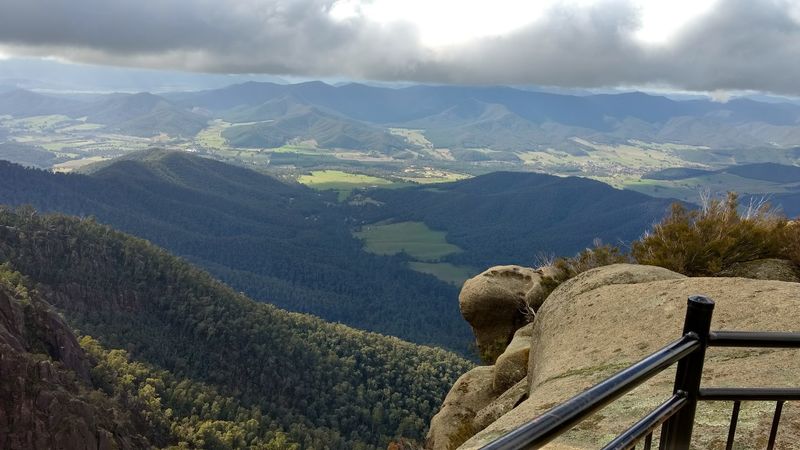
Mount Buffalo sits high above northeastern Victoria and operates on its own terms. Granite cliffs, snow gums, alpine meadows, and broad mountain views define a landscape that feels genuinely separate from the farmland and towns far below, and wombats are a confirmed part of that world.
Parks Victoria specifically points to Lake Catani as a place where campers can spend the night in the company of wombats. These animals emerge from their burrows to graze on grass, roots, and fungi as temperatures drop, and the cool alpine environment suits their biology well.
The park’s ecosystem also supports ringtail possums, brush-tailed possums, and echidnas, giving wildlife watchers plenty to observe beyond the wombats. Ranger-led night tours are offered at Mount Buffalo, which significantly increases the chances of a proper encounter.
On overcast days, wombats sometimes venture out well before dusk, adding an element of pleasant surprise to any visit.
6. Cradle Mountain-Lake St Clair National Park, Cradle Mountain, Tasmania, Australia
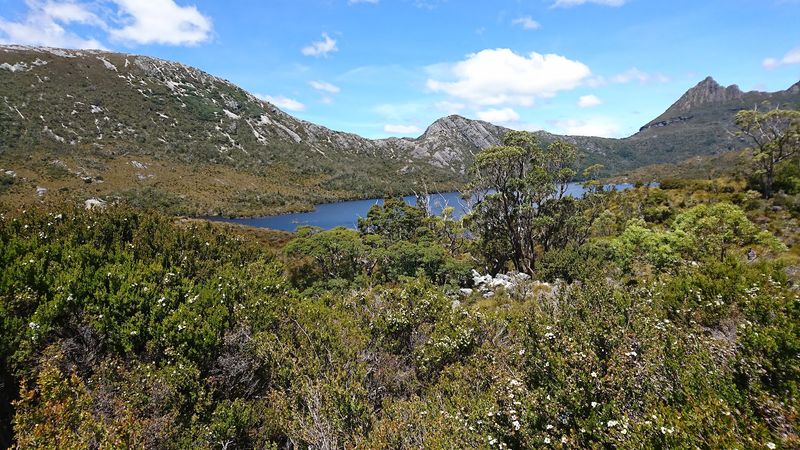
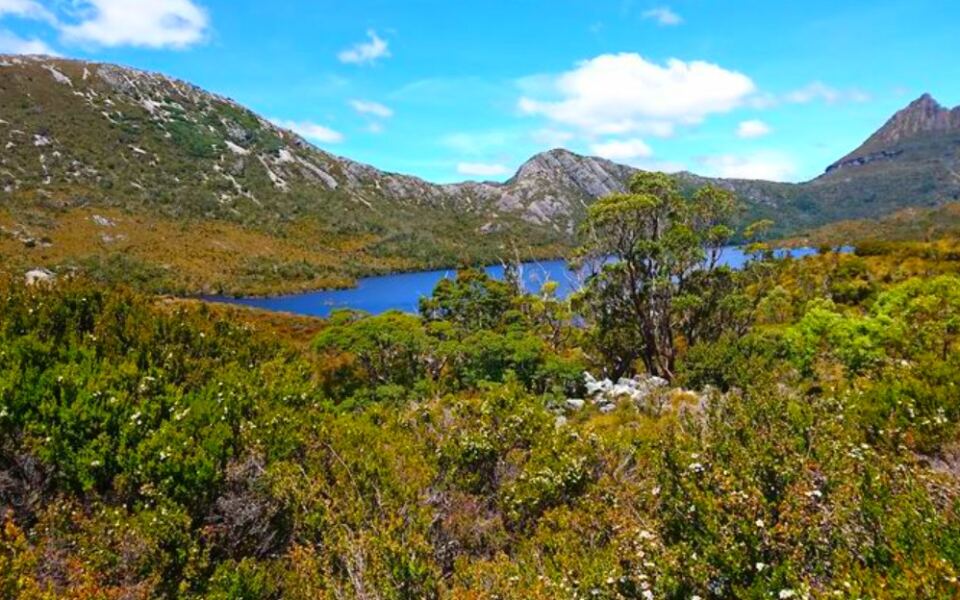
Cradle Mountain is best known for its jagged peaks and glacial lakes, but the wombats wandering its grassy valleys are every bit as memorable as the scenery. The Tasmanian Parks and Wildlife Service specifically names this park as one of the best places in the state to observe wombats in their natural setting.
Ronny Creek is the standout location within the park. The open buttongrass plains there attract wombats regularly, and wooden boardwalks let visitors explore the moorland without disturbing the habitat, making it a genuinely low-impact way to watch these chunky marsupials go about their business.
Visitors tackling the Enchanted Walk or the famous Overland Track may also cross paths with wombats near forest edges or around accommodation sites, particularly at dusk. These animals thrive on a diet of tussocky grasses and roots, and the lush alpine vegetation of Cradle Mountain suits them very well indeed.
7. Baw Baw National Park, Baw Baw, Victoria, Australia
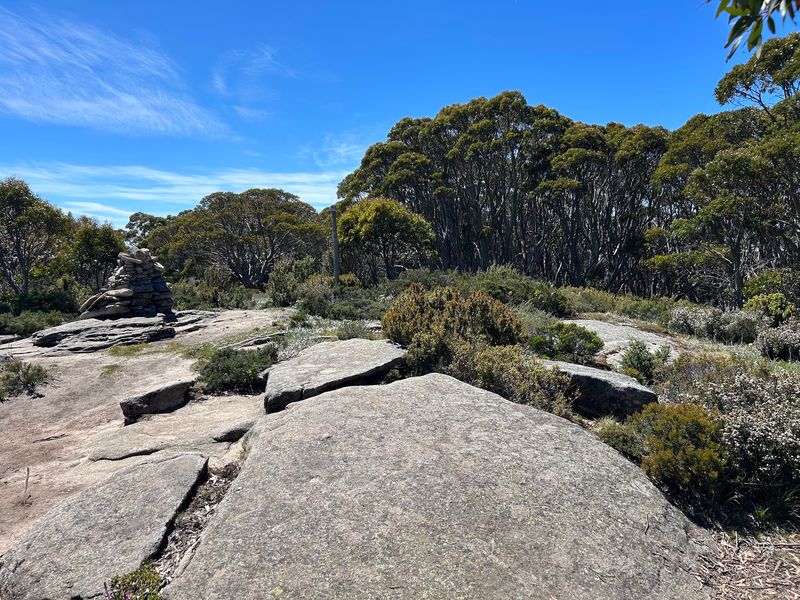
Only a few hours from Melbourne, the Baw Baw Plateau feels like a different country entirely. Snow gum woodland, alpine ash forest, granite formations, and cool mountain air define a sub-alpine environment where wombats are officially recognized as one of the native mammals calling the park home.
The grassy clearings and quiet forest edges of Baw Baw become particularly productive for wildlife watching as daylight fades. Wombats share the landscape with kangaroos, wallabies, koalas, and echidnas, making a late afternoon walk through the park a worthwhile exercise in patience and observation.
On cool or overcast days, wombats are known to venture out of their burrows earlier than usual, which increases the chances of a daytime sighting considerably. The park’s diverse plant species, including alpine ash at higher elevations, contribute to a well-stocked foraging environment.
For Melbourne residents looking for a quick wild-wombat fix, Baw Baw is hard to beat on distance alone.
8. Yarra Ranges National Park, Reefton, Victoria, Australia
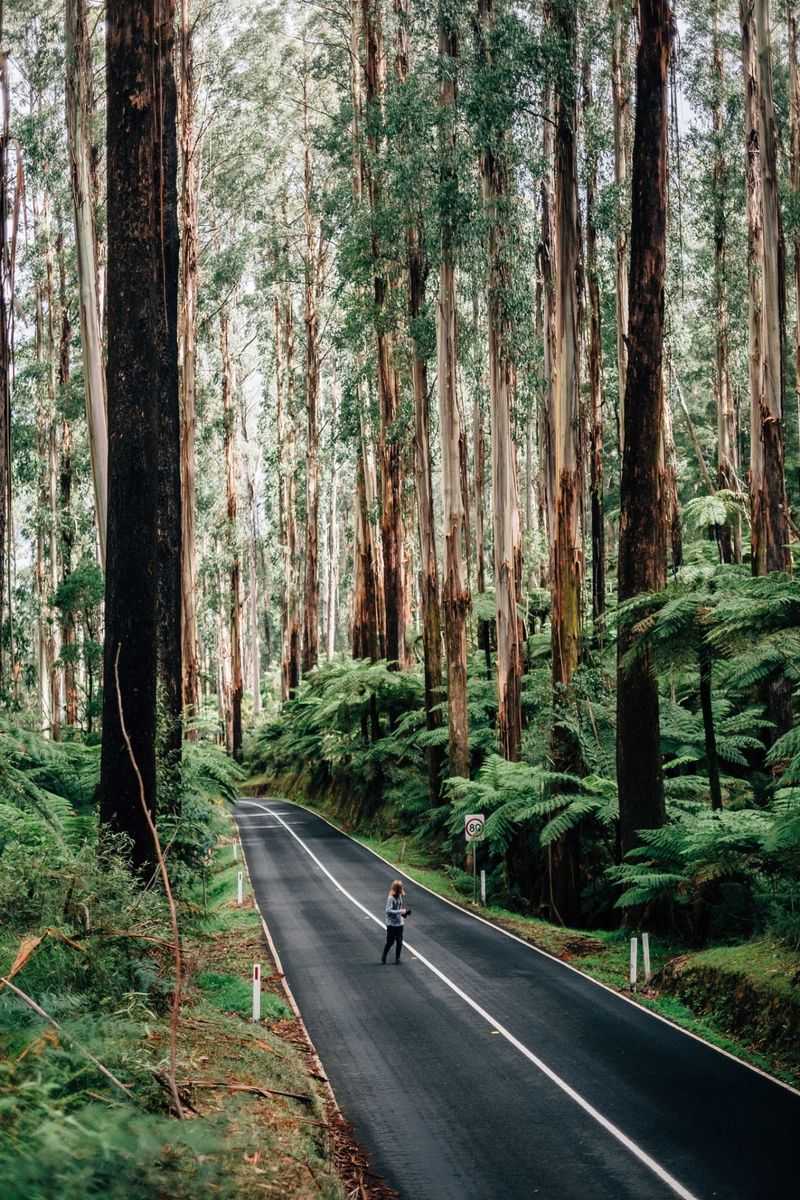
Few forests in Victoria inspire as much quiet awe as the mountain ash groves of the Yarra Ranges. These trees rank among the tallest flowering plants on the planet, and the wombats going about their business at ground level operate in a world that most visitors spend their time looking up rather than down to find.
Parks Victoria includes wombats among the mammals confirmed in these forests, where cool gullies, fern understories, and dense canopy create a habitat quite different from the open grasslands most people associate with wombat country. Spotlighting tours after dark offer the best opportunity to see them moving through the trees.
Guided nocturnal adventures into the Yarra Ranges have become popular precisely because the forest rewards patient observers. Wombat tracks leading back to active burrows confirm their regular presence across the park’s expansive protected landscapes.
Visitors who prefer a quieter approach can also look for signs of wombat activity along the park’s less-traveled walking tracks.
9. Bendeela Recreation Area, Kangaroo Valley, New South Wales, Australia
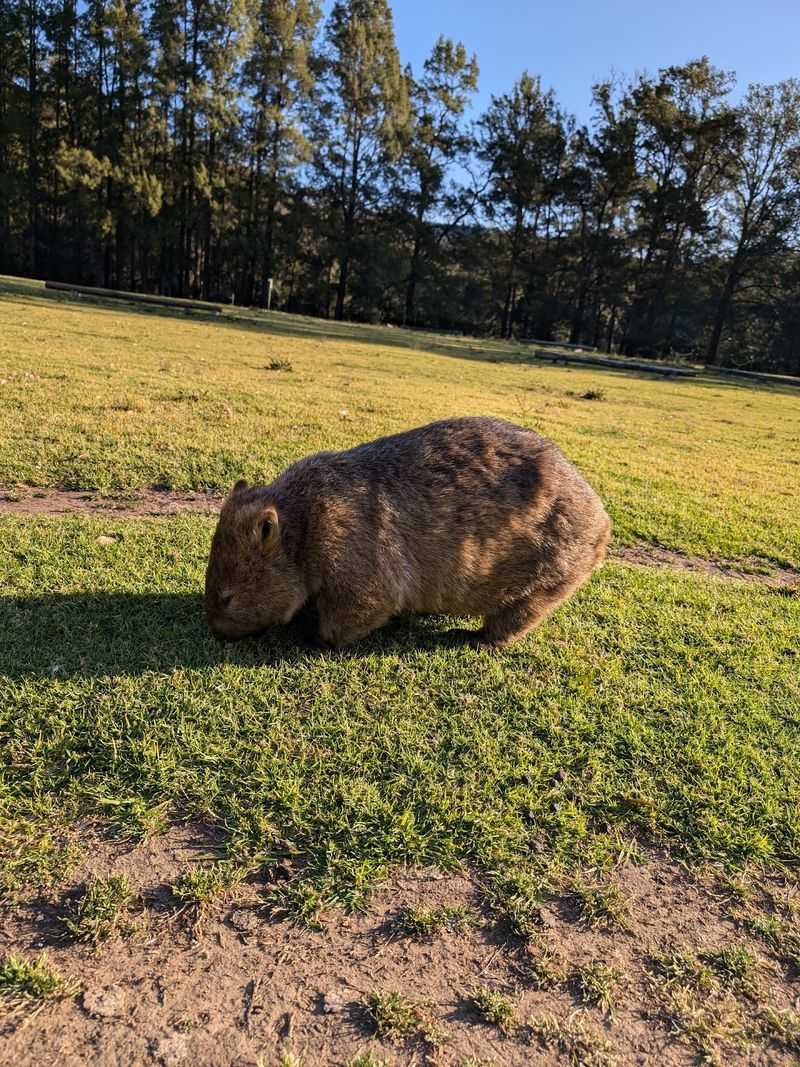
Bendeela has built a solid reputation as one of the most reliable places near Sydney to see wild wombats up close, and it earns that reputation almost every evening. The open grassy camping grounds here attract a large population of bare-nosed wombats that wander through with a confidence that suggests they consider the campsite their territory, not the campers’.
An hour or so before dusk is the prime window, when wombats begin rummaging through the grass for roots, bark, and fungi with focused determination. The riverside setting, surrounded by rugged forested hills, adds a scenic backdrop that makes the whole experience feel more like a nature documentary than a regular camping trip.
A collaborative sarcoptic mange treatment program involving WaterNSW, the National Parks and Wildlife Service, and the University of Tasmania has helped keep the local wombat population healthy. Kangaroos and scenic river views round out the wildlife spectacle, but the wombats are unquestionably the main attraction here.
10. Kosciuszko National Park, Snowy Mountains, New South Wales, Australia
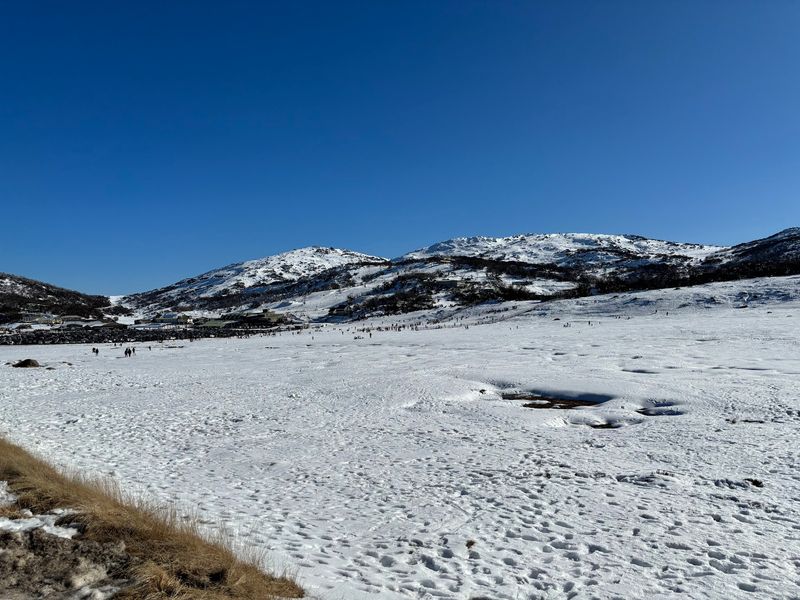
Australia’s highest mountains are not just for hikers and skiers. Common wombats occupy substantial parts of Kosciuszko National Park, and research conducted in the Blowering Reservoir section of the park documented hundreds of wombat burrows, many of them actively occupied, confirming a genuinely healthy population across the landscape.
The park’s open alpine grasslands and forest edges are recognized as productive spots to find wombats, particularly in the early morning and late afternoon when they are most active. The alpine and sub-alpine climate is demanding, but wombats are built for tough conditions and navigate the Snowy Mountains environment with characteristic stubbornness.
Areas like Jacks Lookout in the Lower Snowy Mountains are also worth checking after dark. The sheer scale of Kosciuszko National Park, covering alpine meadows, eucalyptus forests, rivers, and rugged valleys, means that wombats here have an enormous amount of territory to call their own, and they use most of it.
11. Morton National Park, Bundanoon, New South Wales, Australia
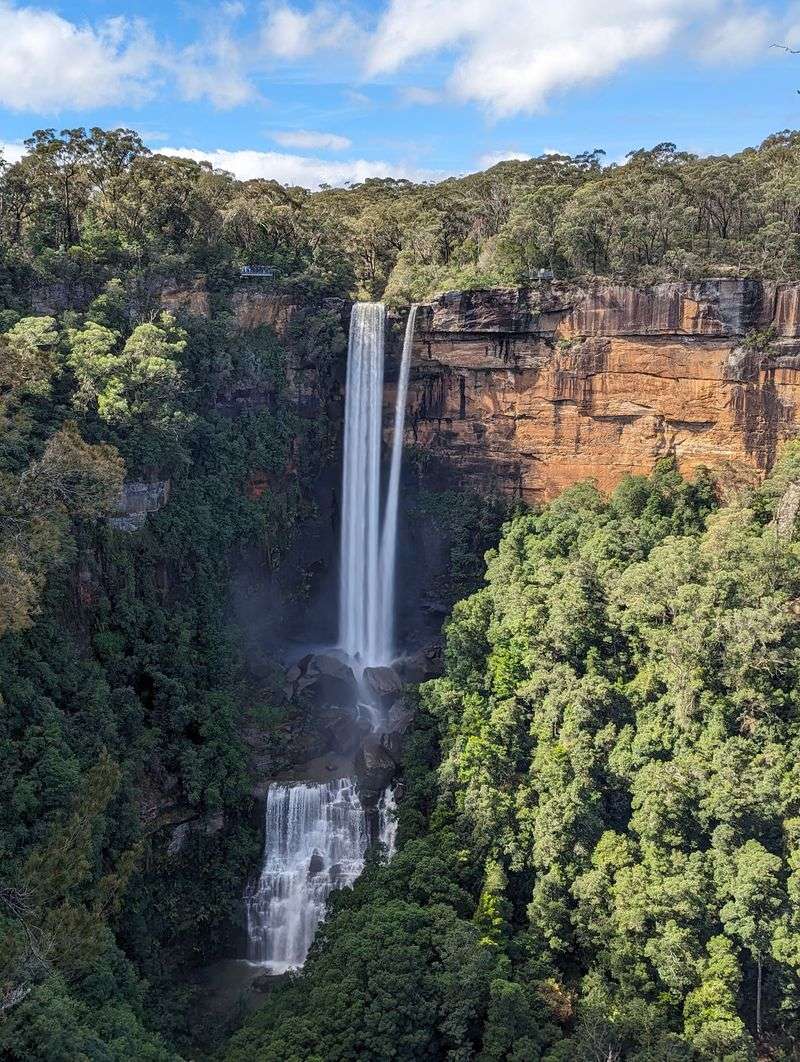
Morton National Park has a trick up its sleeve that most sandstone wilderness areas cannot match: guided walks specifically designed around watching wombats in the wild. NSW National Parks currently offers “Walking with Wombats” excursions within the park, making Morton one of the more deliberately wombat-focused destinations within reach of Sydney.
The landscape itself is dramatic, covering deep gorges, cascading waterfalls, moist eucalyptus forests, and broad escarpment views across a vast stretch of sandstone country. Wombats coexist here with kangaroos and a wide range of other native species, using the rainforest fringes and open clearings as their primary foraging grounds.
Twilight is the best time to join a guided tour, as wombats become most active in that window between full daylight and dark. The animals here appear largely unbothered by human presence during these organized outings, which allows for genuine observation rather than a brief, retreating glimpse.
Morton rewards visitors who plan their timing carefully.
12. Tidbinbilla Nature Reserve, Tidbinbilla, Australian Capital Territory, Australia
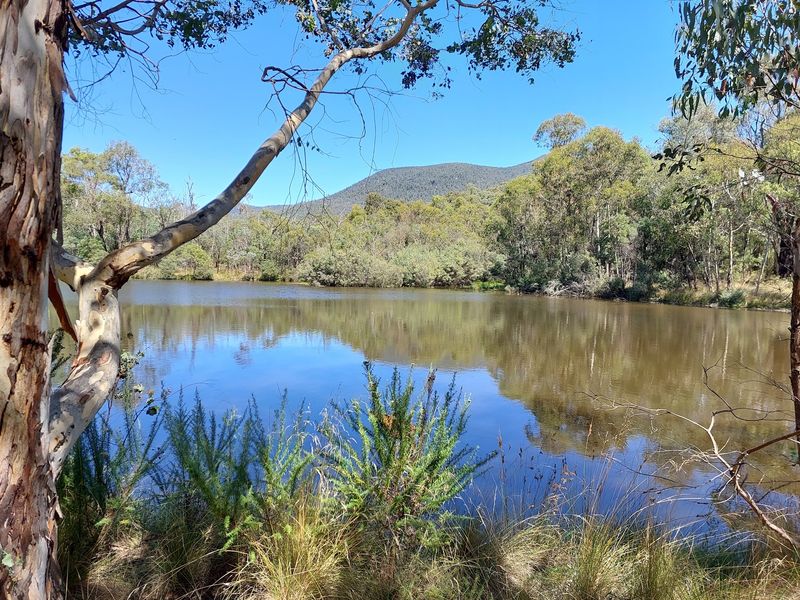
Just a short drive from Canberra, Tidbinbilla Nature Reserve punches well above its weight as a wildlife destination. The reserve protects valleys, wetlands, eucalyptus forests, and rocky mountain slopes, and its official fauna records confirm bare-nosed wombats as established residents alongside platypuses, echidnas, wallabies, and possums.
Tidbinbilla’s predator-free Sanctuary has been central to its conservation success. The fenced area has allowed the reintroduction of several endangered species and created a safe environment where wombats can move freely without the pressure of introduced predators.
Visitors exploring the Sanctuary or the Eucalypt Forest walk regularly encounter wombats near sunrise and sunset.
The reserve’s proximity to the capital makes it an accessible option for wildlife watching without the need for a long regional road trip. That convenience, combined with the genuine quality of the wildlife experience on offer, has made Tidbinbilla a genuinely popular destination for Canberra residents and visitors who want real nature close to the city.
13. Namadgi National Park, Tharwa, Australian Capital Territory, Australia
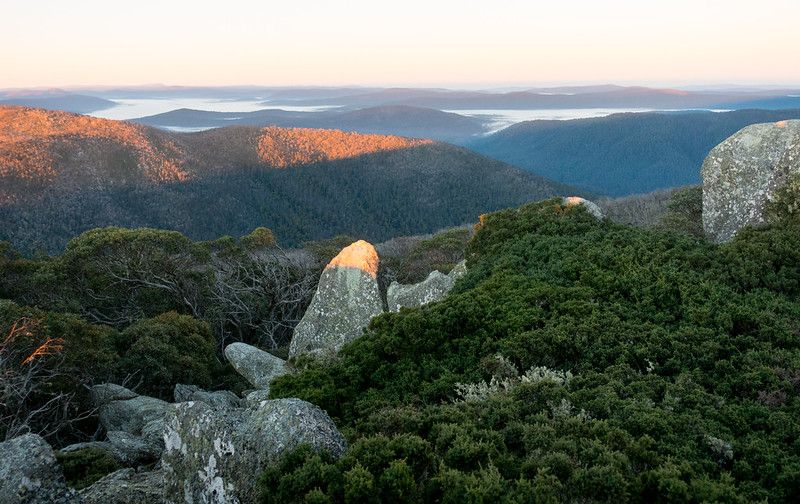
Namadgi National Park covers a vast sweep of the northern Australian Alps, shifting from grassy valleys to snow gum forests, wetlands, and mountain ridges across a landscape that feels genuinely wild despite being only a short drive from Australia’s capital. Common wombats are confirmed in the park’s vertebrate records and are part of a broader community of native fauna that includes eastern grey kangaroos, wallabies, magpies, rosellas, and ravens.
Grassy plains and alpine meadows within the park provide reliable foraging territory for wombats, and creek crossings and grassy clearings are particularly worth checking during the late afternoon. The diversity of habitat types across Namadgi means the park supports a healthy ecosystem capable of sustaining burrowing animals across multiple elevations.
For visitors who want to combine serious hiking with wildlife observation, Namadgi delivers both without requiring remote logistics. The accessibility from Canberra makes it easy to plan an evening visit timed around dusk, which is consistently the most productive window for wombat sightings across the park.
Share this story