America is hiding some seriously spectacular hot springs, and most of them are nowhere near a fancy spa. From snowcapped Sierra Nevada peaks to remote Alaskan tundra, these geothermal gems reward curious travelers willing to lace up their boots.
Some sit at the end of long, steep trails, while others require a small plane just to get close. Whether you are chasing mountain views or desert canyons, these ten wild soaking spots prove that the best things in nature are almost always worth the extra effort.
Goldbug Hot Springs, Idaho
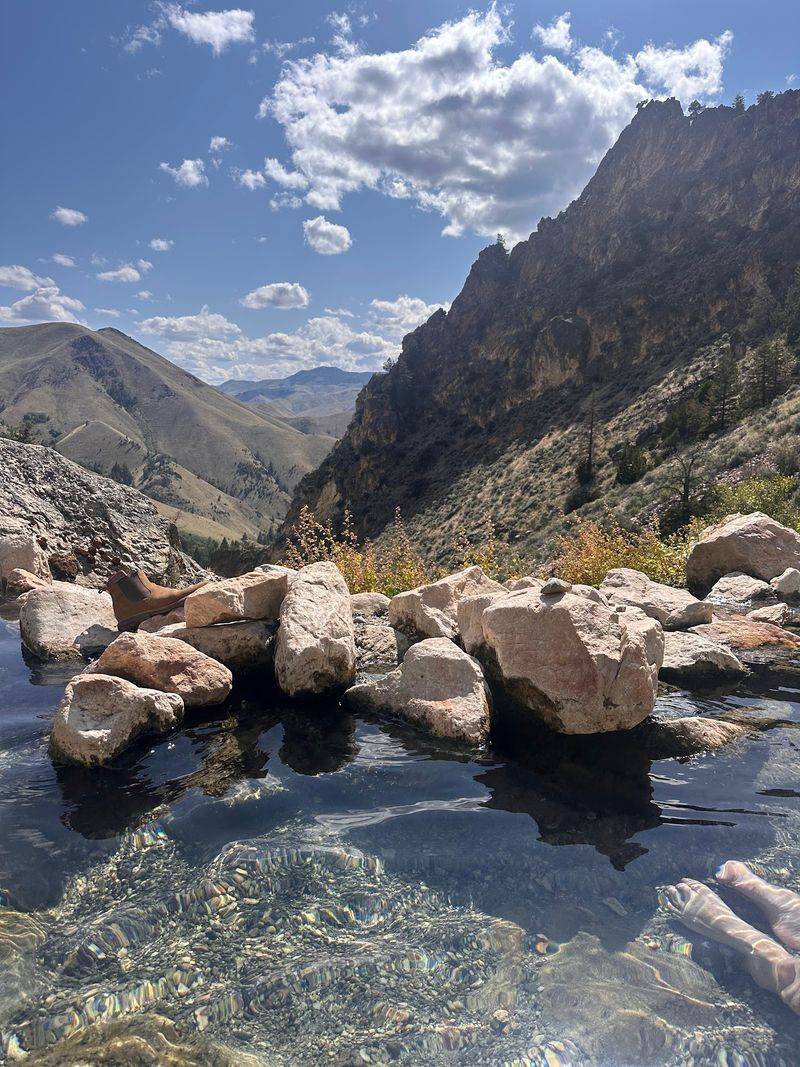
Earning your soak at Goldbug is half the fun. The Bureau of Land Management places the trailhead about 23 miles south of Salmon, Idaho, and the first quarter-mile crosses private property under a public-access easement before the real climbing begins.
Visit Idaho describes the round trip as roughly four miles with about 1,350 feet of climbing. That means your legs will definitely feel it, but the reward waiting at the top makes every step worthwhile.
Rock walls separate pools at different temperatures, so you can hop between hotter and cooler water depending on your mood.
The surrounding ridges open up into broad mountain views that make Goldbug feel far more isolated than the nearby highway suggests. Crowds are lighter here than at many popular springs, especially on weekday mornings.
Pack plenty of water for the climb, wear sturdy shoes, and plan to arrive early if you want a pool to yourself. The combination of effort, elevation, and steaming mountain water gives this Idaho classic a personality all its own.
Conundrum Hot Springs, Colorado
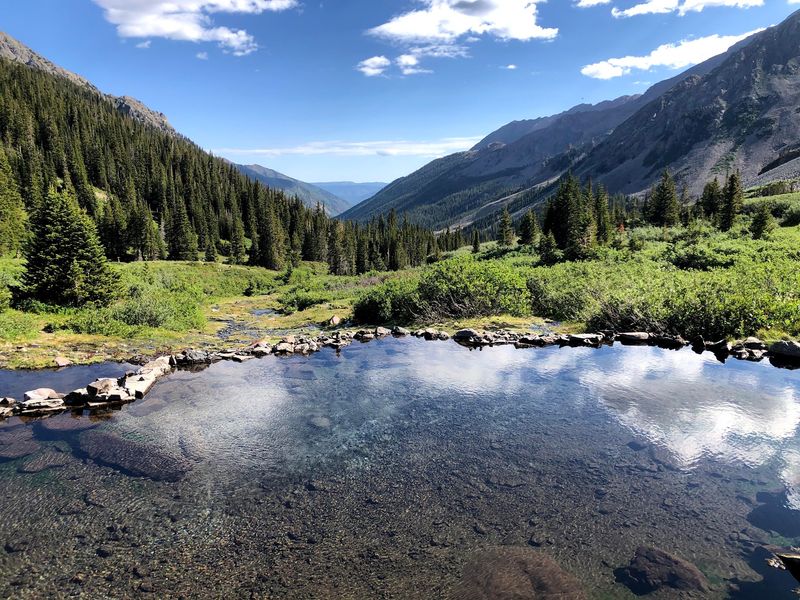
At 8.5 miles one way through the Maroon Bells-Snowmass Wilderness, Conundrum Hot Springs is not for the faint of heart or the under-prepared. The Colorado Trail Explorer puts the full round trip at 16.8 miles with nearly 2,900 feet of total ascent, which means this is genuinely a wilderness expedition, not a weekend stroll.
The trail follows Conundrum Creek through dense forests and wide alpine meadows before the landscape opens into high-country terrain where the air gets noticeably thinner. Water temperature hovers around 102 degrees Fahrenheit, which feels absolutely perfect after hours of mountain hiking.
Overnight camping requires an advance permit, so planning ahead is non-negotiable.
High water during spring snowmelt can make creek crossings genuinely tricky, so timing your visit matters. Late summer offers the most stable trail conditions and the best chance of clear skies.
The payoff is a natural pool sitting in one of Colorado’s most stunning wilderness corridors, with peaks rising in every direction. Conundrum earns its reputation as one of the most satisfying geothermal destinations in the entire American West.
Umpqua Hot Springs, Oregon
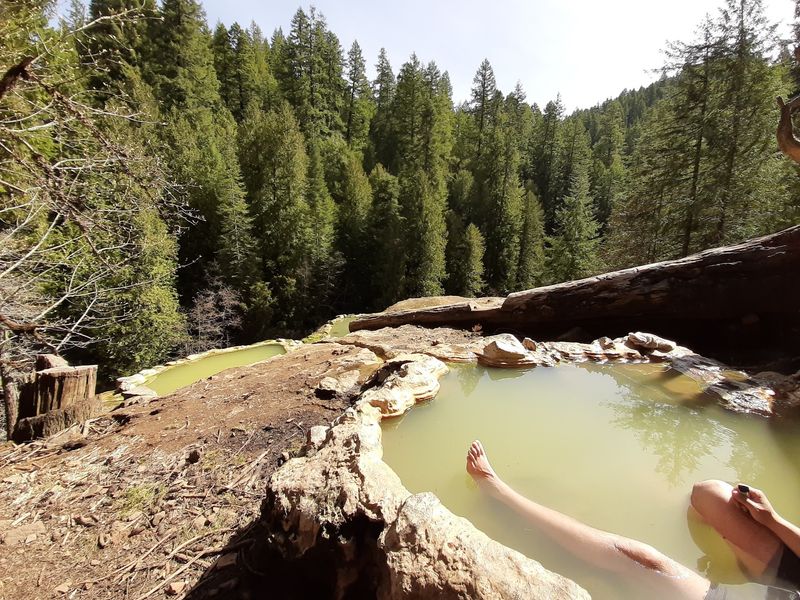
Perched on a steep travertine formation above the North Umpqua River, Umpqua Hot Springs looks like something straight out of a geology textbook, except way more enjoyable. Travel Oregon describes terraced pools carved directly into the cliff, with geothermal water emerging between 100 and 115 degrees Fahrenheit before cooling as it flows downward through each tier.
The hike from the trailhead is only about 0.3 miles, but the steep terrain demands more attention than that short distance implies. Winter transforms the whole experience because the access road often goes unplowed, adding an extra 1.5 miles each way when the gate is closed.
That extra distance actually keeps winter crowds manageable, rewarding visitors who are willing to walk a little farther through snow-dusted forest.
The combination of forest canopy, river noise, rising steam, and stacked natural pools creates one of the Pacific Northwest’s most visually striking wild-soaking environments. Each pool sits at a slightly different temperature, giving you options based on how long you have been soaking.
Weekday visits are strongly recommended since Umpqua is popular enough that weekend crowds can quickly fill the limited pool space.
Fifth Water Hot Springs, Utah
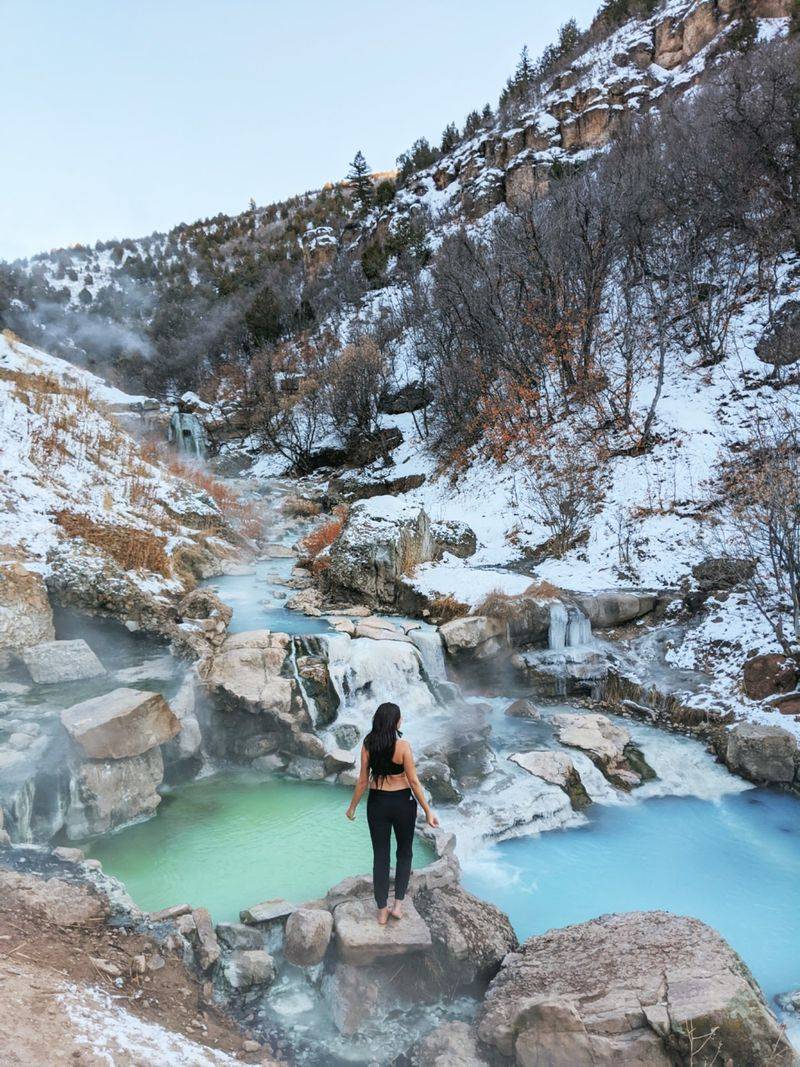
Vivid turquoise water against rust-colored canyon rock is not something you expect to find in central Utah, but Fifth Water Hot Springs delivers exactly that. Also known as Diamond Fork Hot Springs, this spot sits within the Uinta-Wasatch-Cache National Forest outside Spanish Fork, and the visual contrast between the warm mineral pools and the surrounding rocky slopes is genuinely jaw-dropping.
Utah’s tourism authority describes a 4.5-mile round-trip trail that follows Diamond Fork Creek toward soaking pools and a double waterfall. Water temperatures typically range from 100 to 102 degrees Fahrenheit, with the source area reaching around 111 degrees, so testing before jumping in is smart.
The canyon setting blends warm blue water with flowing cold creek water, giving the whole place an almost tropical feel despite its mountain location.
Winter access stretches considerably longer because a seasonal gate closure can add roughly three miles to the approach each way. The springs are genuinely popular, and Utah officials recommend early weekday arrivals along with careful Leave No Trace habits to protect the fragile ecosystem.
Bring water shoes because the trail involves multiple creek crossings, and the rocks near the pools can be slippery.
Deep Creek Hot Springs, California
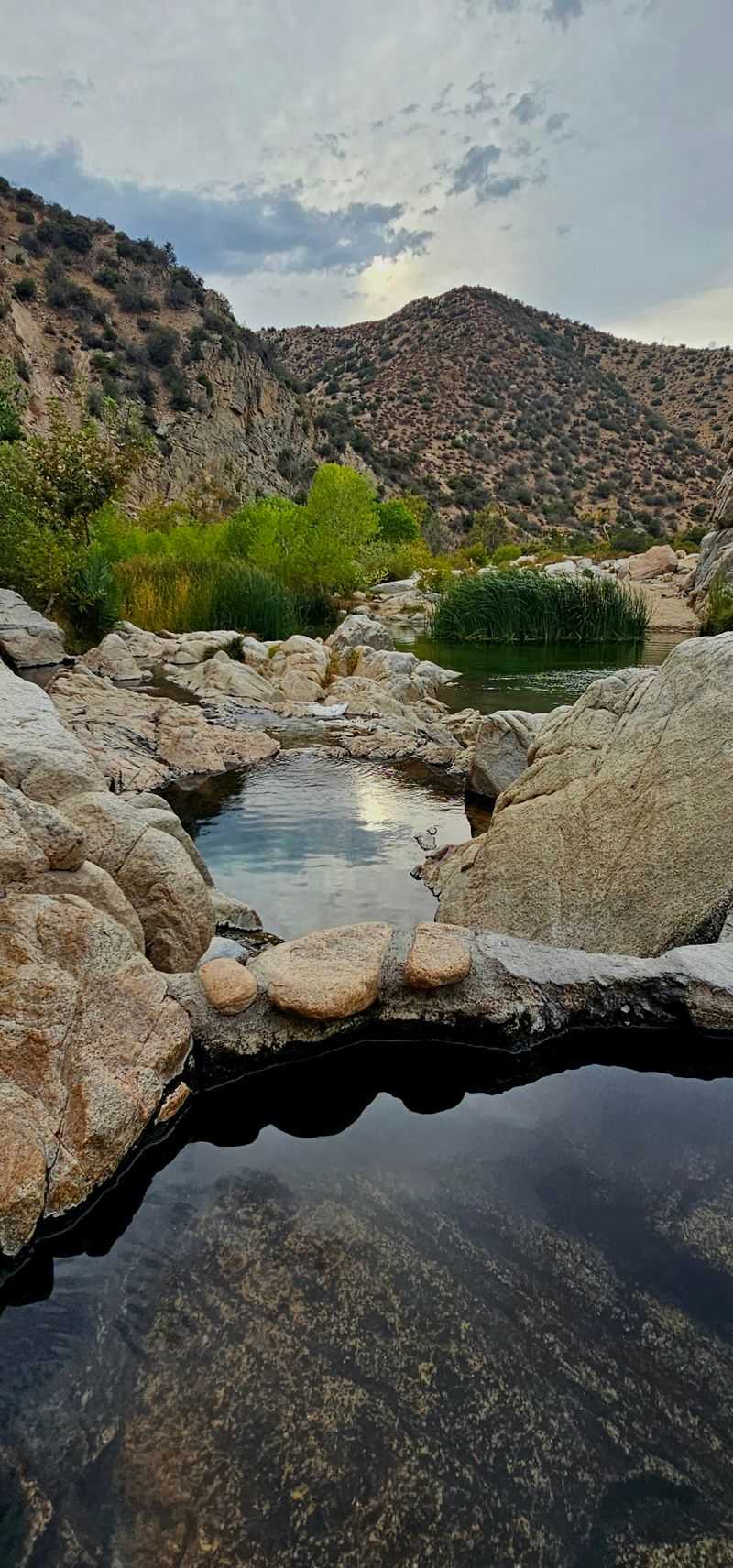
There is something wonderfully strange about soaking in geothermal water while the Pacific Crest Trail winds through a canyon that blends desert scrub, pinyon-juniper woodland, and riparian habitat all at once. Deep Creek Hot Springs sits in a rugged drainage on the edge of Southern California’s desert and mountain worlds, and the biological variety surrounding it is remarkable.
Several natural hot pools sit right beside cold flowing creek water, so you can alternate between temperatures within just a few steps. Getting there involves a substantial hike through steep and sometimes exposed terrain, so proper footwear and plenty of sun protection are genuinely important.
The Forest Service also warns visitors not to drink the water or submerge their heads because naturally occurring microorganisms can pose real health risks.
That safety note is worth taking seriously. The site’s wildness is precisely what draws people here, but it also means there are no lifeguards, no facilities, and no shortcuts.
Plan for a full day, bring more water than you think you need, and respect the fragile creek environment by packing out everything you bring in. Deep Creek rewards self-sufficient visitors who appreciate rugged beauty over polished convenience.
Arizona Hot Springs, Arizona
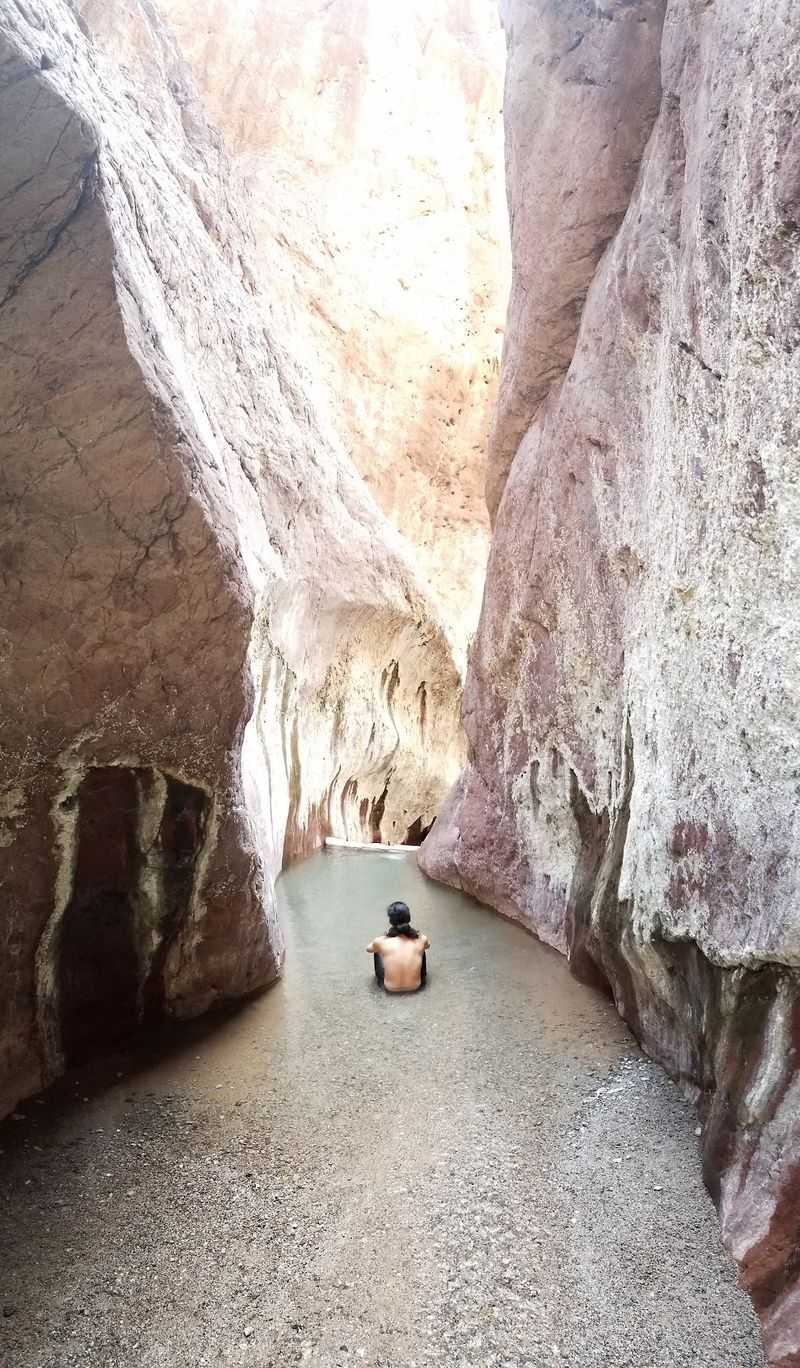
Tucked inside a slot-like volcanic canyon near Lake Mead, Arizona Hot Springs has a dramatic personality that sets it apart from every alpine spring on this list. The National Park Service classifies the hike as very strenuous, involving roughly 750 feet of elevation change, steep scrambling sections, and a 20-foot ladder when hikers take the full White Rock Canyon loop.
Warm geothermal water flows through the narrow canyon walls toward the Colorado River, creating a genuinely otherworldly atmosphere. The biggest hazard here is not snow or cold water but extreme desert heat.
Lake Mead National Recreation Area closes the land-access trail every year from May 15 through September 30, with additional closures possible whenever temperatures reach dangerous levels.
During those hot months, the springs can still be accessed by boat from Lake Mohave, which adds an entirely different adventure to the experience. Visiting in the cooler months of late fall through early spring gives you the best combination of comfortable hiking temperatures and warm soaking water.
Bring more water than seems necessary, wear sun-protective clothing, and check current closure status with the NPS before making the trip. The canyon rewards careful planners generously.
Serpentine Hot Springs, Alaska
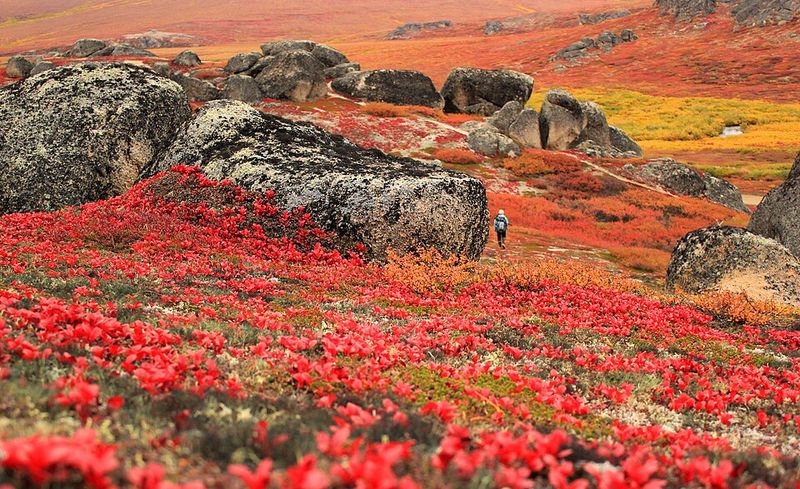
Getting to Serpentine Hot Springs requires either a small plane, a boat, a very long walk, or a snowmobile once winter settles in. There are zero roads into Bering Land Bridge National Preserve, which means this is genuinely one of the most isolated geothermal destinations in the entire National Park System.
The National Park Service maintains a primitive airstrip, a bunkhouse, and an enclosed bathhouse where naturally heated spring water is piped directly in for soaking. Outside the bathhouse, the landscape is extraordinary.
Dramatic granite formations called tors rise above open tundra that supports muskox, caribou, brown bears, foxes, and moose.
The Inupiaq name for the springs is Iyat, meaning cooking pot or place for cooking, reflecting a cultural connection to the site that stretches back centuries before any tourist ever arrived. That history adds a layer of meaning to the visit that most hot springs simply cannot offer.
Summer brings nearly endless daylight, while winter visits under the northern lights are unforgettable for those prepared for extreme cold. Serpentine is not for casual day-trippers, but for travelers who want something genuinely rare, it delivers on every level.
Boquillas Hot Springs, Texas
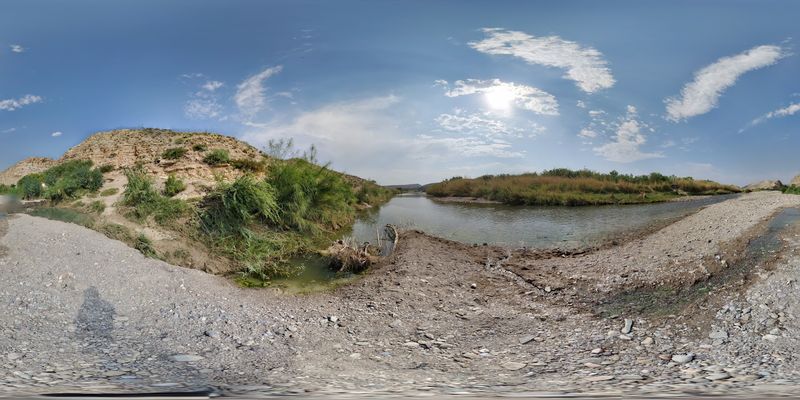
Sitting right on the banks of the Rio Grande with Mexican desert mountains rising on the opposite shore, Boquillas Hot Springs might be the most scenically dramatic border experience in the entire National Park System. The National Park Service reports that geothermal water here emerges at roughly 105 degrees Fahrenheit, carrying dissolved mineral salts that give the water a distinctive feel.
Visitors reach the pool by a short hike from the Hot Springs Historic District, passing the fascinating remnants of an early-20th-century resort that once attracted visitors seeking the supposed healing properties of mineral water. The soaking pool itself is partly formed by the surviving stone foundation of that old bathhouse, which adds a wonderful sense of layered history to every soak.
Floods can temporarily bury the pool under river sediment or debris, so checking current conditions before visiting is smart. The NPS also cautions against swimming in the Rio Grande itself because unpredictable currents and varying depth make it genuinely risky.
The best time to visit is between October and April when Big Bend temperatures are comfortable for hiking. Sunrise visits are especially rewarding, with soft desert light painting the canyon walls while steam rises off the warm water.
Jerry Johnson Hot Springs, Idaho
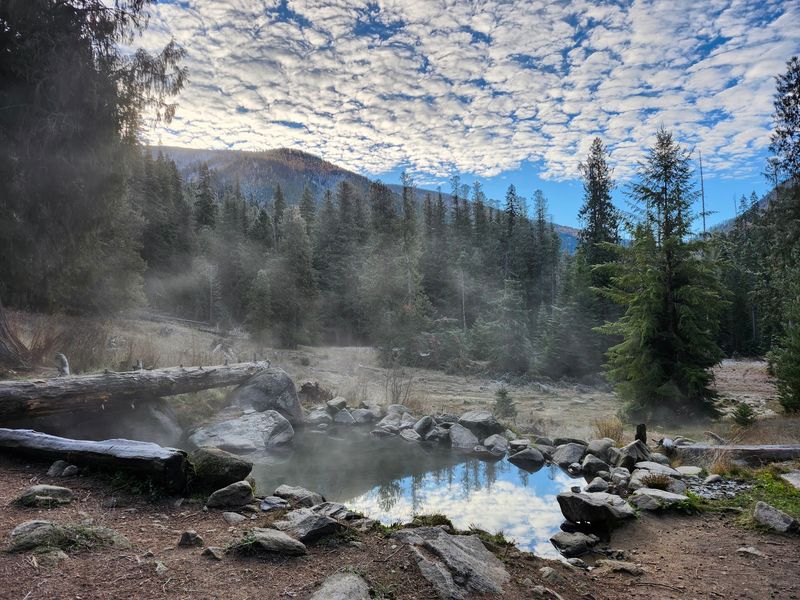
A 60-foot waterfall, a pack bridge over a rushing mountain creek, and multiple geothermal soaking pools all within 1.5 miles of a highway sounds almost too good to be true, but Jerry Johnson Hot Springs delivers exactly that. Located along Warm Springs Creek near the Lochsa River in north-central Idaho, this spot is one of the region’s most accessible genuine wilderness soaking experiences.
Forest Service documents note that the trail from the Warm Springs Trailhead is non-motorized and continues deeper into the Selway-Bitterroot Wilderness beyond the springs. Several separate geothermal sources create distinct soaking areas at slightly different temperatures, giving visitors plenty of options.
The 60-foot waterfall farther up the creek is well worth the additional short walk after soaking.
Heavy use over the years has made careful sanitation and low-impact behavior increasingly important at Jerry Johnson. Pack out all trash, avoid using soap near the water, and give wildlife plenty of space on the trail.
The Lochsa corridor is home to elk, black bears, and river otters, so keeping eyes open between pools is part of the fun. Fall visits are particularly special, when golden larch trees line the creek and crowds thin out considerably.
Travertine Hot Springs, California
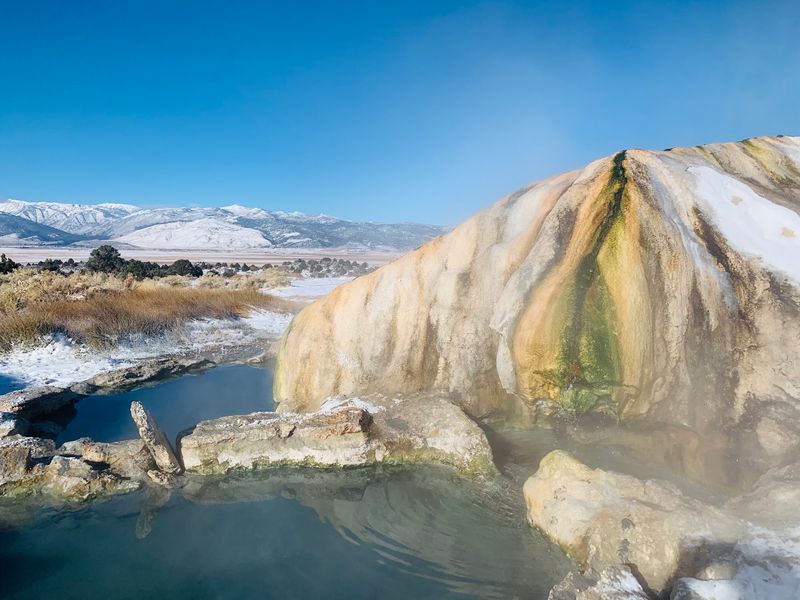
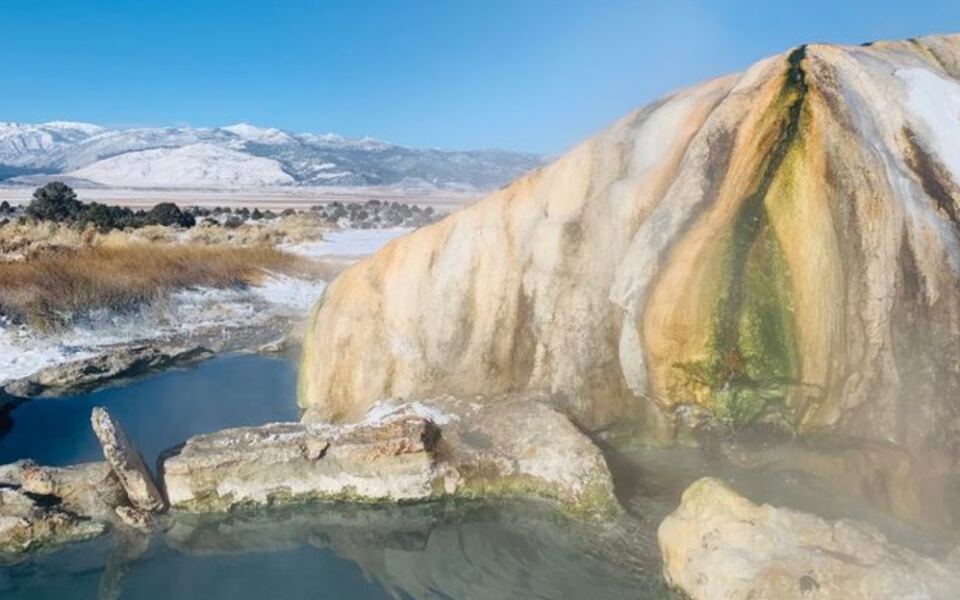
On a clear winter morning at Travertine Hot Springs, you can soak in warm geothermal water while staring directly at snow-covered Sierra Nevada peaks. Few hot spring settings in California offer that kind of unobstructed alpine panorama from a position this comfortable and accessible.
Bureau of Land Management mapping confirms multiple tubs and access trails across the mineral terrace area near Bridgeport. The source water itself can be dangerously hot before it cools into the soaking pools, which makes testing the water before stepping in an absolute must rather than a suggestion.
The terraces themselves are beautiful geological features, built up over time by mineral deposits left behind as geothermal water flows and evaporates.
Travertine is considerably easier to reach than Goldbug or Conundrum, making it a strong choice for visitors who want genuine wild scenery without a grueling multi-mile approach. The open high-desert setting still feels wonderfully exposed and windswept, especially in cooler months when steam rises dramatically from the pools.
Seasonal weather transforms the landscape completely, shifting from dry sagebrush and dust in summer to snow-dusted mountains and steaming pools in winter. Both versions are worth experiencing at least once.
Share this story