Food memories can be surprisingly powerful. One bite of a childhood favorite can bring back school lunches, family road trips, Saturday morning cartoons, or dinners around a Formica kitchen table.
But sometimes that first bite decades later produces a puzzling reaction: didn’t this used to taste better? Memory certainly plays a role, but nostalgia is not the whole explanation.
Recipes change, manufacturers replace ingredients, restaurants alter cooking methods, agricultural varieties evolve, and products move to entirely different production systems. For Americans who grew up in the 1950s, 1960s, and 1970s, these 13 familiar foods come with documented reasons why the flavors they remember can be genuinely difficult to find today.
Some changes were driven by nutrition science, some by economics, some by agriculture, and some by corporate decisions that reshaped entire product lines. The full story behind each one is more interesting than simple nostalgia suggests.
1. McDonald’s French Fries
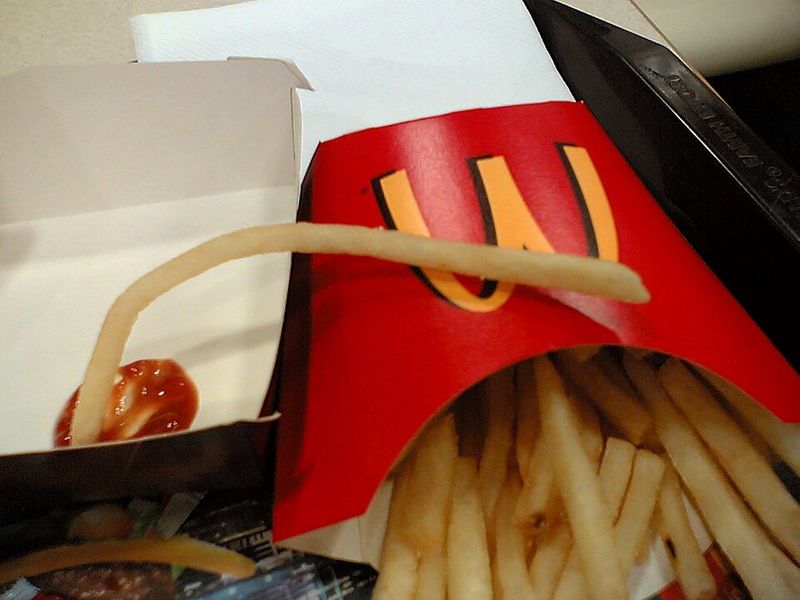
Longtime McDonald’s customers who insist the fries tasted better decades ago are not simply misremembering. For years, McDonald’s cooked its French fries in a mixture that included beef tallow, a fat that contributed a distinctly savory, rich flavor.
In 1990, the company switched U.S. restaurants to vegetable oil following growing public concern about saturated fat. The company later adjusted its fry formulation, adding flavoring agents intended to partially replicate the earlier taste profile.
Today’s fries remain one of the chain’s most popular menu items, but the cooking fat changed fundamentally, and fat is a primary carrier of flavor. The original version belongs to a specific chapter of fast-food history that no modern McDonald’s counter can reproduce.
For boomers, that paper bag of fries from the 1960s represents a product that has been genuinely and permanently altered by a deliberate corporate decision made more than three decades ago.
2. Hostess Twinkies
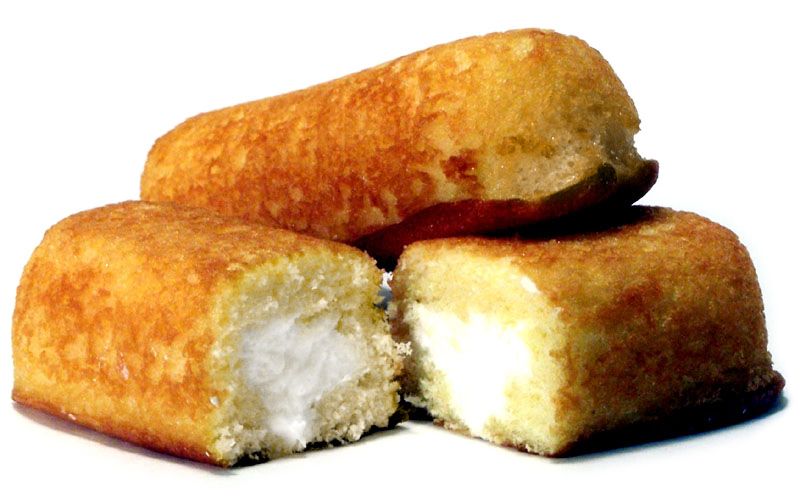
Twinkies have survived economic downturns, shifting dietary trends, and decades of jokes about their supposedly endless shelf life. What they have not survived is remaining completely unchanged.
The original Twinkie, introduced in 1930, was filled with banana-flavored cream. Wartime banana shortages during World War II prompted Hostess to substitute vanilla filling, producing the version that generations of American children came to recognize as standard.
Even that familiar vanilla product kept evolving. Hostess filed for bankruptcy and halted production entirely in 2012.
When Twinkies returned under new ownership in 2013, they came back with reformulated production methods and an extended shelf life compared to earlier versions. For most boomers, the remembered Twinkie is the vanilla one, yet manufacturing details shifted throughout their lifetimes.
Twinkies are a useful example of a product that maintains a highly consistent appearance while the food inside the wrapper quietly continues to change.
3. Coca-Cola
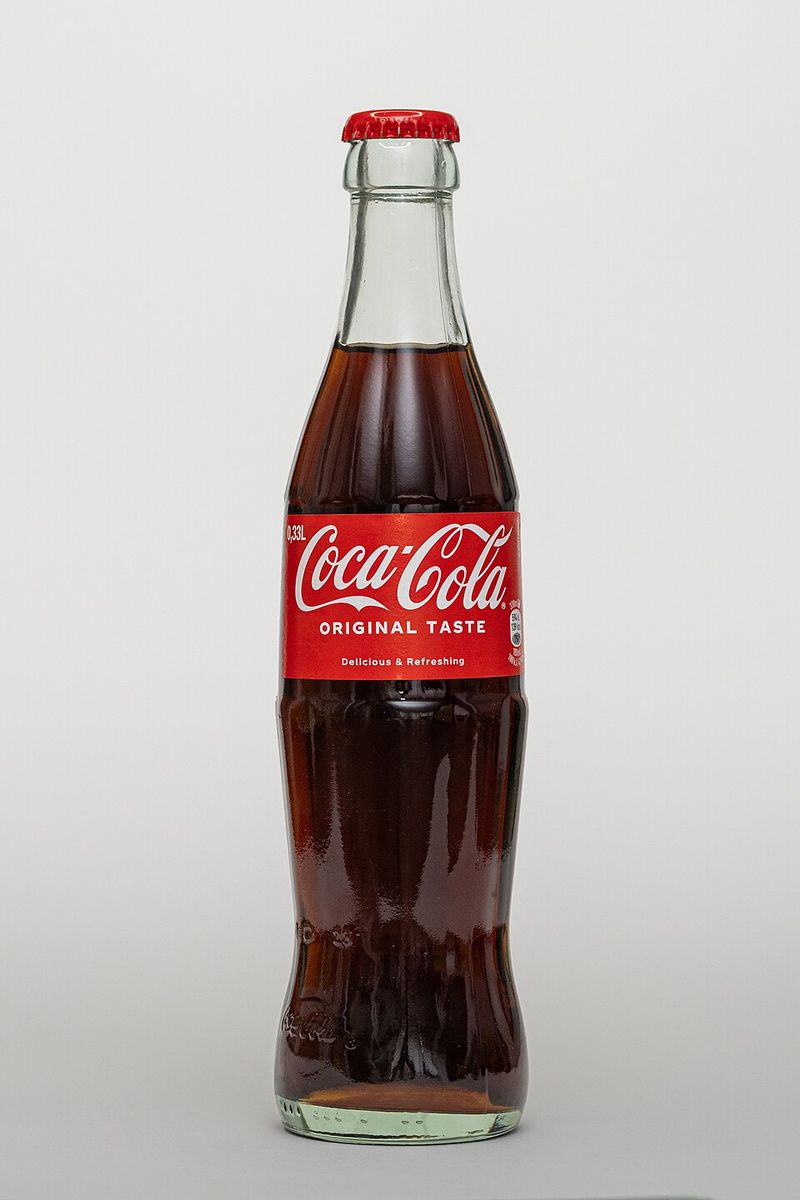
Very few product decisions in American food history generated the level of public backlash that Coca-Cola triggered in April 1985. The company replaced its flagship formula with a sweeter version, almost immediately dubbed New Coke.
Consumers protested loudly, and Coca-Cola Classic returned within months.
A less publicized shift, however, was already underway. During roughly the same period, American Coca-Cola transitioned from cane or beet sugar to high-fructose corn syrup as its primary sweetener.
That means the Coke boomers drank in their youth was sweetened differently from a standard American Coke today.
Whether that produces a better or worse beverage is a matter of personal preference, but the ingredient difference is documented and real. It also explains the persistent American market for Mexican Coke, imported in glass bottles and still sweetened with cane sugar.
For boomers who grew up drinking Coke from glass bottles, that specific combination of formula and container no longer exists in standard U.S. distribution.
4. Kentucky Fried Chicken
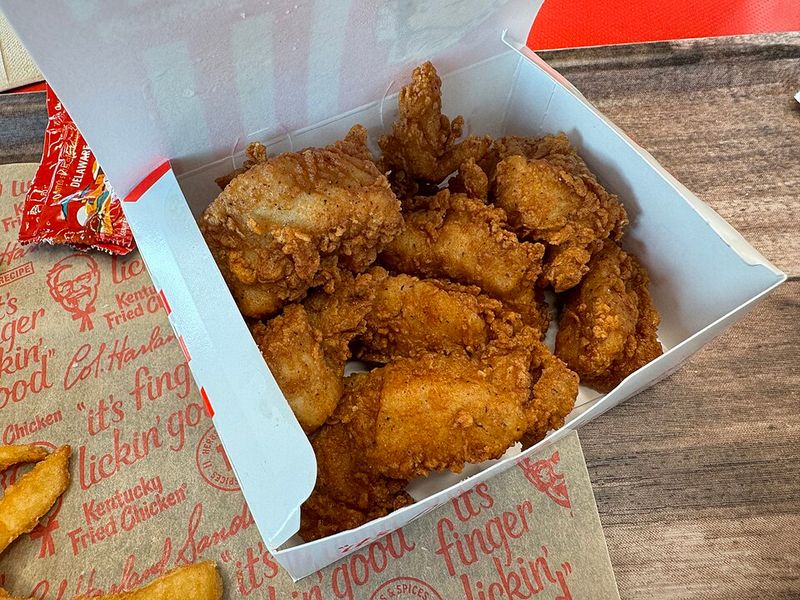
Colonel Harland Sanders built his reputation on a specific preparation method and a closely guarded spice blend. What makes his story particularly relevant here is that he eventually turned into one of the most vocal critics of what the chain became after he sold it.
Sanders transferred ownership of Kentucky Fried Chicken to investors in 1964, retaining a brand ambassador role. As the chain expanded rapidly across thousands of locations, standardization became the dominant operational priority.
Sanders later complained publicly and specifically about the quality of food being served under his name, with his criticism extending beyond chicken to include the chain’s gravy recipe.
That does not prove today’s KFC is categorically different from every bucket served in the 1960s, since preparation quality always varied by location. But boomers who ate at early Kentucky Fried Chicken outlets encountered a company operating much closer to its founder’s original standards.
The Colonel himself left a clear record of his dissatisfaction.
5. Hershey’s Chocolate
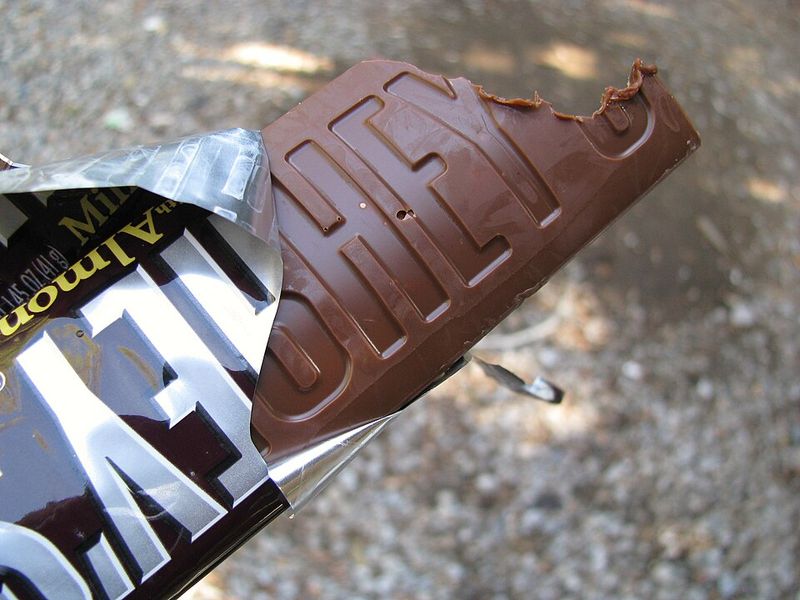
American chocolate manufacturing shifted considerably across the decades that followed the mid-20th century. Ingredient sourcing, manufacturing costs, technology, and regulatory categories all changed in ways that affected what ended up in candy wrappers.
One important distinction worth understanding involves how products are legally labeled. Items marketed as chocolate, chocolate-flavored, or chocolatey can reflect meaningfully different formulations, with some using alternative fats in place of cocoa butter.
That distinction matters to flavor and texture in ways consumers do not always consciously identify.
The classic Hershey’s Milk Chocolate bar has not had its core recipe secretly overhauled in a single dramatic moment. Claims that every modern Hershey bar is fundamentally unrecognizable compared to the boomer-era version overstate the case.
However, the broader candy aisle has changed considerably. Older consumers are also comparing current products against memories formed when their palates were younger and portions were packaged differently.
Both the product and the person tasting it have accumulated decades of change.
6. Tomatoes
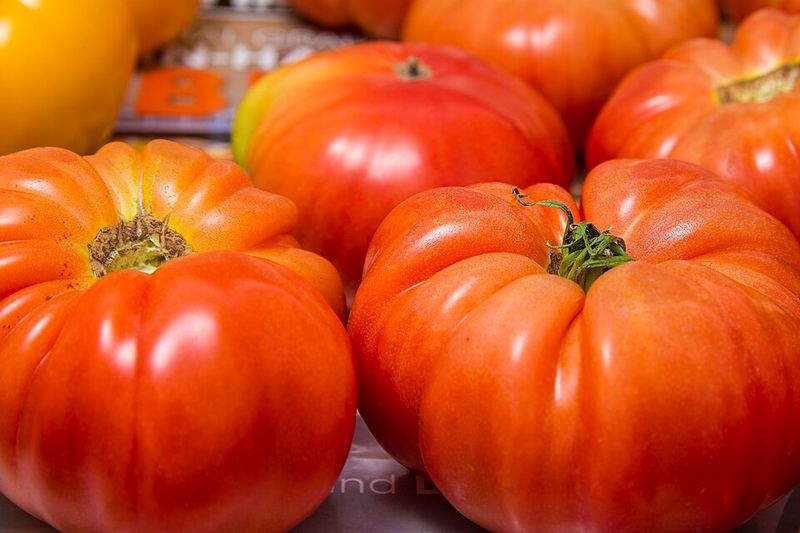
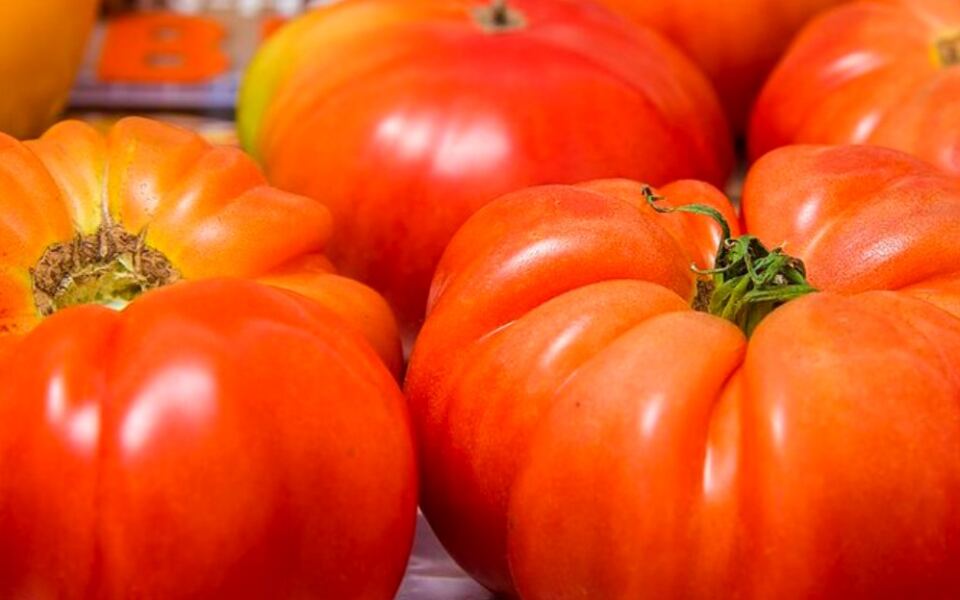
No secret corporate reformulation is responsible for this change. The American tomato itself was gradually transformed through agricultural breeding priorities that had little to do with flavor.
Throughout the 20th century, commercial tomato cultivation increasingly favored traits suited to large-scale farming and long-distance shipping: uniform appearance, firm texture, disease resistance, and high yield. Flavor compounds were not the primary target of those breeding programs.
Researchers have since identified specific volatile compounds and sugars that contribute to tomato flavor and confirmed that many were reduced or lost during decades of commercial breeding. That finding gives scientific weight to a complaint gardeners have repeated for generations: supermarket tomatoes do not taste like the ones they grew themselves.
For boomers who remember backyard gardens or roadside farm stands in the 1950s and 1960s, the difference between those tomatoes and a modern grocery-store variety can be striking. The fruit changed because the industry’s priorities changed first.
7. Campbell’s Tomato Soup
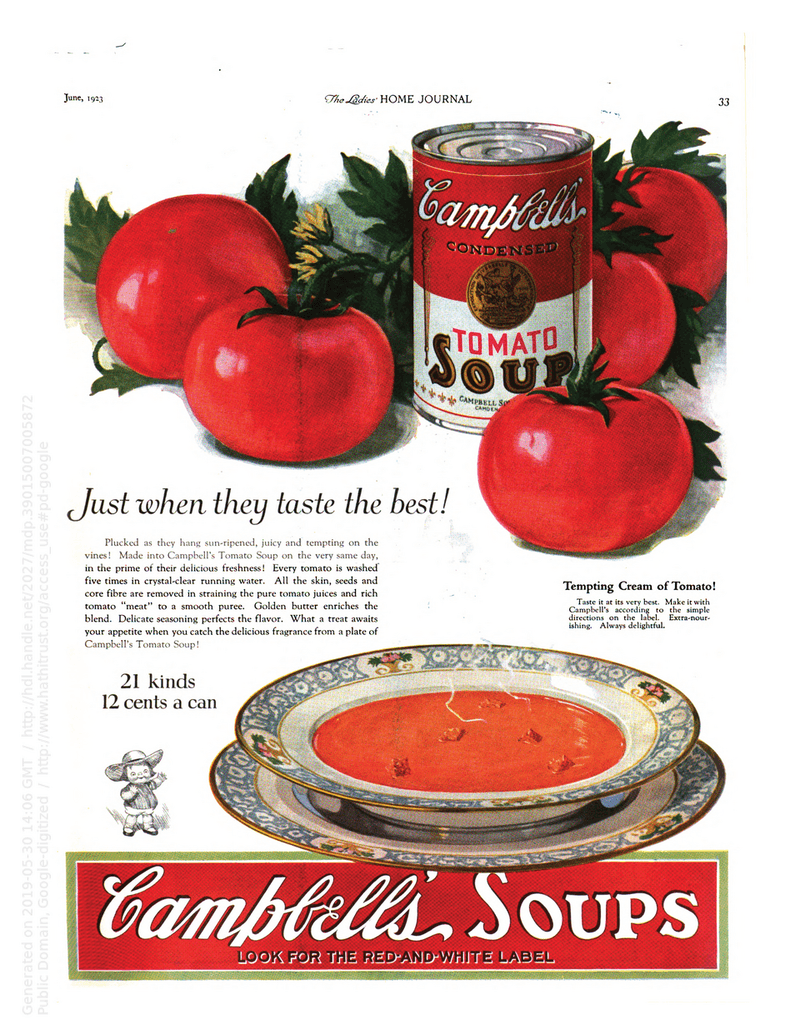
Opening a red-and-white Campbell’s can was practically a household ceremony for millions of American families across several decades. Tomato soup showed up alongside grilled cheese sandwiches, on sick days, and at inexpensive weekday lunches that became deeply embedded in generational memory.
Campbell’s has periodically reformulated its products in response to evolving nutritional guidelines and shifting consumer expectations. Sodium reduction became a particularly significant focus across the entire canned-soup industry, and those adjustments matter more than most people realize.
Salt affects not only saltiness but also how sweetness, acidity, and other flavor components register on the palate.
No single dramatic reformulation completely replaced the soup served in 1965, and memory makes exact flavor comparisons impossible in any case. But the canned-soup category has spent decades navigating changing nutritional standards, updated manufacturing requirements, and new customer preferences.
The familiar red can still sits on store shelves, but the food world that originally surrounded it no longer exists in the same form.
8. Bananas
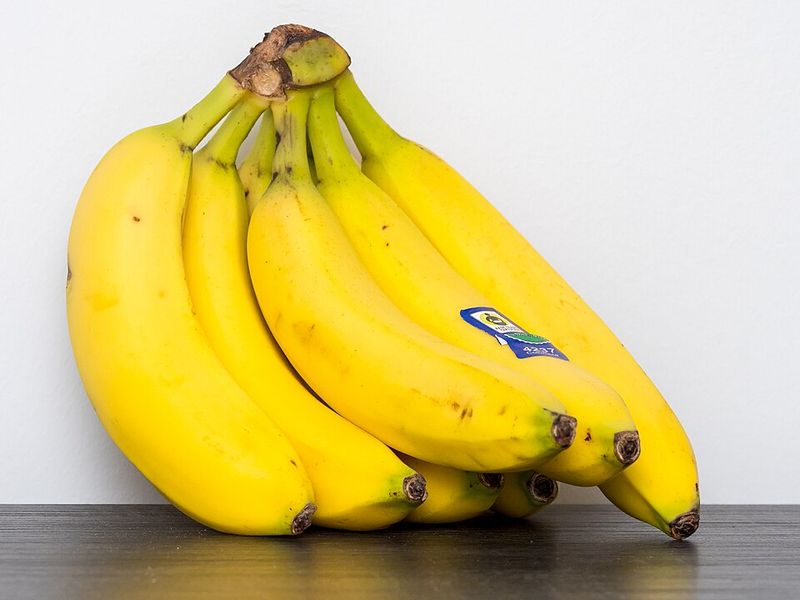
Older Americans sometimes claim that bananas tasted different when they were young, and in this particular case, documented agricultural history actually supports that claim.
The Gros Michel variety was the dominant banana exported to the United States through the early-to-mid 20th century. It had qualities well suited to long-distance shipping and was widely considered flavorful and satisfying.
Panama disease, a fungal infection, devastated commercial Gros Michel plantations across Central America. By the 1950s and into the 1960s, exporters shifted production toward the disease-resistant Cavendish variety, which became the standard supermarket banana for all subsequent generations.
Timing matters for boomers specifically. Older members of the generation may have encountered Gros Michel in early childhood, while younger boomers likely grew up entirely with Cavendish.
Not every boomer carries a clear memory of the earlier variety. Still, the banana on American grocery shelves genuinely changed during the 20th century, making this one of the few nostalgia claims with solid agricultural evidence behind it.
9. Jell-O
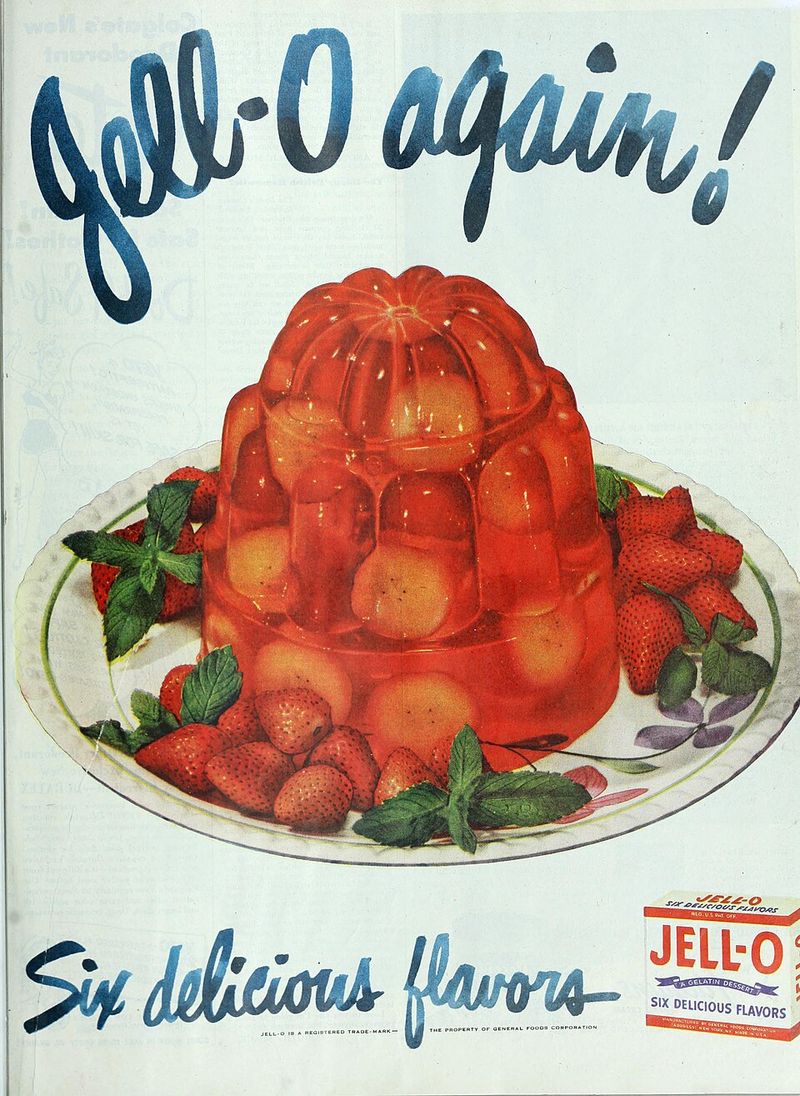
Few foods capture mid-century American domestic culture as precisely as Jell-O. During the 1950s and 1960s, gelatin was not simply a dessert option.
It was a culinary medium, appearing in elaborate layered molds containing fruit cocktail, cream cheese, cottage cheese, and occasionally vegetables, all promoted enthusiastically in cookbooks and magazine advertisements.
The product itself still exists, but the cultural framework that made it meaningful has largely disappeared. Flavors have come and gone over the decades, sugar-free formulations expanded the product line significantly, and packaging has been updated repeatedly.
More importantly, the elaborate preparation rituals and presentation traditions that defined mid-century Jell-O culture are no longer common practice.
That means the nostalgic gap boomers describe is not primarily about a single dramatic reformulation. The context changed more than the recipe did.
A plain bowl of modern strawberry Jell-O does not replicate the experience of a towering molded centerpiece prepared for a 1960s Thanksgiving table. The setting was always part of the flavor.
10. Chicken
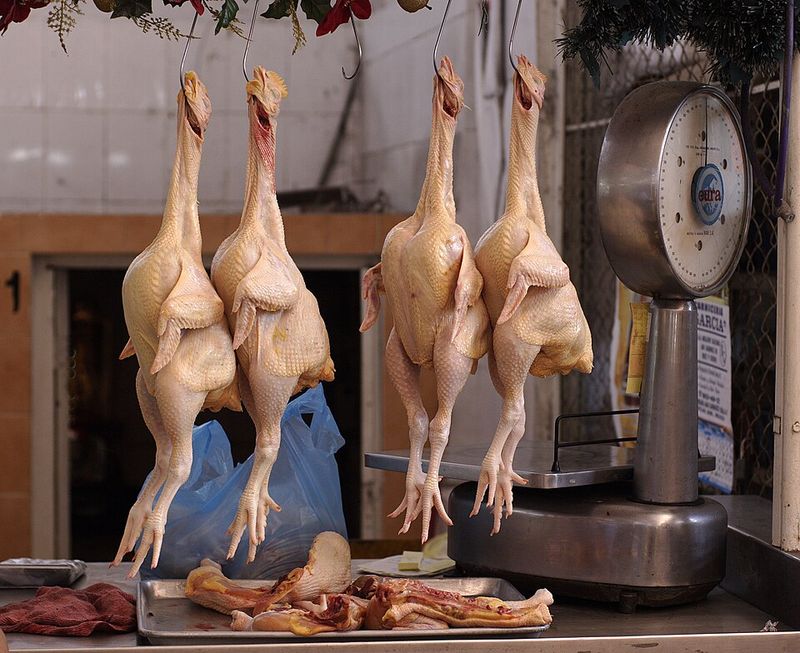
Commercial chicken production in the United States underwent one of the most significant agricultural transformations of the 20th century. Modern broiler chickens have been selectively bred to reach market weight in roughly half the time that earlier breeds required, and they produce considerably more breast meat relative to overall body size.
Those changes made chicken affordable and widely accessible, which was a genuine public benefit. They also changed the biological characteristics of the bird being raised.
Breed, growth rate, feed composition, activity level, and age at processing all influence the texture and flavor of the resulting meat.
When older Americans consistently describe the Sunday roast chicken of their 1950s or 1960s childhood as having a firmer texture or more pronounced flavor, dismissing that entirely as nostalgia is not supported by what agricultural records show happened to the industry. The chicken on today’s grocery store shelves is a measurably different animal from the one raised under mid-century farming conditions.
That is a factual observation, not sentiment.
11. Crisco
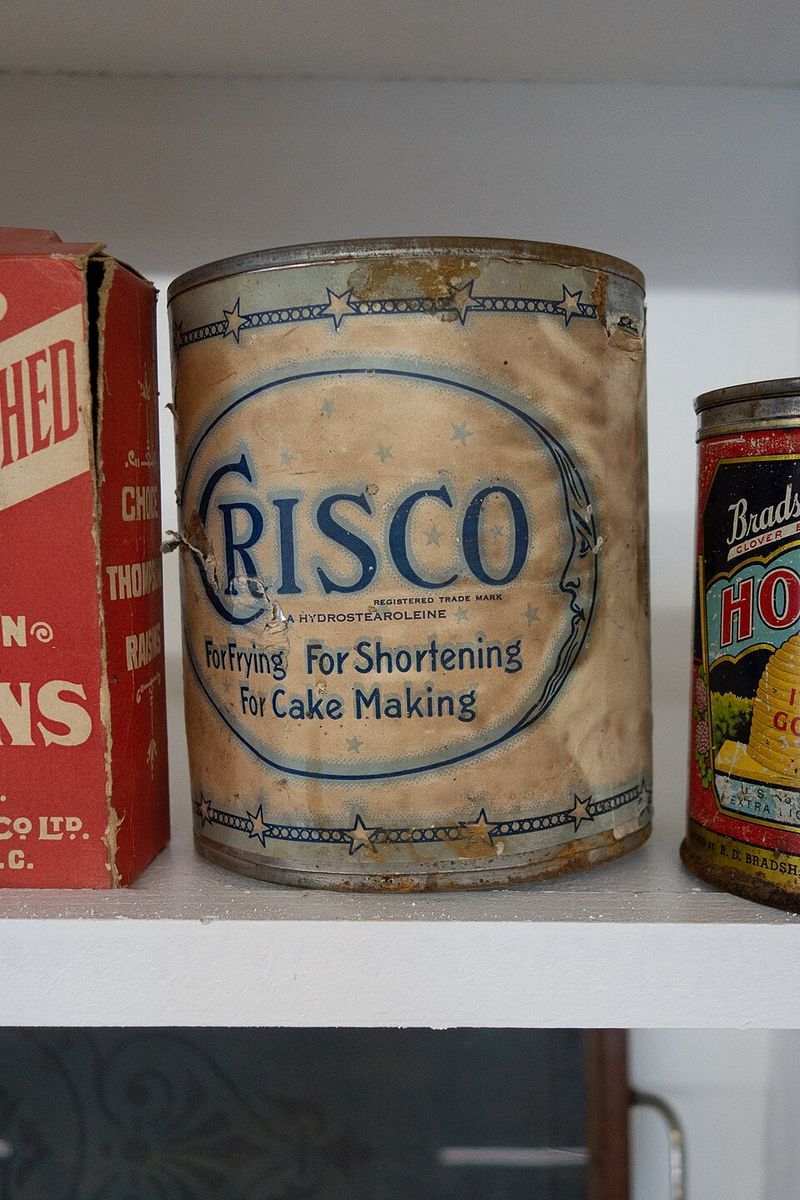
The blue Crisco can occupied a permanent spot in American kitchens for most of the 20th century. Home bakers used vegetable shortening in pie crusts, biscuits, cookies, cakes, and fried foods, following recipes passed down through families over multiple generations.
Then nutritional research and federal regulation fundamentally changed what shortening is. Traditional Crisco was made from partially hydrogenated vegetable oil, which contains artificial trans fats.
As evidence mounted regarding cardiovascular health risks associated with trans fat consumption, food manufacturers began reformulating their products. The FDA eventually removed partially hydrogenated oils from its list of ingredients generally recognized as safe.
Crisco changed its formulation ahead of the final federal phaseout, which was a meaningful public health development. For bakers, however, it also meant that inherited family recipes were no longer being made with exactly the same fat their mothers and grandmothers had used.
In baking, fat composition affects texture, layering, and performance in specific ways. When an old pie crust recipe behaves differently than expected, the shortening may be part of the explanation.
12. TV Dinners
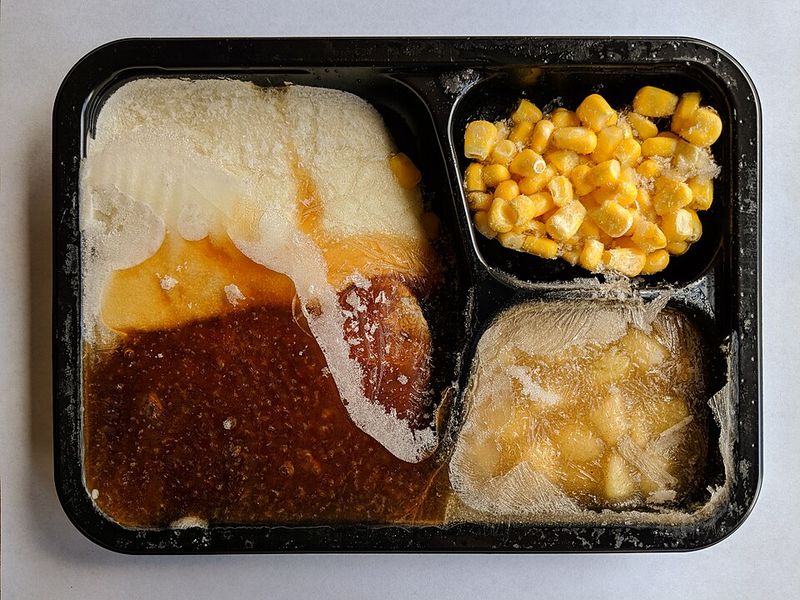
Swanson introduced its TV Brand Dinner in 1953, and the product became a cultural fixture almost immediately. The aluminum foil tray with its tidy compartments holding turkey, mashed potatoes, peas, and a small dessert represented something genuinely new: a complete meal that required almost no preparation beyond oven time.
Heating those early dinners took around 25 minutes in a conventional oven, and the process produced results that a microwave simply does not replicate. Oven heat created browning on certain components and crisped edges in ways that microwave radiation does not achieve through the same mechanism.
Modern frozen dinners occupy an entirely different product category. Microwave preparation became standard, aluminum trays were replaced by microwave-safe containers, and manufacturers developed extensive lines organized around calorie counts, protein content, international cuisines, and dietary restrictions.
The old meal was not refined cuisine by any measure. But the technology used to heat it, the packaging it came in, and the cultural moment it represented were all specific to an era that microwave-era frozen food cannot authentically recreate.
13. McDonald’s Apple Pie
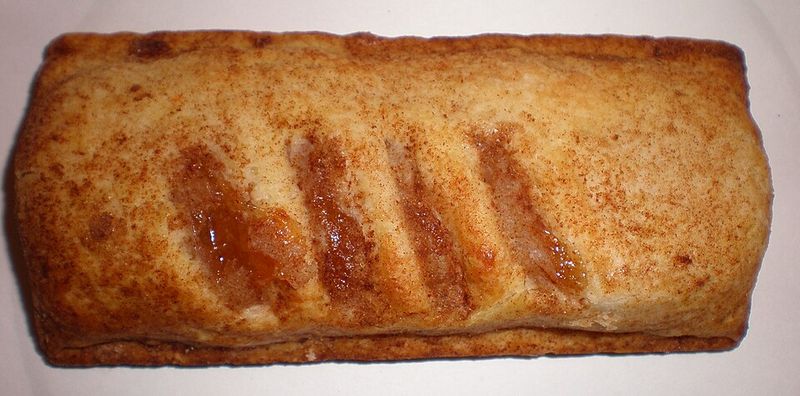
Among all the menu changes McDonald’s made during the late 20th century, this one generated a particularly lasting wave of customer nostalgia. The original McDonald’s apple pie was deep-fried, producing a blistered, crisp pastry exterior that contained extremely hot apple and cinnamon filling.
It was unlike most dessert items available at competing fast-food chains.
In 1992, McDonald’s replaced the fried version in most U.S. locations with a baked apple pie. Subsequent recipe updates adjusted both the crust formulation and the filling composition further.
The basic concept of warm apple filling inside pastry remained recognizable, but the eating experience changed in a way that customers noticed immediately and continued to discuss for decades afterward.
A small number of regional McDonald’s locations reportedly continued offering fried pies after the 1992 transition, but the standard American version became a baked product and has remained one. For boomers who grew up ordering the fried pie after a hamburger and fries, this is one nostalgia claim with a clear and well-documented corporate decision at its center.
Share this story