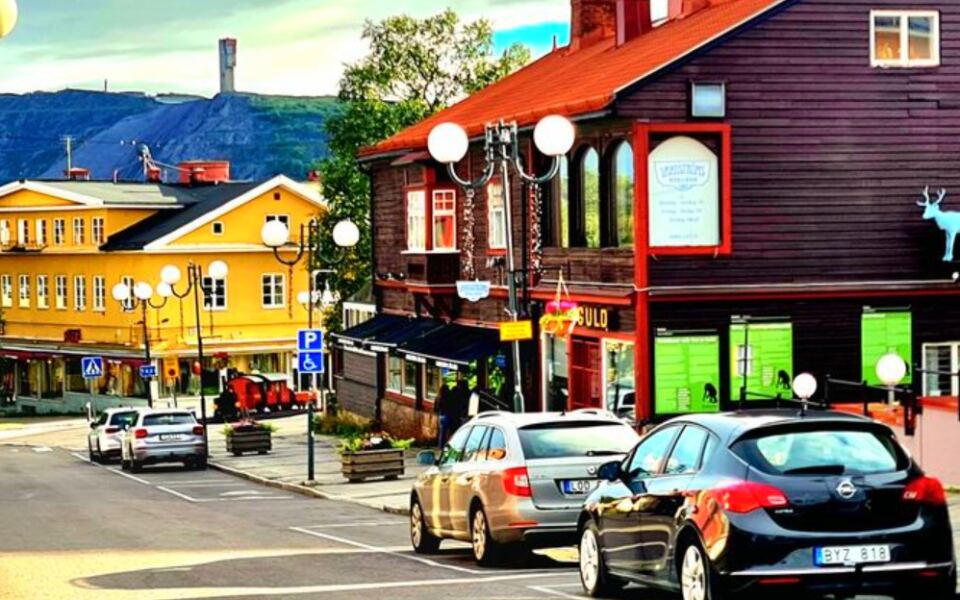
The Arctic Circle is not a place most people think about visiting until they see a photo that stops them mid-scroll. Steep mountains rising from cold seas, icebergs the size of apartment buildings, forests that stretch for hundreds of miles without a single traffic light in sight.
This part of the world covers an enormous range of landscapes, cultures, and experiences, from Finnish cities with world-class museums to remote Greenlandic islands with volcanic geology that looks like it belongs on another planet. Norway, Sweden, Finland, and Greenland each bring something distinct to the table, and the 13 regions on this list represent some of the most rewarding places to explore anywhere near the top of the world.
Whether you have a week or just a long weekend, these destinations offer the kind of travel experiences that are genuinely hard to forget.
1. Abisko National Park, Abisko, Norrbotten County, Sweden
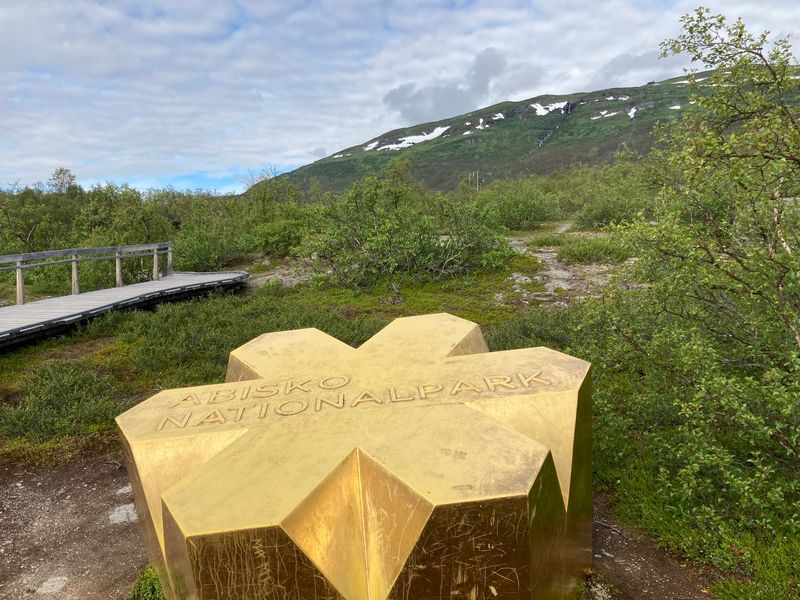
Sweden’s far north has a secret weapon, and it goes by the name Abisko. Tucked into Swedish Lapland near the Norwegian border, this national park combines wide mountain valleys, birch forests, and some of the clearest skies in northern Scandinavia.
The famous Kungsleden trail, one of Sweden’s most celebrated long-distance hiking routes, passes directly through the area. In summer, hikers cover open terrain with views that stretch across valleys and ridgelines for miles in every direction.
The park’s relative dryness compared to the Norwegian coast means cloud cover is often minimal, which matters a great deal for winter visitors.
Abisko has become one of northern Europe’s most reliable spots for watching the northern lights, and the Aurora Sky Station above the village adds an organized viewing option for those who want expert guidance. The combination of serious wilderness and accessible infrastructure makes this park a standout destination in Swedish Lapland.
2. Lofoten Islands, Svolvær, Nordland, Norway
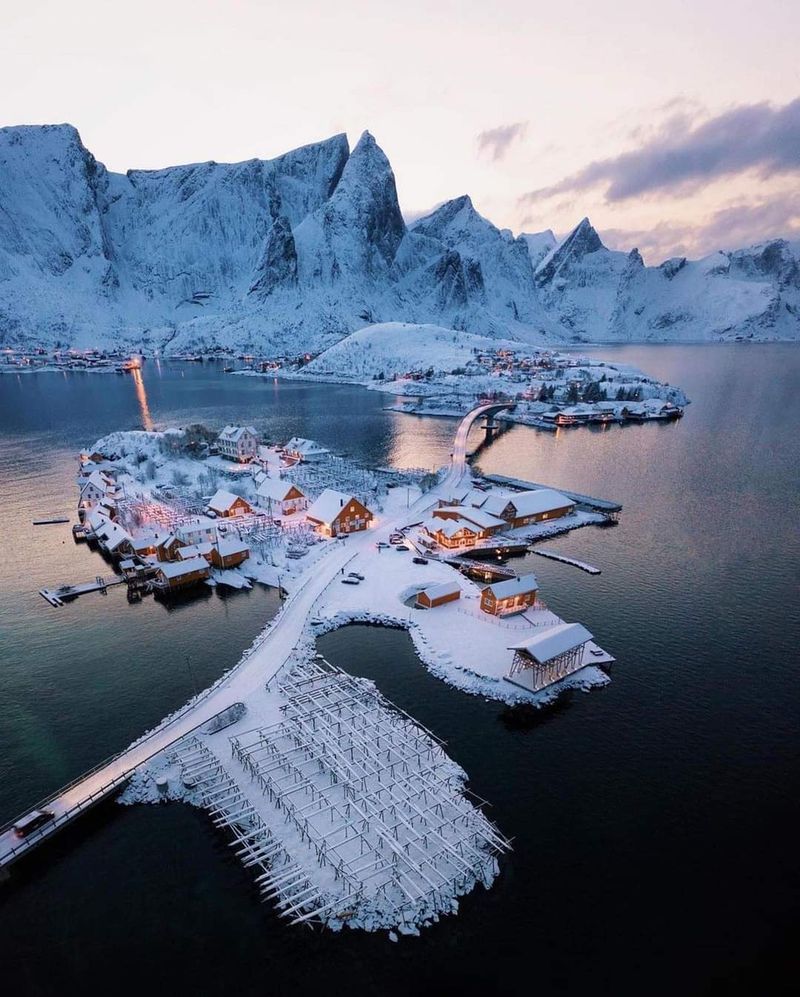
Norway’s most photographed archipelago earns every bit of its reputation, and then some. The Lofoten Islands sit above the Arctic Circle, yet the Gulf Stream keeps winters far milder than you might expect from a place this far north.
Reine, nestled between fjords and sharp peaks, is one of the most captured villages in all of Scandinavia. Nusfjord operates as a living museum, complete with a preserved general store, a cod liver oil factory, and a working smithy.
Henningsvær, sometimes called the Venice of Lofoten, even has a football pitch built on its own island.
Hiking trails like Reinebringen reward effort with panoramic coastal views. The traditional drying of stockfish on large wooden racks remains a common sight, connecting the present to over a thousand years of fishing culture.
Arriving by ferry along the Norwegian Scenic Route Lofoten makes the journey itself feel like part of the destination.
3. Senja, Finnsnes, Troms, Norway
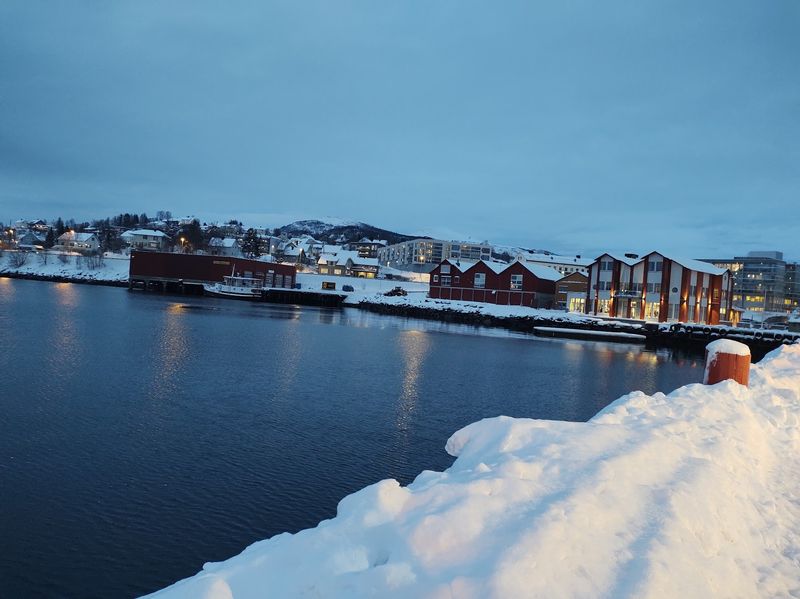
Norway’s second-largest island is the kind of place that makes experienced travelers stop and wonder why they had not heard of it sooner. Senja packs an extraordinary variety of landscapes into a relatively compact area, with sharp Atlantic-facing peaks on one side and calm, green fjord valleys on the other.
The Senja Scenic Route connects many of the island’s most dramatic viewpoints, making a drive here genuinely rewarding rather than just practical. Viewpoints like Segla mountain and the Tungeneset rock formations draw photographers and hikers throughout the summer months.
The fishing communities of Husøy and Mefjordvær feel far removed from the usual tourist circuit, offering a quieter glimpse into traditional northern Norwegian life.
Winter on Senja brings a different appeal entirely, with snow covering the mountains and dark skies creating good conditions for northern lights sightings. For travelers who want dramatic scenery without the crowds, Senja delivers a compelling alternative to more well-known Norwegian destinations.
4. Ilulissat Icefjord, Ilulissat, Avannaata, Greenland
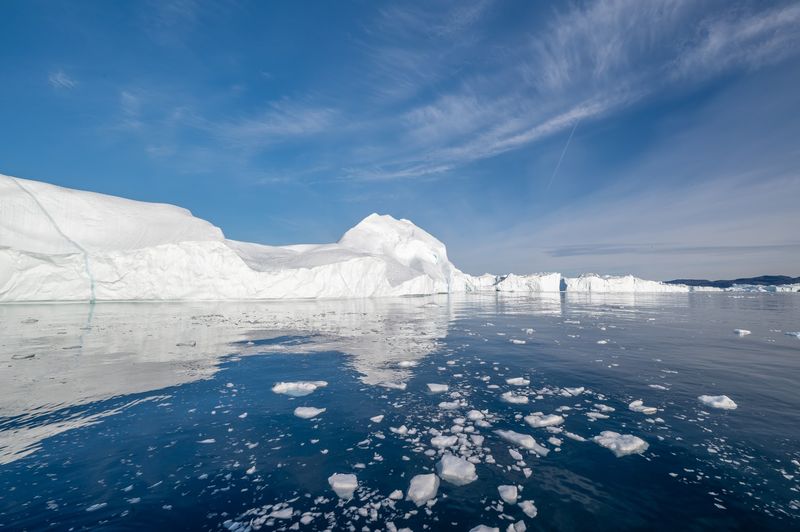
Greenland’s most visited natural attraction earns its status with sheer scale. The Ilulissat Icefjord is a UNESCO World Heritage Site where the Sermeq Kujalleq glacier, one of the world’s most productive, pushes enormous icebergs into the fjord at a rate of roughly 46 meters per day.
The icebergs that gather at the mouth of the fjord can reach heights of over 100 meters above the waterline. Walking routes around the town of Ilulissat bring visitors to elevated viewpoints where the full scale of the ice becomes visible without any special equipment or guided tour required.
The Ilulissat Icefjord Centre, designed by architect Dorte Mandrup and opened in 2021, provides detailed context about the glacier’s behavior and its connection to broader climate patterns.
Boat tours offer a closer perspective on the icebergs, while dog sledding trips across the surrounding tundra provide a traditional Greenlandic winter experience that has defined life in this region for centuries.
5. Saltfjellet-Svartisen National Park, Rana, Nordland, Norway
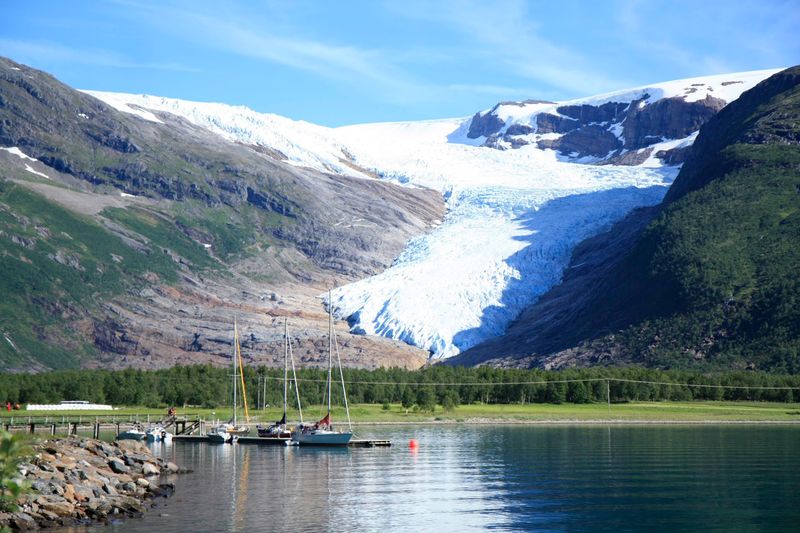
Not many national parks let you cross the Arctic Circle on foot, but Saltfjellet-Svartisen does exactly that. The E6 highway and the Nordland Railway both pass through this enormous park, making it more accessible than its remote character might suggest.
Svartisen is Norway’s second-largest glacier, and it covers a significant portion of the park’s western section. Guided glacier walks operate during summer, bringing visitors onto the ice with proper equipment and experienced guides.
The Saltfjellet plateau, which forms the eastern part of the park, is a high, open landscape of lakes, rivers, reindeer herds, and ancient Sámi cultural sites.
The marked Arctic Circle crossing point along the E6 has become a popular stop for travelers driving the length of Norway. Beyond the symbolic value of standing on the line, the surrounding landscape of mountains, valleys, and glacial rivers gives this crossing a genuine sense of place that a simple roadside marker alone could never provide.
6. Rovaniemi, Lapland, Finland
Finland’s answer to “how do you make the Arctic Circle approachable” is a city of roughly 63,000 people built right at the line itself. Rovaniemi was almost entirely rebuilt after World War II, and Alvar Aalto’s city plan shaped it into the form of a reindeer’s head when viewed from above, which is exactly the kind of design fact that sticks with you.
The Arktikum museum and science center is one of Finland’s finest cultural institutions, covering both the natural history of the Arctic and the human cultures that have called it home. The building itself, with its long glass tunnel extending toward the Ounasjoki River, is worth visiting for the architecture alone.
Nearby, Ranua Wildlife Park gives visitors a chance to see Arctic animals in a northern Finnish setting.
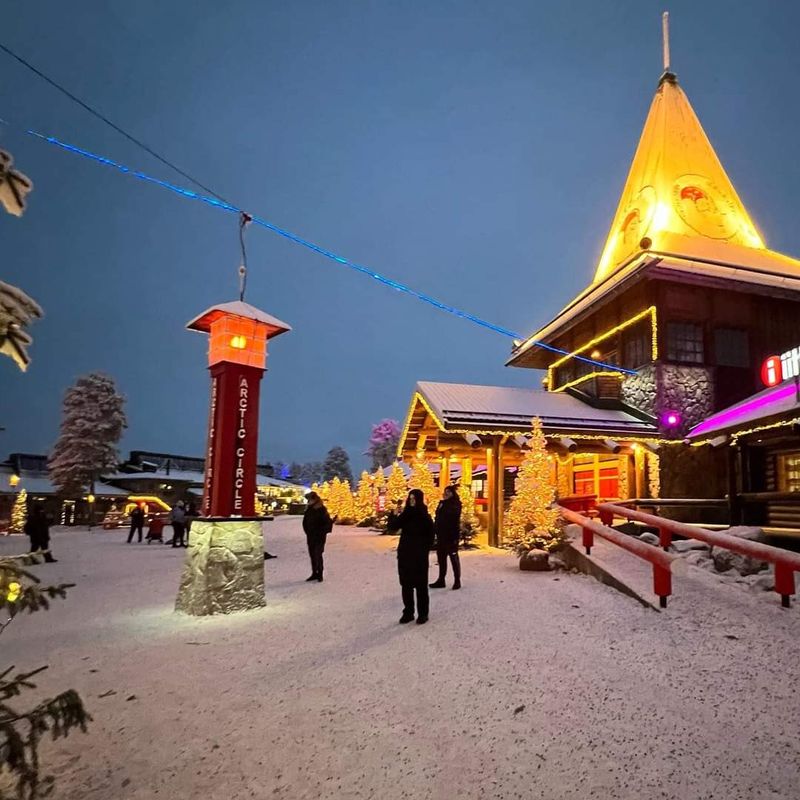
The Arctic Circle line runs just north of the city center, and the cluster of Santa-related attractions there has made Rovaniemi a global destination for families, particularly during the winter holiday season.
7. Inari, Lapland, Finland
About 330 kilometers north of Rovaniemi, Inari operates at a different pace entirely. The village sits beside Lake Inari, Finland’s third-largest lake, which covers roughly 1,040 square kilometers and remains frozen from November through May most years.
The SIIDA museum in Inari is the national museum of the Finnish Sámi people and one of the most important cultural institutions in northern Finland. It covers Sámi history, traditions, language, and relationship with the land across centuries of continuous habitation in the region.
The outdoor section of the museum includes historic Sámi structures set in the natural landscape around the building.
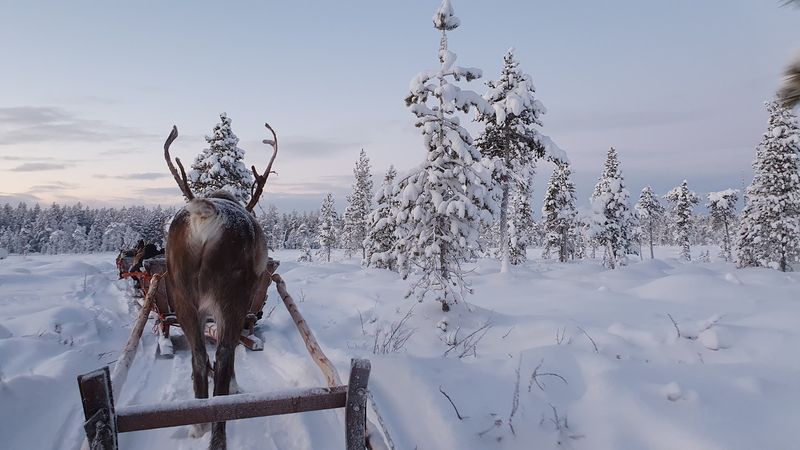
Reindeer herding remains an active practice in the area, and several local operators offer experiences that connect visitors with this tradition. Winter activities include snowmobile safaris, ice fishing on Lake Inari, and northern lights viewing from remote wilderness locations well away from any artificial light.
Inari rewards travelers who are willing to slow down and pay attention to the details around them.
8. Disko Island, Qeqertarsuaq, Greenland
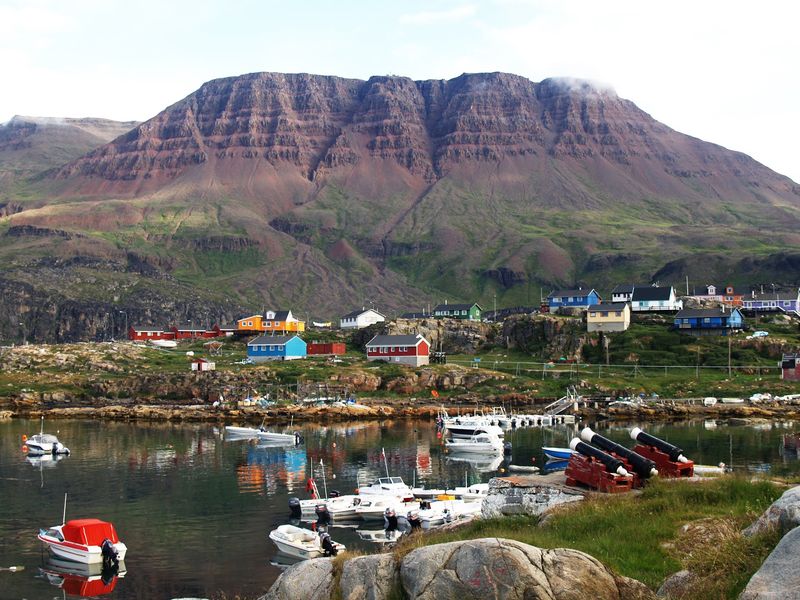
Disko Island is geologically unusual for Greenland, built largely from volcanic basalt rather than the ancient granite that dominates most of the island nation. This gives the landscape a distinctly different character, with dark cliff faces, flat-topped plateaus, and glaciers that push down toward the coast from an interior ice cap.
Qeqertarsuaq, the island’s only town, is home to around 800 people and serves as the base for exploring the surrounding terrain. The Arctic Station, a Danish research facility established in 1906, has made the island a long-standing hub for scientific study of Arctic conditions.
Guided tours operate from the town into the interior and along the coastline.
Hot springs exist on the island’s northern side, a surprising feature given the surrounding Arctic environment. Whale watching in the waters around Disko Bay is productive during summer months, with humpback and fin whales common visitors to the area.
The island’s combination of volcanic geology and Arctic scenery makes it genuinely unlike anywhere else in Greenland.
9. Oulanka National Park, Kuusamo, Finland
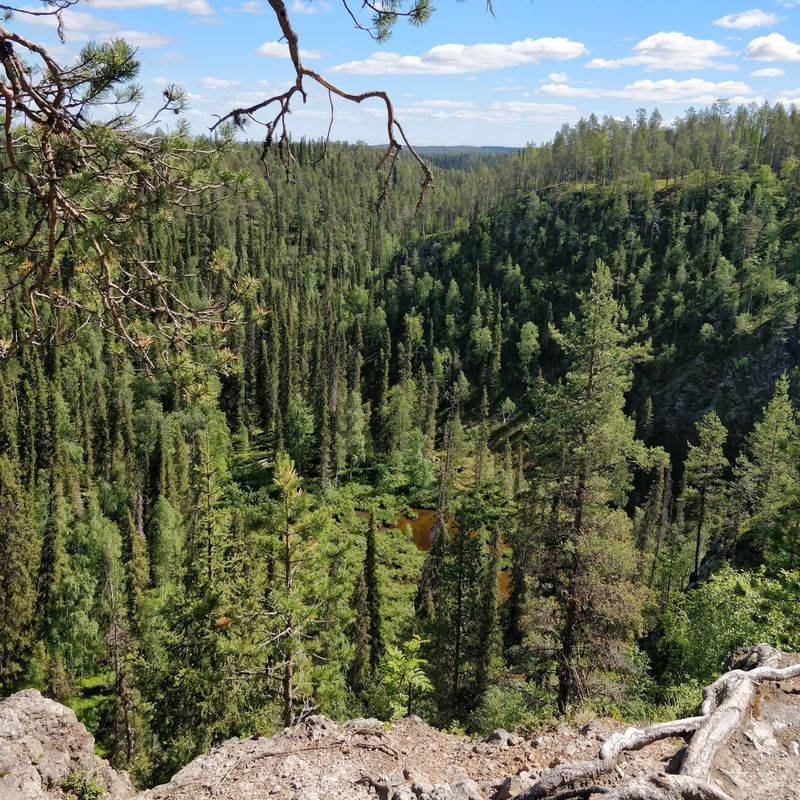
Not every Arctic-region park is about bare tundra and glaciers. Oulanka National Park in northern Finland makes a strong case for forests, rivers, and gorges as equally compelling Arctic scenery.
The park sits close to the Russian border in the Kuusamo region and covers around 270 square kilometers of varied terrain.
The Karhunkierros, or Bear’s Ring trail, is one of Finland’s most popular hiking routes and passes through the park’s most dramatic sections. Suspension bridges cross the Oulankajoki River at several points, giving hikers views down into rocky gorges where the water moves fast and clear over ancient bedrock.
The trail passes waterfalls, rapids, and open heathland before descending back into dense forest.
Spring and early summer bring the most dramatic river conditions, while autumn turns the forest into a patchwork of orange, red, and yellow that stretches across the park’s hills and valleys. The park has well-maintained huts and campsites for those planning multi-day hikes through its interior sections.
10. Kiruna, Norrbotten County, Sweden
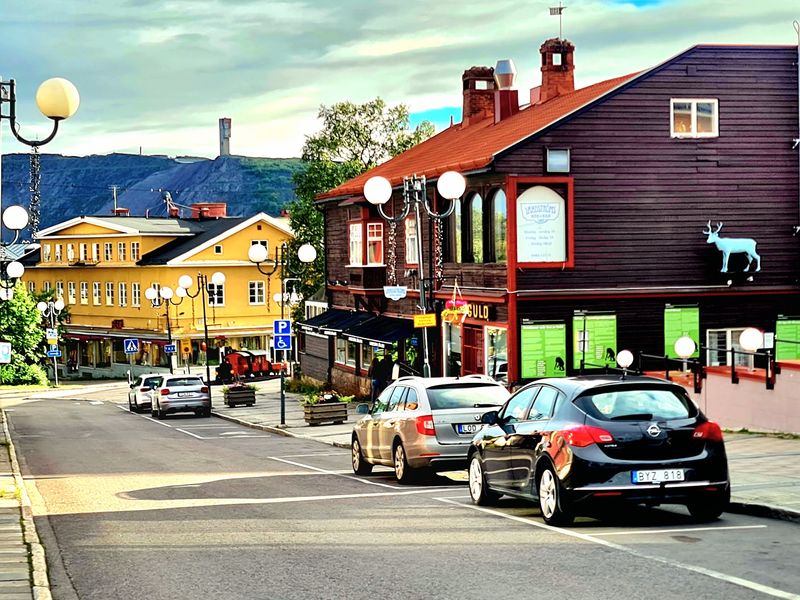
Kiruna holds a distinction that few cities anywhere can claim: it has been physically moved. Sweden’s northernmost major city began relocating its center several kilometers east in 2014 to avoid the ground subsidence caused by the enormous iron-ore mine beneath it, a process still ongoing today and fascinating in its engineering ambition.
The LKAB iron-ore mine is one of the largest underground mines in the world, and guided tours take visitors deep into the operational workings of a facility that has shaped the region for over a century. The new city center includes a striking town hall designed to reflect the form of a local mountain, and the relocation has prompted a broader conversation about urban planning in extreme environments.
Kiruna also serves as a practical gateway for exploring the wider Lapland region. Abisko National Park is roughly 90 kilometers west, and Kebnekaise, Sweden’s highest mountain at 2,096 meters, is accessible from a mountain station southeast of the city.
Dog sledding, reindeer safaris, and northern lights tours operate from Kiruna throughout the winter season.
11. Jokkmokk, Norrbotten County, Sweden
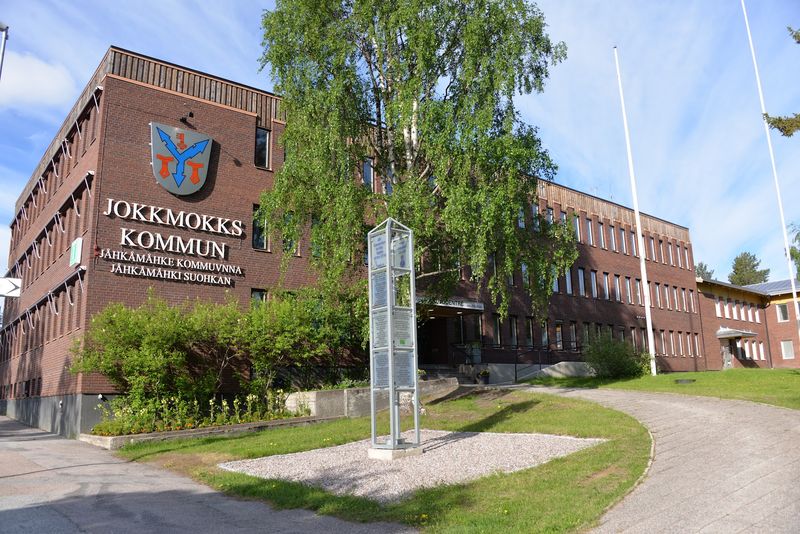
Every February, a small town of around 2,800 people in Swedish Lapland becomes one of the most important cultural gatherings in the entire Arctic region. The Jokkmokk Winter Market has been held annually since 1605, drawing thousands of visitors to a town that sits almost exactly on the Arctic Circle for three days of trade, reindeer racing, and Sámi cultural events.
The Ájtte museum in Jokkmokk is Sweden’s national museum for mountain and Sámi culture, covering the history and traditions of the indigenous people of the Swedish north with considerable depth and care. The museum’s collection includes traditional clothing, tools, and historical photographs that document centuries of life in the region.
Outside of market week, Jokkmokk offers access to vast boreal forests, lakes, and rivers that see very few visitors. The Muddus National Park, a UNESCO World Heritage Site, lies within easy reach and contains some of Sweden’s most ancient and undisturbed forest landscapes.
Jokkmokk rewards travelers who seek cultural substance alongside natural scenery.
12. Bodø, Nordland, Norway
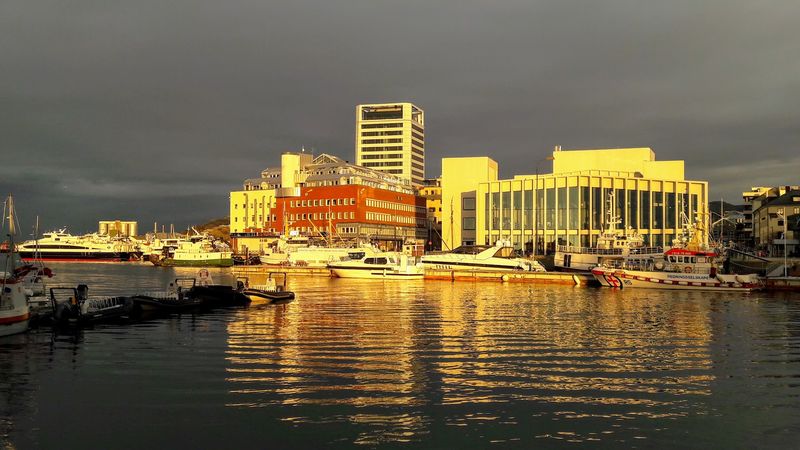
Bodø punches well above its weight as a northern Norwegian city. Named European Capital of Culture for 2024, it used that recognition to spotlight not just its urban culture but the broader Nordland region’s art, music, and indigenous heritage in a year-long program of events.
The Saltstraumen, located about 33 kilometers southeast of the city, is one of the world’s strongest tidal currents and draws fishing enthusiasts and curious visitors year-round. The current reaches speeds of up to 40 kilometers per hour as enormous volumes of water are forced through a narrow strait between the fjord and the open sea.
Whale watching and sea eagle safaris also operate from the Bodø area.
The Norwegian Aviation Museum in the city center covers both military and civilian aviation history with a collection that is more engaging than its niche subject might initially suggest. Ferry connections from Bodø reach the Lofoten Islands, making the city a natural starting point for travelers planning a broader northern Norway itinerary across several destinations.
13. Longyearbyen, Svalbard, Norway
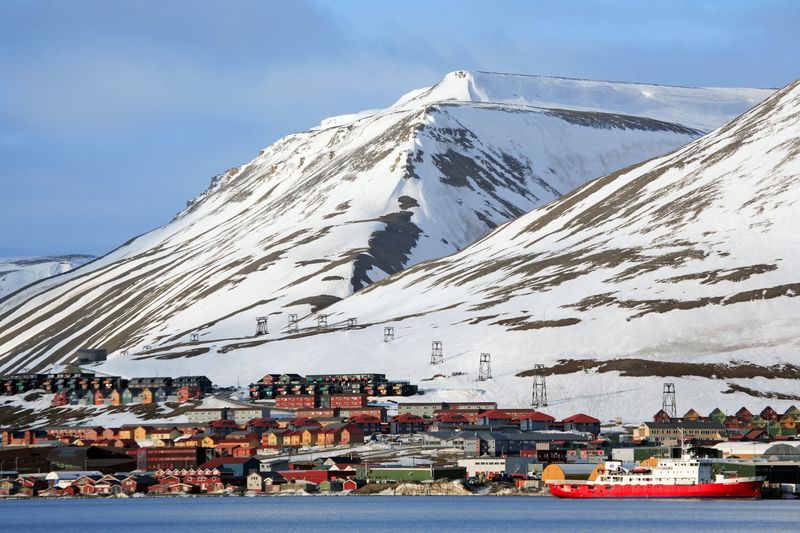
At 78 degrees north, Longyearbyen is one of the world’s northernmost permanently inhabited settlements, and it takes that status seriously. Polar bears outnumber people on Svalbard as a whole, and residents are required to carry protection when traveling outside of town boundaries, a policy that underlines just how wild the surrounding landscape genuinely is.
The town itself has a compact but functional center with museums, restaurants, and tour operators that make it a surprisingly comfortable base for Arctic exploration. The Svalbard Museum covers the archipelago’s history of whaling, trapping, coal mining, and scientific research across several well-organized exhibition rooms.
The Global Seed Vault, buried in a mountain near town, stores backup copies of the world’s crop seeds as a long-term preservation measure.
Snowmobile expeditions, dog sledding, boat tours to glacier fronts, and wildlife safaris searching for polar bears, Arctic foxes, and walruses are all available from Longyearbyen. The combination of genuine Arctic wilderness and organized visitor infrastructure makes this the most ambitious destination on the entire list.
Share this story