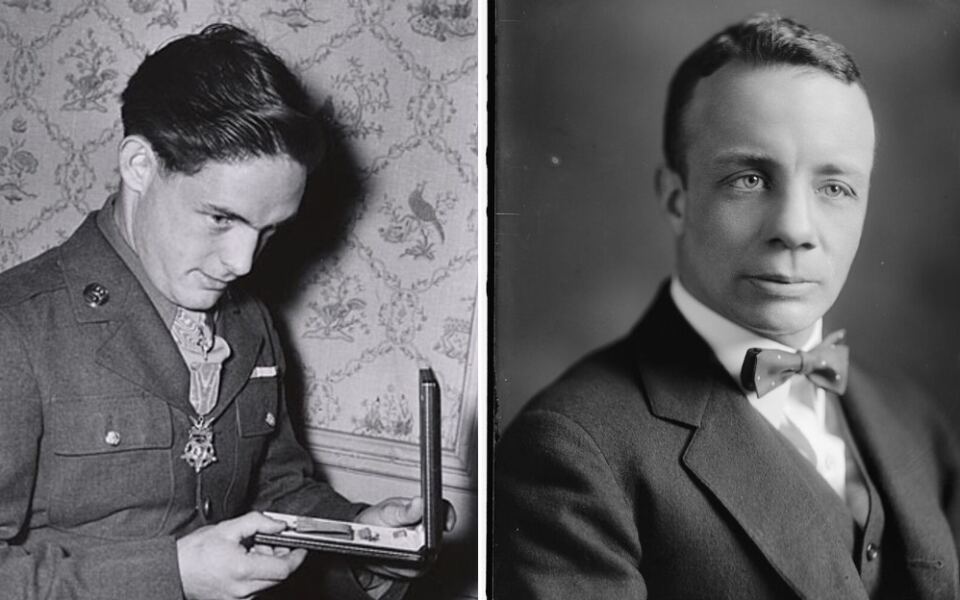
June 6, 1944, is one of the most important days in modern history. On that single day along the beaches and fields of Normandy, France, thousands of American soldiers faced overwhelming odds to help turn the tide of World War II.
Among those brave men, a small group stood out for acts of courage so remarkable that their country awarded them the highest military honor possible. These are their stories, and every one of them is worth knowing.
Carlton W. Barrett
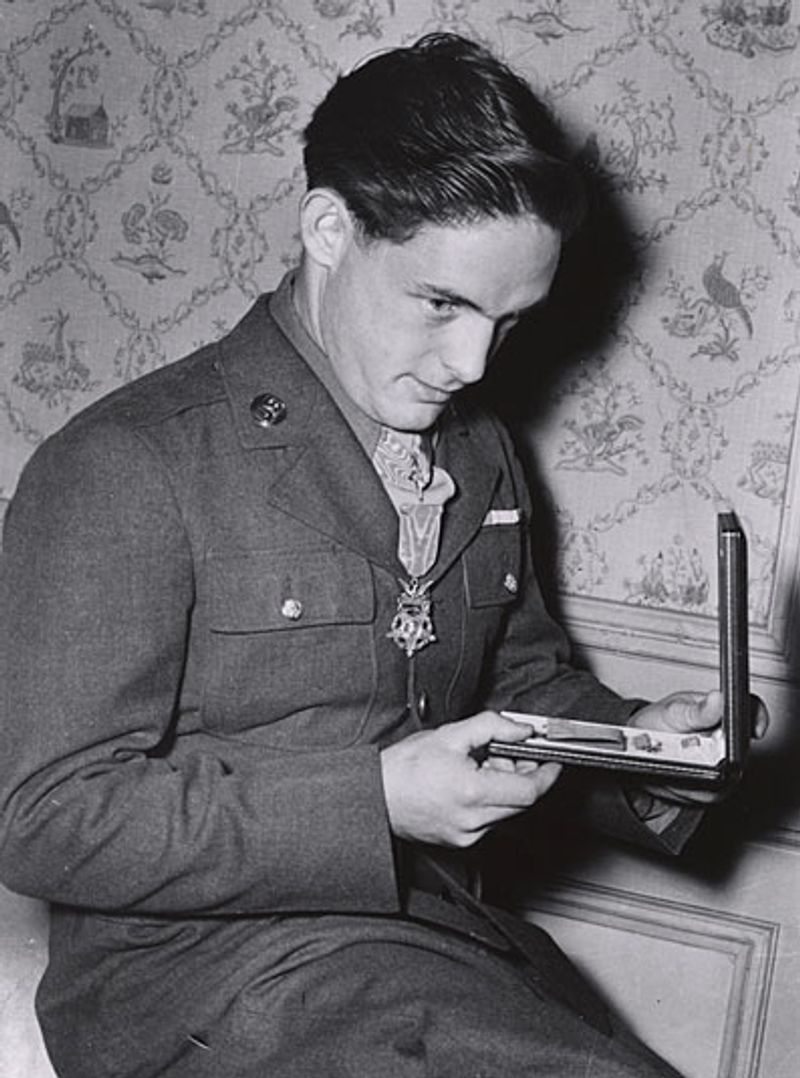
Private First Class Carlton W. Barrett did not wait for orders to save his fellow soldiers.
On June 6, 1944, Barrett waded into the surf of Omaha Beach under fierce enemy fire to pull wounded men to safety. He made multiple trips through the water, dragging soldiers out of the waves while bullets struck the sand and sea around him.
Barrett also guided lost and disoriented troops through the chaos, helping reorganize them so they could continue fighting. His calm focus in the middle of one of the most dangerous beaches in history kept men alive who might otherwise have perished before the day ended.
Born in Fulton, New York, Barrett was serving with the 18th Infantry Regiment when he earned his Medal of Honor. His actions on Omaha Beach represent exactly the kind of selfless courage that changed the course of the battle that morning.
Robert G. Cole
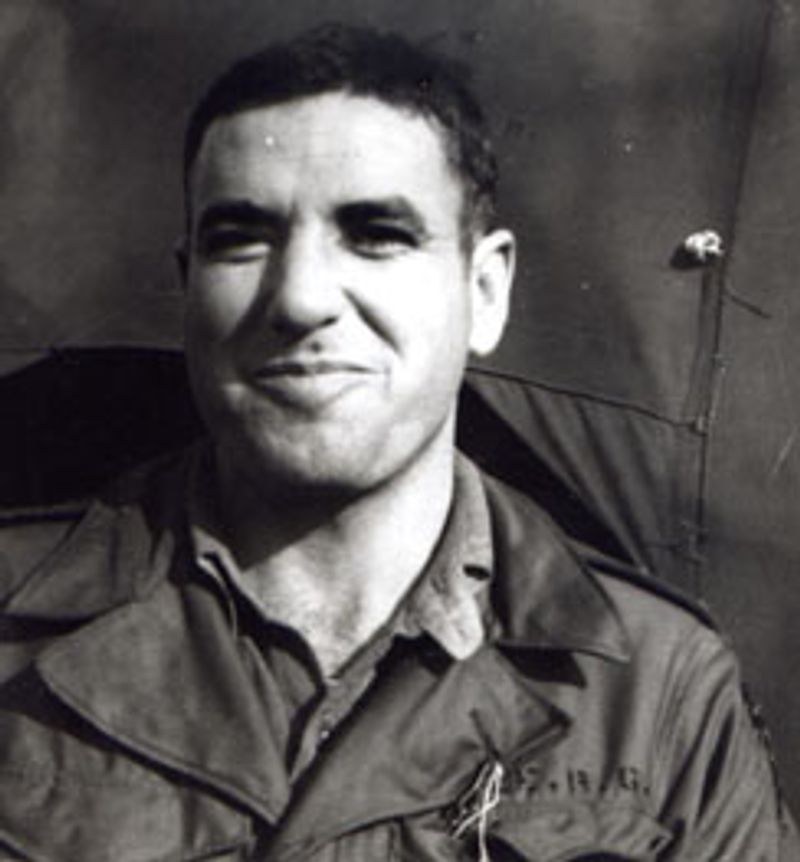
Lieutenant Colonel Robert G. Cole led one of the most dramatic bayonet charges of World War II.
On June 11, 1944, five days after the initial D-Day landings, Cole commanded a battalion of the 502nd Parachute Infantry Regiment pinned down by heavy German fire near Carentan, France. With his men unable to advance, Cole made a decision that took extraordinary nerve.
He ordered a bayonet charge across open ground, personally leading the attack while under constant fire. Most of his men did not initially hear the order, yet Cole pressed forward with whoever followed, forcing the enemy out of their position.
Cole was awarded the Medal of Honor for that charge, becoming one of only a handful of paratroopers to receive it during the Normandy campaign. Tragically, he was killed by a sniper in September 1944 before he could receive the medal in person.
His legacy endures across the 101st Airborne Division.
Arthur F. DeFranzo
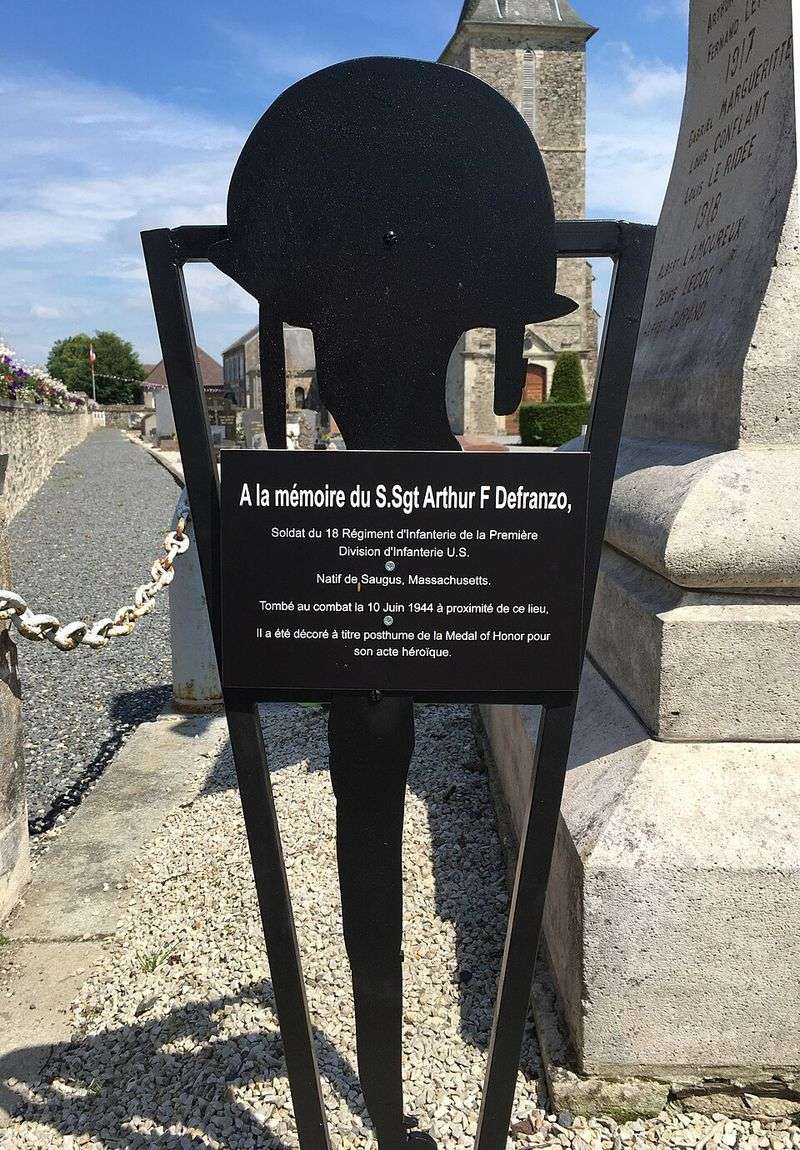
Staff Sergeant Arthur F. DeFranzo earned his Medal of Honor through an act of pure, unstoppable determination.
On June 10, 1944, near Vaubadon, France, DeFranzo’s unit came under heavy machine gun fire that stopped their advance cold. Rather than take cover, DeFranzo charged the enemy position alone.
He was wounded during the charge but kept moving forward. When a fellow soldier fell nearby, DeFranzo exposed himself further to drag the man to safety.
He then resumed his attack on the enemy, silencing the machine gun position before finally being struck by another round that proved fatal.
DeFranzo was from Saugus, Massachusetts, and served with the 1st Infantry Division, also known as the Big Red One. His willingness to press forward even after being wounded, and to stop mid-charge to help a fallen comrade, set his actions apart.
The Medal of Honor was awarded posthumously in recognition of his sacrifice near Normandy.
Charles N. DeGlopper
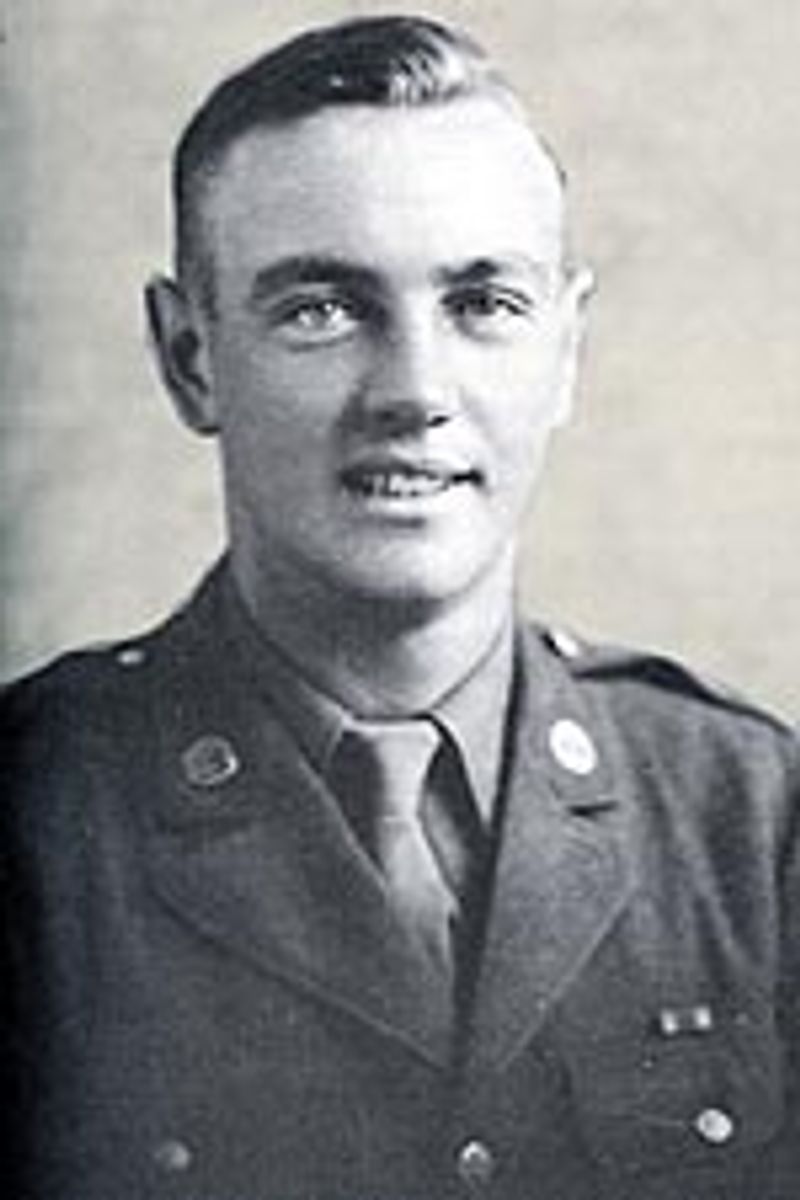
Standing six feet seven inches tall, Charles N. DeGlopper was hard to miss on any battlefield.
On June 9, 1944, near Merderet River in Normandy, this Private First Class from the 82nd Airborne Division made a decision that saved his entire unit at the cost of his own life.
When his patrol was ambushed and trapped, DeGlopper stepped out into the open and opened fire with his Browning Automatic Rifle. He drew the full attention of the enemy force, absorbing fire so his fellow soldiers could break out of the kill zone and escape.
He continued firing even after being hit multiple times.
DeGlopper was from Grand Island, New York, and his Medal of Honor was awarded posthumously. His sacrifice near the Merderet crossing is considered one of the most selfless acts of the entire Normandy campaign.
A bridge in Grand Island was later named in his memory.
Walter D. Ehlers
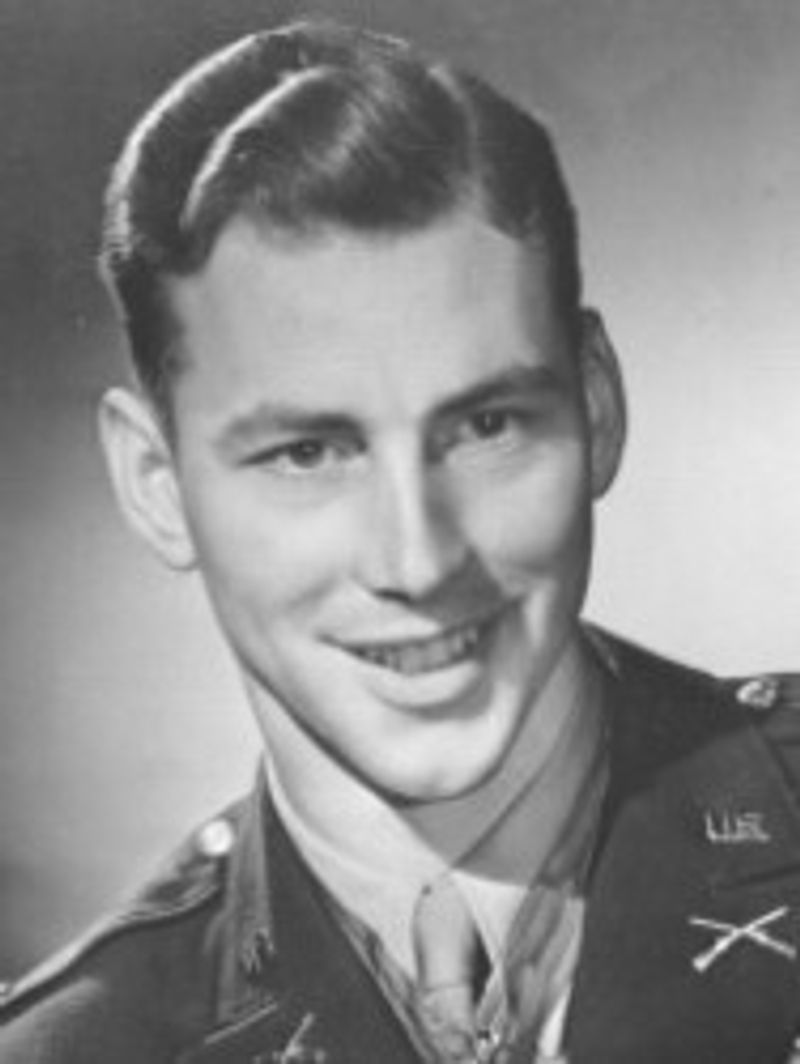
Walter D. Ehlers fought on Omaha Beach on June 6, 1944, and continued fighting with the same intensity in the days that followed.
As a Staff Sergeant with the 1st Infantry Division, Ehlers led his squad through intense combat near Goville, France, on June 9 and 10, taking on enemy positions that had his unit pinned down.
During one engagement, Ehlers personally charged and destroyed multiple machine gun positions, protecting his men from fire that could have wiped out the entire squad. When his unit was forced to withdraw under attack, Ehlers covered the retreat while wounded, refusing to leave until every man was clear.
His brother Roland also landed on D-Day but did not survive. Walter went on to become one of the most recognized veterans of the Normandy campaign, spending decades speaking about his experiences at schools and memorials.
He passed away in 2014, having never stopped honoring those who served alongside him.
Joe Gandara
Staff Sergeant Joe Gandara’s Medal of Honor story is one that went unrecognized for far too long. Gandara served with the 3rd Infantry Division and performed acts of extraordinary valor during combat operations in France following the Normandy invasion.
His repeated charges against enemy positions under heavy fire showed a pattern of courage that went well beyond a single moment.
Gandara was part of a broader group of Hispanic-American veterans whose Medal of Honor cases were reviewed decades after World War II. A Pentagon study found that many Hispanic and minority soldiers had been passed over for the Medal of Honor despite meeting the criteria.
As a result, Gandara was among a group of veterans awarded the medal in 2014 by President Barack Obama.
His story is a reminder that the full history of D-Day and Normandy includes soldiers from many backgrounds whose contributions deserved recognition from the very beginning, not generations later.
Jimmie W. Monteith Jr.
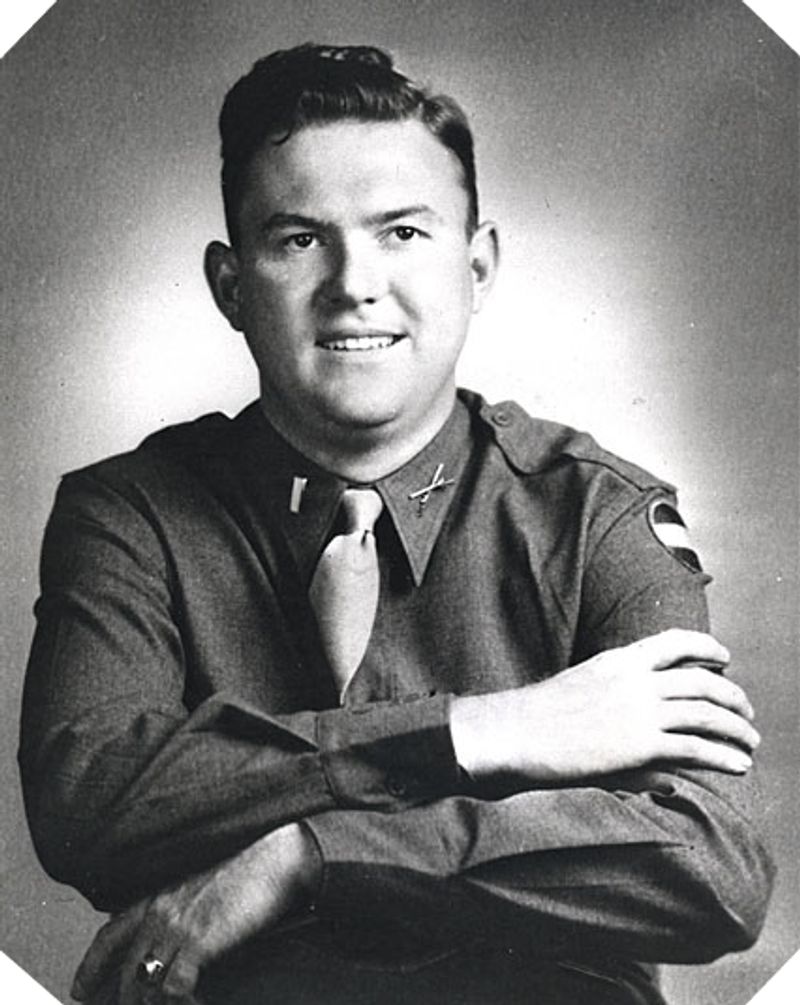
First Lieutenant Jimmie W. Monteith Jr. landed on Omaha Beach during the first wave of the D-Day assault, which meant he hit the shore when enemy fire was at its most concentrated and deadly.
Despite the chaos around him, Monteith kept his head and started organizing the men near him to move forward.
He personally led two tanks through a minefield, clearing a path for infantry to advance off the beach. Once inland, he positioned his men against fortified German defenses and led multiple attacks on enemy positions under direct fire.
He moved back and forth between his men and the front, directing the fight with a calm that inspired those around him.
Monteith was from Low Moor, Virginia, and served with the 1st Infantry Division. He was killed in action on June 6, 1944, and his Medal of Honor was awarded posthumously.
His actions on Omaha Beach helped break through a section of the defenses that had stopped the advance cold.
Frank D. Peregory
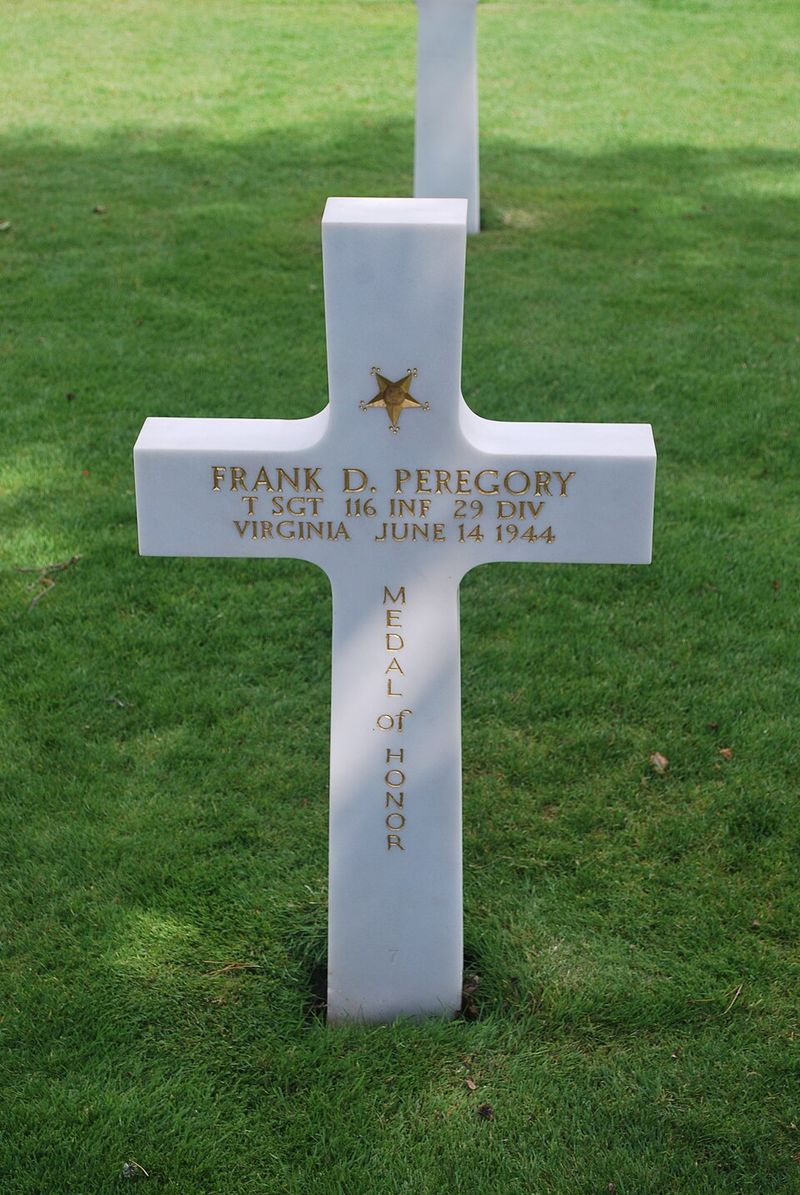
Technical Sergeant Frank D. Peregory did not wait for backup when his unit ran into a heavily defended German position near Grandcamp, France, on June 8, 1944.
Peregory moved out on his own, working his way toward the enemy trenches through terrain covered by machine gun fire. What happened next was the kind of one-man action that military historians still reference today.
Peregory jumped into the enemy trench system alone, fought his way through it with rifle and bayonet, and forced the surrender of more than 35 German soldiers. His aggressive push through the trench cleared the position and allowed his unit to move forward without suffering the heavy losses that a frontal assault would have caused.
Peregory was from Charlottesville, Virginia, and served with the 29th Infantry Division. He was killed in action just one week after his extraordinary assault at Grandcamp.
His Medal of Honor was awarded posthumously, honoring a soldier who turned a near-impossible situation into a decisive victory.
John J. Pinder Jr.
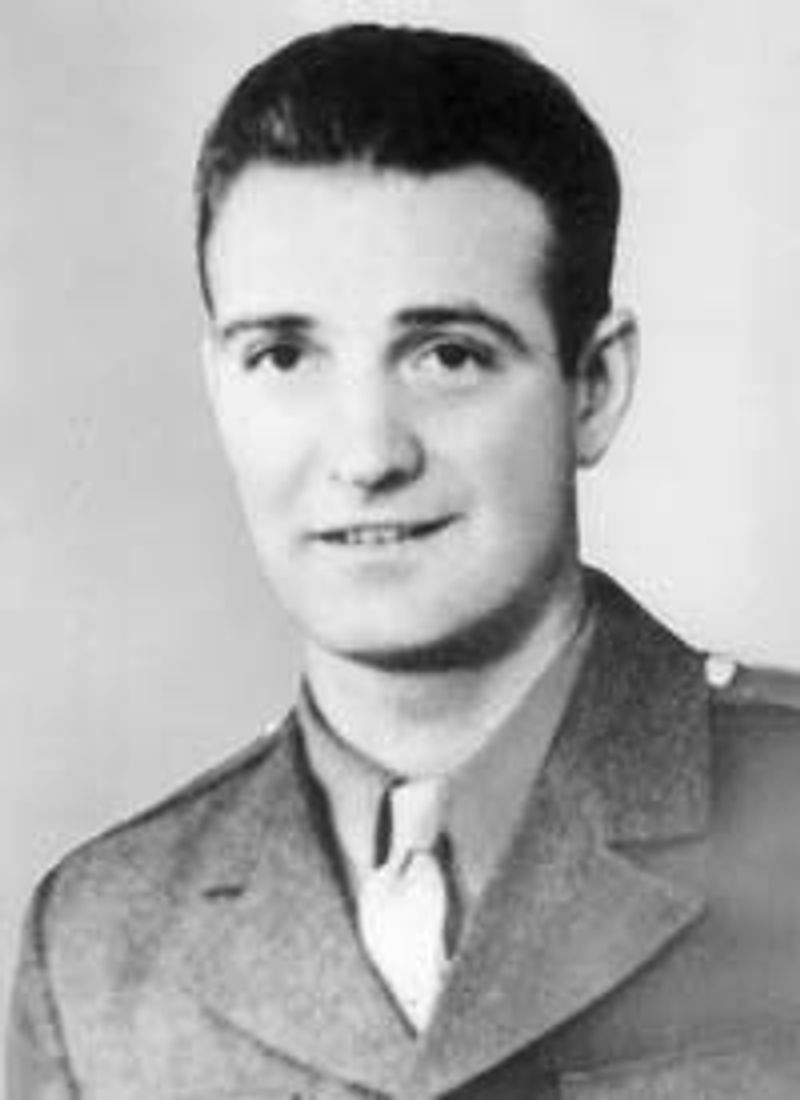
John J. Pinder Jr. was not an infantryman by trade, but on Omaha Beach he fought and sacrificed like one.
As a Technician Fifth Grade with the 1st Infantry Division, Pinder’s job involved communications equipment. When his landing craft came under fire on June 6, 1944, the gear went into the water along with the men.
Pinder was already wounded when he waded into the surf to retrieve the radio equipment his unit needed to function. He went back into the water multiple times under direct enemy fire, recovering critical gear that allowed his unit to communicate and coordinate during the battle.
Each trip into the open water put him at extreme risk.
He was killed during one of those attempts to recover equipment, never reaching the shore alive. His Medal of Honor was awarded posthumously, and his story is a powerful example of soldiers from every specialty stepping up under fire.
Pinder was from Burgettstown, Pennsylvania.
Theodore Roosevelt Jr.
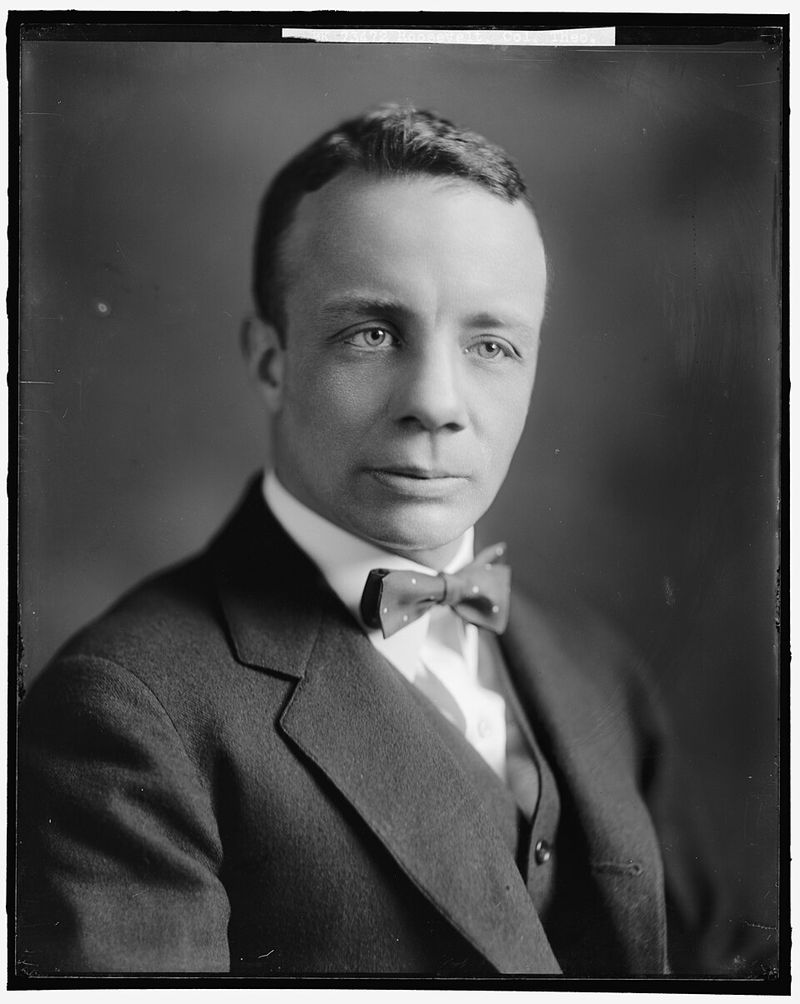
Brigadier General Theodore Roosevelt Jr. was the oldest man and the only general to land with the first wave on D-Day. He was 56 years old, suffered from a heart condition, and walked with a cane.
He personally requested permission to go ashore with his men three times before it was finally granted. His reason was simple: the men would feel steadier if a general was beside them.
When his unit landed at the wrong section of Utah Beach, Roosevelt did not call for a retreat or a repositioning. He assessed the situation on foot, under fire, and made the call to attack from where they were.
His famous words that day were reported as, “We’ll start the war from right here.”
Roosevelt was the son of President Theodore Roosevelt, making him part of American history on two levels. He was awarded the Medal of Honor for his leadership at Utah Beach.
He passed away from a heart attack just five weeks after D-Day, on July 12, 1944.
Share this story