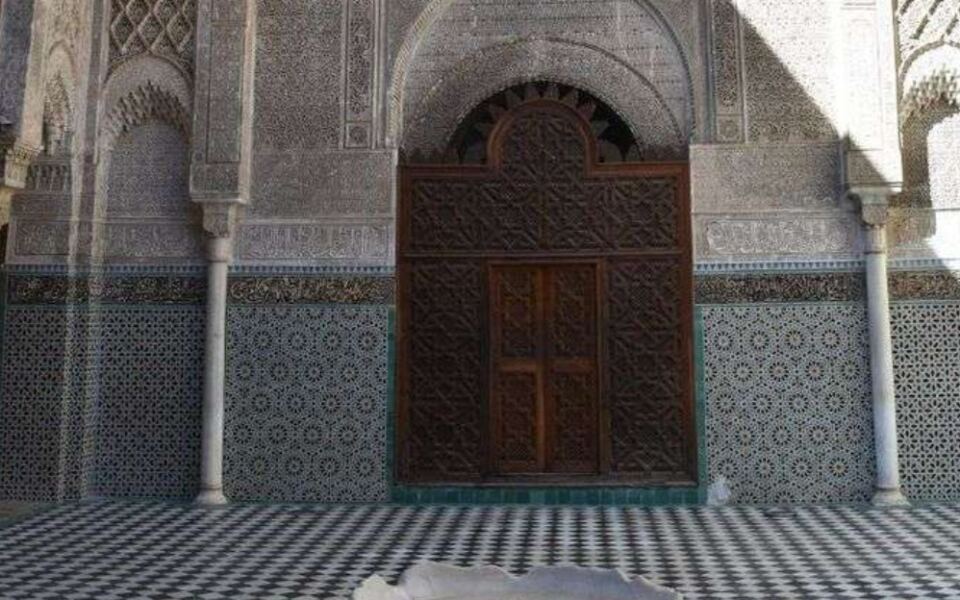
Some cities tear down the old to make way for the new, but a handful of places around the world have managed to do something remarkable: keep both. In these cities, ancient streets, centuries-old buildings, and living traditions exist right alongside coffee shops, universities, and everyday traffic.
History is not locked behind museum glass here. It is walked through, lived in, and quietly celebrated every single day.
Fez, Morocco
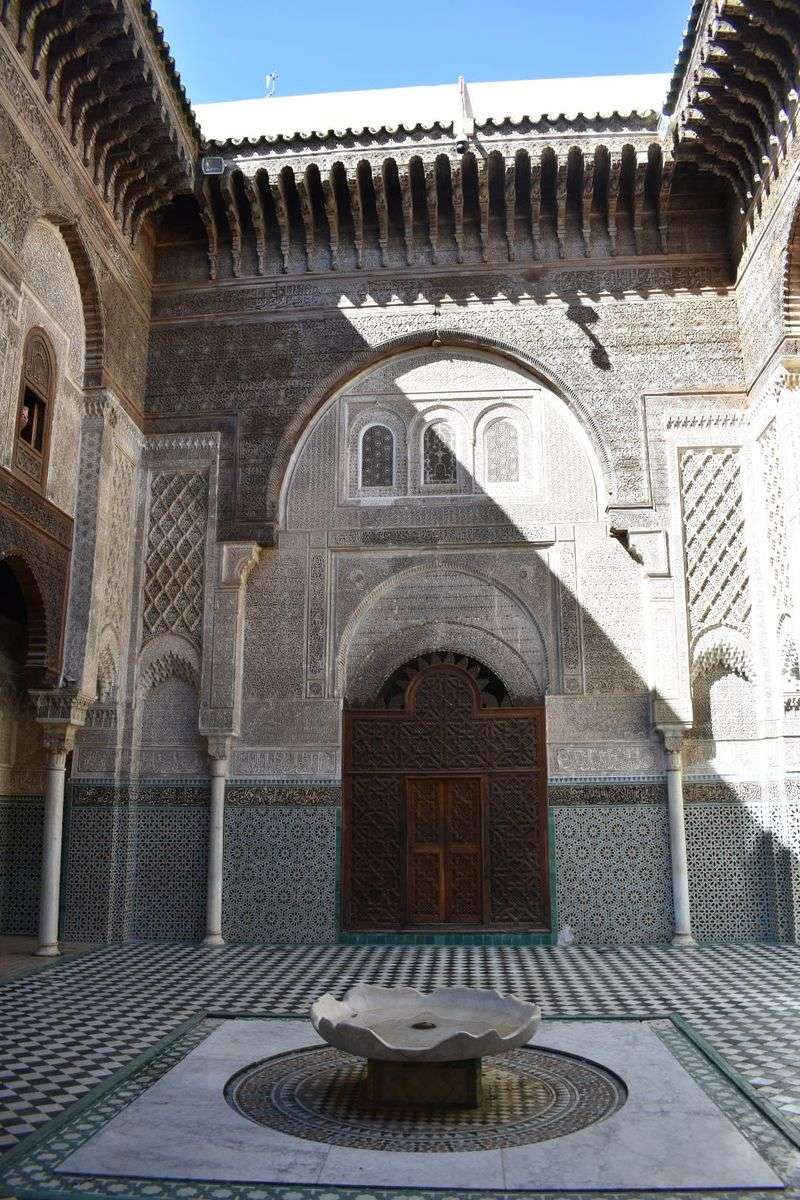
Step into the Fez medina and you will quickly realize that no GPS can fully save you. Founded in the 9th century, this labyrinthine city grew organically over hundreds of years, producing a street network so complex that even locals occasionally take the scenic route by accident.
It is one of the world’s largest car-free urban areas, meaning donkeys still do a fair amount of the heavy lifting.
The Marinid dynasty pushed Fez to its cultural peak during the 13th and 14th centuries, filling it with madrasas, mosques, fountains, and craft workshops. UNESCO recognizes it as one of the most complete and best-preserved medinas in the Arab-Muslim world.
Tanneries still operate using methods that would be familiar to craftsmen from centuries ago, and the smell makes sure you never forget it.
What makes Fez genuinely special is that none of this is staged for tourists. Bakers, metalworkers, weavers, and merchants conduct real business inside a city plan that predates the printing press.
The past here is not a backdrop. It is the main event, running on full volume every single day.
Kyoto, Japan

Kyoto holds a quiet kind of power over visitors. You can be standing at a modern train station one moment and, three minutes later, find yourself in front of a thousand-year-old shrine surrounded by moss and silence.
The city was founded as Japan’s imperial capital in 794 and spent more than a millennium shaping the country’s architecture, religion, garden design, and cultural identity.
UNESCO protects 17 major components across Kyoto and its neighboring areas, including temples, shrines, and Nijo Castle. But the real magic lives between those landmarks.
Districts of traditional wooden machiya townhouses still line narrow streets, old shopping corridors buzz with local vendors, and long-established religious neighborhoods carry on their rituals regardless of the tourist season.
Kyoto is also a thoroughly modern city of over one million people, with universities, tech companies, and excellent ramen shops. That contrast, ancient and contemporary layered so naturally together, is exactly what makes it worth the trip.
Geisha districts and bullet train stops coexist here without either one feeling out of place, which is honestly an achievement most cities would envy.
Bruges, Belgium
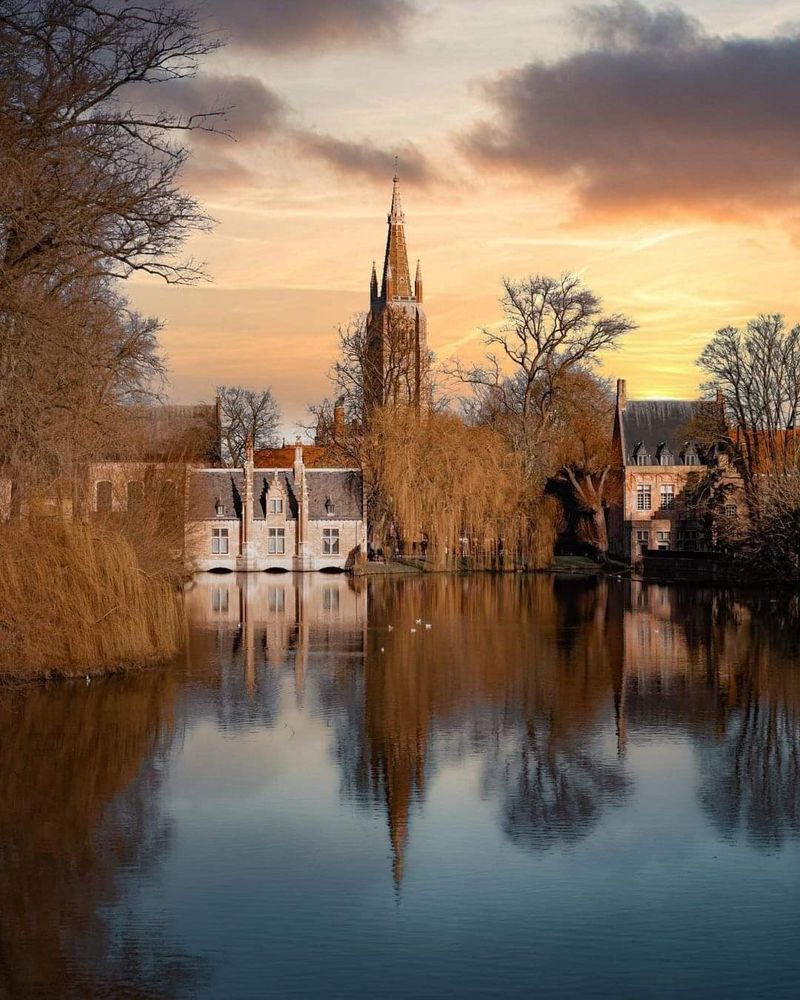
Bruges looks like someone painted a medieval fantasy city and then forgot to stop. Canals thread between Gothic brick buildings, swans glide past stone bridges, and the skyline is still dominated by a belfry that has been watching over the market square since the 13th century.
The remarkable part is that this is not a theme park reconstruction. It is simply a city that never got around to tearing itself down.
During the Middle Ages, Bruges was one of Europe’s most powerful trading hubs, a place where merchants from across the continent negotiated fortunes. When trade routes shifted and prosperity moved elsewhere, the city lost its economic dominance but kept its architecture largely intact.
UNESCO recognizes the historic center for preserving its medieval street layout and canal network in unusually coherent form.
Today, boats carry tourists along waterways that once moved commercial cargo, while residents cycle past the same merchant houses their predecessors built. Bruges avoided the industrial redevelopment that erased medieval cores in cities like Manchester or Lyon.
The result is a place where you can eat a waffle in a building that has stood since the 1400s, which is a genuinely excellent combination.
Cusco, Peru
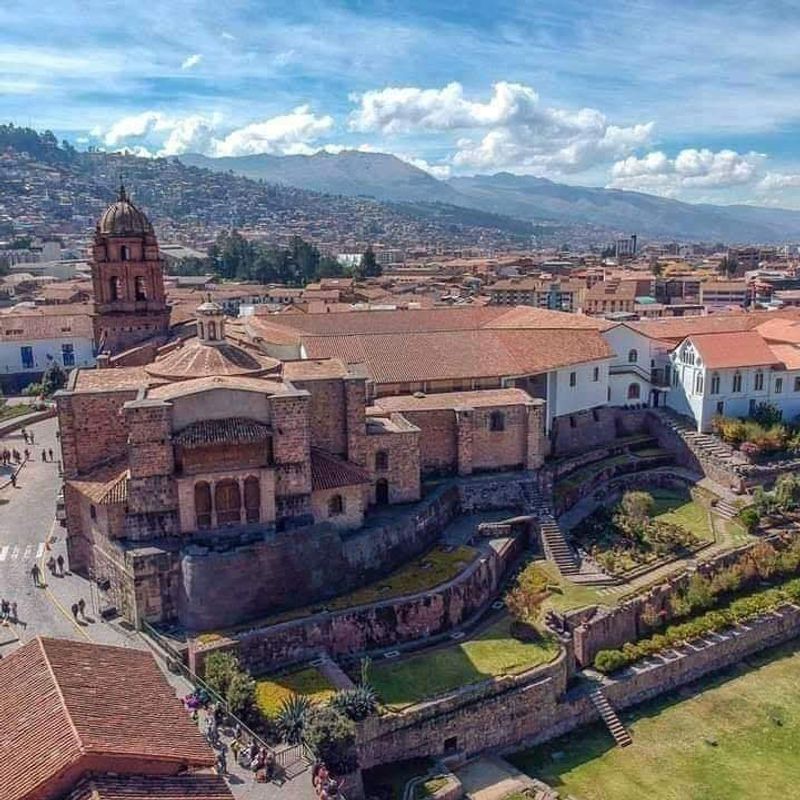
Cusco might be the only city on Earth where you can run your hand along a wall and touch two civilizations at once. The Inca Empire made Cusco its capital in the 15th century, filling it with precisely cut stone walls, sacred plazas, and royal compounds built with an engineering precision that still impresses structural engineers today.
Then the Spanish arrived, and rather than clearing everything away, they built directly on top.
Churches, monasteries, and colonial mansions rose over Inca foundations, creating a layered urban fabric unlike anything elsewhere in the Americas. UNESCO recognizes that the basic Inca structure remains readable throughout the city even after centuries of colonial construction.
You can see exactly where one civilization ends and another begins, sometimes within a single wall.
Modern Cusco adds another layer: restaurants, hostels, internet cafes, and souvenir markets all operating inside buildings that rest on 600-year-old stonework. The city sits at over 3,400 meters above sea level, so altitude sickness is a real consideration for visitors.
But once you acclimatize, walking those cobblestone streets with Inca masonry underfoot and Baroque church towers overhead is a genuinely disorienting and wonderful experience.
Tallinn, Estonia
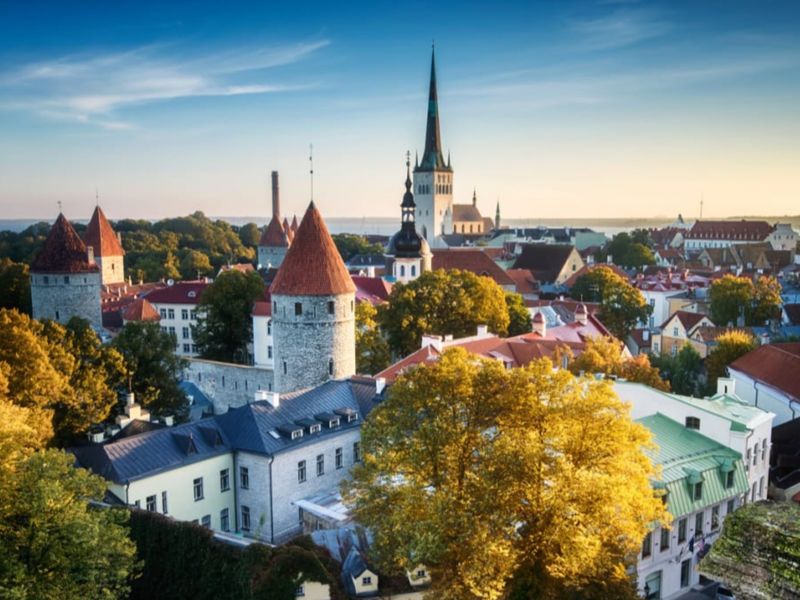
Tallinn’s Old Town is so well-preserved that walking through it feels mildly suspicious, like the city is hiding something. The lower town retains its narrow winding lanes, medieval merchant houses, guild buildings, defensive walls, and original plot boundaries largely from the 13th and 14th centuries.
For a city that has been conquered, traded, and reorganized by Danes, Germans, Swedes, and Russians over the centuries, that level of survival is genuinely remarkable.
UNESCO praises Tallinn not just for its architecture but for maintaining traditional domestic, commercial, religious, and administrative functions within the historic center. Toompea hill still serves as the seat of Estonia’s parliament, while cafes, apartments, and small businesses fill the lower town below.
History and governance share the same hillside without any awkwardness whatsoever.
Modern Tallinn has grown into a confident, tech-forward European capital that happens to have a medieval city sitting at its center like a very well-dressed heirloom. The contrast between the glass office towers visible just beyond the walls and the Gothic spires within them tells you everything about how Estonia has managed its past.
It kept what mattered and built the future right beside it.
Bukhara, Uzbekistan
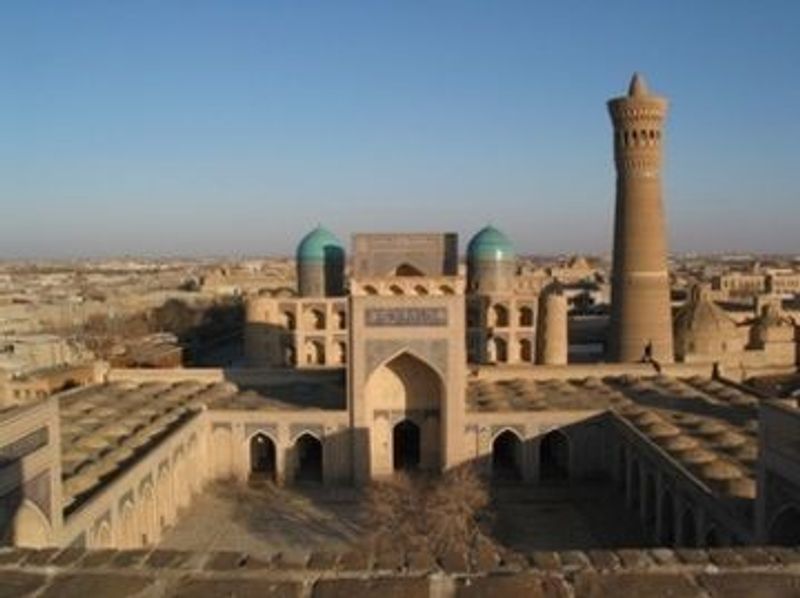
Bukhara has been a crossroads of civilization for over 2,000 years, which means it has had plenty of time to accumulate an impressive collection of things worth seeing. Sitting along the ancient Silk Roads, the city functioned for centuries as a major center of Islamic scholarship, trade, and craftsmanship.
At its peak, it was one of the most intellectually vibrant cities in the known world, producing scholars whose work influenced medicine and philosophy for generations.
The Mongol invasion in the 13th century leveled much of the earlier city, but the rebuilding that followed created the architectural ensemble that survives today. UNESCO describes Bukhara’s historic center as a particularly well-preserved Islamic city whose urban fabric has remained largely intact.
Mosques, madrasas, caravanserais, trading domes, and residential quarters still cluster together as they were always intended to do.
Tourism is growing, but everyday commerce and neighborhood life continue operating around monuments that were never designed as isolated attractions. The covered trading domes still host merchants selling textiles and ceramics.
The scale of the city feels human rather than monumental, which makes the whole place surprisingly easy to connect with. Bukhara rewards slow walking and genuine curiosity in equal measure.
Prague, Czechia
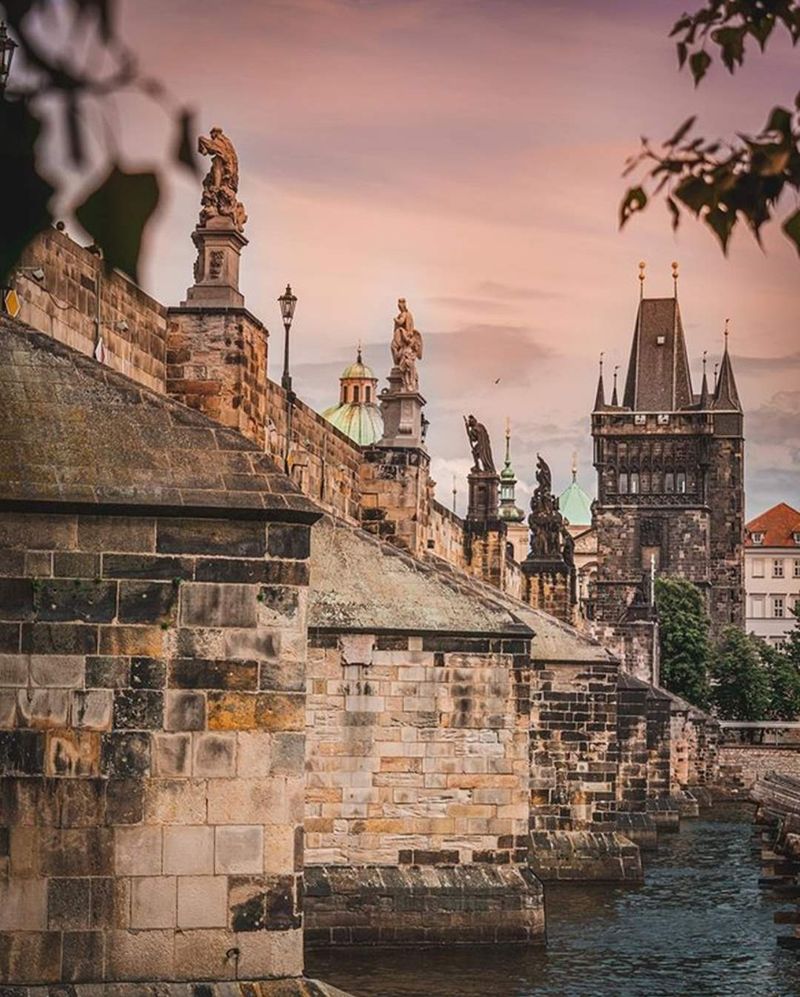
Prague has a superpower that most European capitals lost during the 20th century: its medieval street plan is still basically intact. While cities like London, Paris, and Warsaw faced waves of redevelopment, wartime destruction, or Soviet-era urban renewal, Prague emerged with its historic core remarkably coherent.
UNESCO specifically credits the city for avoiding large-scale demolitions that erased medieval spatial structures elsewhere.
Old Town, Lesser Town, Prague Castle, and the New Town laid out under Charles IV in the 14th century still form the geographic and cultural heart of the city. Romanesque foundations sit beneath Gothic churches that stand beside Baroque palaces that share blocks with Art Nouveau apartment buildings.
Every architectural period left something behind rather than removing what came before it.
Prague is absolutely a thriving modern European capital, with tram lines, packed restaurants, universities, and a nightlife scene that has its own international reputation. But the layers of history remain legible in a way that rewards curious walkers.
Turn off the main tourist drag and you will find medieval alleys, Cubist buildings, and Socialist-era signage all within the same short stroll. Few cities offer that kind of accidental time travel so reliably.
Luang Prabang, Laos
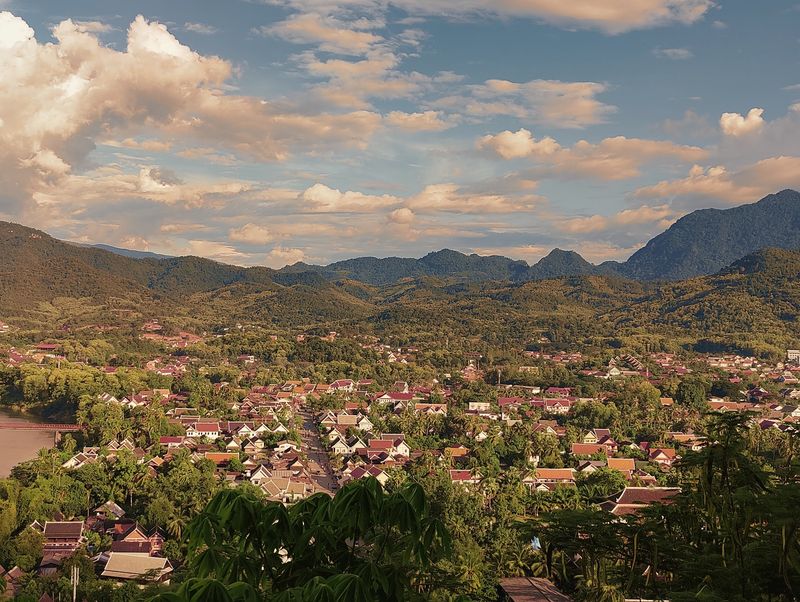
Every morning in Luang Prabang, before most travelers have finished their coffee, hundreds of Buddhist monks walk silently through the streets collecting alms from local residents. This daily ritual called tak bat has been practiced here for centuries and continues without interruption.
It is one of the most vivid reminders that Luang Prabang is not simply a pretty heritage town but a place where spiritual tradition genuinely shapes daily life.
The city occupies a peninsula between the Mekong and Nam Khan rivers, with sacred Mount Phousi rising at its center. UNESCO recognizes an unusually harmonious combination of traditional Lao architecture, Buddhist monasteries, and French colonial buildings that developed during the 19th and 20th centuries.
Older village patterns, each organized around a temple, survived even as colonial streets were added on top of them.
Tourism has brought real pressure on residential use in recent years, and some longtime residents have moved out as accommodation prices climbed. That tension is worth acknowledging honestly.
Even so, Luang Prabang stands out because its spiritual practices, river landscape, historic houses, and urban layout remain closely connected rather than pulled apart. The city feels like it still belongs to the people who live in it, at least for now.
Stone Town, Zanzibar, Tanzania
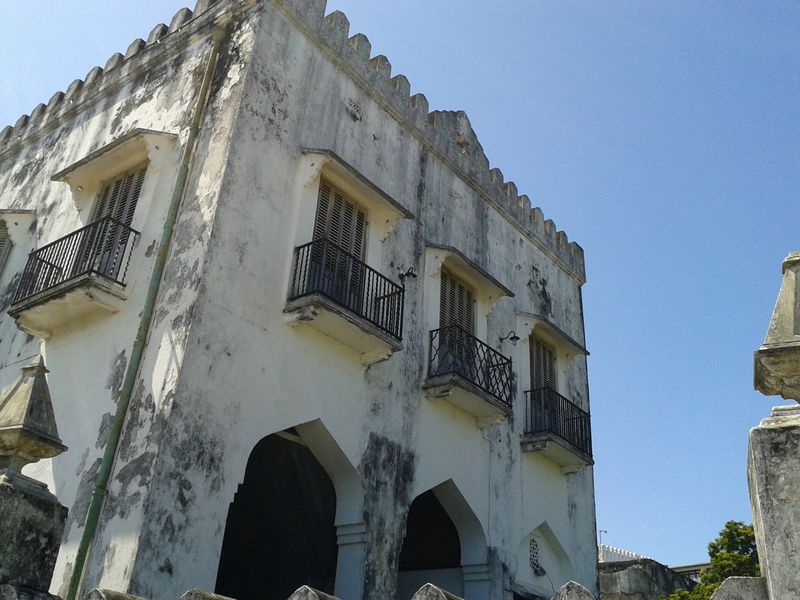
The carved wooden doors of Stone Town are famous for good reason. They are enormous, ornate, and absolutely everywhere, each one a small essay in the blended cultures that shaped this city.
Stone Town developed through centuries of trade connecting Africa, Arabia, India, and Europe, and every one of those influences left something behind in its architecture, food, music, and street life.
UNESCO describes the historic urban fabric as virtually intact, with traditional buildings continuing to serve residential, commercial, religious, and administrative purposes. Narrow lanes connect coral-stone houses, mosques, markets, and waterfront spaces in a layout that evolved organically over many generations.
The city does not feel reconstructed because it genuinely has not been reconstructed. People live in these buildings and have for a very long time.
Modern Zanzibar has expanded far beyond the old center, with new development spreading across the island. But Stone Town remains an active economic and cultural heart rather than a preserved relic kept at arm’s length from real life.
Fish markets open before sunrise. Children play football in small squares between mosques.
The sounds and smells of a living city fill every alley. That is what makes it different from a heritage site that simply looks like one.
Dubrovnik, Croatia
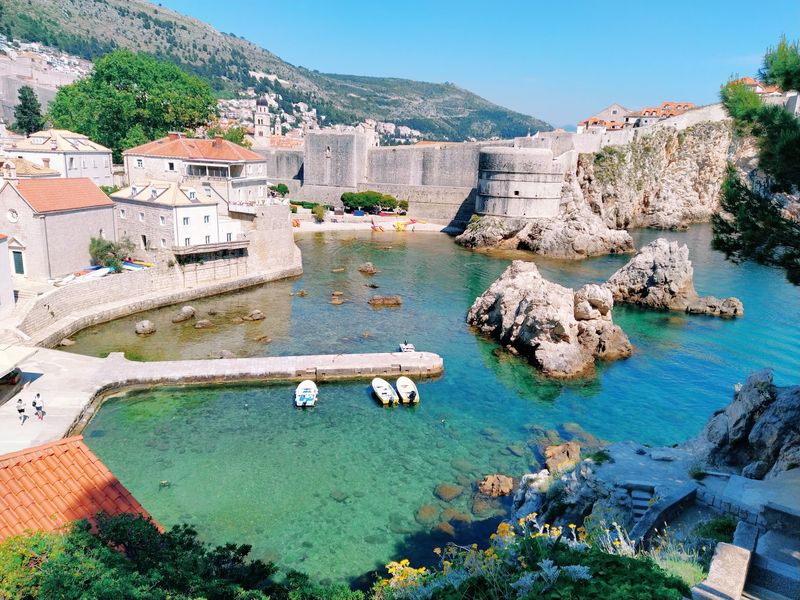
Dubrovnik has survived an earthquake, a siege, and the full force of the global tourism industry, which might actually be the most impressive achievement of the three. The city established itself as an important Mediterranean maritime republic from the 13th century onward, building Gothic, Renaissance, and Baroque churches, monasteries, and public buildings inside a formidable ring of defensive walls.
A catastrophic earthquake struck in 1667 and leveled much of it, yet the city rebuilt with such determination that the historic character survived.
The conflicts of the 1990s brought another threat when shelling damaged the UNESCO-listed Old City significantly. Extensive and meticulous restoration work followed, bringing damaged buildings back without losing their historic integrity.
The effort was widely praised as a model for post-conflict heritage recovery.
Today, the Old City faces a different kind of pressure: tourism at a scale that sometimes overwhelms the small residential population still living inside the walls. The city has implemented visitor limits and access controls to manage the crowds.
People still live, worship, and run businesses within those limestone streets, which keeps Dubrovnik from tipping fully into theme park territory. The walls still do their job, just against different kinds of forces than they were originally designed for.
Quebec City, Canada
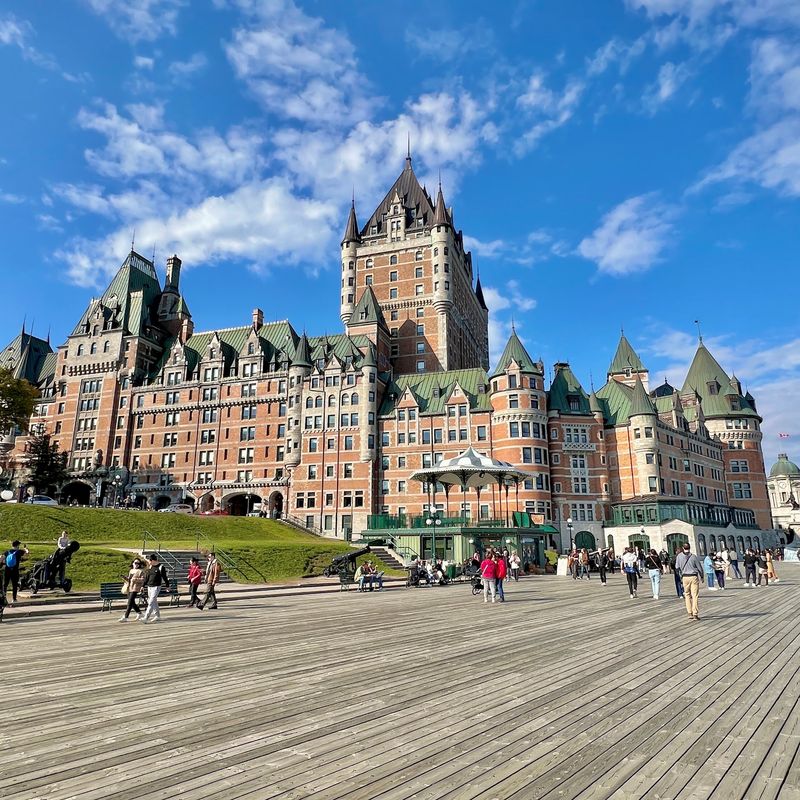
Quebec City pulls off something that no other city in North America can claim: a fully intact fortified urban core, complete with ramparts, gates, bastions, and defensive earthworks, all still functioning as part of a living city. Samuel de Champlain founded the settlement in 1608, making it one of the oldest continuously inhabited European-founded cities on the continent.
The fact that its walls survived subsequent centuries of development rather than being demolished for a highway is something of a minor miracle.
UNESCO divides the historic district between Upper Town on Cap Diamant, dominated by the famous Chateau Frontenac hotel and government buildings, and Lower Town around the old harbor where merchants and craftsmen originally settled. Churches, convents, narrow streets, and stone houses developed over four centuries remain embedded in the contemporary city rather than isolated from it.
Quebec City is also the only predominantly French-speaking fortified city north of Mexico, which adds a distinct cultural layer to its architectural identity. Street signs, menus, conversations, and festivals all reflect that heritage actively.
The historic center serves real residential, governmental, and commercial purposes alongside its considerable tourist appeal. It is a city that wears its history with obvious pride and zero apology, which is honestly a refreshing attitude.
Oaxaca, Mexico
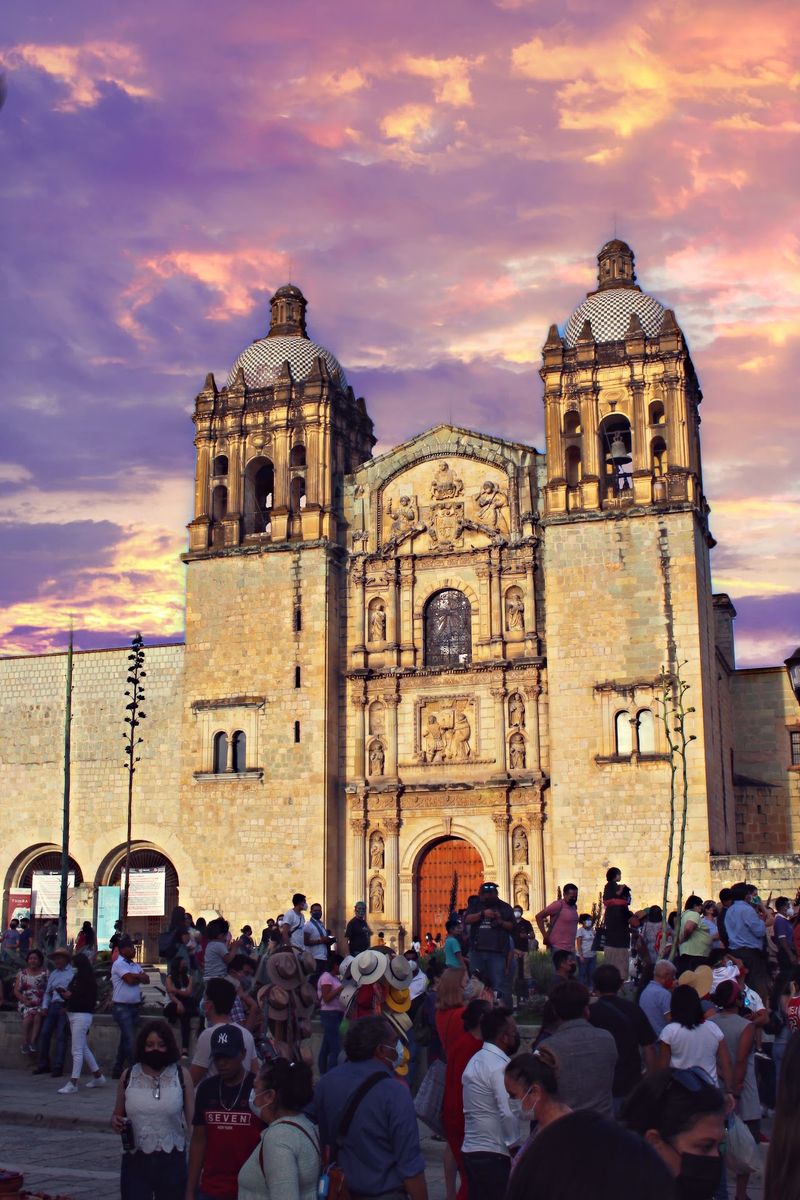
Oaxaca is one of those cities that rewards every single sense simultaneously. The smell of chocolate being ground at a market stall, the sound of a marimba band in the zocalo, the sight of green stone cathedral walls glowing in afternoon sun: the city delivers all of it within about a ten-minute walk.
UNESCO recognizes both the historic city and nearby Monte Alban, reflecting a cultural sequence stretching from Olmec, Zapotec, and Mixtec civilizations through to the Spanish colonial period.
The colonial grid was laid out carefully on a formal plan, with substantial buildings engineered to resist the region’s frequent earthquakes. That structural pragmatism is part of why so much survives.
Thick walls and low profiles kept buildings standing through tremors that flattened less thoughtfully constructed places.
What truly distinguishes Oaxaca is that its past is cultural, not just architectural. Indigenous languages remain in active use.
Traditional food, including mole, tlayudas, and mezcal, is prepared using methods passed down across generations. Festivals like Dia de los Muertos and Guelaguetza fill the streets with color, music, and community participation that feels neither performed nor commercial.
The city’s history lives in its people as much as in its buildings, which is the most durable kind of preservation there is.
Cartagena, Colombia
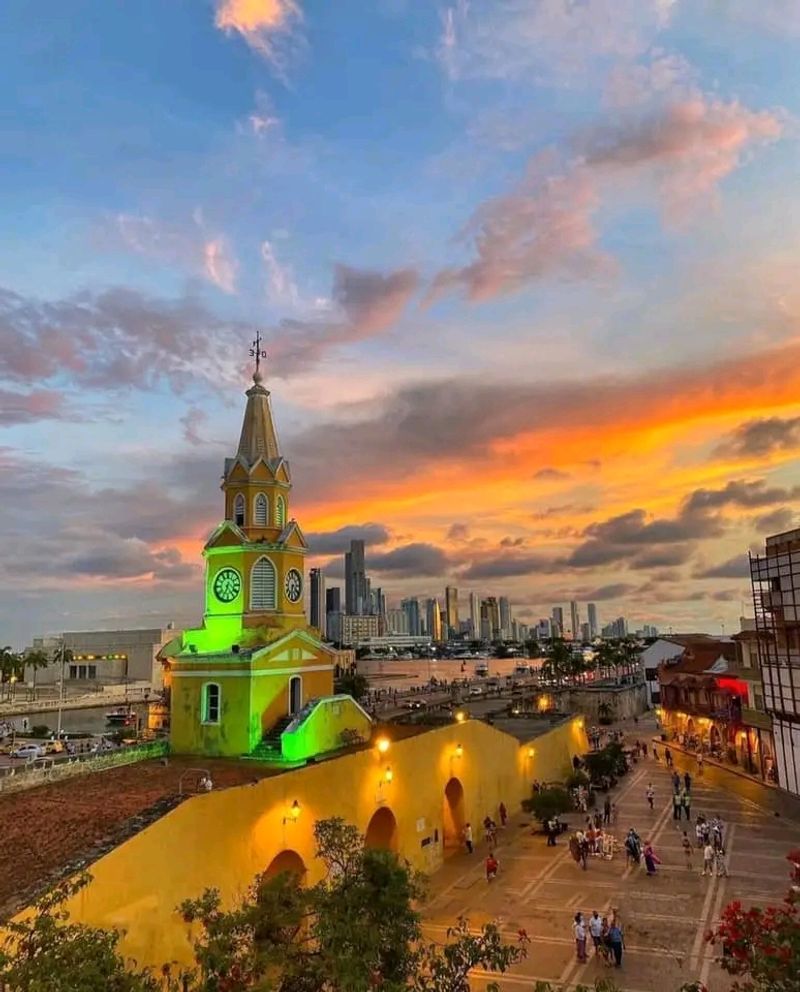
Cartagena’s city walls were built to keep pirates out, and they did a reasonably good job. The fortification system that surrounds the historic center is one of the most extensive examples of Spanish colonial military engineering in the Americas, constructed and expanded between the 16th and 18th centuries to protect one of the most important ports in the Spanish empire.
Walking along the top of those walls at sunset, with the Caribbean on one side and colorful colonial rooftops on the other, is an experience that earns its reputation.
Inside the walls, UNESCO identifies three historic districts: Centro, San Diego, and Getsemani, each historically associated with different social and economic communities. Churches, merchant residences, government buildings, plazas, and narrow streets still organize daily movement through the old city.
Modern hotels and tourism have reshaped some uses, particularly in the Centro district.
Getsemani tells a different story. Long a working-class neighborhood outside the walled center, it has developed a vibrant street art scene and active local culture that pushes back against the idea that Cartagena belongs only to its wealthiest visitors.
Residents, churches, schools, and small businesses remain woven through the historic fabric. The city is complicated, layered, and genuinely alive in ways that go well beyond its postcard good looks.
Lviv, Ukraine
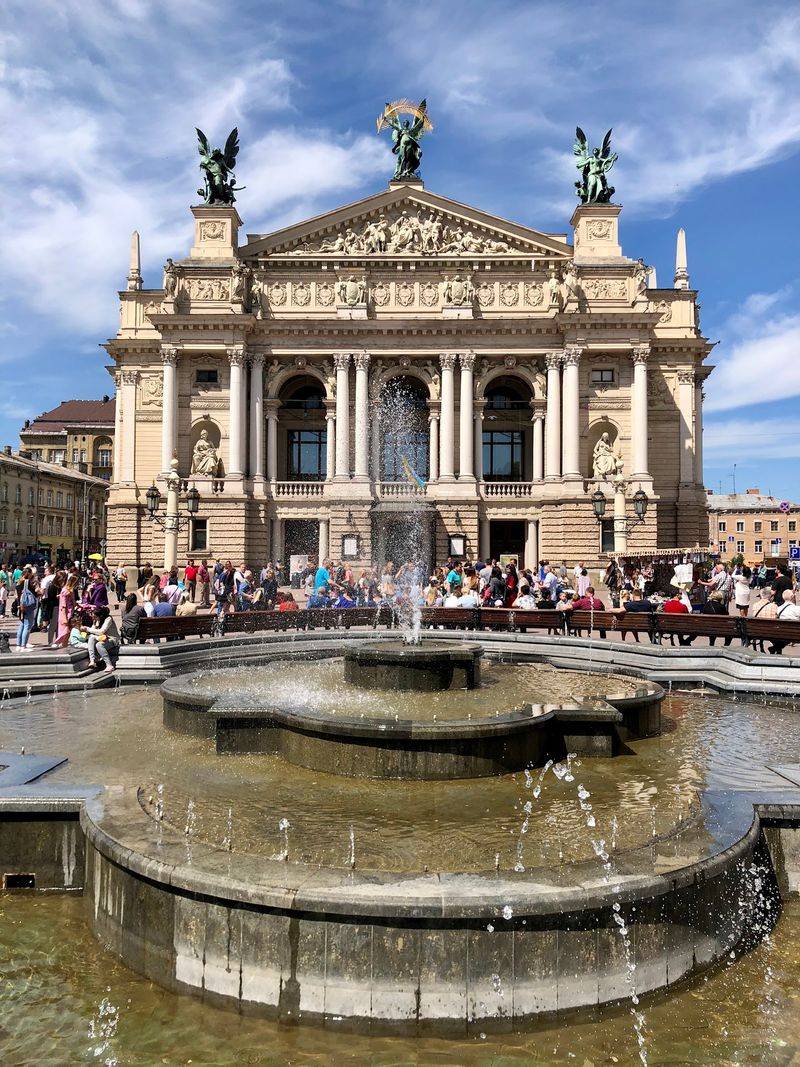
Lviv is a city that has been passed between empires so many times that its architecture reads like a history of Central European ambition. Polish, Austrian, Ukrainian, Armenian, Jewish, Italian, and German influences all left marks on its streets, churches, synagogues, and townhouses over several centuries.
UNESCO notes that the medieval street pattern, squares, churches, residences, and historic topography of the city remain strongly preserved despite fires, wars, and decades of Soviet rule.
Layers of Renaissance, Baroque, Secessionist, and later architecture survived in unusually rich combination, giving Lviv a visual complexity that rewards repeated exploration. The city’s historic center functions as a genuine urban neighborhood, with apartments, cafes, universities, bookshops, and churches all occupying buildings constructed across different centuries and political systems.
Since Russia’s full-scale invasion of Ukraine began in 2022, Lviv has faced new wartime risks to its cultural heritage, and the city has worked urgently to protect and document its monuments. That context makes the question of preservation feel far more immediate and serious here than in most places on this list.
Lviv continues to function as a major regional center, and its residents carry on daily life with a determination that makes the city’s survival feel personal rather than merely architectural. Few places make the stakes of preservation feel this real.
Jerusalem Old City
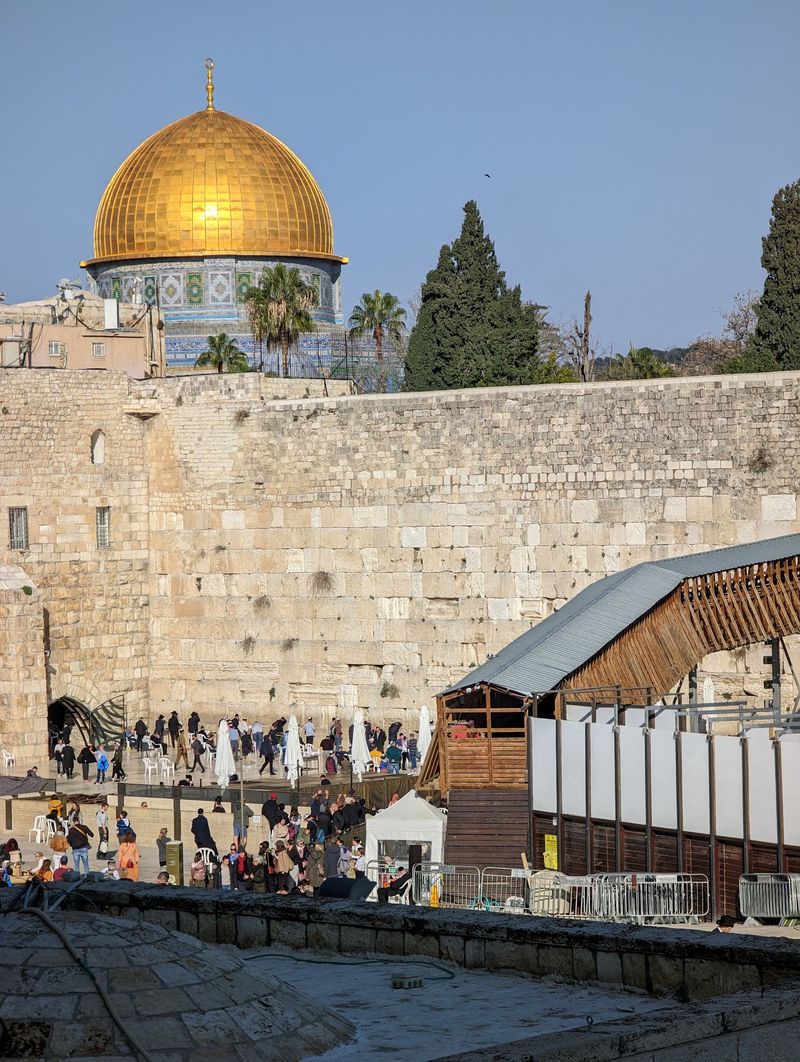
Jerusalem’s Old City contains more concentrated religious and historical significance per square meter than almost anywhere else on the planet. The Western Wall, the Church of the Holy Sepulchre, and the Dome of the Rock all stand within walking distance of each other inside a walled area of less than one square kilometer.
UNESCO identifies roughly 220 historic monuments within the protected zone, which is a remarkable density even by the standards of this list.
What often gets overlooked in discussions of Jerusalem’s monuments is that the Old City is also a functioning residential neighborhood. Its four quarters, Jewish, Muslim, Christian, and Armenian, contain homes, schools, markets, and places of worship used every day by the communities that live there.
Roman, Byzantine, Islamic, Crusader, and Ottoman layers of history remain physically visible across a compact urban landscape that has never stopped being inhabited.
Tensions over access, governance, and sovereignty make Jerusalem one of the most politically complex heritage sites in the world, and that complexity shapes daily life in the Old City in very direct ways. But the overlap of ancient sacred geography and contemporary neighborhood life continues at an intensity that no other city quite matches.
Walking through the Old City, you are never just a tourist. You are passing through someone’s home, their history, and their present all at once.
Share this story