Norway is famous for its fjords and northern lights, but the country’s smallest villages are where the real magic hides. These are places with fewer than a few hundred residents, ancient wooden churches, working fishing harbors, and landscapes that feel untouched by modern tourism.
Most travelers speed past them on the way to Flam or Reine, which means you get the scenery, the history, and the quiet almost entirely to yourself. If your 2027 travel plans include Norway, consider skipping the crowds and making room for these sixteen tiny villages that genuinely earn a spot on any serious bucket list.
Undredal, Vestland
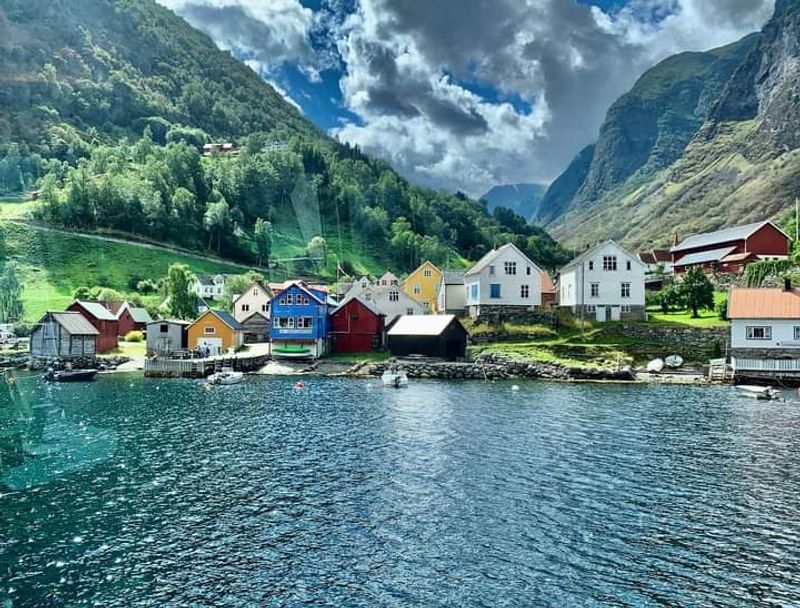
Around 70 people live in Undredal, but the village has roughly 300 goats, and that ratio tells you everything about what makes this place special. Goat cheese is not just a local product here; it is the heartbeat of the community.
Visitors can taste both white and brown varieties produced in the village, and the difference between the two is worth the trip alone.
Undredal Stave Church dates to the 12th century and is described by Visit Norway as the smallest stave church in Scandinavia still in regular use. Sitting beside the Aurlandsfjord with steep mountains rising on all sides, the setting is dramatic in a way that photographs struggle to capture.
Kayak rentals and waterfront walks round out the visit.
Despite looking completely cut off from the world, Undredal is road-accessible today. If you want a fjord village that rewards curiosity rather than just cameras, this is a strong contender.
Solvorn, Vestland
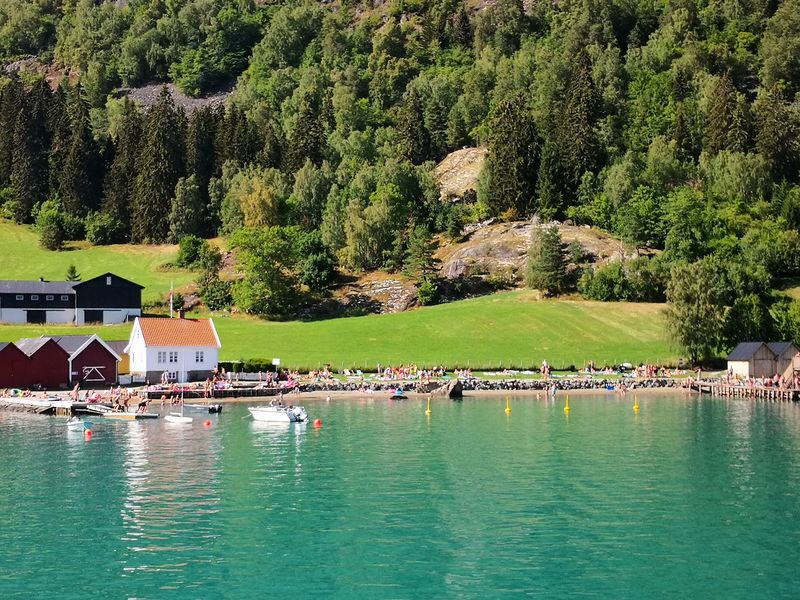
Solvorn is the kind of place that makes you want to slow down the moment you arrive. Traditional white wooden houses line the shore of the Lustrafjord, red boathouses sit at the water’s edge, and a small beach invites the sort of aimless afternoon that most travel itineraries never allow.
A ferry connection across the fjord toward Ornes adds a satisfying layer of local transport.
The biggest draw for many visitors is the easy access to Urnes Stave Church, a UNESCO World Heritage Site located on the opposite side of the fjord. Getting there involves a short ferry crossing, which makes the experience feel like a proper journey rather than a parking-lot visit.
Walaker Hotel, which Visit Norway describes as Norway’s oldest family-run hotel, is based here and adds a historic layer to the overnight experience. For a fjord village this quiet, Solvorn punches well above its weight in genuine character.
Fjærland, Vestland
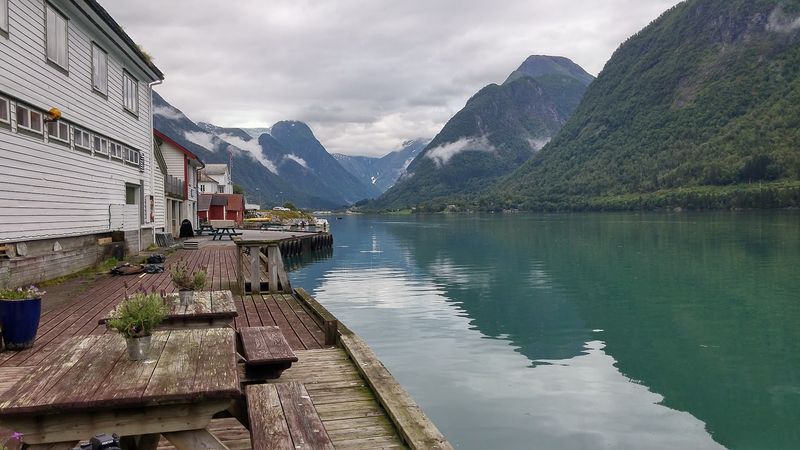
Glaciers and secondhand books are not a combination you expect to find in the same village, but Fjærland delivers both without apology. Mundal, the village center, is home to the Norwegian Book Town, where thousands of used books fill former banks, ferry waiting rooms, stables, and other repurposed old buildings.
Browsing here on a cool morning with mountains visible through the windows is a genuinely unusual experience.
Beyond the books, Fjærland serves as a practical base for exploring the surrounding glacier landscape. The Norwegian Glacier Museum provides scientific context for the ice visible from the road, while kayaking, cycling, hiking, and guided excursions toward Jostedalsbreen offer outdoor variety.
The Book Town operates seasonally from May through September, so travelers planning a 2027 visit should confirm exact opening dates in advance. Getting the timing right is the difference between finding the shelves fully stocked and arriving to locked doors.
Plan accordingly.
Lærdalsøyri, Vestland
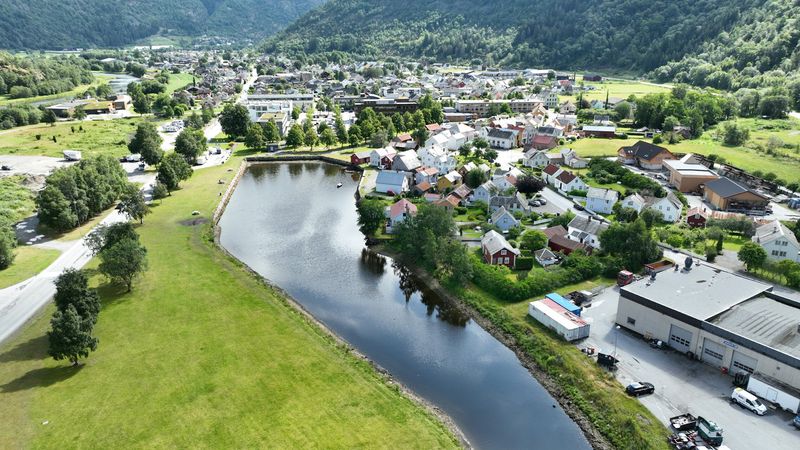
Historic architecture fans should put Lærdalsøyri near the top of the list. The old town center, known as Gamle Lærdalsøyri, contains around 160 protected wooden buildings that together create an atmosphere few Norwegian villages can match.
Walking through these streets feels less like sightseeing and more like stepping into a working settlement that simply forgot to modernize.
The village once prospered as an important marketplace, and that mercantile history is still visible in the scale and variety of the preserved buildings. Today those same structures house accommodation, shops, small restaurants serving local food, and other businesses, making this much more than an outdoor museum.
Nearby Borgund Stave Church, one of Norway’s best-preserved stave churches, is within easy reach, as is the historic King’s Road connecting the fjord region with eastern Norway. Travelers who enjoy combining architectural heritage with practical amenities will find Lærdalsøyri a genuinely rewarding stop along the Sognefjord.
Vikøyri, Vestland
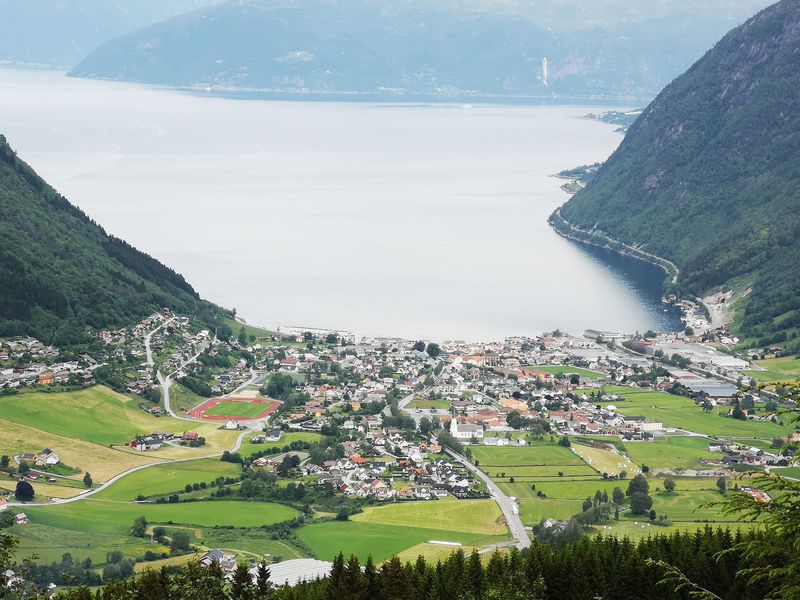
Vikøyri offers something that larger fjord villages rarely provide: a genuinely intimate look at traditional coastal life. The historic waterfront preserves the character of the area’s old strandsitter community, a term referring to the shore-dwelling people who built their livelihoods along Norway’s coastline generations ago.
Guided cultural walks bring that history to life in a way that information boards alone never quite manage.
One of the more unusual things Vikøyri is known for is gamalost, a distinctive aged cheese with deep roots in Norwegian food culture. The local dairy is described in regional tourism listings as Norway’s only remaining producer of this particular variety, which gives the village a culinary identity that sets it apart from neighboring stops.
Hopperstad Stave Church and Hove Stone Church are both close by, giving history-minded travelers multiple reasons to spend a full day in the area. Vikøyri rewards slow exploration more than a quick drive-through visit.
Balestrand, Vestland
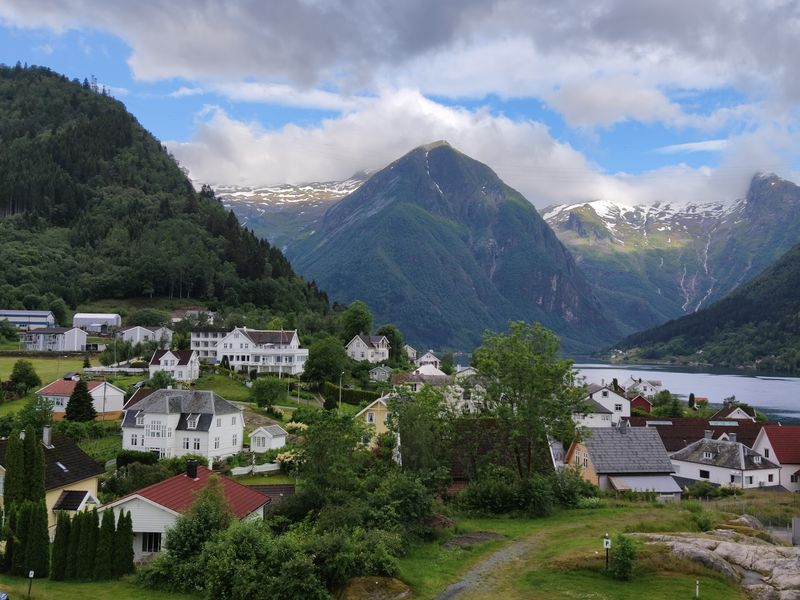
Artists discovered Balestrand in the 19th century, and the village has never quite lost that creative identity. Walking along the fjord reveals elaborate villas built in the Norwegian dragon style, an architectural approach that blends Viking-inspired ornamentation with Victorian-era construction.
Outdoor artworks and sculptures appear at intervals along the waterfront, making a simple stroll feel genuinely interesting.
Despite these credentials, Balestrand is frequently passed over by visitors who head straight for Norway’s more internationally marketed fjord destinations. That gap in attention works in the visitor’s favor.
Exhibitions, cultural walks, hiking opportunities, and cider experiences in the surrounding area give travelers a full day’s worth of activity without the crowds that gather elsewhere.
Balestrand continues to be promoted as an art village by regional tourism organizations, and the combination of cultural heritage and natural setting makes it one of the more complete small-village experiences available along the Sognefjord. A quiet overnight stay here is a smart choice.
Sogndalstrand, Rogaland
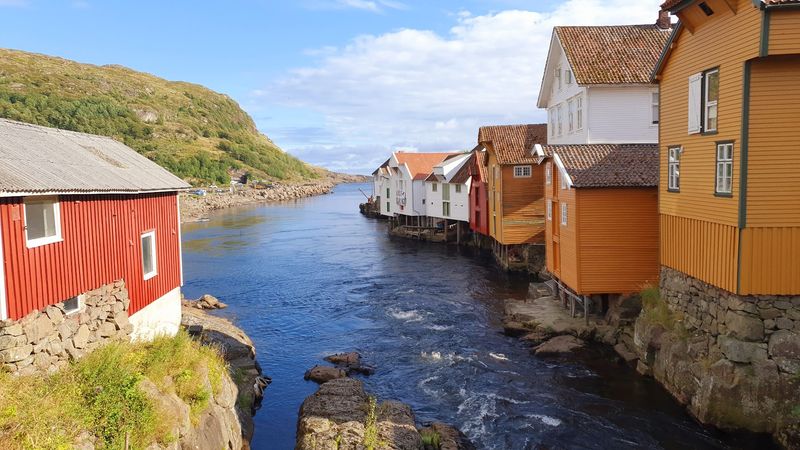
During the age of sailing ships, Sogndalstrand ranked as a significant harbor on Norway’s southwestern coast. That era is long gone, but the village it left behind is remarkably intact.
Pedestrian lanes run between 18th and 19th-century wooden houses, and the surrounding cultural landscape carries protected status to ensure the historic appearance is maintained over time.
The old settlement is not a frozen museum. Galleries, shops, accommodation, and cultural venues operate within the historic buildings, and a restored cultural hotel occupies several of them throughout the year.
Concerts and other seasonal activities bring additional energy during the warmer months without overwhelming the village’s quiet character.
Sogndalstrand sits in Rogaland rather than the more heavily visited Vestland region, which means it draws a smaller crowd of travelers who specifically seek it out. For anyone driving the southwestern coast of Norway in 2027, this village offers a well-preserved and genuinely engaging stop that most itineraries overlook entirely.
Veiholmen, Møre og Romsdal
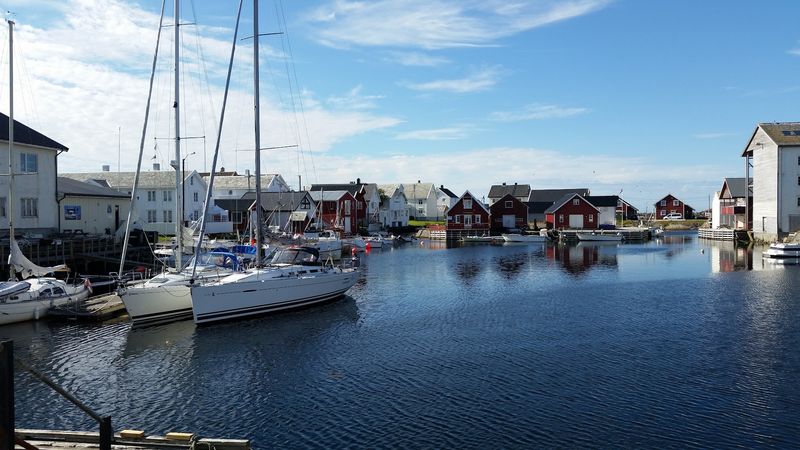
The drive to Veiholmen is part of the experience. Roads push across Smøla through a flat, exposed landscape, and bridges and causeways eventually lead to a working fishing community at the very edge of the open Atlantic.
There is nothing manicured about this place, and that is precisely what makes it interesting.
Fishing boats still bring in catches here, and tourism information lists restaurants, museums, guest marinas, and traditional fishermen’s accommodation as available options. Sea eagles are frequently spotted around Smøla, adding a wildlife dimension that appeals to visitors who enjoy birdwatching alongside coastal exploration.
The combination of active fishing life and accessible visitor services makes Veiholmen more layered than it might initially appear.
Remote enough to feel like a genuine find, Veiholmen does attract visitors during popular periods, and accommodation should be reserved well in advance. Travelers who prefer places that still function as real communities rather than curated attractions will find this one particularly satisfying.
Bud, Møre og Romsdal
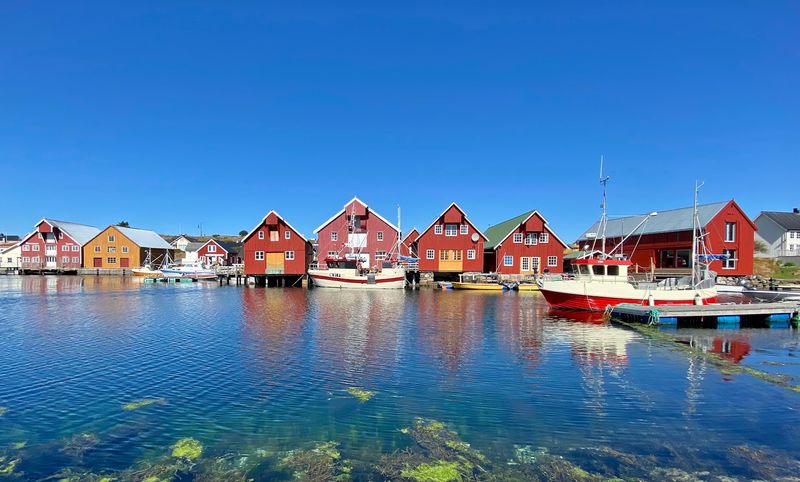
Long before Bergen and Trondheim dominated the Norwegian coast, Bud operated as one of the most important trading posts between those two cities. That history is visible in the old harbor, which is still lined with fishermen’s cabins and boathouses that have stood through centuries of North Atlantic weather.
The village remains an active fishing community rather than a heritage display.
Ergan Coastal Fort, a World War II installation, sits nearby and is open to visitors who want to combine natural scenery with historical context. The roughly seven-kilometer coastal trail is a popular route, and the Gulberget viewpoint rewards those willing to hike for their panoramas.
Restaurants, accommodation, and guided fishing opportunities operate here as well.
The main tourist season runs from Easter into September, which gives 2027 travelers a reasonable window to plan around. Bud fits naturally into a drive along Norway’s Atlantic Road and adds real substance to what might otherwise be a purely scenic route.
Ona, Møre og Romsdal
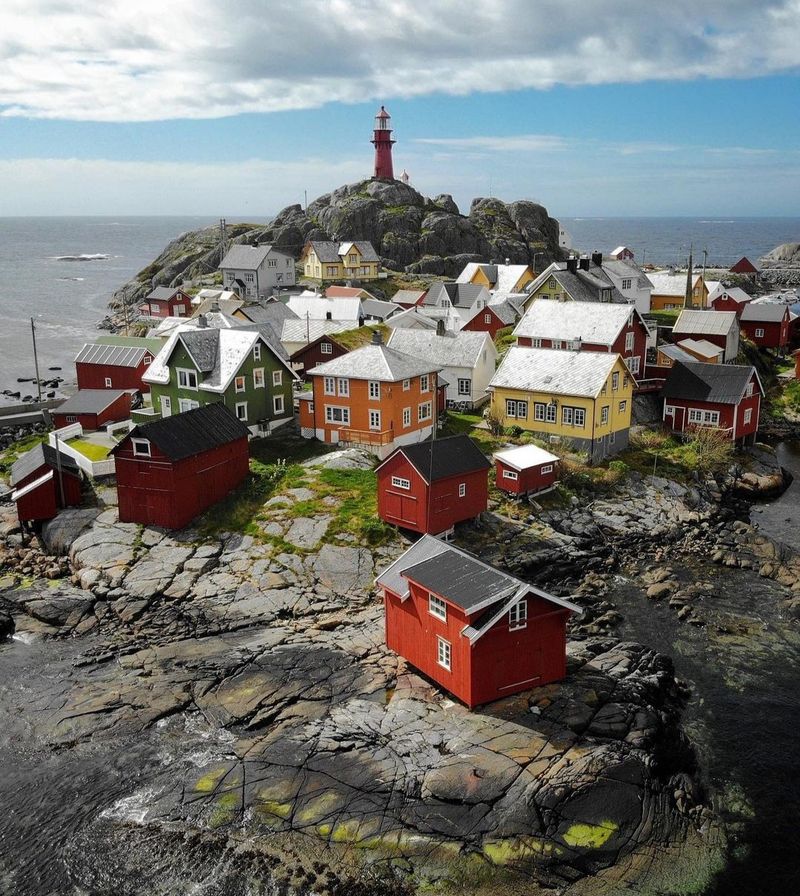
Getting to Ona requires a ferry, and that small effort immediately separates it from places accessible by car. Located on a small island on the Romsdal coast, Ona is described by Visit Norway as the country’s southernmost living fishing village.
Only a tiny year-round population keeps things going here, but the island manages to support pottery workshops, a small shop, seasonal café facilities, accommodation, and a beach.
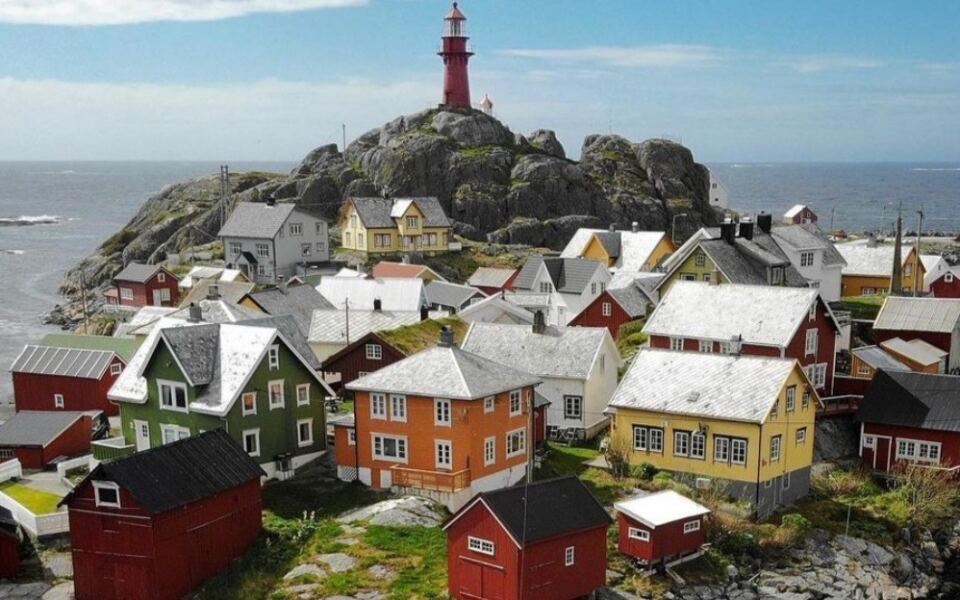
The Ona Lighthouse is the visual centerpiece of the island and makes for a striking subject whether you are photographing it or simply standing beside it looking out at the Norwegian Sea. Public transport connections, including ferry links with the mainland and neighboring islands, make it possible to visit without a car, which is a practical advantage for travelers using Norway’s coastal transport network.
Ona can be visited year-round, though services thin out considerably outside summer. For a place this small and this exposed to the open sea, it holds a surprising amount of personality.
Nyksund, Nordland
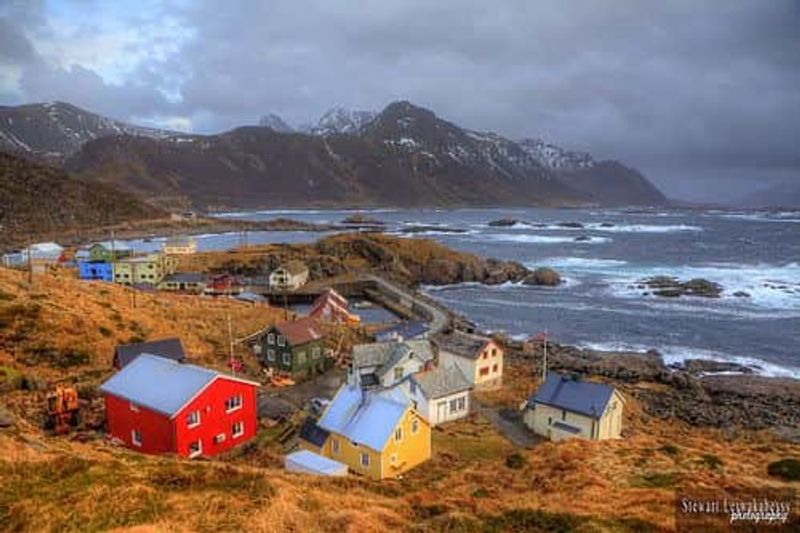
Nyksund has one of the more dramatic comeback stories in Norwegian village history. The Vesterålen fishing community was largely abandoned in the 1970s after changes in the fishing industry made its small harbor less practical for modern operations.
Buildings sat empty, and the village looked like it might disappear entirely. Then a slow process of restoration began in the following decade, and people started coming back.
Today Nyksund functions as a small creative community with a permanent population numbering in the dozens. Galleries, restaurants, accommodation, and cultural events operate alongside the weathered harbor buildings and dramatic mountain backdrop.
The atmosphere is genuinely different from Norway’s polished resort destinations, and that contrast is a large part of the appeal.
For travelers who find heavily marketed villages a little too tidy, Nyksund offers something more textured and honest. The combination of recent history, striking scenery, and creative energy makes it one of northern Norway’s most compelling small stops for 2027.
Bleik, Nordland
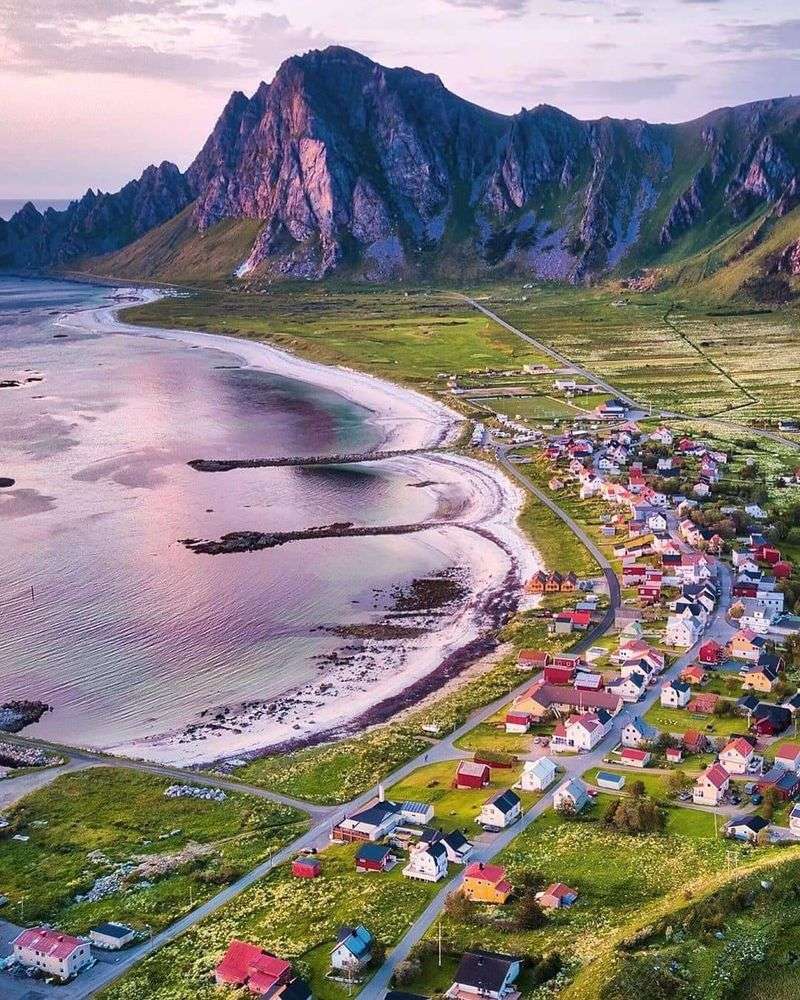
Bleik sits on the western side of Andøya, and its long stretch of pale sandy beach faces the open Norwegian Sea in a way that surprises most first-time visitors. Northern Norway is not typically associated with sandy beaches, which makes Bleik feel like a genuine discovery.
The cold water quickly reminds you of the latitude, but the setting is undeniably striking in any season.
The small village has shops, a café, a pub, and accommodation, keeping it functional without becoming overly developed. Surrounding activities include fishing, hiking, northern lights viewing during winter, and midnight sun conditions in summer.
Bleiksøya, the offshore bird island, is particularly well known for its seabird colonies, and wildlife excursions operate in the area for travelers who want to get closer to the action.
Andøya is also home to a growing space tourism infrastructure, which adds a modern dimension to an otherwise traditional coastal community. Bleik pairs natural scenery with genuine local character in a way that is hard to find elsewhere in the archipelago.
Skrova, Nordland
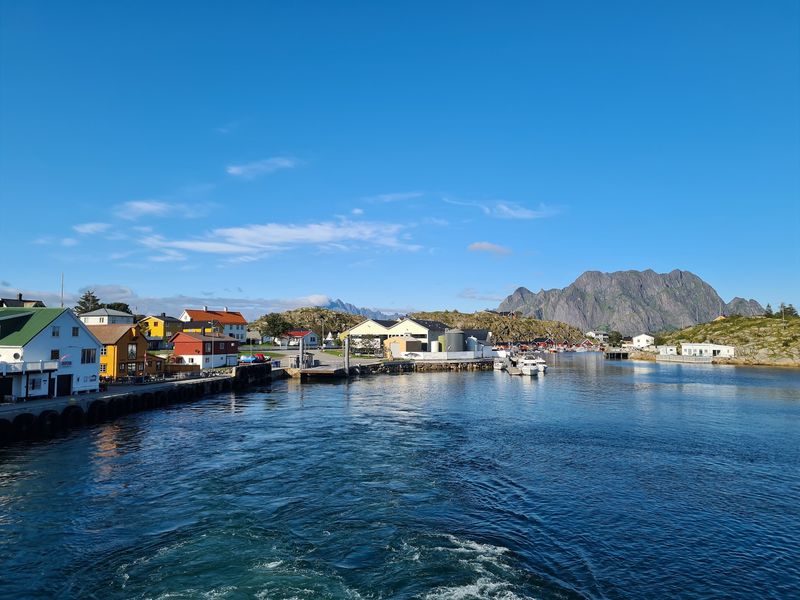
A short ferry from Svolvær drops you on Skrova, and almost immediately the pace of Lofoten’s busiest areas feels very far away. Fewer than 200 people live on the island, and fishing and aquaculture remain central to how the community operates.
It is not a place that has reinvented itself as a tourism product; it is simply a working island that also welcomes visitors.
That said, Skrova has real visitor infrastructure. Accommodation, restaurants, a pub, shops, galleries, and permanent photography exhibitions are all available, and guided kayaking gives travelers a way to explore the surrounding coastline at water level.
Express-boat connections from Bodø provide an alternative arrival route for those coming from the south.
For anyone who has spent time in Reine or Henningsvær and found them busier than expected, Skrova offers the same dramatic Lofoten scenery in a much quieter setting. The ferry crossing itself is a pleasant introduction to island life before you even step ashore.
Ballstad, Nordland
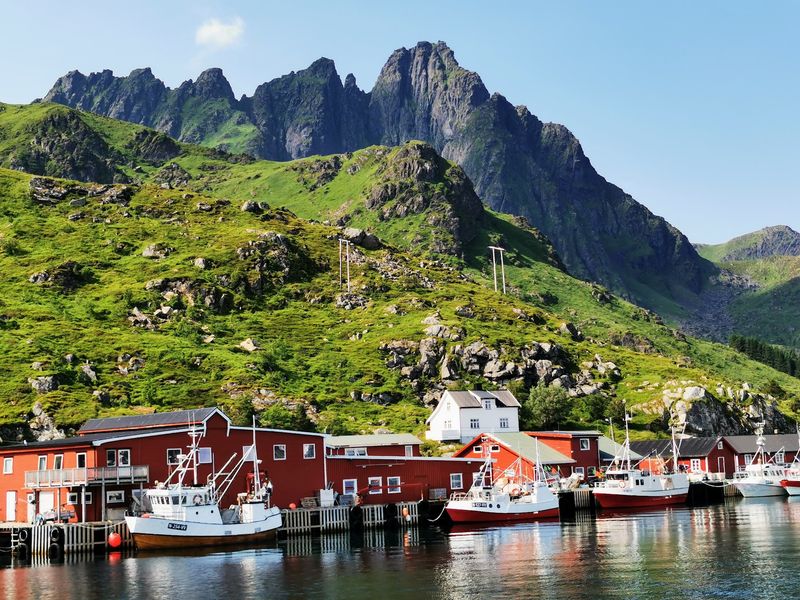
Ballstad does not appear on many international travel shortlists, and that is a gap worth exploiting in 2027. This working fishing village sits among mountains, islands, and traditional rorbuer in central Lofoten and delivers exactly the scenery that draws visitors to the archipelago in the first place, without the parking congestion or tour-group schedules that affect more photographed villages nearby.
Visit Norway describes Ballstad as a lively fishing community and highlights a range of activities including hiking, fishing, kayaking, and other outdoor experiences. Accommodation in converted or purpose-built fishermen’s cabins makes it an appealing base for exploring central and western Lofoten over multiple days.
Staying in a rorbu with working boats visible from the window is a different experience from a hotel in a busy village center.
The community’s strong fishing traditions give Ballstad a grounded identity that feels authentic rather than performed. For travelers who want Lofoten at its most functional and unfiltered, this village is a reliable choice.
Stamsund, Nordland
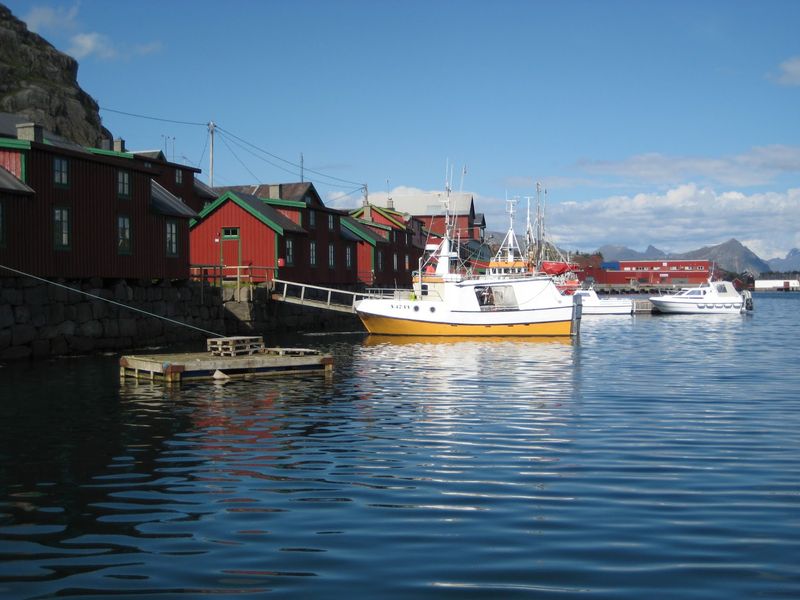
Stamsund is the Lofoten village that travelers tend to pass through rather than stay in, and that oversight creates an opportunity for anyone willing to stop. Mountains rise sharply behind the harbor, colorful waterfront buildings preserve the classic Lofoten look, and the community retains a working fishing identity that some of the archipelago’s busier stops have gradually traded away for visitor infrastructure.
Visit Norway includes Stamsund among Lofoten’s established fishing villages, with kayaking, fishing, and hiking available to visitors who base themselves here. The location puts travelers within driving distance of many of the archipelago’s beaches and trails without requiring accommodation in the most crowded areas.
That geographic advantage is genuinely useful during peak summer months.
For those arriving by ferry from the Norwegian mainland, Stamsund is also a direct port of call, which makes it a natural starting point for a Lofoten journey. Beginning the trip here, rather than rushing to Reine, sets a more relaxed pace from the start.
Nusfjord, Nordland
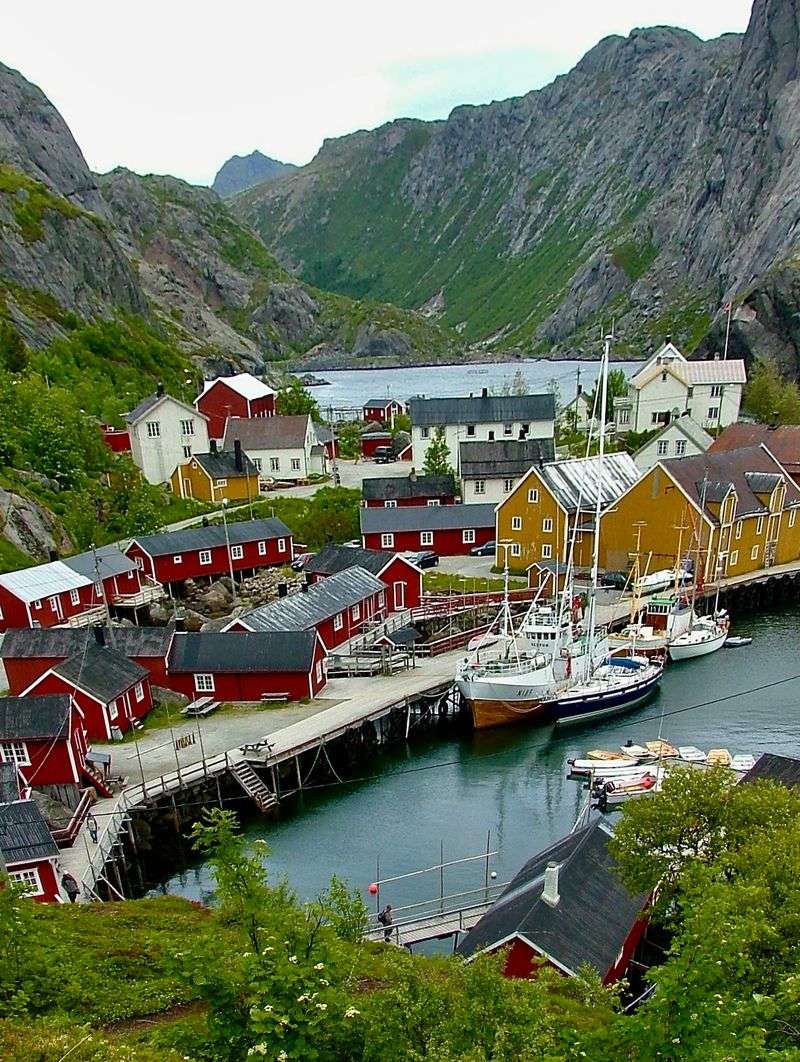
Nusfjord is one of Norway’s oldest and best-preserved fishing villages, and unlike some heritage sites that feel static, this one is still an active fishing settlement. Historic rorbuer line the small harbor, a traditional general store operates within the village, and galleries, restaurants, and accommodation give visitors genuine reasons to stay rather than just photograph and leave.
The concentration of preserved coastal architecture here is among the strongest in all of Lofoten. Red and ochre buildings reflect in the harbor water, and the surrounding rock walls rise steeply on both sides, creating a sheltered and visually complete setting.
Staying overnight in a traditional-style fishermen’s cabin is the most rewarding way to experience the village, since the atmosphere shifts noticeably once day visitors have gone.
Nusfjord sits beyond the famous Reine viewpoints that dominate most Lofoten itineraries, but the extra distance is minimal. Travelers who make the effort find a fishing village that earns its reputation through substance rather than social media exposure.
Share this story