Spain packs an unusual amount of history, art, and scenery into one country. Within a few hours you can go from a Roman aqueduct to a Moorish palace to a titanium museum shaped like a ship.
This list covers fifteen landmarks that show off that range, from famous basilicas and royal residences to a volcano on a Canary island. Some are old enough to have watched empires rise and fall, while others are only a few decades old and still turn heads.
Each stop comes with practical details about what to see and what to plan ahead. Whether you are mapping a real trip or just daydreaming from the couch, these places give you plenty to save, share, and talk about with your travel buddies.
Sagrada Família, Barcelona
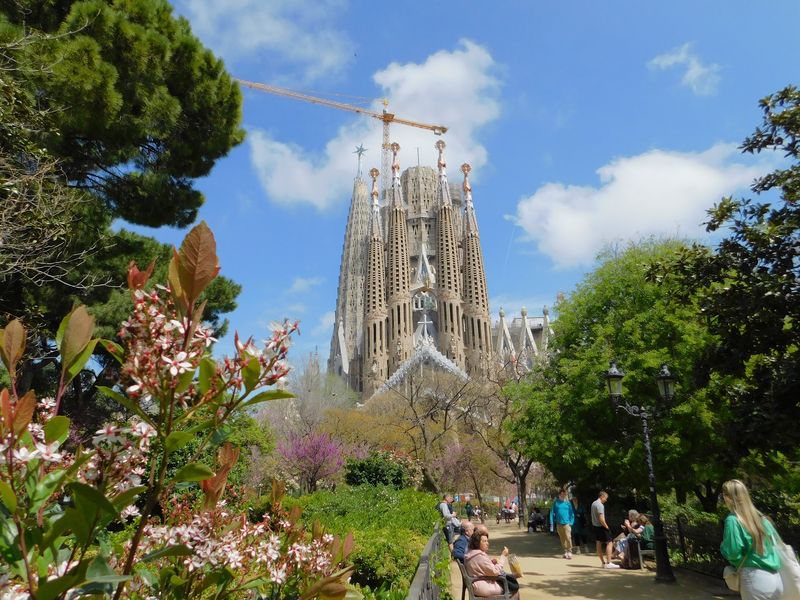
Construction cranes are part of the skyline here, and that is half the story. Antoni Gaudí devoted decades of his life to the basilica, and work has continued long after he was gone.
It is both a historic landmark and a building that is still taking shape.
The towers, carved stone details, and geometric forms stand out from the street. Inside, the design draws on shapes and colors found in nature, so the space feels very different from a traditional church.
Visitors can explore the basilica and its museum. Some ticket options also include access to a tower, so check the choices before you pay.
Tickets are sold online, and opening hours change with the season.
I would book ahead and pick the time slot first, then plan the rest of the Barcelona day around it. That keeps the visit smooth and leaves room to enjoy the details without rushing through them.
The Alhambra, Granada
Granada’s skyline has a natural backdrop, with the Alhambra sitting above the city and the Sierra Nevada rising behind it. The complex is huge, and it holds much more than one palace.
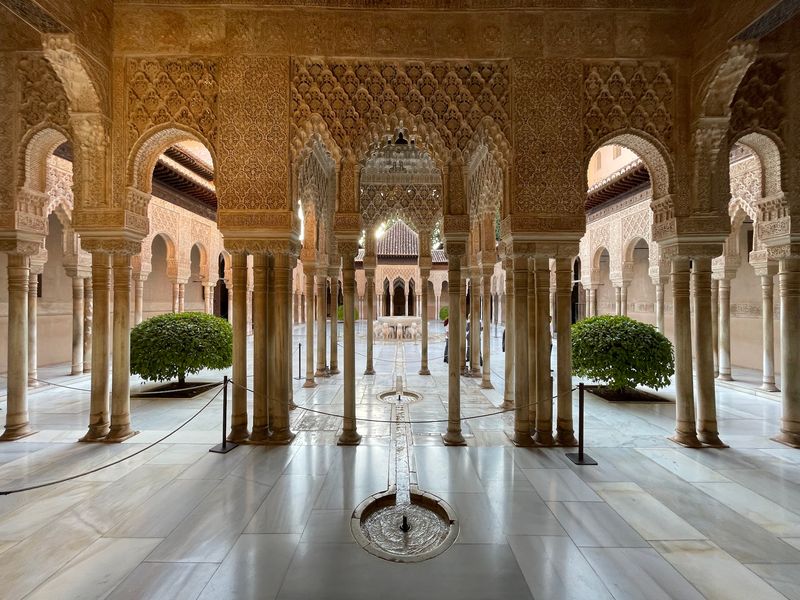
You will find the Nasrid Palaces, the Alcazaba fortress, courtyards filled with fountains, and the landscaped Generalife gardens. Delicate stucco work, geometric tile patterns, and carved inscriptions show how advanced medieval Islamic architecture in Spain became.
Reflecting pools add calm, photogenic corners along the way.
Here is the planning detail that matters most. General tickets cover the major sections, but you must enter the Nasrid Palaces at the exact time printed on your ticket.
Arriving late can mean missing that part of the visit.
The Alhambra is open daily apart from designated closure dates. Give yourself plenty of time, because walking between the palaces, fortress, and gardens takes longer than most people expect.
Prado Museum, Madrid
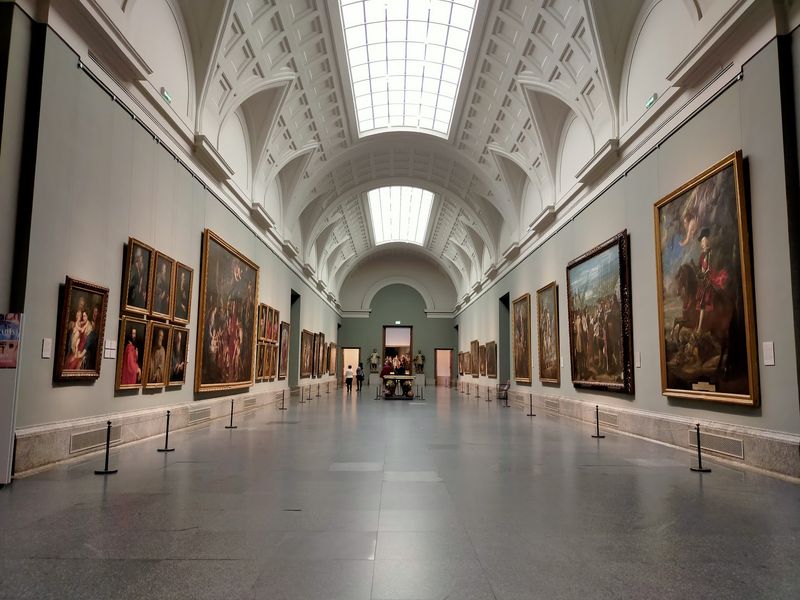
Art fans sometimes say the Prado alone can justify a trip to Madrid, and the collection backs that up. It is one of the world’s major art museums, with European paintings that span centuries.
The big names read like a history class favorites list: Diego Velázquez, Francisco Goya, El Greco, Peter Paul Rubens, Titian, and Hieronymus Bosch. Seeing several of them under one roof makes it easy to compare styles and eras in a single afternoon.
Madrid’s tourism authority lists the Prado among the capital’s essential attractions. The museum welcomes visitors throughout the week, with only a small number of annual closure dates.
A smart approach is to pick a few artists you care about and focus on those rooms first. The building is large, and trying to see everything in one go can leave you tired before you reach the paintings you came for.
Park Güell, Barcelona
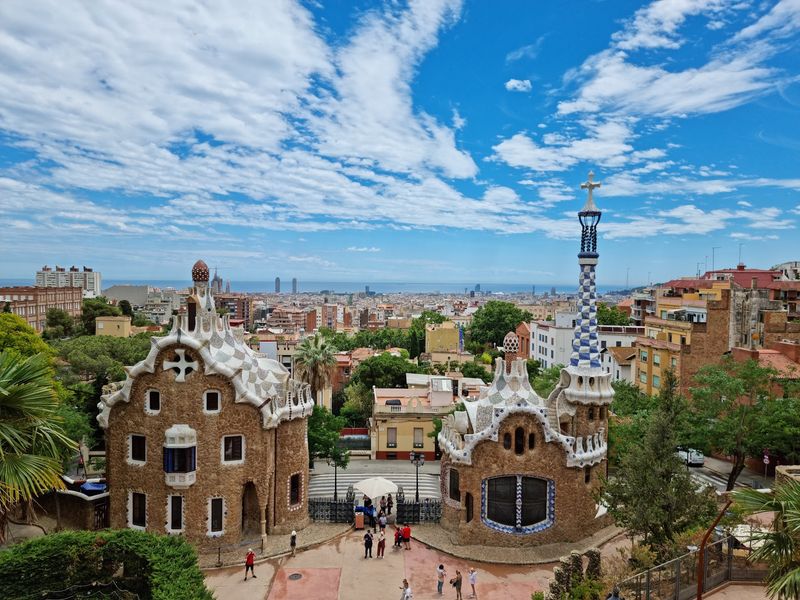
If Sagrada Família shows Gaudí at his grandest, Park Güell shows his playful side. The park is built into the hills above Barcelona and mixes gardens, curving stone structures, and unusual columns.
The monumental zone holds some of his best-known creations. The mosaic-covered serpentine bench is a favorite stop, and the architectural forms seem to grow right out of the landscape.
Panoramic views stretch across the city from several spots.
Park Güell is open year-round, but tourist entry is controlled through timed tickets. The system protects the site and helps manage crowds, so it pays to choose your slot before you arrive.
Because it sits on a hillside, expect some uphill walking. Comfortable shoes make the visit easier, and arriving at your ticket time gives you more room to wander the mosaics without feeling hurried.
Mosque-Cathedral of Córdoba, Córdoba
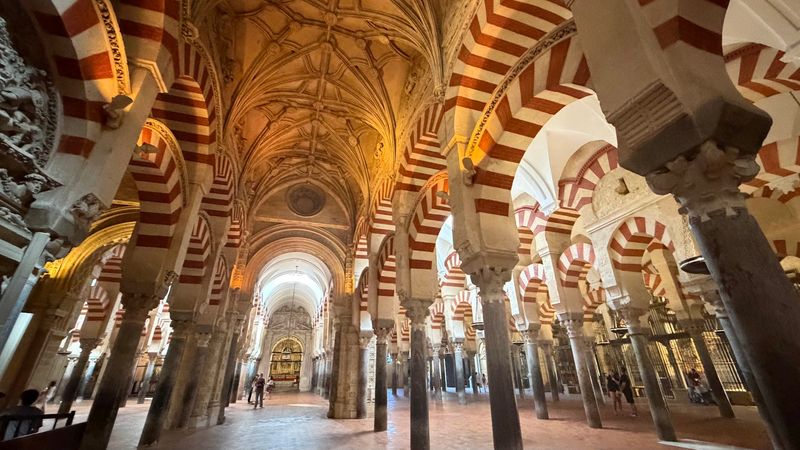
Step inside and the first thing you notice is the forest of columns. Córdoba’s Mosque-Cathedral is one of Europe’s most remarkable surviving examples of Islamic architecture.
Rows of columns and distinctive red-and-white arches stretch through the former mosque. Later Christian additions sit within the same building and tell another chapter of its long history.
The result shows how many civilizations shaped Córdoba over the centuries. Few buildings let you read that layered past so clearly in a single visit.
The monument remains open for tourist visits, but hours vary according to the date and religious events. Check the schedule for your day before you go so you are not caught off guard.
It is a good fit for a slower, curious kind of visit where you stop often and look up.
Real Alcázar of Seville, Seville
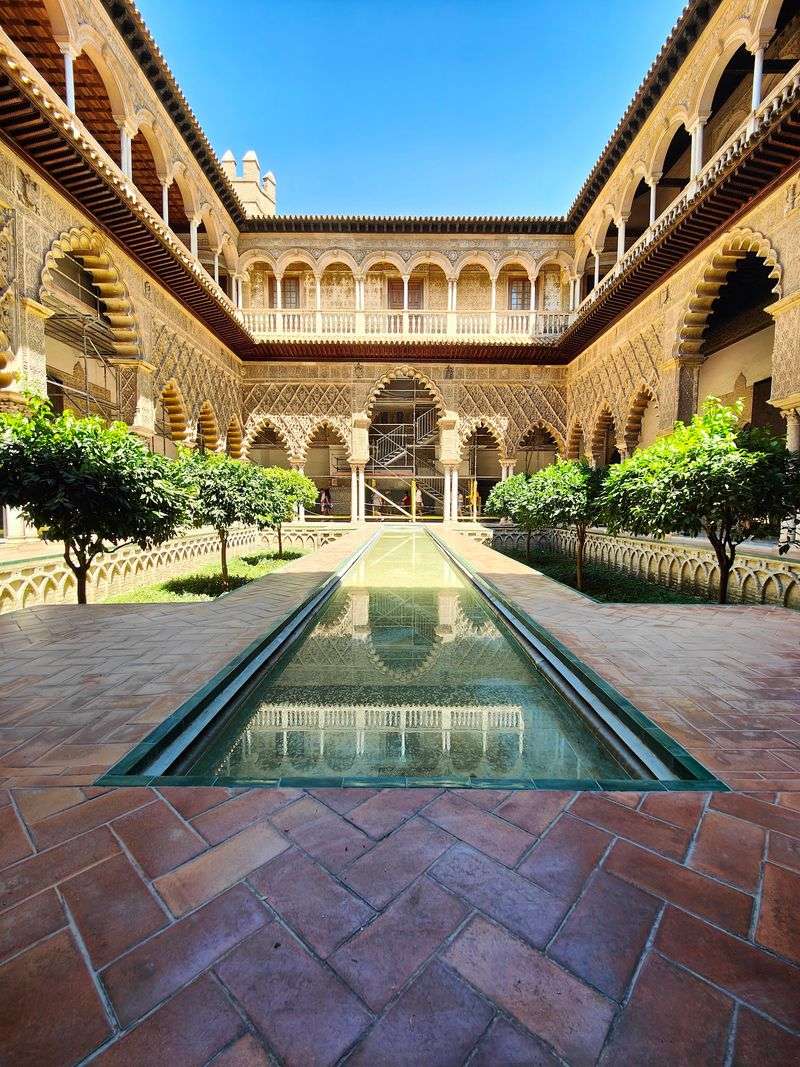
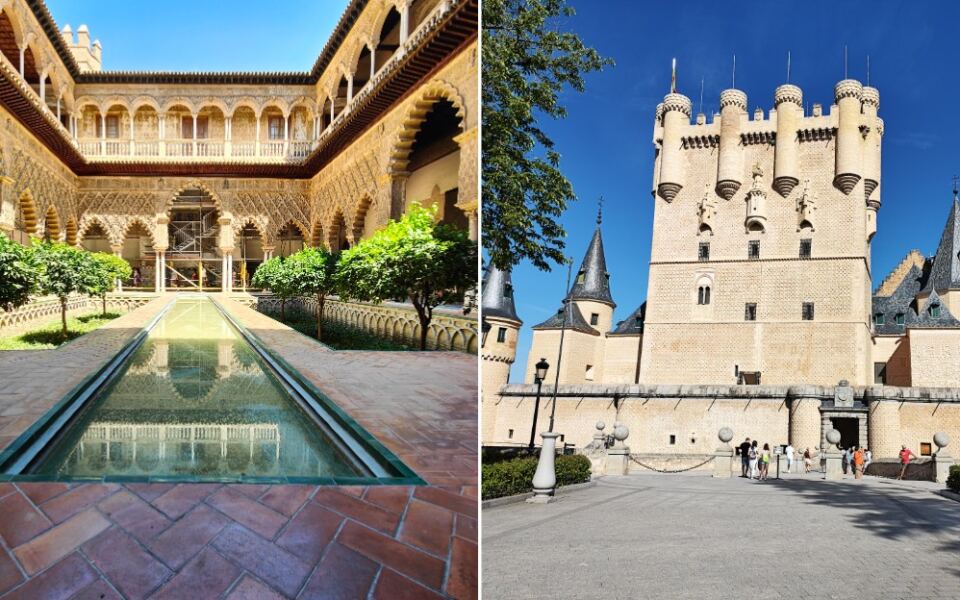
Plan to get a little lost, because the Real Alcázar is a maze. Ornate rooms, courtyards, fountains, tiled walls, arches, and lush gardens fill the space in the center of Seville.
Different rulers expanded and changed the complex over the centuries. That left an extraordinary mix of Islamic, Mudéjar, Gothic, Renaissance, and later influences, sometimes visible within a single hallway.
It also continues to function as a royal residence, which adds a living layer to the history. The palace and gardens are currently open to visitors, with longer hours during the warmer months.
Since the gardens are part of the appeal, save time for them after the palace rooms. Walking outdoors between the fountains makes a nice break, and it gives you a chance to look back at the detailed tilework and arches you just passed.
Seville Cathedral and La Giralda, Seville
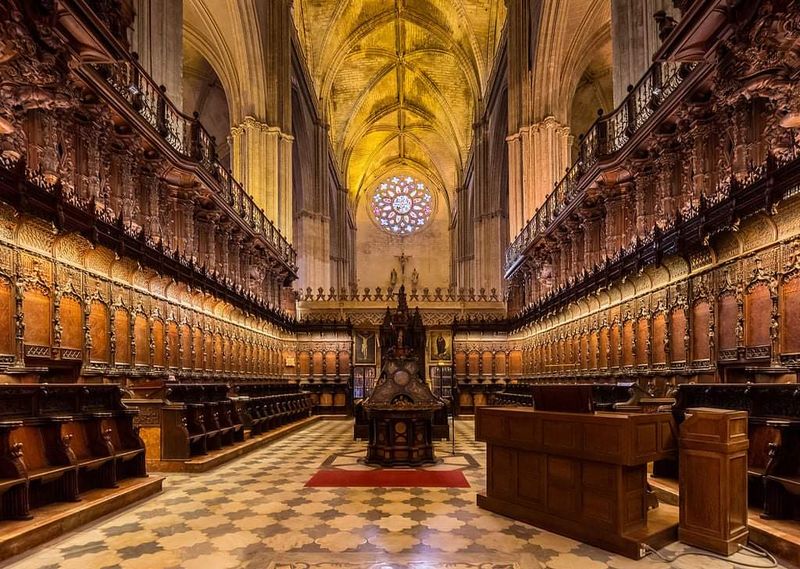
Only a short walk from the Alcázar, another giant landmark dominates Seville’s skyline. That makes it easy to pair the two sights in one day.
Seville Cathedral is celebrated for its immense Gothic interior. Beside it stands La Giralda, which began life as a minaret before becoming the cathedral’s bell tower.
Climbing the tower rewards visitors with sweeping views over tiled rooftops, courtyards, and the historic center. It is a good way to understand how the old city is laid out.
Spain’s official tourism site considers La Giralda one of the country’s essential monuments. I would keep the climb for a time when you have some energy, then spend the rest of the visit inside, looking at the scale of the Gothic interior.
Royal Palace of Madrid, Madrid
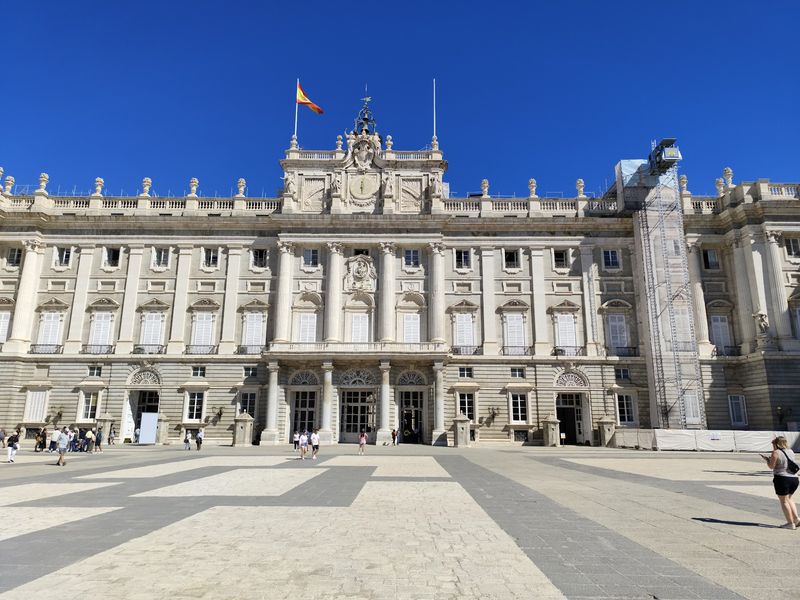
Madrid’s Royal Palace offers a glimpse into centuries of Spanish royal history. Madrid’s official tourism authority describes it as the largest royal palace in Western Europe.
Visitors can explore lavish state rooms filled with paintings, chandeliers, decorative arts, tapestries, and historic furnishings. Each room adds another layer of detail, so it is worth slowing down rather than rushing to the exit.
The palace remains an important venue for official state ceremonies. Spain’s royal family does not normally use it as an everyday residence, which makes it feel more like a grand public monument than a home.
The same tourism authority counts it among the city’s must-see attractions, and it fits neatly into a day that also includes central Madrid sights. Check opening times before you go, since ceremonies can affect visiting schedules.
Santiago de Compostela Cathedral, Santiago de Compostela
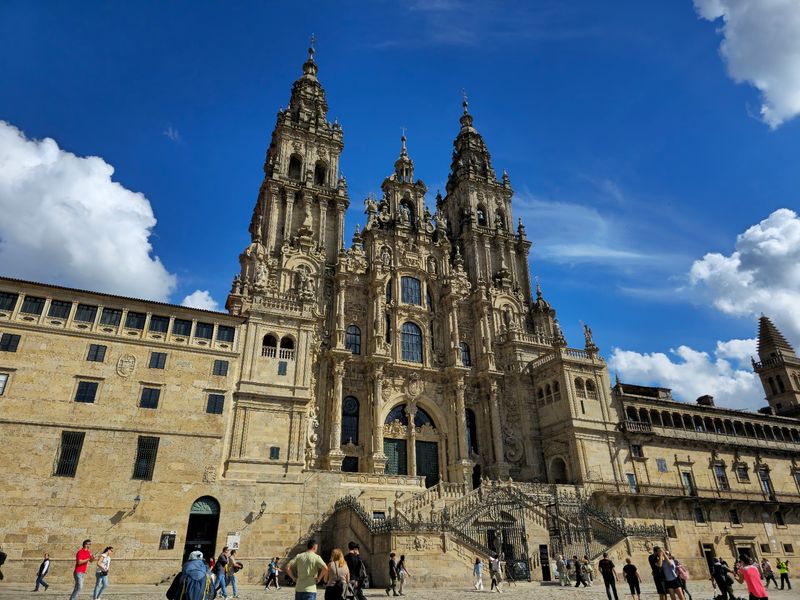
For centuries, pilgrims have crossed Europe on foot to reach this cathedral. It marks the traditional destination of the Camino de Santiago and is associated with the tomb of Saint James the Apostle.
Beyond its religious meaning, there is plenty to see. Visitors come for the monumental façade, the historic interior, the museum, the Portico of Glory, and the rooftop areas.
The basilica is currently open every day. The museum and several special visiting areas operate on their own schedules, so you may need to check times separately if you want to see them.
If you are building a day around it, look at the opening hours for each area first. That helps you decide whether to start with the main interior or the museum, and avoids standing in line at a section that is closed.
City of Arts and Sciences, Valencia
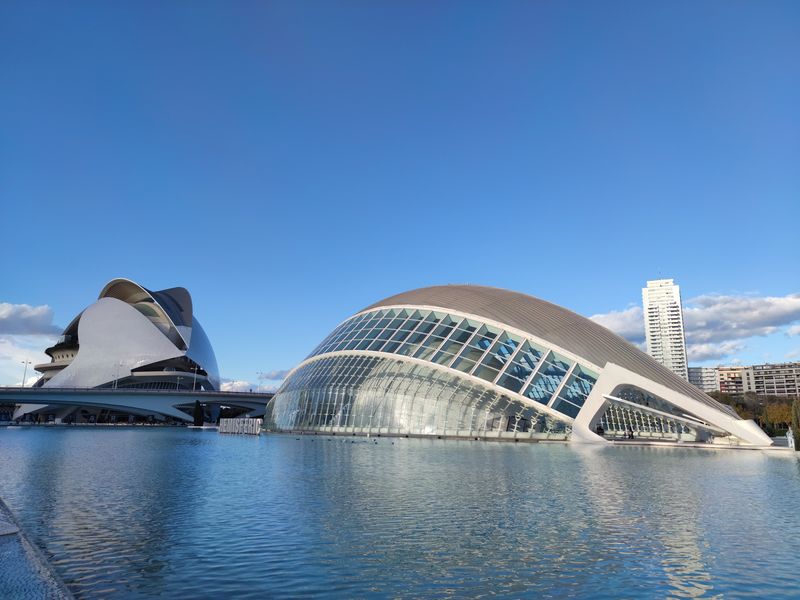
After a few castles and cathedrals, Valencia offers something completely different. The City of Arts and Sciences looks nothing like Spain’s medieval landmarks.
The futuristic cultural complex has become one of the city’s defining sights. Enormous white structures rise from reflecting pools, creating a setting that photographs well at almost any time of day.
Designed principally by Valencian architect Santiago Calatrava, the complex includes attractions devoted to science, performing arts, marine life, and entertainment. That variety means you can match the visit to your own interests.
The striking architecture makes the site worth visiting even before you step inside any individual venue. A walk around the grounds gives you a good feel for the design, and you can decide on the ticketed attractions after you see what appeals most.
Guggenheim Museum Bilbao, Bilbao
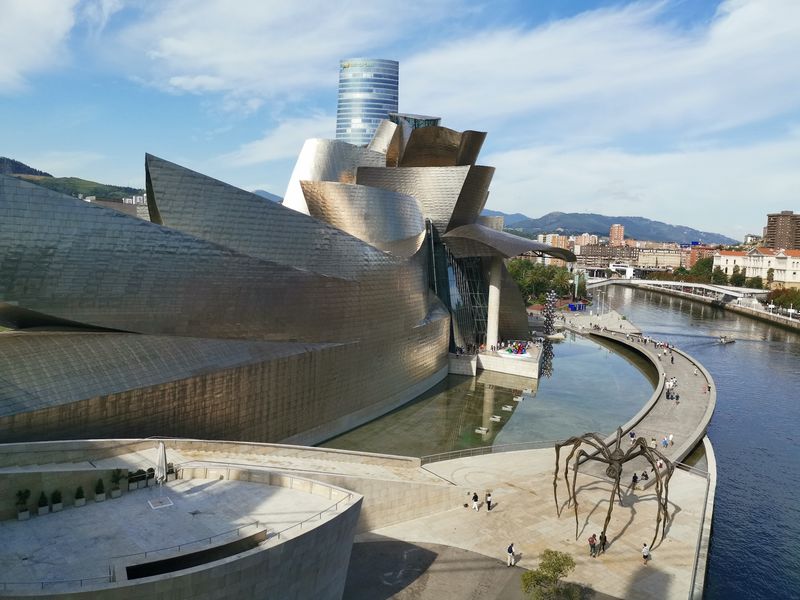
Bilbao’s rise as a cultural destination is closely tied to the arrival of this museum. The building has become part of how people picture the city.
Frank Gehry designed it with sweeping titanium-covered forms, and they are almost as famous as the art inside. Exhibitions focus largely on modern and contemporary art.
Large-scale outdoor works add to the experience along the Nervión River, so you can enjoy part of the visit without going indoors. Walking the riverside gives you different angles of the curving exterior.
The museum remains one of Spain’s most heavily visited cultural attractions, recording more than 1.3 million visitors in 2025. With numbers like that, it makes sense to check current hours and ticket options before arriving, then leave time to circle the building itself.
Segovia Aqueduct, Segovia
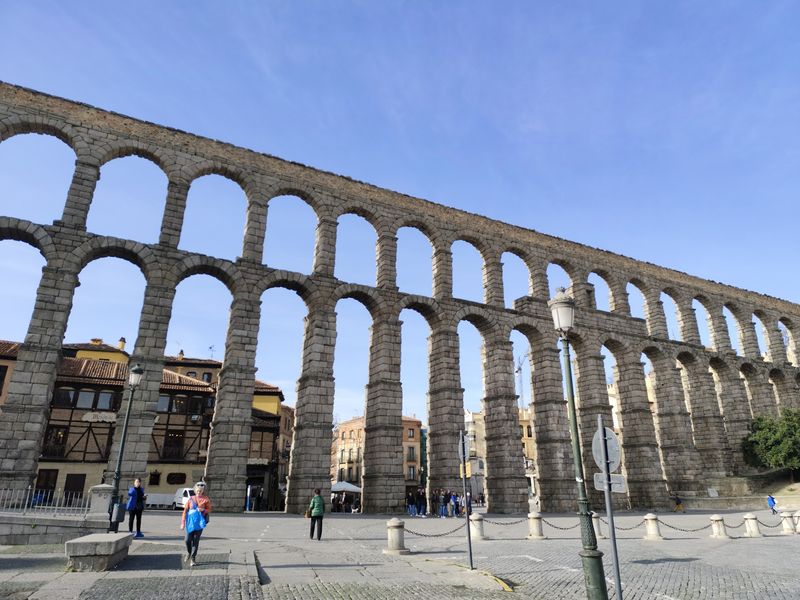
Some landmarks make a city’s age instantly visible, and this is one of them. Segovia’s enormous Roman aqueduct crosses part of the modern city and shows its history in plain sight.
It is built from massive granite blocks and has a distinctive double row of arches. The structure once transported water toward Segovia, and today it remains the city’s most recognizable monument.
The aqueduct itself is an open-air landmark and continues to be accessible. Municipal works are currently affecting some pedestrian crossings in the surrounding area, but the monument itself is not closed.
Because of that, it is smart to check how to move around the area before you head over. Walking along the arches from different spots gives you a better sense of the scale than one photo from a single angle.
Alcázar of Segovia, Segovia
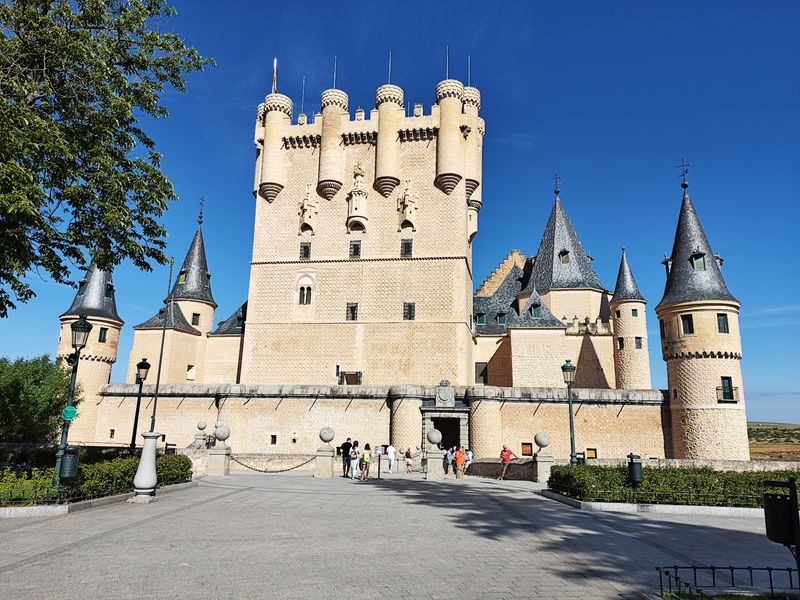
Perched high above the landscape, the Alcázar of Segovia looks like a castle pulled from a storybook. Its elevated position is a big part of that look.
Towers, pointed roofs, fortified walls, and richly decorated rooms make it one of Castile and León’s most recognizable landmarks. The fortress played different roles over time, including royal residence and military stronghold.
Spain’s official tourism organization identifies the Alcázar, together with the city’s Roman aqueduct, as one of Segovia’s defining symbols. That makes it easy to combine both sights in one visit to the city.
If you want a good photo of the whole building, look for viewpoints away from the entrance. Then go inside to see the decorated rooms and learn how its uses changed over the centuries.
Mérida’s Roman Theatre, Mérida
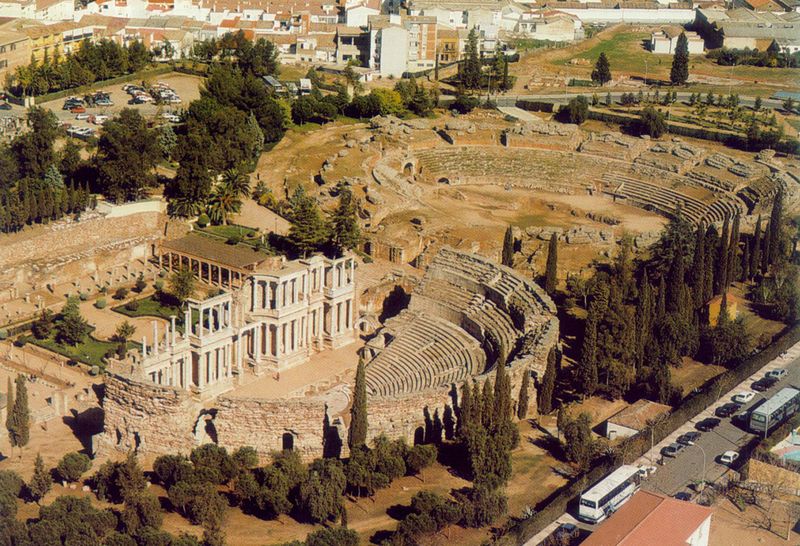
Spain’s Roman heritage becomes especially vivid in Mérida, where an extraordinary collection of ancient monuments survives. The Roman Theatre is one of the highlights.
It was built around 16 or 15 B.C., and it still hosts performances more than two thousand years later. That alone makes it stand out from many ruins that are only for looking.
The semicircular seating and monumental stage backdrop give a clear sense of what public entertainment looked like in Roman Hispania. Standing among the rows helps you picture how a crowd would have gathered.
Spain’s official tourism site lists the theatre among the country’s essential historic sights and notes that it continues to function as a performance venue today. Check the local schedule if you hope to catch an event during your trip.
Teide National Park, Tenerife
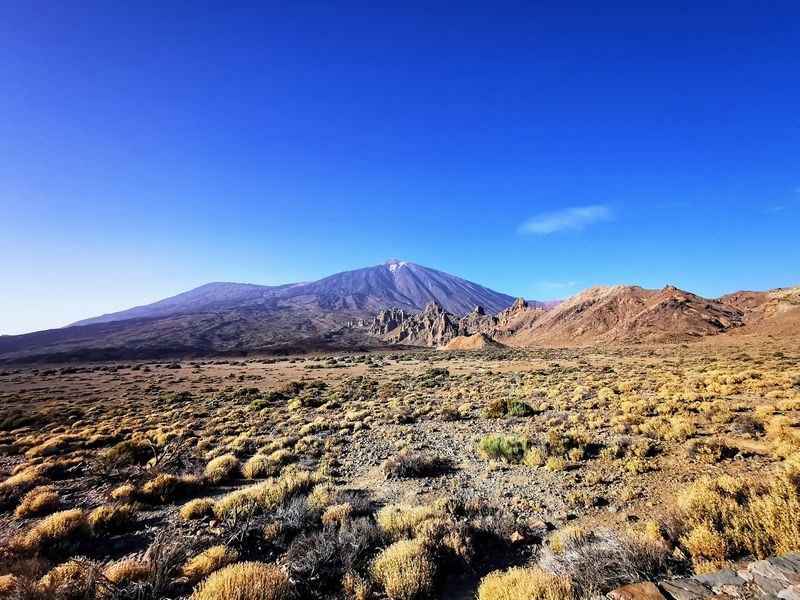
Not every Spanish bucket-list attraction was created by architects. On Tenerife, Mount Teide dominates one of the country’s most extraordinary volcanic landscapes.
The national park around Spain’s highest mountain offers lava fields, unusual rock formations, high-altitude viewpoints, and hiking routes. The scenery is unlike anything on the mainland.
Check conditions before heading into the high-altitude area. The park and several trails are accessible, but the Teide cable car depends on the weather.
On October 29, 2026, for example, the trails listed by the operator were open while the cable car was temporarily closed, because operating conditions can change.
Flexibility is the best plan here. Look at the latest updates on the day you travel, and keep a backup activity in mind in case the cable car is not running.
Share this story