The Mafia has left its mark on some of the most well-known places in the world. From smoky backroom clubs in New York City to sun-soaked streets in Sicily, these locations tell real stories of organized crime, power, and history.
Some are still standing today, while others exist only as memories. Whether you are a history buff or just curious, these 15 places offer a fascinating look at how the mob shaped the world around it.
1. Ravenite Social Club, New York City, New York
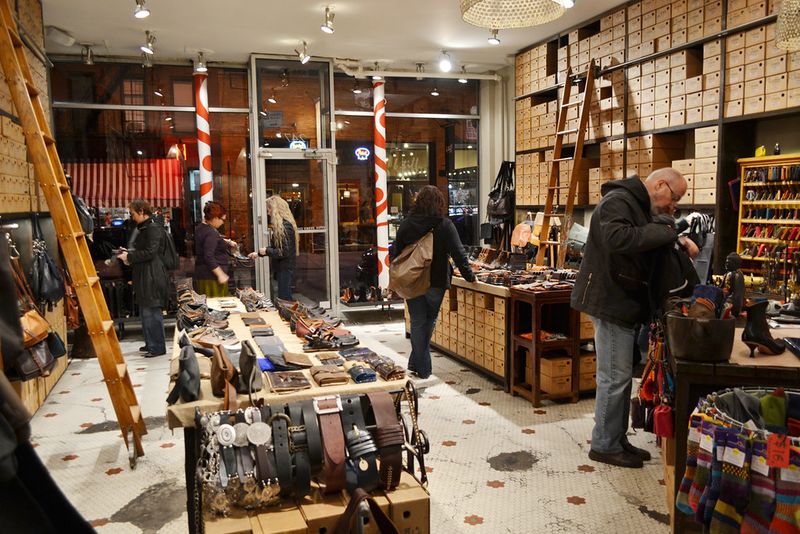
Tucked along Mulberry Street in Manhattan’s Little Italy neighborhood, the Ravenite Social Club was once one of the most closely watched addresses in America. Federal agents spent years trying to gather evidence from this unassuming brick storefront.
The club served as the headquarters of John Gotti, the powerful boss of the Gambino crime family. Gotti was known for his flashy suits and bold personality, earning him the nickname “The Dapper Don.” He held court at the Ravenite regularly throughout the 1980s.
FBI agents eventually planted listening devices inside the building, capturing conversations that led directly to Gotti’s conviction in 1992. He was sentenced to life in prison without parole.
Today, the space has been converted into a luxury apartment and boutique, but its past as a Mafia stronghold is never far from the surface.
2. Sparks Steak House, New York City, New York
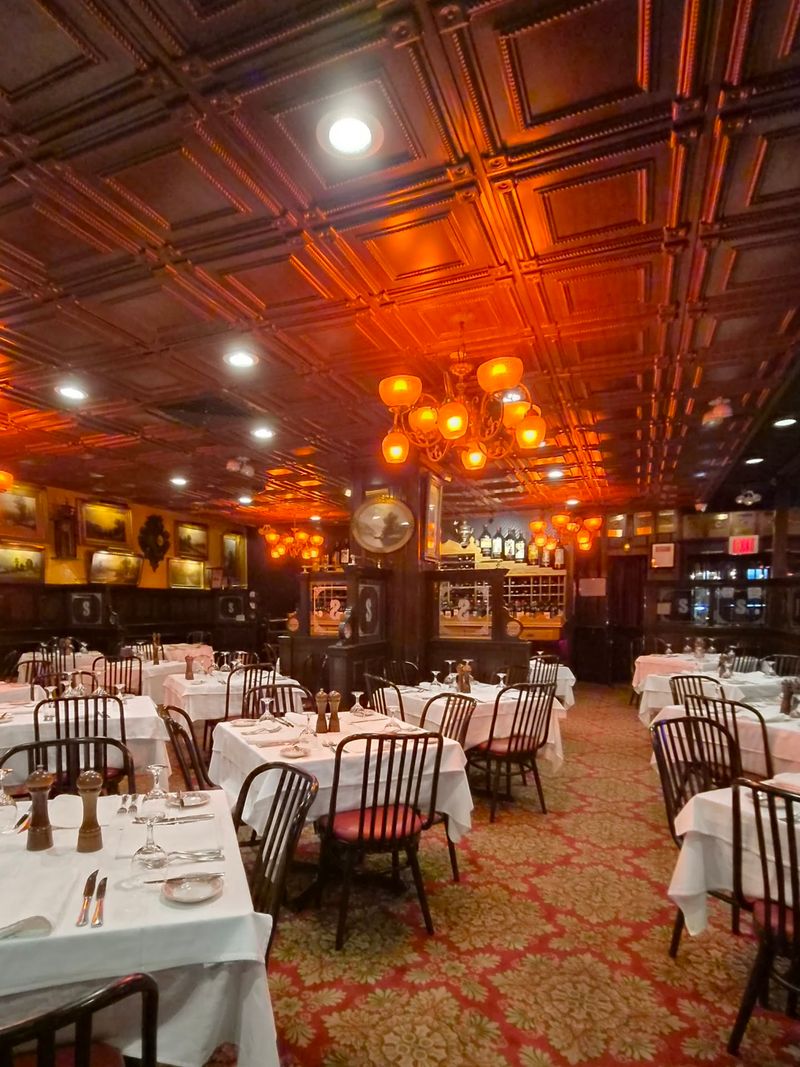
On a cold December evening in 1985, the sidewalk outside Sparks Steak House on East 46th Street became the scene of one of the most dramatic Mafia assassinations in American history. Paul Castellano, the boss of the Gambino crime family, was shot and killed as he stepped out of his car.
The hit was ordered by John Gotti, who used the murder to seize control of the family. It was a bold and very public move that shocked even seasoned law enforcement officials.
Three gunmen carried out the attack in front of dozens of witnesses on a busy Midtown street.
Sparks has continued operating as a respected steakhouse, known for its quality food and classic atmosphere. Visitors sometimes stop outside just to take in the history tied to that spot.
The restaurant itself has never shied away from its complicated place in New York City’s past.
3. Umberto’s Clam House, New York City, New York
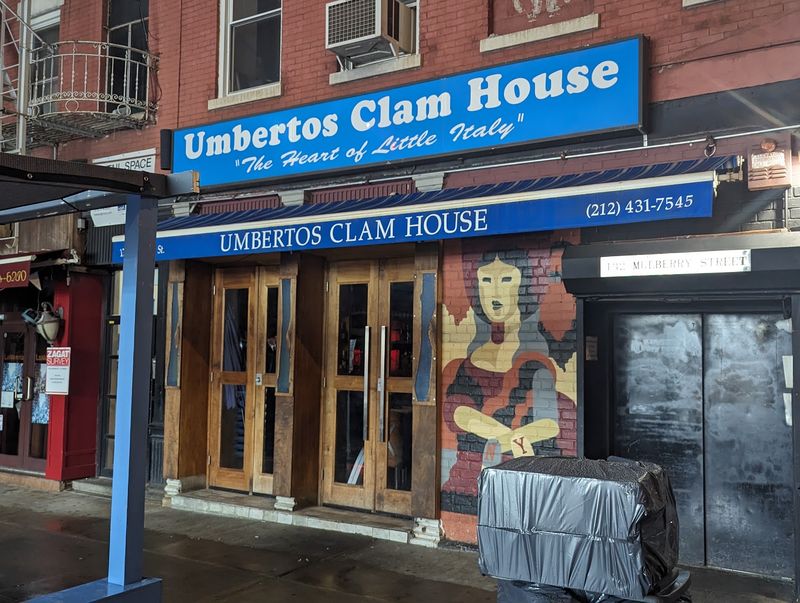
Few restaurants in New York City carry as much criminal history as Umberto’s Clam House. Located in Little Italy, it was the site of the 1972 murder of Joey Gallo, a colorful and unpredictable Colombo crime family figure known on the streets as “Crazy Joey.”
Gallo was celebrating his birthday with friends and family when gunmen entered the original location on Hester Street and opened fire. He was shot multiple times and died outside on the sidewalk.
The brazen attack stunned even those used to Mafia violence.
The restaurant eventually moved to a new address on Broome Street but kept its name and reputation. It remains a popular dining spot today, attracting both locals and tourists curious about its dark history.
The story of Joey Gallo’s last meal has become one of the most retold tales in New York City crime lore.
4. Palma Boys Social Club, New York City, New York
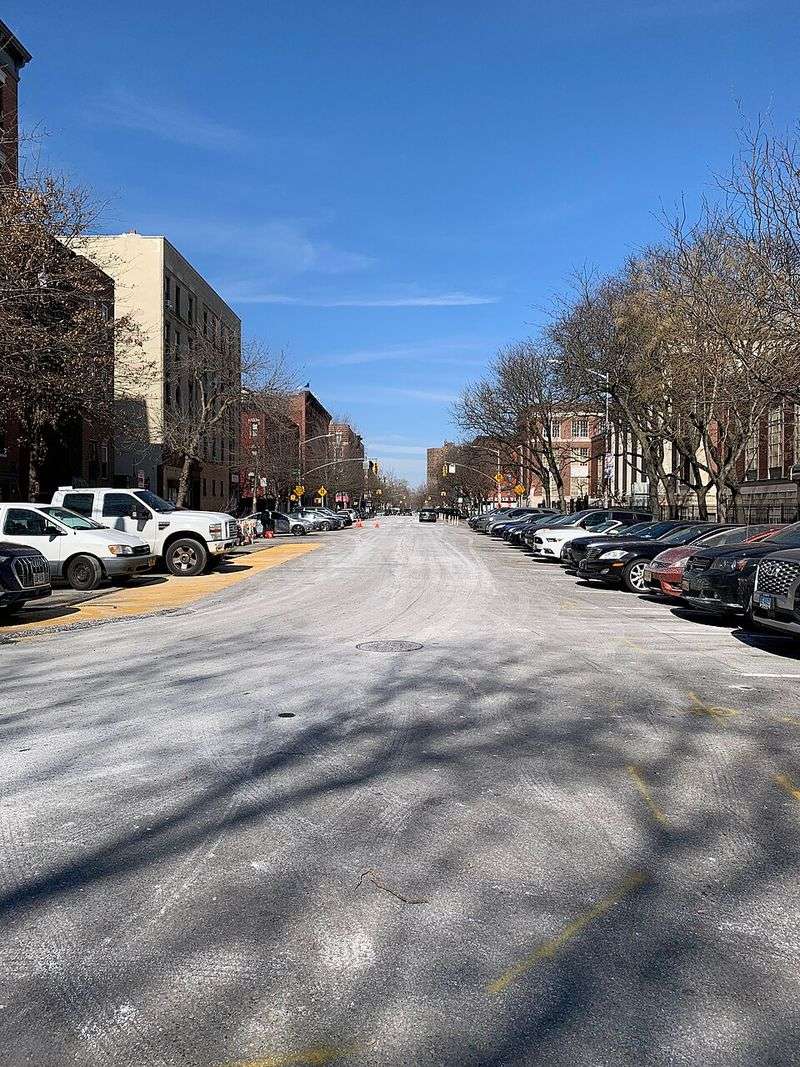
Situated in East Harlem, the Palma Boys Social Club on East 116th Street was a key gathering spot for members of the Genovese crime family for many decades. On the outside, it looked like a simple neighborhood club, the kind you might find on any block in the city.
Behind closed doors, it was a hub for organized crime operations. Anthony “Fat Tony” Salerno, one of the most powerful Genovese bosses of the 20th century, used the club as his base of operations during the 1970s and 1980s.
FBI surveillance teams spent countless hours monitoring the location.
Salerno was eventually convicted in the landmark 1986 Commission Trial, which targeted the leadership of New York’s five major crime families. He died in federal prison in 1992.
The building still stands in East Harlem, though its days as a Mafia clubhouse are long gone.
5. Bergin Hunt and Fish Club, Queens, New York
Long before John Gotti moved his operations to the Ravenite Social Club in Manhattan, he ran things out of the Bergin Hunt and Fish Club in Ozone Park, Queens. The name sounds like a peaceful hobby spot, but it was anything but quiet inside.
Gotti built his reputation and power base from this modest Queens storefront throughout the 1970s and early 1980s. He was known for being visible and approachable, which helped him gain loyalty from those around him.
Federal agents kept close tabs on everyone who walked through the door.
The club served as a reminder that organized crime often hides in plain sight, blending into working-class neighborhoods without drawing obvious attention. Gotti’s rise from Bergin to the top of the Gambino family is one of the most studied stories in American Mafia history.
The building still exists in Ozone Park today.
6. Apalachin Meeting Site, Apalachin, New York
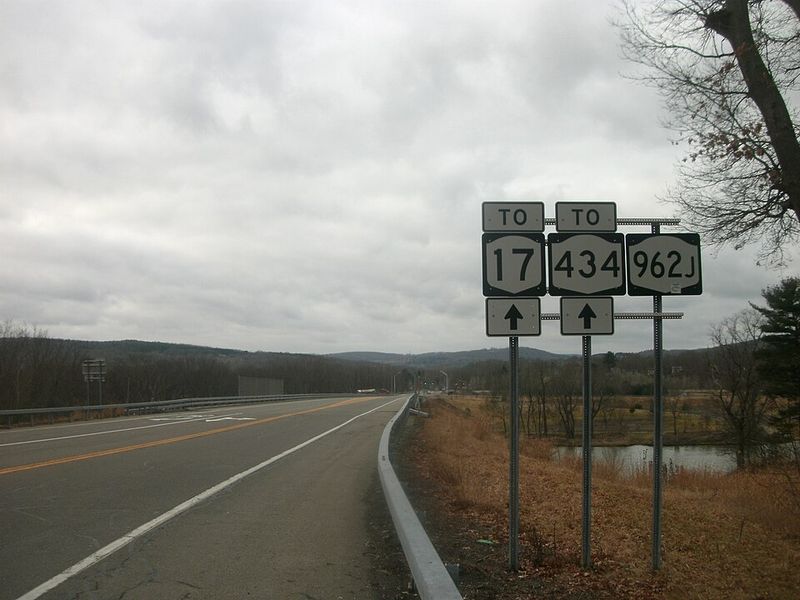
In November 1957, a small town in upstate New York became the unlikely setting for one of the most significant events in American Mafia history. More than 100 organized crime bosses from across the country gathered at the estate of Joseph Barbara in Apalachin, New York.
A sharp-eyed state trooper noticed the unusual number of expensive out-of-state cars parked near the property and alerted colleagues. Law enforcement quickly set up roadblocks, and dozens of mob leaders were stopped and identified as they tried to flee through the woods.
The Apalachin Meeting, as it became known, blew the lid off the idea that a national organized crime network did not exist. It forced the FBI and other agencies to take the Mafia far more seriously.
The site is now a quiet rural property, but its place in crime history is firmly established.
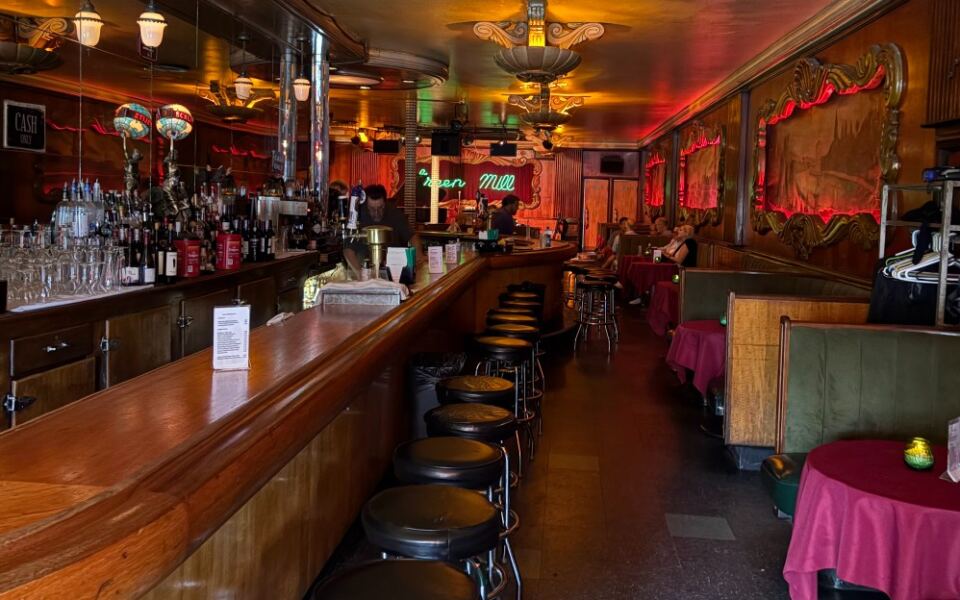
7. The Green Mill, Chicago, Illinois
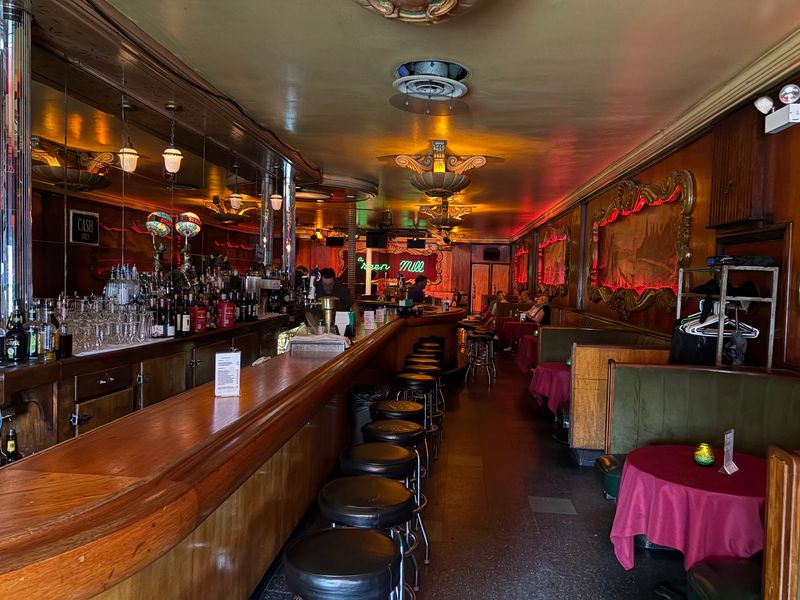
Al Capone loved jazz, and he loved The Green Mill. This legendary cocktail lounge in Chicago’s Uptown neighborhood was one of Capone’s favorite hangouts during the Prohibition era of the 1920s.
He even had a partial ownership stake in the club at one point.
The Green Mill featured a network of underground tunnels that Capone and his associates could use to escape quickly if law enforcement showed up. The club’s manager, “Machine Gun” Jack McGurn, was widely believed to have been involved in the St. Valentine’s Day Massacre of 1929.
The atmosphere back then mixed glamour with genuine danger.
Today, The Green Mill is a celebrated jazz venue that has been operating continuously since 1907, making it one of the oldest bars in Chicago. Visitors can still sit in the same booths where Capone once sat, giving the place a uniquely eerie and exciting energy.
8. Green Mill Cocktail Lounge, Chicago, Illinois
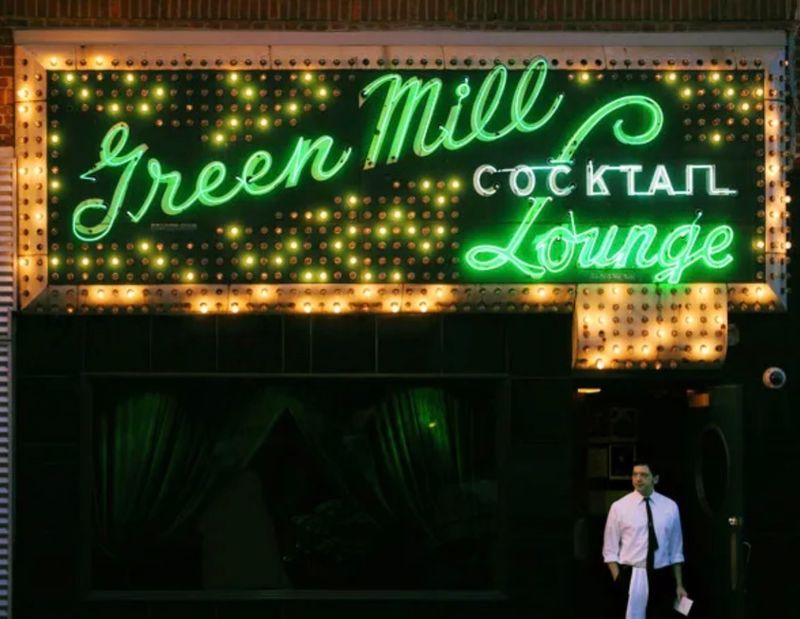
The Green Mill Cocktail Lounge deserves a second look, because its exterior is just as storied as its interior. The glowing neon sign on Broadway Avenue has been a Chicago landmark for over a century, drawing in everyone from jazz legends to curious tourists.
During Prohibition, this stretch of Uptown was a hotbed of bootlegging activity. The Green Mill sat right at the center of it, operating as a speakeasy while maintaining a public face as an entertainment venue.
Capone’s influence meant that law enforcement often looked the other way.
The lounge has hosted some of the greatest jazz musicians in American history, including Joe Williams and Von Freeman. Its reputation as both a music destination and a Mafia-connected landmark makes it one of the most layered venues in the country.
Walking through its doors today feels like stepping back into a different, more complicated era of Chicago history.
9. Lexington Hotel Site, Chicago, Illinois
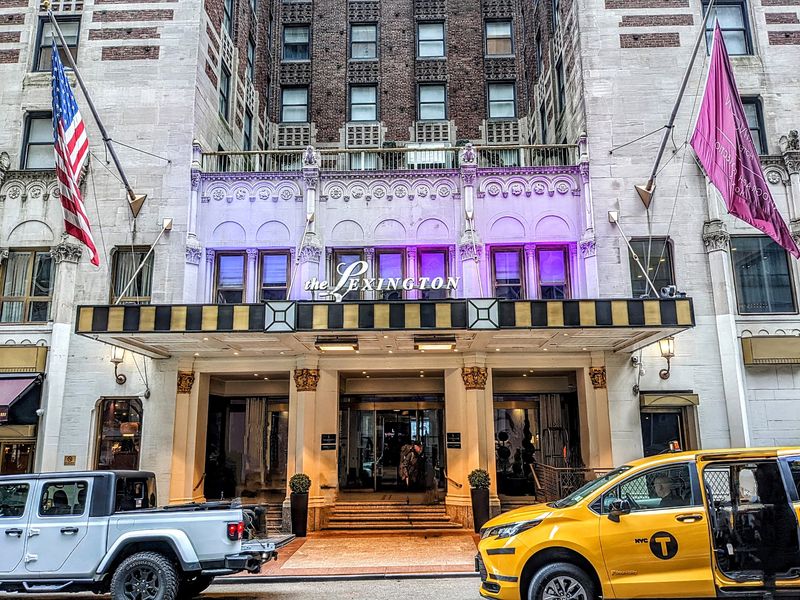
Al Capone did not just visit Chicago, he practically ruled it from a suite inside the Lexington Hotel. During the height of his power in the late 1920s and early 1930s, Capone operated out of the hotel’s fourth and fifth floors, using it as his personal command center.
The hotel was reportedly equipped with secret passages and escape routes, reflecting just how seriously Capone took his own security. He entertained politicians, celebrities, and criminals alike within its walls.
The Lexington became a symbol of how deeply organized crime had embedded itself into Chicago’s civic life.
The original building was demolished in the 1990s after falling into disrepair. A new structure now occupies the site.
Even so, the Lexington’s legacy lives on in history books, documentaries, and tours of Chicago’s Prohibition-era crime history. It remains one of the most talked-about addresses connected to America’s most famous gangster.
10. Flamingo Las Vegas, Las Vegas, Nevada
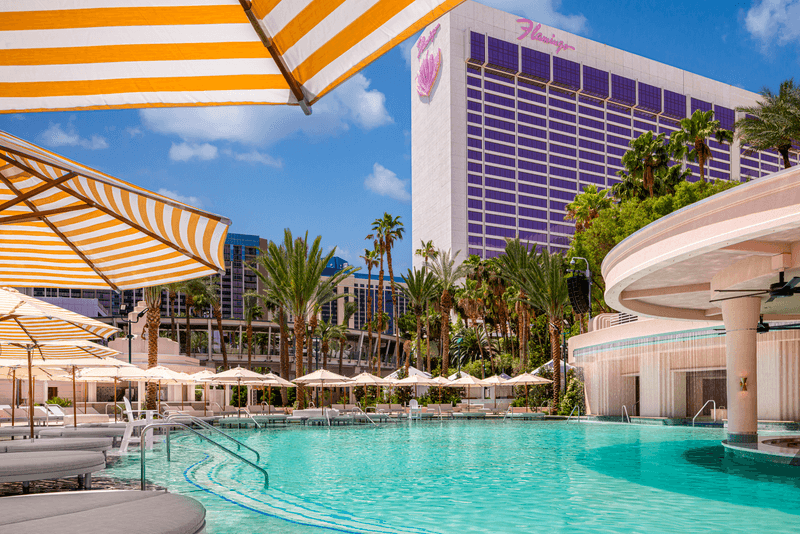
Before Las Vegas became the glittering resort city it is today, it was a dusty desert town with big dreams and mob money. The Flamingo hotel and casino, which opened in 1946, was largely financed and built by Benjamin “Bugsy” Siegel, a notorious figure with ties to organized crime networks across the country.
Siegel poured enormous sums of money into the project, and costs spiraled far beyond original estimates. His mob backers grew suspicious that he was skimming funds.
Just months after the Flamingo opened, Siegel was shot and killed at his girlfriend’s home in Beverly Hills.
The Flamingo survived and eventually thrived, becoming one of the most recognized names on the Las Vegas Strip. A small garden memorial on the property honors Siegel today.
His vision, controversial and costly as it was, helped lay the foundation for the modern Las Vegas entertainment industry.
11. The Mob Museum, Las Vegas, Nevada
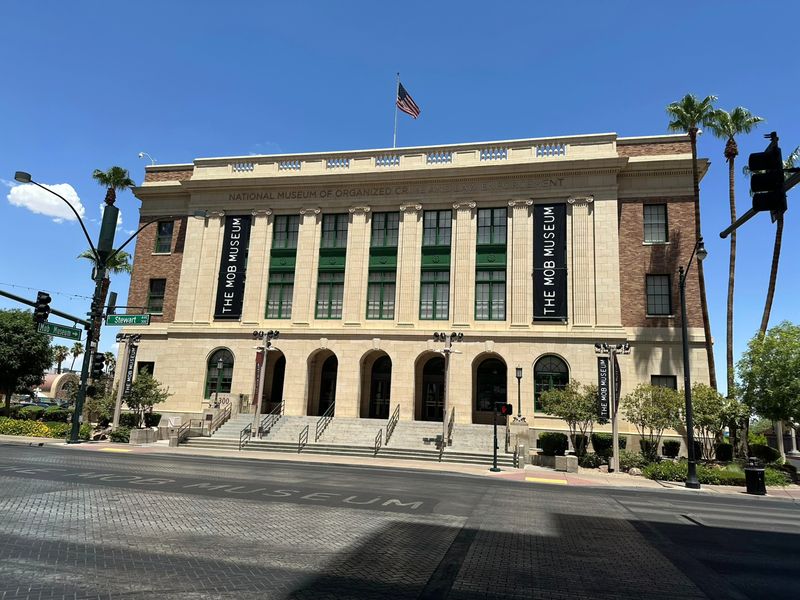
Not every place on this list is a crime scene. The Mob Museum in downtown Las Vegas is a world-class educational institution dedicated to telling the full, complicated story of organized crime in America.
Housed in a historic federal courthouse, the building itself has Mafia history baked right into its walls.
The courthouse was the site of the 1950 Kefauver Committee hearings, one of the first major congressional investigations into organized crime. Testimonies given inside those walls helped shape public understanding of the Mafia’s reach across the United States.
Today, the museum features three floors of exhibits, including actual crime scene artifacts, weapons, and interactive displays. Visitors can learn about famous mobsters, read firsthand accounts, and even experience a simulated execution chamber.
It is one of the most visited attractions in Las Vegas and offers a surprisingly thoughtful and honest look at a dark chapter in American history.
12. Corleone, Sicily, Italy
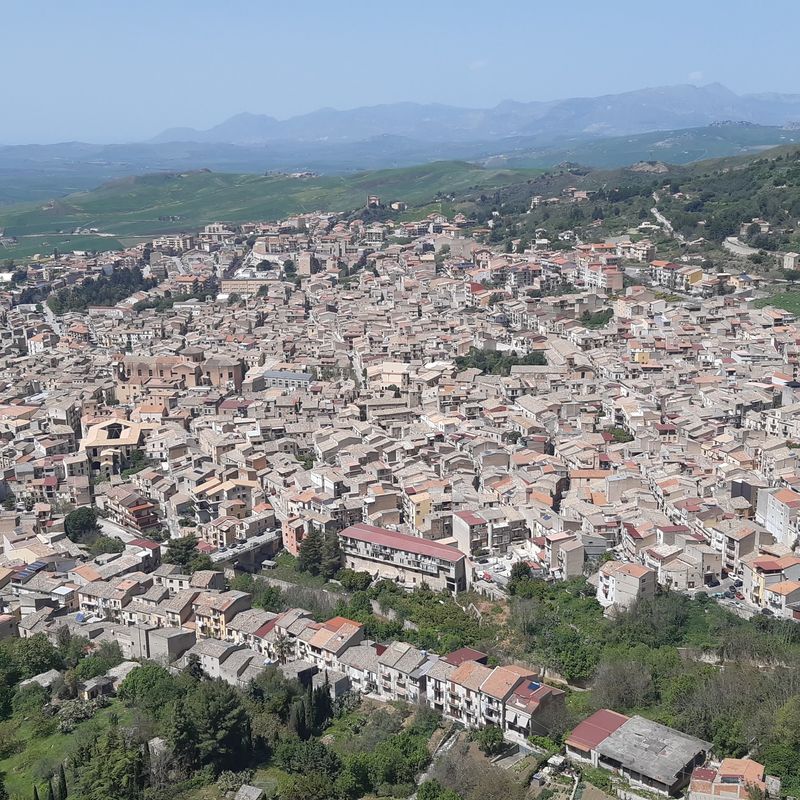
The name Corleone is instantly recognizable to anyone who has seen The Godfather films, but the real town in Sicily is far more complex than any movie portrayal. Corleone is a small hilltop community in the interior of Sicily that became the home base of some of Italy’s most feared Mafia bosses.
Figures like Luciano Leggio, Salvatore Riina, and Bernardo Provenzano all came from Corleone. The Corleonesi clan rose to dominate the Sicilian Mafia, known locally as Cosa Nostra, through extreme violence during the brutal Mafia Wars of the early 1980s.
Their tactics shocked even hardened organized crime observers.
Today, the town is working to reclaim its identity. The local anti-Mafia museum, housed in a former Mafia boss’s home, tells the story of those who resisted.
Corleone is slowly becoming known not just for its dark past, but for the courage of those who stood against it.
13. Via D’Amelio, Palermo, Sicily, Italy
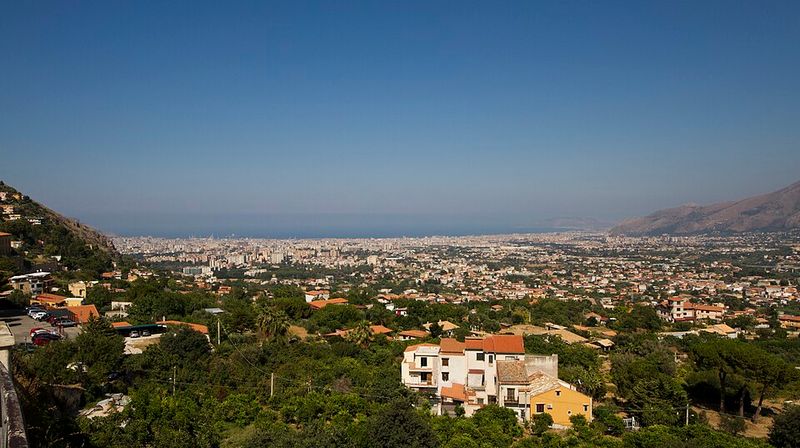
On May 19, 1992, a massive car bomb exploded on a quiet residential street in Palermo called Via D’Amelio. The blast killed Judge Paolo Borsellino, one of Italy’s most respected anti-Mafia prosecutors, along with five members of his police escort.
The attack sent shockwaves across Italy and around the world.
Borsellino and his colleague Judge Giovanni Falcone had dedicated their careers to dismantling the Sicilian Mafia from within the court system. Falcone had been killed just two months earlier in the Capaci highway bombing.
The two murders together represented Cosa Nostra’s most direct assault on the Italian state.
Today, Via D’Amelio is marked with memorials, photographs, and flowers left by visitors who come to pay their respects. The street has become a symbol of resistance against organized crime.
Every year on the anniversary of the bombing, Italians gather there to remember Borsellino and renew their commitment to justice.
14. Capaci Massacre Site, Capaci, Sicily, Italy
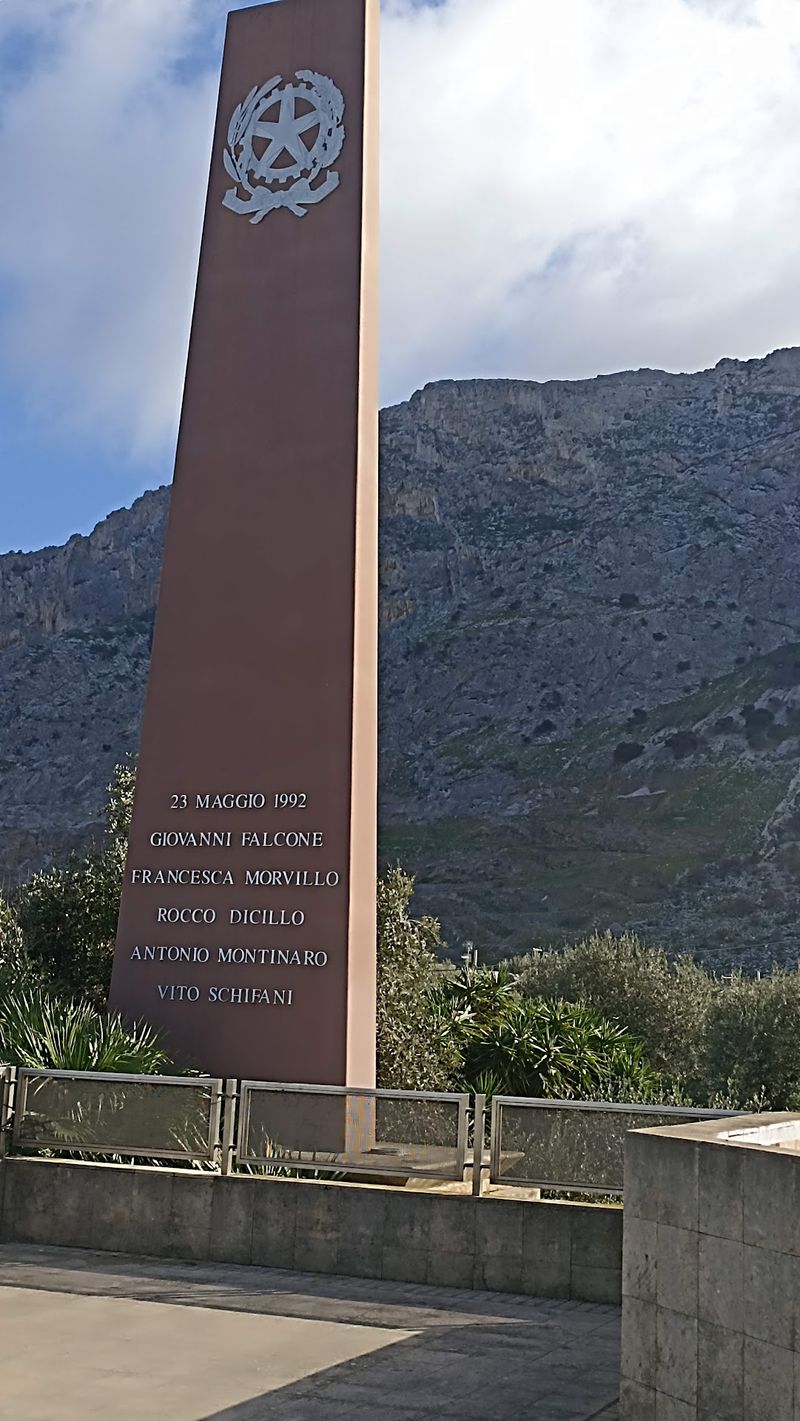
On May 23, 1992, Cosa Nostra carried out one of the most devastating acts of terrorism in Italian history. A massive bomb buried beneath the A29 highway near the town of Capaci was remotely detonated as Judge Giovanni Falcone’s motorcade drove over it.
Falcone, his wife, and three police officers were killed instantly.
Falcone had spent years building landmark cases against the Sicilian Mafia, helping to send hundreds of bosses to prison. His work with Borsellino in the so-called Maxi Trial of the 1980s was a turning point in Italy’s fight against organized crime.
Cosa Nostra viewed him as an existential threat.
The site along the highway has been transformed into a permanent memorial. A tree of remembrance and a series of plaques honor Falcone and the officers who died with him.
The Capaci massacre is now taught in Italian schools as a defining moment in the nation’s struggle against the Mafia.
15. Casa Memoria Felicia e Peppino Impastato, Cinisi, Sicily, Italy
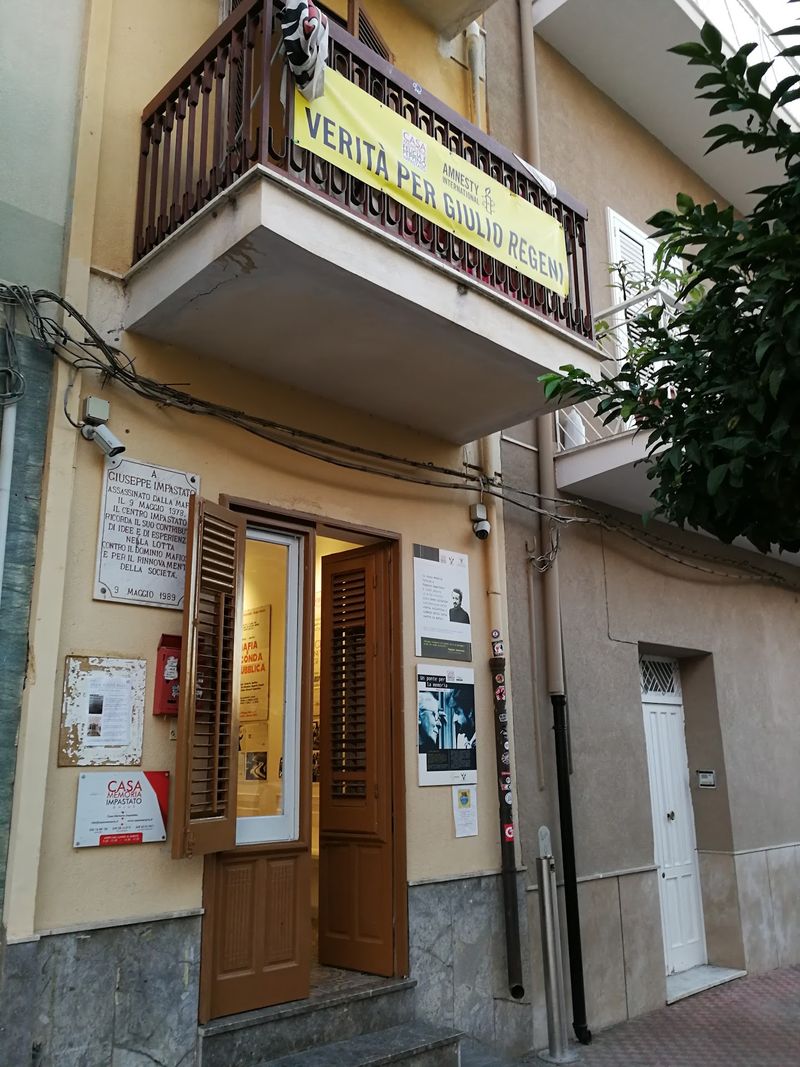
Peppino Impastato was just 30 years old when the Mafia killed him on May 9, 1978, the same night his body was placed on railway tracks to make the murder look like an accident. He had spent years using a local radio station to mock and expose Mafia boss Gaetano Badalamenti by name, something almost unheard of in Sicily at the time.
Born into a family with Mafia connections, Impastato chose a completely different path. He became an activist, journalist, and community organizer who refused to be silenced.
His bravery inspired a generation of anti-Mafia advocates across Italy.
His childhood home in Cinisi has been preserved as a public museum called Casa Memoria. Run by his brother Giovanni and supported by volunteers, the museum keeps Peppino’s story alive through photographs, recordings, and personal belongings.
It stands as a powerful reminder that ordinary people can challenge even the most powerful criminal organizations.
Share this story