Europe is home to some of the most flavorful and beloved foods in the world. From hearty stews to delicate pastries, each country brings something truly special to the table.
Whether you are a seasoned traveler or simply love exploring new flavors at home, these dishes tell the story of a culture through every bite. Here are 15 iconic European dishes worth trying at least once in your lifetime.
1. Paella from Spain
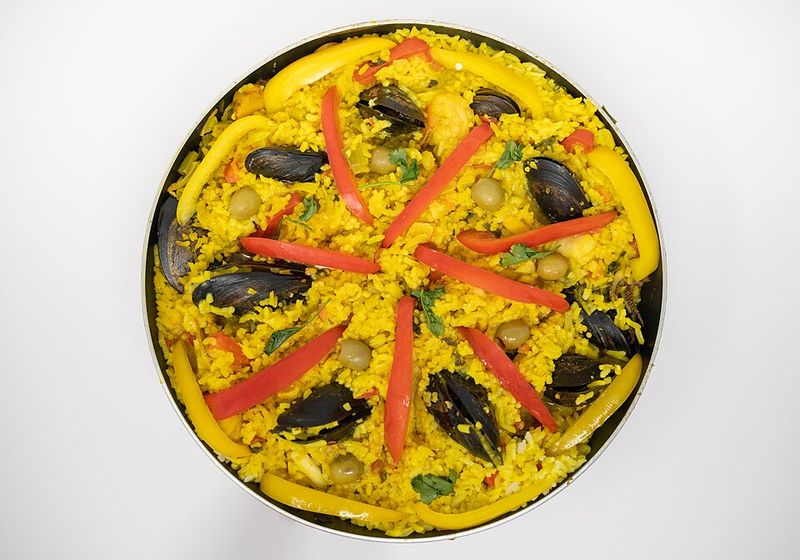
Few dishes capture the spirit of a country quite like paella does for Spain. Born in the Valencia region, this rice-based dish gets its golden color from saffron, one of the most prized spices in the world.
It is typically cooked in a wide, shallow pan over an open fire.
Paella comes in many varieties, from seafood-packed versions loaded with shrimp and mussels to the classic Valencian style made with rabbit and chicken. The crispy rice layer at the bottom, called socarrat, is considered the best part by many locals.
Getting that perfectly toasted layer takes skill and patience.
If you ever visit Spain, ordering paella at a beachside restaurant is an experience you will not forget. Back home, a good paella pan and quality saffron are all you need to start experimenting with this iconic recipe.
2. Pizza Napoletana from Italy
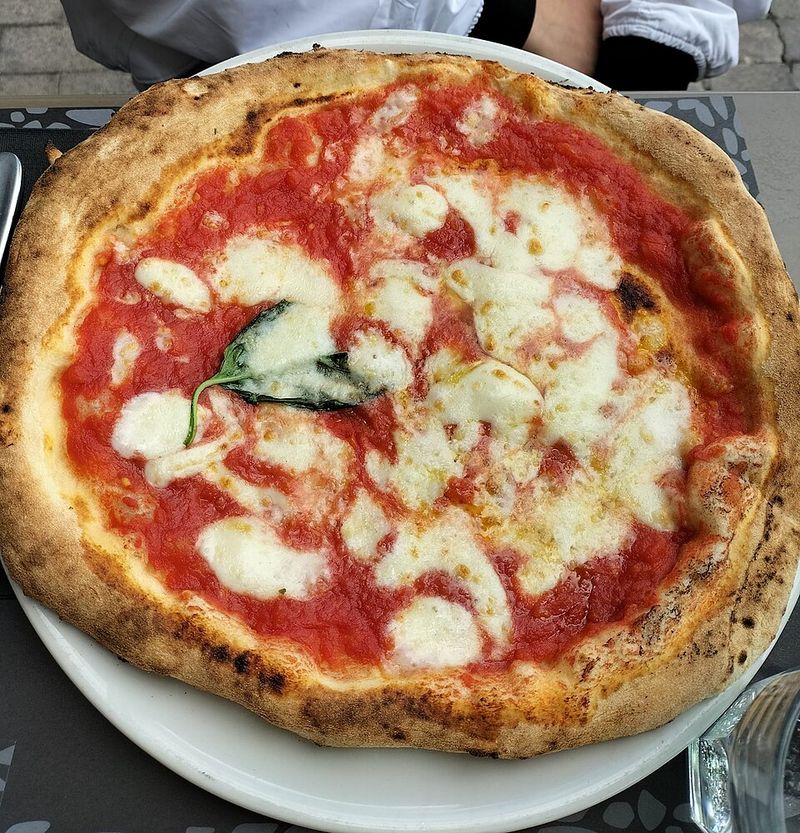
Pizza Napoletana is not just food in Naples, it is a way of life. Recognized by UNESCO as an Intangible Cultural Heritage, this pizza is defined by its soft, chewy dough, simple toppings, and blistered crust cooked in a wood-fired oven at extremely high temperatures.
The classic version, Pizza Margherita, uses only three toppings: San Marzano tomatoes, fresh mozzarella di bufala, and basil. These colors also mirror the Italian flag, which gives the dish a patriotic charm.
The dough must rest for at least eight hours before baking.
What sets this pizza apart from others is its simplicity. Every ingredient is carefully chosen for quality, and nothing is added just for show.
Visiting a traditional pizzeria in Naples and watching the pizzaiolo stretch dough by hand is a memory worth making on any trip to Italy.
3. Beef Bourguignon from France
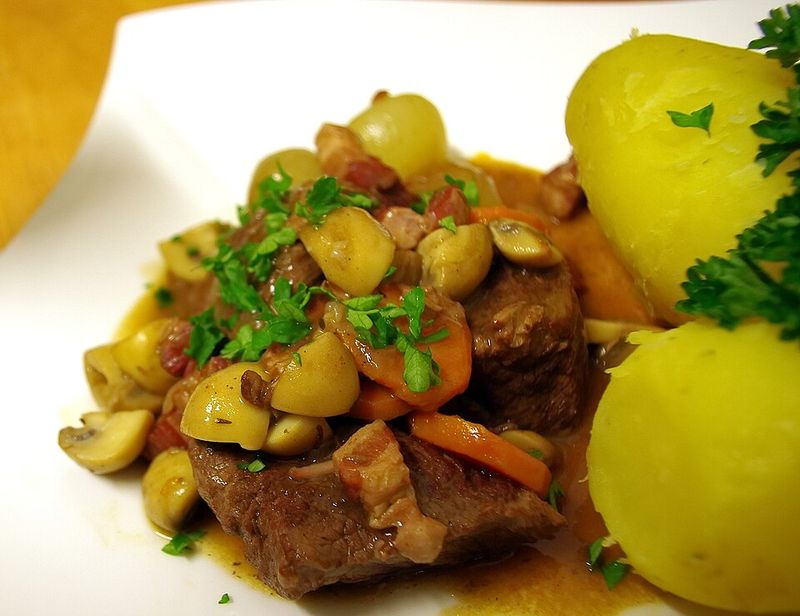
Beef Bourguignon is the kind of dish that makes a cold evening feel instantly warmer. This classic French stew from the Burgundy region braises beef low and slow in red wine, filling the kitchen with an aroma that is almost impossible to resist.
It is comfort food at its finest.
Pearl onions, mushrooms, carrots, and herbs like thyme and bay leaf join the beef in the pot, creating layers of deep, rich flavor over several hours of cooking. The wine used is traditionally a Burgundy red, which gives the sauce its signature bold taste.
Julia Child helped bring this dish to American kitchens in the 1960s, and it has been a dinner party favorite ever since. You do not need to be a trained chef to make it.
With patience and good ingredients, anyone can produce a pot that tastes truly spectacular.
4. Moussaka from Greece
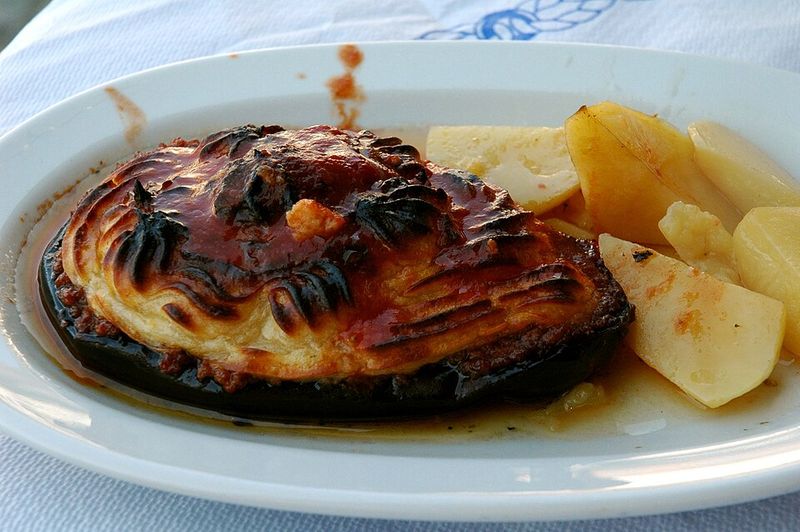
Moussaka is Greece’s answer to the casserole, and once you taste it, you will understand why it has been a staple of Greek cooking for generations. Layers of roasted eggplant, spiced ground meat, and creamy bechamel sauce are baked together until golden and bubbling on top.
The meat filling is typically lamb or beef seasoned with cinnamon, allspice, and tomato, which gives it a warmly spiced flavor that is different from most Western meat dishes. The bechamel on top sets during baking into a smooth, custard-like crust that adds richness to every bite.
Moussaka is best enjoyed fresh from the oven, though many Greeks say it tastes even better the next day after the flavors have had time to settle. It pairs beautifully with a simple green salad and crusty bread.
This dish is a must-order at any authentic Greek taverna.
5. Wiener Schnitzel from Austria
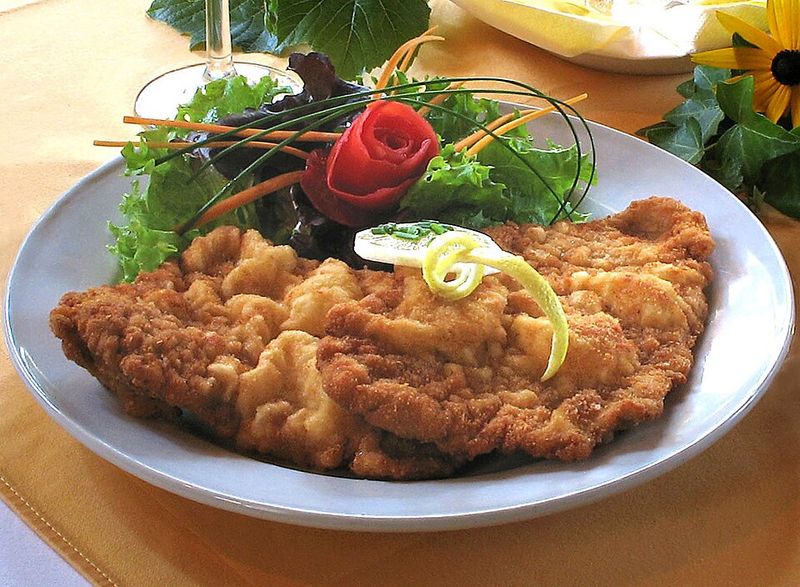
Crispy, golden, and satisfying, Wiener Schnitzel is one of Austria’s most recognized dishes and a source of great national pride. Made from thinly pounded veal coated in breadcrumbs and pan-fried in butter or clarified butter, it is a straightforward dish that relies entirely on technique for its perfection.
By law in Austria, a dish can only be called Wiener Schnitzel if it is made with veal. Versions made with pork are labeled Schnitzel Wiener Art, meaning in the Vienna style.
The difference matters to locals, who take their schnitzel very seriously.
Served traditionally with a wedge of lemon and a side of potato salad or lingonberry jam, this dish is a staple in Viennese restaurants and family kitchens alike. The key is getting the crust light and airy, not dense, which requires the right oil temperature and a gentle hand when frying.
6. Pastel de Nata from Portugal
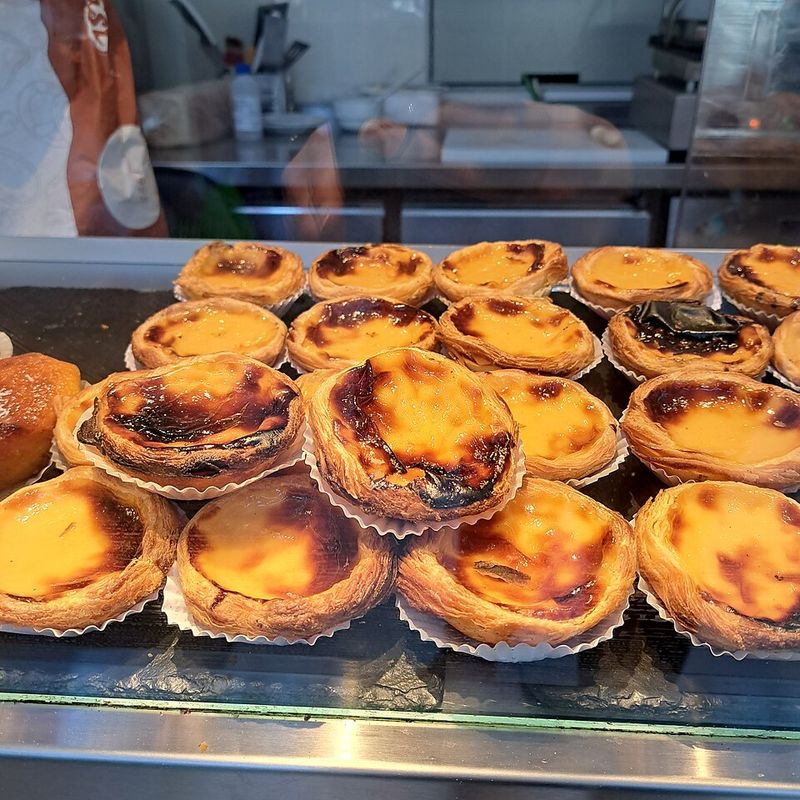
Walk into almost any bakery in Lisbon and the smell of warm Pastel de Nata will stop you in your tracks. These small, flaky egg tarts with a creamy, slightly caramelized custard filling are one of Portugal’s most beloved treats and have earned fans around the entire world.
The original recipe was created by monks at the Jeronimos Monastery in Belem during the early 1800s. The famous Pasteis de Belem bakery, which still operates today, claims to use the original secret recipe and sells thousands of these tarts every single day.
Eating one fresh from the oven, dusted with cinnamon and powdered sugar, is a genuinely unforgettable experience. The contrast between the shatteringly crisp pastry shell and the warm, silky custard inside is hard to beat.
They are best enjoyed with a small cup of strong Portuguese espresso on the side.
7. Goulash (Gulyas) from Hungary
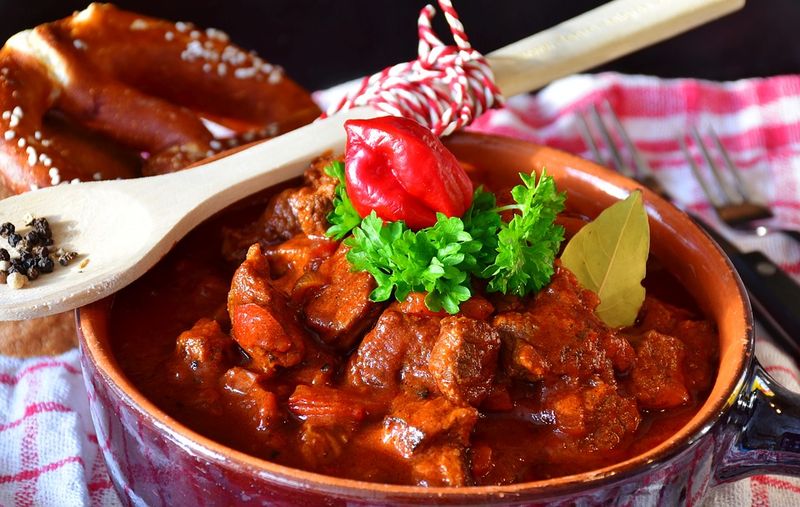
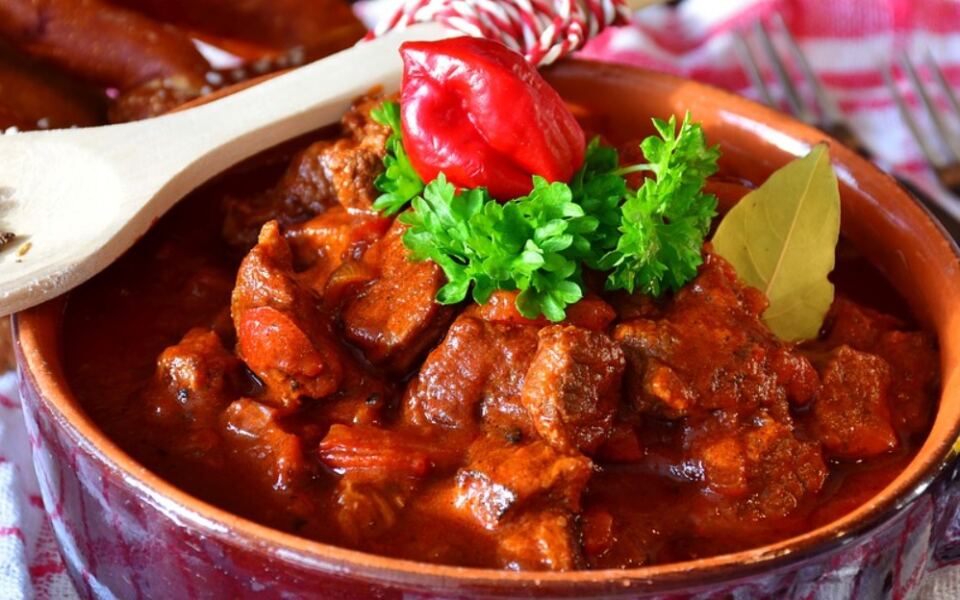
Hungarian goulash is more than just a stew. It is a symbol of national identity that has been warming people up since the 9th century, when Hungarian herdsmen called gulyás cooked meat with onions and paprika over open fires on the plains.
That earthy, paprika-rich flavor is still the heart of the dish today.
Authentic Hungarian goulash is actually closer to a thick soup than the stew version many people know from other countries. It features tender beef, potatoes, carrots, and a generous amount of sweet Hungarian paprika, which gives it that deep red color and slightly smoky taste.
Hungary takes its paprika seriously, and you should too when making this dish at home. Using low-quality paprika will noticeably affect the final flavor.
Goulash is best served with fresh bread for dipping and is especially satisfying during colder months when you need something truly filling and warming.
8. Fish and Chips from the United Kingdom
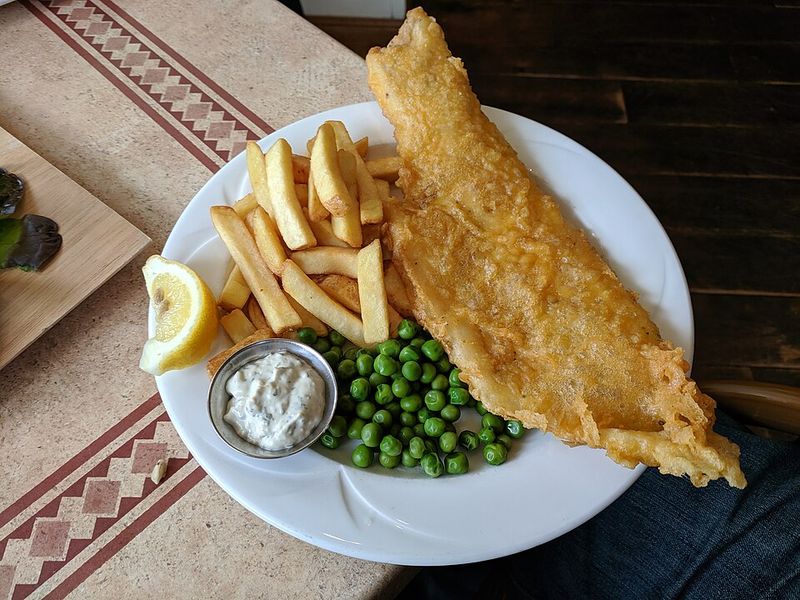
There is something undeniably cheerful about eating fish and chips wrapped in paper on a breezy British seafront. This iconic dish has been a British staple since the 1860s and remains one of the most popular takeaway meals in the United Kingdom today.
It is simple, filling, and deeply satisfying.
The dish consists of white fish, usually cod or haddock, coated in a light, crispy batter and deep-fried alongside thick-cut potato chips. A splash of malt vinegar and a sprinkle of salt are the traditional finishes.
Some regions also serve it with mushy peas or a side of curry sauce.
The best fish and chips come from chippies, which are small, local takeaway shops that have mastered the art of perfectly frying both components at once. If you visit England, skipping a trip to a seaside chippy would be a genuine missed opportunity you might regret.
9. Pierogi from Poland
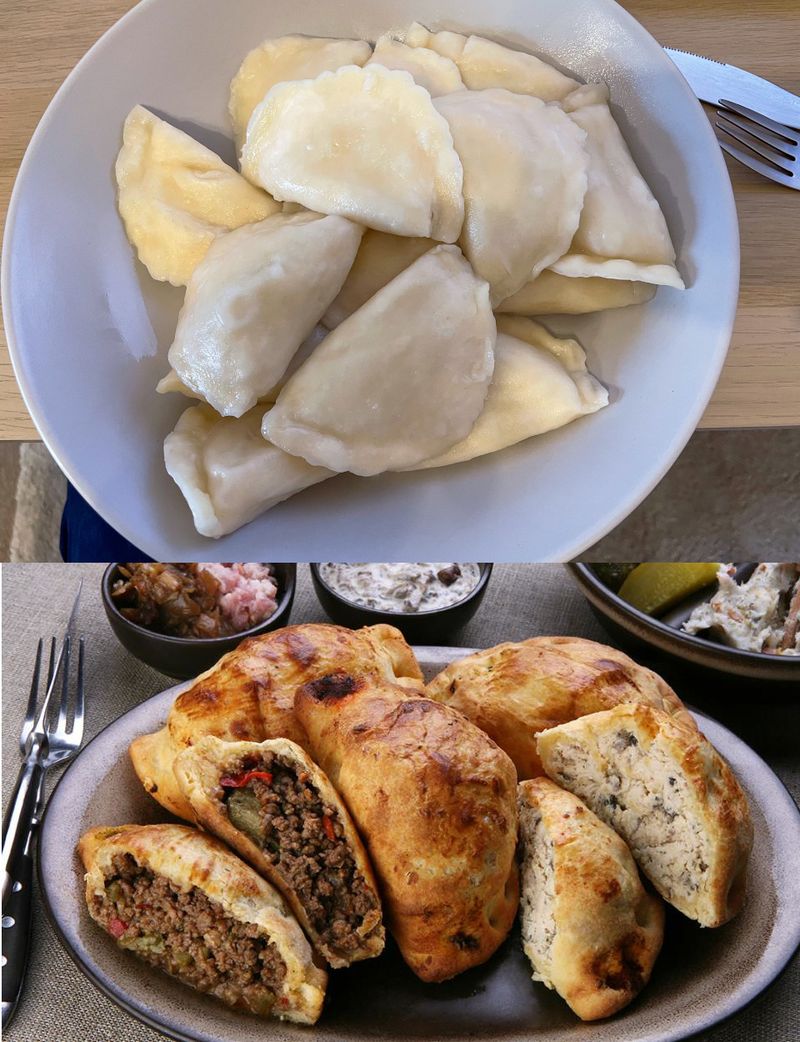
Pierogi are the kind of food that feels like a warm hug on a plate. These soft, stuffed dumplings are one of Poland’s most beloved comfort foods, eaten at family dinners, holiday celebrations, and street food festivals all across the country.
They are simple to make but endlessly customizable.
The most classic filling is a mixture of mashed potato and farmer’s cheese seasoned with onion, but pierogi also come filled with sauerkraut and mushroom, sweet cheese and fruit, or even meat. After being boiled, they are often pan-fried in butter until lightly golden and served with sour cream.
Polish grandmothers, known as babcias, are often credited with making the best pierogi, and recipes are passed down carefully through generations. Many Polish cities now host pierogi festivals celebrating regional varieties.
Trying a freshly made batch is one of the most genuine food experiences Central Europe has to offer.
10. Cevapi from Bosnia and Herzegovina
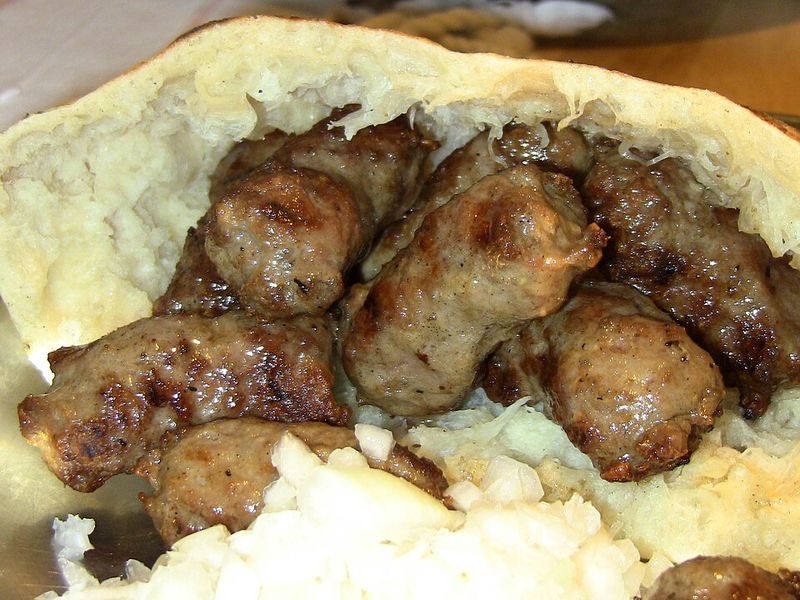
Cevapi might look simple, but one bite explains why this dish has been a beloved part of Balkan food culture for centuries. These small, hand-rolled ground meat sausages are grilled over charcoal until slightly charred on the outside and juicy within, delivering a smoky flavor that is hard to replicate any other way.
Traditionally made from a mix of beef and lamb, cevapi are served tucked inside a soft flatbread called somun, accompanied by raw chopped onions, sour cream called kajmak, and ajvar, a roasted red pepper condiment. Every element of the dish works together perfectly.
Bosnia and Herzegovina, particularly the city of Sarajevo, is considered the spiritual home of cevapi, and locals are passionate about which restaurant makes the best version. The dish is also popular across Serbia, Croatia, and North Macedonia.
Trying cevapi fresh off a charcoal grill is a genuinely unforgettable Balkan street food experience.
11. Moules-Frites from Belgium
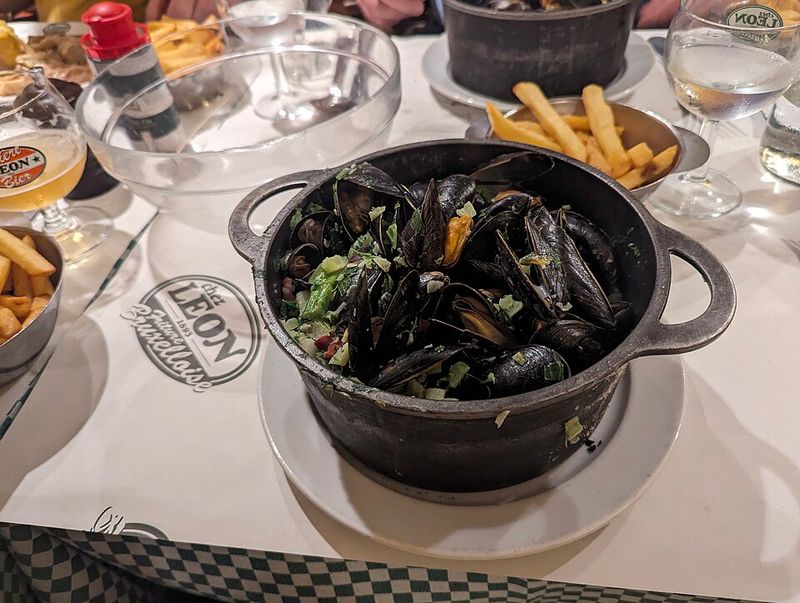
Belgium may be small, but its food culture punches well above its weight, and moules-frites is the dish that proves it. Steamed mussels paired with crispy Belgian fries sounds straightforward, yet the combination is so satisfying that it has become one of the most beloved meals in all of Western Europe.
The mussels are typically cooked in a pot with white wine, shallots, garlic, butter, and fresh herbs like parsley until they open up and soak in all those flavors. Belgian fries, fried twice for maximum crunch, are served alongside and used for scooping up the broth at the bottom of the pot.
Belgians are fiercely proud of their fries and insist they, not the French, invented them. Whether or not that debate is settled, the fries here are genuinely exceptional.
Enjoying moules-frites at a brasserie in Brussels or Bruges is a relaxed, joyful, and thoroughly delicious way to spend an afternoon.
12. Rosti from Switzerland
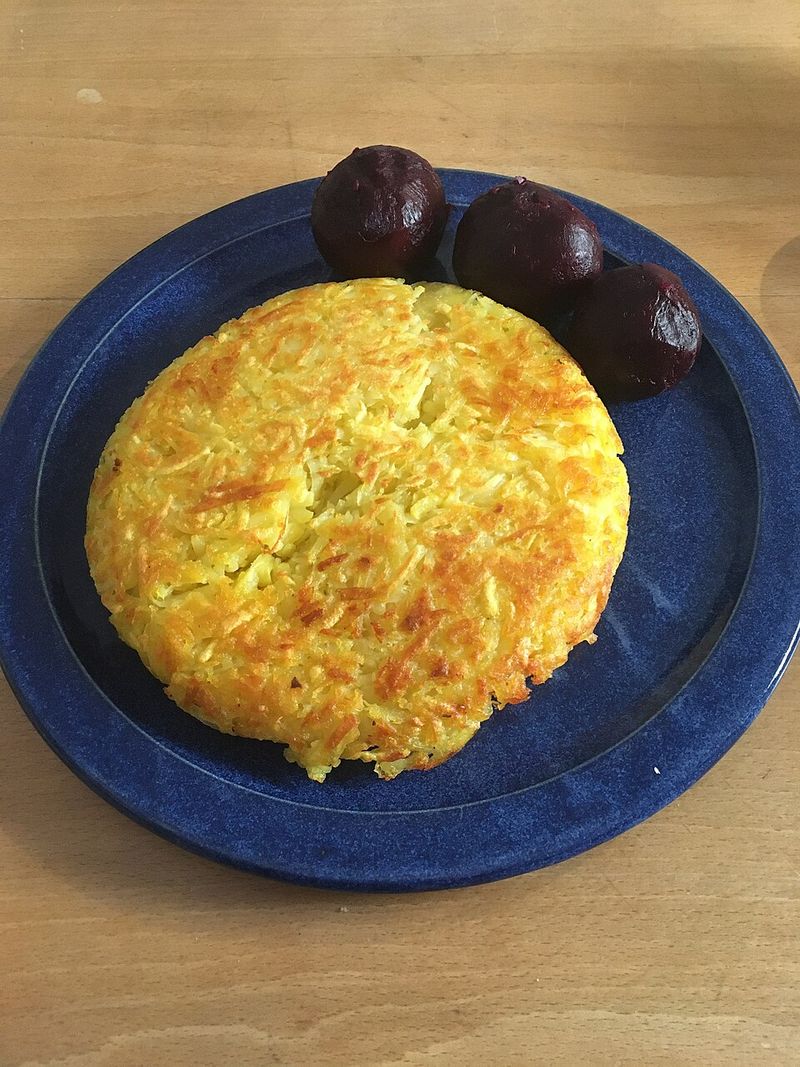
Rosti started out as a simple farmer’s breakfast in the canton of Bern, where Swiss farmers needed something filling and easy to prepare before long days of work in the fields. Today it has evolved into one of Switzerland’s most recognized dishes, eaten at any time of day and celebrated across the country.
At its core, rosti is a thick, pan-fried potato cake made from grated raw or parboiled potatoes cooked in butter until deeply golden and crispy on both sides. Some versions include additions like bacon, cheese, or onion, though purists argue that potatoes and butter are all you truly need.
The linguistic border in Switzerland, known as the Roestigraben, is actually named after this dish because it historically divided the German-speaking region where rosti is popular from the French-speaking part. Few foods can claim to have inspired a cultural boundary.
Served with applesauce or a fried egg, rosti is hearty, honest, and completely delicious.
13. Smorrebrod from Denmark
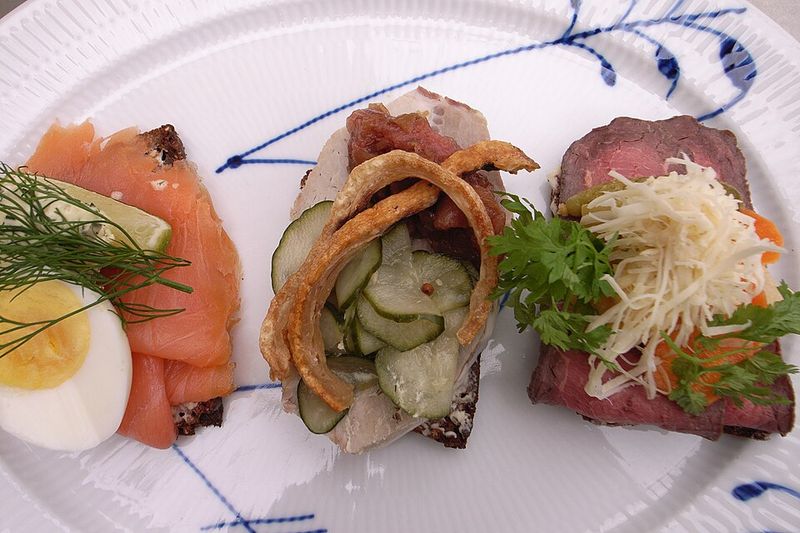
Smorrebrod is proof that a sandwich can be a work of art. These Danish open-faced sandwiches are built on dense, dark rye bread and topped with carefully arranged combinations of ingredients that are as visually stunning as they are delicious.
In Denmark, lunch without smorrebrod is almost unthinkable.
Toppings range from pickled herring with onion and capers to roast beef with remoulade and crispy onions, or shrimp with mayonnaise and fresh dill. The key is balance: every topping should complement the hearty, slightly sour rye bread beneath it.
The bread is never eaten with your hands; smorrebrod is always a fork-and-knife affair.
Copenhagen has seen a modern smorrebrod renaissance, with chefs reimagining traditional toppings using local and seasonal ingredients. But classic versions at old-school lunch restaurants called smorrebrods-forretninger remain deeply popular.
Trying a proper smorrebrod spread in Denmark is a cultural and culinary experience all in one sitting.
14. Irish Stew from Ireland
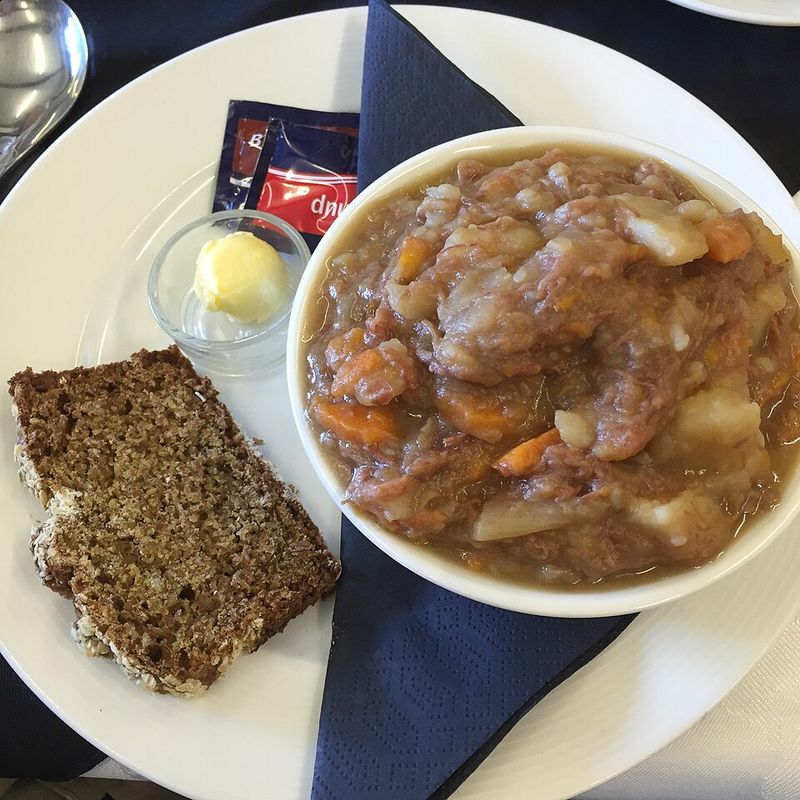
Irish stew is the kind of dish that has kept people warm and well-fed for centuries along the windswept coasts and green hills of Ireland. Made with just a handful of humble ingredients, it is a testament to how good simple cooking can be when done with care and quality produce.
The traditional version uses mutton or lamb as the base, cooked slowly with potatoes, onions, and carrots in a light broth seasoned with thyme and parsley. Potatoes are the backbone of the dish, thickening the stew naturally as they break down during the long cooking process.
Every Irish family has its own version, and debates about whether to add Guinness or barley are taken quite seriously. Served with thick slices of brown soda bread for soaking up the broth, Irish stew is the ultimate cold-weather meal.
Eating it in a cozy pub in Galway or Dublin feels like a genuine taste of Irish soul.
15. Kottbullar (Swedish Meatballs) from Sweden
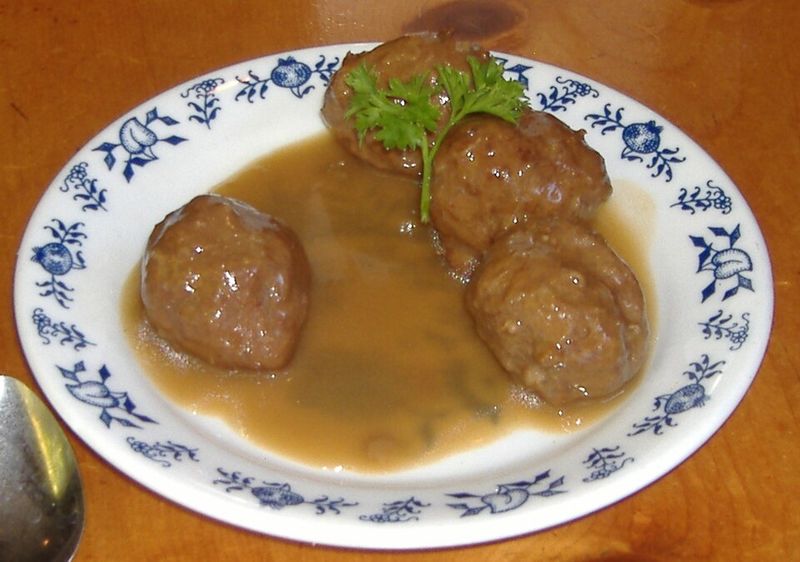
Swedish meatballs, known as kottbullar, are small but mighty. These tender, pan-fried meatballs made from a mix of beef and pork are seasoned with allspice and nutmeg, giving them a subtly warm, aromatic flavor that sets them apart from the meatballs found in other cuisines around the world.
They are traditionally served with a creamy brown pan gravy, fluffy mashed potatoes, tangy lingonberry jam, and pickled cucumber slices. The combination of savory, creamy, sweet, and acidic flavors on one plate is surprisingly well-balanced and genuinely satisfying.
It is a meal designed for long, dark Nordic winters.
Interestingly, Sweden’s King Charles XII is said to have brought a version of this recipe back from Turkey in the early 1700s, making kottbullar’s origins more international than many people expect. Whether at a Swedish home, a classic husmanskost restaurant, or even a certain famous furniture store cafeteria, these meatballs are always worth ordering.
Share this story