Most travel lists point you toward the same European capitals over and over again. Paris, Rome, Barcelona, Amsterdam.
They are beautiful, yes, but they are also crowded and expensive in ways that can drain a trip before it even gets interesting. What if the best experiences on this continent are sitting quietly in cities that most travelers fly right past?
This list covers 15 European cities that genuinely surprised me, not just because they were affordable, but because they still had room to breathe. You could walk a cobbled street without bumping into a tour group.
You could sit at a café without paying tourist-zone prices. Some of these places are rising fast in popularity, so the window may not stay open forever.
If any of these cities have been on your radar, this might be the nudge you needed to actually book the trip.
Sarajevo, Bosnia and Herzegovina
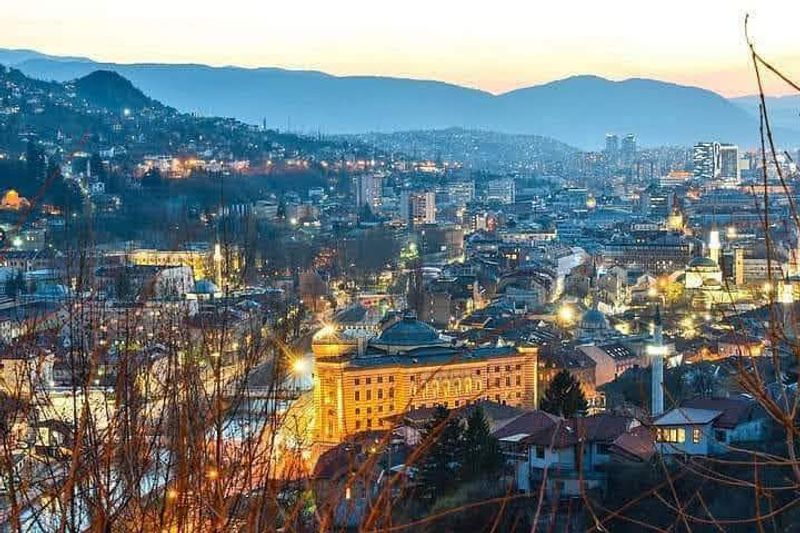
Sarajevo might be the city that surprised me most out of anywhere on this list. The historic center packs Ottoman-era Baščaršija, Austro-Hungarian architecture, mosques, Orthodox churches, and sites connected to the 1990s war into a remarkably compact, walkable area.
The 2026 Post Office City Costs Barometer placed Sarajevo at the top of its value comparison, with a basket of city-break expenses totaling around £248. Time Out reported an average one-bedroom Airbnb at roughly €40, which is genuinely low by any European standard.
Much of the city can be explored entirely on foot, which keeps daily costs even lower.
Sarajevo does get busy during the Sarajevo Film Festival and summer weekends. Wander beyond the heart of Baščaršija, though, and the atmosphere shifts quickly into something quieter and more residential.
That contrast between lively center and calm surroundings is one of the things that makes this city so easy to appreciate.
Tirana, Albania
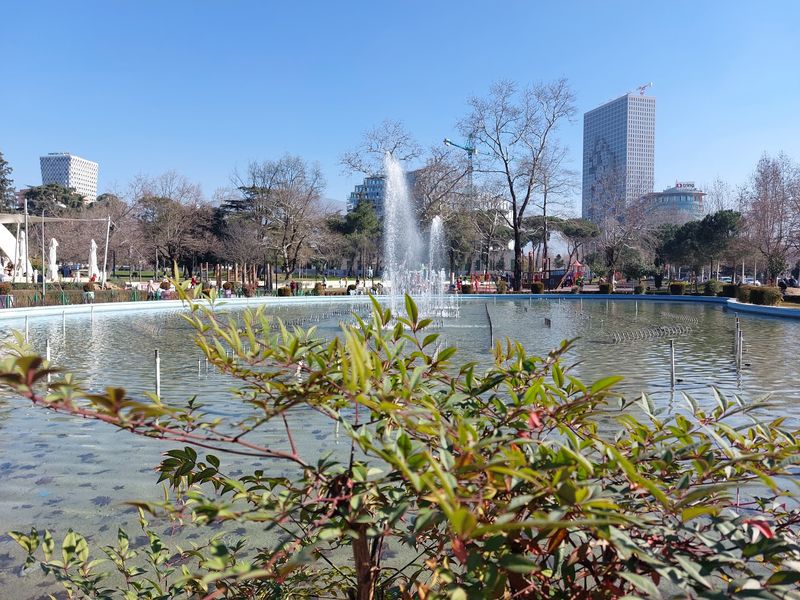
Tirana has transformed dramatically over the past two decades, yet it still delivers real value compared with Western European capitals. Skanderbeg Square anchors the city center, while the Blloku neighborhood offers restaurants, cafés, and a lively street scene that feels genuinely local rather than staged for visitors.
Time Out’s 2026 budget guide put the average one-bedroom Airbnb at about €52.50, with an average coffee and pint sitting well below what you would pay in most EU capitals. Bunk’Art, the museum built inside a massive communist-era bunker, tells Albania’s political history in a way that is both sobering and fascinating.
Tourism in Albania is rising quickly, so Tirana is no longer flying completely under the radar. Even so, the city often feels refreshingly oriented toward its own residents.
The historic core has not been fully handed over to visitor infrastructure, and that distinction is something you notice almost immediately after arriving.
Bucharest, Romania
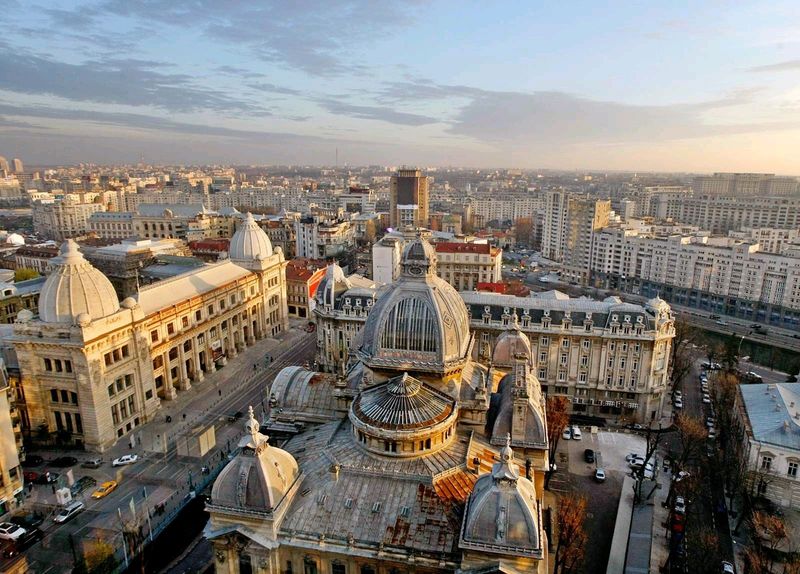
Bucharest is not conventionally pretty on every block, and that might be part of why it remains such strong value. Belle Époque buildings sit beside communist-era apartment blocks, Orthodox churches, and wide boulevards that give the city a scale and energy unlike anywhere else in Eastern Europe.
The 2026 Post Office comparison placed Bucharest second among Europe’s lowest-cost city breaks. Time Out reported one-bedroom Airbnb prices around €60 and an average pint of roughly €2.50.
For travelers used to paying London or Amsterdam prices, the amount of food, culture, and nightlife available for the money can feel almost disorienting.
Old Town becomes lively, especially in the evenings, but Bucharest is an enormous city. Walk several streets away from the tourist core and the organized-tour atmosphere disappears entirely.
That makes it easy to find pockets of the city that feel genuinely lived-in and interesting without any performance attached to them.
Plovdiv, Bulgaria
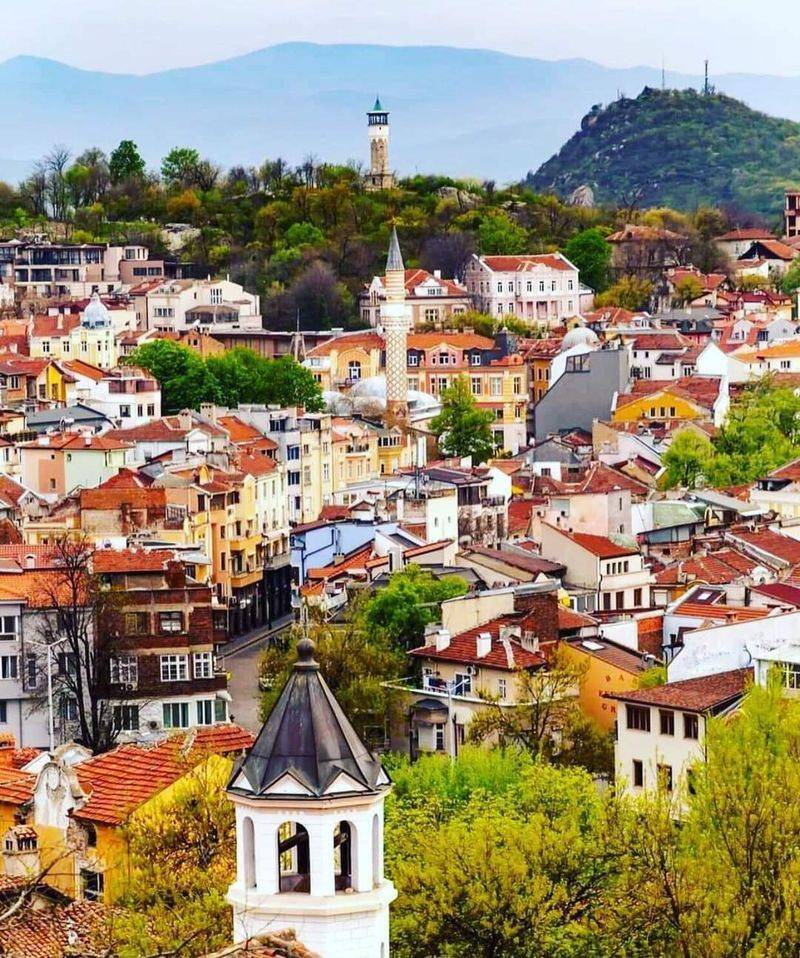
Plovdiv looks like somewhere that should be overwhelmed with visitors. Cobbled lanes, brightly painted Bulgarian Revival houses, a well-preserved Roman amphitheater, Roman ruins, galleries, and the creative Kapana district all sit within a compact and highly walkable area.
The visual quality of this city is genuinely hard to overstate.
Yet Plovdiv still feels far more relaxed than comparable historic destinations across Central Europe. Recent travel research places its costs substantially below those of major Western and Central European cities, and visitor numbers, while growing, have not yet reached the levels that transform a charming city into a crowded theme park.
Kapana, the creative district below the Old Town, gives the city cafés, studios, and a lively independent scene without making the overall atmosphere feel chaotic. Visitor numbers are increasing, and Plovdiv may not remain this manageable forever.
Catching it now, before the crowds fully arrive, feels like genuinely good timing.
Kaunas, Lithuania
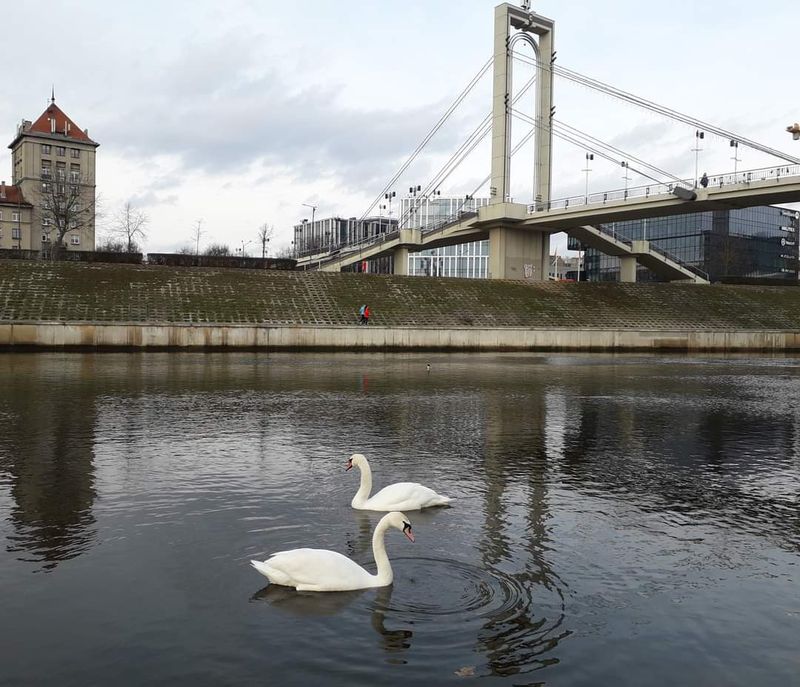
Vilnius collects most of Lithuania’s international attention, which leaves Kaunas sitting in a surprisingly spacious position for travelers willing to look past the more obvious choice. The city offers a walkable center, a strong collection of interwar modernist architecture, older neighborhoods, museums, cafés, and a substantial student population that keeps things lively.
Time Out specifically described Kaunas as both relatively affordable and relatively free from tourist congestion in its 2026 European budget guide, estimating an average one-bedroom Airbnb at about €70. That combination of cost and breathing room is harder to find in European cities than most people expect.
Kaunas is not empty in any dull sense. There are festivals, active nightlife, solid restaurants, and cultural events running throughout the year.
What it lacks is the constant queue culture and organized-tour congestion that defines Europe’s most visited destinations. For a slow weekend of architecture, coffee, and unhurried wandering, that difference is noticeable and genuinely refreshing.
Riga, Latvia
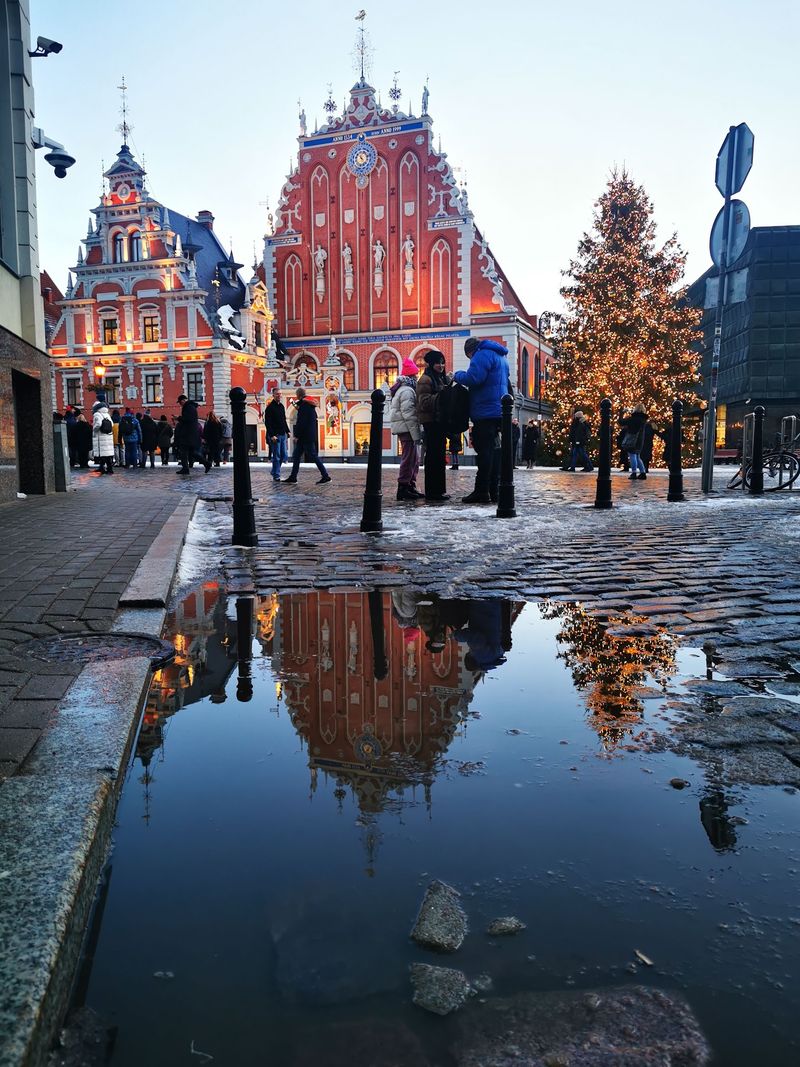
Riga carries the architectural drama of a major European capital without always operating like one of Europe’s big tourist machines. The UNESCO-recognized Old Town and the remarkable Art Nouveau district together give the city two completely different visual identities, both worth spending serious time exploring.
The official tourism organization highlights museums, nightlife, restaurants, and an active event calendar alongside those architectural draws. Riga also ranked among the better-value destinations in the 2026 Post Office City Costs Barometer, while Time Out estimated a one-bedroom Airbnb at roughly €65.
The Old Town does get busy during summer weekends, particularly around the main market square and cathedral. Walk toward the Art Nouveau district or into residential neighborhoods beyond the tourist zone, though, and you often find impressive building after impressive building without the shoulder-to-shoulder crowds.
That contrast between busy center and calm surroundings makes Riga easy to enjoy at your own pace.
Vilnius, Lithuania
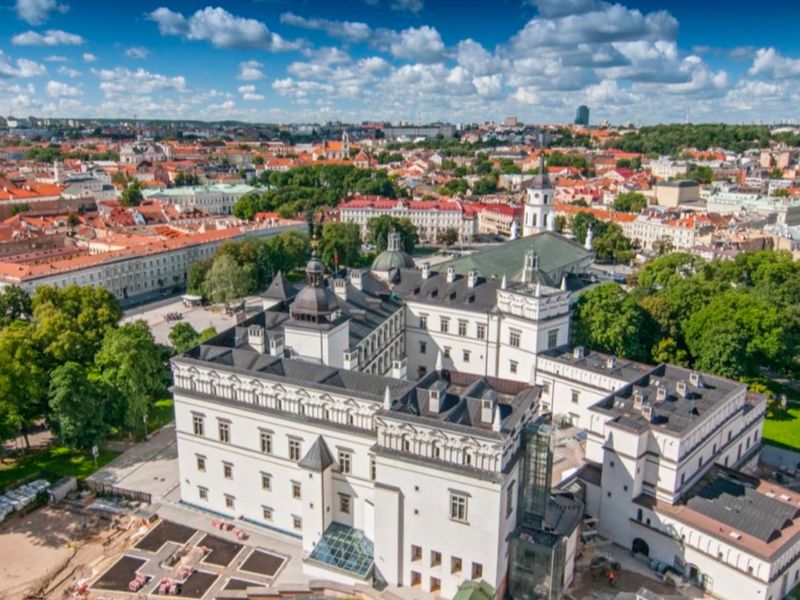
Vilnius feels like it somehow missed the memo that beautiful European old towns are supposed to come with painful price tags. Its UNESCO-listed historic center contains more than 1,500 historic buildings, according to the city’s tourism organization, covering an area large enough that even summer visitor numbers rarely create the density seen in Prague or Amsterdam.
Areas like Užupis add galleries, street art, cafés, and a more alternative atmosphere that gives the city a creative layer beyond the baroque churches and medieval lanes. Vilnius also appears among the best-value cities in the 2026 Post Office comparison, with accommodation, food, and transport costs consistently below major Western European destinations.
Summer brings visitors, of course, but there is still room to stop in a courtyard or wander a side street without joining a queue. That quality, finding genuine quiet in a genuinely beautiful historic center, is something Vilnius offers that very few European cities at this level can still match.
Podgorica, Montenegro
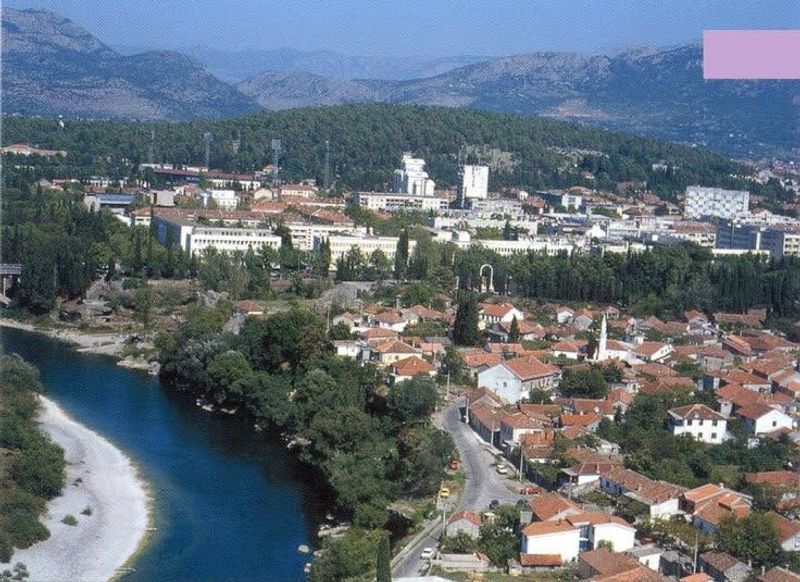
Most travelers arriving in Montenegro head straight for Kotor, Budva, or the Adriatic coast, which makes Podgorica one of the more overlooked capitals in the entire region. That oversight works in favor of anyone willing to spend a day or two there instead of rushing through.
The city has cafés, restaurants, parks, two rivers, museums, nightlife, and a location that puts both the coast and the mountains within easy reach. Montenegro’s tourism organization confirms that the Adriatic coast sits roughly 50 kilometers away and notes an active calendar of cultural and food events throughout the year.
The 2026 Post Office barometer also included Podgorica among Europe’s lower-cost city-break destinations.
There are no world-famous landmarks demanding your attention here, and that is actually part of the appeal. Podgorica functions as a real, working capital city rather than a curated visitor experience.
For travelers who enjoy seeing how a city actually operates day to day, that kind of authenticity is genuinely satisfying.
Sofia, Bulgaria
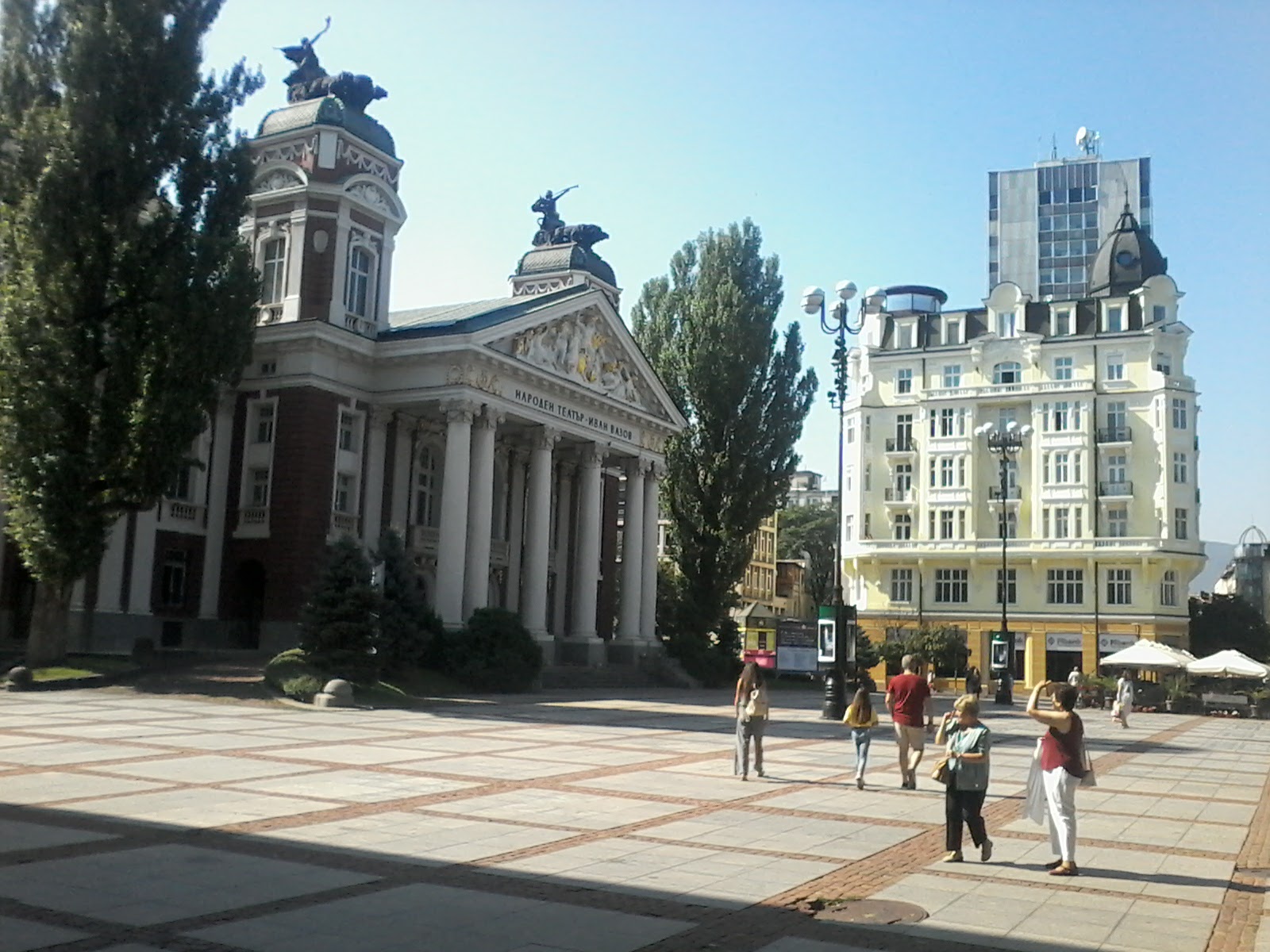
Sofia combines Roman ruins, Orthodox churches, broad communist-era boulevards, and the enormous Alexander Nevsky Cathedral with a surprisingly affordable price structure for a capital city. Time Out’s 2026 guide estimated an average one-bedroom Airbnb at €65 and a pint at around €2.20, which keeps daily costs manageable even for budget-conscious travelers.
The city’s official tourism service lists dozens of museums, archaeological sites, churches, galleries, and parks. Vitosha Mountain rises directly behind the city and gives visitors an easy half-day escape into nature without needing to travel far.
That combination of urban culture and accessible outdoors is something Sofia handles particularly well.
Sofia is a busy capital with more than a million residents, but that is a very different kind of busy from being overrun by tour groups. Around many historic sites, especially outside midsummer peak weeks, the atmosphere can feel surprisingly calm.
The city has real character and rewards travelers who slow down enough to notice it.
Miskolc, Hungary
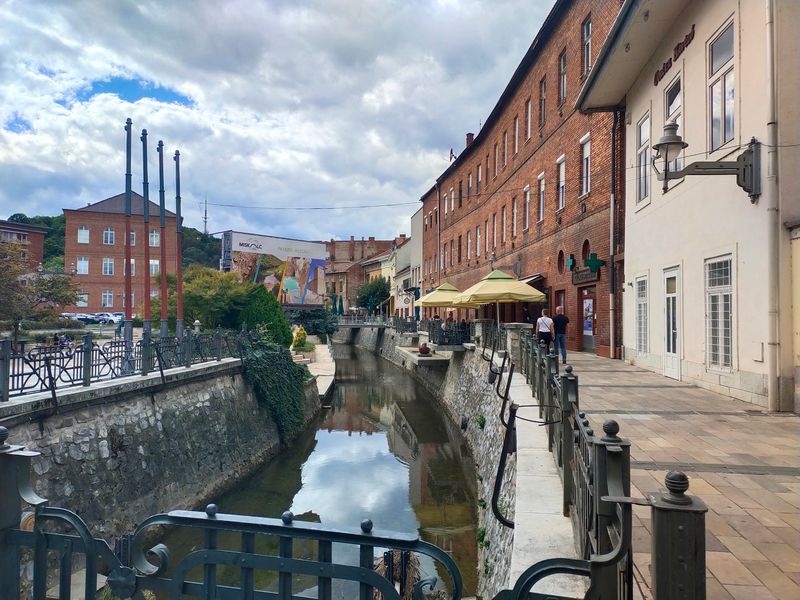
Budapest absorbs nearly all of Hungary’s international tourism attention, which is exactly why Miskolc caught me completely off guard. This northern Hungarian city has an urban center with cafés, restaurants, local markets, and a street life oriented almost entirely toward residents rather than visitors passing through on a tour itinerary.
Time Out included Miskolc among Europe’s more affordable destinations for 2026, estimating one-bedroom Airbnb accommodation around €55 and an average pint at roughly €1.60. The guide also notes the city’s connections to Lillafüred and a thermal-bathing scene that gives visitors options beyond the city center itself.
You will not find Budapest-style landmark congestion here. The appeal lies in inexpensive restaurants, surrounding countryside, access to the Bükk region, and the simple experience of visiting a part of Hungary that most international tourists never reach.
If you have already done Budapest and want to see what the rest of the country actually looks like, Miskolc makes a strong case.
Sibiu, Romania
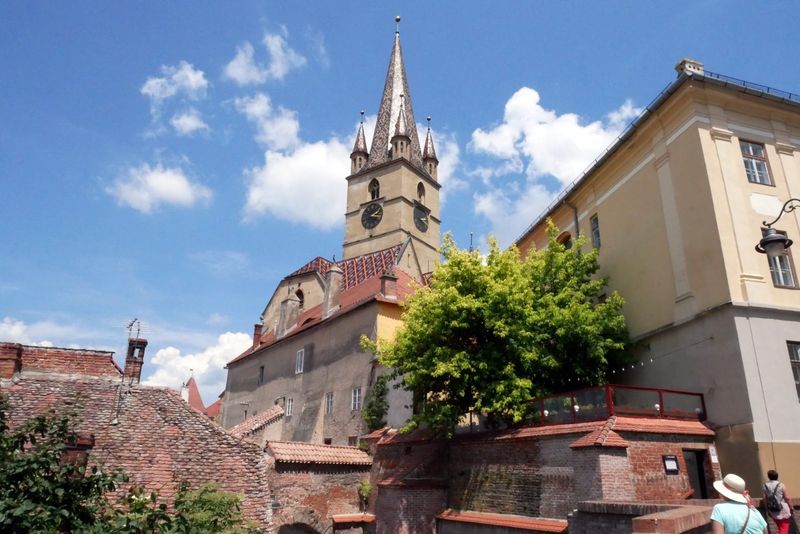
Sibiu might be one of the strongest arguments for skipping Europe’s obvious medieval city destinations. The historic center is built around broad squares, pastel-colored buildings, covered passages, and the famous roof windows locals call the eyes of Sibiu, giving the whole area a visual personality that is hard to find elsewhere.
The Brukenthal National Museum occupies an 18th-century palace right on the main square and holds one of Romania’s most significant art collections. Outside the center, the ASTRA open-air museum preserves traditional buildings gathered from across Romania, covering a large outdoor site that takes several hours to explore properly.
Recent travel research notes that Sibiu maintains lower costs than better-known Central European medieval cities and still receives relatively modest international visitor numbers. The Christmas market brings substantial seasonal crowds, but visit during a quieter shoulder-season week and Sibiu delivers exactly the experience travelers hope to find in cities that are currently far more crowded and expensive.
Trebinje, Bosnia and Herzegovina
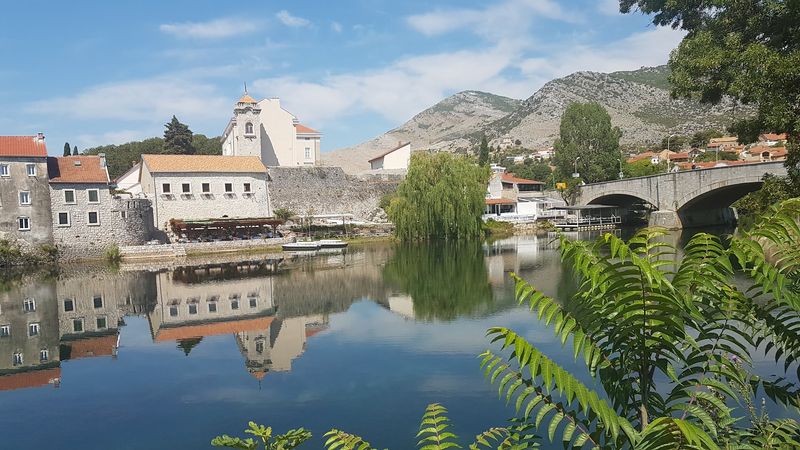
Trebinje is what happens when you combine Mediterranean weather, stone architecture, riverfront café culture, and wine country without the price tag or the visitor volume that comes with Dubrovnik just across the border. The Trebišnjica River runs directly through the town, and the historic core has cafés, stone streets, and Ottoman-era character that make it genuinely pleasant to explore slowly.
Vineyards surrounding the city are closely associated with Herzegovina’s Žilavka grape, and local wine culture gives the area a distinct identity beyond just being a quieter alternative to the Croatian coast nearby. Recent reporting specifically contrasts Trebinje’s affordable guesthouses and meals with the prices found just across the border in Croatia.
Summer evenings bring a lively local buzz around the main square, but that is very different from mass tourism. Dubrovnik lies just a short drive away, which makes Trebinje an easy base for day trips while keeping accommodation and dining costs dramatically lower than anything you would find on the Croatian side.
Veliko Tarnovo, Bulgaria
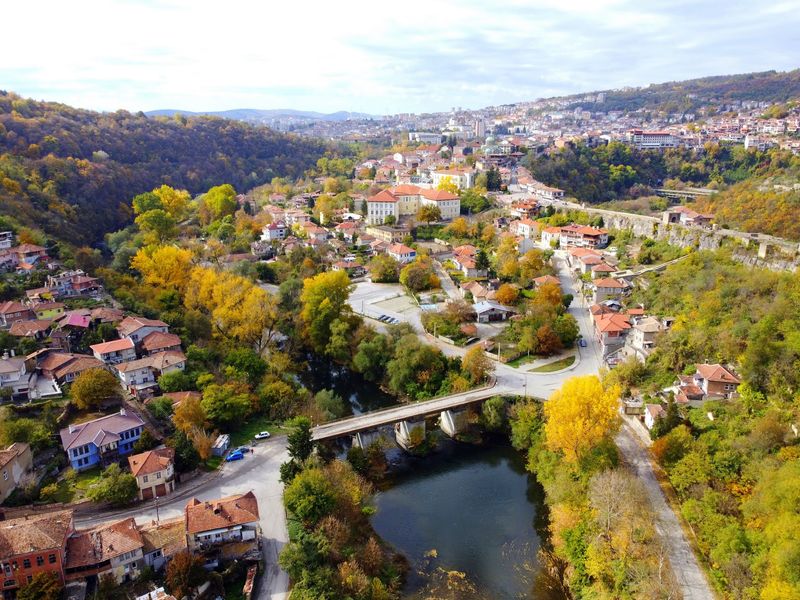
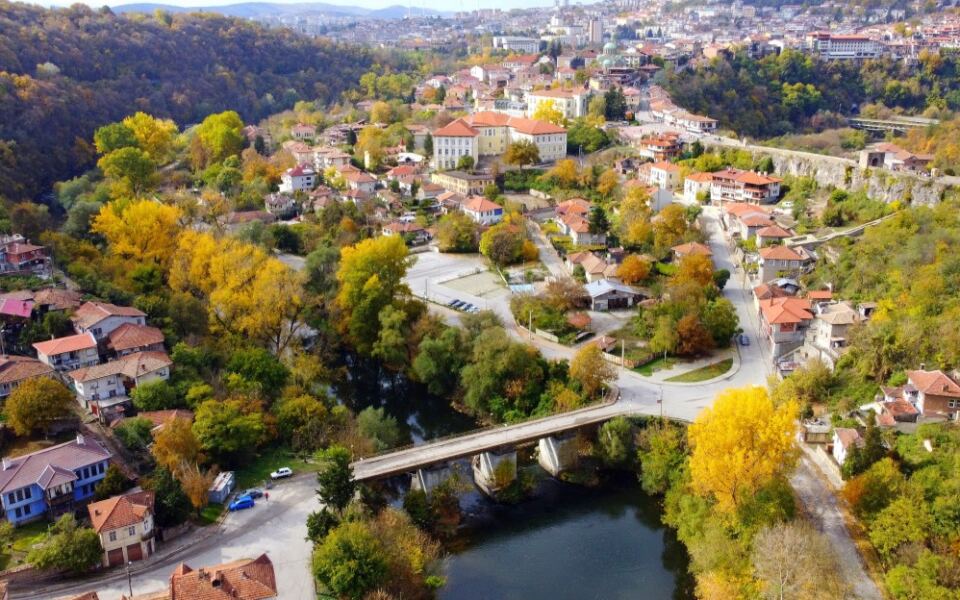
Veliko Tarnovo looks almost too dramatic to remain this affordable. Houses spill down steep hillsides above the Yantra River gorge, and Tsarevets Fortress dominates the skyline from its own hilltop in a way that feels more like a film set than a real Bulgarian city.
The visual impact on arrival is genuinely striking.
The city served as the capital of the Second Bulgarian Empire, and that history remains visible across the fortress complex and the older Samovodska Charshia quarter below. Veliko Tarnovo is also a university city, which keeps cafés and restaurants geared toward students and residents rather than exclusively toward summer visitors.
Recent travel research notes that guesthouses with gorge views can cost considerably less than equivalent scenic accommodation in Central Europe. The fortress draws visitors during summer, but walk through the residential hillside neighborhoods outside peak hours and the city can suddenly feel astonishingly quiet.
That combination of dramatic scenery and everyday calm is genuinely rare in Europe.
Argos, Greece
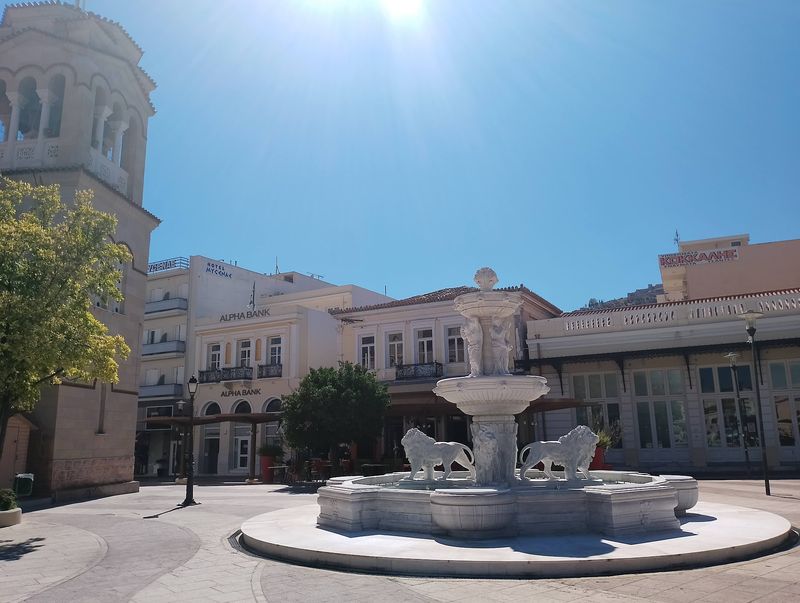
Greece and the word empty rarely appear together in the same travel sentence, especially during summer. Argos is a genuine exception.
Located in the Peloponnese, it is considered one of Europe’s oldest continuously inhabited cities and contains major archaeological remains, including an ancient theater and agora that most visitors to Greece never see.
Time Out’s 2026 affordability guide estimated an average one-bedroom Airbnb at around €50 and described Argos as largely off the main tourist trail. That puts it in a genuinely unusual position: significant Greek history, low prices, and minimal crowds, all in one place.
Argos is not a polished resort destination shaped around visitor expectations. It is an ordinary working Greek city surrounded by extraordinary archaeology, and that combination is exactly what makes it interesting to the right kind of traveler.
For anyone who wants Greek history without automatically joining the crowds of Athens, Santorini, or Mykonos, Argos is worth putting on the map.
Gjirokaster, Albania
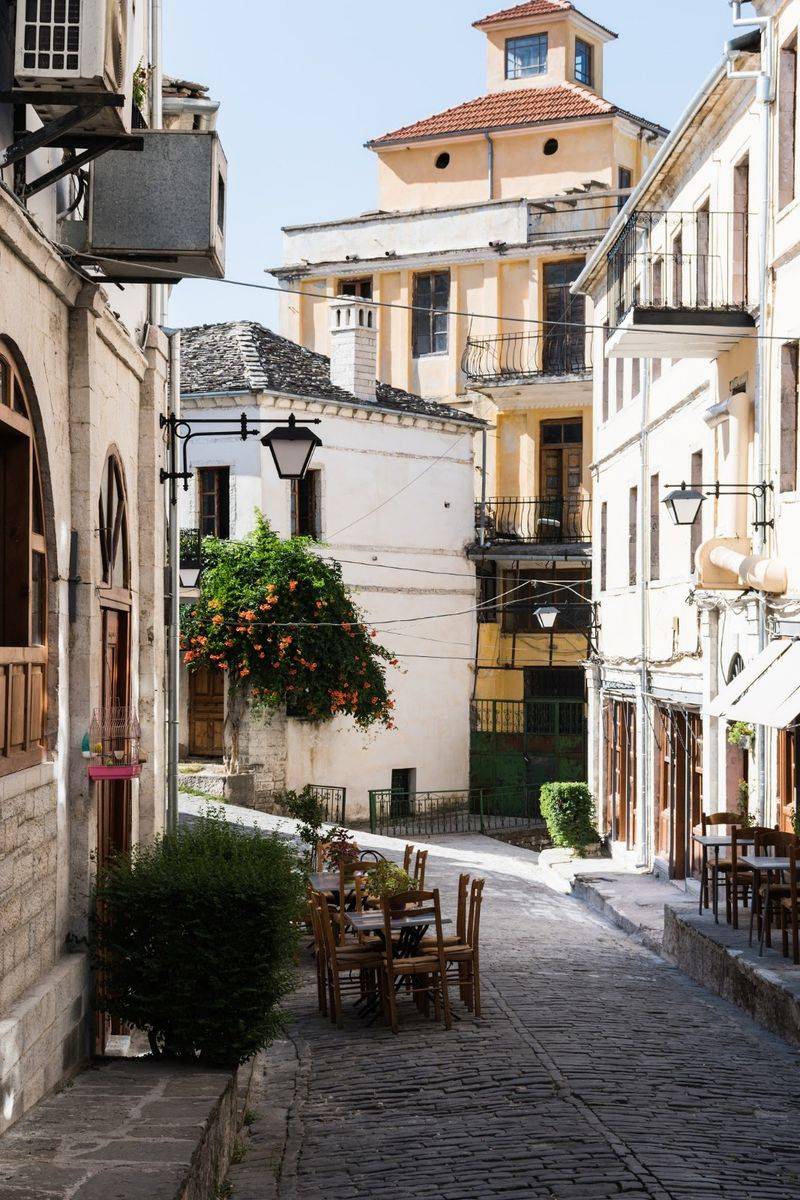
Gjirokastër has become better known in recent years, but it can still feel wonderfully slow once day-trippers make their way back out. The UNESCO-listed historic center climbs a steep hillside beneath Gjirokastër Castle, and the combination of gray stone roofs, cobbled lanes, Ottoman-era architecture, and mountain views gives the city a look unlike almost anywhere else in Europe.
Recent travel research highlights both the comparatively low cost of guesthouses and local restaurants and the fact that the historic center still functions as a genuinely lived-in neighborhood rather than one built entirely around visitor traffic. That is a distinction that matters when you are trying to get a real sense of a place.
Peak summer is increasingly popular, so calling it undiscovered would not be accurate. Spring, autumn, and quieter weekdays tell a different story entirely.
That is when the combination of scenery, layered history, and prices that feel almost impossible for what you are getting makes Gjirokastër one of the most rewarding stops in the Balkans.
Share this story