Windsor Castle has stood for nearly a thousand years, but its walls have never been thick enough to contain the controversies of the royal family living inside them. The House of Windsor has faced forbidden romances, collapsed marriages, intercepted phone calls, explosive tell-all interviews, and financial arguments that played out in full public view.
Some episodes faded from memory within months, while others permanently shifted how ordinary people thought about the monarchy. What follows is a look at 15 moments when the carefully managed world of the Windsors cracked open and the public got a very clear view inside.
1. Edward VIII Chose Wallis Simpson Over the Throne
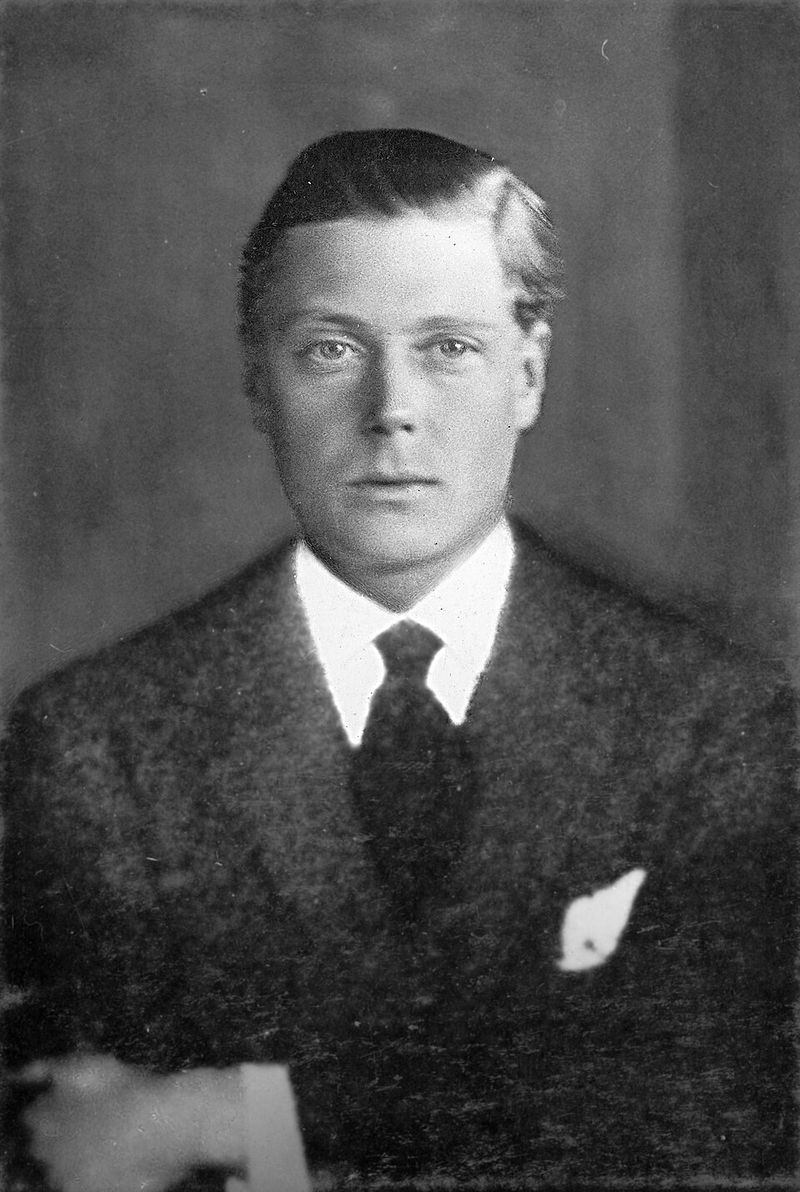
No single decision in modern royal history changed the British succession quite like Edward VIII signing the instrument of abdication on December 10, 1936. He wanted to marry Wallis Simpson, an American woman whose second divorce was still being processed, and his government would not accept the match.
Edward was not just king. He was the Supreme Governor of the Church of England, which made his desire to marry a twice-divorced woman a direct constitutional and religious conflict.
His prime minister, Stanley Baldwin, made clear the marriage could not happen while he remained on the throne.
Edward chose Wallis. He broadcast his decision by radio and walked away from the crown.
His younger brother became George VI, and the entire course of the twentieth-century monarchy shifted because of one man’s personal choice.
2. The Duke of Windsor Met Adolf Hitler
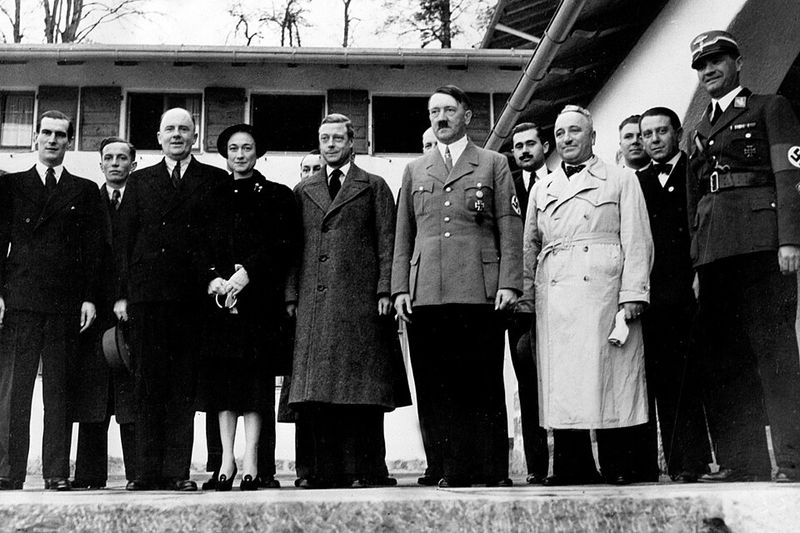
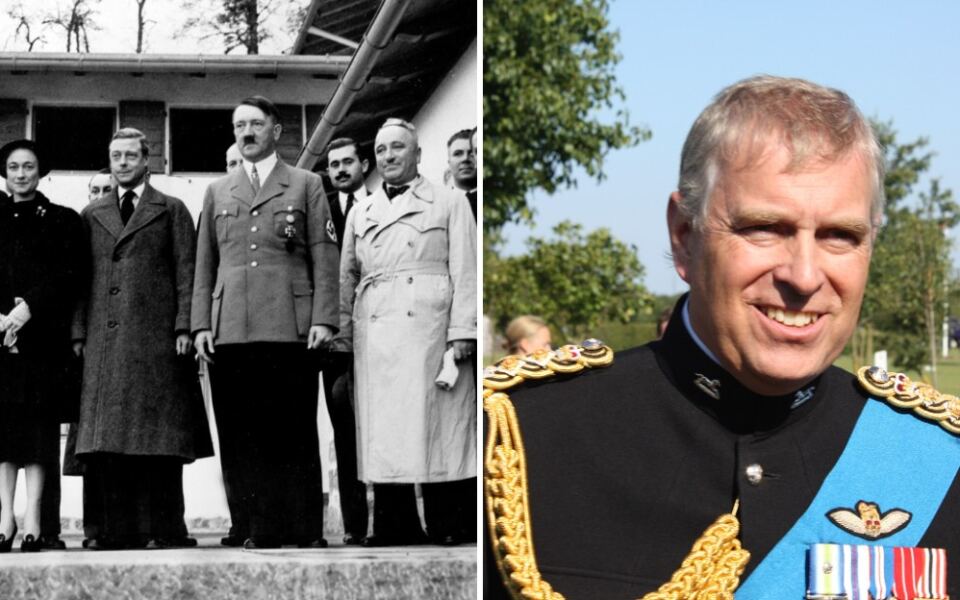
Edward’s abdication removed him from the throne but did not remove him from controversy. In October 1937, just months after marrying Wallis in France, the Duke and Duchess of Windsor traveled to Nazi Germany and met Adolf Hitler at his mountain retreat.
At the time, the visit was reported as a private tour of German housing and labor programs. In hindsight, it looked considerably worse.
Documents uncovered after World War II revealed a German intelligence operation called Operation Willi, which involved plans to manipulate Edward and potentially use him for political purposes during the war.
Historians continue to debate exactly how sympathetic Edward was toward Nazi Germany. What is not debated is that the photographs of him greeting Hitler became a permanent shadow over his legacy, complicating the romantic narrative of the king who gave up everything for love.
3. Princess Margaret Fell in Love With Peter Townsend
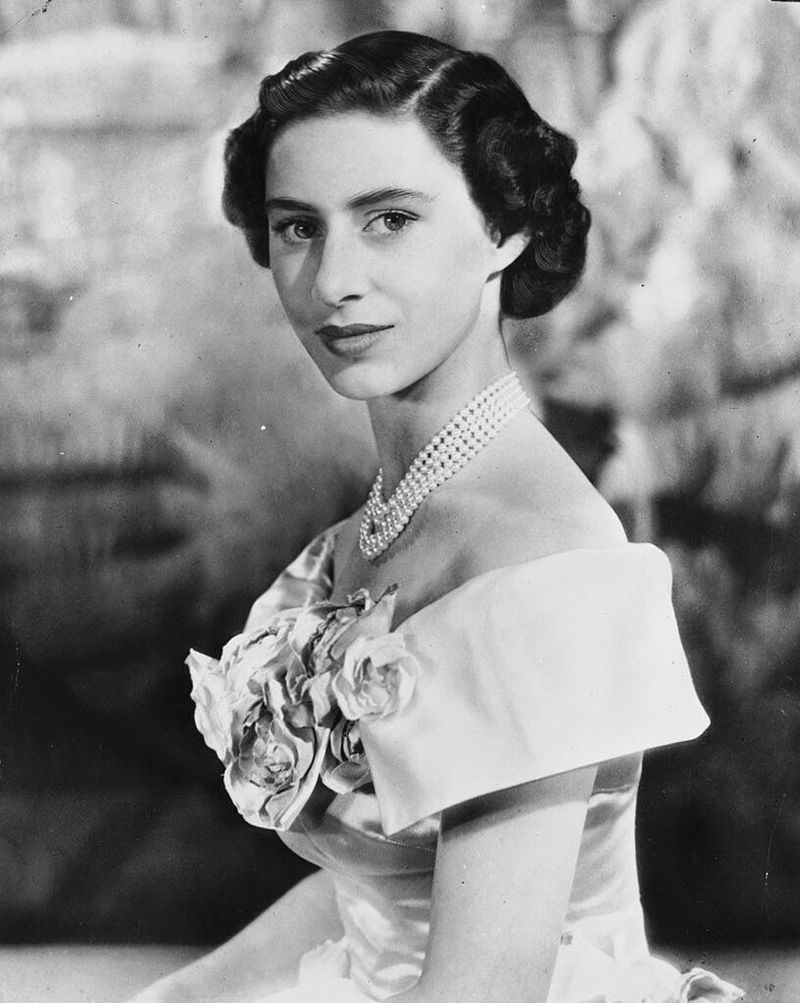
Group Captain Peter Townsend was a decorated Royal Air Force officer who had served in the royal household. He was also divorced, and that single fact placed Princess Margaret at the center of one of the most publicly debated royal dilemmas of the 1950s.
Margaret was Queen Elizabeth II’s younger sister, which meant her personal choices carried constitutional weight. The Church of England, of which her sister was Supreme Governor, did not recognize remarriage after divorce.
Margaret’s relationship with Townsend generated enormous press coverage and genuine public sympathy.
The legal situation was more complicated than popular retellings suggest. Once Margaret turned 25, she had more freedom to act without government consent, but the religious and political pressures remained.
In October 1955, she announced she would not marry Townsend. The episode established a pattern the Windsors would repeat for decades: private feeling versus public duty, with duty winning at personal cost.
4. Princess Margaret’s Own Marriage Collapsed
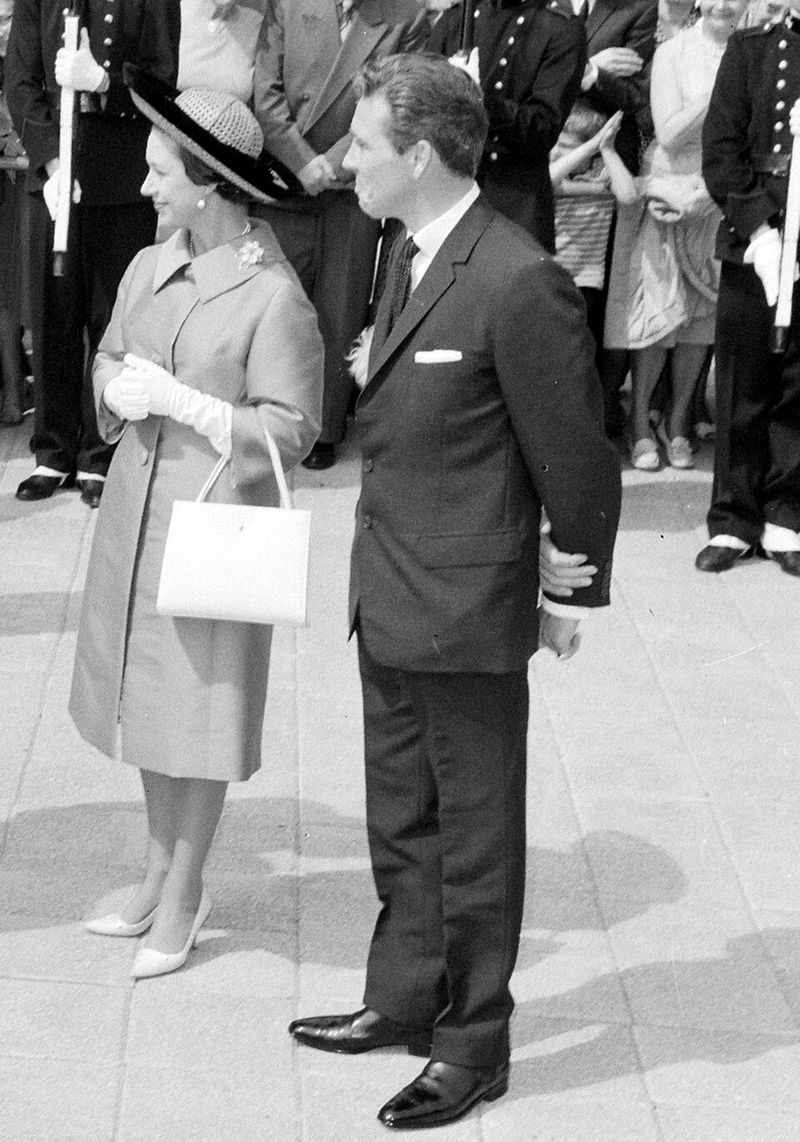
Margaret married photographer Antony Armstrong-Jones in 1960, and their union seemed to signal a more relaxed, culturally connected version of royal life. Armstrong-Jones became the Earl of Snowdon, and the couple moved through London’s creative circles in a way that felt genuinely modern for the time.
The marriage did not hold. Reports of mutual infidelity and increasingly separate lives accumulated through the late 1960s and 1970s.
Margaret’s close friendship with Roddy Llewellyn, who was seventeen years younger, became a tabloid fixture after photographs of the two together on the Caribbean island of Mustique were published in 1976.
Margaret and Snowdon separated that year and divorced in 1978, making her the first senior royal to divorce in decades. The monarchy absorbed the development without collapse, but a boundary that had once contributed to an abdication had quietly been crossed by the Queen’s own sister.
5. Princess Anne’s Marriage Ended in Divorce
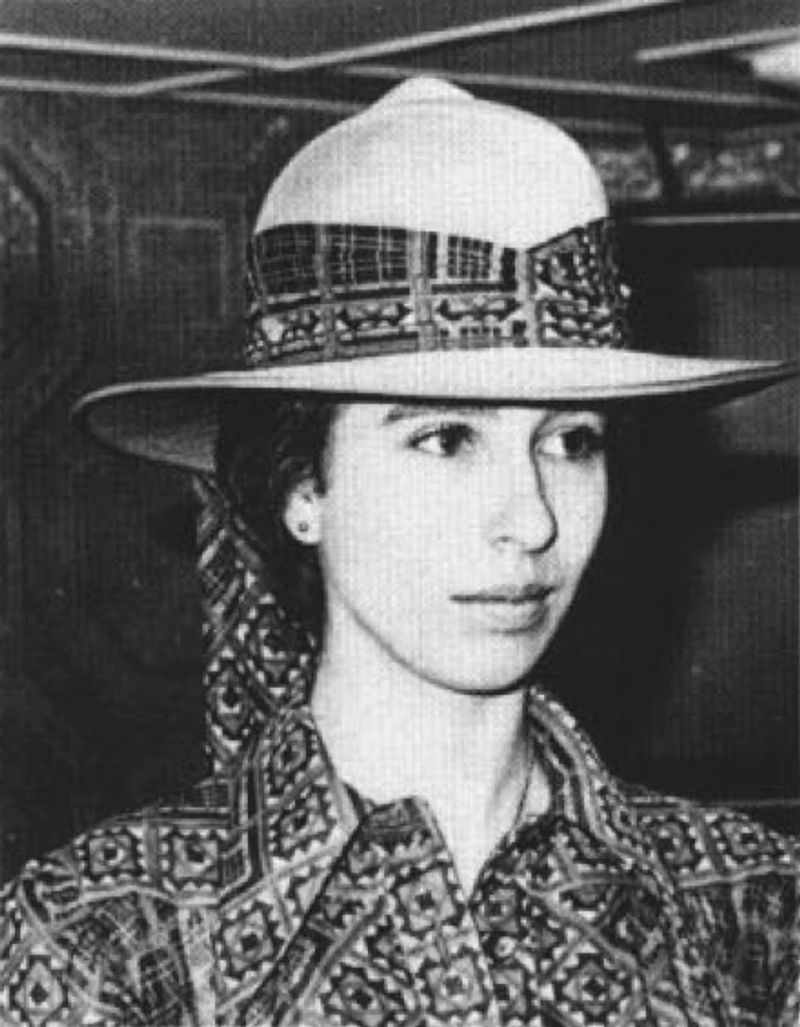
Princess Anne and Captain Mark Phillips married in 1973 in a ceremony that drew global attention. By the late 1980s, the relationship had deteriorated significantly, and the couple separated in 1989 before divorcing in 1992.
Anne remarried that same year, wedding Commander Timothy Laurence in a Church of Scotland ceremony, since the Church of England did not permit the remarriage of divorced people at the time. The speed and relative smoothness of the transition showed how rapidly royal attitudes toward divorce had shifted since the 1950s.
On its own, Anne’s divorce might have been a manageable story. The timing made it far more significant.
By December 1992, three of Queen Elizabeth II’s four children had experienced marital breakdown. What might have been a private family matter became part of a much larger and more damaging public narrative about whether the Windsor family could hold itself together.
6. Sarah Ferguson’s Photographs Became Front-Page News
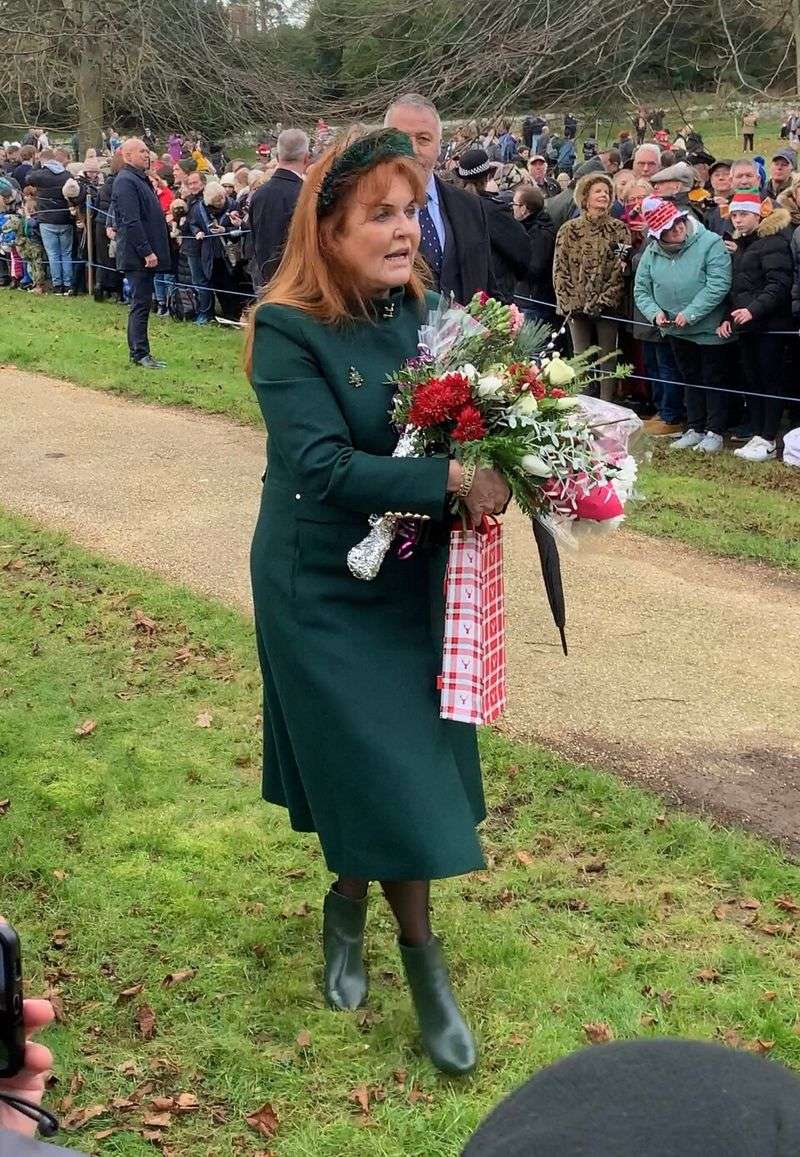
Prince Andrew and Sarah Ferguson’s 1986 wedding was one of the more celebrated royal events of the decade. Six years later, the marriage had collapsed and Sarah had become the subject of one of the most talked-about tabloid stories in modern royal history.
In August 1992, British newspapers published photographs taken while Sarah was vacationing in the south of France with American businessman John Bryan. The images were explicit enough to generate shock across the country, made worse by the fact that Sarah was still technically married to the Queen’s son at the time of the photographs.
The pictures appeared on the same morning that Sarah was staying at Balmoral with the royal family. The timing could not have been more uncomfortable.
The scandal accelerated the final breakdown of her public image and contributed to the broader sense that 1992 was a year the Windsors simply could not control.
7. Diana: Her True Story Blew Open Palace Doors
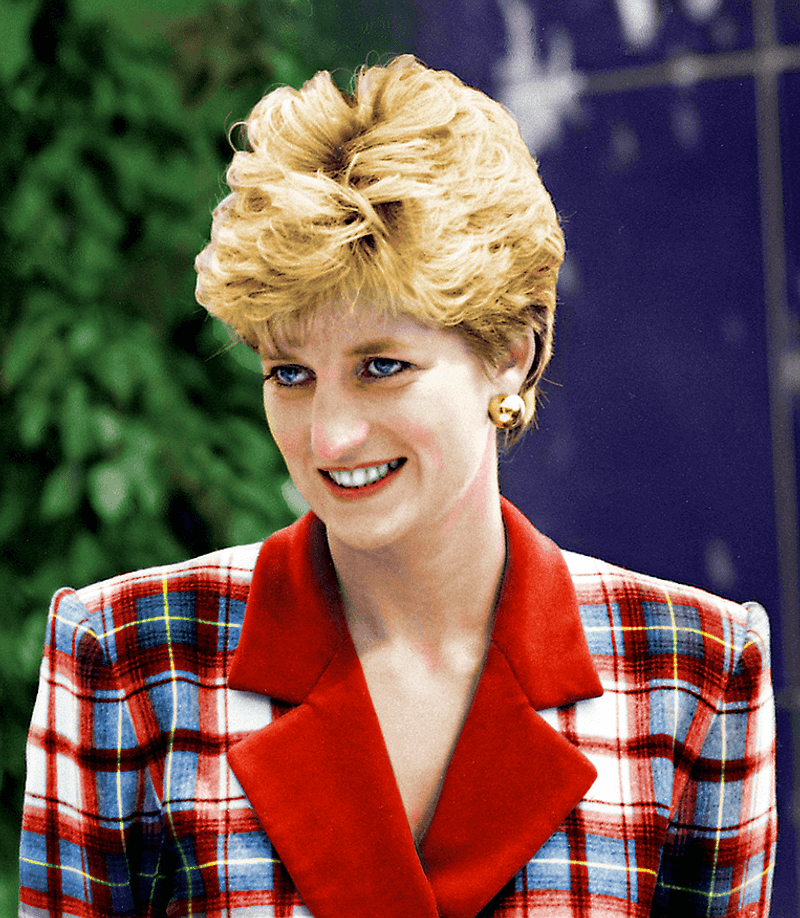
Andrew Morton had written about the royal family before, but nothing he or anyone else produced matched the impact of Diana: Her True Story, published in June 1992. The book presented a detailed and unflattering account of Diana’s life inside the royal family, covering the breakdown of her marriage, Charles’s long relationship with Camilla Parker Bowles, and deeply personal aspects of Diana’s own experience.
Palace officials initially dismissed the book. The story became significantly larger when it emerged that Diana had secretly cooperated with Morton, recording answers to his questions on tape and passing them through a trusted friend.
A working member of the royal family had found a way to speak directly to the public without going through official channels.
Morton published the original tapes after Diana’s passing in 1997, confirming her involvement. The book permanently altered how the public understood the royal marriage and weakened the palace’s ability to manage its own narrative.
8. Squidgygate Exposed Diana’s Private Conversations
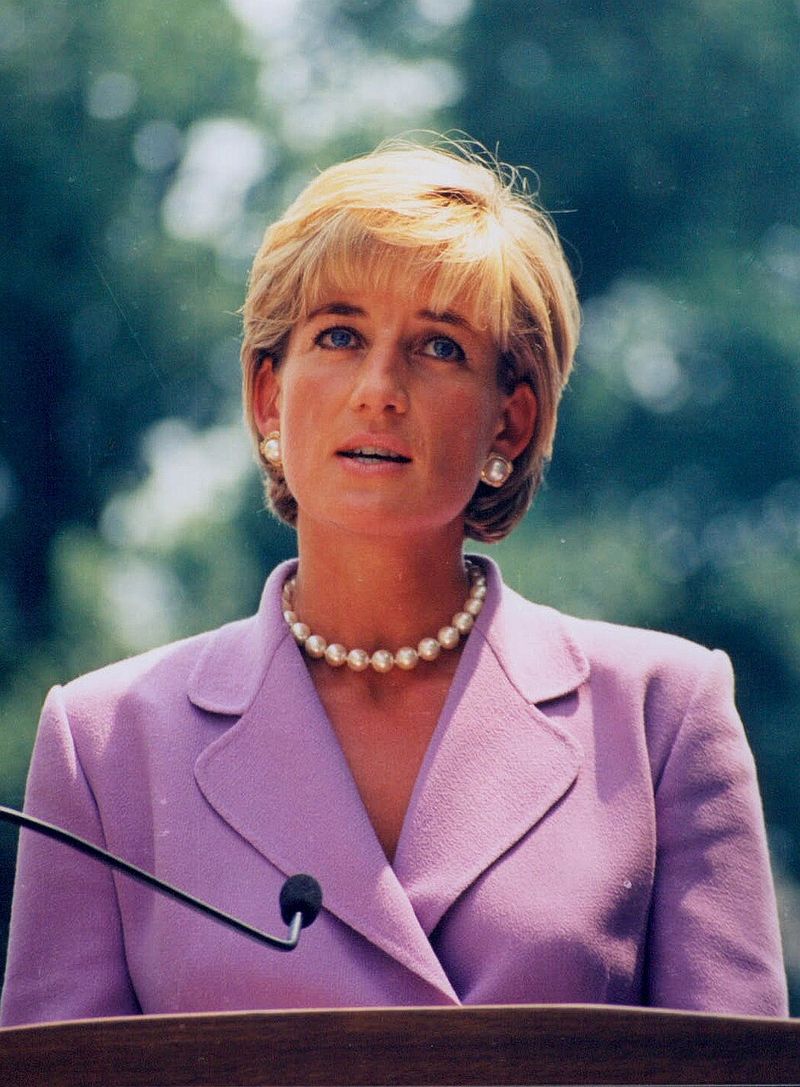
In August 1992, British tabloids published the transcript of a private telephone conversation between Princess Diana and her friend James Gilbey. The call had reportedly been recorded in 1989, but its contents became public during one of the most turbulent years in modern royal history.
Gilbey used an affectionate nickname for Diana repeatedly throughout the conversation, which gave the scandal its name. The contents were personal enough to be embarrassing on their own.
The broader implication, that a senior royal’s private phone calls could be intercepted, recorded, and published, raised serious questions about security and privacy that went beyond the palace.
For generations, the monarchy had operated behind a wall of discretion that journalists largely respected. Squidgygate showed that wall had developed significant gaps.
Readers were no longer receiving secondhand accounts of royal behavior. They were reading the actual words, which made the coverage feel far more immediate and far more damaging.
9. Charles and Camilla’s Private Call Became a Sensation
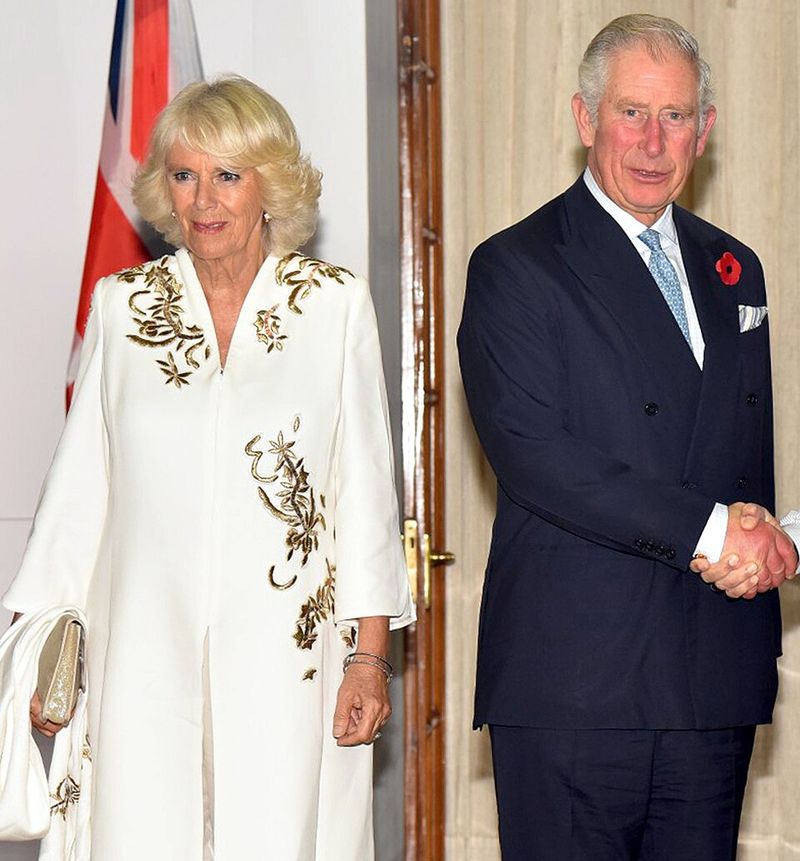
A private telephone conversation between Prince Charles and Camilla Parker Bowles, recorded in 1989, became one of the most widely discussed royal leaks of the entire decade when it was published in January 1993. The intimate nature of the exchange generated headlines and commentary across the world.
The recording was damaging for several reasons beyond its personal content. It confirmed, in Charles’s own words, the closeness of his relationship with Camilla during a period when both were married to other people.
Charles and Diana were still officially together when the call was made, though their marriage was already in serious difficulty.
The scandal added another layer to what had become a relentless series of royal embarrassments. Charles and Diana formally separated in December 1992.
Years later, Charles and Camilla married in 2005, and she eventually became Queen. In 1993, however, the recording was simply one more piece of evidence that royal privacy had become very difficult to protect.
10. The Windsor Castle Fire Triggered a Fight Over Royal Money
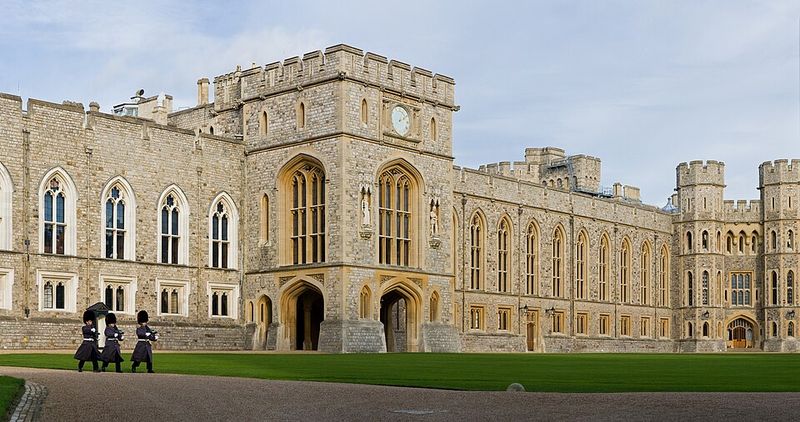
On November 20, 1992, a spotlight in the Private Chapel at Windsor Castle made contact with a curtain and started a fire that burned for approximately fifteen hours. By the time firefighters brought it under control, more than 100 rooms had been damaged or destroyed, including nine of the castle’s principal state rooms.
The fire itself was a serious loss for a historic building that had served as a royal residence for nine centuries. The argument that followed was a different kind of problem.
Questions arose immediately about who would pay for the restoration, with public funding proposals drawing sharp criticism at a moment when the royal family’s finances were already under scrutiny.
The restoration eventually cost 37 million pounds. The Royal Family stated that 70 percent was funded through opening Buckingham Palace’s State Rooms to paying visitors.
The episode also prompted Queen Elizabeth II to begin paying income tax voluntarily, a change that had significant symbolic weight for public perceptions of royal privilege.
11. The Queen Called 1992 Her Annus Horribilis
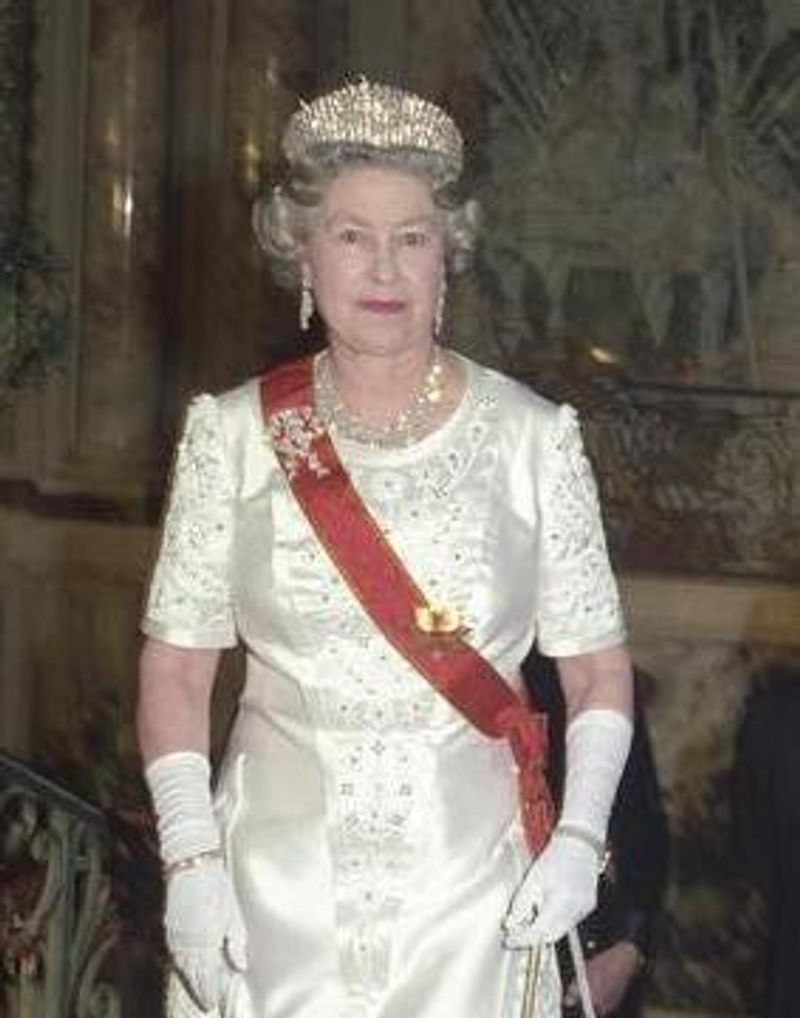
Four days after Windsor Castle burned, Queen Elizabeth II stood at a Guildhall luncheon marking the fortieth anniversary of her accession and delivered a speech that no one present was expecting. She described 1992 as her annus horribilis, a Latin phrase meaning horrible year, and acknowledged that it was not a year she would look back on with undiluted pleasure.
The understatement was characteristic, but the admission was not. The Queen had spent four decades maintaining a composed public face through considerable personal and national difficulty.
Saying out loud that a year had been genuinely bad was, for her, an unusual departure.
The catalogue behind the phrase was extensive. Anne had divorced.
Andrew and Sarah had separated. Charles and Diana’s marriage was disintegrating publicly.
Private conversations had been published in newspapers. Then the castle itself had caught fire.
The speech became one of the most quoted moments of her reign precisely because it acknowledged what everyone could already see.
12. Charles and Diana’s Marriage Became Open Warfare
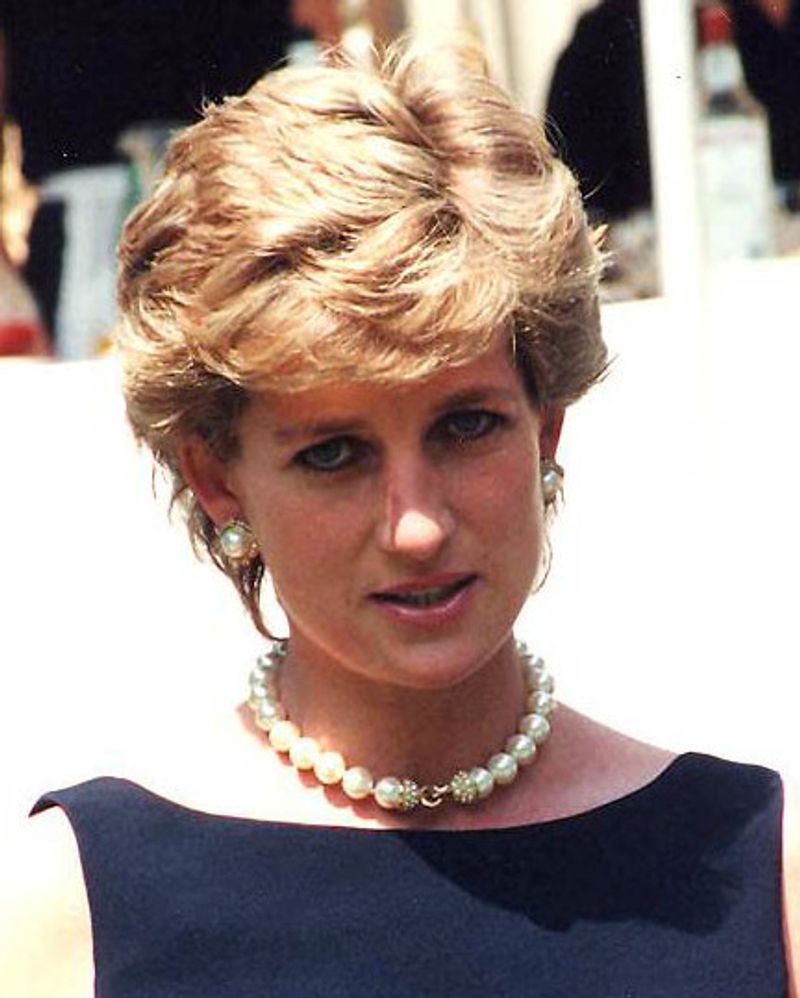
Charles and Diana separated in December 1992, but the public examination of their marriage continued for years afterward. In 1994, Charles cooperated with a television documentary presented by Jonathan Dimbleby and acknowledged that he had been unfaithful after the marriage had, in his words, irretrievably broken down.
Diana’s response came in November 1995, when she gave an interview to the BBC program Panorama that drew an audience of approximately 23 million viewers in the United Kingdom alone. She discussed the marriage, Charles’s relationship with Camilla, her own admission of infidelity, and her treatment within the royal institution.
Her comment that there were three people in the marriage became one of the most quoted lines of the entire royal story.
A later independent inquiry by Lord Dyson found that journalist Martin Bashir had used deceptive methods to secure the interview. Charles and Diana divorced in 1996, but by then their marriage had become one of the most publicly dissected relationships in modern history.
13. Diana’s Death Created an Unprecedented Royal Crisis
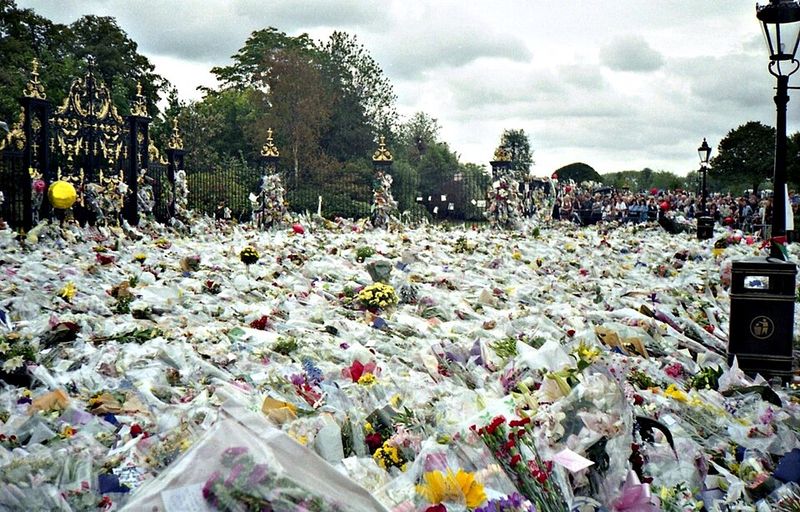
When news reached Britain on August 31, 1997 that Diana had been in a serious car accident in Paris, the public response was immediate and overwhelming. Within hours, crowds had begun gathering outside royal residences and leaving flowers at Kensington Palace in numbers that no one in the royal household had anticipated or prepared for.
The royal family was at Balmoral in Scotland with Princes William and Harry, and they remained there in the immediate days following the news. That decision drew increasing public criticism as flowers piled up in London and commentators questioned why no flag flew at half-mast over Buckingham Palace.
The palace’s explanation, that the Royal Standard was only flown when the sovereign was in residence, satisfied very few people.
The Queen returned to London and delivered a live television tribute on September 5. The episode exposed a significant gap between traditional royal protocol and what the public now expected from its monarchy in moments of national grief.
14. Prince Harry and Meghan Markle Stepped Back
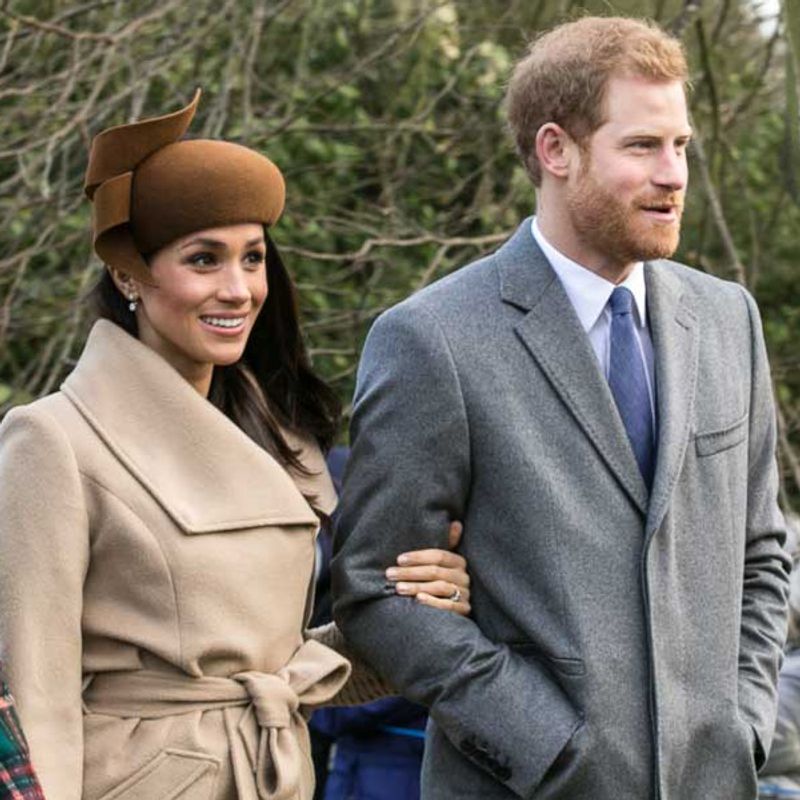
The announcement in January 2020 that Prince Harry and Meghan, Duchess of Sussex, intended to step back as senior working royals arrived without prior warning to the palace and triggered a period of tense negotiations over what their new status would actually involve. The couple eventually moved to North America and stopped carrying out official royal duties.
The interviews that followed changed the nature of the story entirely. In March 2021, Harry and Meghan spoke with Oprah Winfrey and made serious claims about their time within the royal family, including concerns about mental health support and a reported conversation about the skin color of their future child.
Buckingham Palace responded with a brief statement noting that recollections may vary.
Harry continued discussing the family through a Netflix documentary series and his 2023 memoir. The dispute raised substantive questions about race, press conduct, institutional communications, and the boundaries of royal membership that the palace had no straightforward way to answer publicly.
15. Prince Andrew’s Friendship With Jeffrey Epstein Became a Royal Disaster
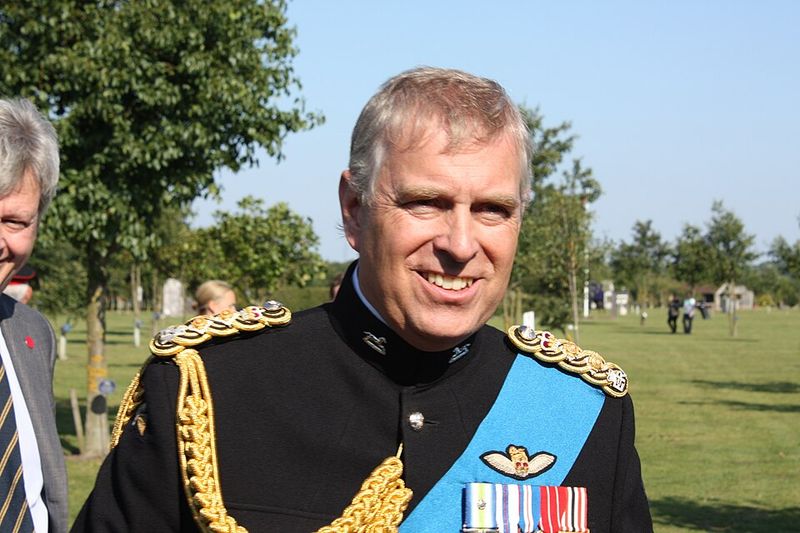
Prince Andrew’s association with convicted sex offender Jeffrey Epstein became the most damaging personal scandal attached to a working Windsor in the modern era. Epstein had been convicted in Florida in 2008, yet Andrew maintained contact with him afterward, a decision that drew sustained public questioning from 2019 onward.
Virginia Giuffre alleged that she had been trafficked by Epstein and forced to have sexual contact with Andrew on three occasions when she was 17. Andrew denied the allegations.
His November 2019 BBC Newsnight interview, intended to clarify his position, instead generated near-universal criticism for its explanations and tone, and he stepped back from public duties within days of it airing.
Giuffre filed a civil lawsuit in the United States in 2021. The case was settled out of court in February 2022 without Andrew admitting liability.
Queen Elizabeth II subsequently removed his military titles and royal patronages. The scale of the reputational damage was without recent precedent for a member of the immediate royal family.
Share this story