Ancient Egypt often feels like a world apart, filled with colossal monuments, mysterious scripts, and elaborate rituals that seem to belong to a completely different species of human. Yet underneath all that grandeur, ordinary Egyptians were doing things that would look surprisingly familiar on any given Tuesday in the modern world.
They groomed themselves carefully, complained about work, played games with friends, kept pets, and left written messages for people they could not see in person. The technology separating us from ancient Egypt spans thousands of years, but the habits, the worries, the small daily routines, have not changed nearly as much as the pyramids might suggest.
This list explores fourteen specific behaviors that connect modern people to one of history’s most fascinating civilizations, and some of the parallels are almost uncomfortably close.
1. Putting On Makeup Before Going Out
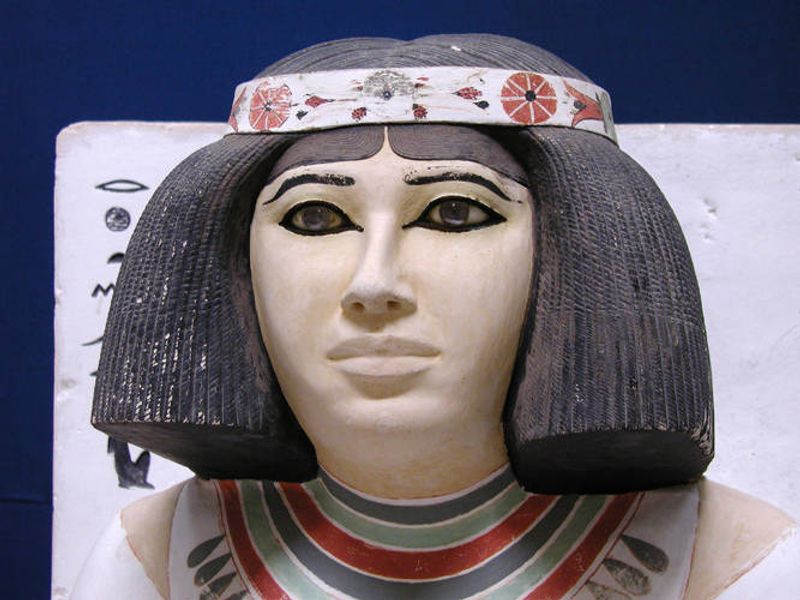
Long before beauty tutorials existed, ancient Egyptians had already developed a serious cosmetics routine. Both men and women applied dark eye paint, commonly called kohl, made from minerals like galena or stibnite mixed with oils.
The practice dates back to at least 4000 BCE.
Green eye cosmetics made from malachite were also popular, especially during the Old Kingdom period. Beyond appearance, makeup was believed to offer protection from sun glare and ward off certain eye conditions.
Cosmetic palettes, kohl tubes, applicators, and polished metal mirrors were standard personal items found in households across social classes. Wealthier Egyptians stored their products in ornate containers made from gold or alabaster.
Anyone standing in front of a mirror before heading out the door is repeating a ritual Egyptians performed daily for thousands of years. The ingredients changed.
The commitment to looking put-together did not.
2. Wearing Perfume and Worrying About Body Odor

Personal fragrance in ancient Egypt was not a luxury reserved for special occasions. Egyptians used scented oils, ointments, and resins made from frankincense, myrrh, thyme, and various plant extracts as part of regular daily care.
Bathing was common, body hair removal was practiced, and clothing was washed to maintain cleanliness in a climate that made all of this genuinely necessary. Scented preparations also moisturized skin in dry desert conditions.
The cone-shaped objects depicted on guests at ancient Egyptian banquets have sparked considerable scholarly debate about their exact function. What remains firmly established is that fragrance mattered deeply, both for personal presentation and religious purposes.
A modern person spraying perfume before leaving home or checking whether they need deodorant before meeting friends is participating in a concern that Egyptians understood completely. Nobody across any century wants to be the person others quietly avoid.
3. Having a Beer After Work

Beer in ancient Egypt was not a casual indulgence. It was a dietary staple consumed by people across every level of society, from ordinary laborers to those employed on major construction projects.
Archaeological evidence reveals large-scale brewing operations, and records show that workers received beer alongside bread as part of their official rations and compensation. The beverage was thick, nutritious, and quite different from most modern commercial varieties.
Beer also appeared in religious contexts and funerary offerings, demonstrating how deeply embedded it was in Egyptian culture beyond just the dinner table. Brewing methods evolved considerably over Egypt’s long history, but the drink itself remained central throughout.
Finishing a day of physical work and reaching for a fermented grain drink would have required no explanation to an ancient Egyptian laborer. The refrigerator keeping it cold, however, would have been a far more confusing part of the picture.
4. Complaining About Work

Work complaints are not a modern invention. Records from Deir el-Medina, the village housing skilled artisans who built royal tombs near the Valley of the Kings, preserve some of history’s most relatable workplace frustrations.
During the reign of Ramesses III in the 12th century BCE, workers organized protests after their food rations were repeatedly delayed. These documented actions are frequently cited as among the earliest known labor strikes in recorded history.
The workers did not quietly accept the situation. They stopped working and demanded the provisions they had been promised, making their grievances loud enough that administrative records preserved every detail for the next three thousand years.
The specific circumstances differ from a modern workplace dispute, but the core dynamic is identical. Workers expected fair compensation.
Management failed to deliver. The employees pushed back.
The fact that we still know about it suggests they made their point effectively.
5. Calling In Sick
Attendance records from Deir el-Medina are among the most unexpectedly human documents to survive from ancient Egypt. These administrative logs tracked not just who showed up for work, but specifically why certain people did not.
Illness appears frequently as a documented reason for absence. Family responsibilities, personal obligations, and religious observances also made the list of accepted explanations.
Workers had lives that did not pause simply because there was a job to do.
Some widely repeated anecdotes about specific absence reasons, such as brewing beer, circulate online but require careful handling to avoid losing historical context. The broader pattern in these records is far more interesting anyway.
Ancient labor was performed by real people navigating real personal circumstances. Waking up genuinely unwell and realizing that work simply cannot happen that day is a human experience that predates formal sick leave policies by several millennia.
The paperwork, at least, has improved.
6. Playing Board Games With Friends
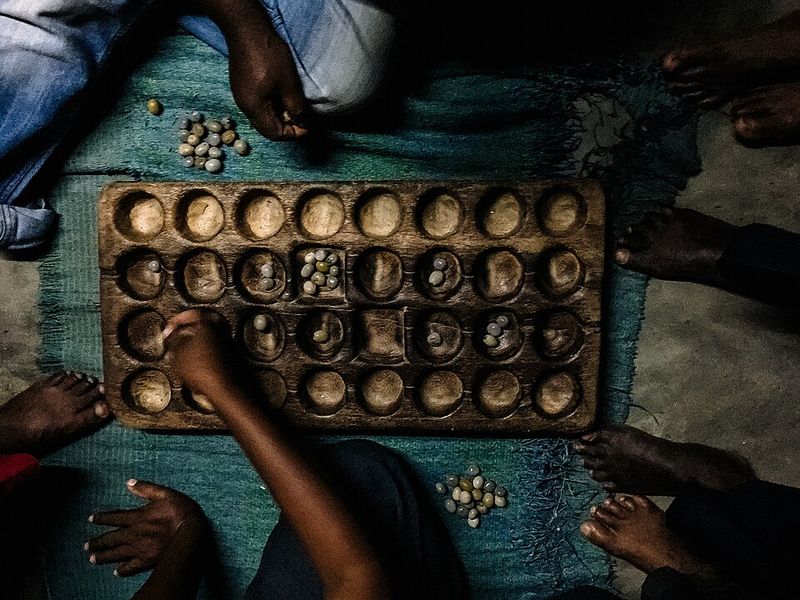
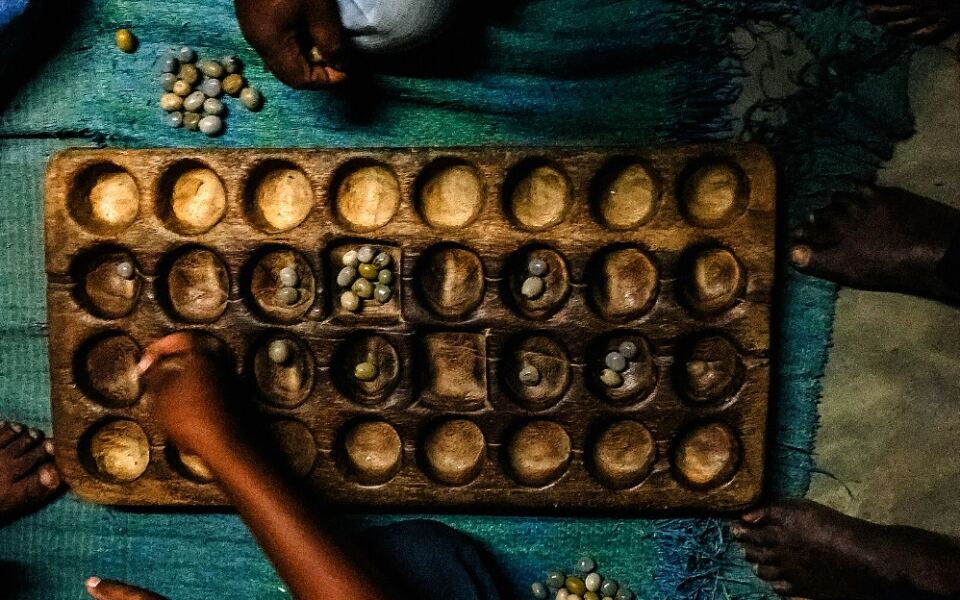
Senet is the board game most closely associated with ancient Egypt, and its history stretches across thousands of years. Examples have been found in tombs, and representations of people playing appear in wall paintings and relief carvings from multiple periods and dynasties.
No complete ancient rulebook survived, which means modern reconstructions involve some educated guesswork about how the game functioned during different eras. Over time, Senet also acquired religious symbolism connected with navigating the afterlife.
Other games existed alongside it. Mehen used a board shaped like a coiled snake, and Hounds and Jackals was played across Egypt and neighboring regions.
Some game boards were beautifully crafted objects, suggesting they were valued possessions.
The social experience behind any of these games is easy to picture across the centuries. Two people sit down, pieces move, competitive instincts kick in, and someone insists that luck was entirely responsible for their loss.
Game night has deep roots.
7. Treating Pets Like Members of the Family

Dogs and cats appear throughout ancient Egyptian art and archaeological findings in contexts that suggest genuine affection rather than purely functional relationships. Dogs were given individual names and accompanied people while hunting, filling a role that looks a great deal like companionship.
Cats became closely connected to Egyptian religious traditions over time, but they were also practical household animals that helped manage rodent populations. Some owners clearly developed strong emotional bonds with their animals beyond any religious or practical consideration.
Animal mummification in ancient Egypt served multiple purposes, including religious offerings, so discovering a mummified cat does not automatically confirm it was someone’s beloved companion. However, artistic depictions of animals resting beneath chairs and sitting beside owners suggest that shared domestic life was genuinely common.
A modern person talking to their dog or worrying about their cat would likely be one of the most immediately recognizable behaviors to an ancient Egyptian. Some habits cross every cultural boundary without difficulty.
8. Sending Written Complaints
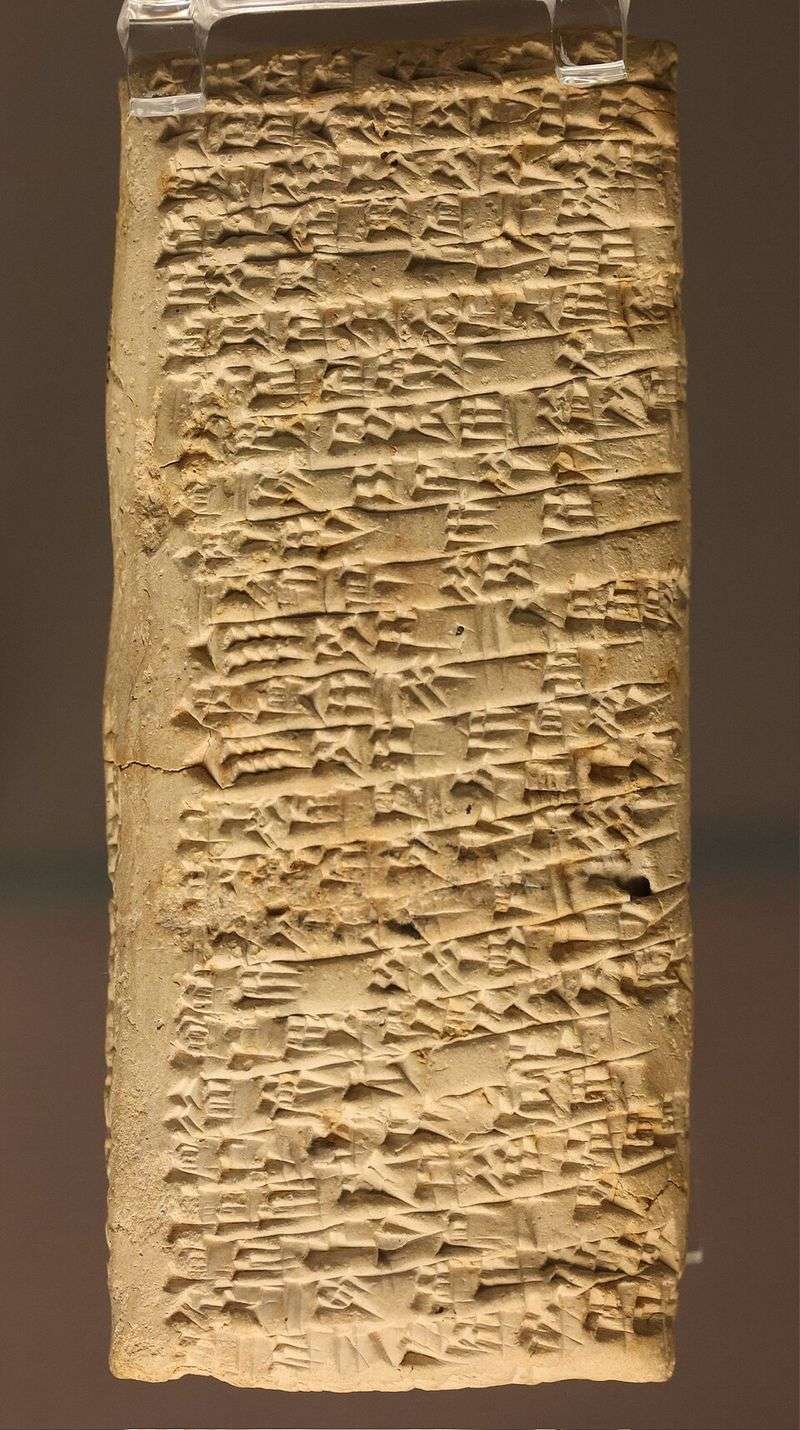
Customer review websites did not exist in ancient Egypt. The impulse to formally document dissatisfaction absolutely did.
Thousands of surviving papyri and ostraca, which are pieces of pottery or limestone used as writing surfaces, preserve letters dealing with undelivered goods, unpaid debts, broken agreements, and interpersonal disputes.
People wrote when merchants failed to deliver what was promised. They wrote when obligations went unmet.
They wrote when neighbors behaved badly and they wanted someone in authority to know about it in specific detail.
A frequently circulated complaint involving a copper merchant named Ea-nasir is sometimes mistakenly described as Egyptian online, but it actually comes from ancient Mesopotamia. Egypt’s own documentary record contains plenty of comparable examples without needing to borrow from neighboring civilizations.
The technology is what makes the comparison amusing. An Egyptian scribe might spend considerable time crafting a formal complaint on papyrus.
A modern person types the same frustration in thirty seconds and posts it publicly. The emotion driving both is identical.
9. Keeping Track of Bills and Household Expenses
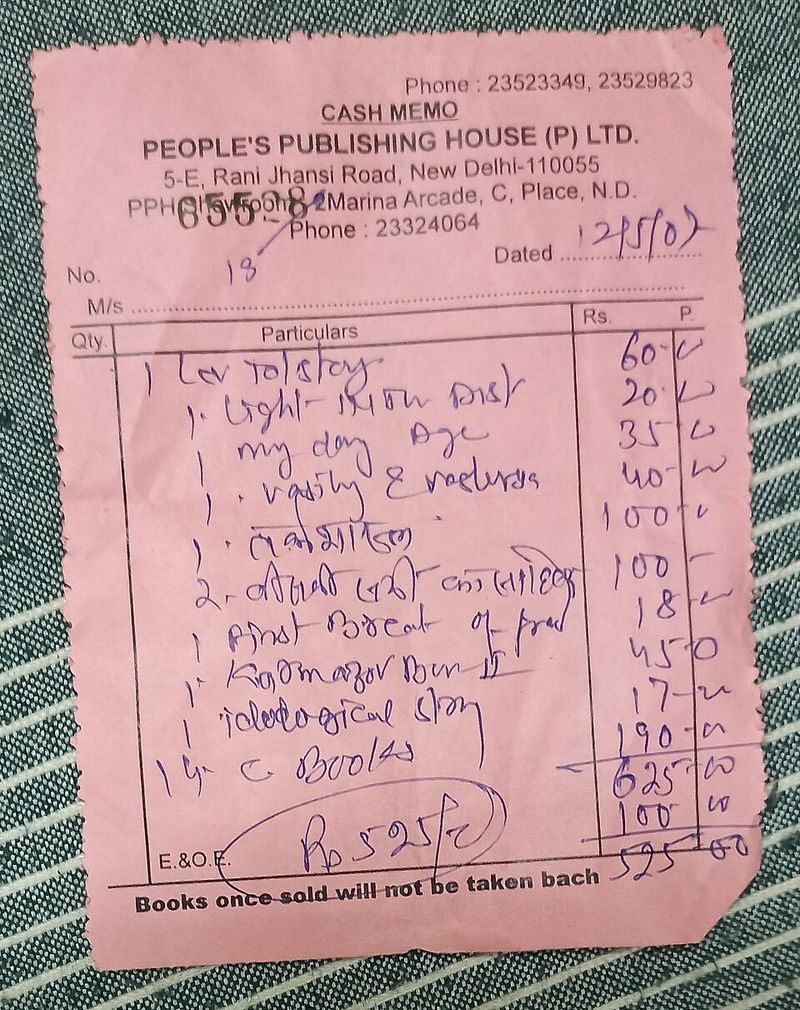
Ancient Egypt produced administrative records on a scale that challenges any assumption that bureaucracy is a modern invention. Government officials documented grain stores, livestock counts, land ownership, tax obligations, wages, and supply deliveries with careful attention to detail.
Ordinary economic life required personal record-keeping as well. Without modern currency, commodities like grain functioned as units of economic value, and standardized measures helped people assign worth to transactions.
Buying, selling, borrowing, and disputing property all required documentation.
Deir el-Medina has yielded an exceptionally detailed picture of household financial activity among working families. These records show people managing resources carefully, tracking what they were owed, and keeping account of exchanges with neighbors and colleagues.
A modern spreadsheet would be completely incomprehensible to an ancient Egyptian. The reason someone creates one would not be.
How much came in, how much went out, and who still owes what are questions that civilization asked almost immediately after it got started.
10. Writing Graffiti
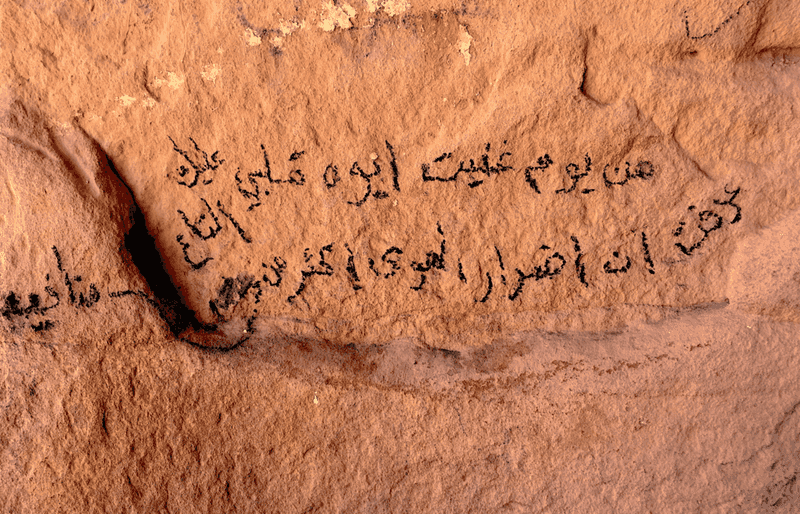
The urge to announce one’s presence at an impressive location is apparently not a recent development in human behavior. Ancient Egypt contains abundant graffiti left by visitors, workers, pilgrims, soldiers, and travelers at temples, quarries, tombs, and monuments across the country.
Some inscriptions recorded names. Others documented visits, expressed admiration, or noted prayers.
The cultural meaning of writing on an ancient monument varied considerably depending on the period, place, and purpose, making straightforward comparisons to modern vandalism somewhat complicated.
What the graffiti also reveals is that ancient monuments were not static, untouched objects after their builders finished them. Later generations visited, interpreted, and occasionally added their own voices to structures that were already old when they arrived.
Even ancient Egyptians visited monuments built by people who were ancient to them. The desire to leave a personal inscription beside those older remains created conversations across centuries.
Modern bathroom graffiti is considerably less poetic, but the underlying instinct survived intact.
11. Following Beauty and Grooming Routines
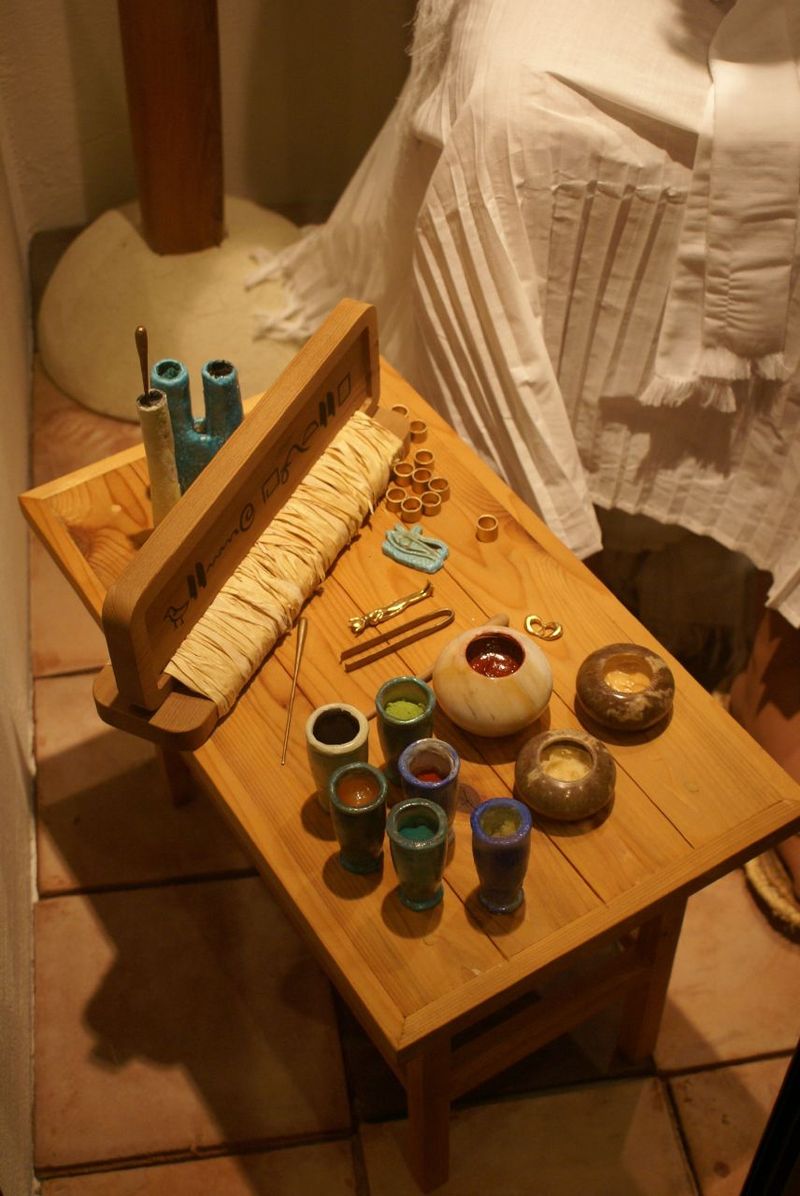
Eye makeup gets most of the attention, but ancient Egyptian personal care extended well beyond kohl and malachite. Combs, razors, tweezers, mirrors, skin oils, and various cosmetic containers have been recovered from archaeological sites spanning multiple dynasties and social classes.
Hair received serious attention. People styled their natural hair in different ways, and wigs were also worn.
Hair removal was a common practice, particularly among those with access to more elaborate grooming resources. Oils protected skin in dry conditions, and preparations were used to address wrinkles and scarring.
Modern beauty culture sometimes presents detailed grooming routines as a recent cultural development. The archaeological record disagrees firmly.
The sequence of washing, styling hair, caring for skin, applying fragrance, and choosing clothing before appearing in public was already well established thousands of years ago.
Spending too long in front of a reflective surface before leaving the house is not a symptom of modern vanity. It turns out to be one of the most consistent things humans have ever done.
12. Giving Children Toys
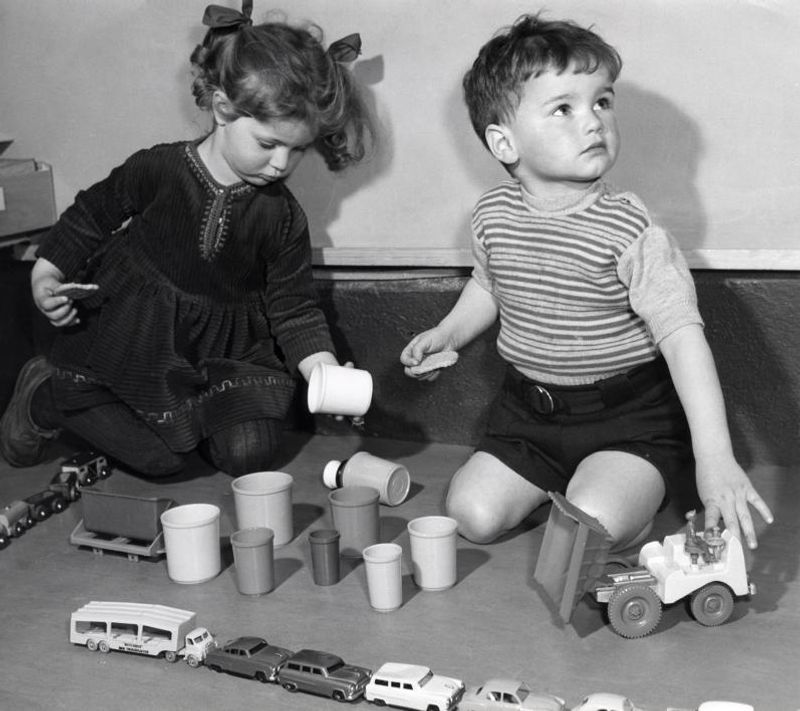
Childhood in ancient Egypt was not simply a preparation period for adult responsibilities. Children played, and the archaeological evidence for this is genuinely charming.
Excavations have produced balls, dolls, carved animal figures, spinning tops, and objects with movable parts designed to entertain young users.
Artistic representations occasionally show children participating in physical games, adding another layer of evidence that play was a recognized and accepted part of growing up in ancient Egyptian society.
Classifying some recovered objects with certainty can be difficult. An item that looks like a toy to modern eyes might have also served a ritual function, and the line between the two was not always clearly drawn in ancient Egyptian culture.
Materials were obviously different. Plastic did not exist, batteries were not required, and nobody was stepping painfully on a carved wooden animal in the dark.
But parents trying to keep children entertained, and children inventing games from almost nothing, would have understood each other immediately across three thousand years.
13. Decorating the Home With Furniture and Personal Objects
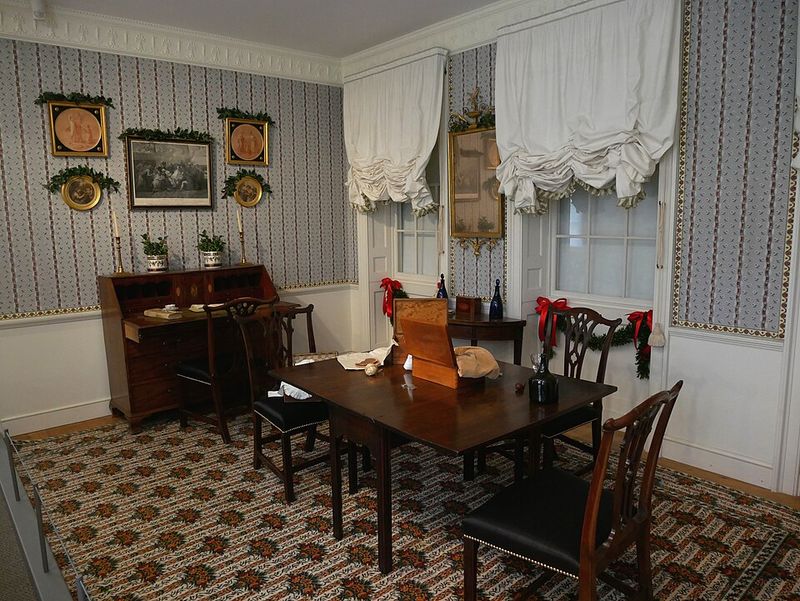
Ancient Egyptian homes were not empty spaces where people simply slept between work shifts. Archaeological excavations have recovered stools, chairs, beds, storage chests, baskets, pottery, textiles, headrests, and lamps from domestic contexts across different periods and social levels.
Wealthier Egyptians could commission furniture from expensive materials with skilled craftsmanship. Ordinary families used simpler versions of the same basic objects.
Both groups were engaged in the same fundamental activity: making a living space functional and reasonably comfortable.
Storage was a genuine practical challenge without modern closets or built-in kitchen cabinets. Baskets, boxes, and chests helped organize possessions and maintain some degree of order in the household.
The desire to put things somewhere logical and attractive is immediately recognizable.
Remove all the modern technology from any contemporary home and the underlying behavior remains. People accumulate objects.
They want those objects arranged in ways that make daily life easier and the space more pleasant. That particular habit started a very long time ago.
14. Leaving Notes and Messages for Other People
Reading the everyday messages ancient Egyptians left for one another is one of the most effective ways to close the distance between their world and ours. Formal temple inscriptions were designed to last forever.
Ordinary written messages were about whatever needed handling right now.
Ostraca and papyri preserve letters, lists, requests, instructions, accounts, and disputes from ordinary people navigating daily life. Many come from Deir el-Medina, where exceptional preservation conditions gave historians an unusually detailed window into working-class communication.
The content of these messages is valuable precisely because it is mundane. Someone needs something delivered.
A debt has not been repaid. A plan needs confirming.
Another person’s behavior requires addressing. Modern text messages contain all of these same categories without exception.
The main difference is response time. An ancient Egyptian arranged for a messenger and then waited.
If someone from that era encountered a smartphone and learned it is mostly used to ask family members where they are and remind people to pick things up on the way home, the future might feel surprisingly familiar.
Share this story