Oklahoma has a way of stopping you cold when you least expect it. Somewhere along a two-lane road in Osage County, the sky goes pink and orange, the grass stretches out in every direction, and if the timing is right, a few horses might be standing at the edge of your vision like something out of a painting.
Nobody can promise you that exact moment, but the possibility alone is worth the drive. This article walks you through what you can realistically expect, where to look, and how to experience this corner of Oklahoma with honesty and respect for the land and the people who have called it home for generations.
A Possible Sunrise Scene Makes the Prairie Feel Cinematic
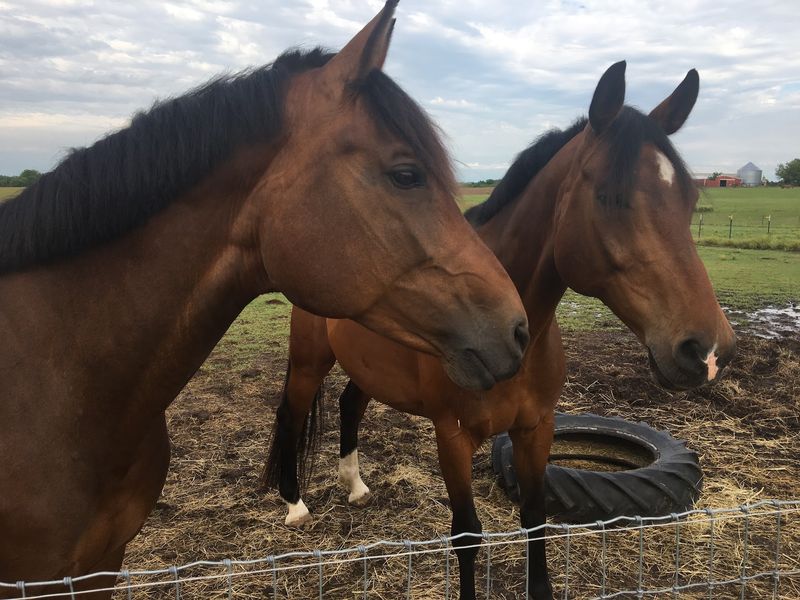
Picture three horses standing motionless against a sky that has just cracked open with gold and rose light. The grass runs flat and wide in every direction, the horizon feels impossibly far away, and for a moment the whole scene looks less like northeastern Oklahoma and more like a painting someone hung in a museum.
That image has circulated in travel conversations about Osage County, and it captures something real about the region even if no single source can confirm that exact trio of horses at that exact moment.
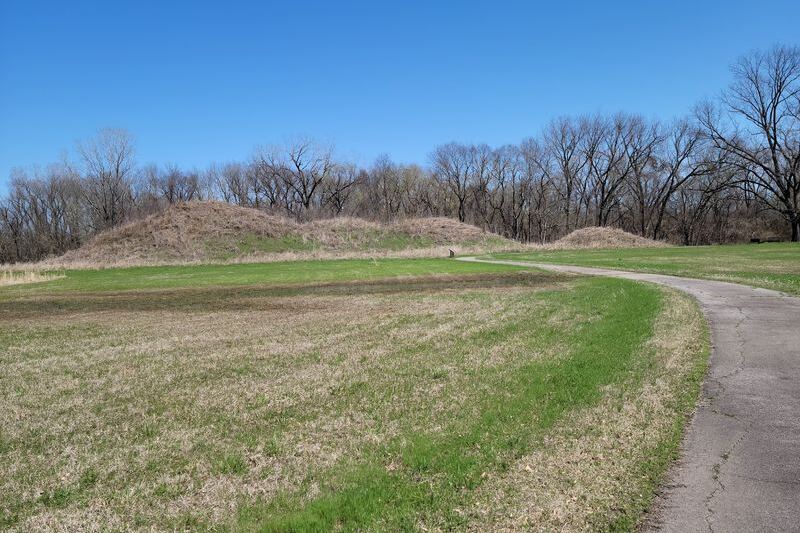
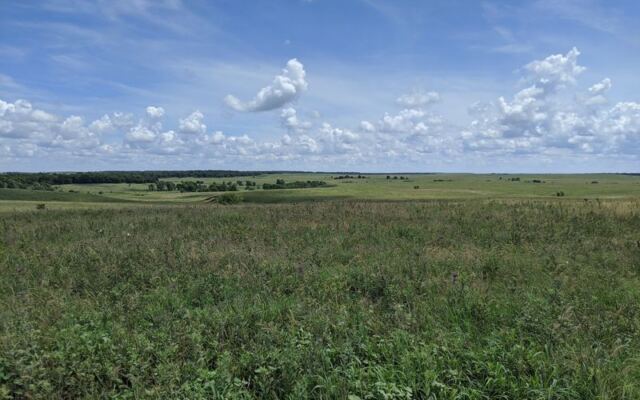
Osage County sits in the rolling green hills of northeastern Oklahoma, where tallgrass prairie, working ranches, conservation land, and wide-open sky come together in a way that genuinely earns the word cinematic. The landscape is not backdrop scenery waiting to be discovered.
According to TravelOK’s guide to Osage County’s Native American history and culture, this is the homeland of the Osage Nation, a people with deep roots in the land that stretch back long before Oklahoma became a state. Any sunrise you watch here is watched from ground that carries that history.
The Osage Nation Heritage Trail passes through these same hills, linking landscapes and cultural sites across a corridor that includes grassland habitats associated with horses and bison. What this article can honestly offer is not proof of three horses at a specific gate or a guaranteed dawn gathering.
The useful promise is simpler and more durable: Osage County’s open prairie, morning light, and occasional roadside horses can combine into one of those unscripted Oklahoma moments that sticks with you longer than any planned attraction.
Highway 123 Offers a Conditional Horse-Viewing Opportunity
Not every Oklahoma road trip leads somewhere specific, and the stretch of Highway 123 south of Bartlesville is a good example of a route that rewards patience more than punctuality. Green Country Oklahoma’s watchable wildlife guide identifies this corridor as a place where visitors can sometimes see horses grazing near the road, which is exactly the kind of conditional language worth taking seriously.
Sometimes means not always, not on demand, and not necessarily in the number or arrangement that makes the best photograph.
The most supportable public-facing stretch runs between Bartlesville and Woolaroc Museum and Wildlife Preserve, roughly following the highway through open grassland and ranch country. Horses may be visible from the road on any given morning or afternoon, but their exact position, number, and visibility depend on factors no travel guide can schedule for you.
The Prairie National Wild Horse Refuge sits along this corridor, and the refuge’s official listing notes that horses can sometimes be seen from Highway 123 itself.
That highway sightline is an important distinction. The refuge is associated with private land, which means seeing horses through your windshield from a public road is a different thing entirely from having access to the property.
The listing does not describe the refuge as a public wildlife preserve with open gates and marked trails. Treat any sighting from the road as the experience itself, not as a preview of something you are entitled to investigate more closely on foot or by vehicle.
The corridor is genuinely worth driving, but go with flexible expectations and a full tank of gas rather than a rigid itinerary built around a guaranteed encounter.
Check Access Before Treating the Refuge as a Stop
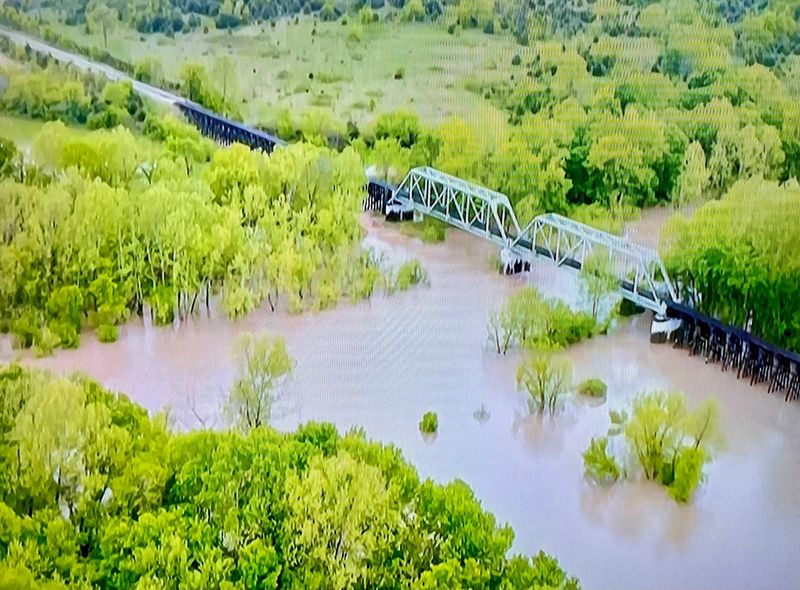
One of the more confusing aspects of the Prairie National Wild Horse Refuge is what the word refuge implies versus what it actually offers visitors. The current listing on Green Country Oklahoma’s official site does not confirm that ordinary public tours are available, and it is reasonable to treat that silence as meaningful.
When a tourism platform lists a site without describing how to book a visit, enter the grounds, or contact a host, the safest interpretation is that walk-in access is not a standard offering.
That said, the history here is more layered than a simple “closed to the public” label. A BLM announcement for free wild horse off-range pasture tours in Oklahoma documents that tours of off-range pastures have occurred, meaning the site has not always been entirely off-limits to interested visitors.
Conditions change, operators adjust their schedules, and what was true last year may not match what is offered this season.
The practical takeaway is straightforward: verify current access with the relevant operator or agency before you build a detour around a refuge visit. Contact the BLM’s Oklahoma field office or look for updated announcements before traveling specifically to tour the property.
Highway 123 gives you a legitimate and safe vantage point that requires no permission and no gate code. What it does not give you is the right to use a private driveway, cross a fence, or enter the property without confirmed authorization.
Plan for the highway experience, treat any confirmed tour opportunity as a bonus, and check the current status before you go.
“Wild Horses” Does Not Always Mean Untouched Prairie Herds
The phrase wild horses carries a powerful image: animals that have never known a fence, running free across public land with no human hand guiding their movements. That image is emotionally compelling, and it is not entirely wrong as a description of horses that once lived that way.
However, the horses near Highway 123 exist in a more managed context than the romance of the term suggests.
According to the Bureau of Land Management’s Wild Horse and Burro Off-Range Pasture Report, off-range pastures are generally private properties where federally managed horses live across large grassland areas while receiving water, forage, fencing, and ongoing monitoring. The horses are not abandoned, not unmonitored, and not roaming unrestricted public land.
They were removed from Western public-land herd areas and placed in contracted private pastures, including facilities in Oklahoma, as part of a federal population management program.
Federal law adds another layer of precision. 16 U.S.C. Section 1332, which defines terms under the Wild Free-Roaming Horses and Burros Act, specifies that wild free-roaming horses are unbranded and unclaimed horses found on federal public lands.
That legal definition is narrower than the casual tourism use of the phrase, and it does not automatically apply to horses living in contracted off-range pastures on private property in Oklahoma.
None of this makes the animals less interesting or the drive less worthwhile. Horses that have lived on open Western range and now graze across Oklahoma grassland are still a remarkable sight from a public road.
Understanding their actual situation simply lets you appreciate what you are seeing without building a story around an origin that the facts do not support. The experience is real; the mythology just needs a small adjustment.
The Tallgrass Prairie Preserve Shows the Region’s Larger Scale
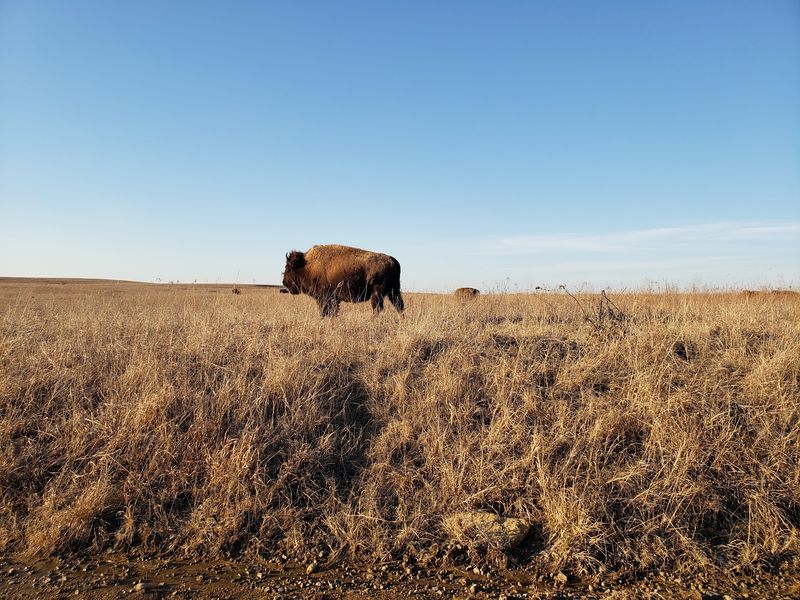
About 25 miles southwest of the horse-viewing corridor, a different kind of Oklahoma landscape opens up near Pawhuska. The Joseph H.
Williams Tallgrass Prairie Preserve, managed by The Nature Conservancy, covers 39,650 acres of native tallgrass prairie and stands as one of the largest protected remnants of this ecosystem in North America. Driving through it on an early morning gives you a sense of what the southern plains looked like before most of the original grassland was converted to cropland and pasture.
Access is open daily from dawn to dusk via public county roads, and the preserve features a 15-mile driving loop, scenic turnouts, and room to simply stop and take in the scale of the landscape. As The Nature Conservancy’s preserve page describes, the site is home to one of the largest free-roaming bison herds in the country, along with prairie plants, migratory birds, and other native wildlife.
Bison, not horses, are the signature animals of the Tallgrass Prairie Preserve’s documented visitor experience.
That distinction matters for anyone planning a trip around the three-horse sunrise image. The preserve and the Highway 123 horse-viewing corridor are separate places with different wildlife profiles and different access arrangements.
Visiting both in the same day is entirely reasonable, and the preserve’s open county-road access makes it easy to add to any northeastern Oklahoma itinerary. Think of the Tallgrass Prairie Preserve as the region’s landscape anchor, a place that shows you the full depth and scale of Osage County’s grassland, while Highway 123 offers a separate and more conditional chance to spot horses from the road.
Each is worth your time on its own terms.
Sunrise Supplies the Mood, Not a Reliable Schedule
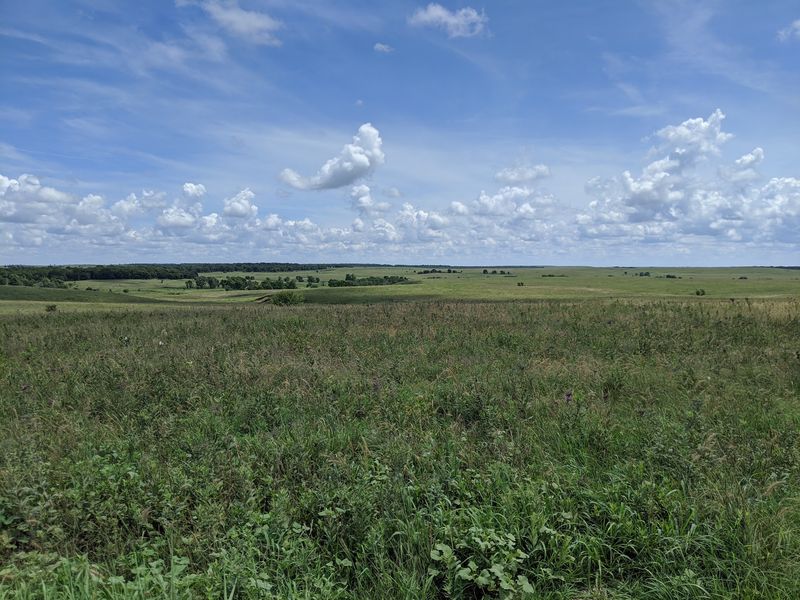
Low morning light does something to flat grassland that midday sun simply cannot replicate. Shadows stretch long across the grass, colors shift from deep purple to amber to gold in the span of a few minutes, and any shape on the horizon, a fence post, a tree line, or a horse, turns into a silhouette with genuine visual weight.
That is why the sunrise framing works so well as a storytelling device for this part of Oklahoma, and it is why the three-horse image resonates even without a verified timestamp or GPS coordinate.
What sunrise does not do is guarantee that the horses will be standing near the road when you arrive. The Tallgrass Prairie Preserve opens at dawn, which makes early-morning visits logistically possible, but that access rule applies to the preserve specifically and does not automatically extend to every roadside pullout or private-land boundary along Highway 123.
The Green Country Oklahoma watchable wildlife listings use language like “sometimes” and “can often be seen” rather than citing a time of day when sightings are most likely.
Arriving early is still a reasonable choice. You avoid midday heat, you get better light for photography, and you share the road with fewer other vehicles.
Those are practical advantages that hold up regardless of whether the horses appear. Separate the aesthetic case for going at sunrise from any assumption that the animals follow a predictable schedule, and the early drive becomes its own reward even on a morning when the horses stay deep in the pasture and out of sight.
Watch From a Safe and Respectful Distance
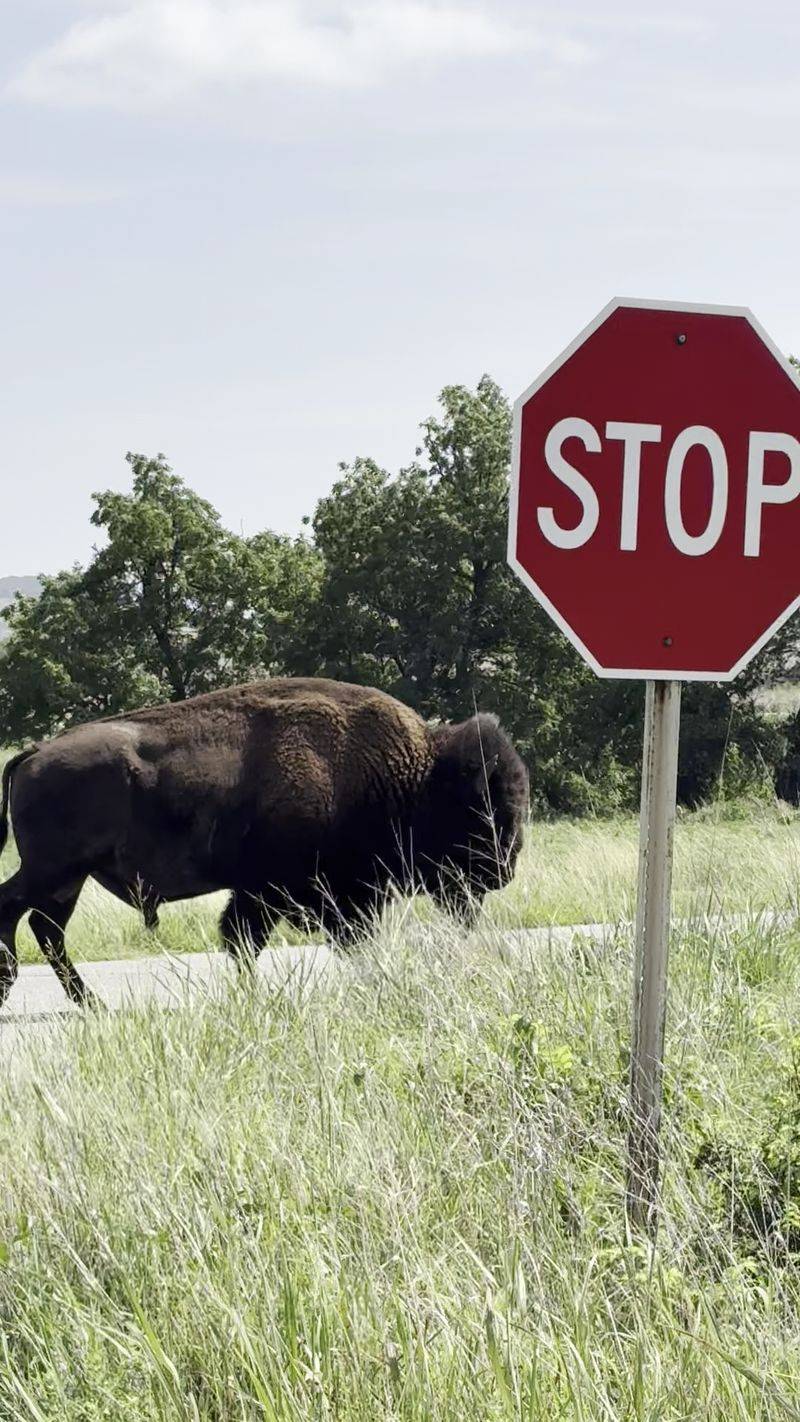
Binoculars are the most useful piece of gear you can bring on this drive, and a telephoto lens runs a close second. Both let you observe horses from a distance that keeps the animals calm and keeps you out of a situation that can turn dangerous fast.
National Park Service guidance on viewing wild horses is direct about the risks: horses can bite, kick, spook, or move suddenly when people crowd them, and those reactions are not signs of a poorly behaved animal. They are normal responses to feeling cornered or threatened.
Feeding is off the table entirely. Offering food to horses near a highway teaches them to approach vehicles, which puts both the animals and future drivers at risk.
Touching, luring, or trying to coax a horse toward your car creates the same problem. The goal is observation, not interaction, and the best wildlife encounters on a rural highway happen when the animals have no idea you are particularly interested in them.
Stopping safely matters just as much as keeping your distance from the horses. A roadside pullout that takes your vehicle fully off the travel lane is the right choice; stopping on a curve, on a hill, or where other drivers cannot see you from a reasonable distance is not.
The refuge listing confirms that highway visibility is the supported viewing method, which means the road itself is part of the experience. Treat it accordingly: stay in your car or step onto a safe shoulder, keep your distance, and resist any impulse to approach the fence line or walk toward the animals.
A good photograph taken from 200 yards with a telephoto lens is a better souvenir than a close-up taken from a spot you were not supposed to be.
The Best Postcard Moment Cannot Be Promised
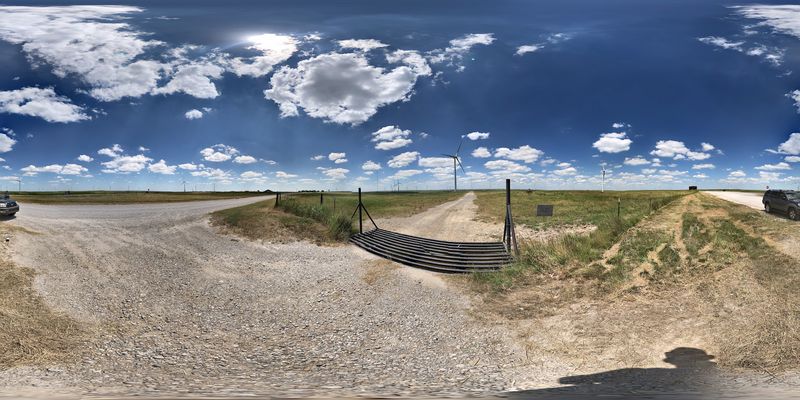
Osage County does not owe you a perfect photograph. What it offers instead is something harder to schedule and more satisfying when it happens: a landscape with enough scale, light, and occasional animal life to turn an ordinary drive into something you describe to people for years.
Green Country Oklahoma’s watchable wildlife resources frame the region’s horses as a conditional highlight, not a guaranteed attraction, and that framing is the honest one.
The cultural weight of the land adds a dimension that a simple horse sighting cannot carry alone. Osage County’s history as the homeland of the Osage Nation means the prairie you are driving through has been lived in, managed, and understood by people with centuries of connection to it.
That context does not complicate the scenery; it deepens it. A sunrise over this grassland carries more meaning when you know whose land it is and how long it has been tended.
Plan your drive with flexible timing, confirm access before adding the refuge as a specific stop, and let the corridor between Bartlesville and Woolaroc do what it does best: deliver a stretch of northeastern Oklahoma that feels genuinely open. If a horse appears near the fence line while the sky is still pink, you will have your postcard.
If the pasture is empty and the light is still extraordinary, you will have something almost as good. The prairie keeps its own schedule, and that unpredictability is exactly what makes finding the moment feel earned.
Share this story