Oklahoma has a way of hiding its most surprising treasures in plain sight, tucked behind unassuming facades on quiet Main Streets. Somewhere along the Mother Road, a building made of red sandstone holds more history per square foot than most places ten times its size.
Pull off the highway, step through the door, and suddenly the whole story of Route 66 wraps around you like a road trip you never planned but never want to end. Fair warning: you might walk in for a quick look and lose an entire afternoon.
Chandler, Oklahoma and the Museum on the Mother Road
Chandler, Oklahoma sits right along one of the most storied stretches of highway in American history. Route 66 cuts straight through town, and for travelers heading east or west, this small Lincoln County city makes for a natural pause between bigger stops.
What most people driving through do not expect is that Chandler holds a museum genuinely worth slowing down for.
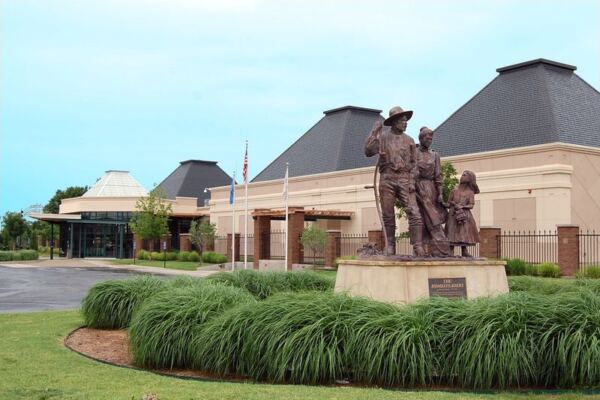
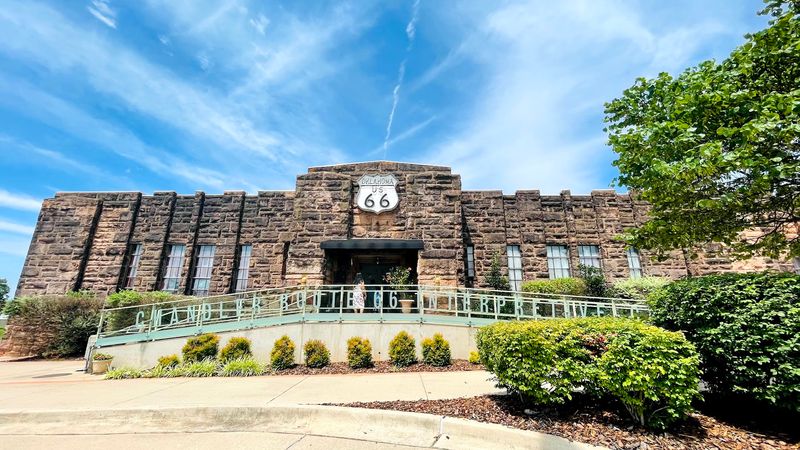
The Route 66 Interpretive Center occupies a striking building at 400 E 1st Street, easy to spot and hard to forget. Housed inside the old National Guard Armory, the museum opened its doors in 2007 after years of local effort to breathe new life into a beloved historic structure.
That combination of a legendary highway and a remarkable building makes this stop feel like two attractions rolled into one.
Chandler itself carries the relaxed character of a small Oklahoma town that knows its own worth. The streets are quiet, the pace is easy, and the Interpretive Center anchors the community with a sense of pride that visitors can feel the moment they arrive.
Getting there is straightforward since the museum sits right on the original Route 66 alignment, making it a natural and rewarding detour for any road tripper.
The Old Armory Building and Its Remarkable Origins
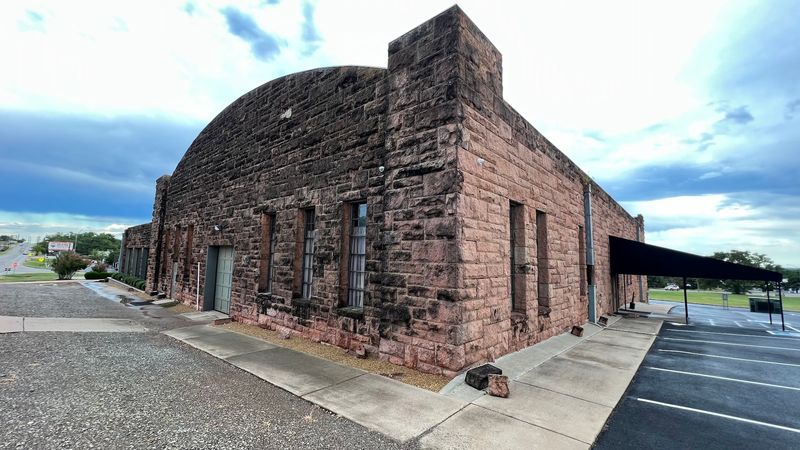
Before a single piece of Route 66 memorabilia ever crossed its threshold, the building itself was already worth a visit. Constructed between 1935 and 1937 using local red sandstone, the Chandler Armory was built by the Works Progress Administration as a home for Battery F, Second Battalion of the 160th Field Artillery of the Oklahoma National Guard, 45th Infantry Division.
That is a mouthful of history packed into one beautifully crafted structure.
The WPA-era craftsmanship shows in every corner. Art Deco design details, solid masonry walls, and the kind of durability that lets a building outlast a century of Oklahoma weather all speak to the skill of the workers who raised it.
The military vacated the armory in 1971, and for years the building sat empty before community advocates rallied to save it. Their efforts paid off when the structure earned a spot on the National Register of Historic Places in 1992.
One detail that visitors love to hear about is the building’s claim to fame as the home of the only brick outhouse in Oklahoma, complete with an original French fixture. That quirky footnote alone sets the tone for a place that rewards curiosity around every corner.
The armory’s bones give the museum an atmosphere no purpose-built exhibit hall could replicate.
How Route 66 Comes Alive Inside These Walls
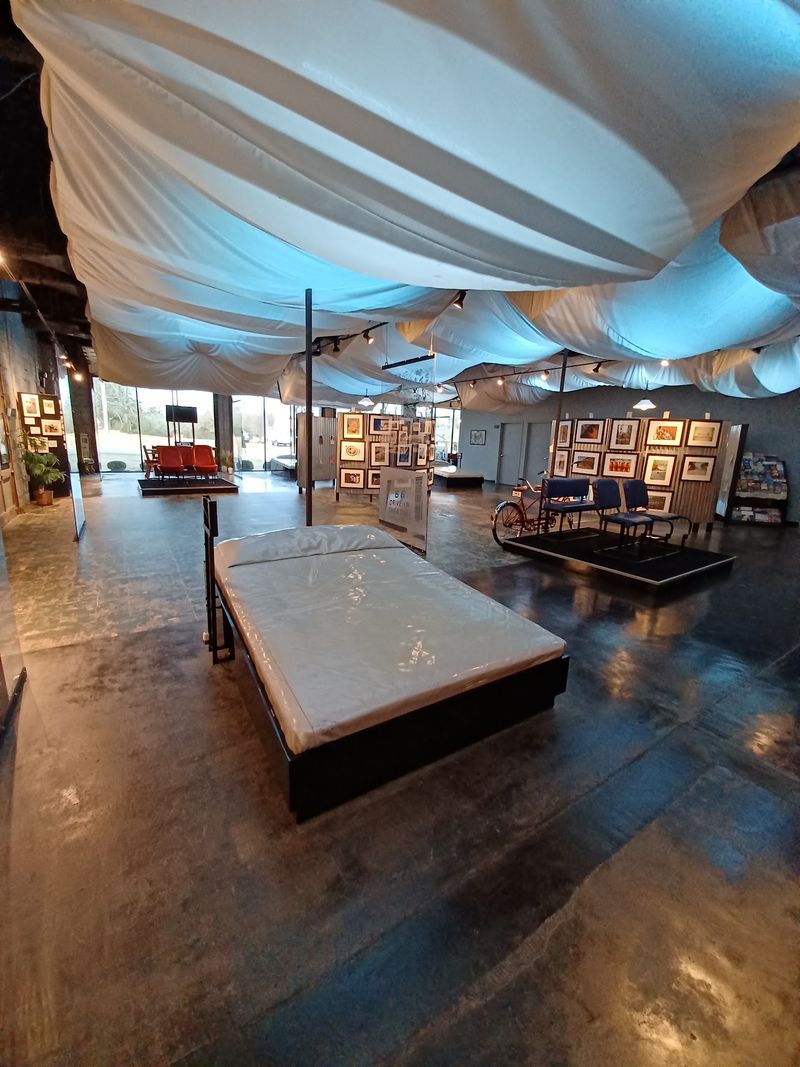
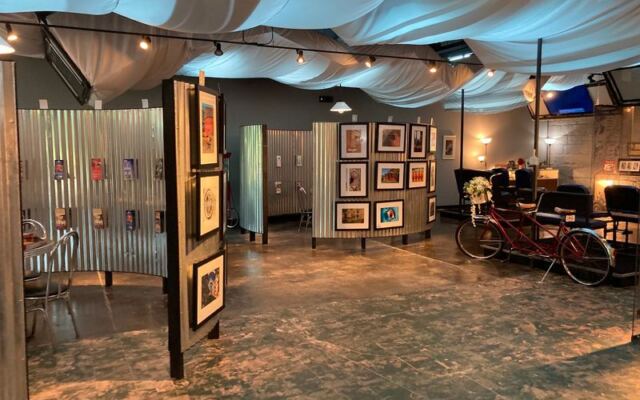
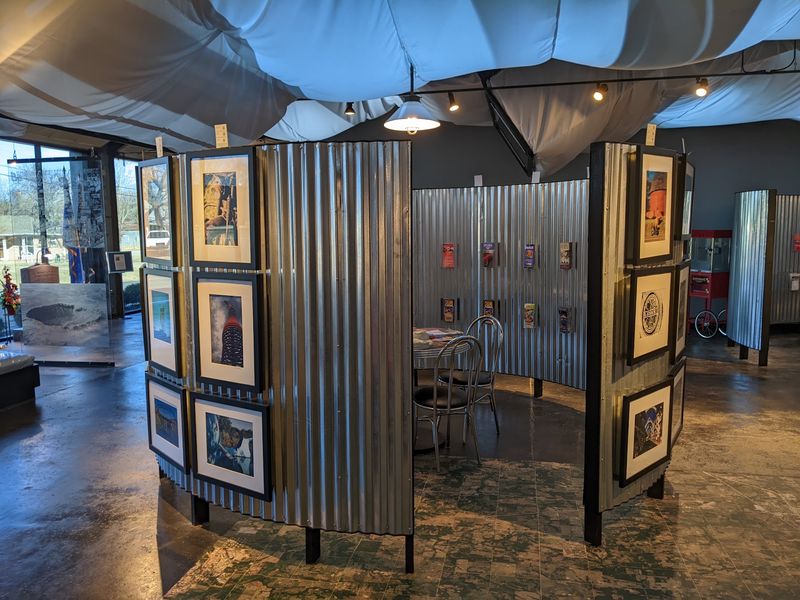
Walking through the Route 66 Interpretive Center feels less like browsing a museum and more like stepping onto the highway itself. Exhibits trace the full arc of the Mother Road, from its construction and golden age of American road travel to the communities that grew up around it and the travelers who made it legendary.
The storytelling is layered, mixing hard facts with the kind of human detail that makes history feel personal.
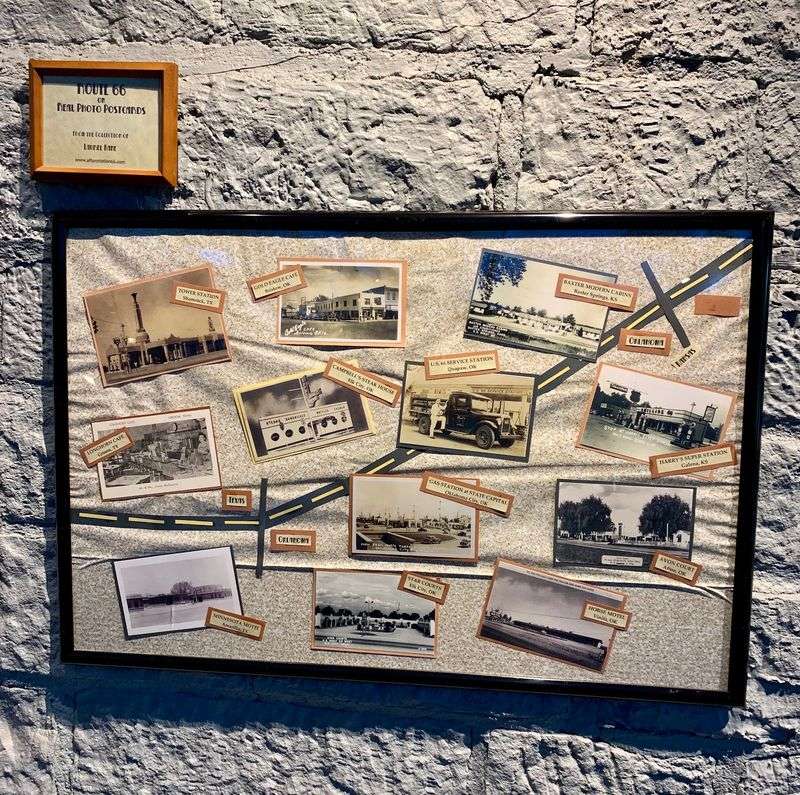
Visitors encounter memorabilia, historical photographs, and artifacts that connect Route 66 to the broader American experience of the mid-20th century. The 1930s and World War II era receives particular attention, grounding the highway’s story in the social and economic forces that shaped it.
Staff members describe the curation as brilliantly laid out, and the flow of the space keeps visitors moving naturally from one chapter of the story to the next.
What stands out most for many guests is the way the exhibits avoid feeling static. There is genuine energy in the space, partly from the knowledgeable guides who bring context to each display and partly from the interactive elements woven throughout.
Visitors regularly mention leaving with a deeper understanding and appreciation for the road than they arrived with, which is exactly what a great interpretive center should deliver.
Video Exhibits Viewed from Vintage Car Seats and Motel Beds
Few museums have figured out how to make watching a documentary feel like part of the adventure, but the Route 66 Interpretive Center pulls it off with genuine flair. Throughout the building, short video presentations cover different segments and stories of the Mother Road.
The films range from around two to five minutes in length, with one longer documentary running about twenty minutes for visitors who want to settle in.
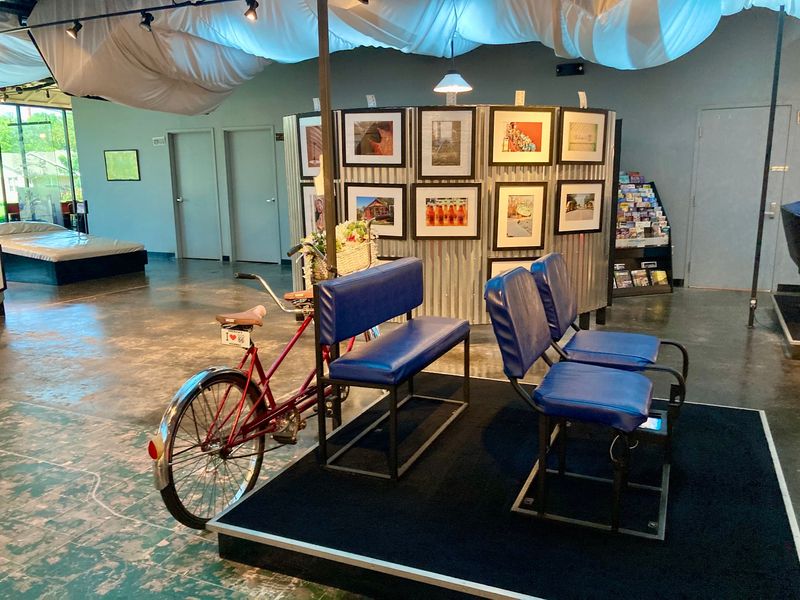
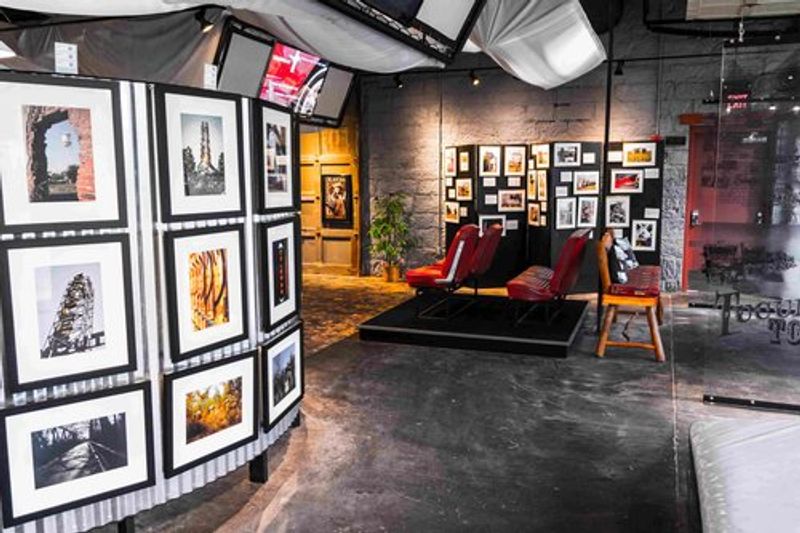
The seating arrangements are where things get genuinely fun. Guests can watch videos while sitting in seats pulled from vintage A-Model Fords, classic Mustangs, and other period vehicles.
Others stretch out on actual mattresses from old Route 66 motels, looking up at screens mounted overhead. The effect is playful and immersive, turning what could be a passive viewing experience into something that feels like a piece of the road trip itself.
Visitors consistently highlight these interactive video stations as standout moments of the tour. The combination of short runtimes and creative seating keeps energy levels high and attention focused, which matters especially for families with younger children.
One reviewer noted that a patient visitor could easily spend three or four hours working through all the available films, emerging with a genuinely rich picture of Route 66 and the culture surrounding it.
Tour Guides Who Carry the History in Their Bones
Some museums let their exhibits do all the talking. The Route 66 Interpretive Center takes a different approach, and the results speak for themselves.
Staff guides lead visitors through the space with a warmth and depth of knowledge that transforms a simple walk-through into something closer to a conversation with someone who genuinely loves what they do.
Visitors frequently describe the guides as walking history books, full of stories, context, and personal enthusiasm for both the highway and the building. One guest wrote that the love and passion of their guide was something they could clearly feel throughout the entire tour.
Another described their experience as being made to feel right at home from the moment they arrived, crediting the guide’s welcoming personality for setting the tone.
The staff’s friendliness comes up again and again across visitor accounts, and it reads as authentic rather than rehearsed. These are people who know the material deeply and genuinely enjoy sharing it.
For solo travelers or families who might otherwise skim through a museum in twenty minutes, having a knowledgeable guide available changes the entire experience. Plan to ask questions, because the answers tend to be far more interesting than anything printed on a label.
The Kids Corner and Why Families Feel at Home Here
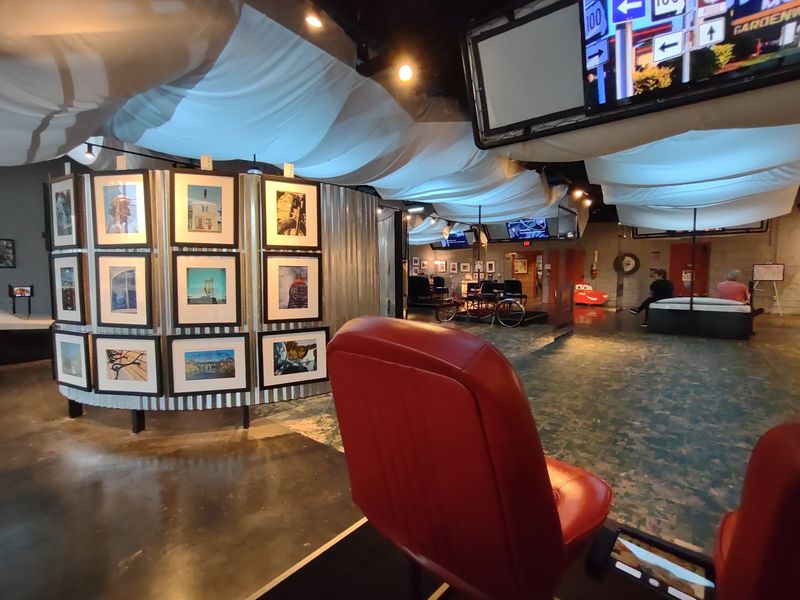
Road trips with young children require a certain kind of stop: somewhere that holds adult interest without leaving the kids staring at the ceiling. The Route 66 Interpretive Center manages that balance with a dedicated Cars-themed floor play area designed specifically for little ones.
The nod to the beloved animated film, which drew heavily from Route 66 culture, makes it feel immediately familiar to children who know the movie.
While parents explore exhibits and settle into vintage car seats for a documentary, younger visitors have a dedicated space to play and burn off some of that backseat energy. It is a small but thoughtful addition that signals the museum understands its audience extends well beyond history enthusiasts traveling solo.
Families mention it as a genuine plus, especially for those with toddlers or early elementary-age children who might not engage as deeply with the historical content.
Beyond the play area, the museum’s overall layout and the guides’ approachable style make it easy for families to move at their own pace. The bite-sized video format helps too, since shorter films are far more kid-friendly than hour-long presentations.
Visitors with dogs will also be pleased to know the center is pet-friendly, making it one of the more welcoming stops along this stretch of the Mother Road for the whole crew.
The Gift Shop That Earns Its Own Reputation
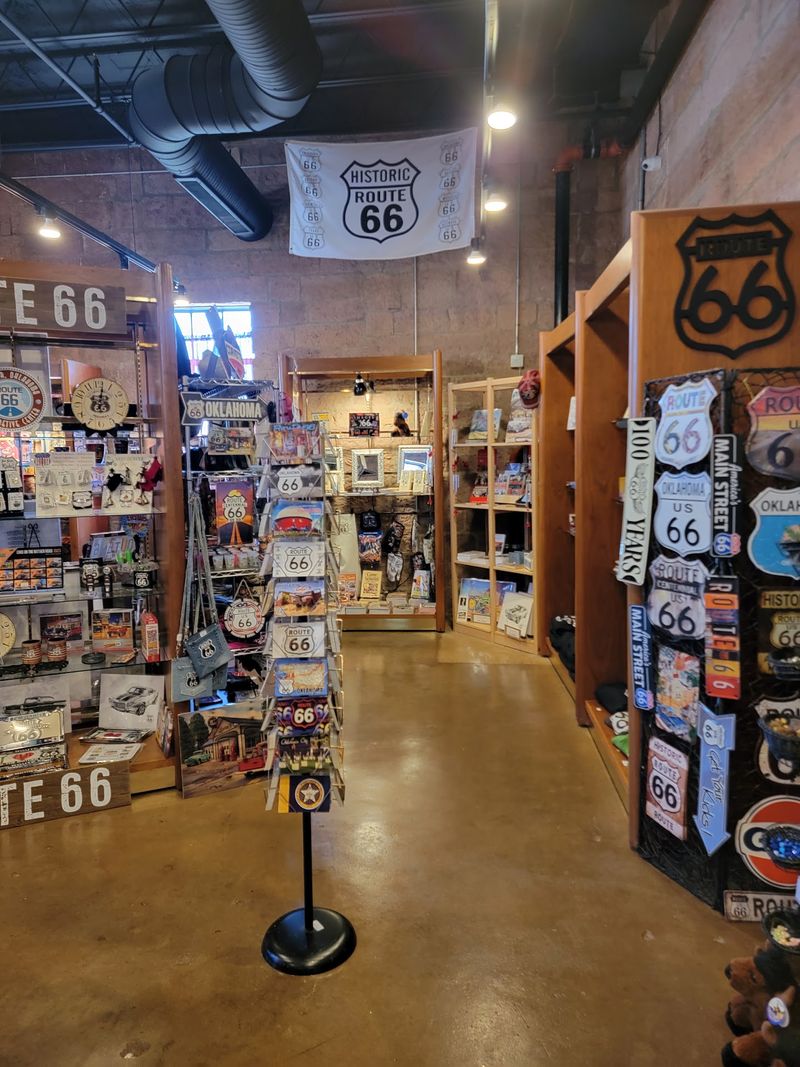
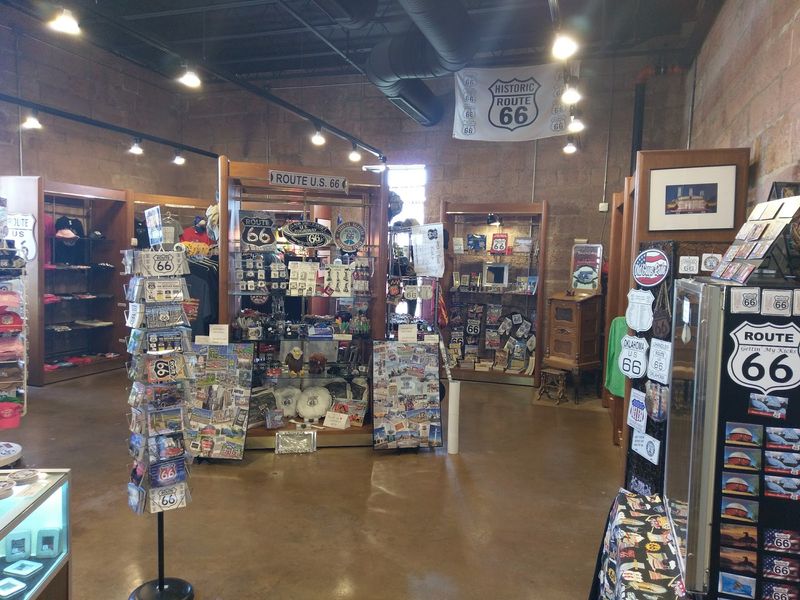
Roadside gift shops can be an afterthought, a row of refrigerator magnets and a postcard rack near the exit. The gift shop at the Route 66 Interpretive Center has built a reputation that is anything but generic.
Visitors describe it as one of the highlights of the stop, packed with carefully selected Route 66 merchandise that ranges from practical souvenirs to genuinely collectible items.
Magnets, bells, apparel, and road-trip-ready keepsakes fill the shelves, and the selection leans toward quality rather than quantity of the cheapest available option. One guest mentioned spending considerably more than expected simply because the items were so well chosen.
Free maps of Oklahoma and Route 66 are available for the taking, which is a practical and generous touch that road-trippers genuinely appreciate.
Cold bottled sodas are also on offer, and more than one visitor has mentioned holding onto the bottle as a souvenir in its own right. The shop doubles as the admission desk, so guests entering from either end of the building can handle ticketing there without confusion.
For anyone building a Route 66 collection or simply looking for a gift that carries a real sense of place, this shop consistently delivers. Budget a few extra minutes, because browsing tends to take longer than planned.
Admission Pricing and What the Ticket Actually Gets You
Value is always part of the road-trip calculation, especially when stops add up across a long journey. At the Route 66 Interpretive Center, the admission price lands at approximately $7.50 for adults, a figure that visitors consistently describe as reasonable given everything included in the experience.
Discounts are available for veterans and seniors, reflecting the museum’s commitment to making the space accessible to a broad audience.
For that ticket, guests receive access to the full guided tour, all video exhibits, the interactive seating stations, the play area for children, and free Oklahoma and Route 66 maps to take on the road. The guided component alone adds significant value, since a knowledgeable staff member walking you through decades of highway history is worth considerably more than the price of a fast-food lunch stop.
One visitor noted that an hour felt like a minimum and that a thorough exploration of all the films and exhibits could fill three to four hours comfortably. That kind of depth-to-cost ratio makes the Interpretive Center stand out against pricier attractions that deliver far less.
For budget-conscious travelers who still want a meaningful experience, this is exactly the kind of stop that makes a Route 66 road trip feel rich without draining the wallet before the next state line.
Hours, Closures, and When to Plan Your Visit
Planning ahead pays off at the Route 66 Interpretive Center, particularly because Monday closures can catch travelers off guard mid-trip. The museum is open Tuesday through Saturday from 10 AM to 5 PM and on Sundays from 1 PM to 5 PM.
Mondays are fully closed, so anyone building a tight itinerary should factor that in before making the detour into Chandler.
The 10 AM opening on most days makes it a solid morning stop, especially for travelers who like to get an early start and knock out a meaningful attraction before the afternoon heat kicks in during summer months. Sunday’s later 1 PM start is worth noting for weekend road-trippers who might otherwise show up at 10 AM expecting the doors to be open.
Visitors who want to see everything, including all the video content, should plan for at least two hours and ideally more. Arriving close to the 5 PM closing time risks a rushed experience, and the staff and exhibits genuinely reward a slower pace.
The museum’s phone number is +1 405-258-1300 for anyone who wants to confirm hours before heading out, and the official website at route66interpretivecenter.org carries current information. A quick call or check before the drive is always a smart move.
Events, Rentals, and the Center Beyond Museum Hours
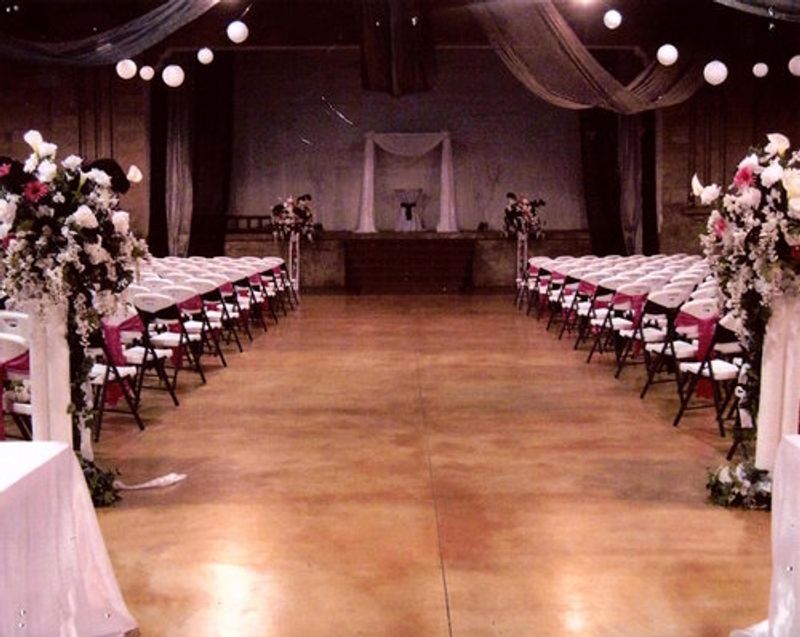
Beyond its role as a museum, the Route 66 Interpretive Center serves the Chandler community as a full-service event venue, and it handles that role with surprising capacity. The building’s spacious interior comfortably accommodated a fundraising event for 145 guests while still leaving room to spare, according to one visitor who organized a large gathering there.
The open floor plan of the old armory lends itself naturally to events of all sizes.
The facility includes a full-size projector, a microphone system, and music hookup capability, making it practical for presentations, reunions, and celebrations alike. Staff members like Danita, who has been praised by event organizers for helpfulness and catering recommendations, bring the same warm professionalism to event planning that tour guides bring to museum visits.
The building has hosted everything from political fundraisers to veteran reunions, demonstrating its range.
For locals looking for a venue with genuine character and historical weight, the Interpretive Center offers something most conference rooms simply cannot match. Renting a space inside a WPA-built Art Deco armory listed on the National Register of Historic Places brings an atmosphere that no modern event hall can replicate.
Anyone interested in booking the space for a private event can reach the staff by phone or through the museum’s website to discuss availability and logistics.
Who Will Love This Stop Most and Why It Sticks With You
Certain places leave a mark that outlasts the day you visited, and the Route 66 Interpretive Center tends to be one of them. History lovers will find the depth of content genuinely satisfying, from the WPA construction story to the social history of mid-century American road culture.
Route 66 enthusiasts specifically will feel like they have found a place that treats the highway with the seriousness and affection it deserves.
Families benefit from the mix of engaging formats: short films, interactive seating, a play area for children, and guides who know how to pitch their storytelling to different audiences. Solo travelers who wander in without a plan, as more than one visitor has described doing, often end up staying far longer than intended and leaving genuinely glad they stopped.
The unplanned stop that turns out to be the highlight of the trip is a classic road-trip experience, and this museum delivers it reliably.
Pet owners traveling with dogs have an extra reason to stop, since the center welcomes four-legged companions. Seniors appreciate the accessible layout and the discounted admission.
The overall atmosphere is welcoming, unhurried, and steeped in a kind of Oklahoma pride that feels earned rather than performed. For anyone on a Route 66 journey, skipping Chandler means skipping one of the road’s genuinely rewarding chapters.
Share this story